Introduction: What Happens When an Outdoor Fish Tank Freezes?
When winter temperatures drop below freezing, outdoor fish tanks, patio aquariums, balcony ponds, and backyard water gardens can quickly develop a layer of ice. For fish owners, this raises an important question: Can a frozen fish tank cause oxygen depletion, and what should you do to protect your fish?
The short answer is yes. A frozen water surface can contribute to low dissolved oxygen levels, especially when ice and snow cover the water for extended periods. However, the presence of ice does not automatically mean that fish are suffocating. The actual risk depends on the amount of liquid water remaining, fish species, water depth, stocking density, organic waste, water temperature, and the duration of the freeze.
Cold-water fish, including many common goldfish and koi, can survive winter in suitable outdoor ponds. Their metabolism generally slows as water temperatures decrease, reducing their oxygen demand. Nevertheless, they still need dissolved oxygen to survive. If the water becomes severely oxygen-depleted or the pond freezes nearly solid, even cold-tolerant fish can be in danger.
The challenge is to maintain a suitable winter environment without disturbing the fish unnecessarily. Breaking ice with a hammer, pouring boiling water into a tank, or attempting to heat the entire water volume rapidly can create additional problems. A safer strategy involves understanding oxygen exchange, selecting appropriate aeration equipment, maintaining an opening in the ice when needed, and recognizing when a shallow outdoor tank is no longer suitable for winter.
This guide explains why freezing can lead to oxygen depletion, how to assess the condition of an outdoor fish tank, how to use an air pump or pond de-icer, and how to remove ice without harming fish. It also covers winter preparation, common mistakes, and practical solutions for balcony tanks, patio ponds, and larger backyard water features.
1. Can a Frozen Fish Tank Cause Oxygen Depletion?
Yes. A frozen fish tank can experience oxygen depletion when the supply of dissolved oxygen becomes insufficient to meet the needs of fish and other organisms.
The important distinction is that ice itself does not immediately remove all the oxygen from the water. Instead, freezing changes the conditions under which oxygen enters, moves through, and is consumed within the aquatic environment.
How fish obtain oxygen
Fish extract dissolved oxygen from water through their gills. Unlike terrestrial animals, they cannot simply breathe atmospheric air unless they belong to a species with specialized adaptations.
Dissolved oxygen enters an outdoor pond through several processes:
-
Exchange between the atmosphere and the water surface.
-
Photosynthesis by aquatic plants and algae when light is available.
-
Oxygen entering with appropriately oxygenated incoming water.
-
Circulation and mixing that distribute oxygen throughout the water.
These processes vary according to temperature, light, water movement, and biological activity.
When the surface freezes, direct exchange with the atmosphere becomes restricted. If snow also covers the ice, less sunlight reaches aquatic plants and algae, potentially reducing photosynthetic oxygen production.
Meanwhile, fish, bacteria, and other organisms continue consuming oxygen.
If oxygen consumption exceeds oxygen replenishment for long enough, dissolved oxygen levels can fall to dangerous levels.
Does every frozen pond develop low oxygen?
No. A suitable pond may remain healthy beneath a layer of ice, particularly when it has sufficient depth, low organic loading, appropriate fish stocking, and a stable liquid-water zone.
In a deep pond, the ice can act as an insulating layer that slows additional heat loss. Cold-water fish may remain relatively inactive in the deeper water, and their metabolic oxygen demand can decrease.
However, a shallow outdoor tank behaves differently. It has less water volume, less thermal stability, and less room for fish to remain in a suitable environment.
A small balcony tank that freezes extensively may become dangerous much sooner than a large, well-designed backyard pond.
The key issue is not simply whether the water surface is frozen, but whether the remaining water can maintain adequate oxygen, suitable temperature, and enough liquid space for the fish.
2. Why Does Ice Reduce Oxygen Exchange?
Understanding the relationship between ice and dissolved oxygen helps you decide whether aeration or ice removal is necessary.
Ice restricts atmospheric gas exchange
Under normal conditions, oxygen can move from the atmosphere into water across the water's surface. Water movement and surface turbulence can support this process.
When a continuous ice layer forms, the exposed water surface becomes smaller or disappears entirely.
Gas exchange may still occur through openings, cracks, porous snow and ice under certain conditions, and other exposed areas. However, it can become much more limited than it was before freezing.
A small opening in the ice can therefore be helpful, especially during prolonged cold spells.
It is important to remember that an opening is not a guarantee of adequate oxygen. The pond's overall oxygen demand and water circulation still matter.
Snow cover can make conditions worse
Snow is an additional concern because it reduces the amount of sunlight reaching the water.
Aquatic plants and algae may produce oxygen through photosynthesis when light is available. Under prolonged snow cover, photosynthetic activity can decrease.
At the same time, microorganisms continue breaking down organic material. This process consumes oxygen, potentially worsening the situation beneath the ice.
For this reason, a pond covered by both ice and deep snow may face greater oxygen challenges than one with clear ice and adequate light penetration.
Cold water holds more oxygen, but fish still need it
Cold water can hold more dissolved oxygen than warm water at the same atmospheric pressure and salinity.
This is one reason cold-water ponds may remain viable during winter.
However, greater oxygen solubility does not eliminate the risk of oxygen depletion. Oxygen levels depend on both supply and consumption.
A pond with excessive organic waste, too many fish, or prolonged surface sealing may still develop dangerously low dissolved oxygen concentrations.
A frozen surface can hide poor water quality
Ice prevents easy visual inspection of the water below. Fish may be less active in winter, and their movements may be difficult to observe through cloudy ice.
Water can therefore deteriorate without obvious surface signs.
A pond that appears quiet and undisturbed is not necessarily healthy. When practical, monitor dissolved oxygen with a suitable meter or seek professional guidance if fish behavior suggests a problem.
3. Which Outdoor Fish Tanks Are Most Vulnerable to Oxygen Depletion?
Not every outdoor water feature faces the same level of risk. Several factors determine how quickly conditions may become unsafe.
Shallow balcony fish tanks
Balcony fish tanks often have a limited water volume and shallow depth.
This creates two problems. First, the water temperature can change rapidly during a freeze. Second, the fish have little space to remain in a stable, liquid-water zone.
Even if an air pump is running, it cannot compensate for a container that is freezing nearly solid.
If you keep fish in a shallow outdoor container, prepare an appropriate indoor aquarium before freezing temperatures arrive. Do not wait until most of the water has turned to ice.
Small patio ponds
Patio ponds are often decorative containers with limited depth. Some contain goldfish or other ornamental fish, but their suitability for winter depends on the species and local climate.
A patio pond with a small water volume can experience rapid changes in temperature and water quality.
Organic debris can also accumulate quickly relative to the total volume, increasing oxygen demand.
For a small pond, winter preparation should focus on sufficient water depth, suitable stocking, debris removal, and a realistic plan for prolonged freezing.
Large backyard ponds
A properly designed backyard pond may offer a more stable winter environment because of its greater volume and depth.
However, large ponds can still develop low oxygen levels when they contain many fish, substantial organic debris, or extended ice and snow cover.
Koi ponds deserve particular attention because koi need adequate space and stable water quality.
A deep pond is not automatically safe, but sufficient depth can provide important advantages.
Heavily stocked ponds
The more fish a pond contains, the greater its oxygen demand may be.
Fish also produce waste, which contributes to the biological load. If the pond is already close to its capacity, winter can expose weaknesses that were less obvious during warmer weather.
Avoid adding fish late in the season without considering the pond's capacity and overwintering conditions.
Ponds with decaying leaves and plant matter
Fallen leaves, dead aquatic plants, uneaten food, and other organic material provide a food source for microorganisms.
As these materials decompose, oxygen is consumed.
Removing excess debris before winter can therefore help reduce the risk of oxygen depletion.
Do not aggressively stir the bottom of a frozen pond to remove waste, because this can disturb fish and release accumulated material into the water.
4. How to Recognize Possible Oxygen Depletion in Winter
Low oxygen is not always obvious beneath ice, so understanding warning signs is important.
Fish gasping near an opening
Fish gathering near an aeration outlet or ice-free area may indicate that they are seeking better oxygen conditions.
However, this behavior is not conclusive on its own. Water temperature, circulation patterns, and other environmental factors can also influence where fish gather.
If several fish suddenly crowd near the surface or an air outlet, investigate promptly.
Unusual swimming behavior
Fish that lose balance, swim erratically, or show unusual weakness may be experiencing a serious environmental problem.
Low oxygen is one possible cause, but temperature shock, ammonia toxicity, disease, and other water-quality problems can produce similar signs.
Do not assume that every abnormal behavior is caused by freezing alone.
Reduced movement is not always an emergency
Cold-water fish commonly become less active as temperatures decline.
Goldfish and koi may remain near the bottom and move very little during cold periods.
Reduced movement alone does not prove that fish are suffocating or dead. Avoid striking the ice or repeatedly disturbing the pond to force a response.
Sudden changes in water quality
If you can safely sample the water, dissolved oxygen measurements can help clarify whether oxygen availability is a problem.
Ammonia and nitrite testing may also be useful, particularly if the pond is heavily stocked or has a history of water-quality issues.
A dissolved oxygen concentration of approximately 5 milligrams per liter or higher is often a useful general target for many fish systems, but appropriate requirements vary by species, temperature, life stage, and other conditions. Some fish need higher concentrations, and a single measurement may not capture the lowest oxygen levels in the pond.
If fish show severe distress, seek advice from an aquatic veterinarian or qualified pond specialist rather than relying exclusively on visual observations.
5. What Should You Do First When the Fish Tank Freezes?
When you discover ice on an outdoor fish tank, resist the urge to break it immediately.
A measured response is safer for both the fish and the equipment.
Step 1: Check the weather forecast
Determine whether the freeze is expected to last a few hours or several days.
A brief overnight freeze may require little intervention in a suitable pond. A prolonged freeze, especially with heavy snow, increases the need to evaluate gas exchange and water depth.
Pay particular attention to overnight lows and the number of consecutive freezing days.
Step 2: Assess the depth of the remaining liquid water
Observe the tank from a safe position.
If the container is transparent or its sides are visible, estimate how much water remains unfrozen. Do not stand on the ice, hit it with a tool, or force a probe through it.
If the water is shallow enough that the entire container could freeze, prioritize moving the fish to an appropriate indoor system before conditions worsen.
Step 3: Check existing equipment
Look for signs that the air pump, tubing, filter, or pond de-icer has stopped working.
Inspect accessible tubing for ice blockage and check whether the expected airflow or water movement is present.
Do not touch damaged electrical equipment or wet electrical connections. If an electrical hazard is suspected, keep away and obtain qualified assistance.
Step 4: Evaluate the pond's biological load
Consider how many fish are present, whether leaves and other debris have accumulated, and whether the pond was already experiencing water-quality problems.
A heavily stocked pond with a high organic load may need more careful monitoring than a clean pond containing only a few fish.
Step 5: Choose an appropriate response
If the pond has sufficient depth and only the surface is frozen, maintaining a small opening and suitable aeration may be enough.
If the tank is too shallow or nearly frozen solid, an ice opening alone may not solve the problem.
Prepare an appropriate alternative habitat if necessary, and avoid moving fish abruptly into warm water.
6. How to Break Ice Safely Without Harming Fish
The phrase "break the ice" is common in winter pond care, but it can be misleading. The goal should generally be to create or maintain a suitable opening, not to smash the surface.
Why you should never hit the ice with a hammer
Striking ice creates vibrations and pressure waves that can travel through the water.
Fish have sensory systems that detect movement and vibration. Strong impacts can disturb them and may increase stress during an already challenging period.
Heavy tools can also damage pond liners, crack rigid containers, break equipment, or send sharp fragments into the water.
Repeated impacts are unnecessary when safer methods are available.
Method 1: Use a purpose-built pond de-icer
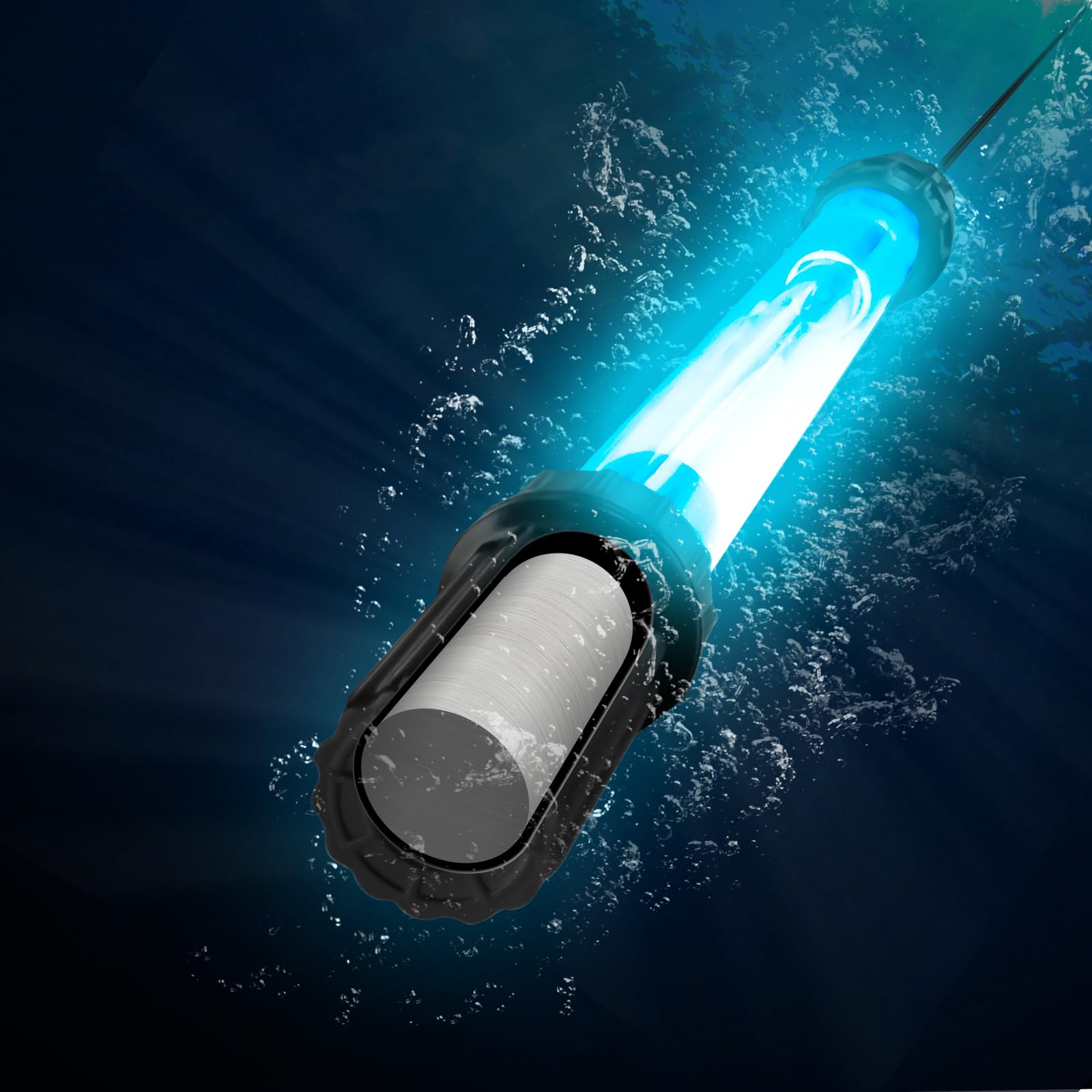
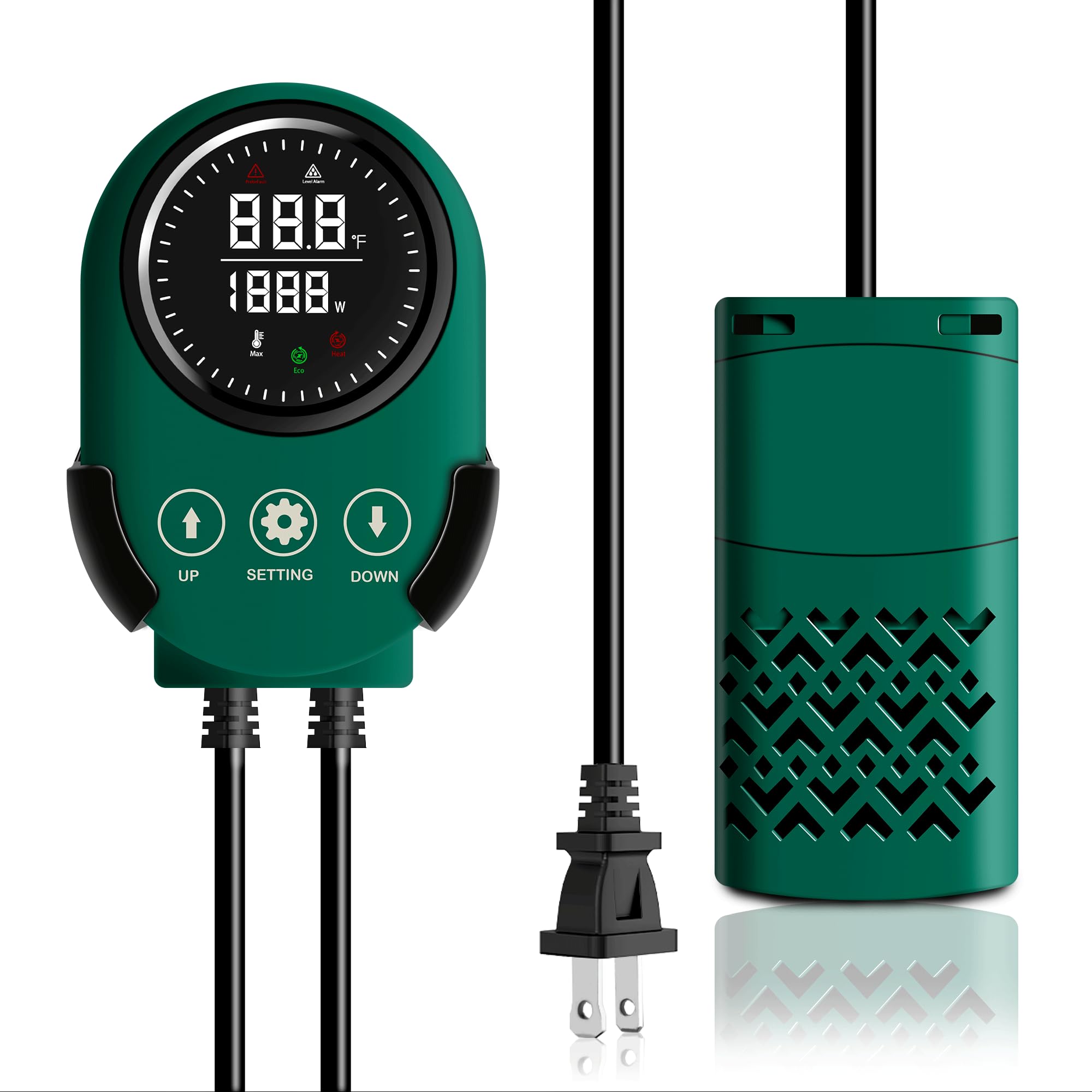
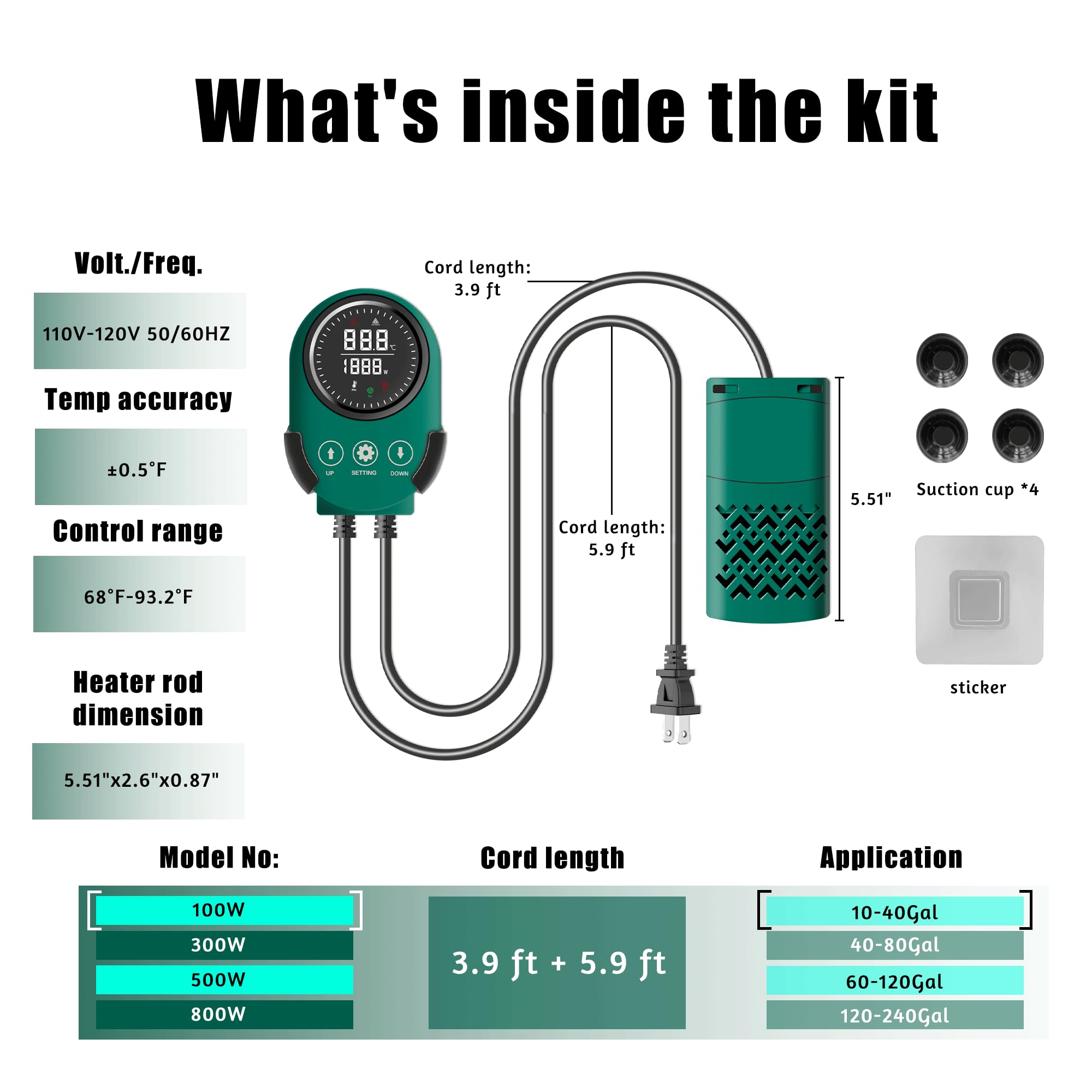
A pond de-icer is designed to maintain a localized ice-free area during freezing weather.
Many models use a heating element to prevent ice from forming around the device. They do not necessarily warm the entire pond or provide oxygen directly.
For a pond that experiences repeated freezes, a properly selected de-icer can be a practical option.
Before using one, check:
-
Whether it is rated for outdoor pond use.
-
The manufacturer's recommended pond size and operating conditions.
-
The required water depth and installation position.
-
Whether it is compatible with the pond liner or container.
-
Electrical safety certification appropriate to your location.
-
Ground-fault circuit interrupter (GFCI) protection.
-
Cable condition and safe placement of electrical connections.
Do not use an ordinary indoor aquarium heater outdoors unless the manufacturer explicitly approves that application.
Follow all installation instructions and keep the device away from materials that could be damaged by localized heat.
Method 2: Carefully melt a small opening with warm water
In limited circumstances, a container of warm water can be placed against the ice to melt a small opening.
The water should be contained in a suitable heat-safe vessel, and the method should be used only when it can be performed without introducing hot water directly into the pond.
Never pour boiling water into the pond. Sudden temperature changes can stress fish, and tap water may introduce chlorine or other substances that require treatment.
This approach may also be ineffective for thick ice or during prolonged severe cold.
For recurring winter conditions, a purpose-built de-icer is generally more predictable.
Method 3: Use a safe, purpose-designed ice-removal tool
Some pond-care tools are designed to clear or manage surface ice without the heavy impacts associated with a hammer.
Use only tools that are appropriate for the pond and do not require forceful striking.
Avoid pushing sharp metal objects into the water or attempting to break a large area of ice at once.
How large should the opening be?
There is no single opening size suitable for every pond.
A small opening may support gas exchange, but the required area depends on the pond's size, fish population, organic load, and environmental conditions.
The purpose is not to remove all the ice. It is to maintain an appropriate gas-exchange area while preserving a stable aquatic environment.
7. How to Use an Air Pump for Winter Pond Aeration
Aeration is one of the most important tools available for managing oxygen exchange during winter.
However, air pump placement matters, particularly in deeper ponds.
What does an air pump do?
An air pump sends air through tubing to a diffuser or air stone submerged in the water.
The rising bubbles create water movement and can promote gas exchange. The bubbles themselves also exchange gases with the surrounding water as they rise.
The effectiveness of this system depends on airflow, diffuser design, water depth, temperature, and the pond's oxygen demand.
An air pump does not automatically guarantee that every part of the pond has adequate dissolved oxygen.
Why bottom aeration can be problematic in winter
In sufficiently deep freshwater ponds, water near the bottom may remain close to 39°F (4°C), while water near the surface is colder.
This temperature structure can provide a relatively stable overwintering zone for suitable cold-water fish.
If an air stone is placed at the deepest point, rising bubbles can circulate deeper water toward the surface. Depending on the pond, this may disrupt temperature layering and expose fish to colder water.
For this reason, bottom aeration is not always the best winter configuration.
Where should the air stone be placed?
In many deep ponds, placing the diffuser in the upper portion of the water column can promote surface movement while reducing disturbance to the deeper water.
The correct position depends on the pond's depth, diffuser output, fish species, and equipment design.
A very shallow balcony tank may not have a distinct warm bottom zone to preserve. In that case, the larger problem is the tank's limited depth and susceptibility to freezing.
Follow the equipment manufacturer's instructions and seek specialist advice if you are unsure how to configure the system.
Choose an outdoor-rated air pump
An air pump intended for indoor aquariums may not be suitable for exposed winter conditions.
Look for equipment with appropriate weather resistance, reliable airflow, compatible tubing, and clear cold-weather operating instructions.
Protect electrical connections from moisture, and install the system in accordance with local electrical safety requirements.
Check tubing for ice blockages
Water or condensation can collect in air tubing and freeze during severe weather.
If airflow suddenly stops, inspect accessible tubing and fittings for blockage.
Do not force air through a frozen line or use an unapproved heating device to thaw it.
A pump that continues running against a blocked line may be unable to provide the expected aeration.
8. Is a Pond De-Icer or an Air Pump Better?
These devices serve different purposes, so the best choice depends on the problem you are trying to solve.
Pond de-icer: Best for maintaining an opening
A de-icer prevents ice from forming around a localized area. This can help maintain a pathway for atmospheric gas exchange.
It is particularly useful when a pond repeatedly becomes sealed by ice.
However, a de-icer does not necessarily supply oxygen or guarantee adequate dissolved oxygen throughout the pond.
Air pump: Best for supporting gas exchange
An air pump helps move air through the water and promotes circulation around the diffuser.
It may be useful when oxygen exchange is a concern, but it cannot reliably keep the entire pond surface ice-free during severe cold.
Its effectiveness also depends on proper placement and uninterrupted operation.
Using both devices
A suitable de-icer and a properly configured air pump can complement each other.
For example, the de-icer can maintain an opening while the air pump supports aeration.
Nevertheless, more equipment is not always the answer. A shallow container that can freeze nearly solid may remain unsuitable for outdoor overwintering even with both devices operating.
If the fish cannot be maintained safely outdoors, moving them to an appropriate indoor system is the better long-term solution.
9. Should You Keep a Pond Pump or Filter Running in Winter?
Winter pump operation depends on the equipment, pond design, and local temperatures.
Some systems can operate through winter, while others risk damage if water freezes in the pump, tubing, or filter housing.
Understand the difference between circulation and aeration
A water pump moves water from one location to another. An air pump introduces air through a diffuser.
Some circulation systems improve oxygen distribution, but they can also disturb thermal layering or draw cold surface water into deeper areas.
An air pump may be more suitable when the main goal is maintaining gas exchange without extensive circulation.
Neither type of equipment is automatically appropriate for every winter pond.
Protect equipment from freezing
If a pump or filter is not designed for freezing conditions, follow the manufacturer's instructions for winter shutdown, drainage, and storage.
Do not allow water to remain trapped in equipment that may freeze and expand.
If the system is designed to run continuously, check it regularly for reduced flow, frozen pipes, and other problems.
Avoid sudden changes to the pond environment
Turning off or restarting equipment can change circulation and oxygen distribution.
Make a winter operating plan before the first severe freeze, especially if the pond contains valuable koi or other sensitive fish.
If you are uncertain whether to continue running a particular system, consult the manufacturer or a qualified pond professional.
10. Special Considerations for Balcony Fish Tanks and Small Patio Ponds
Small outdoor tanks are often more vulnerable to winter conditions than large backyard ponds.
Why shallow tanks freeze quickly
A shallow container has less thermal mass than a deep pond.
When cold air surrounds the container, heat can be lost through the surface, sides, and bottom. Wind can increase heat loss, particularly on exposed balconies.
As a result, a small tank may experience rapid temperature changes and lose most of its liquid-water volume during a prolonged freeze.
Insulate the outside of the container
External insulation can help slow heat loss through the tank's sides.
Suitable options may include weather-resistant insulating boards or wraps compatible with the container.
Insulation should not obstruct drainage, interfere with electrical equipment, or create conditions that damage the container.
Do not cover a heater in a way that restricts its required ventilation or creates a fire hazard.
Reduce wind exposure
A suitable windbreak can reduce direct exposure to cold winds.
Ensure that the screen or barrier is securely installed and cannot fall, obstruct drainage, or create a hazard during strong winds.
Do not enclose electrical equipment in a way that violates its operating requirements.
Use a cover carefully
A suitable cover can reduce heat loss and keep leaves out of the water.
However, an airtight cover may restrict gas exchange. A cover must also remain secure without collapsing into the tank or preventing inspection.
Maintain the opening required for gas exchange and access to the equipment.
Consider moving fish indoors
For a very shallow balcony tank, indoor overwintering may be more reliable than trying to maintain liquid water outdoors throughout severe cold.
Prepare a suitable indoor aquarium in advance, including appropriate filtration, water conditioning, and temperature management.
Do not move fish directly from near-freezing water into warm water. Plan the transition carefully to avoid temperature shock and other stress.
Check the balcony's load capacity
Water weighs approximately 8.34 pounds per US gallon, before adding the weight of the tank, rocks, equipment, and other materials.
A large balcony tank can therefore impose a substantial load on a building structure.
Do not add a larger reservoir or move a heavy filled container without considering the balcony's permitted load and consulting a qualified professional when necessary.
11. How Fish Species Affect Winter Oxygen Management
Different fish have different temperature tolerances and oxygen requirements.
Goldfish
Many common goldfish can overwinter in suitable outdoor ponds when they are healthy, properly acclimated, and provided with enough depth and stable water quality.
However, fancy goldfish varieties may be less suitable for prolonged outdoor freezing because of their body shape, swimming limitations, and other characteristics.
Goldfish still require dissolved oxygen in cold water. Slower movement does not mean they no longer need oxygen.
Koi
Koi can tolerate cold water under suitable conditions, but they require sufficient space and good water quality.
Their winter safety depends on pond depth, stocking density, oxygen availability, and the severity and duration of the freeze.
A shallow patio container may not provide an adequate overwintering environment for koi.
For valuable koi or ponds exposed to prolonged severe cold, consider consulting an experienced pond professional or aquatic veterinarian.
Tropical aquarium fish
Many tropical fish are not suitable for outdoor freezing conditions.
Their temperature requirements may be incompatible with a pond that experiences winter ice. Even if the water surface remains open, the water can become too cold for the fish.
Tropical fish generally require a properly maintained heated aquarium or another environment appropriate for their species.
Do not assume that aeration alone can make an outdoor winter tank suitable for tropical fish.
Stocking density matters
Regardless of species, a heavily stocked pond generally has a greater oxygen demand than a comparable pond with fewer fish.
Reducing overcrowding and maintaining good water quality before winter can make the pond easier to manage during freezing weather.
12. Feeding and Water Quality During Winter
Oxygen management is closely connected to feeding and water quality.
Reduce feeding as temperatures fall
Many cold-water fish become less active as water temperature decreases, and their metabolism slows.
Feeding should be adjusted according to the species, actual water temperature, and the manufacturer's instructions for the food.
If fish are inactive in very cold water, uneaten food can accumulate and decompose.
This organic waste increases oxygen demand and can contribute to poor water quality.
Remove leaves and decaying material before winter
Fallen leaves, dead plants, and other debris should be removed before prolonged freezing begins.
As microorganisms break down organic material, they consume dissolved oxygen.
Reducing excess debris can therefore help lower the pond's biological oxygen demand.
Avoid disturbing the bottom during a freeze, especially if fish are resting in deeper water.
Test water quality when practical
Useful measurements may include dissolved oxygen, ammonia, nitrite, and pH.
The importance of each parameter depends on the pond's condition and fish population.
If water quality was unstable during autumn, address the underlying problems before winter rather than waiting until the surface freezes.
Do not perform unnecessary water changes during severe cold
A water change can introduce water with a different temperature or chemistry.
If a water change is necessary, use an appropriate procedure and avoid abrupt changes.
Do not attempt to warm a frozen pond by adding large quantities of hot tap water.
13. Common Mistakes When Managing Ice and Winter Oxygen
Avoiding a few common errors can significantly improve winter pond care.
Mistake 1: Smashing the ice with a hammer
Forceful impacts can create shock waves, disturb fish, and damage the pond.
Use a purpose-built de-icer or another suitable method that does not require violent impacts.
Mistake 2: Pouring boiling water into the tank
Boiling water can create abrupt temperature changes and stress fish.
Never pour it directly into the pond.
Mistake 3: Assuming an air pump guarantees enough oxygen
Aeration supports gas exchange, but oxygen levels also depend on stocking density, organic waste, water depth, and the pond's overall condition.
Monitor the system and avoid treating aeration as a substitute for suitable pond design.
Mistake 4: Putting the diffuser at the deepest point without considering pond depth
Strong bottom aeration can disturb the deeper water in some ponds.
Choose a winter diffuser position that supports oxygen exchange without unnecessarily disrupting the pond's thermal structure.
Mistake 5: Adding salt or ice-melting chemicals
Salt and household de-icing products can harm freshwater fish and alter water chemistry.
Do not use them to melt pond ice.
Mistake 6: Using an indoor heater outdoors
Ordinary aquarium heaters may not be suitable for outdoor conditions.
Use only equipment approved for the intended installation.
Mistake 7: Ignoring snow cover
Deep snow can reduce light penetration and limit photosynthetic oxygen production.
Assess whether the pond needs a safe, accessible opening and remove excess snow from suitable surfaces without damaging the installation.
Mistake 8: Waiting until the pond is almost frozen solid
Emergency interventions become more difficult when little liquid water remains.
Prepare an alternative habitat before severe cold arrives if the pond is too shallow for safe overwintering.
Mistake 9: Moving fish directly into warm water
A sudden temperature change can cause serious stress.
Prepare the receiving system and manage the transition carefully.
Mistake 10: Ignoring electrical hazards
Water, ice, and outdoor electricity create significant safety risks.
Use appropriate outdoor-rated equipment, GFCI protection, and safe electrical connections. Never handle wet plugs or damaged wiring.
14. A Practical Winter Aeration and Ice-Removal Checklist
Use the following routine to organize your winter pond care.
Before freezing temperatures arrive
-
Assess the pond's depth and suitability for overwintering.
-
Remove excess leaves and decaying plant material.
-
Review fish stocking density and species requirements.
-
Test water quality when appropriate.
-
Inspect the air pump, tubing, diffuser, and de-icer.
-
Confirm that electrical equipment is suitable for outdoor use.
-
Prepare an indoor alternative if the pond is shallow or unsuitable for winter.
When the first ice forms
-
Check the weather forecast.
-
Observe the amount of liquid water remaining.
-
Confirm that the existing equipment is functioning.
-
Avoid striking the ice or disturbing the fish.
-
Determine whether an ice-free opening is needed.
During a prolonged freeze
-
Inspect the pond regularly.
-
Check for snow accumulation and equipment failure.
-
Maintain an appropriate gas-exchange opening when necessary.
-
Monitor fish behavior without repeatedly disturbing them.
-
Test dissolved oxygen if practical and appropriate.
-
Seek professional help if fish show signs of severe distress.
When temperatures rise again
-
Continue checking equipment as ice melts.
-
Watch for sudden changes in water quality.
-
Inspect the pond for damage or leaks.
-
Resume feeding gradually according to the fish's activity and water temperature.
-
Prepare for the next cold period if freezing conditions are likely to return.
15. Frequently Asked Questions About Frozen Fish Tanks
Can fish suffocate under ice?
Yes. Fish can suffocate when dissolved oxygen falls too low, even if liquid water remains beneath the ice.
However, a frozen surface does not automatically mean the pond is oxygen-depleted. The risk depends on water depth, fish population, organic waste, snow cover, and the duration of freezing conditions.
Should I break the ice to let oxygen into the water?
You may need to maintain an opening, but do not smash the ice with a hammer or other heavy tool.
A purpose-built pond de-icer or an appropriately installed aeration system is generally a safer option.
Does a hole in the ice provide enough oxygen?
A hole supports atmospheric gas exchange, but it cannot guarantee sufficient oxygen throughout the pond.
The pond's size, stocking density, organic loading, and circulation all influence oxygen levels.
Can an air pump prevent a fish pond from freezing?
An air pump creates bubbles and water movement, but it does not reliably prevent ice formation in every pond.
A suitable pond de-icer may be needed to maintain an opening during prolonged freezes.
Should I run my air pump all winter?
If the equipment is suitable for winter operation and the placement is appropriate for the pond, continuous operation may be useful.
However, the correct approach depends on pond depth, fish species, weather conditions, and the equipment manufacturer's instructions.
Is a frozen fish tank always dangerous?
No. Some suitably designed outdoor ponds can support cold-water fish beneath ice.
A shallow container that freezes extensively is much more concerning than a deep pond with a stable liquid-water zone.
How can I tell whether my fish are alive beneath the ice?
Cold-water fish may become extremely inactive during winter.
Reduced movement alone does not prove that they are dead. Avoid hitting the ice or repeatedly disturbing the pond to check for movement.
If there are clear signs of distress, seek advice from an aquatic veterinarian or qualified pond specialist.
Can I use warm tap water to melt the ice?
Do not pour hot water directly into the pond.
It can cause abrupt local temperature changes, and untreated tap water may contain substances that are harmful to fish.
Use a suitable purpose-built de-icer when recurring freezing conditions require a more reliable solution.
Are goldfish safe in an outdoor pond during winter?
Many common goldfish can overwinter in suitable ponds, but they need adequate depth, appropriate acclimation, stable water quality, and sufficient oxygen.
Very shallow balcony tanks may not provide a safe winter habitat.
What should I do if my pond freezes nearly solid?
Do not smash the ice or attempt to thaw the entire pond rapidly.
If the remaining liquid water cannot support the fish, prepare a suitable indoor system and plan a careful transfer. Avoid moving fish abruptly from near-freezing water into warm water.
Conclusion: Safe Aeration and Gentle Ice Management Protect Fish in Winter
A frozen outdoor fish tank can experience oxygen depletion, but ice alone does not determine whether fish will survive the winter. The real concern is the balance between oxygen supply and consumption, the amount of liquid water remaining, and whether the pond can maintain suitable conditions for its inhabitants.
For a properly designed backyard pond, a layer of ice may be manageable with careful monitoring and appropriate equipment. For a shallow balcony tank, the same freezing conditions can create a much more serious problem.
The safest approach combines preparation, observation, and appropriate intervention. Remove excess organic debris before winter, use outdoor-rated aeration equipment where suitable, maintain a gas-exchange opening when needed, and avoid violent ice removal. Never strike the ice with heavy tools, pour boiling water into the pond, or assume that a single air pump can solve every winter problem.
Remember that a pond de-icer and an air pump serve different purposes. A de-icer helps maintain an opening, while aeration supports gas exchange. Their effectiveness depends on the pond's design, the fish population, and the weather.
Most importantly, recognize the limits of your outdoor water feature. If a balcony fish tank or patio pond is too shallow to maintain a stable liquid-water environment, moving the fish to a properly prepared indoor system may be the most responsible choice.
With suitable equipment, thoughtful winter preparation, and regular inspections, you can reduce the risk of oxygen depletion and protect your fish throughout the coldest months of the year.