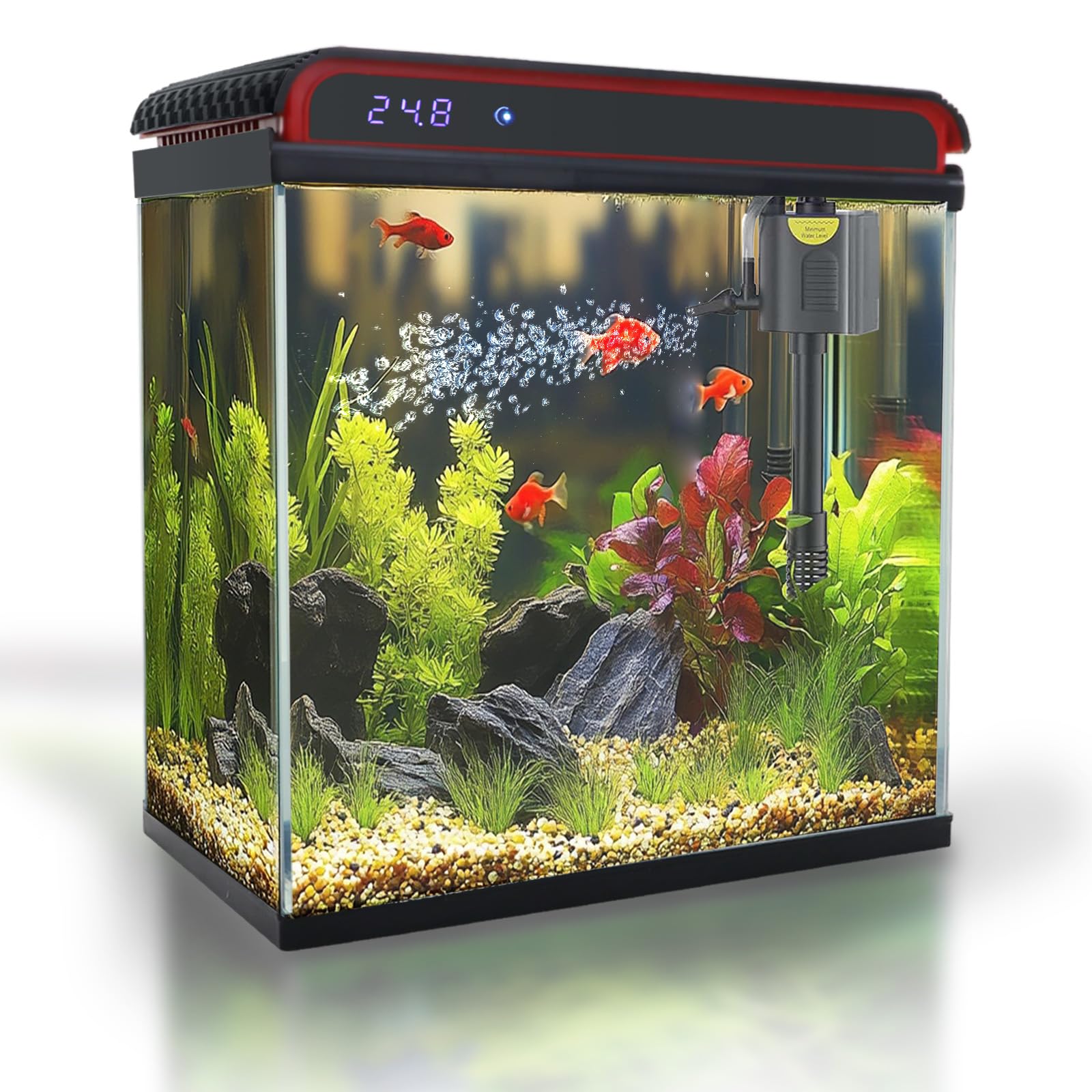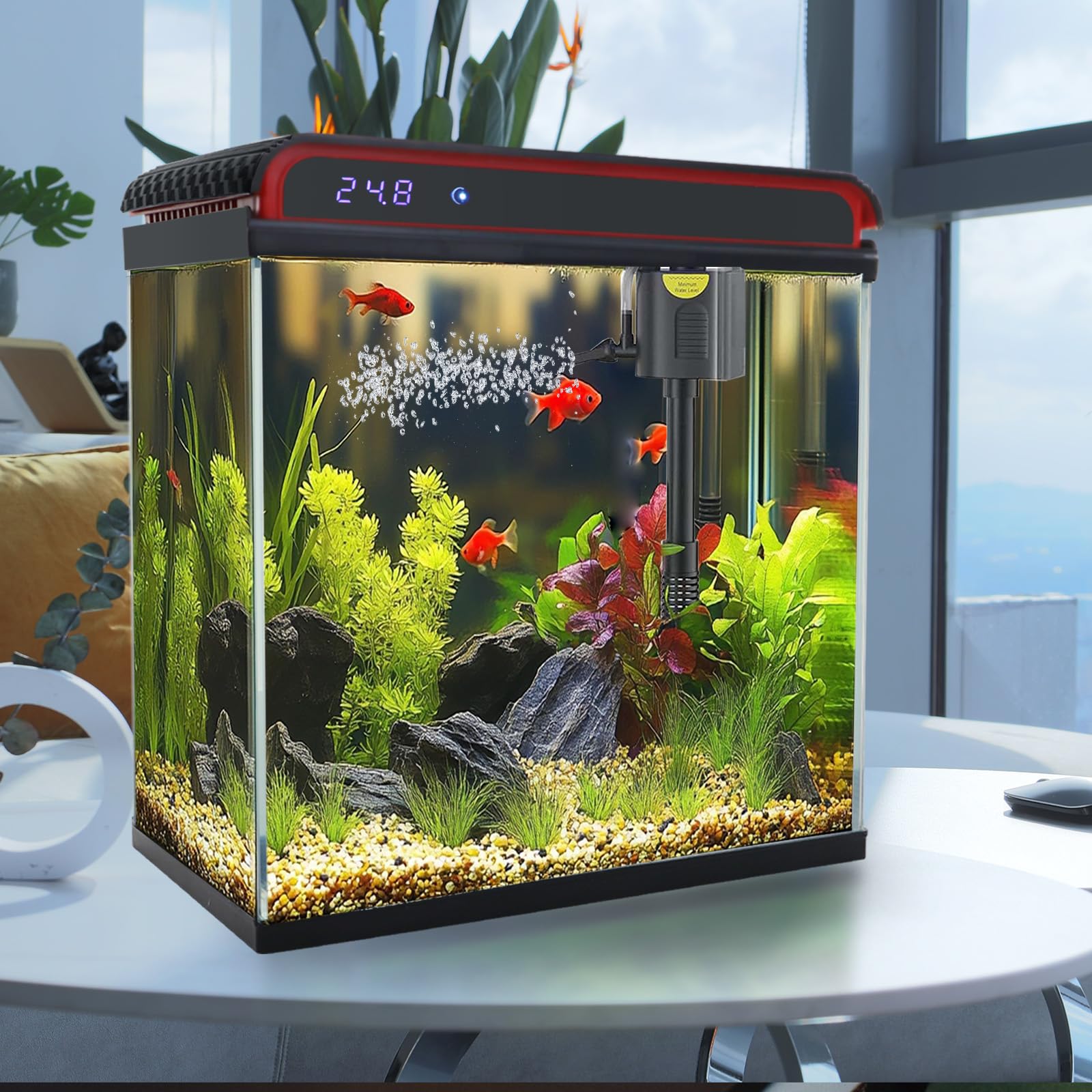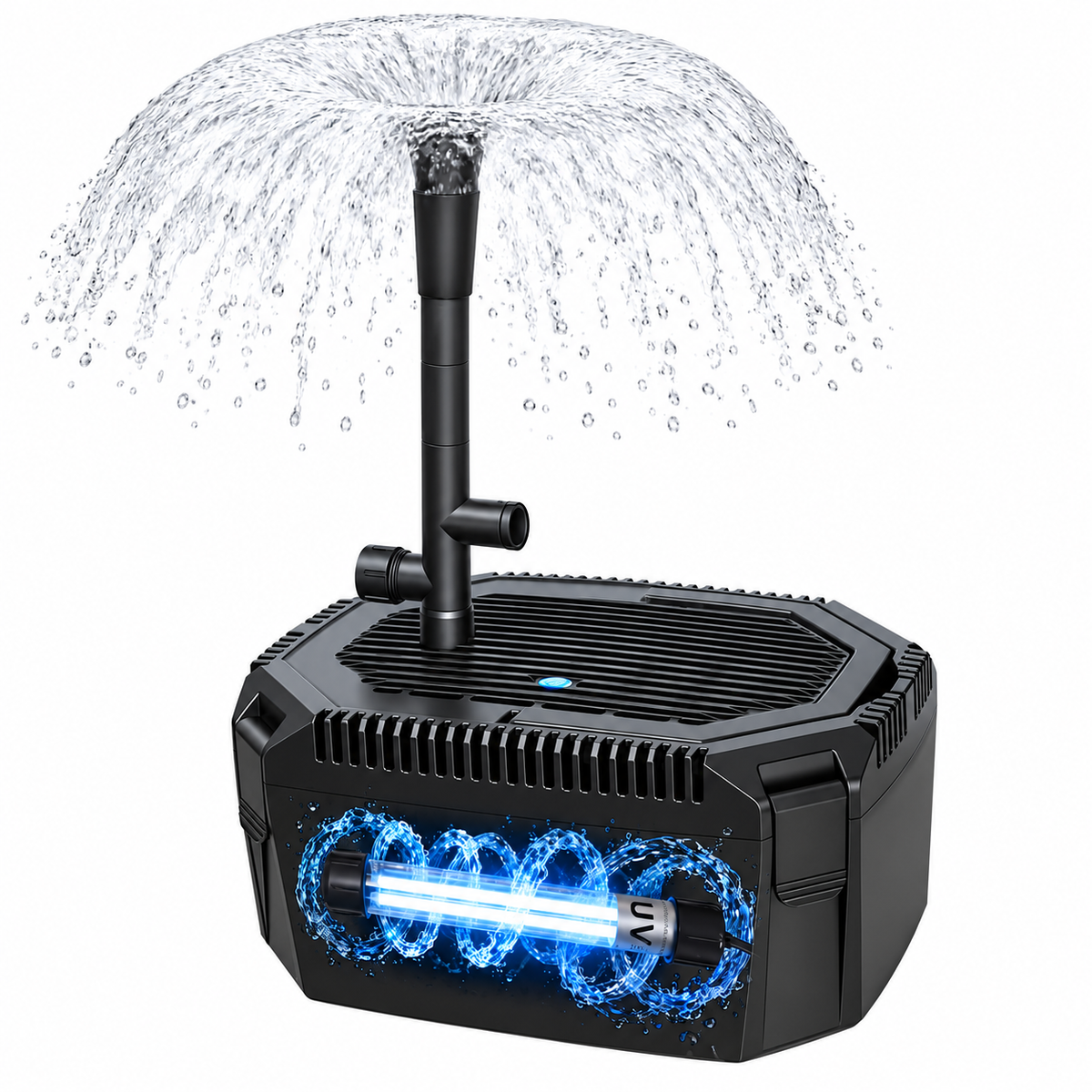
Introduction: How to Protect an Outdoor Fish Tank From Freezing in Winter
An outdoor fish tank can be a beautiful addition to a garden, patio, balcony, or backyard. Whether it houses goldfish, koi, or other cold-water species, an outdoor aquarium or pond-style tank creates a natural focal point while bringing life and movement to an outdoor space. However, when winter arrives, falling temperatures can quickly turn a healthy aquatic environment into a dangerous one.
Freezing weather creates several challenges for outdoor fish tanks. Water temperature can drop rapidly, exposed plumbing may freeze, filters may stop working, and ice can form across the surface. Even when the water beneath the ice remains liquid, fish may face reduced oxygen availability, unstable water conditions, and stress caused by sudden temperature changes.
The solution is not simply to cover the entire tank and hope for the best. Effective winter protection requires a combination of insulation, safe ventilation, appropriate water circulation, and regular monitoring. The goal is to slow heat loss, prevent dangerous ice formation, maintain adequate gas exchange, and avoid trapping fish in a poorly ventilated environment.
This guide explains how to build a practical winter protection system for outdoor fish tanks, from insulated covers and removable thermal jackets to protected ventilation openings and ice-prevention equipment. It also covers differences between small outdoor aquariums and larger ponds, common construction mistakes, and maintenance steps that help protect fish during cold weather.
The best setup depends on your local climate, tank size, fish species, and available equipment. Before starting, remember one essential rule: insulation helps slow temperature changes, but it does not create heat or guarantee that the water will remain above freezing.
1. Understand the Main Winter Risks Before Building a Cover
Before purchasing materials or constructing an insulated enclosure, identify the risks that matter most for your tank.
1.1 Water Freezing
Water expands as it freezes. In an outdoor fish tank, ice formation can reduce the available swimming space and place pressure on rigid containers, plumbing, and fittings.
A shallow tank is especially vulnerable because it contains relatively little water and has a large surface area compared with its volume. It can cool much faster than a deep pond.
Small tanks on exposed balconies or patios are often at greater risk than large, deep ponds because they lose heat quickly through their sides, base, and surface.
If the tank is not designed for freezing conditions, ice can also damage plastic containers, liners, pipes, valves, and filter housings.
1.2 Rapid Temperature Changes
Fish are sensitive to temperature changes, although their tolerance varies by species.
Cold-water fish such as goldfish and koi can tolerate cool conditions when properly acclimated and maintained in suitable environments. However, sudden temperature drops can stress them, especially when they are already weakened by poor water quality, disease, or inadequate oxygen.
Tropical fish generally require warmer, more stable water and should not be left outdoors through freezing weather unless they are housed in a properly engineered, temperature-controlled system designed for their needs.
A thermal cover can slow temperature loss, but it cannot replace appropriate heating when a species requires water temperatures above what the local climate can maintain.
1.3 Reduced Gas Exchange Beneath Ice
Fish use dissolved oxygen for respiration, while biological processes in the tank consume oxygen and produce carbon dioxide and other waste products.
When ice forms over the surface, direct contact between water and the atmosphere becomes limited. Gas exchange may decrease, especially if the ice is thick, snow-covered, or sealed beneath a solid insulating layer.
The problem can become more serious when fish, plants, and microorganisms continue consuming oxygen while decomposition releases additional gases.
An ice-free opening can help maintain gas exchange, but it must be designed carefully. Simply drilling a hole into ice does not guarantee adequate oxygen throughout the tank.
1.4 Frozen Filters, Pumps, and Pipes
External filters and exposed plumbing are often more vulnerable to freezing than the tank itself.
Water trapped in a narrow pipe can freeze quickly. Ice may block flow, damage fittings, or crack filter housings.
A pump that runs without adequate water flow may overheat or become damaged. A frozen filter may also stop providing the biological filtration needed to process fish waste.
Winter planning must therefore include every component connected to the tank, not just the water container.
1.5 Snow, Wind, and Evaporative Cooling
Cold weather is not the only factor affecting winter tank conditions.
Strong wind increases heat loss from exposed surfaces. Snow can add weight to a poorly supported cover, while melting snow may enter the tank and change water conditions.
A dry, insulated wind barrier can reduce exposure, but a completely sealed enclosure can create other problems, including condensation, restricted gas exchange, and limited access for maintenance.
A successful winter design balances protection with ventilation and easy inspection.
2. Choose the Right Winter Protection Strategy for Your Tank
Not every outdoor tank needs the same level of protection. The right approach depends on the container, its location, the expected minimum temperature, and the needs of its inhabitants.
2.1 Small Outdoor Fish Tanks
Small tanks cool rapidly because they have limited water volume and relatively high surface-area exposure.
A small tank on a balcony or patio may need more protection than a much larger pond in the same climate.
For these systems, the most reliable option may be to move suitable fish indoors before freezing weather arrives, especially when the tank is shallow, exposed, or not designed for winter operation.
If the tank must remain outdoors, use a weather-resistant insulating enclosure, protect plumbing from freezing, and monitor water temperature closely. Insulation alone may be insufficient during prolonged hard freezes.
2.2 Medium-Sized Garden Tanks
Medium-sized tanks can benefit from insulated side panels, a removable cover, and protected ventilation openings.
If the tank is relatively deep and contains cold-water fish adapted to seasonal conditions, a well-designed system may help slow temperature loss and reduce ice formation.
However, the tank's construction must tolerate winter conditions, and the water must remain suitable for the fish throughout the season.
2.3 Large Ponds and Koi Systems
Large ponds generally have greater thermal mass than small tanks, meaning they often cool more slowly.
A deep pond may retain liquid water below the surface even when ice forms above it. Nevertheless, depth alone does not guarantee safety.
Pond depth, circulation, stocking density, water quality, fish species, and local weather all influence winter survival.
Koi ponds may require dedicated winter filtration, aeration, or temperature management. Their equipment should be selected according to the pond's design and the manufacturer's instructions.
2.4 Tropical Fish Systems
Tropical fish require a different strategy.
If local outdoor temperatures fall below the safe range for the species, an insulated jacket and ice-free vent are not sufficient. The system needs dependable temperature control or the fish should be moved to a suitable indoor aquarium before cold weather begins.
Any outdoor heating arrangement must be designed for continuous operation, appropriate electrical protection, and the tank's actual heat-loss rate.
Never assume that a cover alone will keep tropical fish safe during freezing weather.
3. Materials for Building an Outdoor Fish Tank Insulation Jacket
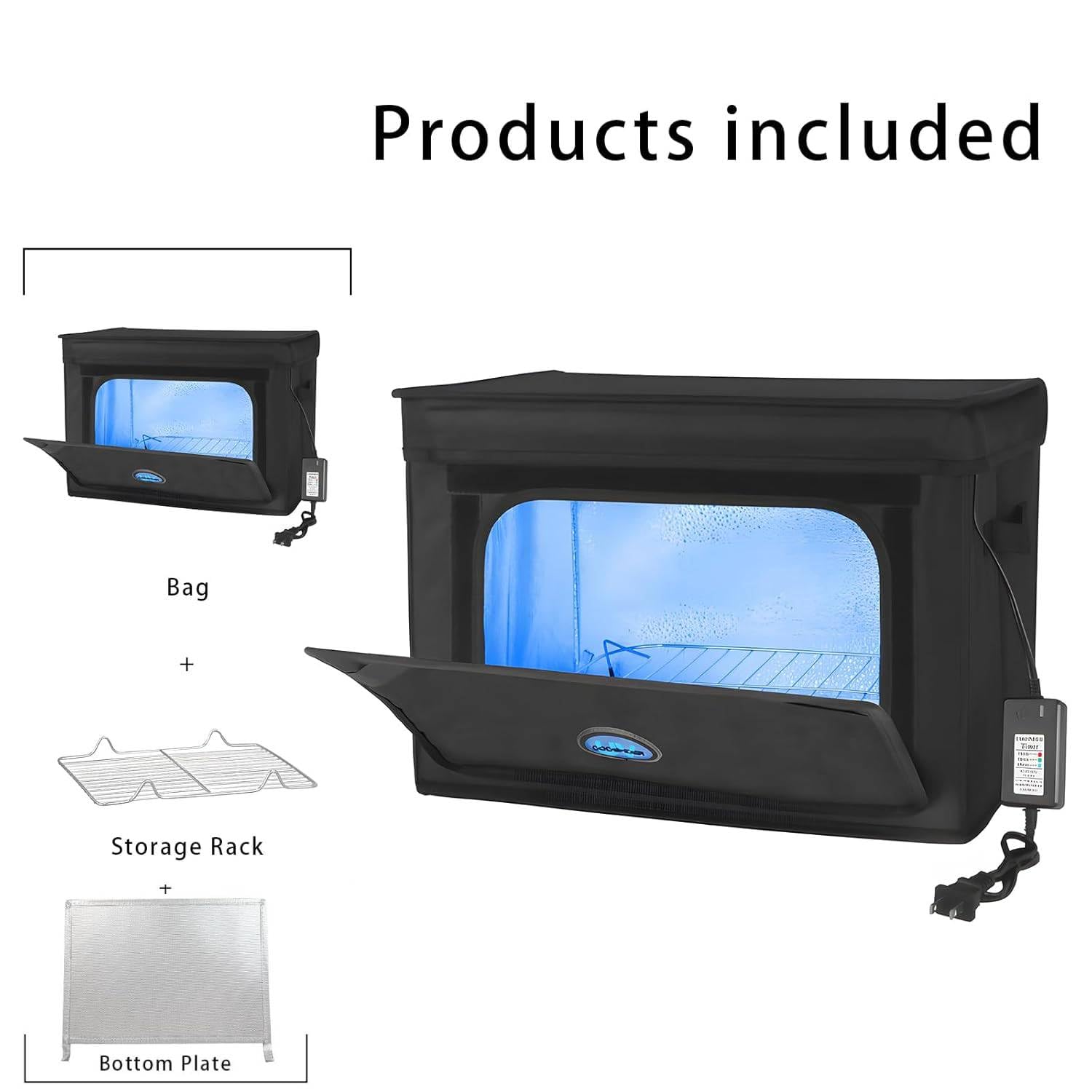
An insulation jacket surrounds the exposed sides of a tank to slow heat loss. It is one of the most practical ways to improve winter protection without permanently modifying the container.
The materials should resist moisture, tolerate outdoor conditions, and remain safe around aquatic life.
3.1 Closed-Cell Foam Boards
Closed-cell foam insulation boards are commonly used in building applications because they resist water absorption better than many open-cell materials.
Depending on the product, they can provide useful thermal resistance and are easy to cut into panels.
They work well for constructing removable side jackets around rectangular tanks.
However, insulation must not be allowed to contaminate the water. Some products contain additives or surface treatments that are not intended for direct aquatic contact.
Keep the foam outside the tank, protect exposed edges, and use an appropriate waterproof outer layer where necessary.
3.2 Foam Pipe Insulation
Preformed pipe insulation is useful for exposed plumbing, provided it is suitable for the pipe diameter and expected temperatures.
It can reduce heat loss and help slow freezing in some conditions, but it cannot guarantee that water inside a pipe will remain unfrozen during a prolonged freeze.
Insulate vulnerable valves, connectors, and exposed pipe sections as well as straight runs.
Make sure the insulation does not interfere with leak inspection or prevent access to fittings that require maintenance.
3.3 Waterproof Outer Fabric
A weather-resistant outer cover can protect the insulation from rain, snow, and wind.
Suitable materials may include outdoor-grade fabric, waterproof sheeting, or a purpose-built equipment cover.
The outer layer should shed water without trapping excessive moisture inside the insulation assembly.
Avoid placing absorbent fabric directly against a wet tank wall if it will remain saturated. Wet materials may lose insulating effectiveness and can encourage deterioration or mold in surrounding structures.
3.4 Removable Fasteners
Removable straps, clips, and suitable outdoor fasteners make it easier to inspect the tank and remove the jacket when needed.
Use fasteners that resist corrosion and can withstand wind without damaging the tank.
Do not overtighten straps around flexible containers or thin plastic walls. Excessive pressure may distort the tank or stress its joints.
3.5 Protective Panels and a Supporting Frame
A simple frame can hold insulation boards in position while creating a small gap between the jacket and other outdoor structures.
Wooden battens, suitable plastic framing, or corrosion-resistant supports may be used depending on the installation.
The frame must be stable, weather-resistant, and capable of supporting the complete assembly.
Avoid relying on the tank walls to carry the weight of a heavy roof or snow-covered cover unless the tank was specifically designed for that load.
4. How to Build a Removable Insulation Jacket
A removable jacket allows you to increase insulation before winter and remove it when temperatures rise. It also provides access for cleaning, inspection, and repairs.
The following method works best for rectangular tanks with accessible sides.
Step 1: Measure the Tank
Measure the exposed width and height of each side.
Identify any pipes, electrical connections, drains, overflow fittings, or filter outlets that need to remain accessible.
Do not cover important fittings simply to create a continuous insulation surface. Instead, plan removable sections or cutouts that allow inspection.
Step 2: Select Suitable Insulation
Choose insulation based on the expected winter temperatures, available space, and outdoor exposure.
Thicker insulation generally provides more resistance to heat transfer, but the complete system also depends on gaps, wind exposure, moisture, and the temperature of the water.
Use products according to their intended applications and keep materials that are not approved for aquatic use away from direct water contact.
Step 3: Cut Panels to Fit
Cut separate panels for each exposed side.
For a rectangular tank, a typical arrangement consists of two long panels and two shorter panels. The exact dimensions depend on the tank and the thickness of the insulation.
Leave appropriate access around drains and equipment.
If the tank is round, flexible insulation or a segmented jacket may fit more effectively than rigid rectangular boards.
Step 4: Protect the Edges
Exposed insulation edges can be damaged by water, sunlight, and physical contact.
Protect the edges with a compatible outer covering or frame.
Do not use adhesives or sealants that may release harmful substances into the tank water. Allow any construction materials to cure fully before installing the jacket near the fish.
Step 5: Fit the Panels Around the Tank
Position the panels so that they cover the exposed sides as continuously as practical.
Small gaps between panels can reduce the effectiveness of the insulation, so use an appropriate joining arrangement.
However, do not block drainage openings or create a setup that traps water against the tank wall.
The jacket should remain stable in wind without applying damaging pressure to the container.
Step 6: Add a Weather-Resistant Outer Layer
Install the waterproof outer covering over the insulation.
Secure it against wind and rain, but avoid creating a completely sealed enclosure around the entire tank.
The top must still allow access, appropriate ventilation, and any required equipment operation.
Step 7: Inspect the Finished Jacket
Check for loose panels, exposed insulation, trapped water, and blocked fittings.
Make sure the jacket does not interfere with pump maintenance, electrical connections, or safe access to the tank.
Once the system is installed, monitor water temperature during cold nights to determine whether the protection is adequate.
5. Build a Winter Cover Without Sealing the Tank Completely
A top cover reduces heat loss from the water surface and protects the tank from wind and falling debris. However, the design must preserve gas exchange and allow routine inspection.
The safest approach is often a removable, insulated cover supported above the tank rather than a heavy sheet pressed directly onto the water.
5.1 Use a Stable Support Frame
Build a frame that spans the tank opening without placing excessive weight on the tank walls.
The frame may be made from weather-resistant timber, suitable plastic components, or corrosion-resistant metal.
Its dimensions should account for the cover material, expected wind, rain, and possible snow loads.
If snow is common in your area, use a structure designed to withstand the expected load. A lightweight improvised lid may collapse or fall into the water.
5.2 Choose a Suitable Cover Material
The cover should reduce heat loss while resisting moisture.
Possible approaches include a rigid insulated panel with a waterproof exterior or a purpose-built insulated pond cover.
Avoid materials that can break apart and contaminate the water.
If the cover contains foam, ensure that the foam remains enclosed and cannot be chewed, pecked, or otherwise damaged by animals.
5.3 Leave a Protected Ventilation Opening
A winter cover should not turn the tank into a sealed container.
Plan at least one suitable opening that permits gas exchange and allows you to inspect conditions. Depending on the system, additional openings may be necessary.
The opening should be protected from direct wind exposure and arranged to reduce the chance of snow or debris entering.
However, do not assume that a small opening automatically guarantees adequate oxygen. Water circulation, fish stocking, organic waste, and aeration also influence oxygen levels.
5.4 Make the Cover Easy to Remove
A cover that is difficult to lift is more likely to be left in place when inspection is needed.
Use a practical access panel or a design that can be opened safely without disturbing electrical equipment or stressing the tank.
Inspect the water regularly, especially during abrupt temperature changes, heavy snow, and prolonged freezing conditions.
5.5 Avoid Sealing the Entire Tank With an Airtight Sheet
An airtight cover may appear to provide maximum protection from cold air, but it can restrict gas exchange and make maintenance difficult.
A cover should slow heat loss without eliminating necessary ventilation.
Do not place a solid insulating sheet directly across the water surface if doing so would trap fish beneath it, obstruct aeration, or interfere with equipment.
6. How to Build a Safe Ice-Free Ventilation Opening
An ice-free opening helps maintain contact between the water and the atmosphere. It can also allow gases to escape from a pond system.
The purpose is not to remove all ice. Instead, it is to preserve a safe area for gas exchange while protecting the fish and equipment.
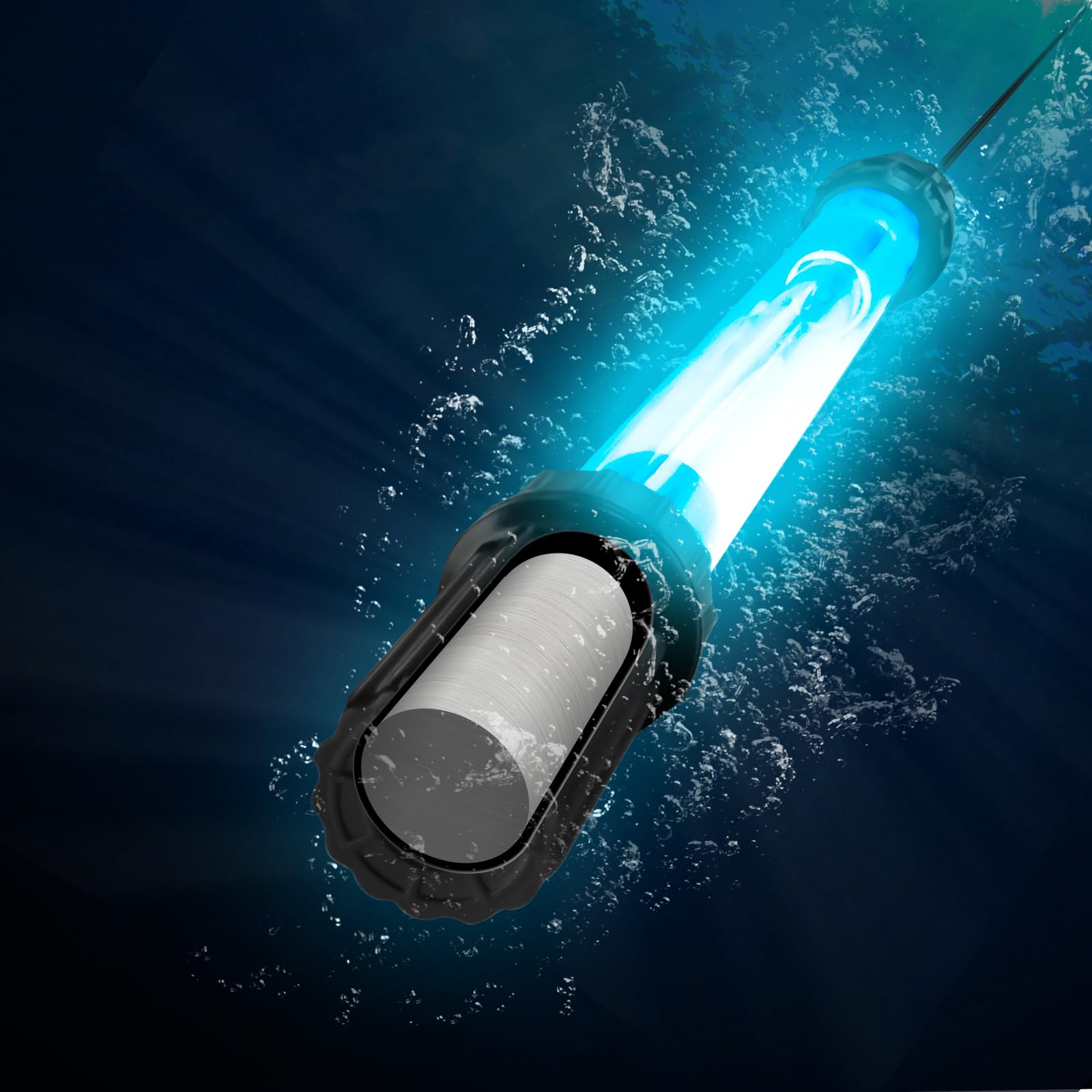
6.1 Start With a Purpose-Built De-Icer When Appropriate
A thermostatically controlled pond de-icer can help maintain an opening in the ice.
These devices are designed for aquatic environments and should be selected according to the tank or pond size, local winter conditions, and manufacturer's specifications.
A de-icer is not necessarily intended to heat the entire body of water. Its purpose may be limited to keeping a small area from freezing.
Follow all instructions for placement, minimum water depth, electrical protection, and operation.
Never use an improvised immersion heater or a household heating element that is not designed for use in an aquatic environment.
6.2 Position the Opening Away From the Most Exposed Wind
A protected location can help reduce the effects of wind and snow.
The exact placement depends on the cover, tank layout, and equipment arrangement.
Avoid putting the opening where runoff, leaves, or debris are likely to enter. Also ensure that the location allows easy inspection without requiring you to lean dangerously over the tank.
6.3 Use a Raised Vent Structure
For a covered tank, a short raised vent or vent hood can help protect an opening from direct precipitation.
The structure should be stable and weather-resistant. It must not block the opening or create a narrow passage that can easily become obstructed by ice.
A hood can help reduce wind exposure, but it should not seal the vent or prevent access for cleaning.
6.4 Keep the Vent Clear
Inspect the opening during freezing weather.
Remove snow or debris from the surrounding cover and check that ice has not blocked the intended gas-exchange path.
Do not strike or hammer ice directly above fish. Sudden impacts can transmit shock through the water and may injure or stress aquatic animals.
If ice has formed over the opening, use a purpose-built de-icer or a gentle method recommended for your system. Avoid pouring boiling water directly into the tank, which can cause abrupt local temperature changes.
6.5 Understand the Limits of a Vent
An opening in the ice is helpful, but it is not a substitute for appropriate stocking, water quality management, and aeration where needed.
A small opening may provide insufficient gas exchange for a heavily stocked tank.
If oxygen levels are uncertain, use a suitable dissolved-oxygen test or meter and seek species-specific guidance.
Do not judge oxygen levels solely by whether the fish appear near the surface. Fish behavior can be affected by several factors, and visible symptoms may appear only after conditions have become dangerous.
7. Aeration in Winter: Where to Place the Air Stone
Aeration can support gas exchange and help maintain dissolved oxygen, but its placement matters.
In a pond or outdoor tank, a strong air stream near the bottom can circulate colder surface water downward and disturb relatively stable water layers.
For some overwintering fish, this may expose them to colder water than necessary.
7.1 Use Gentle Aeration When Appropriate
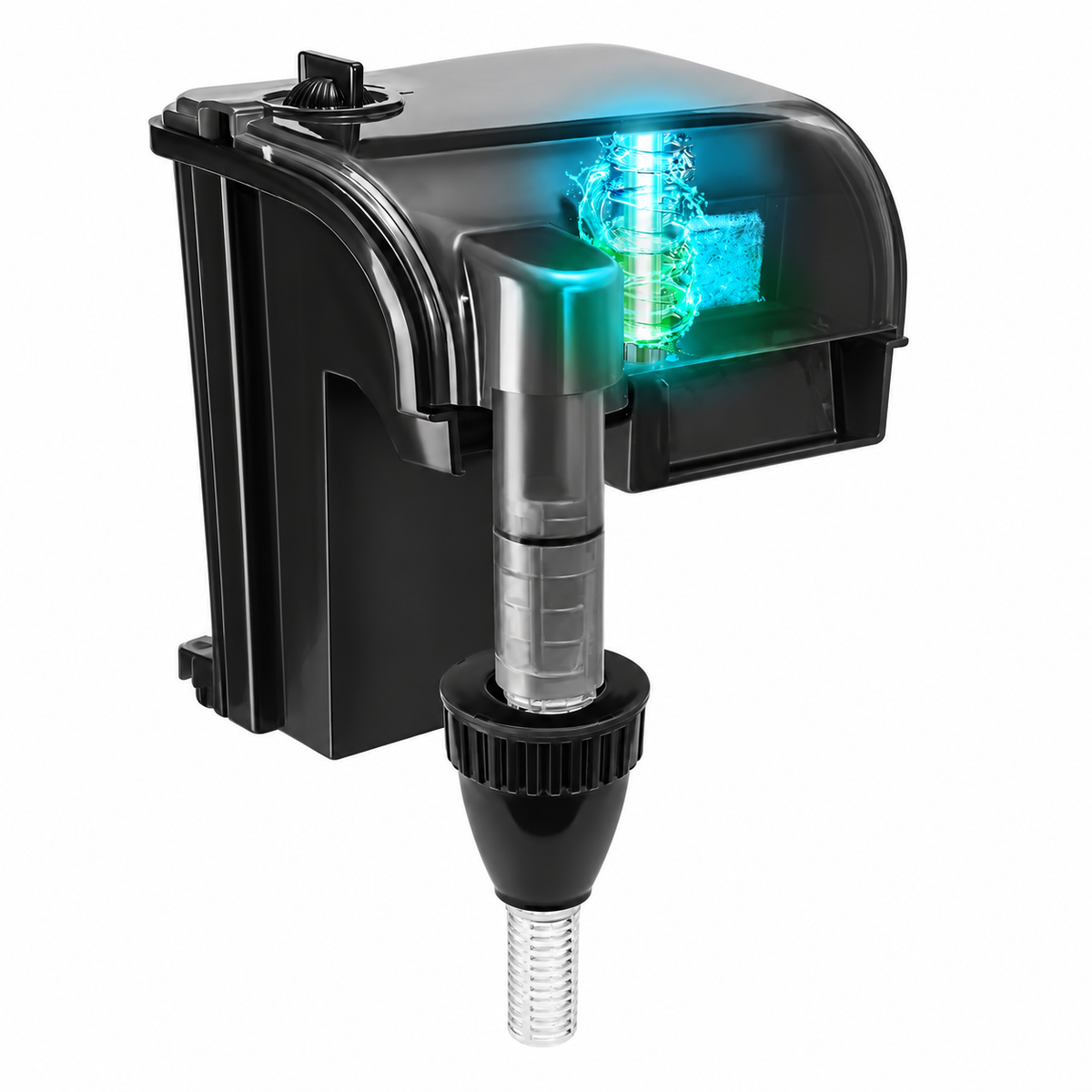
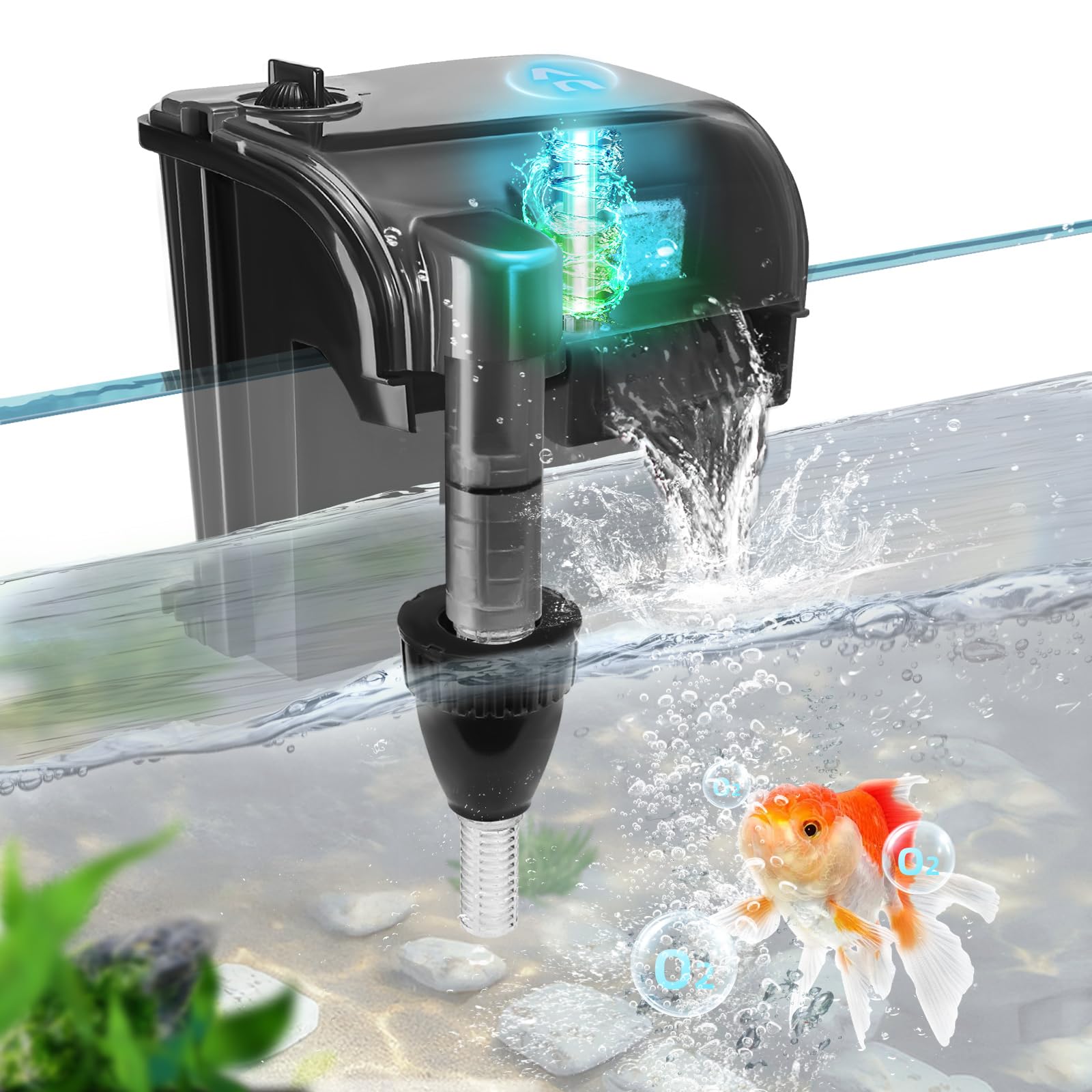
A low-flow air pump with a suitable diffuser can help maintain circulation near the surface and support gas exchange.
The ideal flow depends on tank volume, fish stocking, temperature, and equipment design.
Avoid choosing an air pump solely because it produces the largest number of bubbles. More powerful aeration is not automatically better for every winter setup.
7.2 Avoid Placing the Diffuser at the Deepest Point Without Considering the Fish
In deeper ponds where fish are overwintering in relatively stable water, a diffuser positioned near the bottom may cause excessive mixing.
A shallower placement can sometimes preserve deeper water conditions while still supporting surface gas exchange.
However, there is no universal placement rule for every tank. Follow the guidance for the specific pond, aeration equipment, and fish species.
7.3 Protect the Air Pump From Moisture
Place the air pump in a dry, protected location that remains within its operating temperature range.
Use suitable outdoor-rated equipment and protect electrical connections from rain, snow, splashing, and condensation.
If the pump is installed in an enclosure, ensure that it receives adequate airflow and does not overheat.
7.4 Check Airline Tubing
Airline tubing can become brittle in cold weather, while exposed sections may freeze or collect condensation.
Keep tubing as protected as practical, avoid sharp bends, and check connections regularly.
A check valve can help prevent water from flowing backward toward the pump if the pump stops, but it must be installed correctly and remain accessible for inspection.
7.5 Have a Backup Plan
During severe weather, power outages can interrupt aeration and filtration.
For important systems, consider a suitable battery-backed air pump or another backup arrangement designed for aquatic use.
Test backup equipment before winter rather than waiting until the main system fails.
8. Protect Pumps, Filters, and Water Pipes From Freezing
Insulating the tank will not help enough if the filtration system freezes.
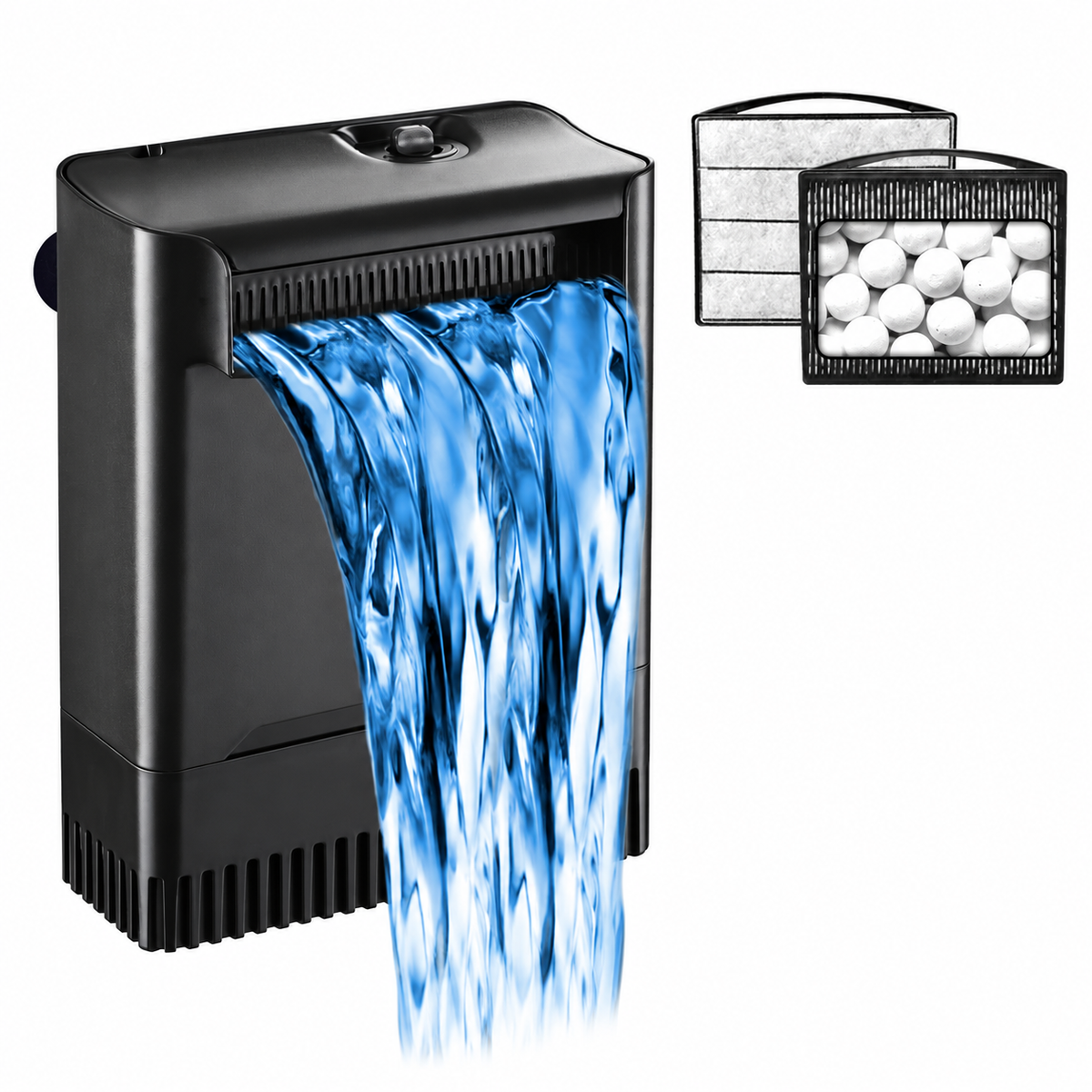
8.1 Inspect the Filter System Before Winter
Check the pump, filter housing, pipes, valves, and connectors for leaks or wear.
Repair damaged components before freezing weather arrives.
Confirm that the equipment can operate safely within the expected outdoor temperature range.
8.2 Insulate Exposed Plumbing
Use compatible pipe insulation on vulnerable exposed sections.
Pay particular attention to narrow pipes, valves, and areas exposed to strong wind.
Insulation slows heat loss but does not prevent freezing indefinitely. If temperatures remain below freezing for long periods, a different system design or appropriate heating may be necessary.
8.3 Decide Whether to Keep the Filter Running
The decision depends on the type of filter, the species, the tank design, and the local climate.
Some outdoor pond systems are designed to operate through winter. Others should be shut down and winterized before freezing conditions begin.
Do not continue running an exposed filter simply because the pump still turns on. If water flow becomes restricted by ice, the equipment may be damaged.
Follow the manufacturer's winter operating instructions.
8.4 Winterize Equipment That Must Be Shut Down
If a filter or pump cannot safely operate in freezing conditions, follow the manufacturer's shutdown procedure.
This may involve disconnecting power, draining vulnerable components, and storing equipment in a suitable location.
Do not leave water trapped inside components that may freeze and expand.
If biological filtration is being shut down, consider how beneficial bacteria and water quality will be managed. Restarting a filter after winter may require checking its condition and confirming that the biological system is functioning properly.
8.5 Keep Electrical Equipment Safe
Outdoor aquatic systems combine water, electricity, and harsh weather.
Use equipment rated for its intended environment, suitable ground-fault protection where required, and properly protected connections.
Keep plugs and connectors away from standing water. Do not handle electrical equipment with wet hands, and disconnect power before servicing equipment when the manufacturer's instructions require it.
If you are unsure about outdoor electrical installation, consult a qualified professional.
9. Heating an Outdoor Fish Tank: When Is It Necessary?
Insulation reduces the rate of heat loss, but it does not create heat.
Whether active heating is necessary depends on the species, tank design, and expected temperature.
9.1 Cold-Water Fish
Goldfish and koi can tolerate cool water when they are healthy, acclimated, and kept under suitable conditions.
However, they are not immune to freezing-related problems. Small water volumes, shallow containers, poor water quality, and rapid temperature changes can create serious risks.
For a tank that is not deep enough to provide a stable liquid-water zone, moving the fish to a suitable indoor system may be safer than relying on a cover and a small heater.
9.2 Tropical Fish
Tropical fish generally require a controlled temperature range that is substantially warmer than freezing outdoor conditions.
A small outdoor tank with insulation is unlikely to maintain suitable temperatures through a hard freeze without a properly designed heating system.
If tropical fish are housed outdoors, the system must be designed around the species' temperature requirements, expected heat loss, heater capacity, and backup power.
For many hobbyists, moving tropical fish indoors before cold weather is the more practical option.
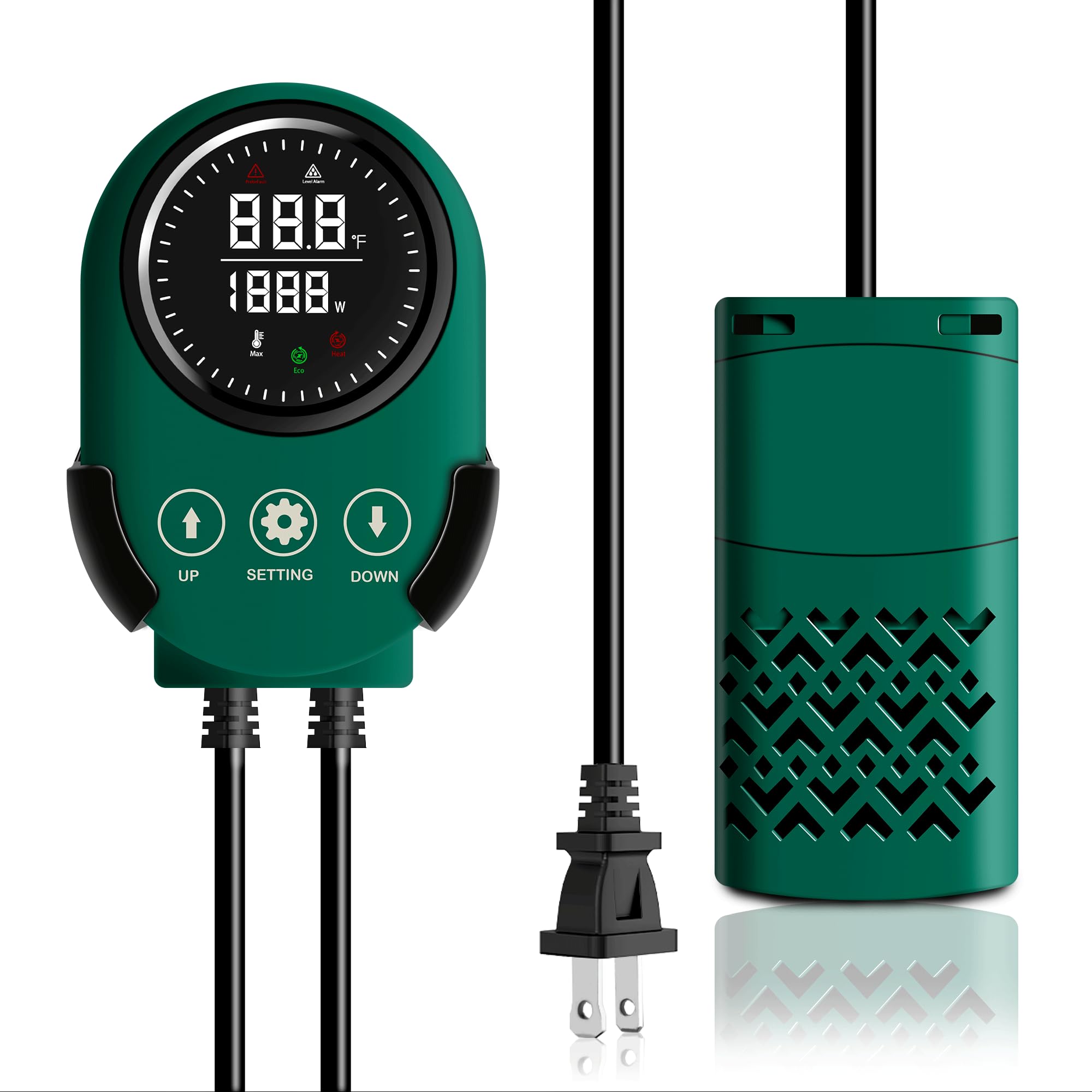
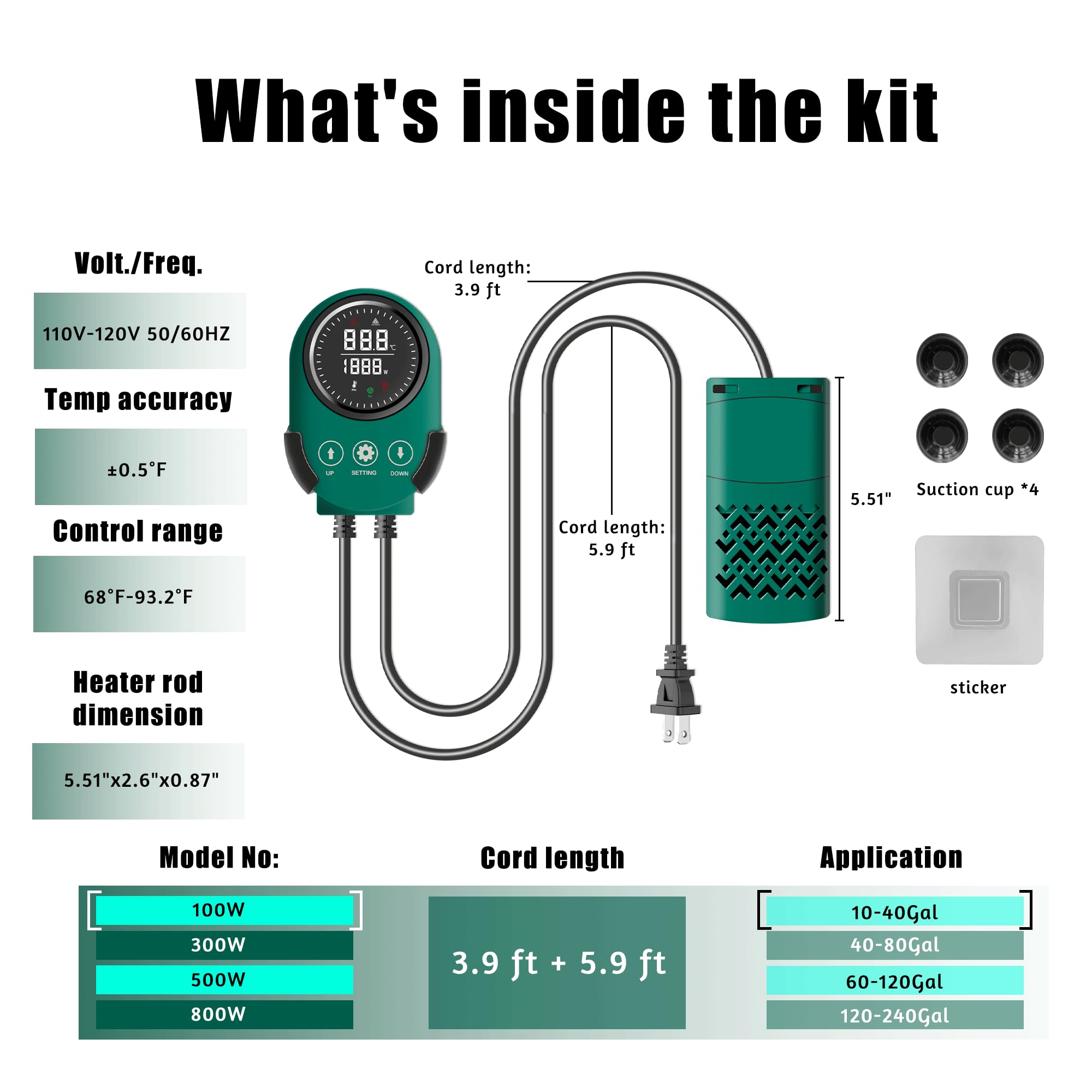
9.3 Selecting an Outdoor Heater
Use only a heater designed for the specific aquatic application.
Check its rated capacity, operating depth, thermostat, electrical requirements, and suitability for the tank material.
A heater that is too small may run continuously without maintaining the required temperature. A heater that is poorly controlled or improperly installed can overheat localized areas or create electrical hazards.
Do not rely on a heater without monitoring the water temperature.
9.4 Monitor Temperature Instead of Guessing
Install a reliable thermometer that allows you to check water temperature without repeatedly opening the cover.
For larger or more valuable systems, a temperature monitor with an alert function can provide early warning when conditions become unsafe.
Check readings at consistent times and pay attention to the rate of change, not just the absolute temperature.
10. Special Considerations for Balcony Fish Tanks
Balcony tanks can be particularly vulnerable to winter weather.
They are often smaller than garden ponds, exposed to wind from multiple directions, and located above ground where cold air can reach the sides and bottom.
Before winter begins, assess whether the tank can safely remain outdoors.
10.1 Insulate the Sides and Base
A balcony tank may lose heat through every exposed surface.
A suitable insulating base can reduce heat loss through the bottom, but it must also support the full weight of the tank evenly.
Water is heavy, and a filled aquarium can place a substantial load on a balcony. Do not add heavy structures or large tanks without confirming that the balcony can support them.
10.2 Protect Against Wind
A stable wind barrier can reduce exposure and help protect the insulation jacket.
Do not use loose tarps or panels that may detach in strong wind.
Make sure the barrier does not obstruct emergency access, drainage, or required ventilation.
10.3 Protect Pipes and Power Cords
Small pumps and exposed hoses may freeze quickly on a balcony.
Route tubing in a protected manner and inspect connections after severe weather.
Use outdoor-rated electrical equipment and keep connections protected from rain, snow, and standing water.
10.4 Consider Moving the Tank Indoors
For small balcony tanks, moving the system or transferring suitable fish to a properly prepared indoor aquarium may be the safest solution.
Any transfer should be planned carefully to avoid sudden temperature changes and poor water conditions.
Do not move fish directly from very cold water into warm water without considering acclimation requirements.
11. Winter Feeding and Water Quality Management
Temperature protection is only one part of winter fish care.
Fish metabolism changes as water temperature changes, and the correct feeding approach depends on the species and actual water temperature.
11.1 Adjust Feeding to the Species and Temperature
Goldfish and koi generally become less active as water temperature falls.
Their digestive activity may slow, so continuing a warm-season feeding schedule can contribute to uneaten food and deteriorating water quality.
Follow species-specific feeding guidance and use food appropriate for the current conditions.
Do not feed fish simply because they appear near the surface or approach the tank when you are nearby.
Tropical fish require a different approach because they generally need warmer, stable conditions rather than seasonal outdoor cooling.
11.2 Remove Uneaten Food
Uneaten food decomposes and consumes oxygen.
During winter, when gas exchange may be reduced, excessive organic waste can create additional stress.
Remove uneaten food when practical and avoid overfeeding.
11.3 Remove Excess Organic Debris
Fallen leaves, dead plant material, and accumulated waste can decompose and consume oxygen.
Before winter, remove excess debris without unnecessarily disturbing fish or destroying beneficial habitat.
During freezing weather, avoid aggressive cleaning that creates sudden changes in the tank environment.
11.4 Monitor Water Quality
Depending on the tank and fish population, monitor ammonia, nitrite, pH, and other relevant parameters.
Cold water may slow some biological processes, but it does not eliminate the risk of waste accumulation.
If filtration is reduced or shut down, water quality management becomes particularly important.
Avoid large, abrupt water changes that cause sudden temperature or chemistry shifts. Replacement water should be suitable for the species and handled according to established aquarium practices.
12. Common Winter Protection Mistakes to Avoid
Mistake 1: Wrapping the Tank Without Monitoring Water Temperature
An insulated jacket slows heat loss, but it does not guarantee that the water will stay warm.
Monitor the water temperature during cold nights and after sudden weather changes.
If the temperature continues to fall below the safe range for the fish, additional protection or relocation may be necessary.
Mistake 2: Sealing Every Opening
A completely sealed cover may restrict gas exchange and make inspection difficult.
Keep appropriate ventilation available, and ensure that the arrangement works with the tank's aeration system.
Mistake 3: Breaking Ice With a Hammer
Striking ice directly can transmit strong shock waves through the water.
This may stress or injure fish, particularly in shallow tanks.
Use an appropriate de-icer or a gentle method recommended for the system instead.
Mistake 4: Pouring Boiling Water Into the Tank
Boiling water can cause sudden local temperature changes and may damage the tank or liner.
It is not a reliable substitute for a purpose-built de-icer.
Mistake 5: Assuming a Small Air Pump Solves Every Oxygen Problem
Aeration can help, but its effectiveness depends on airflow, placement, water circulation, stocking density, and the overall tank design.
A heavily stocked tank may need more comprehensive management than a small opening and a low-flow air stone.
Mistake 6: Leaving Exposed Pipes Unprotected
The water inside a narrow pipe can freeze even when the tank remains liquid.
Protect vulnerable plumbing and follow the manufacturer's winter operating guidance.
Mistake 7: Using Indoor Electrical Equipment Outdoors
Equipment not designed for outdoor use may be unsafe when exposed to rain, snow, and condensation.
Use appropriately rated devices and suitable electrical protection.
Mistake 8: Overheating the Water
Sudden warming can be stressful for fish, especially those adapted to cool seasonal conditions.
Use heating only when needed, control it appropriately, and monitor water temperature.
Mistake 9: Ignoring Snow Load
A cover may be able to support its own weight but fail when heavy snow accumulates.
Build the supporting frame for the expected conditions and remove accumulated snow safely.
Mistake 10: Waiting Until the First Hard Freeze
Insulation, plumbing protection, and backup equipment should be prepared before freezing weather arrives.
Last-minute construction during a cold snap can expose fish to unnecessary risks.
13. A Practical Winter Preparation Checklist
Use this checklist before the temperature begins to fall significantly.
Tank and fish
-
Confirm that the fish species can safely remain outdoors in the expected conditions.
-
Assess tank depth, water volume, and exposure to wind.
-
Check the tank for cracks, leaks, or damage.
-
Decide whether relocation or active heating is necessary.
Insulation
-
Measure the exposed sides and base.
-
Install suitable moisture-resistant insulation.
-
Protect exposed insulation edges.
-
Add a weather-resistant outer jacket.
-
Make sure the jacket does not damage the tank or block access.
Cover and ventilation
-
Install a stable cover frame.
-
Use a weather-resistant insulated cover.
-
Provide a protected opening for gas exchange.
-
Make the cover easy to inspect and remove.
-
Ensure that snow and rain cannot easily block the vent.
Equipment
-
Inspect pumps, filters, pipes, and valves.
-
Insulate vulnerable plumbing.
-
Follow the manufacturer's instructions for winter operation.
-
Prepare suitable aeration or de-icing equipment if needed.
-
Check electrical protection and outdoor ratings.
-
Test backup equipment before winter.
Ongoing maintenance
-
Monitor water temperature.
-
Check the ventilation opening.
-
Inspect for condensation and trapped moisture.
-
Remove excessive organic debris when practical.
-
Adjust feeding to the species and water temperature.
-
Watch for changes in fish behavior and water quality.
14. Frequently Asked Questions
Can an outdoor fish tank survive winter without a heater?
Some properly designed outdoor ponds containing suitable cold-water fish can survive winter without heating, depending on depth, climate, water volume, and fish species. Small or shallow tanks are much more vulnerable. Insulation can slow heat loss, but it cannot guarantee that the water will remain unfrozen.
Does an insulated cover prevent the water from freezing?
An insulated cover reduces heat loss, but it does not generate heat. During prolonged freezing weather, water may still freeze unless the tank has sufficient thermal mass, suitable protection, or appropriate temperature management.
Does an outdoor fish tank need an air hole in winter?
An appropriate ice-free opening can support gas exchange when the surface would otherwise be sealed by ice. However, the required opening and any additional aeration depend on the tank design, fish population, and water conditions. A small opening alone does not guarantee adequate oxygen.
Can I use a plastic sheet to cover my fish tank?
A plastic sheet may provide some protection from wind and precipitation, but it can trap moisture, sag under snow, and restrict ventilation if installed incorrectly. A stable, removable cover with a protected ventilation opening is generally easier to manage.
Should I keep the air pump running during winter?
That depends on the species, tank design, and aeration system. Appropriate aeration can support gas exchange, but strong circulation may disturb warmer or more stable water layers in some ponds. Follow species-specific and equipment-specific guidance.
Is a pond de-icer the same as a pond heater?
Not necessarily. Some de-icers are designed primarily to maintain an opening in the ice rather than heat the entire pond. Read the product specifications carefully and select equipment suitable for the size and conditions of your system.
How can I remove ice without hurting fish?
Avoid striking the ice with a hammer or other hard object. Use a purpose-built de-icer or another gentle method recommended for your system. Never pour boiling water directly into the tank.
Can goldfish live in a frozen outdoor tank?
Goldfish can tolerate cold water under appropriate conditions, but they cannot survive if their entire living environment freezes solid. A suitable volume of liquid water, appropriate oxygen conditions, stable water quality, and a species-appropriate winter environment are essential.
Should I turn off my outdoor filter in winter?
Some filters are designed for winter operation, while others must be shut down and drained before freezing conditions arrive. Follow the manufacturer's instructions and consider how filtration and beneficial bacteria will be maintained.
Is insulation enough for tropical fish?
Usually not when outdoor temperatures approach freezing. Tropical fish generally require controlled, warmer water conditions. Use a properly engineered heating system or move the fish to a suitable indoor aquarium before severe cold arrives.
Conclusion: Build a Winter System That Protects Both Heat and Water Quality
Preparing an outdoor fish tank for winter involves more than wrapping the sides in insulation. A reliable setup combines a suitable insulation jacket, a stable removable cover, a protected ventilation opening, appropriate aeration, and plumbing that can withstand local weather conditions.
Start by assessing the tank's size, depth, fish species, and expected winter temperatures. Install moisture-resistant insulation around exposed surfaces, protect vulnerable pipes, and design the cover so that it slows heat loss without sealing the tank completely. If ice is likely to block the surface, consider a purpose-built de-icer and follow its instructions carefully.
Remember that insulation does not create heat, a vent does not automatically guarantee enough oxygen, and an air pump cannot compensate for every water-quality problem. Monitor the water temperature, maintain appropriate gas exchange, and make sure all equipment is suitable for outdoor winter operation.
For small, shallow tanks or systems containing tropical fish, relocating the fish to a properly prepared indoor environment may be safer than attempting to withstand freezing weather outdoors.
With early preparation, careful material selection, and consistent monitoring, you can build a winter protection system that helps reduce heat loss, prevents avoidable equipment failures, and supports a healthier aquatic environment throughout the cold season.