Introduction
UV sterilizers are widely used in aquariums, ponds, swimming pools, and water treatment systems to help control unwanted microorganisms. For aquarium owners and pond keepers, these devices are particularly appealing because they can reduce green water, limit the spread of certain waterborne pathogens, and improve overall water clarity without requiring additional chemicals.
However, one question comes up repeatedly: Can a UV sterilizer actually kill algae, bacteria, and parasites?
The short answer is yes, but the full explanation is more complicated. Ultraviolet sterilizers can inactivate many microorganisms when they receive a sufficient dose of UV-C radiation. However, not every organism responds in the same way, and not all microorganisms in an aquarium or pond will pass through the sterilizer.
A UV sterilizer does not automatically eliminate every type of algae, harmful bacteria, or fish parasite. Its effectiveness depends on factors such as UV-C intensity, exposure time, water flow rate, water clarity, equipment design, and the life cycle of the target organism.
Understanding these factors is essential before choosing a UV sterilizer or expecting it to solve a specific water quality or fish health problem.
This guide explains how UV sterilizers work, which organisms they can control, what their limitations are, and how to use them effectively in aquariums and ponds.
1. How Does a UV Sterilizer Work?
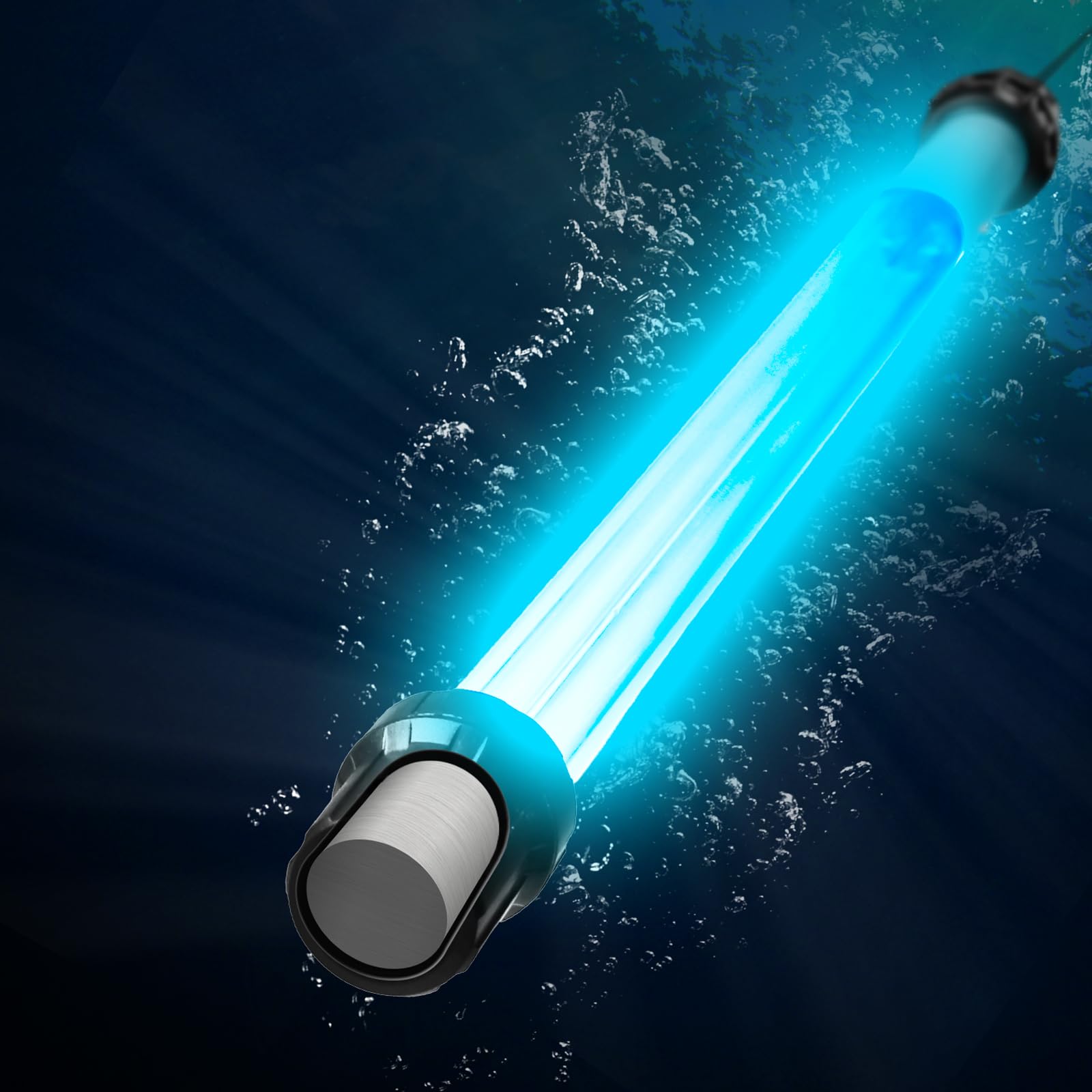
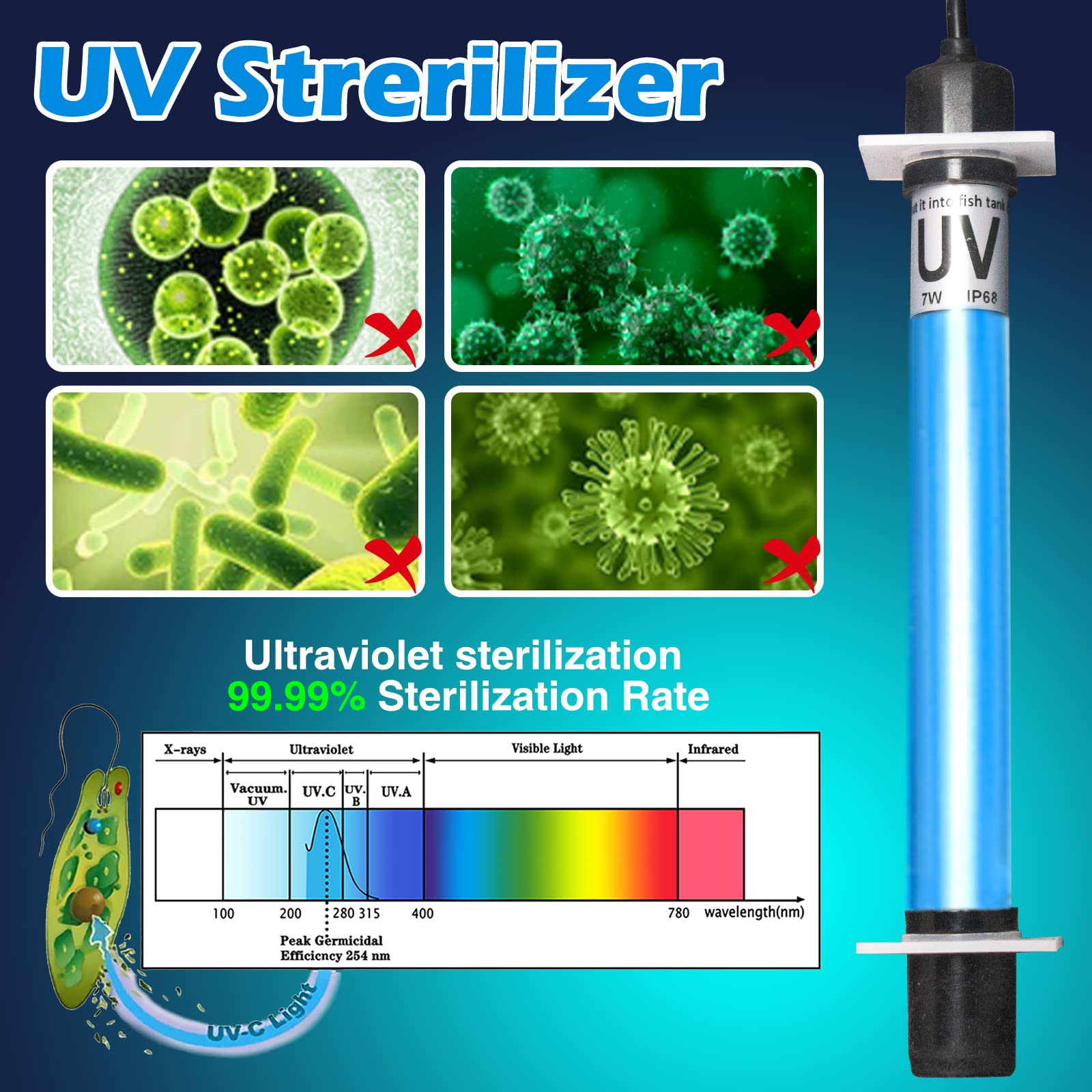
A UV sterilizer uses ultraviolet light, usually in the UV-C range, to damage the genetic material of microorganisms. This prevents susceptible organisms from reproducing normally.
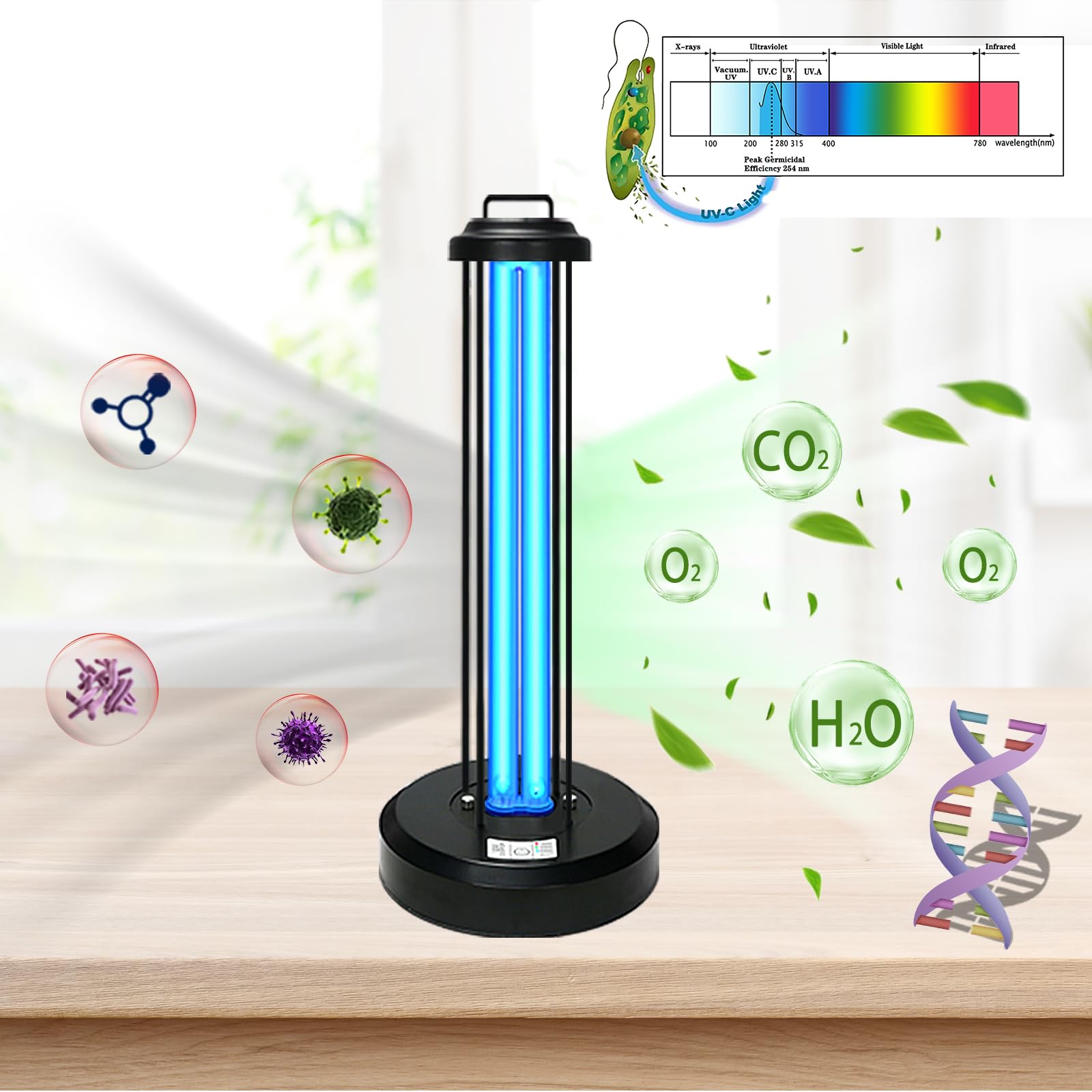
UV-C radiation generally refers to ultraviolet wavelengths between 100 and 280 nanometers. Many commercial water sterilizers use low-pressure mercury lamps that produce UV-C light near 254 nanometers, a wavelength with strong germicidal properties.
How UV-C Radiation Affects Microorganisms
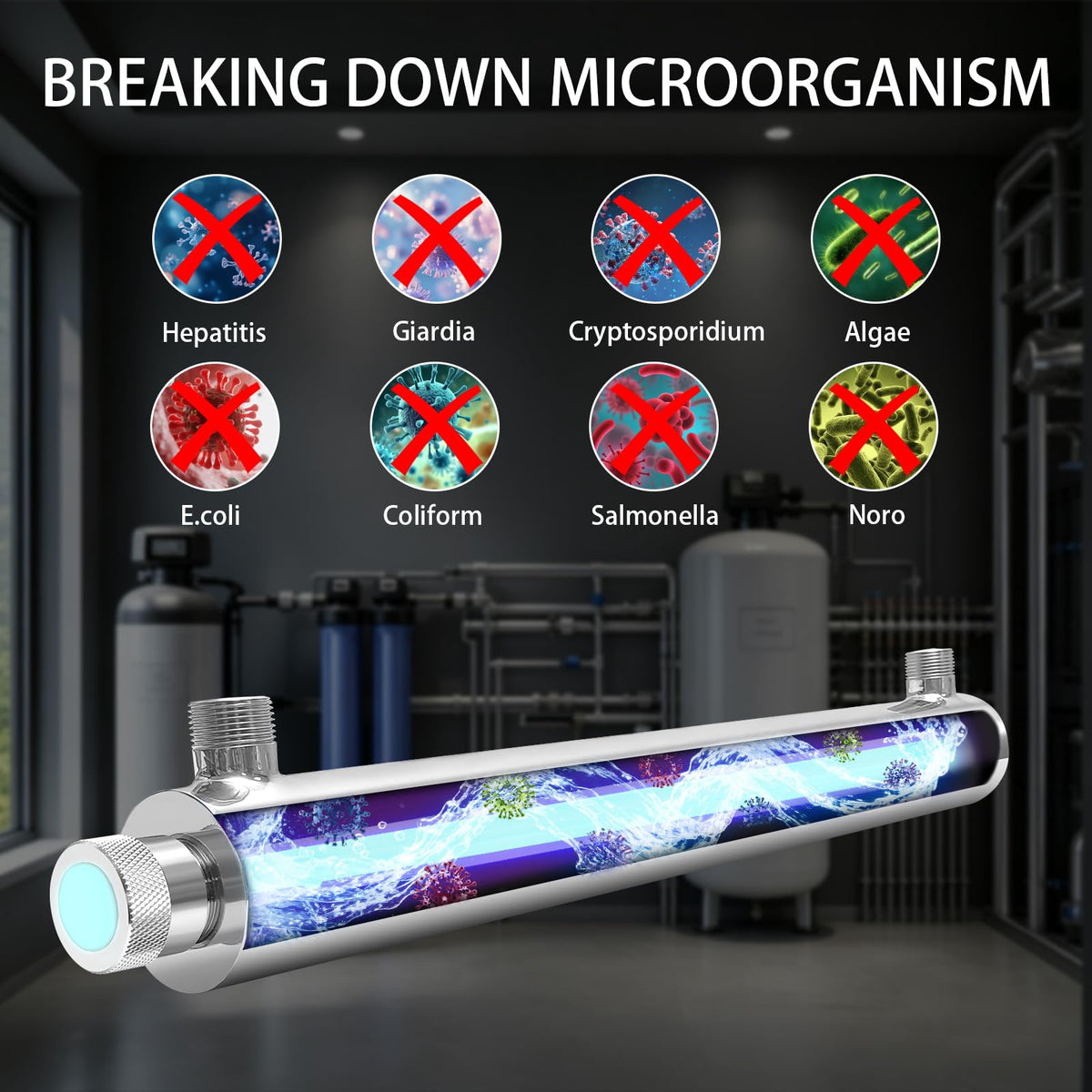
When bacteria, algae, or other microorganisms pass through a UV sterilizer, UV-C radiation can damage their DNA or RNA.
This damage interferes with essential biological processes, including replication and normal cellular activity. Depending on the organism and the UV dose, the microorganism may become unable to reproduce, lose its ability to infect a host, or become inactive.
It is important to understand the difference between killing and inactivation.
In water treatment, the term "inactivation" is often more accurate than "killing." A microorganism may remain physically present after UV exposure, but it can no longer reproduce or cause infection effectively.
For example, a UV sterilizer may damage free-floating algae cells so that they can no longer multiply. The cells may still remain in the water temporarily until they are removed by mechanical filtration or broken down through natural processes.
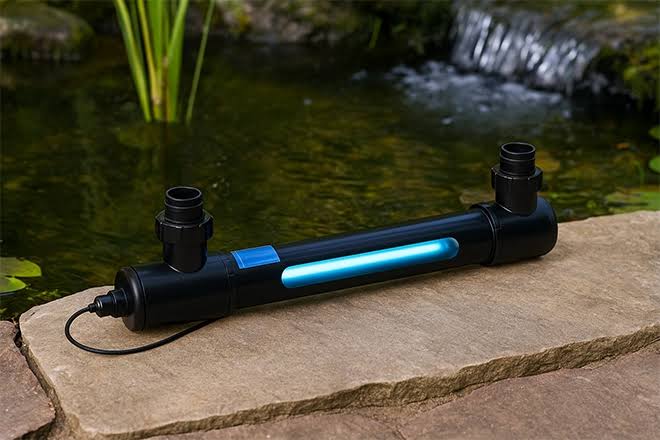
The Main Components of a UV Sterilizer
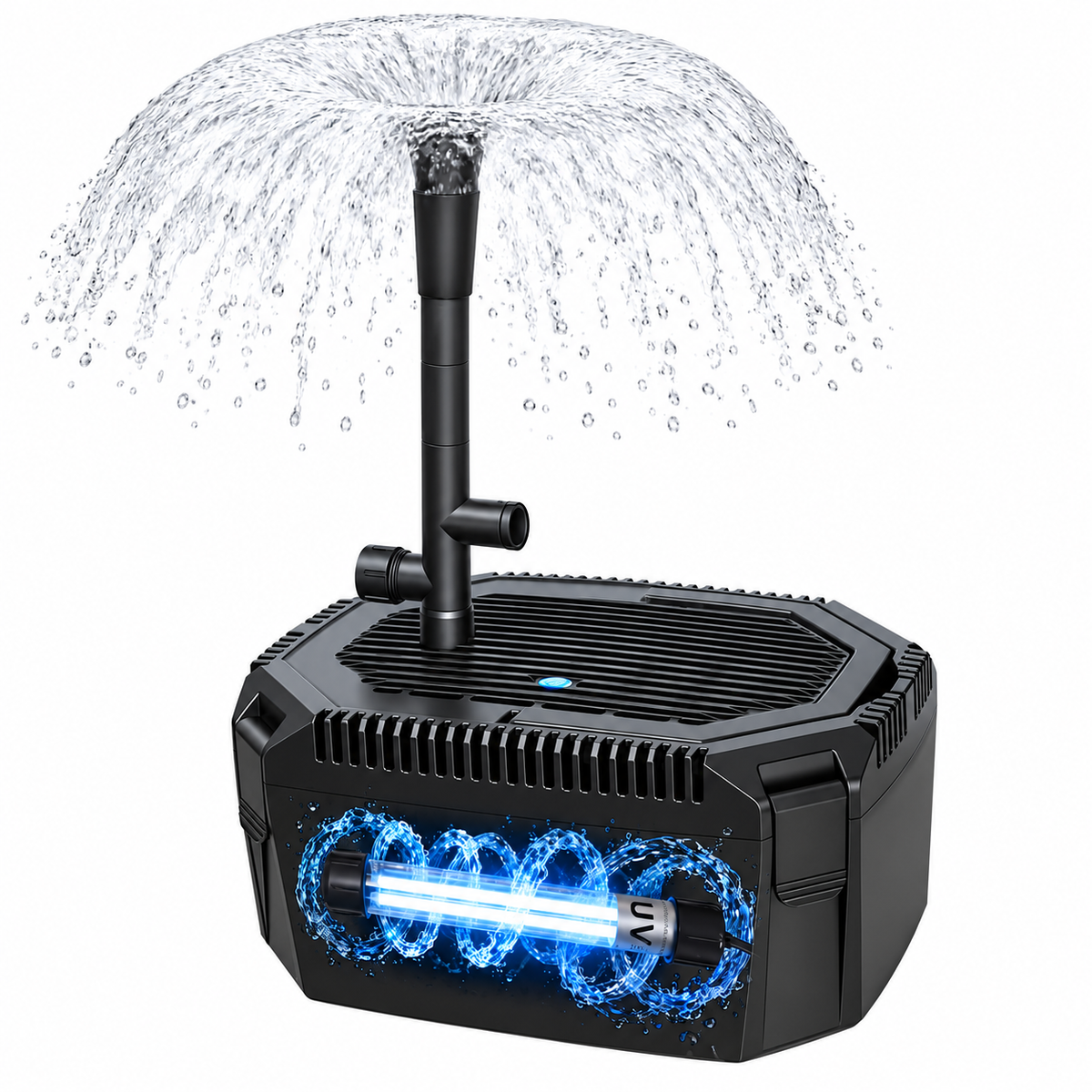
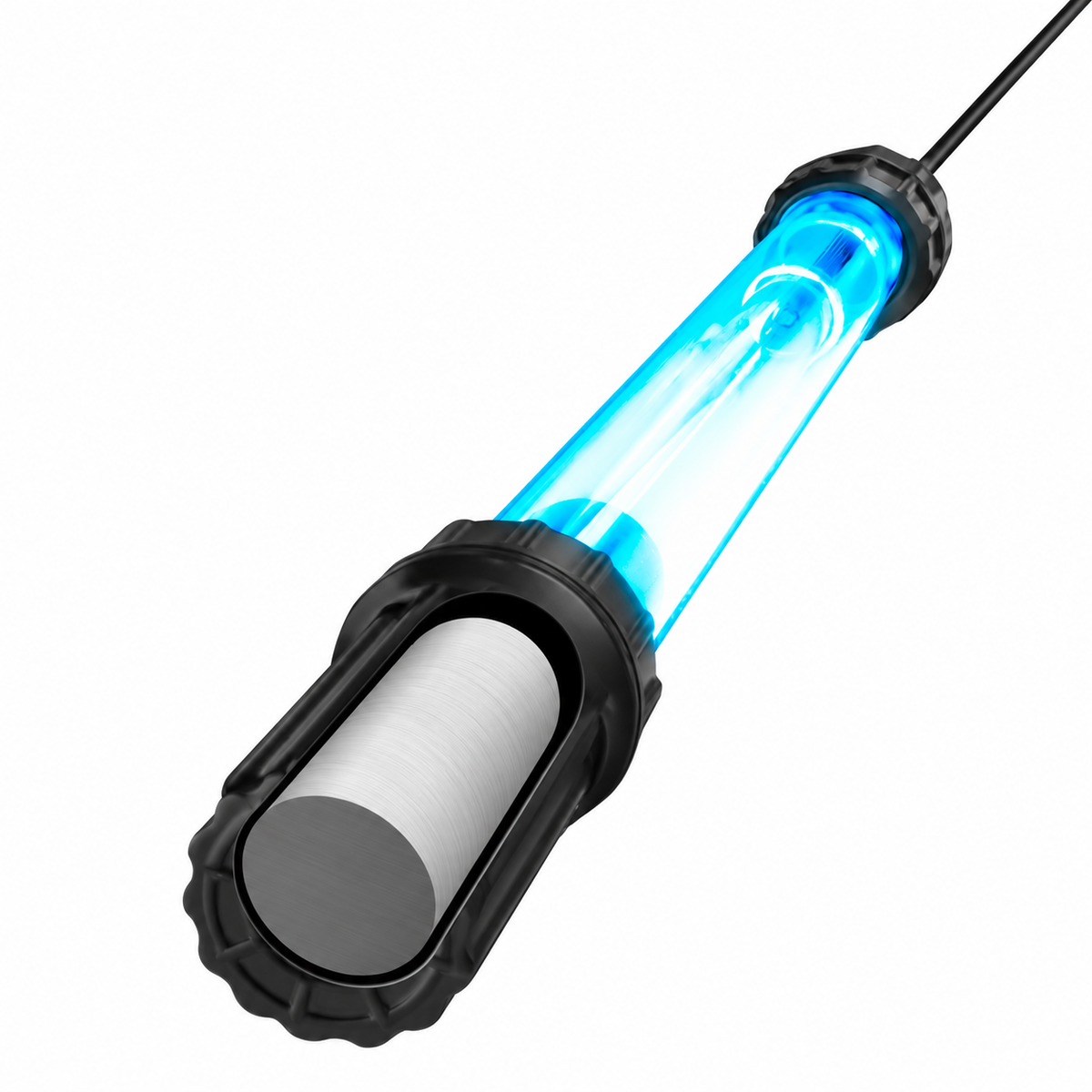
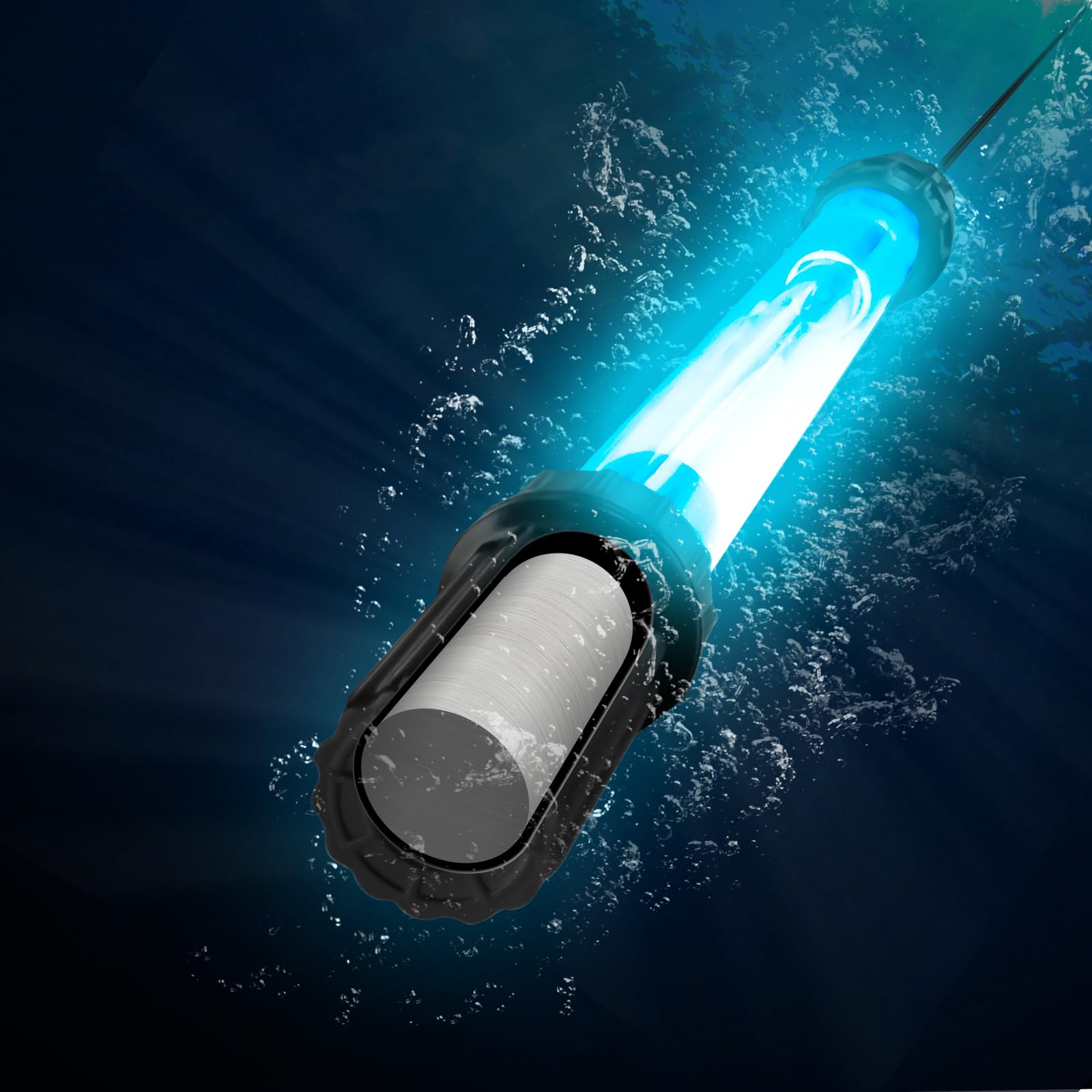
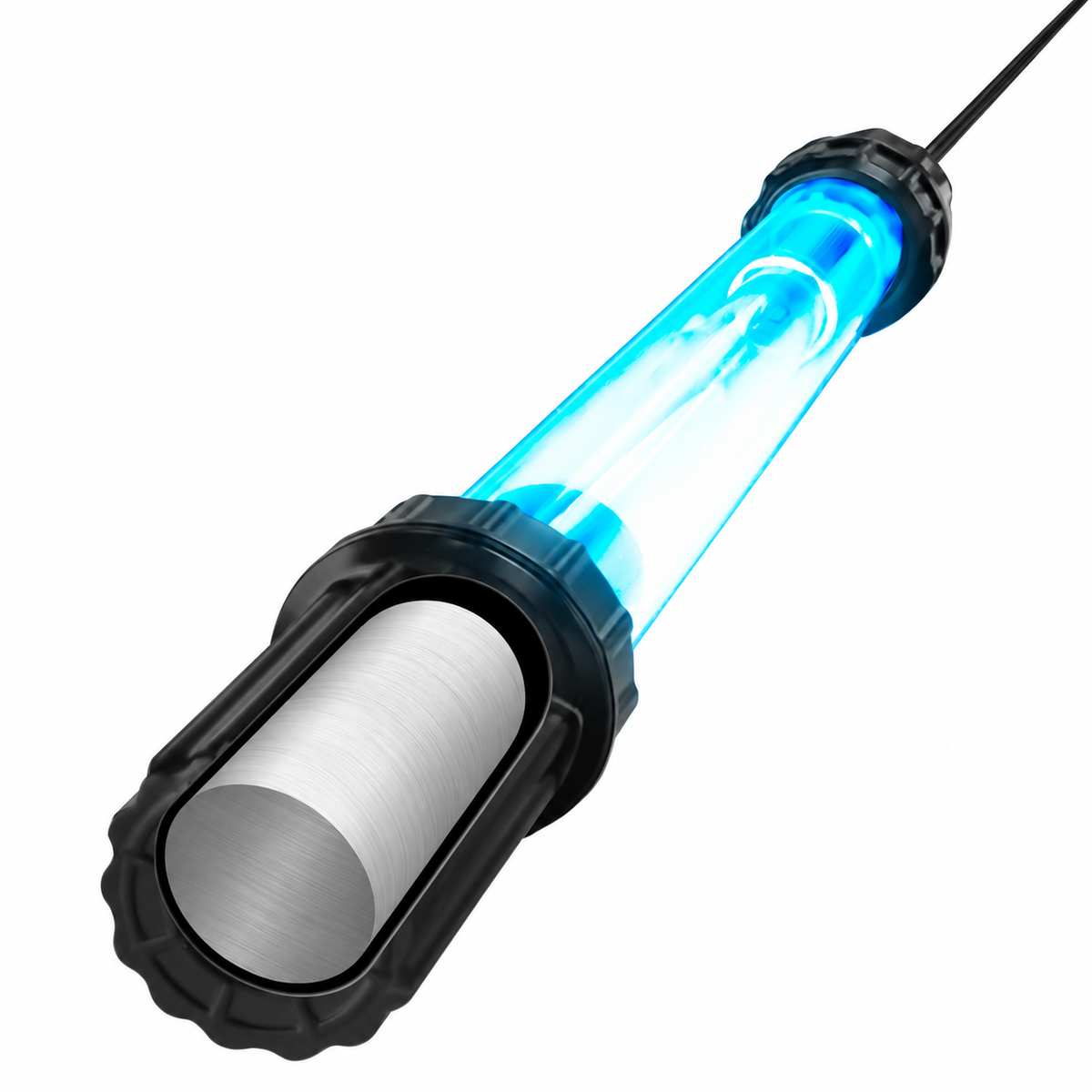
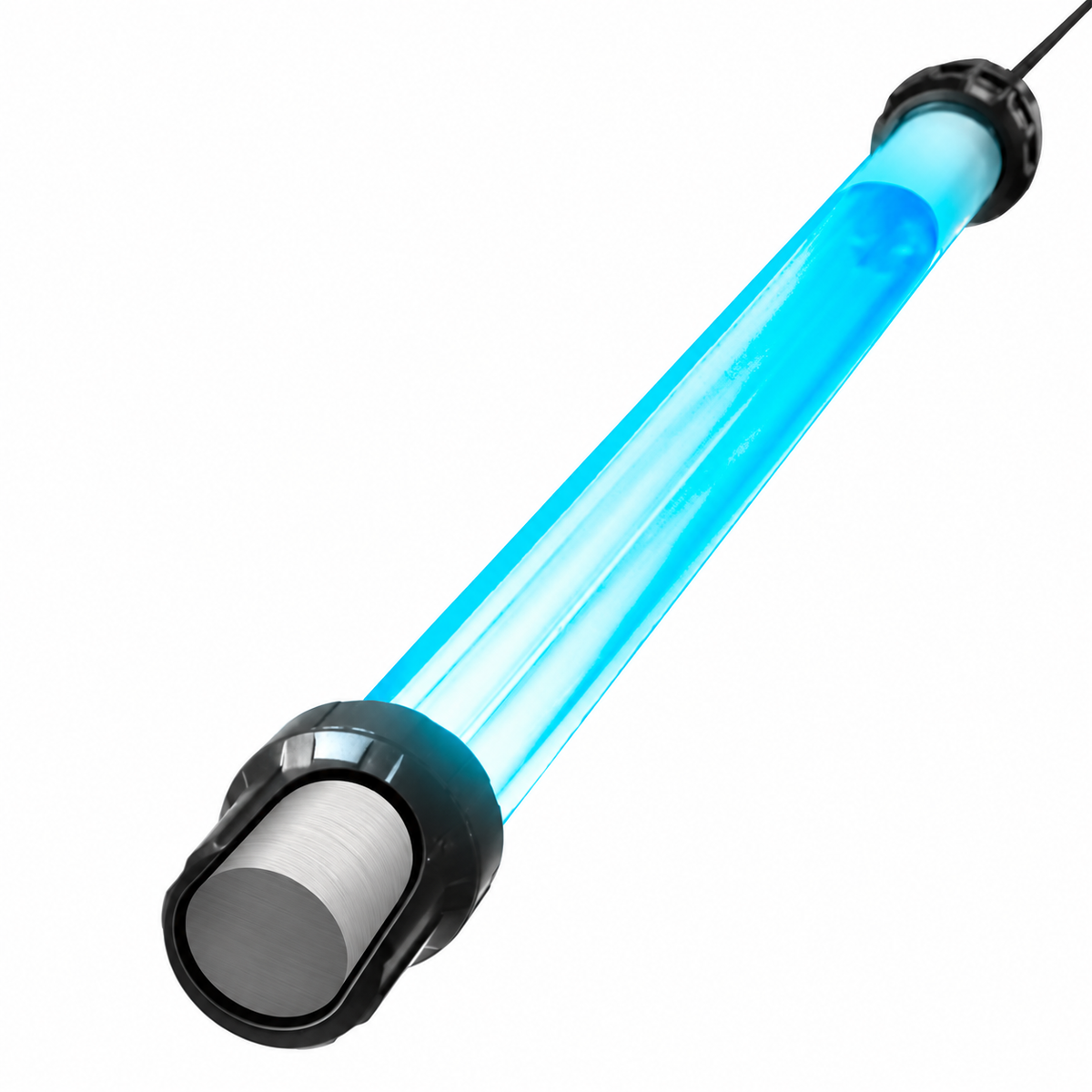
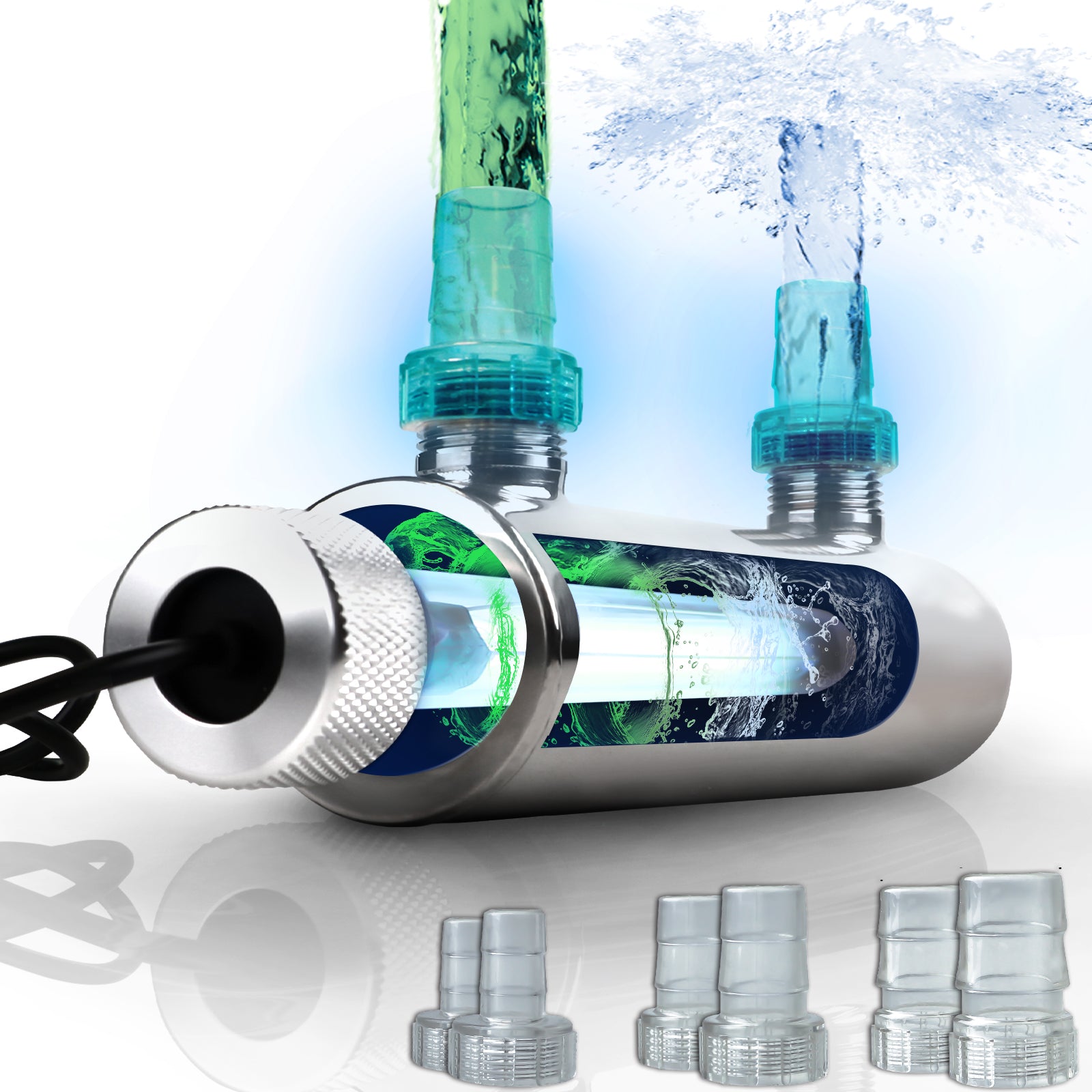
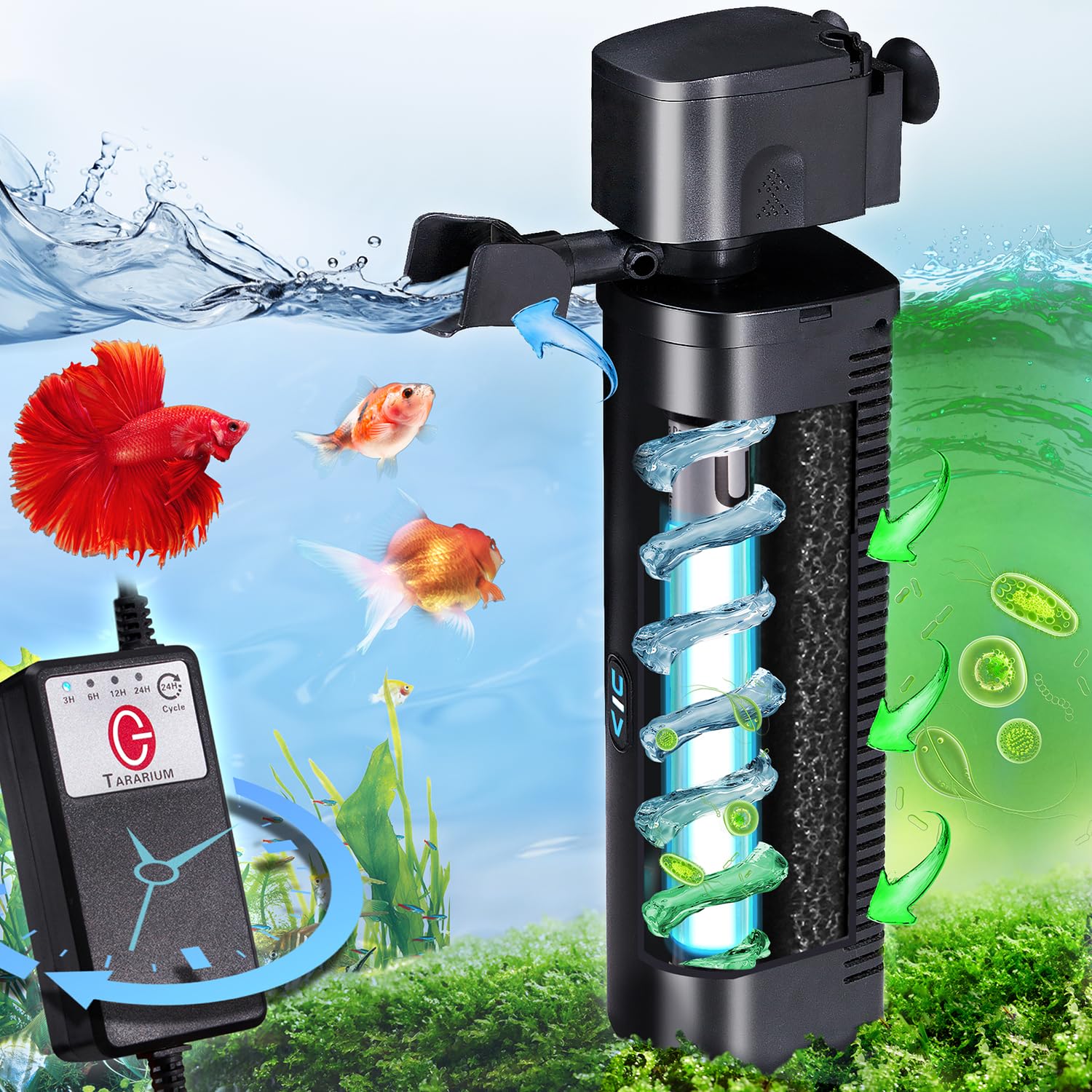
Most aquarium and pond UV sterilizers contain several essential components:
-
UV-C lamp: Produces germicidal ultraviolet radiation.
-
Quartz sleeve: Protects the lamp from direct contact with water while allowing UV-C light to pass through.
-
Water chamber: Provides a controlled space where water is exposed to UV-C radiation.
-
Housing: Protects the equipment and directs water through the sterilization chamber.
-
Electrical components: Supply power to the UV lamp and control its operation.
Some models also include flow controls, replacement indicators, electronic ballasts, and integrated pumps.
The quality and design of these components influence the unit's performance, reliability, and maintenance requirements.
2. Can a UV Sterilizer Kill Algae?
Yes. UV sterilizers can effectively control certain types of algae, particularly free-floating microscopic algae responsible for green water.
However, they do not eliminate every form of algae in an aquarium or pond.
Free-Floating Algae: One of the Best Targets
Green water is one of the most common problems that UV sterilizers are designed to address.
It occurs when microscopic algae multiply rapidly in the water column. The water may turn green, become cloudy, and lose transparency.
Common contributing factors include:
-
Excessive nutrients, particularly nitrogen and phosphorus
-
Strong or prolonged lighting
-
Direct sunlight in outdoor ponds
-
Inadequate water management
-
High organic waste levels
-
Unbalanced biological conditions
A UV sterilizer can help control free-floating algae because these cells circulate through the water and pass through the UV chamber.
When exposed to an adequate UV-C dose, susceptible algae cells lose their ability to reproduce. As the population declines, the water gradually becomes clearer.
This makes UV sterilization particularly useful for:
-
Outdoor koi ponds
-
Goldfish ponds
-
Freshwater aquariums experiencing green water
-
Large aquariums with persistent suspended algae
-
Water features with recurring algae blooms
Does UV Kill Green Spot Algae?
Not directly in the way many aquarium owners expect.
Green spot algae usually grows on aquarium glass, rocks, decorations, and plant leaves. Because it is attached to surfaces, it does not normally pass through the UV sterilizer.
A UV unit cannot directly irradiate algae growing on aquarium walls or plant leaves.
To control attached algae, aquarium owners may need to combine:
-
Manual cleaning
-
Appropriate lighting schedules
-
Nutrient management
-
Consistent water changes
-
Healthy plant growth
-
Suitable algae-eating livestock, where appropriate
UV sterilization may help reduce some suspended reproductive stages if they circulate through the water, but it should not be considered a direct treatment for established surface algae.
Can UV Kill Hair Algae and Black Beard Algae?
UV sterilizers are generally not effective against established hair algae, brush algae, or black beard algae.
These algae grow on solid surfaces and remain outside the sterilization chamber.
Even if small fragments enter the water, UV exposure does not guarantee that they will be completely eliminated.
A better strategy is to identify the conditions encouraging their growth. Lighting intensity, carbon availability, nutrient balance, circulation, and aquarium maintenance all deserve attention.
Why Does Water Become Clearer After UV Treatment?
When UV-C exposure prevents free-floating algae cells from reproducing, the existing population gradually declines.
The dead or inactivated cells may then be captured by mechanical filtration or decomposed by biological processes.
This is why a UV sterilizer works best when paired with an appropriately sized mechanical filter.
A UV unit does not physically collect algae. It inactivates susceptible organisms, while filtration and other processes help remove the resulting material.
Key takeaway: UV sterilizers are particularly effective against free-floating algae that cause green water, but they are not a universal solution for algae growing on aquarium surfaces.
3. Can a UV Sterilizer Kill Harmful Bacteria?
Yes. UV-C radiation can inactivate many types of bacteria when the organisms pass through the sterilizer and receive a sufficient dose.
This is one reason UV sterilizers are used in aquariums, fish farms, ponds, and commercial water treatment systems.
How UV-C Affects Bacteria
Bacteria reproduce through cell division. UV-C radiation damages their genetic material, making normal replication difficult or impossible.
Depending on the bacterial species and exposure conditions, the UV dose may significantly reduce the number of viable bacteria in the treated water.
This can help reduce certain waterborne bacterial populations and lower the microbial load circulating through an aquarium or pond.
However, the effectiveness of UV treatment varies considerably between bacterial species.
Some organisms are more sensitive to UV-C than others. Certain bacteria may also be protected by suspended particles, organic material, or biofilms.
Can UV Sterilizers Control Fish Disease Bacteria?
UV sterilizers may help reduce the number of susceptible bacteria circulating freely in the water.
This can be useful in systems where waterborne bacterial transmission contributes to disease pressure.
However, UV sterilization cannot be relied upon to cure an infected fish.
Many fish pathogens are present on or inside the fish rather than freely suspended in the water. A UV sterilizer cannot directly reach bacteria inside infected tissue, damaged fins, internal organs, or protected lesions.
For example, fish showing symptoms such as ulcers, fin deterioration, abnormal swimming, or loss of appetite may need a proper diagnosis and targeted treatment.
UV sterilization can support water management, but it cannot replace veterinary guidance, quarantine, or appropriate disease treatment.
Does UV Kill Beneficial Nitrifying Bacteria?
This is an important concern for aquarium owners.
Beneficial nitrifying bacteria are essential to the biological filtration process. They convert toxic ammonia into nitrite and then into nitrate.
Most established nitrifying bacteria live attached to surfaces, especially:
-
Biological filter media
-
Filter sponges
-
Substrate
-
Rocks
-
Aquarium decorations
-
Other surfaces exposed to circulating water
Because these bacteria are attached to surfaces, they generally do not pass through the UV sterilizer as freely suspended cells.
Therefore, a UV sterilizer used correctly usually does not destroy the established biological filtration system.
However, some beneficial microorganisms do exist temporarily in the water column. These may be exposed to UV-C when they pass through the sterilizer.
This does not normally mean that the aquarium's biological filter will collapse. The majority of the established nitrifying population remains attached to filter media and other surfaces.
For a healthy aquarium, the key is to maintain biological filtration and avoid unnecessary disruption of the filter media.
Can UV Replace Biological Filtration?
No.
A UV sterilizer does not perform the same function as a biological filter.
Biological filtration provides a surface for beneficial microorganisms to process ammonia and nitrite. UV sterilization inactivates susceptible microorganisms passing through a treatment chamber.
The two systems serve different purposes and should be considered complementary rather than interchangeable.
Key takeaway: UV sterilizers can reduce certain free-floating harmful bacteria, but they do not cure bacterial infections in fish and should never replace biological filtration.
4. Can a UV Sterilizer Kill Parasites?
UV sterilizers can inactivate certain waterborne parasite stages, but parasite control is more complicated than algae or bacterial control.
The main reason is that many fish parasites have complex life cycles. They may exist in several different forms, and only some stages are exposed to the water column.
Why Parasite Life Cycles Matter
Many aquatic parasites alternate between stages that live on fish and stages that exist in the surrounding water.
A UV sterilizer can only affect organisms that pass through its treatment chamber.
If a parasite is attached to a fish, buried in tissue, or protected in a location where water does not circulate through the UV unit, the sterilizer cannot directly reach it.
Even when a parasite enters the water, its susceptibility to UV-C depends on its species, developmental stage, and the dose received.
Can UV Kill Ich Parasites?
Ich, commonly known as white spot disease, is caused by the protozoan parasite Ichthyophthirius multifiliis in freshwater fish.
Its life cycle includes several stages:
-
Trophont: The feeding stage attached to the fish, often visible as small white spots.
-
Tomont: A reproductive stage that develops after the parasite leaves the fish and attaches to a surface.
-
Theront: A free-swimming infective stage that searches for a host.
A UV sterilizer cannot directly eliminate trophonts attached to fish. It also cannot reliably treat tomonts protected on aquarium surfaces.
The free-swimming stage is the most relevant target for UV treatment because it moves through the water and may pass through the sterilizer.
However, the parasite must receive a sufficient UV dose to be inactivated. A fast water flow or inadequate lamp output may allow some organisms to pass through without receiving an effective exposure.
For this reason, UV sterilization may help reduce the number of infective organisms in circulation, but it should not be considered a standalone cure for ich.
Can UV Kill Marine Ich?
Marine ich, caused by Cryptocaryon irritans, also has a complex life cycle.
Like freshwater ich, it includes stages that are attached to fish, reproductive stages, and free-swimming infective stages.
UV sterilizers may help inactivate susceptible free-swimming stages that enter the treatment chamber.
However, they cannot remove parasites already attached to fish or eliminate all reproductive stages in the aquarium.
A proper treatment plan may require quarantine, appropriate medications, or other established disease-control methods depending on the aquarium and livestock.
Can UV Kill Velvet Parasites?
Velvet disease is commonly associated with Amyloodinium ocellatum in marine fish and Piscinoodinium species in freshwater fish.
These parasites also have multiple life stages.
UV-C treatment may affect susceptible free-swimming stages that pass through the sterilizer, but it cannot reliably eliminate parasites already attached to fish or protected in the environment.
Velvet can progress rapidly and become life-threatening. Fish showing signs such as rapid breathing, flashing, lethargy, or a fine dust-like appearance require prompt attention.
A UV sterilizer should never delay proper diagnosis and treatment.
What About Flukes and Internal Parasites?
UV sterilizers are not reliable treatments for flukes attached to fish or parasites living inside the body.
These organisms do not continuously circulate through the water column in a way that allows consistent UV exposure.
Internal parasites, intestinal worms, and many tissue-associated pathogens are outside the reach of a standard aquarium UV sterilizer.
Key takeaway: UV sterilizers may reduce certain free-swimming parasite stages, but they cannot eliminate every stage of a parasite's life cycle or replace a complete fish disease treatment program.
5. What Determines the Effectiveness of a UV Sterilizer?
Buying a UV sterilizer with a high wattage rating does not automatically guarantee effective treatment.
Several factors determine how much UV-C energy microorganisms receive.
1. UV-C Lamp Output
The lamp must produce sufficient germicidal UV-C radiation.
Two sterilizers with the same electrical wattage may have different actual UV-C outputs because of differences in lamp design, efficiency, and operating conditions.
When comparing products, look for information about actual UV-C output rather than relying exclusively on electrical power consumption.
Lamp output also decreases over time. Even if the lamp continues to glow, its germicidal performance may have declined.
This is why manufacturers specify replacement intervals.
2. Water Flow Rate
Water flow rate is one of the most important factors affecting UV performance.
If water moves too quickly through the chamber, microorganisms may receive insufficient exposure.
If water moves more slowly, exposure time generally increases, allowing a higher UV dose under otherwise similar conditions.
However, excessively reducing flow is not always the best solution. The entire aquarium or pond still needs adequate circulation and filtration.
The goal is to select a flow rate that balances effective UV exposure with appropriate system turnover.
3. Contact Time
Contact time refers to how long water remains exposed to UV-C radiation inside the sterilization chamber.
Longer exposure generally increases the dose delivered to susceptible microorganisms.
The relationship between flow rate and contact time is particularly important.
A properly designed sterilizer controls the water pathway and chamber dimensions to provide suitable exposure.
4. Water Clarity
Cloudy water, suspended particles, and dissolved organic substances can interfere with UV transmission.
If microorganisms are shielded by particles, they may receive less UV-C energy.
For this reason, mechanical filtration before the UV sterilizer can improve treatment conditions.
A well-maintained filter helps remove suspended material and allows clearer water to enter the UV chamber.
5. Quartz Sleeve Condition
The quartz sleeve separates the UV lamp from the water while allowing UV-C radiation to pass through.
Over time, mineral deposits, algae, and other materials can accumulate on its surface.
A dirty quartz sleeve reduces the amount of UV-C light reaching the water.
Regular inspection and cleaning are essential for maintaining performance.
6. Correct Equipment Sizing
A UV sterilizer must be matched to the aquarium or pond volume, water flow rate, and intended purpose.
A unit suitable for controlling green water may not provide the exposure required for more demanding microbial reduction.
Always check the manufacturer's recommended flow rates and treatment applications.
6. UV Sterilizer Flow Rate: Why One Setting Does Not Fit Every Purpose
One common mistake is assuming that the same flow rate will provide equally effective treatment for algae, bacteria, and parasites.
Different organisms may require different UV doses.
For example, reducing free-floating algae may require a different exposure level from inactivating certain bacteria or parasite stages.
A sterilizer may therefore have multiple recommended flow rates based on the desired treatment objective.
Clarifying Flow Rate and UV Dose
UV dose is commonly expressed in millijoules per square centimeter (mJ/cm²).
It represents the amount of UV energy received by a microorganism over a specific period.
In simplified terms:
UV dose = UV intensity × exposure time
A higher UV intensity or longer exposure time can increase the dose.
However, real-world performance is also influenced by water quality, lamp aging, chamber design, and the distribution of UV energy inside the unit.
When choosing a sterilizer, look for manufacturer data that connects flow rate with a stated UV dose.
Avoid relying on a single maximum flow-rate figure without checking the conditions under which that figure was measured.
Why a High Flow Rate Can Be a Problem
If water passes through the chamber too quickly, the microorganisms may not receive enough UV-C exposure.
This can make the sterilizer less effective even if the lamp has a high wattage rating.
For systems designed for microbial control, following the recommended treatment flow rate is particularly important.
7. Choosing a UV Sterilizer for an Aquarium
The best UV sterilizer depends on the aquarium's size, livestock, water conditions, and primary objective.
Freshwater Aquariums
For freshwater aquariums, UV sterilizers are commonly used to:
-
Control green water
-
Reduce suspended algae
-
Lower certain free-floating bacterial populations
-
Support general water clarity
-
Reduce exposure to some waterborne pathogens
A freshwater aquarium with persistent green water may benefit from a UV unit paired with adequate mechanical filtration.
For a planted aquarium, equipment placement and maintenance deserve additional attention.
UV sterilization does not directly remove nutrients from the water. It also does not replace healthy plant growth, balanced lighting, or routine water changes.
Planted Aquariums
Planted aquariums contain a complex ecosystem of plants, microorganisms, and invertebrates.
A UV sterilizer can be used in many planted aquariums without directly damaging established aquatic plants because the plants are not normally exposed to the concentrated UV-C radiation inside the sterilization chamber.
However, the device may affect microorganisms circulating through the water.
If the aquarium relies on live microorganisms or specialized microbial treatments, consider how UV operation may influence those additions.
Some aquarists also prefer to switch off UV treatment temporarily when adding certain live bacterial products, depending on the product's instructions and intended application.
Marine Aquariums
Marine aquariums often use UV sterilizers to support water clarity and manage certain waterborne microorganisms.
They may be especially useful in larger systems where water circulation and pathogen exposure are important management considerations.
However, UV sterilization is not a substitute for quarantine or appropriate disease treatment.
Marine fish diseases such as ich and velvet require careful diagnosis and a treatment plan suited to the parasite's life cycle.
Koi Ponds and Goldfish Ponds
Outdoor ponds are especially vulnerable to green water because they receive sunlight and may accumulate nutrients from fish waste, uneaten food, leaves, and other organic material.
UV sterilizers are commonly used in koi ponds and goldfish ponds to control suspended algae.
When selecting a pond UV unit, consider:
-
Total pond volume
-
Fish stocking density
-
Pump flow rate
-
Mechanical filtration capacity
-
Sunlight exposure
-
Seasonal temperature changes
-
Manufacturer-recommended treatment flow
A pond with a heavy fish load may require a more robust filtration system than a lightly stocked ornamental pond.
UV treatment works best as part of a complete pond filtration setup.
8. How to Install and Use a UV Sterilizer Correctly
Correct installation is just as important as equipment selection.
A poorly installed UV sterilizer may provide limited benefits even if the lamp itself is powerful.
Step 1: Install the UV Unit in the Correct Position
Many aquarium and pond UV sterilizers are installed on the return line after mechanical filtration.
This arrangement allows relatively clean water to enter the UV chamber.
Reducing suspended particles before UV exposure can help improve treatment conditions.
Follow the manufacturer's installation instructions, especially regarding whether the unit is designed for inline or submerged operation.
Step 2: Select an Appropriate Pump
The pump must provide a flow rate compatible with the sterilizer's recommended treatment range.
Do not choose a pump based only on its advertised maximum flow rate.
Actual flow may be lower because of pipe length, fittings, vertical lift, valves, and other system resistance.
If necessary, use a flow-control valve or a dedicated pump to achieve the recommended operating conditions.
Step 3: Check for Leaks
Before operating the equipment, inspect all connections, seals, and fittings.
Make sure the unit is properly secured and that water cannot reach electrical components.
Never operate an aquarium UV sterilizer in a way that exposes people or animals to direct UV-C radiation.
Step 4: Turn on Water Flow Before Powering the Lamp
Many inline UV sterilizers require water to flow through the chamber during operation.
Follow the manufacturer's startup sequence to avoid overheating or damaging equipment.
Some models have specific operating requirements, so always consult the product manual.
Step 5: Monitor Water Quality
After installation, observe changes in water clarity and aquarium conditions.
For green water, improvement may become visible over several days, although the exact time depends on the severity of the algae bloom and the equipment's performance.
Do not assume that clearer water means every disease-causing organism has been eliminated.
Continue routine water testing and livestock observation.
9. Common Mistakes When Using a UV Sterilizer
Even a high-quality UV sterilizer can underperform when used incorrectly.
Here are some common mistakes to avoid.
Mistake 1: Choosing a Unit Based Only on Wattage
A higher-wattage lamp does not automatically provide better sterilization.
Actual performance depends on UV-C output, exposure time, water flow, chamber design, and water quality.
Choose equipment based on verified performance information and the intended treatment objective.
Mistake 2: Running Water Through the Chamber Too Quickly
Excessive flow can reduce contact time and lower the UV dose received by microorganisms.
Always check the recommended flow range for the application.
Mistake 3: Ignoring Lamp Replacement
A UV lamp may continue to produce visible light after its germicidal output has declined.
Visible brightness is not a reliable way to determine whether a lamp is still effective.
Replace the lamp according to the manufacturer's recommended service interval.
Mistake 4: Forgetting to Clean the Quartz Sleeve
Mineral deposits and organic buildup can block UV-C transmission.
Inspect the sleeve regularly and clean it according to the manufacturer's instructions.
Mistake 5: Expecting UV to Remove Every Type of Algae
UV sterilizers primarily target organisms suspended in the water.
They do not directly remove established algae growing on glass, rocks, plants, or pond surfaces.
Address lighting, nutrients, circulation, and maintenance to manage attached algae.
Mistake 6: Using UV as the Only Disease Treatment
A UV sterilizer cannot directly treat fish infections or parasites attached to the host.
If fish show signs of disease, identify the problem and use an appropriate treatment plan.
Mistake 7: Neglecting Mechanical and Biological Filtration
UV treatment does not remove all suspended waste or process ammonia and nitrite.
Mechanical and biological filtration remain essential.
10. Does a UV Sterilizer Have Any Negative Effects?
UV sterilizers can be useful, but they are not completely without limitations.
Understanding their potential effects helps aquarium owners use them more responsibly.
Reduction of Some Beneficial Free-Floating Microorganisms
UV-C radiation does not distinguish between harmful and beneficial microorganisms.
Any susceptible organism that passes through the chamber may be affected.
This includes some beneficial microorganisms present in the water column.
However, most established biological filtration bacteria live on surfaces rather than freely suspended in the water.
As a result, a properly installed UV sterilizer generally does not eliminate the established biological filter.
Impact on Live Bacterial Additives
Some aquarium products contain live bacteria intended to establish or supplement microbial populations.
If these organisms enter the UV chamber soon after dosing, UV-C exposure may reduce their effectiveness.
Check the product manufacturer's instructions before combining live bacterial additives with continuous UV treatment.
Equipment and Energy Costs
UV sterilizers require electricity and periodic replacement parts.
The lamp, quartz sleeve, seals, and other components need maintenance.
The total operating cost depends on lamp wattage, operating hours, replacement frequency, and equipment quality.
For aquariums with no recurring green water or specific waterborne microbial management needs, a UV sterilizer may not be essential.
Safety Considerations
Direct exposure to UV-C radiation can damage eyes and skin.
Never look directly at an exposed operating UV-C lamp.
Do not operate a UV unit with a damaged housing, cracked quartz sleeve, or missing protective components.
Always disconnect electrical power before opening or servicing the equipment, and follow the manufacturer's safety instructions.
11. UV Sterilizer vs. Chemical Algae Treatments
Aquarium owners sometimes compare UV sterilizers with chemical algae treatments.
Although both approaches may help manage algae problems, they work differently.
| Feature | UV Sterilizer | Chemical Algae Treatment |
|---|---|---|
| Main mechanism | UV-C inactivation | Chemical action |
| Free-floating algae | Effective against susceptible cells | Depends on product |
| Attached algae | Limited direct effect | Some products may affect it |
| Residual chemicals | No treatment chemical added | Depends on formulation |
| Mechanical removal | Still needed | Often still needed |
| Impact on microorganisms | Can affect susceptible organisms passing through the unit | Depends on the chemical |
| Maintenance | Lamp and sleeve maintenance | Correct dosing and monitoring |
UV sterilization is often attractive because it does not require adding an algae-control chemical to the water.
However, it does not solve the underlying causes of algae growth.
If excessive nutrients or unsuitable lighting continue, algae may return after UV treatment stops.
Chemical treatments also require careful selection and dosing. Some products can harm sensitive fish, invertebrates, or aquatic plants if used incorrectly.
The best approach depends on the type of algae, the aquarium's livestock, and the underlying water conditions.
12. How Long Does It Take for a UV Sterilizer to Work?
There is no single timeline that applies to every aquarium or pond.
The time required depends on:
-
Initial algae or microorganism concentration
-
UV-C output
-
Water flow rate
-
Aquarium or pond volume
-
Water clarity
-
Filtration efficiency
-
Daily operating time
-
The target organism's sensitivity
Green Water
For green water, noticeable improvement may occur within several days when the UV sterilizer is properly sized and operated.
More severe algae blooms may take longer to clear.
Mechanical filtration also matters because inactivated algae cells must eventually be removed or broken down.
Bacterial Reduction
The reduction of free-floating bacteria depends on the bacterial species, UV dose, and system conditions.
A UV sterilizer may reduce the number of susceptible bacteria passing through the chamber, but the overall bacterial population can recover through reproduction and input from other sources.
Parasite Control
Parasite management is less predictable.
Even if UV-C inactivates some free-swimming stages, parasites may remain on fish or in the aquarium environment.
A UV sterilizer should therefore be considered a supplementary measure rather than a guaranteed disease-control solution.
13. Frequently Asked Questions About UV Sterilizers
Q1: Can a UV sterilizer kill all algae in an aquarium?
No. UV sterilizers are most effective against susceptible free-floating algae cells, particularly those responsible for green water.
They do not directly eliminate attached algae growing on aquarium glass, plants, rocks, or decorations.
Q2: Can a UV sterilizer kill bacteria in fish tank water?
Yes. UV-C radiation can inactivate many bacteria that pass through the sterilization chamber.
However, it cannot directly cure bacterial infections in fish or replace proper biological filtration.
Q3: Will a UV sterilizer kill beneficial bacteria?
It may affect beneficial microorganisms that are suspended in the water and pass through the unit.
Most established nitrifying bacteria live on filter media and other surfaces, so a correctly installed UV sterilizer generally does not destroy the aquarium's biological filter.
Q4: Can UV sterilization cure ich?
No. A UV sterilizer may help reduce certain free-swimming infective stages of freshwater ich, but it cannot directly eliminate parasites attached to fish or all reproductive stages in the aquarium.
A proper treatment plan is still necessary.
Q5: Can a UV sterilizer kill parasites in a koi pond?
It may inactivate certain susceptible waterborne parasite stages that pass through the unit.
However, it cannot directly treat parasites attached to koi or guarantee that the entire pond is parasite-free.
Q6: Should I run my aquarium UV sterilizer all the time?
That depends on the aquarium's needs and the manufacturer's instructions.
Continuous operation may be useful for systems with recurring green water or specific water-quality management goals.
Other aquariums may only need temporary operation.
Consider the effects on live bacterial additives and other microorganisms when deciding on an operating schedule.
Q7: Does a UV sterilizer make aquarium water safe for fish?
A UV sterilizer can help improve water clarity and reduce certain microorganisms, but it does not make poor-quality water safe.
It does not remove ammonia, nitrite, heavy metals, or every dissolved contaminant.
Regular testing, filtration, water changes, and appropriate livestock management remain essential.
Q8: Can I use a UV sterilizer in a planted aquarium?
Yes. UV sterilizers can generally be used in planted aquariums because aquatic plants are not normally exposed directly to the concentrated UV-C light inside the chamber.
However, the unit may affect microorganisms circulating through the water.
Q9: Does a UV sterilizer remove green water immediately?
No. UV-C exposure inactivates susceptible algae cells, but it does not instantly remove them from the water.
Mechanical filtration and natural decomposition help clear the remaining material.
Q10: How often should I replace a UV sterilizer lamp?
Follow the manufacturer's replacement schedule.
The lamp may continue glowing even after its germicidal output has declined, so visible light is not a reliable indicator of performance.
14. How to Decide Whether You Need a UV Sterilizer
A UV sterilizer is useful when it addresses a specific problem that conventional filtration and routine maintenance have not adequately controlled.
It may be a worthwhile investment if:
-
Your pond repeatedly develops green water.
-
Your aquarium experiences persistent free-floating algae blooms.
-
You want to reduce certain waterborne microorganisms.
-
Your fish system has a high stocking density and requires additional water treatment support.
-
You need a supplementary tool for managing certain free-swimming parasite stages.
However, a UV sterilizer may be unnecessary if:
-
Your aquarium already has clear, stable water.
-
You are dealing mainly with attached algae.
-
Your main problem is high ammonia or nitrite.
-
Your fish have an active infection that requires direct treatment.
-
Your pond or aquarium has inadequate mechanical and biological filtration.
Before purchasing equipment, identify the actual problem.
For example, green water may benefit significantly from UV treatment, while black beard algae usually requires a different management strategy.
Similarly, cloudy water caused by suspended organic waste may require improved mechanical filtration rather than a larger UV sterilizer.
Matching the equipment to the problem is more effective than simply choosing the most powerful unit available.
Conclusion: UV Sterilizers Are Powerful Tools, but They Are Not Universal Solutions
So, can a UV sterilizer kill algae, bacteria, and parasites?
Yes, it can inactivate many susceptible microorganisms when they pass through the treatment chamber and receive an adequate UV-C dose.
However, its effectiveness varies depending on the organism, its life cycle, water flow, exposure time, lamp output, and overall water quality.
For algae control, UV sterilizers are particularly useful against free-floating algae responsible for green water. They are much less effective against established algae attached to aquarium surfaces.
For bacterial management, UV-C can reduce certain free-floating bacteria, but it cannot directly cure infected fish or replace biological filtration.
For parasite control, UV treatment may help inactivate some free-swimming stages, but it cannot reach parasites attached to fish or eliminate every stage of a complex life cycle.
The most important principle is to understand what UV sterilization can and cannot do.
A UV sterilizer should be viewed as one component of a complete water management system. When combined with appropriate mechanical filtration, biological filtration, regular maintenance, good feeding practices, and proper disease management, it can make a valuable contribution to healthier and clearer aquatic environments.
Rather than relying on UV equipment to solve every water quality problem, choose the right unit, maintain it properly, and use it as part of a balanced aquarium or pond care strategy.