Maintaining a clean, healthy aquarium requires more than regular water changes and reliable filtration. Fish produce waste, uneaten food accumulates, and microscopic organisms constantly circulate through the water. Even in a well-maintained aquarium, suspended algae, certain free-floating microorganisms, and other unwanted particles can affect water clarity and overall water quality.
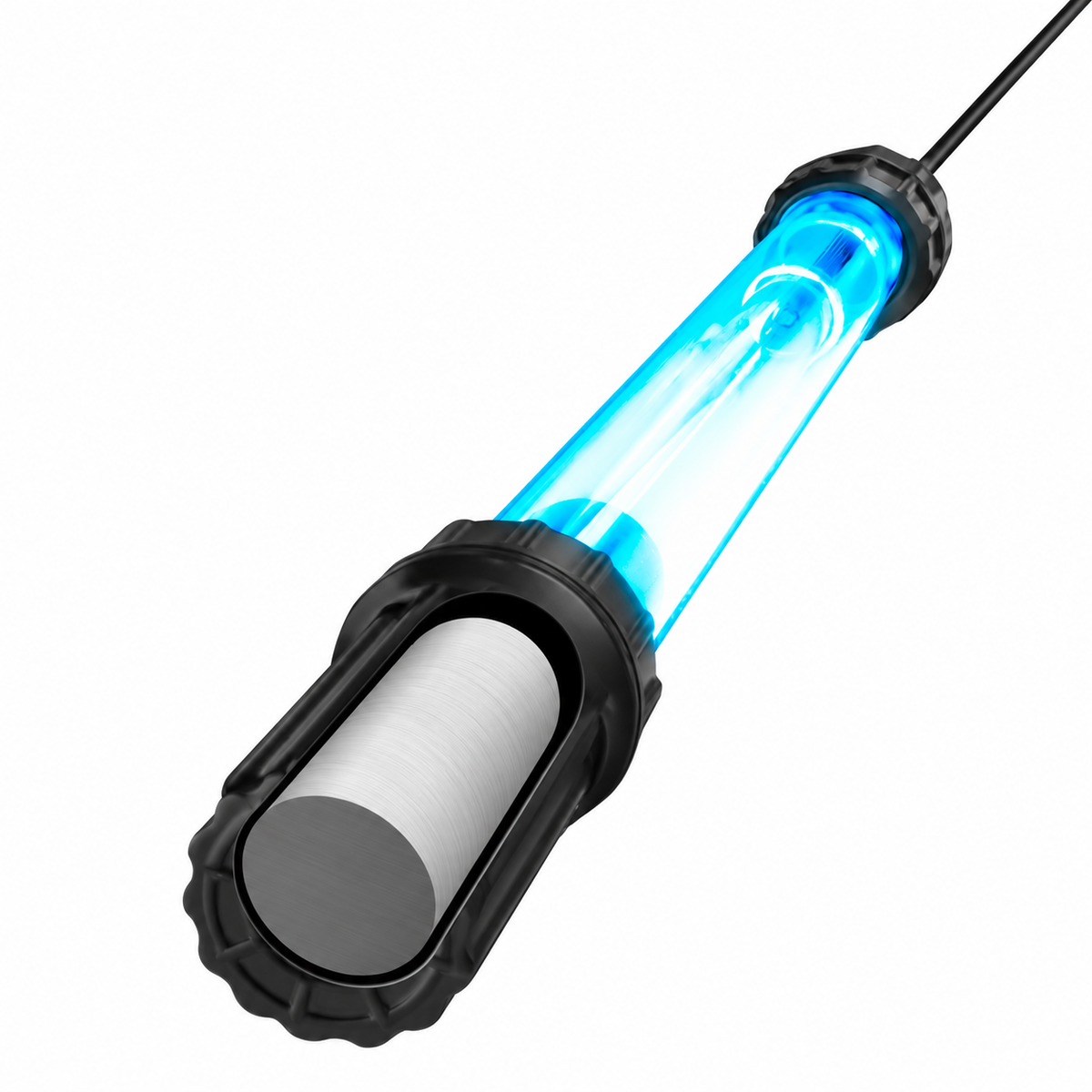
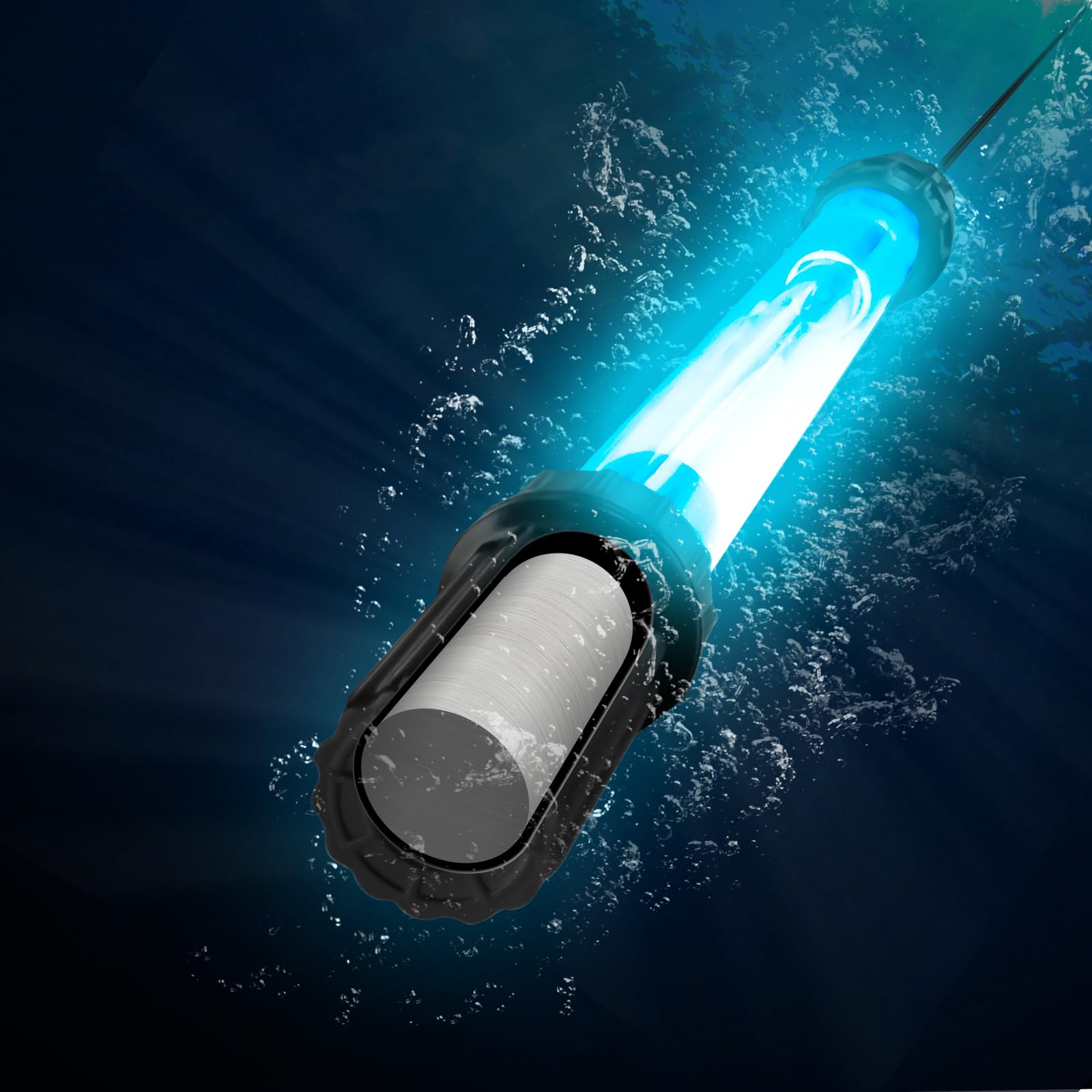
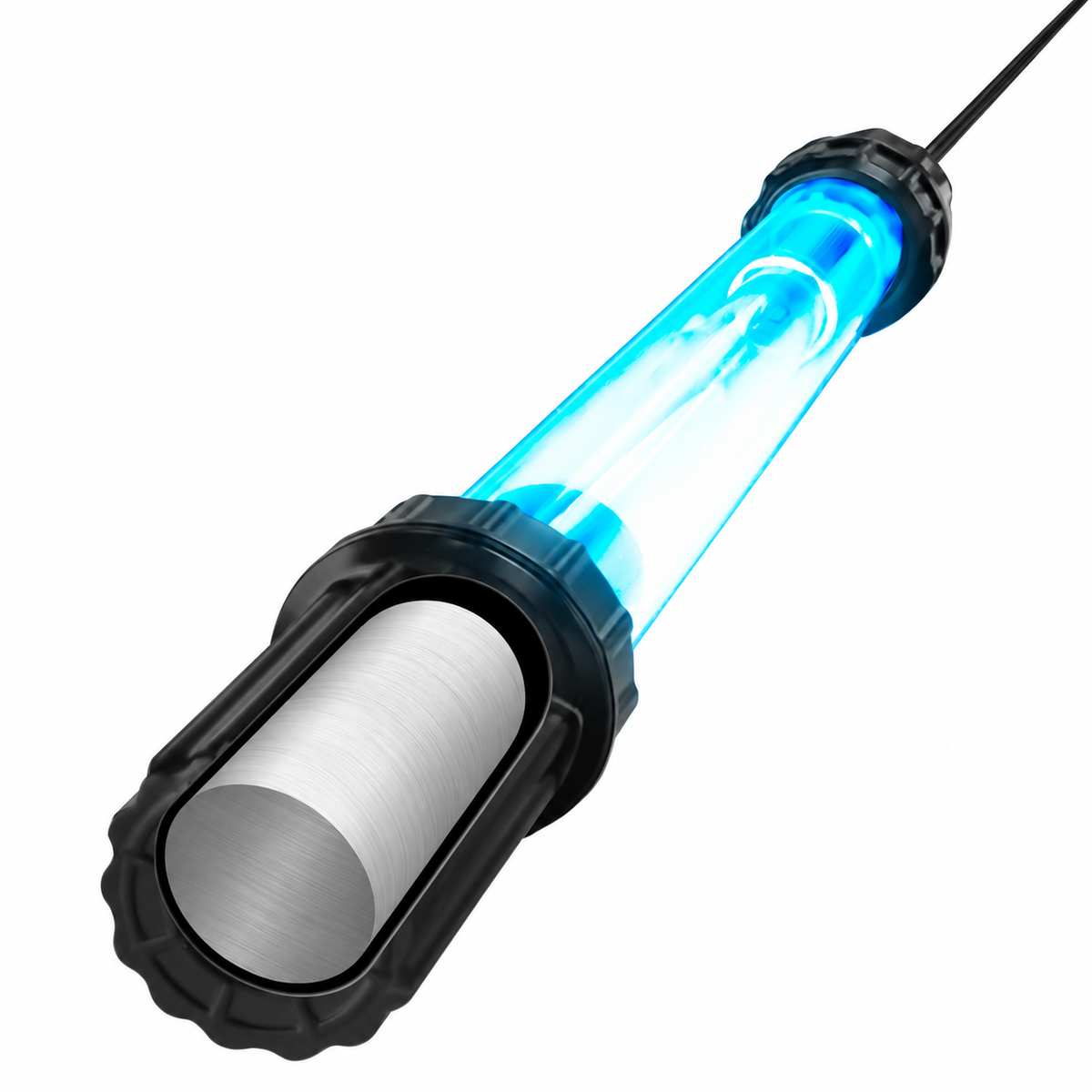
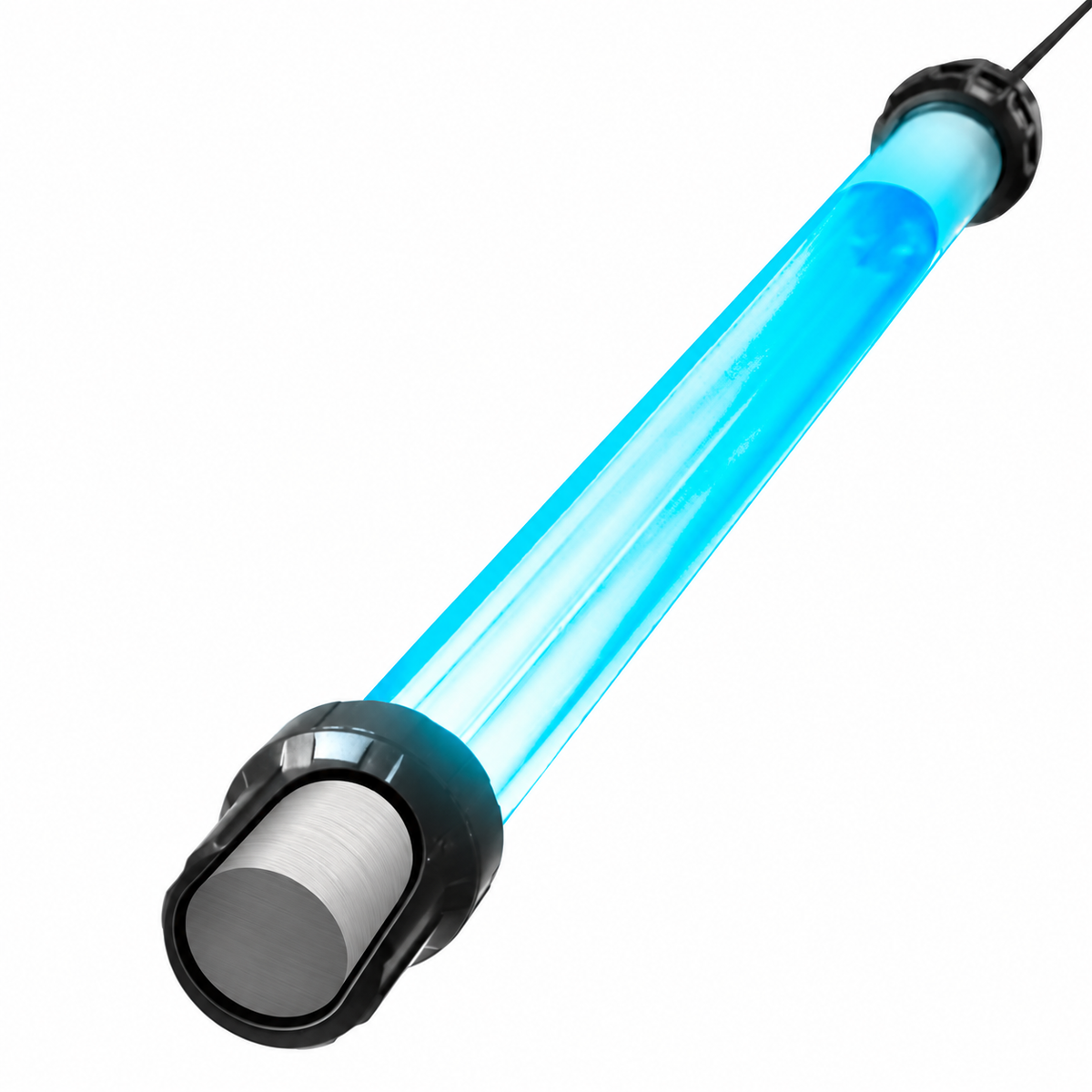
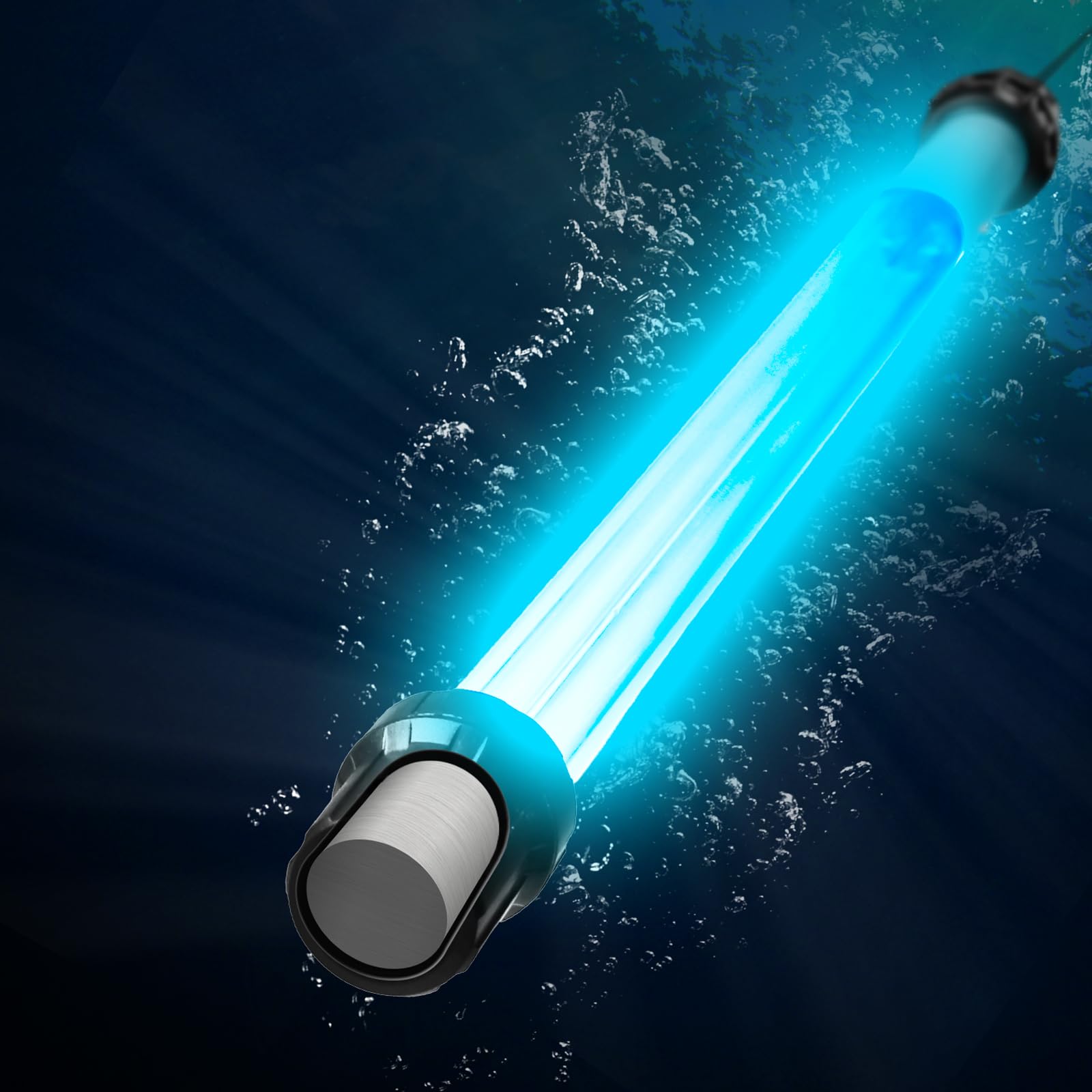
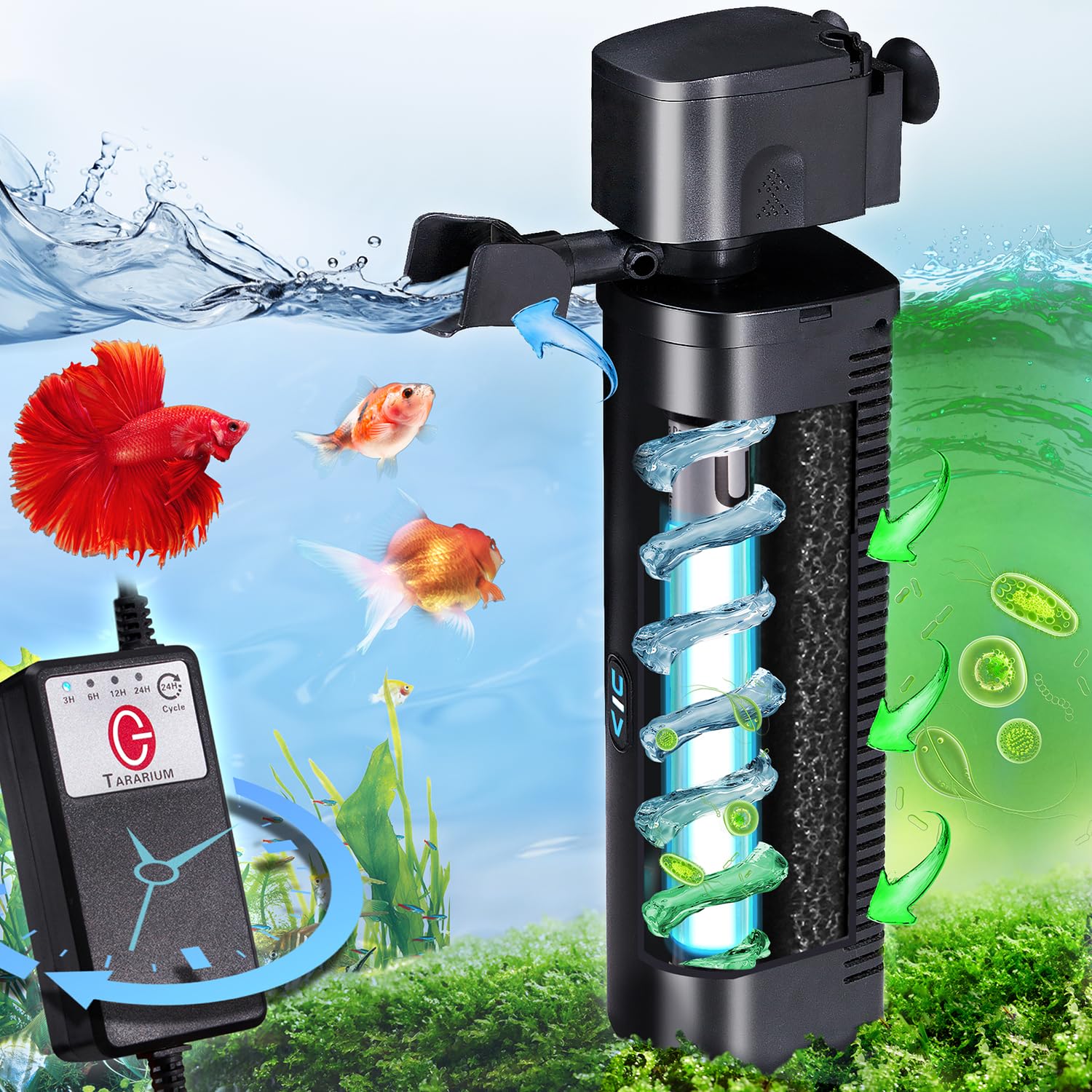
One piece of equipment that many aquarium enthusiasts consider adding to their filtration systems is an aquarium UV sterilizer. By exposing circulating water to ultraviolet-C (UVC) radiation, these devices can reduce certain microorganisms as water passes through a specially designed treatment chamber.
However, an important question often arises after installation: Can an aquarium UV sterilizer run 24 hours a day, seven days a week?
Some aquarium owners believe continuous operation provides the best protection against harmful microorganisms. Others worry that running a UV sterilizer constantly may damage beneficial bacteria, interfere with biological filtration, harm aquatic plants, or increase electricity consumption.
The reality is more nuanced. A properly installed aquarium UV sterilizer can generally operate continuously when it is designed for that purpose. In many situations, 24-hour operation can provide consistent water clarification and help manage certain free-floating microorganisms. However, continuous operation is not automatically necessary for every aquarium, and incorrect installation or excessive reliance on UV treatment can create problems.
The most effective approach is to understand how UV sterilization works, identify what it can and cannot accomplish, and determine an operating schedule that matches your aquarium's specific needs.
This comprehensive guide explores the benefits, potential risks, operating recommendations, maintenance requirements, and common mistakes associated with running an aquarium UV sterilizer around the clock. Whether you maintain a freshwater community tank, a planted aquarium, a marine reef system, or a large ornamental fish pond, understanding these principles can help you use UV equipment safely and effectively.
1. How Does an Aquarium UV Sterilizer Work?
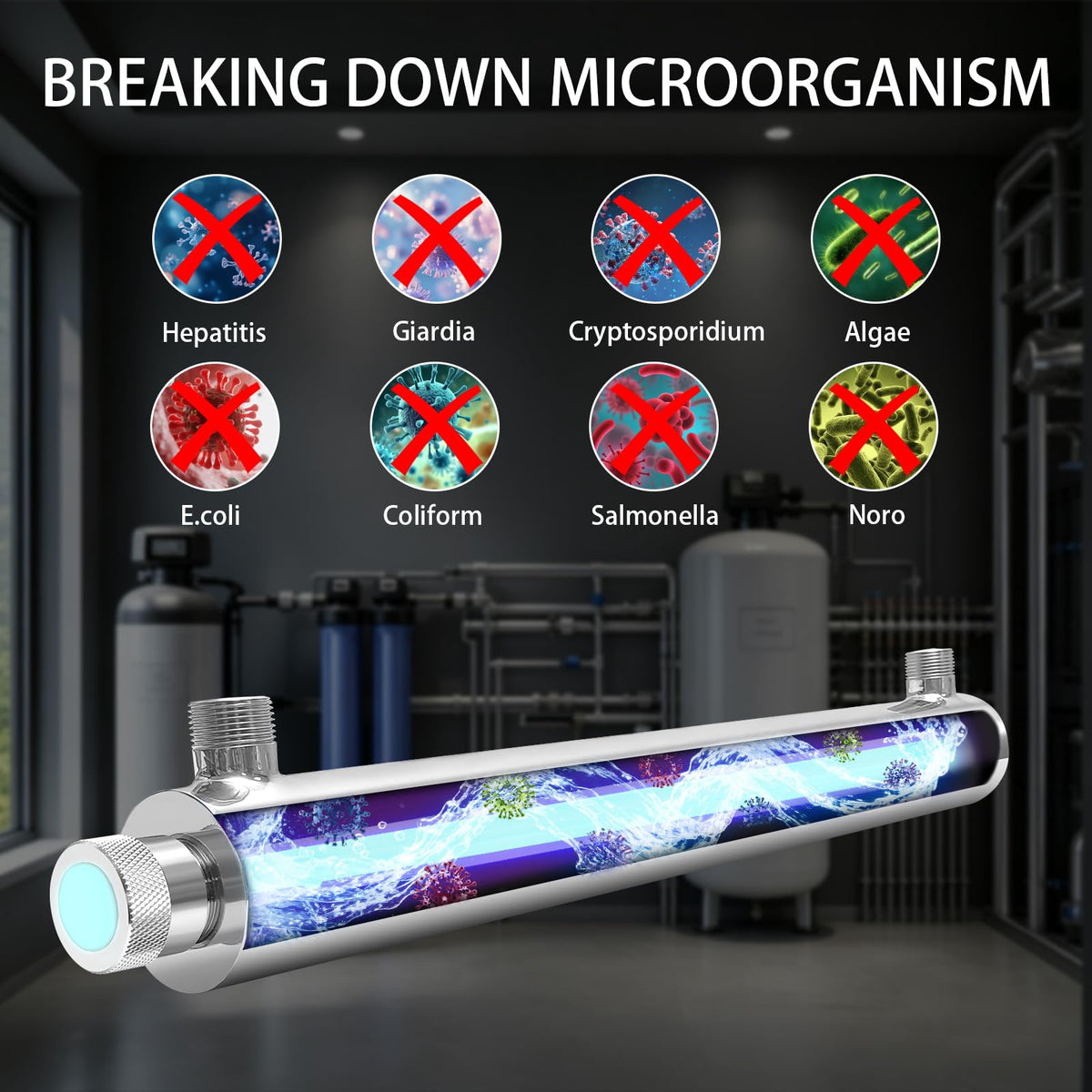
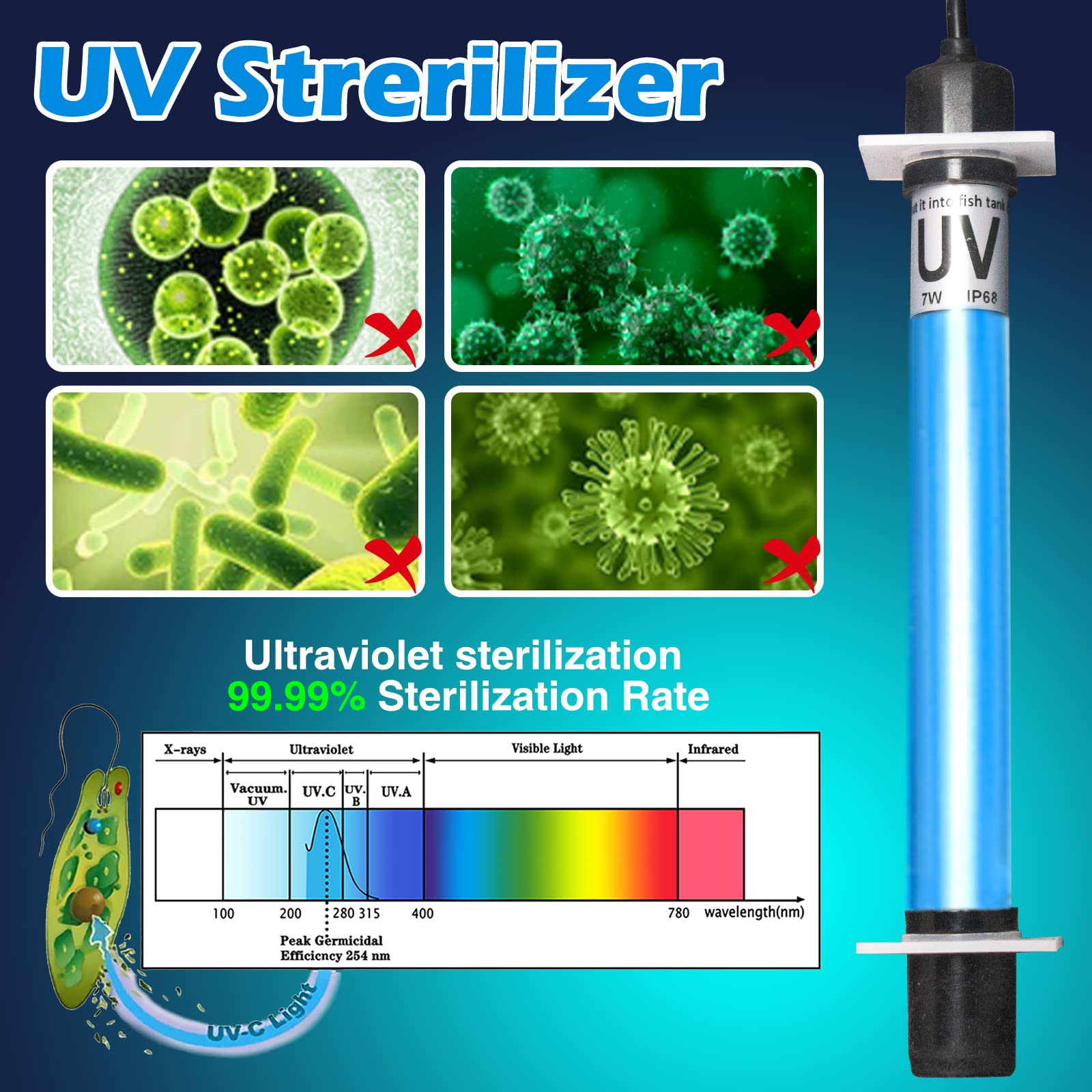
An aquarium UV sterilizer uses ultraviolet-C light to affect microorganisms suspended in the water.
Unlike ordinary aquarium filters, which physically trap particles or provide surfaces for beneficial bacteria, a UV sterilizer treats water by exposing microorganisms to a specific wavelength of ultraviolet radiation.
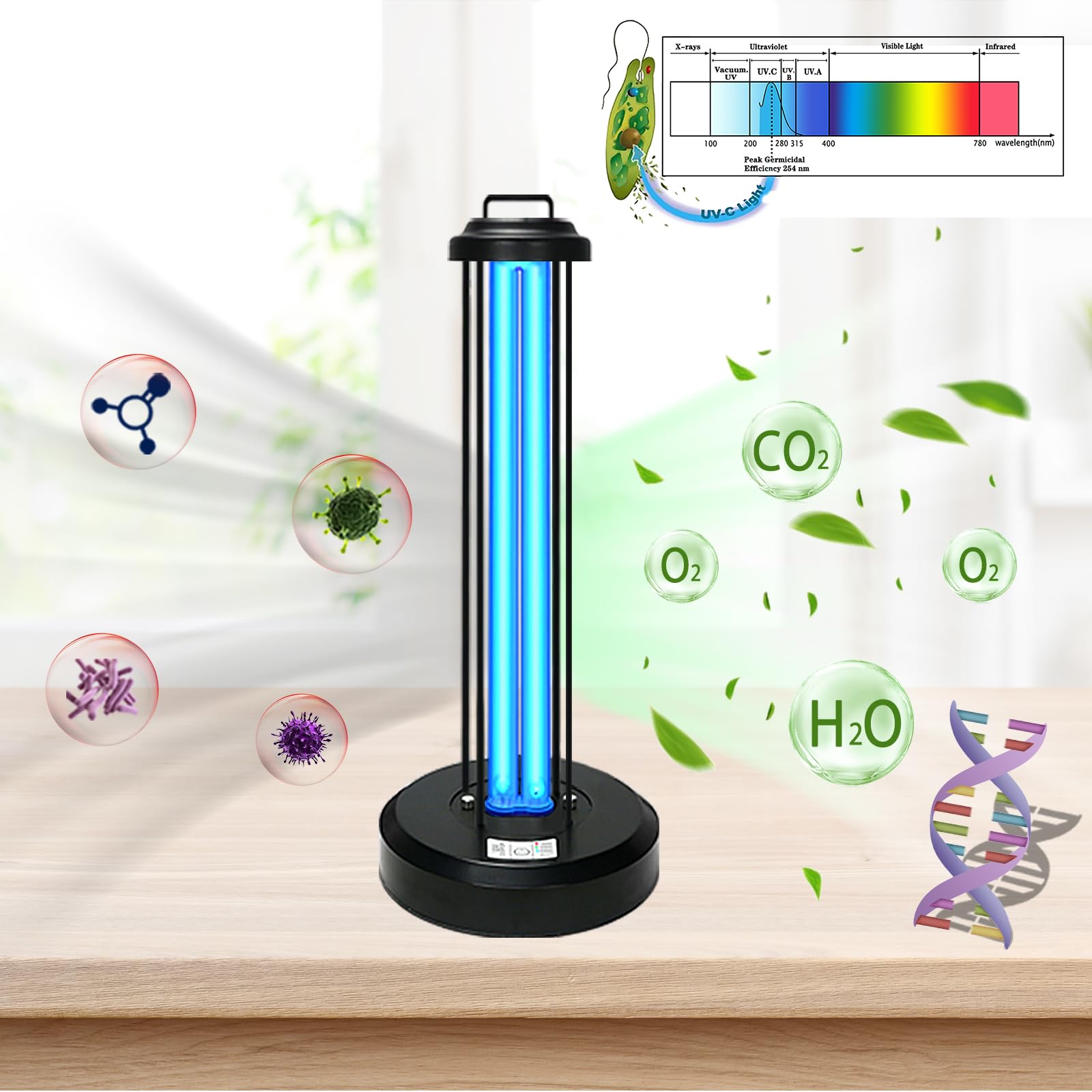
Most aquarium UV sterilizers use UVC lamps designed to emit radiation around 254 nanometers, although some modern products use different UV technologies.
At an appropriate exposure level, UVC radiation damages microbial genetic material, interfering with the ability of susceptible organisms to reproduce.
This process can help control certain microorganisms as they pass through the treatment chamber.
1.1 The Basic Operating Process
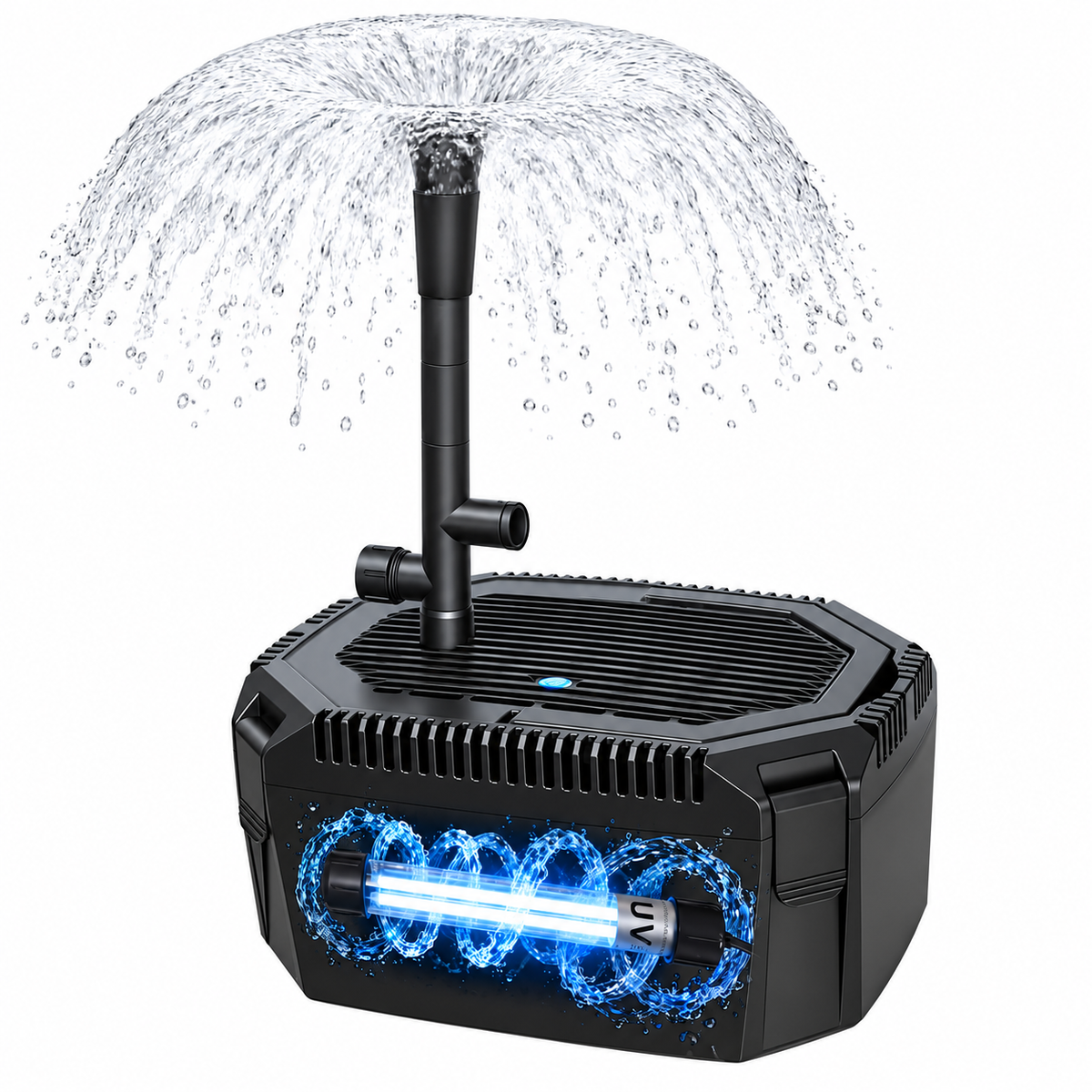
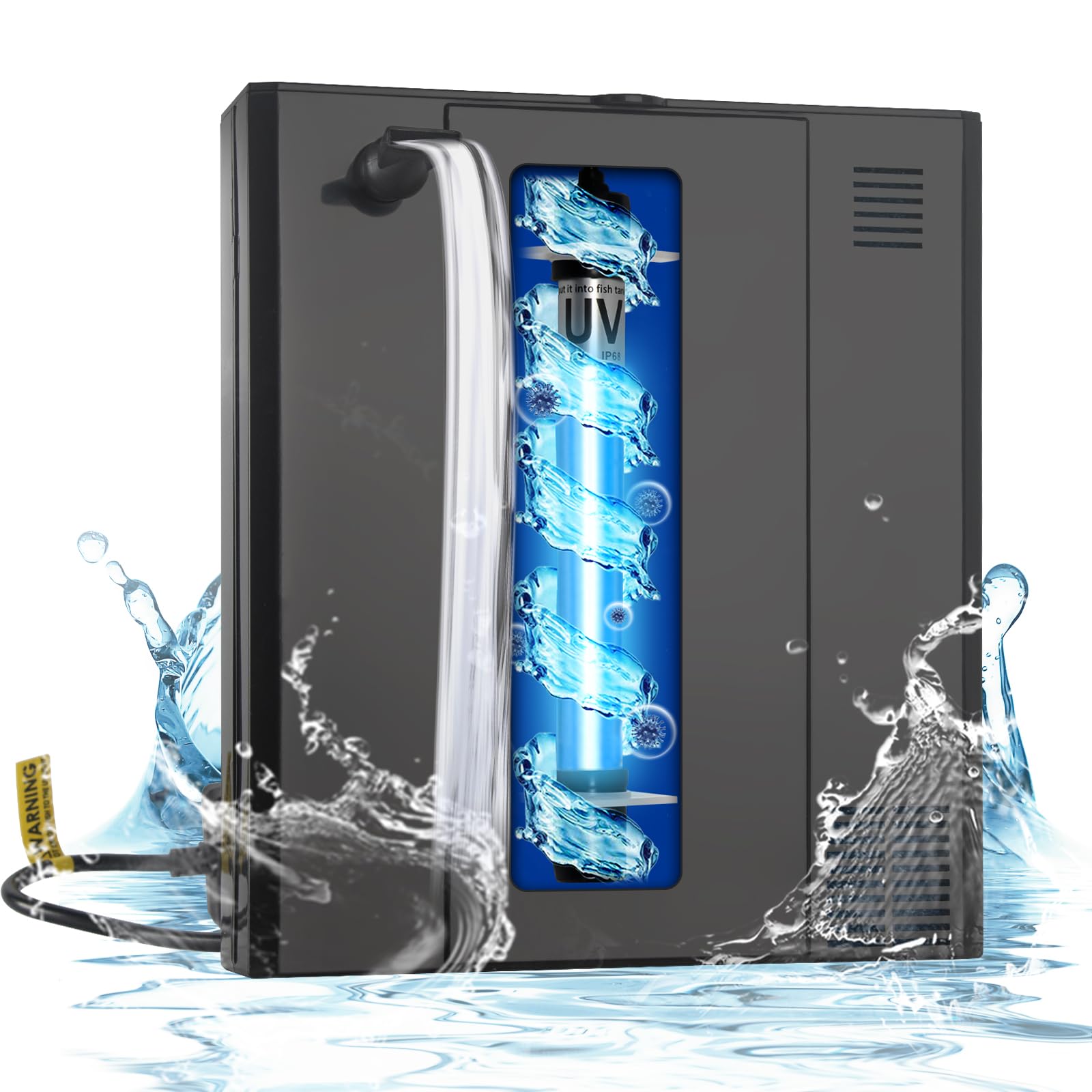
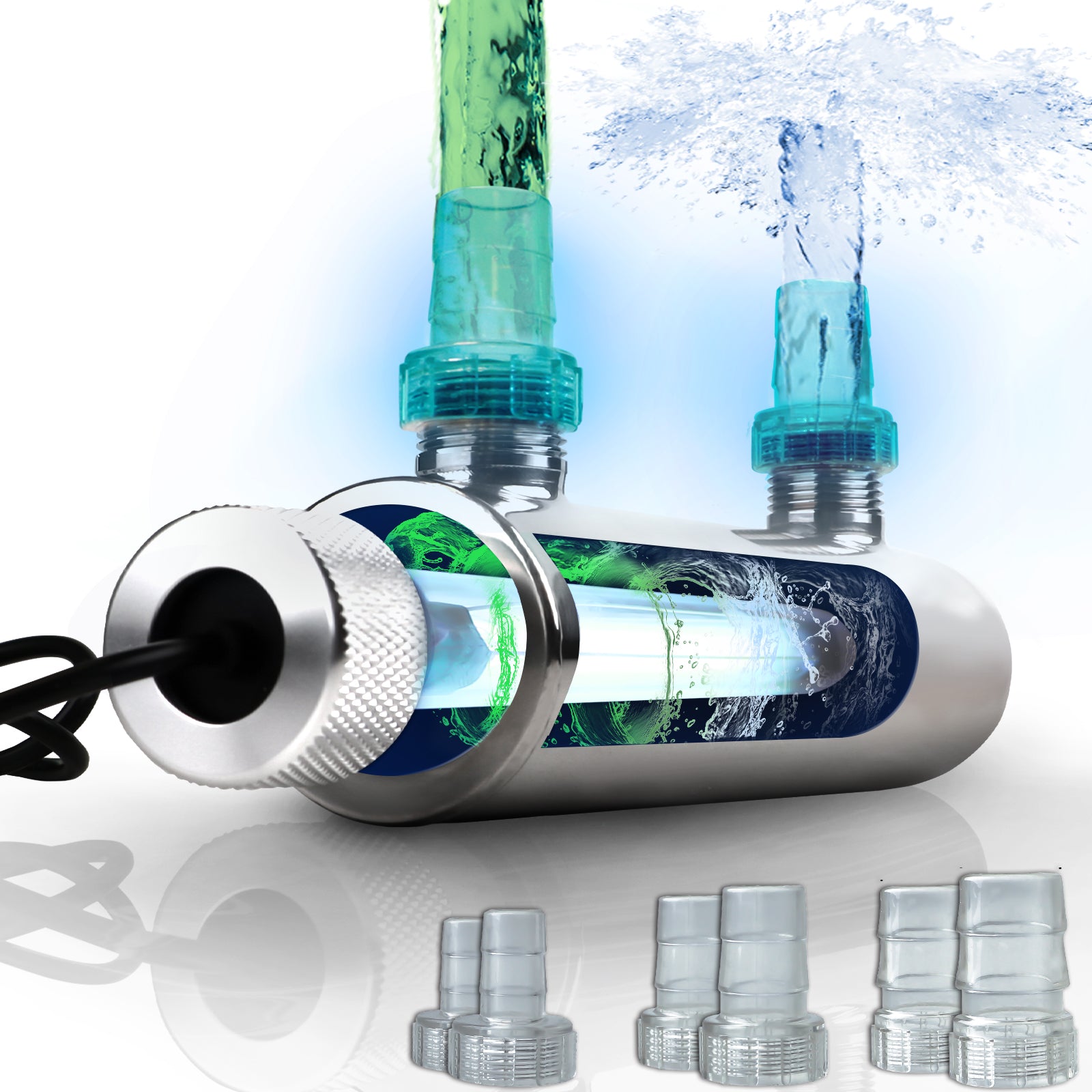
A typical aquarium UV sterilizer consists of several main components:
-
A UV-C lamp.
-
A protective quartz sleeve.
-
A water treatment chamber.
-
An electrical housing.
-
Water inlet and outlet connections.
-
A pump or connection to an existing filtration system.
The operating process is relatively straightforward.
First, aquarium water is drawn into the sterilizer through a pump or filtration circuit.
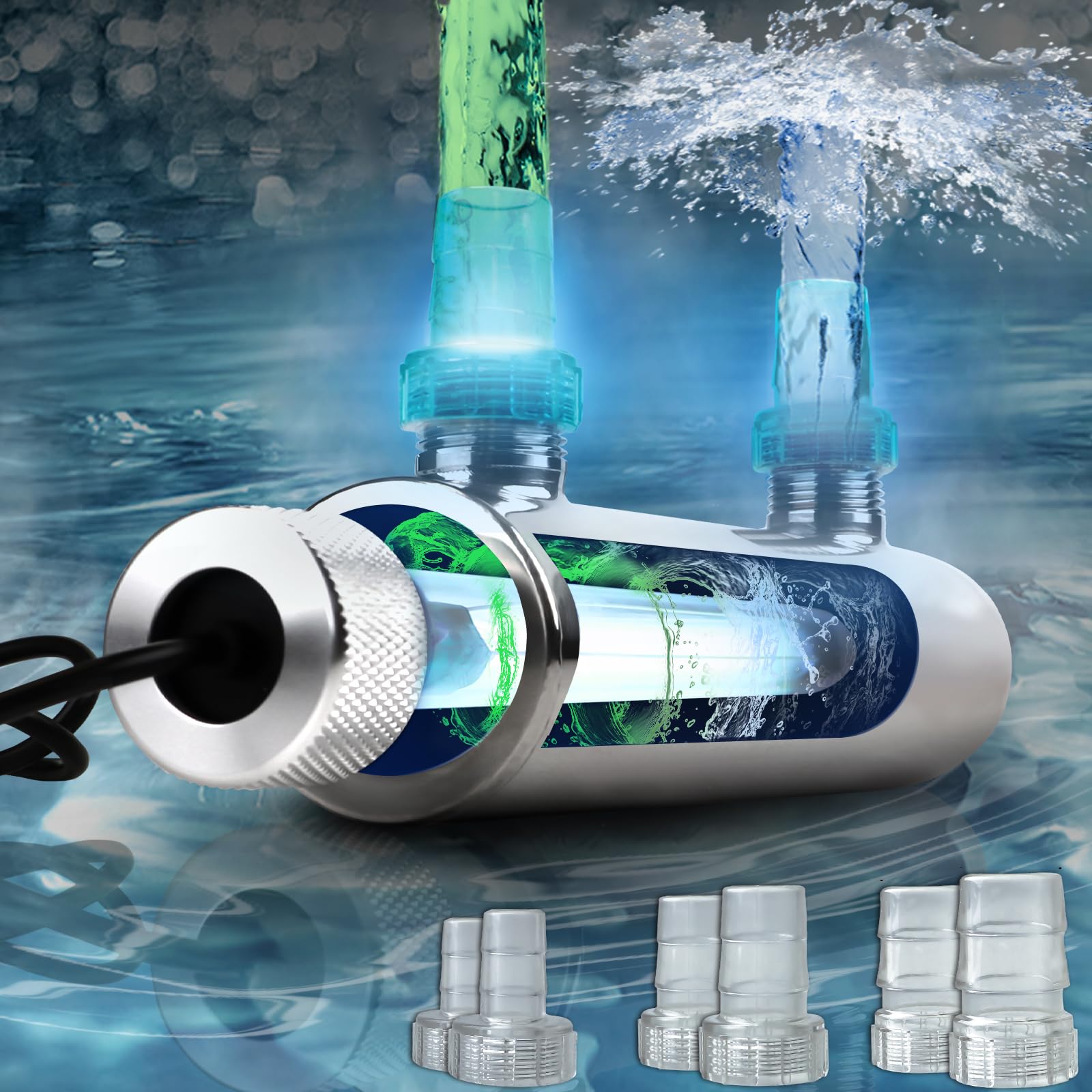
Next, water flows through the treatment chamber, where it passes around the UV lamp.
The lamp emits ultraviolet radiation that penetrates the water and exposes susceptible microorganisms.
Finally, the treated water exits the chamber and returns to the aquarium.
This process continues whenever the unit is operating and water is flowing through it.
The effectiveness of the treatment depends on several factors, including lamp output, water clarity, exposure time, flow rate, and the sensitivity of the target organisms.
1.2 What Can an Aquarium UV Sterilizer Help Control?
An aquarium UV sterilizer can help reduce certain free-floating microorganisms, including:
-
Suspended green-water algae.
-
Some free-floating bacteria.
-
Certain waterborne parasites during susceptible life stages.
-
Other microorganisms that pass through the treatment chamber and receive sufficient UV exposure.
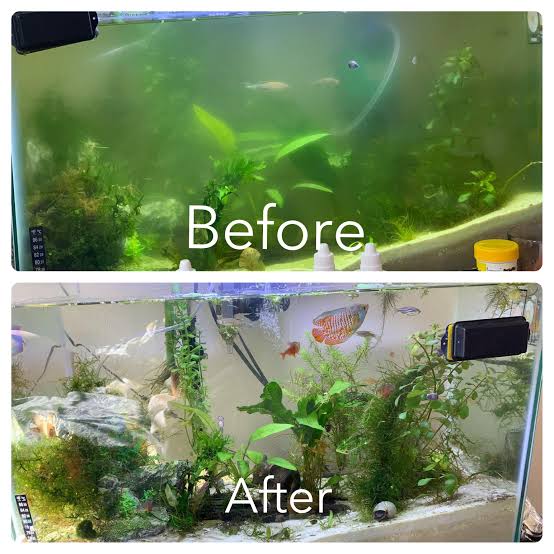
One of its most noticeable applications is controlling green aquarium water.
Green water is commonly associated with suspended microscopic algae. When these organisms pass through an appropriately sized UV sterilizer, their ability to reproduce can be disrupted.
Over time, this may significantly improve water clarity.
However, UV sterilization does not eliminate every organism in an aquarium.
Many parasites spend part of their life cycle attached to fish, inside tissues, or on aquarium surfaces. These organisms are not necessarily exposed to the UV lamp.
Similarly, algae growing on aquarium glass, decorations, rocks, and plant leaves are not directly treated by the sterilizer.
A UV unit is therefore a supplementary water-treatment device rather than a complete aquarium sanitation system.
2. Can an Aquarium UV Sterilizer Run 24 Hours a Day?
For most aquarium UV sterilizers specifically designed for continuous operation, running the unit 24 hours a day is generally acceptable when installed and maintained according to the manufacturer's instructions.
In fact, continuous operation is common in many aquarium systems, especially those experiencing persistent green water, heavy stocking, or recurring problems with suspended microorganisms.
However, whether continuous operation is necessary depends on the purpose of the equipment.
2.1 Continuous Operation Is Usually Safe With Proper Equipment
Many aquarium UV sterilizers are designed to operate for extended periods.
Their electrical components, lamp housings, and cooling arrangements are engineered around the assumption that the unit may remain switched on for long operating cycles.
When water flows continuously through the treatment chamber, the lamp can provide ongoing exposure to susceptible microorganisms.
This makes 24-hour operation useful for aquariums that require consistent water clarification.
Nevertheless, always verify the manufacturer's recommended duty cycle.
Not every UV product is designed for uninterrupted operation.
Some compact devices have different electrical or thermal requirements, and certain models may be intended for intermittent use.
2.2 Continuous Operation Does Not Mean the Aquarium Becomes Completely Sterile
One important misconception is that a UV sterilizer running continuously can make aquarium water completely free of harmful microorganisms.
This is not how aquarium UV treatment works.
Only organisms that enter the treatment chamber and receive sufficient exposure can be affected.
Microorganisms living in substrate, filter media, biofilms, decorations, plants, or on fish may remain unaffected.
In addition, some organisms can reproduce faster than the sterilizer can remove them from circulation.
The result is a reduction in certain suspended microorganisms rather than complete sterilization of the aquarium.
2.3 Continuous Operation Is Not Always Necessary
A stable aquarium with clear water, healthy fish, appropriate filtration, and no specific waterborne microorganism problem may not need UV treatment around the clock.
Some aquarium owners choose to operate UV equipment only during certain periods.
For example:
-
During green-water outbreaks.
-
After introducing new fish, when appropriate and alongside proper quarantine procedures.
-
During periods of increased water-quality management.
-
When monitoring specific waterborne disease risks.
-
During temporary water-clarification treatments.
However, switching the unit on and off according to a fixed schedule does not necessarily provide the same treatment consistency as continuous operation.
The best schedule depends on the aquarium's purpose and the sterilizer's specifications.
3. The Main Benefits of Running an Aquarium UV Sterilizer 24/7
Continuous UV operation offers several potential advantages, particularly in aquariums where suspended microorganisms are an ongoing concern.
Understanding these benefits helps determine whether constant operation is worthwhile.
3.1 More Consistent Control of Green Water
Green water is one of the most common reasons aquarium owners install UV sterilizers.
It occurs when microscopic algae multiply rapidly in the water column.
The aquarium may gradually become cloudy and green, making it difficult to observe fish and enjoy the appearance of the tank.
Green-water outbreaks can be associated with several environmental conditions, including:
-
Excessive light exposure.
-
High nutrient availability.
-
Unbalanced aquarium maintenance.
-
Direct sunlight.
-
Inadequate control of suspended algae.
A properly sized UV sterilizer can help reduce suspended algae populations by damaging cells as they pass through the treatment chamber.
Continuous operation provides repeated treatment opportunities.
As the water circulates through the system, more suspended algae cells are exposed to UVC radiation.
This can gradually improve water clarity.
However, the underlying causes of green water should also be addressed.
If excessive lighting and nutrient accumulation remain unchanged, the problem may return after UV treatment stops.
3.2 Helps Reduce Certain Free-Floating Bacteria
Aquarium water naturally contains a wide variety of microorganisms.
Some are harmless, while others may contribute to water-quality problems or disease transmission under certain conditions.
A UV sterilizer can reduce certain susceptible free-floating bacteria when they pass through the treatment chamber at an appropriate exposure level.
This may be useful in systems with high fish populations or recurring water-quality challenges.
However, it is important to distinguish between suspended bacteria and beneficial bacteria attached to filter media.
The biological filtration system should remain the primary mechanism for processing ammonia and nitrite.
A UV sterilizer is not a replacement for biological filtration.
3.3 Supports Water Clarity
Clear water is an important part of an attractive aquarium.
Even when fish and plants are healthy, suspended microorganisms can make an aquarium appear cloudy.
A UV sterilizer can improve visual clarity by reducing certain microorganisms responsible for discoloration.
This is particularly useful for:
-
Large freshwater aquariums.
-
Ornamental fish display tanks.
-
Aquariums with recurring green water.
-
Indoor ponds.
-
High-volume fish systems.
Clear water also makes it easier for aquarium owners to observe fish behavior and identify visible health problems.
However, UV treatment does not remove every type of suspended particle.
Mechanical filtration remains necessary for debris, uneaten food, and other physical contaminants.
3.4 Provides Continuous Treatment Opportunities
One advantage of 24-hour operation is that the treatment process does not depend on a limited daily operating window.
Microorganisms circulate through the aquarium at different times.
Continuous operation gives the system more opportunities to expose susceptible organisms to UVC radiation.
This can be particularly helpful in aquariums with persistent suspended algae or other ongoing water-column problems.
However, continuous exposure does not guarantee that every microorganism receives a lethal dose.
Water flow, lamp output, chamber design, and microbial sensitivity still determine performance.
3.5 Can Help Reduce Certain Waterborne Disease Risks
Some fish pathogens have free-swimming stages during which they circulate through aquarium water.
If these stages pass through a UV sterilizer and receive sufficient exposure, their viability may be reduced.
This is one reason UV equipment is sometimes used in fish quarantine systems and professional aquaculture facilities.
However, UV sterilization cannot reliably treat every fish disease.
For example, certain parasites attach to fish or remain within environmental stages that do not pass through the treatment chamber.
A UV sterilizer should never be considered a substitute for quarantine, disease identification, appropriate medication, or veterinary guidance.
4. Potential Risks of Running an Aquarium UV Sterilizer Continuously
Although continuous operation is generally acceptable for appropriately designed equipment, there are several considerations aquarium owners should understand.
Most problems are associated with incorrect installation, poor maintenance, inappropriate equipment selection, or unrealistic expectations.
4.1 Possible Effects on Beneficial Microorganisms in the Water Column
An aquarium contains many beneficial microorganisms.
Some exist freely in the water, while others live on surfaces throughout the aquarium.
Beneficial nitrifying bacteria primarily colonize:
-
Biological filter media.
-
Substrate surfaces.
-
Aquarium glass.
-
Rocks and decorations.
-
Other established biofilms.
A UV sterilizer can affect susceptible microorganisms suspended in the water, including some beneficial free-floating organisms.
However, it generally does not directly destroy the established bacterial colonies attached to filter media because those colonies do not continuously pass through the UV chamber.
This distinction is important.
A properly installed UV sterilizer should not normally cause biological filtration to collapse simply because it operates continuously.
Nevertheless, it can alter the composition of suspended microbial communities.
For most established home aquariums, maintaining effective biological filtration is much more important than attempting to preserve every microorganism in the water column.
4.2 Possible Effects on Plankton in Marine Aquariums
Marine aquariums can contain a variety of beneficial planktonic organisms.
These may include microscopic animals, algae, and other microorganisms that form part of the reef ecosystem.
Some reef aquarium inhabitants depend on plankton as a food source.
Continuous UV operation may reduce certain organisms that circulate through the treatment chamber.
This can be relevant for aquariums containing:
-
Filter-feeding invertebrates.
-
Plankton-dependent corals.
-
Copepods and other small crustaceans.
-
Refugium-based food production systems.
However, the actual impact depends on the system design and how water is circulated.
For reef aquariums, the UV operating schedule should reflect the needs of the entire ecosystem rather than focusing exclusively on water clarity.
Some hobbyists choose to operate UV continuously, while others use scheduled operation to balance water treatment with plankton availability.
Neither approach is universally correct.
4.3 Excessive Heat From Improper Installation
UV lamps and their electrical components generate heat.
A properly designed aquarium UV sterilizer manages this heat through its housing and operating configuration.
However, problems can arise when:
-
The unit is installed without adequate ventilation.
-
The wrong lamp is used.
-
Water flow is insufficient.
-
The unit is operated outside its recommended configuration.
-
Electrical components are damaged.
Some UV sterilizers require a minimum water flow or specific installation orientation.
Never operate a unit in a manner that contradicts its instructions.
4.4 UV Radiation Exposure Can Be Dangerous
UVC radiation is harmful to living tissue.
Direct exposure to UVC light can injure the eyes and skin.
For this reason, aquarium UV sterilizers are generally designed with enclosed treatment chambers.
The lamp should never be operated with the protective housing removed or in a way that allows direct exposure.
Do not look directly at an illuminated UV lamp.
Before opening or servicing the unit, disconnect the power supply and follow the manufacturer's safety procedures.
Safety should always take priority over convenience.
4.5 Additional Electricity Consumption
A UV sterilizer consumes electricity whenever its lamp is operating.
The actual consumption depends on the lamp's wattage.
For example:
| UV lamp rating | Approximate daily consumption | Approximate monthly consumption |
|---|---|---|
| 5W | 0.12 kWh | 3.6 kWh |
| 9W | 0.216 kWh | 6.48 kWh |
| 18W | 0.432 kWh | 12.96 kWh |
| 36W | 0.864 kWh | 25.92 kWh |
| 55W | 1.32 kWh | 39.6 kWh |
These figures assume uninterrupted operation for 24 hours daily over 30 days.
Actual electricity consumption may vary depending on the equipment and operating conditions.
For small aquariums, the energy cost may be relatively modest.
For large ponds or multiple aquarium systems, however, continuous UV operation can contribute noticeably to overall electricity expenses.
4.6 Lamp Performance Declines Over Time
A UV lamp may continue producing visible light even after its effective germicidal output has declined.
This can create a misleading impression that the sterilizer is still operating at full capacity.
UV lamp performance gradually decreases with operating time.
The replacement interval depends on the lamp type and manufacturer.
Many conventional aquarium UV-C lamps require replacement after several thousand operating hours, often around 6–12 months of continuous use, although some models have different service lives.
Always follow the specific replacement interval recommended by the manufacturer.
4.7 Poor Water Flow Can Reduce Treatment Effectiveness
A UV sterilizer does not become more effective simply because the lamp stays on longer.
Water must pass through the chamber at an appropriate flow rate.
If the flow is too fast, microorganisms may receive insufficient exposure.
If the flow is too slow, treatment capacity may become unnecessarily limited.
The correct flow rate depends on the sterilizer's design, lamp output, target organism, and desired UV dose.
This is particularly important when the objective is more demanding than basic green-water clarification.
5. Does a 24-Hour UV Sterilizer Kill Beneficial Aquarium Bacteria?
This is one of the most common concerns among aquarium owners.
The short answer is that UV sterilizers can affect some beneficial microorganisms suspended in water, but they generally do not eliminate the established biological filtration colonies responsible for processing fish waste.
To understand why, it helps to distinguish between two types of microbial populations.
5.1 Free-Floating Bacteria
Free-floating bacteria move through aquarium water.
They may enter the UV treatment chamber as water circulates through the filtration system.
If they are susceptible to the radiation and receive sufficient exposure, their ability to reproduce may be reduced.
This includes some microorganisms that are not harmful to fish.
5.2 Attached Beneficial Bacteria
Most important nitrifying bacteria live in established biofilms.
These biofilms develop on surfaces such as:
-
Ceramic filter media.
-
Sponge filters.
-
Biological filter substrates.
-
Aquarium gravel.
-
Rocks and decorations.
Because these colonies remain attached to surfaces, they are not directly exposed to the UV lamp in the treatment chamber.
This is why an appropriately installed UV sterilizer generally does not replace or destroy the aquarium's biological filtration system.
5.3 Should You Turn Off UV During Biological Filter Establishment?
A newly established aquarium requires time for beneficial bacterial populations to develop.
During this period, maintaining stable biological filtration is essential.
A UV sterilizer may affect some suspended microorganisms that could otherwise contribute to microbial colonization.
For this reason, many aquarium keepers choose not to run UV continuously during initial biological cycling unless there is a specific reason to do so.
However, turning off the UV sterilizer does not guarantee faster cycling.
The most important factors are providing suitable biological filter media, an ammonia source, adequate oxygenation, and stable water conditions.
Monitor ammonia and nitrite rather than relying on the UV operating schedule to determine whether an aquarium is cycled.
6. Can Continuous UV Operation Harm Aquarium Plants?
In a properly enclosed aquarium UV sterilizer, UVC radiation is applied inside the treatment chamber rather than directly to aquatic plants.
Therefore, the sterilizer does not normally expose plant leaves to harmful UVC radiation.
This means that 24-hour UV operation is generally compatible with planted aquariums.
However, there are some indirect considerations.
6.1 UV Treatment Does Not Replace Plant Maintenance
A UV sterilizer can reduce suspended algae, but it cannot directly remove algae attached to:
-
Plant leaves.
-
Aquarium glass.
-
Driftwood.
-
Rocks.
-
Substrate surfaces.
Regular maintenance, suitable lighting, and nutrient management remain necessary.
6.2 Consider the Impact on Planktonic Microorganisms
Some planted aquariums contain microorganisms that contribute to the broader ecological balance.
Continuous UV treatment may reduce certain suspended organisms.
For most conventional planted aquariums, this is unlikely to be a major problem.
However, heavily planted natural-style systems that intentionally support a diverse plankton community may benefit from a more carefully considered operating schedule.
6.3 Maintain Balanced Nutrient Conditions
UV sterilization does not directly solve excessive nitrate, phosphate, or organic waste accumulation.
If algae problems are caused by an underlying nutrient imbalance, the aquarium may continue experiencing problems even when the water becomes clearer.
Maintain appropriate water changes, feeding practices, filtration, and plant growth conditions.
7. How Long Should an Aquarium UV Sterilizer Run Each Day?
The ideal operating schedule depends on the aquarium's specific purpose.
There is no universal rule requiring every UV sterilizer to run continuously.
Consider the following general recommendations.
7.1 For Green Water Treatment
If the aquarium has an active green-water problem, continuous operation may be useful.
The sterilizer can repeatedly treat circulating water, helping reduce suspended algae populations.
The duration required for visible improvement depends on:
-
Aquarium volume.
-
Algae concentration.
-
UV lamp output.
-
Water flow.
-
Treatment chamber design.
-
Light exposure.
-
Nutrient conditions.
Some aquariums improve within a few days, while others require longer.
Do not assume that a specific operating period guarantees complete water clarification.
7.2 For Routine Water Clarity
If your aquarium is already stable and clear, continuous operation may not be necessary.
You can evaluate whether the equipment provides a meaningful benefit based on your aquarium's needs.
Some owners choose to operate their UV sterilizers continuously for consistency, while others use them periodically.
If the aquarium has recurring green-water problems, maintaining continuous operation may be more practical than repeatedly switching the unit on and off.
7.3 For Quarantine Aquariums
UV equipment may provide supplementary water treatment in quarantine systems.
However, it should not replace proper quarantine procedures.
A quarantine aquarium should include:
-
Appropriate filtration.
-
Stable temperature.
-
Regular water testing.
-
Careful observation.
-
Separate equipment when possible.
-
Suitable disease-management procedures.
UV operation should be coordinated with any medication being used.
Some treatments may be affected by UV exposure, so always check the medication manufacturer's instructions before operating the sterilizer.
7.4 For Marine Reef Aquariums
Reef aquariums may contain beneficial plankton and other microorganisms.
The operating schedule should consider the livestock, nutrient-management strategy, and intended purpose of the UV system.
Some reef keepers run UV continuously for water-quality management, while others use controlled operating periods.
If the aquarium relies heavily on live plankton as a food source, consider how UV treatment may affect organisms circulating through the system.
8. Choosing the Right UV Sterilizer for Your Aquarium
A UV sterilizer should be selected according to aquarium size, water flow, lamp output, and intended application.
Buying a larger unit without considering its treatment specifications may not provide better results.
8.1 Match UV Capacity to Aquarium Volume
Manufacturers usually provide recommended aquarium volumes or application guidelines.
These recommendations can be useful starting points, but aquarium volume alone does not determine effectiveness.
A 200-liter aquarium with a heavy algae problem may require a different treatment configuration from a lightly stocked 200-liter aquarium.
Look for equipment that specifies:
-
Recommended aquarium volume.
-
Lamp wattage.
-
Maximum and recommended flow rates.
-
UV dose or treatment performance information.
-
Compatible pump requirements.
-
Lamp replacement specifications.
8.2 Understand the Relationship Between Flow Rate and UV Exposure
Flow rate is one of the most important factors affecting sterilizer performance.
Water moving through the chamber too quickly may receive insufficient UV exposure.
Slower flow generally increases exposure time, although it also reduces the amount of water processed per hour.
The objective is to balance exposure and treatment capacity.
For example, a sterilizer intended primarily for water clarification may operate at a different flow rate from a system designed to provide a higher UV dose for controlling more resistant microorganisms.
Always follow the manufacturer's application-specific flow recommendations.
8.3 Consider the UV-C Lamp Type
Different UV sterilizers use different lamp technologies.
Conventional low-pressure mercury UV-C lamps are common in aquarium equipment.
Some newer systems use UV-C LEDs.
Each technology has different characteristics relating to power consumption, lifespan, heat management, and output.
Do not compare products based on wattage alone.
A higher-wattage lamp does not automatically deliver a higher effective UV dose.
Chamber design, lamp output, and water exposure are equally important.
8.4 Choose a Suitable Installation Design
Common aquarium UV sterilizer designs include:
-
Inline sterilizers connected to filtration plumbing.
-
External UV units with dedicated pumps.
-
Compact units designed for smaller aquariums.
-
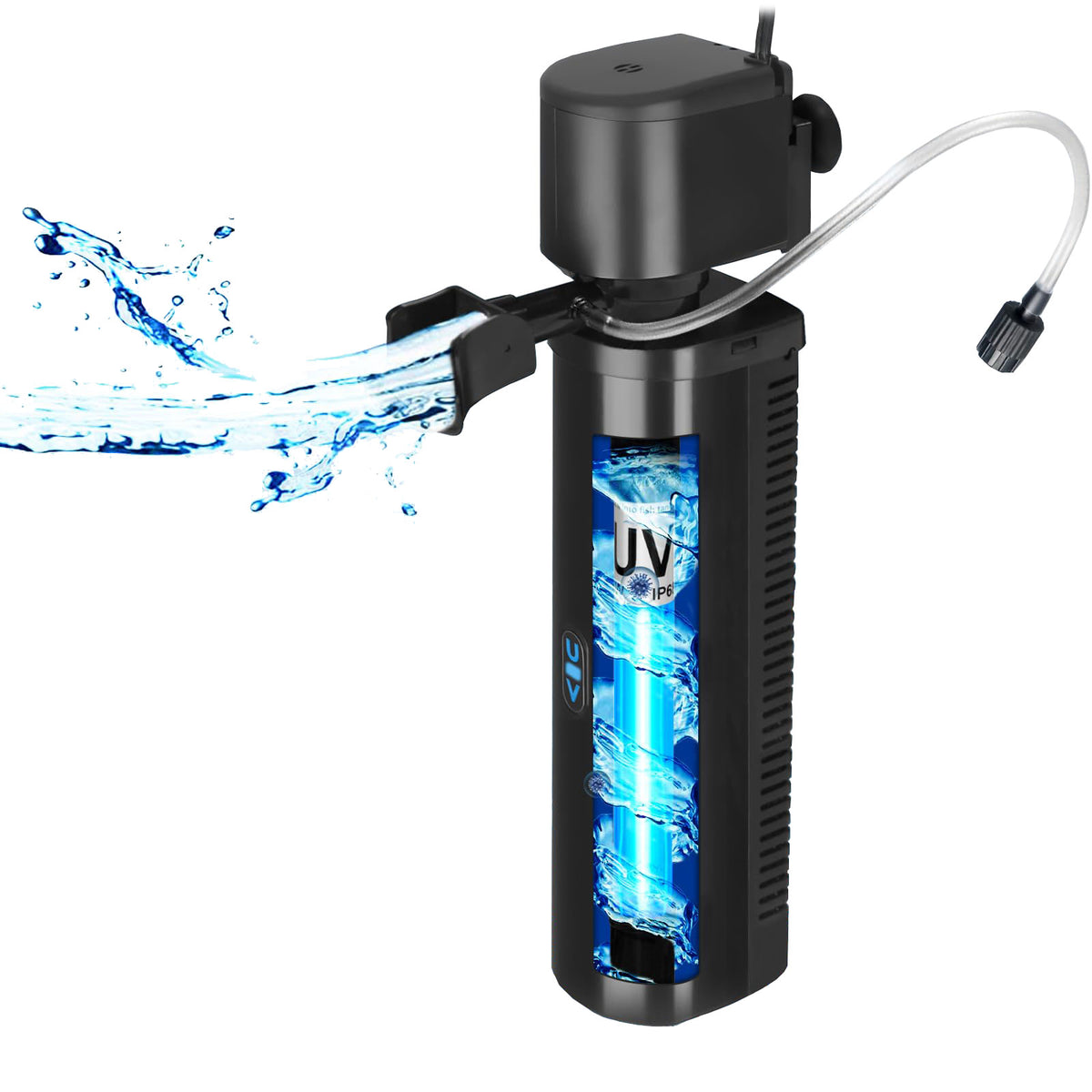
Submersible UV systems with enclosed treatment chambers.
Choose a design that is compatible with your filtration setup.
The unit should be easy to access for lamp replacement and quartz sleeve cleaning.
9. Proper Installation for Safe 24-Hour Operation
Correct installation is essential for both safety and performance.
Even a high-quality UV sterilizer may operate inefficiently if it is installed incorrectly.
9.1 Install the Unit According to Its Design
Follow the manufacturer's recommended orientation.
Some sterilizers are designed for horizontal installation, while others are intended for vertical mounting.
Incorrect positioning may interfere with water circulation or servicing.
9.2 Ensure Adequate Water Flow
The sterilizer should receive a consistent water supply.
Check that:
-
The pump is correctly sized.
-
Tubing is not kinked.
-
The inlet is not blocked.
-
The outlet is unobstructed.
-
The flow rate matches the recommended range.
Avoid operating equipment outside its specified flow conditions.
9.3 Prevent Water Leakage
Inspect hose connections, seals, and fittings before turning on the equipment.
Use suitable clamps and connectors.
Check for leaks after installation and periodically during operation.
9.4 Protect Electrical Connections
Aquarium electrical equipment operates in a wet environment.
Use properly rated electrical outlets and suitable residual-current protection, such as a GFCI in regions where that standard is applicable.
Create drip loops in power cords so water cannot travel directly into electrical outlets.
Keep electrical connections dry and accessible.
Never handle electrical equipment with wet hands.
Disconnect power before servicing the unit.
9.5 Never Operate an Exposed UVC Lamp
The UVC lamp must remain enclosed within its protective chamber.
Do not operate a sterilizer with its housing open or quartz sleeve exposed.
Direct UVC exposure can cause serious eye and skin injuries.
Follow all manufacturer safety instructions.
10. Maintenance Requirements for Continuously Operating UV Sterilizers
A UV sterilizer requires regular maintenance to remain effective.
Because continuous operation means the lamp accumulates operating hours every day, maintenance becomes particularly important.
10.1 Clean the Quartz Sleeve
Many UV sterilizers use a quartz sleeve to separate the lamp from aquarium water.
Over time, mineral deposits, organic films, and other contaminants may accumulate on its surface.
These deposits can reduce UV transmission.
A dirty quartz sleeve may therefore decrease treatment effectiveness even when the lamp is still functioning.
Follow the manufacturer's cleaning procedure.
Disconnect power before opening the unit, and avoid scratching or damaging the quartz sleeve.
10.2 Replace the UV Lamp on Schedule
A UV lamp may continue to glow visibly even after its germicidal output has declined.
This is why visual inspection alone cannot determine whether the lamp is still effective.
Record the installation date and operating hours.
Replace the lamp according to the manufacturer's recommended service interval.
For continuously operating conventional UV-C lamps, replacement may commonly be recommended around every 6–12 months, but product specifications vary.
10.3 Inspect Seals and Connections
Check the sterilizer periodically for:
-
Cracked housing.
-
Worn seals.
-
Loose fittings.
-
Water leakage.
-
Damaged cables.
-
Unusual noises.
-
Abnormal heat.
Replace damaged components before continuing operation.
10.4 Clean the Water Inlet and Outlet
Debris can accumulate around the inlet and outlet, especially when the sterilizer is connected to a filtration system with insufficient prefiltration.
Mechanical filtration placed upstream can help prevent particles from entering the UV chamber.
Clean the relevant components according to the equipment instructions.
10.5 Keep a Maintenance Record
A simple maintenance log can make continuous UV operation easier to manage.
Record:
-
Installation date.
-
Lamp replacement date.
-
Quartz sleeve cleaning.
-
Flow-rate checks.
-
Electrical inspections.
-
Any changes in water clarity.
This makes it easier to identify declining performance and schedule maintenance before problems develop.
11. Common Mistakes When Running an Aquarium UV Sterilizer 24/7
Even though continuous UV operation can be beneficial, several common mistakes may reduce its effectiveness.
Mistake 1: Assuming More Operating Hours Always Mean Better Results
A UV sterilizer cannot compensate for poor aquarium maintenance.
If the aquarium has excessive nutrients, inadequate filtration, or uncontrolled lighting, algae problems may continue.
Continuous operation should support a broader aquarium maintenance strategy.
Mistake 2: Choosing an Inappropriate Flow Rate
Incorrect water flow can significantly reduce UV exposure.
Do not select a pump based solely on the largest possible flow rate.
Follow the sterilizer's recommended flow range for the intended treatment objective.
Mistake 3: Ignoring Lamp Replacement
A visibly illuminated lamp may no longer produce sufficient germicidal output.
Replace lamps according to the recommended schedule.
Mistake 4: Neglecting the Quartz Sleeve
A dirty sleeve reduces the amount of UVC radiation reaching the water.
Include sleeve inspection and cleaning in regular maintenance.
Mistake 5: Treating UV as a Substitute for Biological Filtration
A UV sterilizer does not remove ammonia, nitrite, or nitrate directly.
It cannot replace a mature biological filter.
Continue maintaining adequate biological and mechanical filtration.
Mistake 6: Using UV Instead of Quarantine
UV treatment does not eliminate all fish pathogens.
New fish should be quarantined and observed before entering an established display aquarium.
Mistake 7: Running UV During Medication Without Checking Compatibility
Certain medications and treatment compounds may be affected by UV exposure.
Some treatment protocols require UV sterilizers to be switched off temporarily.
Always follow the medication manufacturer's instructions or seek professional guidance.
Mistake 8: Ignoring UVC Safety
Never expose yourself or other people to an operating UVC lamp.
Keep the lamp enclosed and disconnect the unit before maintenance.
12. Does an Aquarium UV Sterilizer Need to Be Turned Off During Water Changes?
In many installations, there is no need to turn off a UV sterilizer simply because a routine water change is taking place.
However, the correct procedure depends on the equipment setup.
If the water level changes or the pump may run dry, the UV sterilizer should be switched off before maintenance.
Some units require continuous water flow for safe operation.
For these models, never allow the lamp to operate without the required water circulation.
A practical maintenance procedure is:
-
Turn off the relevant pump if required.
-
Switch off the UV sterilizer.
-
Perform the water change.
-
Restore the correct water level.
-
Check the pump and plumbing.
-
Restart the water circulation.
-
Confirm that the sterilizer is receiving proper flow.
-
Restore UV operation according to the manufacturer's instructions.
Do not restart the lamp immediately if the manufacturer specifies a cooling or restart interval.
13. Should You Turn Off the UV Sterilizer at Night?
For most aquarium UV systems designed for continuous operation, there is no special requirement to switch the lamp off at night.
UV-C treatment does not depend on the aquarium's lighting schedule.
Unlike aquarium lighting, which should follow a suitable day-night cycle, a UV sterilizer can continue treating circulating water after the main aquarium lights turn off.
However, there are situations where nighttime operation may need consideration.
For example, some reef systems intentionally support plankton availability as part of their feeding strategy.
In those cases, the owner may choose to adjust the UV schedule to suit the aquarium's ecosystem.
For a standard freshwater aquarium experiencing green water, continuous operation is often a straightforward approach.
14. Can an Aquarium UV Sterilizer Run Without a Filter?
Some UV sterilizers can operate using a dedicated pump rather than being connected directly to a canister or sump filtration system.
However, this does not mean mechanical and biological filtration are unnecessary.
A UV sterilizer treats microorganisms passing through its chamber.
It does not physically remove:
-
Uneaten food.
-
Fish waste.
-
Large organic particles.
-
Excess sediment.
-
Dissolved ammonia.
-
Nitrite.
-
Nitrate.
An aquarium still needs suitable filtration and routine maintenance.
For better performance, many installations place mechanical filtration upstream of the UV chamber.
This can reduce suspended debris entering the unit and help maintain a cleaner quartz sleeve.
15. Special Recommendations for Different Aquarium Types
Different aquarium environments have different UV treatment requirements.
A schedule that works well for a freshwater community tank may not be ideal for a marine reef system.
15.1 Freshwater Community Aquariums
For a conventional freshwater community aquarium, UV sterilization can be useful when suspended algae or recurring water-clarity problems occur.
Continuous operation is generally acceptable if the unit is designed for it.
Recommended practices include:
-
Maintain a stable water temperature.
-
Use an appropriate flow rate.
-
Keep mechanical and biological filtration operating.
-
Monitor water parameters.
-
Clean the quartz sleeve regularly.
-
Replace the lamp according to its rated service life.
15.2 Planted Aquariums
In planted aquariums, UV sterilizers are often used to control green water.
They generally do not harm aquatic plants directly when the UVC lamp is properly enclosed.
However, they cannot remove algae growing on leaves, substrate, or decorations.
Continue managing lighting, nutrients, CO2, and water circulation.
For natural-style aquariums that depend on planktonic microorganisms, consider whether continuous treatment is appropriate.
15.3 Marine Reef Aquariums
Marine reef systems can benefit from UV treatment, but the operating schedule should consider the entire ecosystem.
Potential applications include:
-
Reducing certain free-floating microorganisms.
-
Managing water clarity.
-
Supplementing disease-management procedures.
-
Supporting specific water-treatment objectives.
However, UV treatment may also reduce certain beneficial planktonic organisms.
Aquarium owners should consider coral feeding strategies, refugium systems, and other biological components before choosing continuous operation.
15.4 Ornamental Fish Ponds
Outdoor ornamental fish ponds may experience significant seasonal changes in water temperature, algae growth, and organic loading.
UV sterilizers are commonly used to help manage suspended green water in pond systems.
Continuous operation during periods of active algae growth may be useful, provided the unit is correctly sized and installed.
Pond UV equipment should be selected according to pond volume, pump flow, and the manufacturer's application recommendations.
15.5 Quarantine and Hospital Tanks
UV sterilizers may provide supplementary treatment in quarantine systems.
However, they should not interfere with prescribed medications or other treatment procedures.
In a hospital tank, always prioritize the specific disease-management plan.
UV equipment cannot replace diagnosis, appropriate medication, or direct treatment of infected fish.
16. How to Determine Whether Your UV Sterilizer Is Working Properly
An aquarium UV sterilizer can appear to be functioning normally while its actual treatment performance has declined.
Regular evaluation helps identify problems early.
16.1 Observe Changes in Water Clarity
If the sterilizer is being used to manage green water, monitor whether the water becomes clearer over time.
A lack of improvement may indicate:
-
Insufficient lamp output.
-
Excessive flow rate.
-
Dirty quartz sleeve.
-
Incorrect installation.
-
An undersized unit.
-
Continued algae growth exceeding treatment capacity.
Check these factors before replacing the entire system.
16.2 Check Water Flow
Verify that the pump is delivering the intended flow rate.
A blocked inlet, dirty filter, or kinked hose can alter water movement.
Flow should remain consistent with the manufacturer's recommendations.
16.3 Inspect the Lamp Service Life
Review the installation date and operating hours.
If the lamp has exceeded its recommended service life, replace it even if it still appears illuminated.
16.4 Check for Electrical or Mechanical Problems
Listen for unusual noises and inspect the housing for leaks or excessive heat.
Never open the treatment chamber while the unit is powered.
If you notice electrical damage, disconnect the equipment safely and arrange for repair or replacement.
17. Practical Operating Recommendations: A Simple Decision Guide
The following recommendations can help aquarium owners decide whether continuous UV operation is appropriate.
| Aquarium situation | Suggested approach |
|---|---|
| Persistent green water | Consider continuous operation |
| Stable freshwater aquarium | Continuous operation is optional |
| Newly cycling aquarium | Usually prioritize biological cycling |
| Reef aquarium with plankton-dependent livestock | Evaluate ecosystem needs before continuous operation |
| Quarantine aquarium | Use as supplementary treatment when appropriate |
| Aquarium receiving UV-sensitive medication | Follow treatment instructions; UV may need to be switched off |
| Outdoor ornamental fish pond with green water | Continuous operation may be useful during active treatment |
| Aquarium with clear water and no specific UV requirement | Evaluate whether operation is necessary |
This table provides general guidance rather than universal rules.
The manufacturer's equipment specifications and the aquarium's actual biological requirements should always determine the final operating schedule.
18. Frequently Asked Questions About Aquarium UV Sterilizers
Q1: Can an aquarium UV sterilizer run 24 hours a day?
Yes. Most aquarium UV sterilizers specifically designed for continuous operation can run around the clock when installed and maintained correctly.
However, check the manufacturer's duty-cycle specifications and ensure adequate water flow.
Q2: Does running a UV sterilizer 24/7 harm fish?
A properly enclosed UV sterilizer does not normally expose fish directly to UVC radiation.
It treats water inside its chamber.
When correctly installed, it is generally safe for aquarium fish.
However, incorrect installation, overheating, or equipment failure may create risks.
Q3: Will continuous UV operation kill beneficial bacteria?
It can affect some free-floating microorganisms, including certain beneficial bacteria.
However, the established nitrifying bacteria attached to biological filter media and aquarium surfaces are generally not directly exposed to the UV chamber.
A properly installed UV sterilizer should not normally destroy an established biological filtration system.
Q4: Should I turn off the UV sterilizer at night?
Not necessarily.
Equipment designed for continuous operation can usually remain on overnight.
Some specialized reef systems may benefit from scheduled operation based on plankton availability and feeding strategies.
Q5: How many hours per day should an aquarium UV sterilizer run?
There is no universal operating schedule.
For persistent green water, continuous operation may be useful.
For a stable aquarium without a specific UV treatment requirement, intermittent operation or no UV operation may be sufficient.
Q6: How often should I replace an aquarium UV lamp?
Follow the manufacturer's recommendations.
Many conventional UV-C lamps have recommended replacement intervals of approximately 6–12 months under continuous operation, but actual service life varies.
Q7: Does UV sterilization remove ammonia and nitrate?
No.
A UV sterilizer does not directly remove ammonia, nitrite, or nitrate.
Biological filtration, water changes, appropriate stocking, and proper feeding remain essential.
Q8: Can I use an aquarium UV sterilizer with a planted tank?
Yes.
When properly enclosed, the UVC lamp does not directly expose aquatic plants.
UV treatment can be useful for managing suspended green water, although it does not remove algae attached to plant leaves or other surfaces.
Q9: Does a UV sterilizer eliminate fish diseases?
No.
It may reduce certain susceptible free-floating pathogens, but it cannot treat every parasite, bacterial infection, or disease stage.
Quarantine, diagnosis, and appropriate treatment remain necessary.
Q10: Can I turn off my UV sterilizer to save electricity?
Yes, provided the operating schedule remains appropriate for your aquarium and the equipment does not have specific operating restrictions.
If the aquarium has an active green-water problem, switching the unit off may reduce treatment effectiveness.
Q11: Does a higher-wattage UV sterilizer always work better?
No.
Effectiveness depends on UV output, water flow, exposure time, chamber design, and target microorganisms.
A properly matched system is more important than wattage alone.
Q12: Can I look at the UV lamp to check whether it is working?
Never look directly at an operating UVC lamp.
Visible light is not a reliable indicator of germicidal effectiveness.
Use the manufacturer's inspection and maintenance procedures instead.
Conclusion: Is 24-Hour Aquarium UV Sterilization Worth It?
An aquarium UV sterilizer can generally operate 24 hours a day when it is designed for continuous use, correctly installed, and properly maintained.
For aquariums experiencing persistent green water, certain suspended microbial problems, or specific water-clarity challenges, continuous operation can provide consistent treatment opportunities and help maintain a clearer aquarium environment.
However, running a UV sterilizer around the clock is not automatically necessary for every aquarium.
Its effectiveness depends on the lamp's output, water flow, exposure time, treatment chamber design, and the organisms being targeted. Continuous operation also means additional electricity consumption, regular lamp replacement, and ongoing maintenance.
Most importantly, UV sterilization should remain a supplementary part of aquarium management.
It cannot replace biological filtration, mechanical filtration, regular water changes, proper feeding, quarantine procedures, or appropriate disease treatment.
For freshwater community aquariums and many planted tanks, continuous UV operation is often a practical option when there is a clear reason to use it. For reef aquariums and systems that rely on planktonic organisms, the operating schedule deserves more careful consideration.
The best approach is to match the UV sterilizer to your aquarium's actual needs, follow the manufacturer's operating instructions, monitor its performance, and maintain the rest of the aquarium ecosystem properly.
With the right equipment and responsible operation, an aquarium UV sterilizer can become a valuable tool for maintaining water clarity and supporting a healthier aquatic environment over the long term.