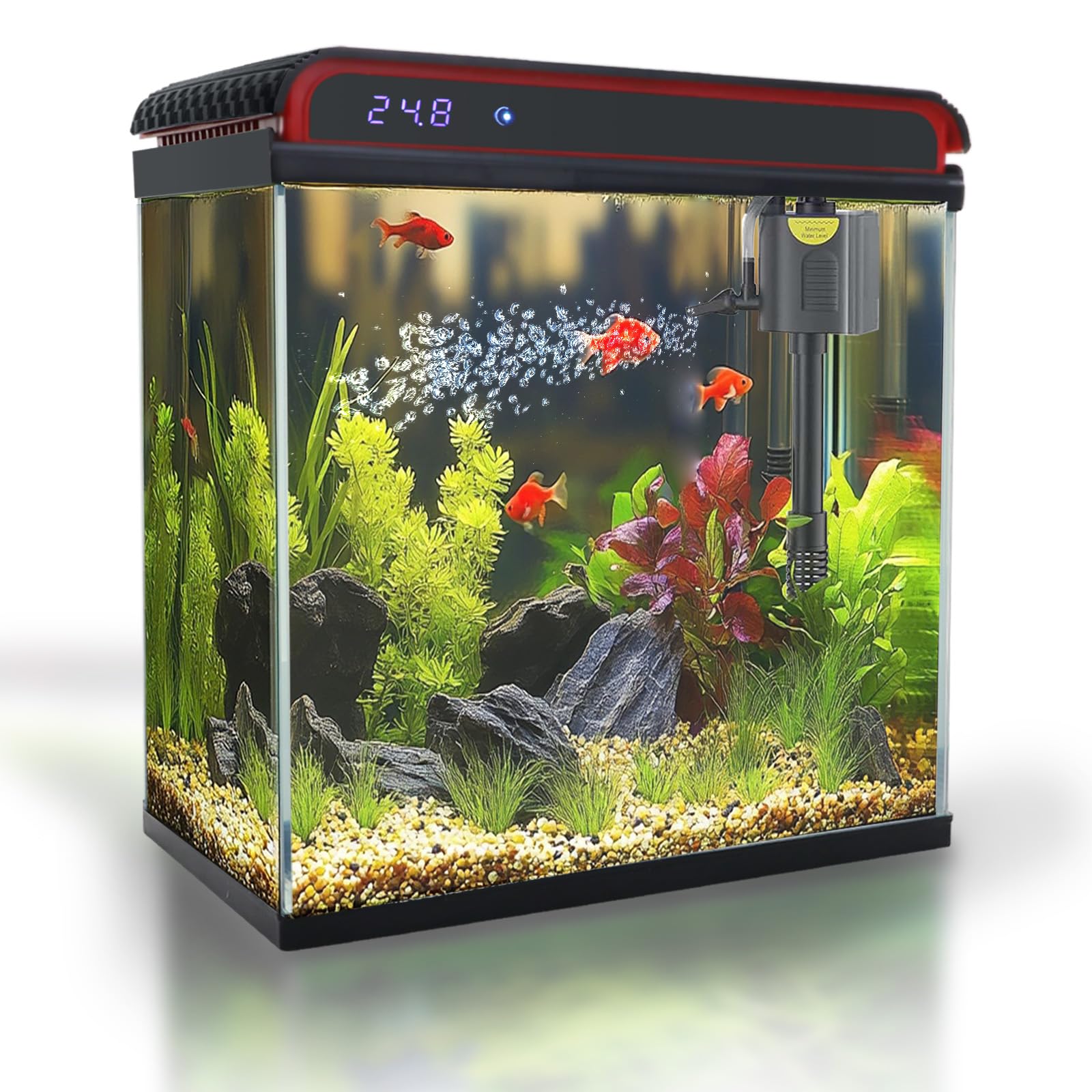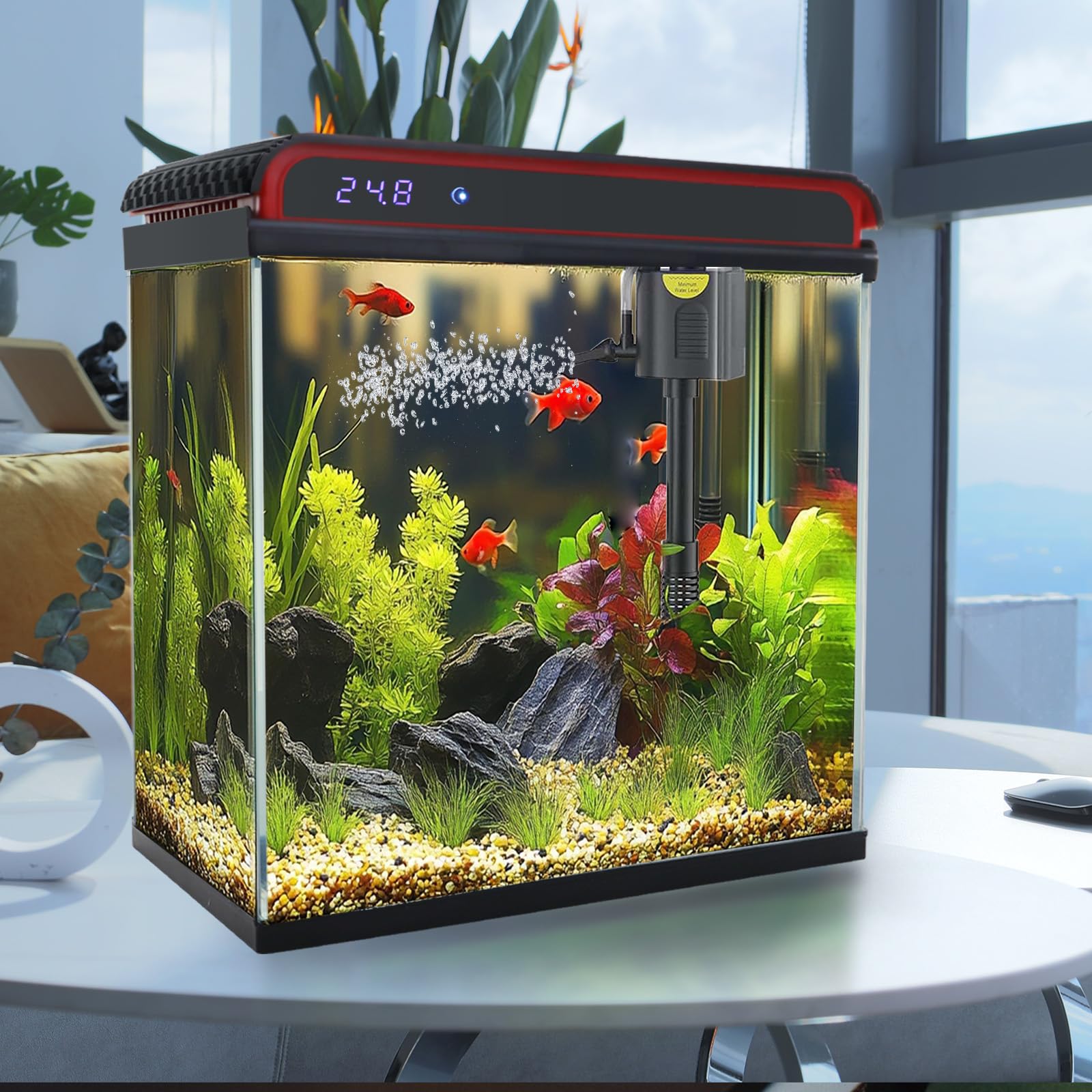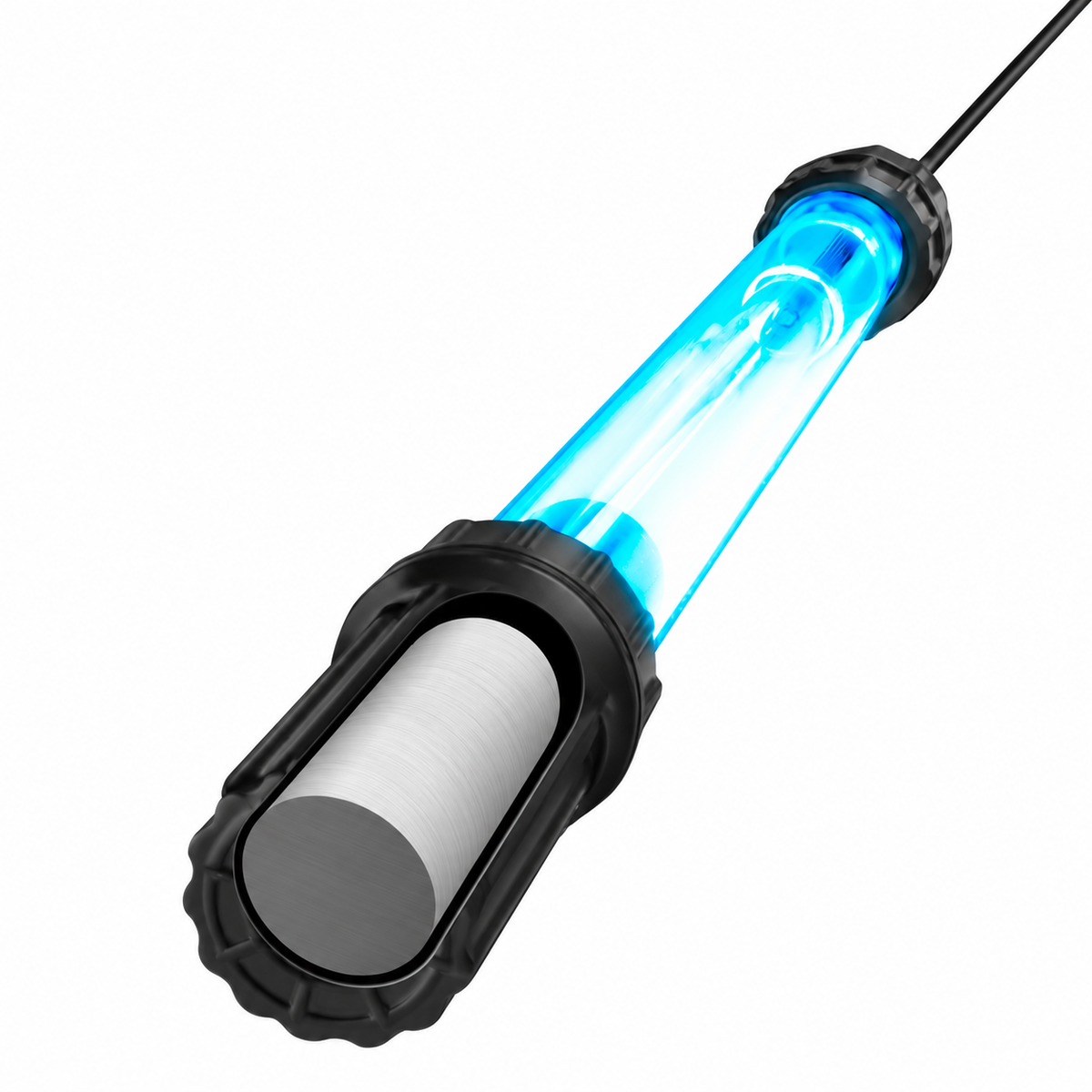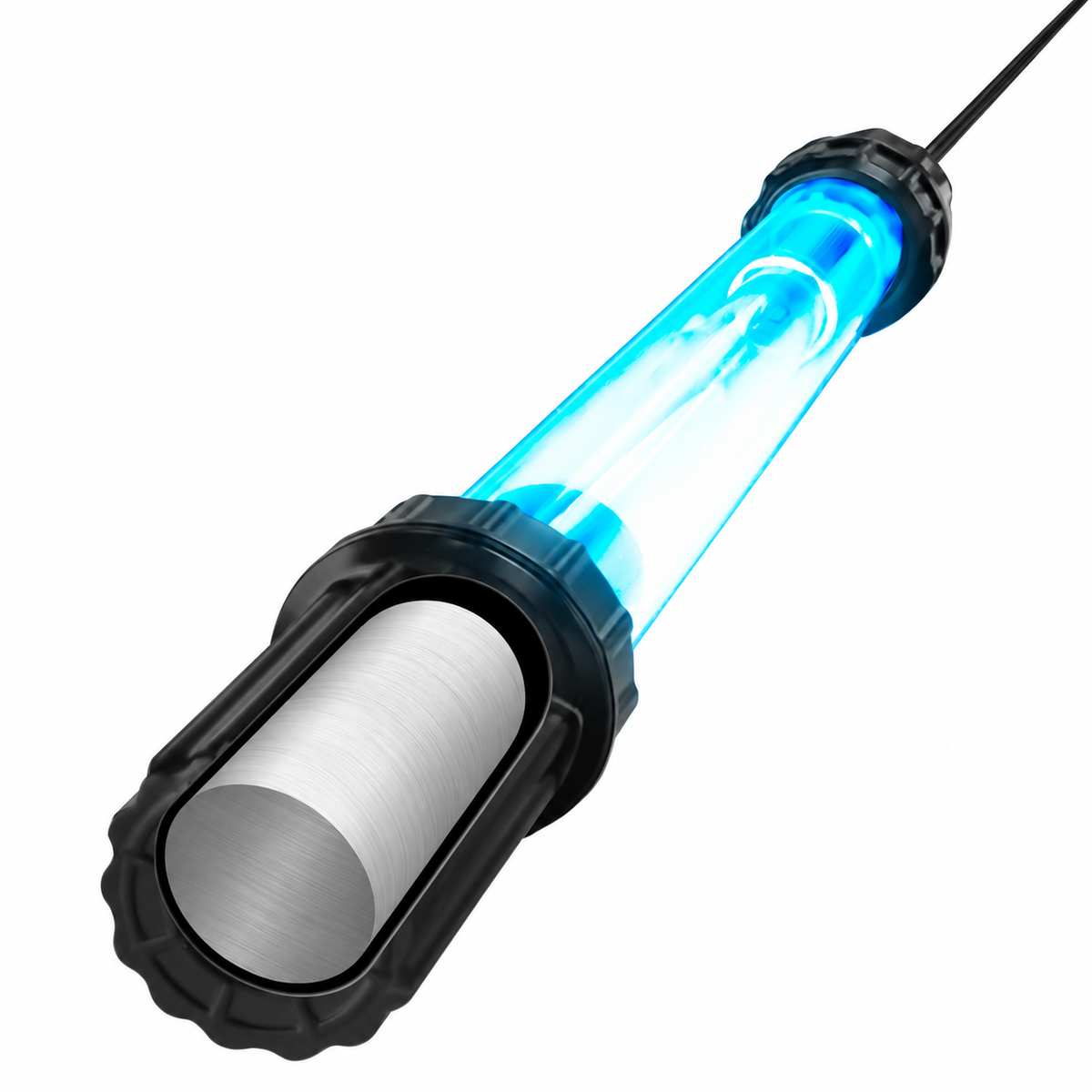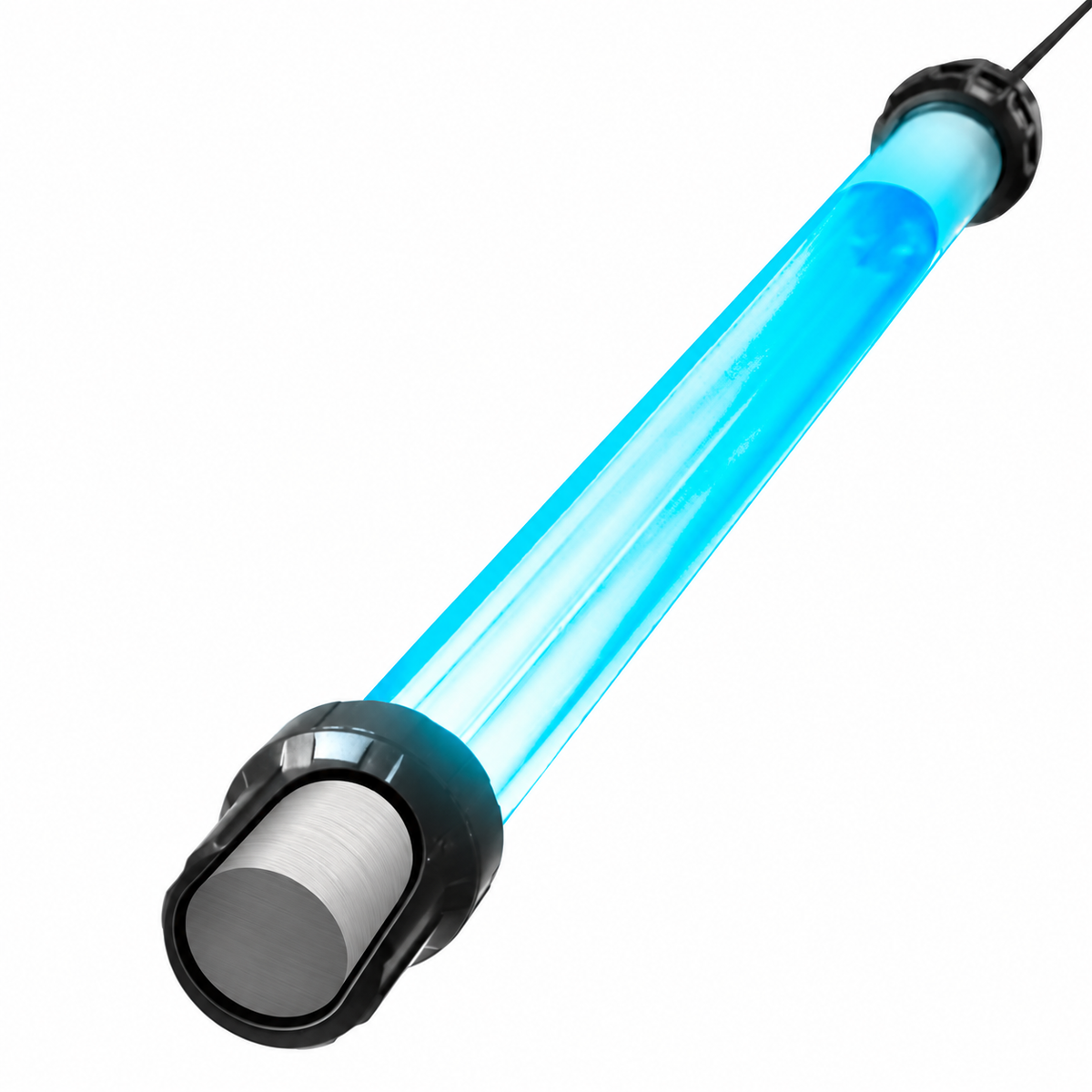
A planted aquarium is more than a container filled with water, aquatic plants, and ornamental fish. It is a carefully balanced miniature ecosystem in which temperature, lighting, water circulation, nutrients, and biological filtration work together to support a healthy underwater environment. During the warmer months, maintaining this balance may seem relatively straightforward. However, when winter arrives, falling room temperatures, cold drafts, shorter daylight hours, and sudden temperature fluctuations can create challenges for both aquatic plants and fish.
Winter aquarium care requires particular attention because aquatic plants and ornamental fish do not always have identical environmental requirements. Some tropical fish need consistently warm water, while certain aquatic plants grow best within a slightly cooler temperature range. If aquarium owners focus exclusively on keeping fish warm, they may unintentionally create conditions that encourage excessive algae growth, accelerate plant metabolism, or reduce dissolved oxygen levels.
On the other hand, allowing aquarium temperatures to drop too far can slow plant growth, interfere with nutrient absorption, and place tropical fish under considerable physiological stress.
The goal of winter aquarium insulation is therefore not simply to make the water warmer. It is to maintain a stable temperature that supports both aquatic plant growth and fish health while preserving the biological balance of the entire aquarium.
This comprehensive guide explains how to prepare a planted aquarium for winter, choose appropriate heating and insulation equipment, prevent sudden temperature changes, protect aquatic plants, and maintain a comfortable environment for ornamental fish throughout the cold season.
Whether you maintain a small freshwater aquascape, a tropical community aquarium, or a large planted tank with delicate aquatic species, these practical winter aquarium care strategies can help you maintain a beautiful and healthy underwater environment.
1. Why Winter Temperature Control Matters in a Planted Aquarium
Temperature is one of the most influential environmental factors in a freshwater aquarium. It affects nearly every biological process occurring inside the tank, including fish metabolism, plant photosynthesis, nutrient uptake, microbial activity, and oxygen availability.
Unlike outdoor ponds, indoor aquariums are enclosed systems. They do not automatically adjust to seasonal temperature changes, making them particularly dependent on reliable heating and environmental management.
During winter, aquarium owners may encounter several problems.
1.1 Sudden Temperature Drops Can Stress Ornamental Fish
Most tropical freshwater fish are adapted to relatively stable water temperatures. Species such as neon tetras, guppies, angelfish, bettas, and many varieties of dwarf cichlids generally require temperatures within a specific range.
When aquarium water becomes too cold, fish metabolism slows down. Their digestive processes become less efficient, immune responses may weaken, and normal swimming behavior can change.
Common signs of temperature-related stress include:
-
Reduced swimming activity.
-
Loss of appetite.
-
Fish remaining near the heater or bottom of the aquarium.
-
Clamped fins.
-
Increased susceptibility to certain infections.
-
Unusual hiding behavior.
-
Rapid breathing when temperature changes are accompanied by other water-quality problems.
A particularly dangerous situation occurs when the aquarium temperature fluctuates repeatedly between daytime and nighttime.
For example, a room may reach 23°C during the afternoon but fall to 15°C overnight. Even if the aquarium heater eventually restores the desired water temperature, an undersized heater may struggle to compensate for repeated heat loss.
The resulting temperature instability can place unnecessary stress on fish.
1.2 Aquatic Plants Also Respond to Seasonal Temperature Changes
Aquatic plants are living organisms with temperature-dependent growth patterns.
Most commonly cultivated tropical aquarium plants prefer stable water temperatures, although their ideal ranges vary considerably by species.
Examples include:
-
Anubias: Generally tolerant of a broad range of freshwater aquarium temperatures.
-
Java Fern: Adaptable to many planted aquarium environments and relatively undemanding.
-
Amazon Sword: Typically performs well in moderately warm freshwater aquariums.
-
Dwarf Hairgrass: Often cultivated in tropical aquascapes with stable temperatures and appropriate lighting.
-
Rotala: Many varieties prefer relatively warm conditions and sufficient light and nutrients.
-
Monte Carlo: Usually benefits from stable temperatures, adequate lighting, and balanced fertilization.
When water temperatures fall significantly below the preferred range of a particular species, plant growth may slow.
You may notice:
-
Slower production of new leaves.
-
Reduced growth of carpeting plants.
-
Yellowing or deteriorating older leaves.
-
Slower recovery after trimming.
-
Changes in coloration.
-
Reduced nutrient absorption.
However, warmer water does not automatically mean healthier plants. Excessive temperatures can also create problems by increasing plant respiration and reducing dissolved oxygen availability.
1.3 Winter Temperature Changes Can Affect Biological Filtration
A planted aquarium depends on beneficial microorganisms that process fish waste and maintain water quality.
These microorganisms live primarily in biological filter media, substrate, and other aquarium surfaces.
Temperature changes can influence their activity.
When water becomes colder, biological processes generally slow down. This may reduce the rate at which ammonia and nitrite are processed.
Although a healthy biological filter can tolerate moderate seasonal changes, sudden temperature fluctuations may affect the stability of the aquarium ecosystem.
This is particularly important in heavily stocked aquariums, where fish produce considerable organic waste.
Maintaining stable temperatures helps preserve the overall balance between fish, plants, and beneficial bacteria.
2. Understand the Ideal Winter Temperature for Your Planted Aquarium
Before purchasing aquarium insulation or adjusting your heater, determine the temperature requirements of the species living inside your tank.
There is no single ideal temperature suitable for every planted aquarium.
Different fish and aquatic plants have different preferences, so the best temperature is usually a practical compromise based on the needs of the entire aquarium community.
2.1 Common Temperature Ranges for Popular Aquarium Fish
The following table provides general temperature guidance for several popular freshwater ornamental fish.
|
Fish species |
General temperature range |
|---|---|
|
Betta Fish |
24–30°C |
|
Neon Tetra |
20–26°C |
|
Guppy |
22–28°C |
|
Angelfish |
24–30°C |
|
Discus |
28–30°C |
|
Corydoras |
22–27°C |
|
Harlequin Rasbora |
22–28°C |
|
Cherry Barb |
20–27°C |
These are general husbandry ranges rather than universal requirements. Specific species, breeding conditions, and individual health can influence the appropriate temperature.
For a mixed tropical community aquarium, approximately 24–26°C is often a practical starting point, provided all inhabitants tolerate that range.
However, a discus aquarium may require a considerably warmer environment.
Coldwater species should not automatically be placed in a tropical aquarium simply because the owner wants to use one common temperature setting.
2.2 Common Temperature Preferences of Aquatic Plants
Aquatic plants also have different temperature tolerances.
|
Aquatic plant |
General temperature preference |
|---|---|
|
Anubias |
22–28°C |
|
Java Fern |
20–28°C |
|
Amazon Sword |
22–28°C |
|
Vallisneria |
20–28°C |
|
Dwarf Hairgrass |
20–26°C |
|
Rotala |
22–28°C |
|
Monte Carlo |
20–26°C |
|
Cryptocoryne |
22–28°C |
These ranges are approximate and vary by species and growing conditions.
Some aquatic plants can tolerate temperatures outside these ranges temporarily, but prolonged exposure to unsuitable conditions may reduce growth and overall vitality.
2.3 How to Choose a Balanced Temperature
When keeping fish and aquatic plants together, consider three factors:
-
The minimum temperature tolerated by the fish.
-
The preferred growth temperature of the plants.
-
The oxygen and filtration requirements of the aquarium.
For example, a planted aquarium containing guppies, neon tetras, Java Fern, Anubias, and Rotala may be maintained around 24–25°C if this suits the specific livestock.
A discus aquarium with tropical plants may require a higher temperature, meaning plant selection should prioritize species capable of tolerating warmer water.
The most important principle is to avoid forcing incompatible species into the same aquarium.
If the preferred temperature ranges do not overlap sufficiently, consider maintaining separate tanks rather than compromising the health of either group.
3. Choose the Right Aquarium Heater for Winter
An aquarium heater is one of the most important pieces of equipment for maintaining stable winter water temperatures.
However, selecting a heater involves more than simply buying the highest-wattage model available.
The correct heater should match the aquarium's water volume, room temperature, insulation level, and heating requirements.
3.1 Calculate the Required Heater Wattage
A commonly used starting guideline is approximately 1–3 watts of heater capacity per liter of aquarium water, depending on the difference between the desired aquarium temperature and the surrounding room temperature.
For example:
|
Aquarium volume |
Approximate heater capacity |
|---|---|
|
30 liters |
50–75W |
|
60 liters |
75–100W |
|
100 liters |
100–150W |
|
150 liters |
150–200W |
|
200 liters |
200–300W |
|
300 liters |
300–400W |
These figures are practical starting estimates, not strict engineering specifications.
A well-insulated aquarium in a moderately heated room may require less power than a tank located in an unheated room with significant heat loss.
For very cold environments, heater sizing should account for the lowest expected room temperature.
A larger heater is not automatically better. Oversized equipment can create problems if its thermostat is unreliable or if the heater is poorly positioned.
3.2 Consider Adjustable Aquarium Heaters
Adjustable heaters allow aquarium owners to select a target temperature according to the needs of their fish and plants.
When selecting a heater, look for:
-
Reliable thermostat control.
-
Appropriate wattage for the aquarium.
-
Waterproof construction suitable for aquarium use.
-
Automatic shutoff protection.
-
Durable materials.
-
Clear temperature adjustment markings.
-
Suitable mounting options.
Glass heaters are widely used in freshwater aquariums, while some models feature protective housings to reduce the risk of accidental damage.
Titanium heaters are another option, particularly for larger systems, but they still require compatible controllers and proper installation.
Regardless of the heater type, always follow the manufacturer's installation instructions.
3.3 Position the Heater Correctly
Heater placement influences temperature distribution.
If warm water remains concentrated around the heater, other parts of the aquarium may become cooler.
For better temperature distribution:
-
Place the heater in an area with consistent water movement.
-
Position it near the filter outlet or another suitable circulation area.
-
Keep it fully submerged when required by the manufacturer.
-
Avoid allowing plants or decorations to obstruct heat distribution.
-
Ensure the heater does not touch the aquarium substrate or glass unless specifically designed for that installation.
In larger aquariums, two appropriately sized heaters may provide more even heating than one unit.
Using two heaters can also provide partial redundancy if one unit fails, although both should be controlled and monitored properly.
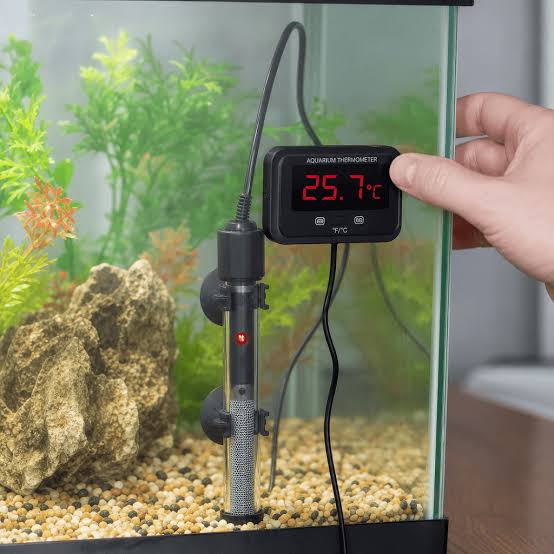
3.4 Use an Independent Thermometer
Never rely entirely on the heater's built-in temperature display.
A separate aquarium thermometer provides an additional way to verify actual water temperature.
Digital thermometers are convenient because they provide easy-to-read measurements.
Some advanced systems also support continuous temperature monitoring and alarms.
For greater accuracy, place the thermometer away from the heater itself.
This helps you determine whether the entire aquarium has reached the intended temperature rather than measuring only the warm area near the heating element.
4. Aquarium Insulation: Reduce Heat Loss Without Blocking Light
Heating equipment generates warmth, but insulation helps retain it.
Without proper insulation, an aquarium can lose heat through its glass panels, open water surface, lid, and surrounding air.
Improving insulation can reduce heater workload and help maintain more consistent temperatures.
However, planted aquariums require careful insulation because aquatic plants need sufficient light and gas exchange.
4.1 Insulate the Back and Side Panels
The back and side panels are suitable areas for additional insulation because they generally do not need to transmit light.
Common insulation materials include:
-
Closed-cell foam sheets.
-
Aquarium insulation mats.
-
Reflective insulation panels.
-
Thin thermal insulation boards.
-
Aquarium-safe insulating materials.
A foam insulation sheet attached to the rear panel can reduce heat transfer between the aquarium water and cold surrounding air.
Side-panel insulation may be especially useful for aquariums positioned near exterior walls or windows.
When choosing materials, make sure they are clean, dry, stable, and safe for the aquarium environment.
Avoid materials that release chemical odors or contain substances that could contaminate aquarium water.
4.2 Use an Appropriate Aquarium Lid
The water surface is one of the main areas through which an aquarium loses heat.
Evaporation consumes energy, which can contribute to cooling.
An appropriately fitted aquarium lid can reduce evaporation and help maintain a more stable temperature.
Glass lids and suitable aquarium covers are common solutions.
For planted aquariums, however, a lid should not completely compromise gas exchange.
A small amount of ventilation may be necessary, depending on the aquarium design, lighting, plant density, and circulation system.
Also consider condensation.
Excessive condensation on a poorly designed lid can reduce light penetration and create maintenance problems.
Regularly clean the lid to prevent mineral deposits and algae from reducing illumination.
4.3 Avoid Covering the Entire Aquarium With Insulating Materials
It may seem logical to wrap the entire aquarium in thick insulating material during winter.
However, this can create several problems.
Aquatic plants need light, and the aquarium requires adequate gas exchange.
Completely covering the aquarium may reduce light penetration, interfere with ventilation, and make it difficult to monitor fish behavior.
Instead, prioritize insulation on the rear and side panels while keeping the viewing panel and lighting system accessible.
The objective is to retain heat without compromising the biological requirements of the aquarium.
4.4 Insulate the Aquarium Stand and Bottom
Aquarium bases can also contribute to heat loss, particularly when the tank sits on a cold surface.
A suitable aquarium mat or insulating base may help reduce heat transfer through the bottom panel.
However, the base must be compatible with the aquarium manufacturer's structural requirements.
Do not insert improvised materials beneath an aquarium that is not designed to support them.
A stable, level aquarium stand remains essential.
5. Maintain Stable Lighting During Winter
Temperature is not the only factor affected by winter.
Shorter daylight hours, cloudy weather, and changes in room lighting can influence the growing conditions of aquatic plants.
For planted aquariums, maintaining a consistent lighting schedule is often more important than simply increasing the brightness during winter.
5.1 Use a Reliable Aquarium Lighting Schedule
Aquatic plants require light for photosynthesis.
However, extending the lighting period excessively does not necessarily improve plant growth.
It may instead encourage algae development, especially when nutrients and carbon dioxide are not balanced.
For many planted aquariums, approximately 6–8 hours of consistent daily lighting can be a reasonable starting point.
Some mature, well-balanced aquascapes may benefit from longer lighting periods, depending on plant species and equipment.
The key is consistency.
Using an automatic aquarium lighting timer helps prevent irregular schedules caused by changes in natural daylight.
5.2 Avoid Increasing Light Intensity to Compensate for Slow Winter Growth
One common mistake is assuming that slower plant growth during winter means the aquarium needs stronger lighting.
However, temperature, nutrients, carbon dioxide availability, and plant health all influence growth.
If plants are struggling because water temperature is too low, increasing light intensity will not solve the underlying problem.
Instead:
-
Check actual water temperature.
-
Inspect the plant leaves and growing points.
-
Verify nutrient availability.
-
Check carbon dioxide distribution if CO2 injection is used.
-
Examine the aquarium for algae growth.
Only adjust lighting after evaluating the entire growing environment.
5.3 Protect Sensitive Plants From Excessive Heat
Although aquarium owners often focus on keeping water warm during winter, high temperatures can also be harmful.
Warm water contains less dissolved oxygen than cooler water.
Some aquatic plants may experience increased respiration under excessive heat, particularly at night when photosynthesis stops.
Maintaining a stable, species-appropriate temperature is generally more beneficial than continuously increasing heater settings.
6. Maintain Water Circulation and Dissolved Oxygen
Winter aquarium insulation should never come at the expense of adequate oxygen circulation.
This is particularly important in densely planted aquariums with ornamental fish.
Although aquatic plants release oxygen during photosynthesis, they also consume oxygen through respiration.
Fish, beneficial bacteria, and other microorganisms also consume oxygen.
At night, when photosynthesis stops, the entire aquarium continues using dissolved oxygen.
6.1 Why Warm Water Can Create Oxygen Challenges
The amount of dissolved oxygen water can hold decreases as temperature increases.
This means that a tropical aquarium maintained at a higher temperature may have less oxygen available than a cooler aquarium under otherwise comparable conditions.
If the aquarium is heavily stocked, poorly circulated, or densely planted, oxygen availability may become a concern.
Warning signs can include:
-
Fish gathering near the water surface.
-
Rapid gill movement.
-
Fish appearing unusually lethargic.
-
Fish congregating around filter outlets.
-
Unusual behavior shortly after lights turn off.
These signs are not exclusive to low oxygen, but they should prompt immediate water-quality and environmental checks.
6.2 Improve Surface Agitation
Adequate surface movement helps support gas exchange.
You can improve circulation by adjusting the filter outlet or using an appropriately sized circulation pump.
The goal is to create gentle movement across the water surface without producing excessive turbulence.
In planted aquariums, excessive surface agitation can increase carbon dioxide loss.
This is particularly relevant when using pressurized CO2 injection.
However, maintaining fish safety and sufficient oxygen must take priority over maximizing carbon dioxide retention.
A balanced circulation system can support both healthy fish and aquatic plants.
6.3 Consider Additional Aeration During Winter
An air pump and air stone can provide additional surface movement and oxygen exchange.
They can be particularly useful when:
-
Water temperatures are relatively high.
-
Fish stocking density is substantial.
-
The aquarium contains dense vegetation.
-
The filter is temporarily operating below normal capacity.
-
Fish show signs of oxygen stress.
An air stone should not be viewed as a substitute for proper filtration or adequate aquarium maintenance.
It is a supplementary tool for maintaining water movement and gas exchange.
7. Protect Aquatic Plants From Winter-Related Growth Problems
Aquatic plants may respond differently to temperature changes, depending on their species and growing conditions.
Some plants remain relatively stable throughout winter, while others show noticeable changes in growth rate.
Understanding these differences helps aquarium owners avoid unnecessary interventions.
7.1 Slow-Growing Plants Require Less Aggressive Intervention
Plants such as Anubias and Java Fern naturally grow more slowly than many stem plants.
During winter, their growth may become even slower.
This does not automatically indicate a nutrient deficiency or disease.
Avoid increasing fertilizer dosage simply because new leaves are appearing less frequently.
Instead, evaluate:
-
Water temperature.
-
Lighting consistency.
-
Nutrient availability.
-
Leaf condition.
-
Root health.
-
Algae accumulation.
If the plant remains healthy and produces normal new growth, a slower growth rate may simply reflect seasonal conditions.
7.2 Monitor Stem Plants More Frequently
Fast-growing stem plants can show visible responses to changes in temperature and lighting.
Rotala, Ludwigia, and similar species may experience changes in growth speed, leaf size, and coloration.
If growth becomes noticeably weaker:
-
Confirm that water temperature remains stable.
-
Check whether the lighting system is operating correctly.
-
Maintain appropriate macro- and micronutrient levels.
-
Remove severely deteriorated leaves.
-
Avoid sudden changes in CO2 injection.
Do not make multiple major adjustments simultaneously.
Changing lighting, fertilization, and CO2 injection at the same time makes it difficult to determine which factor is responsible for improvement or deterioration.
7.3 Watch for Cryptocoryne Melt
Cryptocoryne plants are well known among aquarium hobbyists for occasionally experiencing leaf melt after environmental changes.
Sudden temperature fluctuations, changes in water chemistry, transplantation, and other disturbances can contribute to this problem.
If Cryptocoryne leaves begin deteriorating:
-
Remove severely decaying leaves.
-
Avoid disturbing the roots unnecessarily.
-
Maintain stable water conditions.
-
Keep lighting consistent.
-
Monitor the crown and emerging new leaves.
Healthy roots and crowns may continue producing new growth even after older leaves deteriorate.
Avoid uprooting the plant immediately unless there is evidence of serious root damage.
7.4 Maintain Substrate Health
Aquatic plant roots depend on a healthy substrate environment.
Winter maintenance should include checking for excessive organic waste, accumulated debris, and areas with poor water circulation.
However, deep substrate cleaning can disturb plant roots and beneficial microorganisms.
Use gentle maintenance methods.
For planted aquariums with nutrient-rich substrates, avoid unnecessary disturbance of the underlying soil layer.
8. Manage Fertilization and CO2 Injection During Winter
Temperature changes can influence nutrient uptake and plant growth rates.
As plants grow more slowly, their nutrient consumption may also change.
This does not mean that all fertilizer dosing should stop during winter.
Instead, fertilizer and CO2 management should be adjusted according to actual plant growth.
8.1 Adjust Fertilizer According to Plant Demand
A heavily planted aquarium with fast-growing stem plants may continue consuming substantial nutrients throughout winter.
A low-tech aquarium containing slow-growing plants may require much less supplementation.
Watch for common nutrient-related symptoms:
|
Symptom |
Possible cause |
|---|---|
|
Older leaves turning yellow |
Possible nitrogen deficiency |
|
New leaves appearing pale |
Possible iron or micronutrient issue |
|
Poor root development |
Possible substrate or nutrient limitation |
|
Pinholes in older leaves |
Possible potassium deficiency |
|
Slow overall growth |
Temperature, light, CO2, or nutrient imbalance |
These symptoms are not definitive diagnoses.
Several deficiencies can produce similar visual changes, so aquarium owners should consider water parameters and growing conditions before changing fertilizer dosage.
8.2 Keep CO2 Injection Consistent
CO2 is particularly important in high-tech planted aquariums.
However, colder weather can change how equipment and aquarium conditions behave.
If the aquarium is heated consistently, CO2 demand may remain relatively stable. Nevertheless, plant growth can still change because of differences in lighting, nutrient availability, and temperature.
Maintain a consistent CO2 schedule and avoid excessive injection.
A drop checker can provide a general indication of CO2 availability, although it responds slowly and should not be the only measurement used.
Fish behavior remains important.
If fish show signs of distress, reduce or stop CO2 injection as appropriate and increase aeration.
Do not increase CO2 merely because plants appear to grow more slowly during winter.
9. Prevent Sudden Temperature Fluctuations
A stable aquarium temperature is usually more important than achieving a particular number on the thermometer.
Sudden changes can stress fish and disrupt the aquarium environment.
Winter creates several situations in which rapid temperature changes can occur.
9.1 Keep Aquariums Away From Cold Windows
Placing an aquarium near a window may seem attractive because natural light can enhance its appearance.
However, windows can create substantial temperature fluctuations.
During winter:
-
Cold glass surfaces can increase local heat loss.
-
Drafts may cool the aquarium exterior.
-
Direct sunlight can cause unwanted daytime heating.
-
Temperature changes may become more pronounced overnight.
Whenever possible, place planted aquariums away from frequently opened windows and exterior doors.
If relocating the aquarium is impractical, improve insulation and monitor temperature more frequently.
9.2 Avoid Direct Heating From Radiators
Placing an aquarium directly beside a radiator or heating outlet is not necessarily a good solution.
A radiator can create uneven room temperatures.
The aquarium may become warmer during periods when the heating system operates and cooler when it switches off.
This can create repeated fluctuations.
A more stable location is usually preferable.
9.3 Avoid Large Water Changes With Cold Water
Water changes are essential for aquarium maintenance, but winter requires extra care.
Adding significantly colder replacement water can cause a sudden temperature drop.
Before adding new water:
-
Prepare the replacement water in a clean container.
-
Treat it with an appropriate water conditioner.
-
Adjust its temperature to closely match the aquarium.
-
Add it gradually.
-
Monitor fish behavior afterward.
For routine maintenance, matching the replacement water temperature closely to the aquarium is a sensible precaution.
Avoid using extremely hot water to compensate for cold tap water.
Large temperature differences can create additional risks.
9.4 Use Temperature Alarms for Greater Protection
For valuable aquascapes or aquariums containing temperature-sensitive fish, a digital temperature monitoring system can be useful.
Some devices provide:
-
High-temperature alerts.
-
Low-temperature alerts.
-
Continuous temperature readings.
-
Remote monitoring.
-
Historical temperature records.
These features can help identify heater failures before they become serious problems.
A temperature alarm is particularly useful when aquarium owners spend extended periods away from home.
10. Common Winter Aquarium Heating Mistakes to Avoid
Even experienced aquarium hobbyists can make mistakes when preparing planted tanks for winter.
Understanding the most common problems can prevent unnecessary stress and equipment failures.
Mistake 1: Setting the Heater Too High
Some aquarium owners assume that higher water temperatures provide better winter protection.
In reality, excessive heating can increase fish metabolism, reduce oxygen availability, and accelerate certain biological processes.
It may also create an environment unsuitable for some aquatic plants.
Set the heater according to the requirements of the aquarium inhabitants rather than the outdoor temperature.
Mistake 2: Relying on Room Heating Alone
Heating the room can reduce aquarium heat loss, but it does not guarantee stable water temperatures.
Room temperatures may fluctuate significantly overnight.
An aquarium-specific heater with an independent thermometer provides more reliable control.
Mistake 3: Covering the Aquarium Completely
Wrapping the entire aquarium in thick insulating material can reduce heat loss, but it may also restrict lighting and ventilation.
Use targeted insulation instead.
The back and side panels are generally the most practical areas to insulate.
Mistake 4: Ignoring Evaporation
Winter heating systems can make indoor air relatively dry.
Evaporation may increase, especially in open-top aquariums.
As water evaporates, dissolved minerals and other substances remain behind.
This can gradually change water parameters if evaporation is not managed properly.
Top off evaporated water with appropriately prepared freshwater rather than treating evaporation as a normal water change.
Remember that topping off does not remove accumulated nitrate or dissolved waste.
Regular water changes remain necessary.
Mistake 5: Changing Several Aquarium Conditions at Once
If plants begin growing slowly, some owners immediately increase light intensity, fertilizer dosage, CO2 injection, and heater temperature.
This approach can create additional instability.
Make adjustments gradually and evaluate their effects before introducing further changes.
Mistake 6: Ignoring Heater Maintenance
Aquarium heaters operate for extended periods during winter.
A malfunctioning thermostat may cause overheating or insufficient heating.
Inspect the heater regularly for cracks, corrosion, loose connections, or other signs of damage.
Always disconnect electrical equipment before performing maintenance that requires removing it from water.
Follow the manufacturer's instructions regarding cooling periods before handling or removing the heater.
11. Winter Maintenance Schedule for a Healthy Planted Aquarium
A structured maintenance routine makes winter aquarium care easier and more predictable.
Instead of reacting to problems after they appear, aquarium owners can monitor key conditions regularly.
The following schedule provides a practical starting point.
Daily Maintenance
Spend a few minutes checking the aquarium each day.
Recommended tasks include:
-
Check the water temperature.
-
Observe fish swimming behavior.
-
Confirm that the heater is operating normally.
-
Check filter circulation.
-
Verify that aquarium lights follow their programmed schedule.
-
Look for unusual plant deterioration.
-
Check for excessive condensation or evaporation.
Fish behavior can provide useful early warnings.
A fish that suddenly becomes inactive or refuses food may be responding to environmental stress.
Investigate the cause rather than assuming the behavior is seasonal.
Weekly Maintenance
Once a week, perform a more detailed inspection.
Recommended tasks include:
-
Test ammonia and nitrite when appropriate.
-
Monitor nitrate.
-
Check pH and other relevant water parameters.
-
Clean aquarium glass.
-
Remove decaying plant leaves.
-
Inspect the filter intake.
-
Evaluate water circulation.
-
Perform an appropriate partial water change.
The ideal water-change frequency depends on stocking density, plant growth, feeding habits, filtration, and water quality.
Many freshwater aquariums benefit from regular partial water changes, but the exact schedule should reflect the needs of the individual system.
Monthly Maintenance
Monthly maintenance should focus on equipment and long-term stability.
Check:
-
Heater condition.
-
Thermometer accuracy.
-
Filter performance.
-
Lighting operation.
-
Insulation materials.
-
Aquarium lid condition.
-
Electrical connections.
-
Power consumption if energy efficiency is a concern.
Do not dismantle a mature biological filter unnecessarily.
Cleaning should preserve beneficial bacteria while removing excessive debris.
12. How to Reduce Winter Aquarium Heating Costs
Maintaining a warm aquarium throughout winter can increase electricity consumption.
Fortunately, several practical improvements can reduce energy usage without compromising fish or plant health.
12.1 Improve Insulation Before Increasing Heater Wattage
If the aquarium loses heat rapidly, purchasing a more powerful heater may not solve the underlying problem.
Improving insulation can reduce the amount of heat lost to the surrounding environment.
Start with:
-
Insulating the rear panel.
-
Insulating exposed side panels.
-
Using a suitable aquarium lid.
-
Adding an appropriate base mat.
-
Moving the aquarium away from cold drafts.
These improvements can help the heater maintain the target temperature more efficiently.
12.2 Maintain a Reasonable Room Temperature
Heating the surrounding room moderately can reduce the difference between room temperature and aquarium temperature.
A smaller temperature difference generally reduces aquarium heating demand.
However, do not rely on room heating as the only temperature-control method.
The aquarium should still have a suitable heater and independent temperature monitoring.
12.3 Use Efficient Equipment
Modern aquarium heaters with reliable thermostats can reduce unnecessary heating cycles.
However, advertised energy-efficiency claims should be evaluated carefully.
A heater does not consume electricity continuously at its maximum rated wattage if its thermostat switches it on and off appropriately.
Actual energy consumption depends largely on:
-
Aquarium volume.
-
Target water temperature.
-
Ambient room temperature.
-
Insulation quality.
-
Evaporation.
-
Heater efficiency.
-
Operating conditions.
For example, a 200W heater does not necessarily use 200 watts continuously throughout the day.
If it operates for four hours at full power, its energy consumption is approximately 0.8 kWh.
The actual operating time will vary depending on heat loss and thermostat settings.
12.4 Avoid Unnecessary Temperature Adjustments
Constantly changing heater settings can increase instability.
Once an appropriate temperature has been selected, maintain it consistently unless there is a clear reason to make an adjustment.
Stable operation is generally preferable to frequent attempts to optimize the temperature by small increments.
13. Special Winter Considerations for Different Types of Planted Aquariums
Not all planted aquariums have the same winter requirements.
The size, planting density, equipment configuration, and livestock selection can significantly influence temperature management.
13.1 Low-Tech Planted Aquariums
Low-tech aquariums generally rely on moderate lighting and limited or no supplemental CO2 injection.
They often contain hardy plants such as Anubias, Java Fern, Cryptocoryne, and various mosses.
Winter management should prioritize:
-
Stable water temperatures.
-
Moderate lighting.
-
Consistent filtration.
-
Avoiding unnecessary fertilization.
-
Maintaining good water quality.
Because plant growth may already be relatively slow, excessive intervention can create more problems than it solves.
13.2 High-Tech Aquascapes
High-tech planted aquariums often use strong lighting, pressurized CO2 systems, nutrient-rich substrates, and regular fertilization.
These systems can be particularly sensitive to changes in environmental balance.
Winter management should focus on maintaining consistency across several interconnected factors.
Pay special attention to:
-
CO2 delivery.
-
Lighting duration.
-
Fertilizer dosage.
-
Water temperature.
-
Surface agitation.
-
Plant trimming.
-
Algae development.
Because high-tech aquariums can have substantial plant biomass, maintaining sufficient oxygen during nighttime hours is important.
13.3 Nano Planted Aquariums
Small aquariums can experience temperature fluctuations more quickly than larger systems.
A small volume of water has less thermal mass, making it more vulnerable to changes in room temperature.
For nano aquariums:
-
Use a heater designed for the tank's water volume.
-
Choose equipment with reliable temperature regulation.
-
Avoid placing the aquarium near windows.
-
Use a suitable lid.
-
Monitor temperature frequently.
-
Avoid large, sudden water changes.
Small tanks deserve particular attention because their environmental conditions can change rapidly.
13.4 Large Community Planted Aquariums
Large planted aquariums contain more water, which generally makes them less sensitive to rapid short-term temperature fluctuations.
However, they may require more heating capacity.
For larger systems, consider using multiple appropriately sized heaters, independent temperature monitoring, and well-designed water circulation.
The heater arrangement should provide even temperature distribution throughout the aquarium.
14. What to Do if Your Planted Aquarium Becomes Too Cold
Even a well-maintained aquarium can experience heating problems.
A power outage, heater malfunction, or sudden drop in room temperature may cause the water to become colder than intended.
Knowing how to respond can help minimize damage.
Step 1: Confirm the Actual Water Temperature
Use an independent thermometer to verify the reading.
Do not immediately assume that the heater has failed.
Check whether the thermometer is functioning correctly and measure the temperature away from the heater.
Step 2: Inspect the Heater
Check the power supply, thermostat setting, and heater condition.
If the heater is cracked, damaged, or malfunctioning, disconnect it safely and replace it with suitable equipment.
Never operate damaged electrical equipment in aquarium water.
Step 3: Restore Temperature Gradually
If the aquarium is significantly colder than its normal operating temperature, avoid rapidly increasing the temperature.
Sudden heating can create additional stress.
Restore the appropriate temperature gradually while monitoring fish behavior.
There is no single safe warming rate for every fish species and situation. The appropriate response depends on how cold the aquarium has become, how long the fish have been exposed, and the species involved.
For serious temperature-related distress, seek advice from an aquatic veterinarian or experienced fish-health professional.
Step 4: Increase Observation and Check Water Quality
Cold stress may coincide with changes in biological filtration and fish behavior.
Monitor ammonia and nitrite, particularly if fish become lethargic or the aquarium has experienced a prolonged temperature problem.
Maintain adequate oxygenation.
Avoid excessive feeding while fish are stressed and their metabolism is reduced.
Step 5: Avoid Unnecessary Chemical Treatments
Cold water alone does not automatically mean the aquarium needs medication.
Do not add antibiotics, anti-parasitic treatments, or other chemicals without identifying a specific problem.
Maintaining stable water conditions is usually the first priority.
15. What to Do if Your Aquarium Becomes Too Warm in Winter
Overheating is another possible problem.
An aquarium positioned near a radiator, heating outlet, or direct sunlight may become warmer than expected.
If the water temperature rises above the preferred range:
-
Check the temperature with an independent thermometer.
-
Verify the heater setting and operation.
-
Turn off or adjust the heating equipment if appropriate.
-
Improve room ventilation.
-
Increase gentle surface agitation.
-
Monitor fish behavior and dissolved oxygen conditions.
Avoid adding ice directly to the aquarium.
Sudden local temperature changes can stress fish and create unpredictable temperature distribution.
If emergency cooling is necessary, use controlled methods that lower the water temperature gradually.
For aquariums containing sensitive tropical species, preventing overheating through careful equipment placement is preferable to repeatedly correcting temperature problems.
16. Build a More Resilient Winter Aquarium Environment
The best winter aquarium management strategy combines appropriate equipment, stable environmental conditions, and regular observation.
Rather than relying on a single heater to solve every winter problem, consider the aquarium as a complete ecosystem.
Its temperature, lighting, circulation, filtration, and nutrient balance all influence one another.
A reliable winter setup should include the following elements:
|
Equipment or practice |
Main purpose |
|---|---|
|
Adjustable aquarium heater |
Maintain target water temperature |
|
Independent thermometer |
Verify actual temperature |
|
Aquarium insulation |
Reduce heat loss |
|
Suitable aquarium lid |
Reduce evaporation and heat loss |
|
Automatic lighting timer |
Maintain consistent lighting |
|
Reliable filtration |
Support biological stability |
|
Circulation pump or filter outlet |
Improve water movement |
|
Air pump when needed |
Support gas exchange |
|
Temperature alarm |
Detect abnormal temperature changes |
|
Regular water testing |
Monitor aquarium stability |
You do not necessarily need expensive equipment to maintain a healthy planted aquarium.
A correctly sized heater, a reliable thermometer, suitable insulation, and consistent maintenance can provide a strong foundation.
For more advanced aquascapes, automated monitoring systems can provide additional convenience and protection.
17. Frequently Asked Questions About Winter Care for Planted Aquariums
Q1: What is the best winter temperature for a planted aquarium?
There is no universal temperature suitable for every planted aquarium.
For many tropical community aquariums, approximately 24–26°C is a practical starting point.
However, the ideal setting depends on the fish species, aquatic plants, and other inhabitants.
Always prioritize the temperature requirements of the most sensitive species.
Q2: Do aquatic plants need additional heating during winter?
Many tropical aquatic plants benefit from stable temperatures, particularly when room temperatures fall significantly.
However, additional heating is not always necessary if the aquarium already remains within a suitable temperature range.
Use an aquarium thermometer to determine whether additional heating is needed.
Q3: Can aquarium insulation reduce electricity consumption?
Yes.
Insulating exposed aquarium panels and using an appropriate lid can reduce heat loss.
This may decrease the amount of time the heater needs to operate.
The actual energy savings depend on aquarium size, room temperature, insulation quality, and other environmental conditions.
Q4: Should I turn off the aquarium heater at night?
Generally, no.
Turning off the heater at night can create unnecessary temperature fluctuations.
Aquarium heaters with reliable thermostats are designed to maintain a stable target temperature automatically.
Allow the thermostat to regulate heating rather than manually switching the heater on and off.
Q5: Why are my aquarium plants growing more slowly during winter?
Possible reasons include lower water temperatures, reduced lighting, changes in nutrient availability, and reduced CO2 availability.
Start by checking the aquarium's actual temperature.
If it is already within the preferred range, evaluate lighting, fertilization, and carbon dioxide before making additional changes.
Q6: Can I use a household heating pad to warm my aquarium?
Household heating pads are generally not recommended as substitutes for aquarium heaters.
They may provide uneven heating and may not have suitable waterproofing or temperature regulation.
Use equipment specifically designed for aquarium heating.
Q7: Is an aquarium lid necessary during winter?
A lid is not mandatory for every aquarium, but it can help reduce evaporation and heat loss.
For planted aquariums, choose a lid that provides suitable ventilation and does not excessively reduce light penetration.
Q8: How often should I check aquarium temperature in winter?
At a minimum, check it daily.
Aquariums in particularly cold rooms, nano tanks, and systems containing temperature-sensitive species may benefit from continuous monitoring or temperature alarms.
Q9: Will warmer water make aquatic plants grow faster?
Not necessarily.
Plant growth depends on several factors, including temperature, light, nutrients, and carbon dioxide.
Increasing water temperature beyond a plant's preferred range can actually reduce its overall health.
Q10: Can fish and aquatic plants share the same winter temperature?
Yes, provided their preferred temperature ranges overlap.
Before combining different species, research their individual environmental requirements.
Choosing compatible fish and plants is the foundation of a stable planted aquarium.
Conclusion: Stable Temperature Is the Foundation of a Healthy Winter Planted Aquarium
Winter aquarium care is about maintaining balance rather than simply increasing water temperature.
Aquatic plants require appropriate conditions for photosynthesis, nutrient absorption, and healthy growth, while ornamental fish depend on stable water temperatures to support normal metabolism and immune function.
These requirements are closely connected.
A well-designed winter aquarium should combine an appropriately sized heater, reliable temperature monitoring, effective insulation, consistent lighting, sufficient water circulation, and balanced fertilization.
The most important practices include selecting a temperature suitable for all aquarium inhabitants, insulating exposed panels without blocking light, maintaining adequate oxygen levels, and preventing sudden temperature fluctuations during water changes or equipment failures.
It is equally important to remember that every planted aquarium is different. A small nano tank, a densely planted high-tech aquascape, and a large tropical community aquarium will not necessarily require the same winter management strategy.
By understanding the relationship between water temperature, aquatic plant growth, fish health, and overall aquarium stability, you can prepare your planted aquarium for colder weather with greater confidence.
With proper planning and consistent maintenance, your underwater landscape can remain vibrant, your ornamental fish can stay healthy, and your aquarium can continue to provide a beautiful focal point in your home throughout the winter season.