If you’ve ever noticed mysterious hair loss, circular bald patches, or flaky skin on your cat, you may have encountered one of the most stressful problems for pet owners: ringworm. Despite its alarming name, ringworm is not caused by worms at all — it’s a contagious fungal infection that can spread quickly between pets and even to humans.
For many households, the biggest challenge isn’t treatment. It’s early detection.
By the time visible symptoms appear, fungal spores may already be present throughout your home environment. That’s why veterinarians and shelters often rely on a specialized diagnostic tool known as a Wood’s Lamp, a type of ultraviolet filter lamp that helps identify potential fungal infections before they become widespread.
In this in-depth guide, you’ll learn how Wood’s Lamps work, how to perform safe and effective at-home checks, what glowing signs really mean, and how to avoid common mistakes that lead to false alarms.
Understanding Cat Ringworm: What It Really Is
Ringworm is a fungal infection caused primarily by dermatophytes — fungi that feed on keratin found in hair, skin, and nails.
In cats, the most common culprit is Microsporum canis, a highly contagious organism that produces microscopic spores capable of surviving in the environment for months.
Typical symptoms include:
-
Circular patches of hair loss
-
Broken or brittle fur
-
Scaling or dandruff-like flakes
-
Mild redness or inflammation
-
Excess grooming or scratching
-
Lesions around ears, face, or paws
However, many cats — especially long-haired breeds — may carry the fungus without obvious symptoms.
This is where Wood’s Lamp screening becomes incredibly useful.
What Is a Wood’s Lamp?
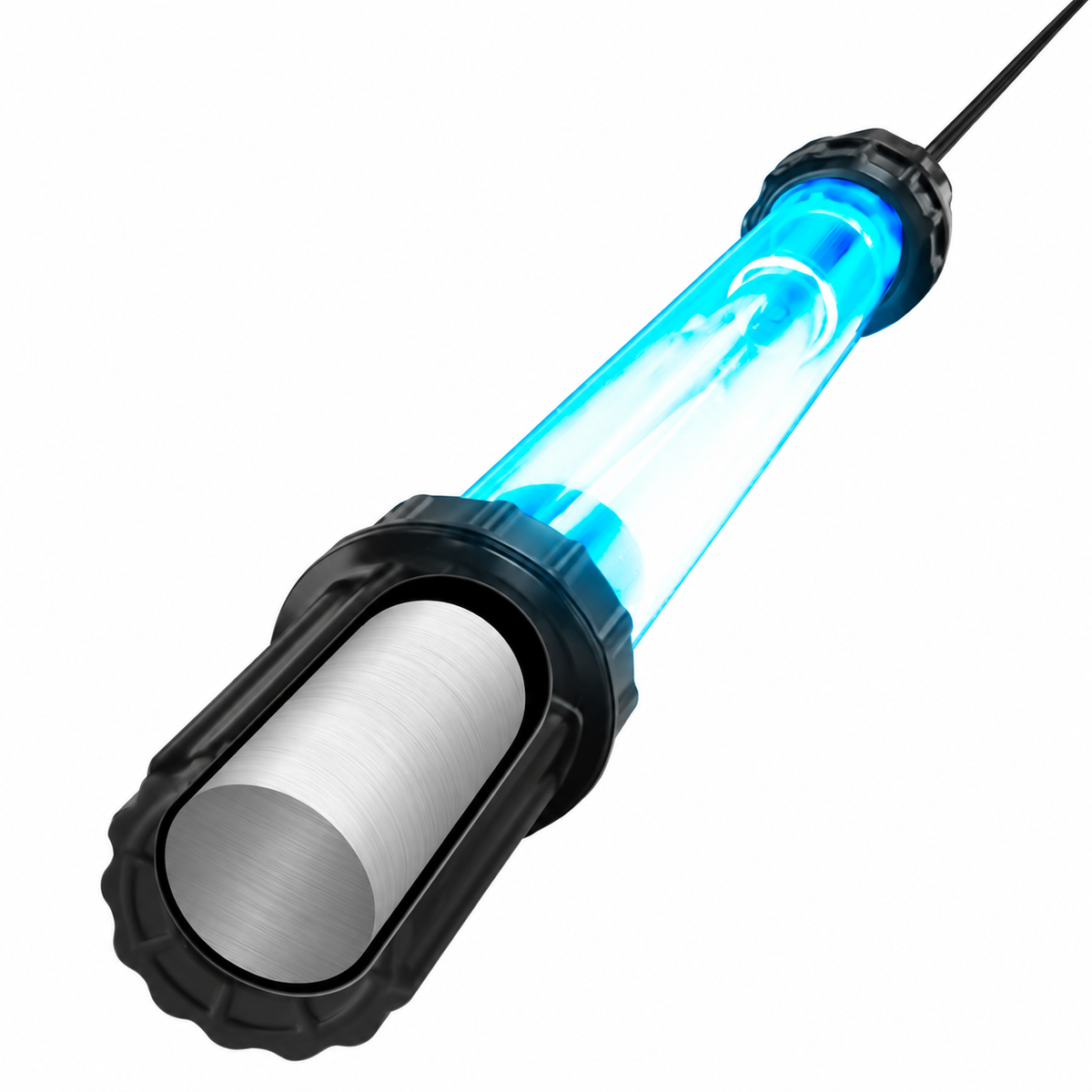
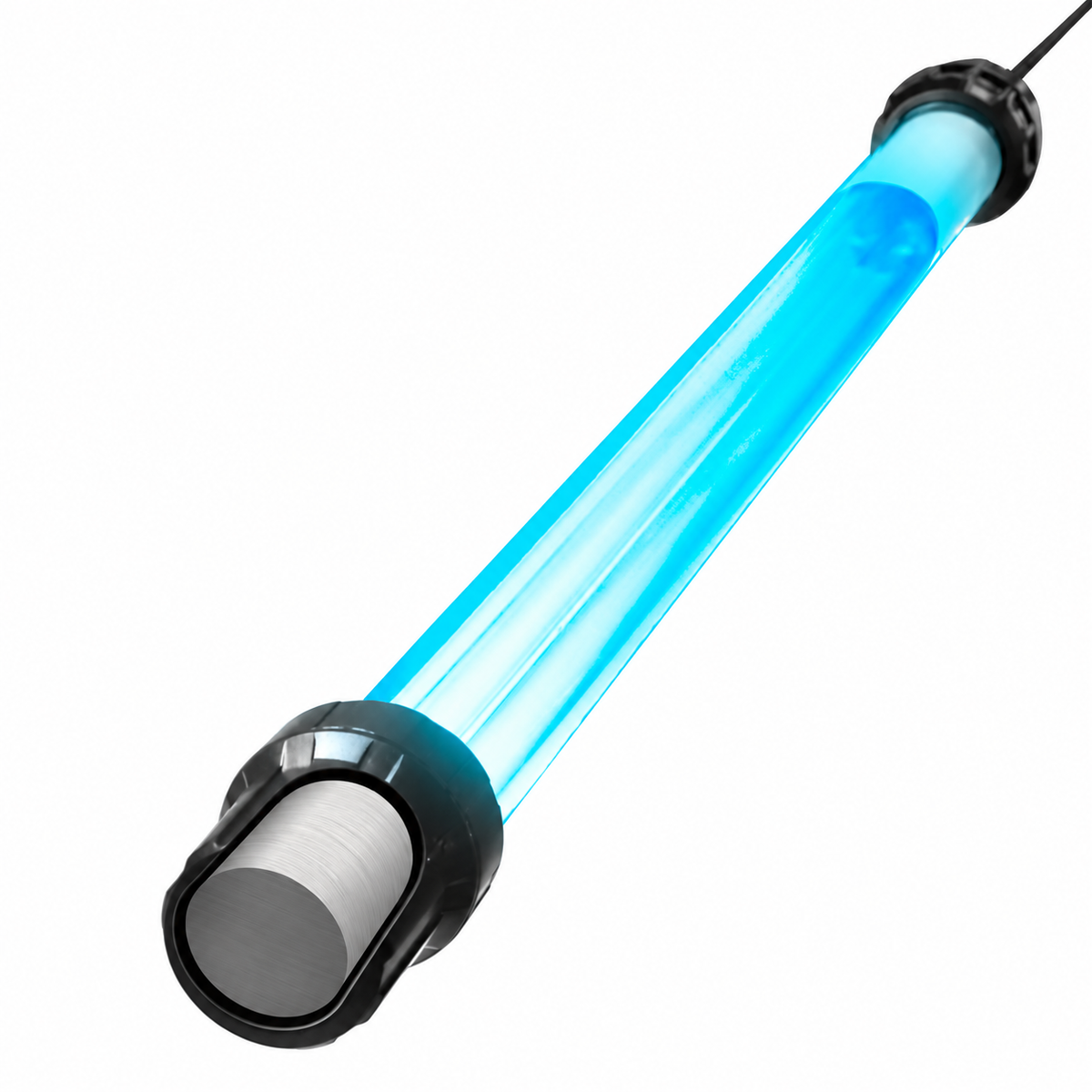
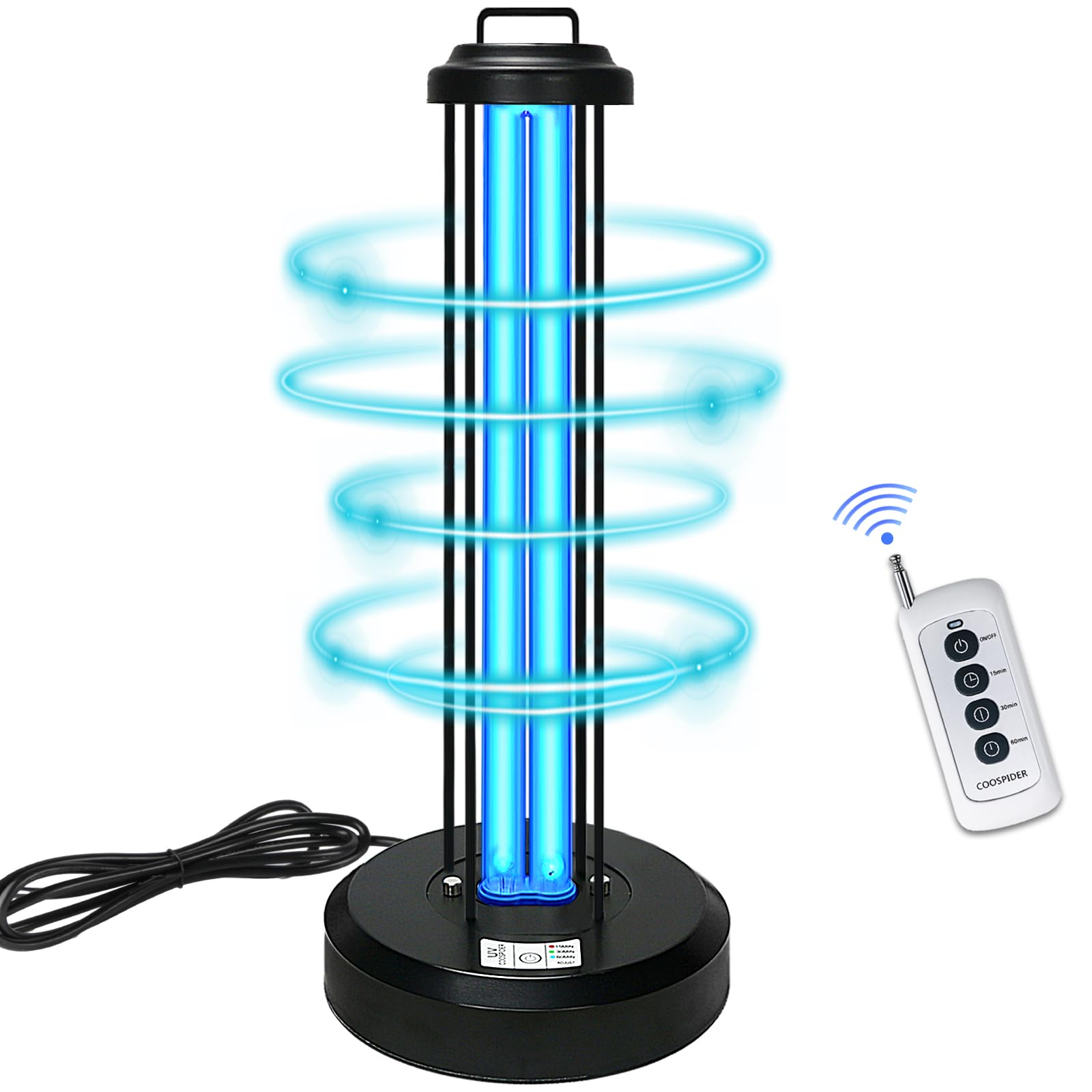
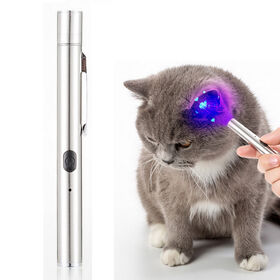
A Wood’s Lamp is a specialized ultraviolet lamp designed with a filter that emits long-wave UV-A light, typically around 365 nanometers.
Unlike ordinary blacklights, a true Wood’s Lamp includes a special filter that blocks most visible light, allowing fluorescence reactions to stand out clearly.
When certain fungal metabolites are exposed to this wavelength, infected hairs may glow a distinctive color.
Veterinarians commonly use Wood’s Lamps during initial dermatology exams because they provide fast, non-invasive screening.
Why Ringworm Can Be So Difficult to Detect Early
Ringworm infections often progress silently.
Here’s why detection is tricky:
1. Symptoms Appear Late
Hair loss may not occur until fungal colonies are already established.
2. Some Cats Show No Symptoms
Healthy adult cats can become asymptomatic carriers.
3. Spores Spread Easily
Fungal spores attach to:
-
Carpets
-
Bedding
-
Scratching posts
-
Clothing
-
Furniture fabrics
4. Ordinary Lighting Reveals Nothing
Infected hairs usually look normal under daylight.
A Wood’s Lamp provides visibility where human eyes alone cannot.
The Science Behind Wood’s Lamp Fluorescence
Certain strains of ringworm fungi produce metabolites that fluoresce under filtered UV light.
When illuminated properly:
-
Infected hairs glow apple-green or yellow-green
-
Fluorescence appears along the hair shaft, not just on skin
-
Individual strands may light up like thin glowing fibers
This glow occurs because fungal byproducts absorb ultraviolet energy and re-emit visible wavelengths.
Important note: not all ringworm strains fluoresce. A negative result does not completely rule out infection.
Wood’s Lamp vs. Regular UV Blacklight: What’s the Difference?
Many pet owners assume any UV flashlight will work, but there are key differences.
Wood’s Lamp
-
Filtered UV-A light
-
Minimal visible purple light
-
Designed for medical screening
-
Higher diagnostic reliability
Standard Blacklight
-
Broader wavelength range
-
Brighter purple glow
-
More false positives
-
Less precise detection
For ringworm screening, filtered lamps are significantly more reliable.
Preparing Your Home for an Accurate Inspection
Proper setup dramatically improves results.
Step 1: Choose a Completely Dark Room
Turn off overhead lights and block windows if possible.
Step 2: Allow Your Cat’s Eyes to Adjust
Give your cat a few minutes to relax in dim lighting.
Step 3: Clean the Coat First
Dust, lint, and topical products can fluoresce and cause confusion.
Brush your cat gently before inspection.
Step 4: Stay Calm
Cats sense stress. A relaxed environment makes examination easier.
How to Perform a Wood’s Lamp Examination at Home
Follow this veterinarian-inspired method for best accuracy.
Step 1: Hold Lamp 4–6 Inches Away
Too close reduces contrast; too far weakens fluorescence.
Step 2: Move Slowly
Scan gradually across the body.
Focus on:
-
Face and whisker area
-
Ears
-
Paws
-
Tail base
-
Belly
Step 3: Look for Hair Shaft Glow
True fluorescence appears embedded within hairs.
Surface reflections are usually false positives.
Step 4: Rotate Viewing Angle
Changing angles helps distinguish glowing hairs from reflective debris.
Step 5: Mark Suspicious Areas
Use photos or notes for monitoring changes over time.
What Real Ringworm Fluorescence Looks Like
Many beginners expect large glowing patches, but real signs are subtle.
You may notice:
-
Individual glowing hairs
-
Speckled clusters
-
Thin luminous threads
-
Localized glow near hair roots
The glow should appear consistent and internal, not smeared across skin.
Common False Positives (And How to Avoid Panic)
Several harmless substances glow under UV light.
These include:
-
Lint fibers
-
Soap residue
-
Certain fabrics
-
Topical medications
-
Dust particles
-
Skin oils
False positives usually appear:
-
Blue or white instead of apple-green
-
On surfaces rather than hair shafts
-
Irregular or patchy
When in doubt, consult a veterinarian for confirmation.
Safety Tips for Using a Wood’s Lamp at Home
Wood’s Lamps used for inspection are generally safe when used properly.
Best practices include:
-
Avoid shining directly into eyes
-
Limit exposure time to a few minutes
-
Keep sessions calm and brief
-
Wash hands after handling suspected areas
Protecting both pet and owner comfort ensures smoother checks.
How Often Should You Perform At-Home Checks?
Frequency depends on risk level.
High-Risk Situations
-
New rescue cats
-
Multi-cat households
-
Shelter or foster environments
Check weekly.
Moderate Risk
-
Indoor cats with occasional exposure
Check monthly.
After Treatment
Inspect every few days to monitor progress.
Cleaning Your Home After Suspected Ringworm
Environmental control is just as important as treating the cat.
Vacuum Frequently
Spores accumulate in carpets and upholstery.
Wash Fabrics in Hot Water
Use high heat drying when possible.
Disinfect Hard Surfaces
Fungal spores survive long periods without cleaning.
Reduce Soft Surfaces Temporarily
Limit blankets and plush bedding during treatment.
Why Early Detection Saves Time and Stress
Early identification offers several advantages:
-
Shorter treatment duration
-
Reduced spread between pets
-
Lower environmental contamination
-
Less risk to humans
Many severe outbreaks begin with one unnoticed lesion.
Monitoring Recovery Using a Wood’s Lamp
A Wood’s Lamp can also help track healing.
During recovery:
-
Fluorescent hairs gradually disappear
-
New hair growth appears non-glowing
-
Glow intensity decreases over time
However, always follow veterinary confirmation before ending treatment.
When to See a Veterinarian Immediately
At-home screening is helpful but not diagnostic.
Seek professional care if:
-
Multiple lesions appear rapidly
-
Humans develop skin irritation
-
Cat becomes lethargic
-
Infection spreads despite cleaning
Veterinarians may perform fungal cultures or microscopic exams for confirmation.
Preventing Future Ringworm Outbreaks
Prevention focuses on hygiene and observation.
Maintain Grooming Routine
Healthy coats resist infection better.
Quarantine New Pets
Observe newcomers before full household introduction.
Clean Shared Tools
Brushes and carriers can harbor spores.
Strengthen Immune Health
Balanced nutrition supports skin defense.
Emotional Reality: Why Ringworm Feels So Overwhelming
Many pet owners describe ringworm as exhausting not because it is dangerous, but because it feels invisible and persistent.
The uncertainty — wondering whether spores remain — creates anxiety.
A Wood’s Lamp provides reassurance through visibility. Instead of guessing, you gain a clear method to monitor your pet and environment.
Knowledge replaces fear with action.
Frequently Asked Questions
Can a Wood’s Lamp Diagnose Ringworm Alone?
No. It is a screening tool, not a definitive diagnosis.
Why Doesn’t Every Infection Glow?
Only certain fungal strains produce fluorescent metabolites.
Can Humans Use the Same Lamp?
Yes, but medical evaluation is recommended for suspected human infection.
Does Bathing Remove Fluorescence?
Temporary reduction may occur, but infected hairs typically glow again.
Building a Simple Weekly Inspection Routine
A practical routine might look like this:
-
Dim lights in evening hours
-
Calmly brush your cat
-
Perform a 2–3 minute scan
-
Note any glowing hairs
-
Clean environment if needed
Consistency prevents surprises.
The Power of Seeing the Invisible
Ringworm earns its reputation as a “nightmare” because it spreads quietly and hides in plain sight. Yet modern tools make early detection far easier than many pet owners realize.
A Wood’s Lamp transforms home inspection from guesswork into informed observation. With proper technique, patience, and hygiene practices, you can identify potential problems early and protect both your pet and your household.
Owning a cat should be filled with companionship and comfort — not constant worry about unseen infections. By learning how to use a Wood’s Lamp effectively, you gain confidence, control, and peace of mind.
And sometimes, the difference between a minor inconvenience and a household-wide outbreak is simply the ability to see what ordinary light cannot reveal.