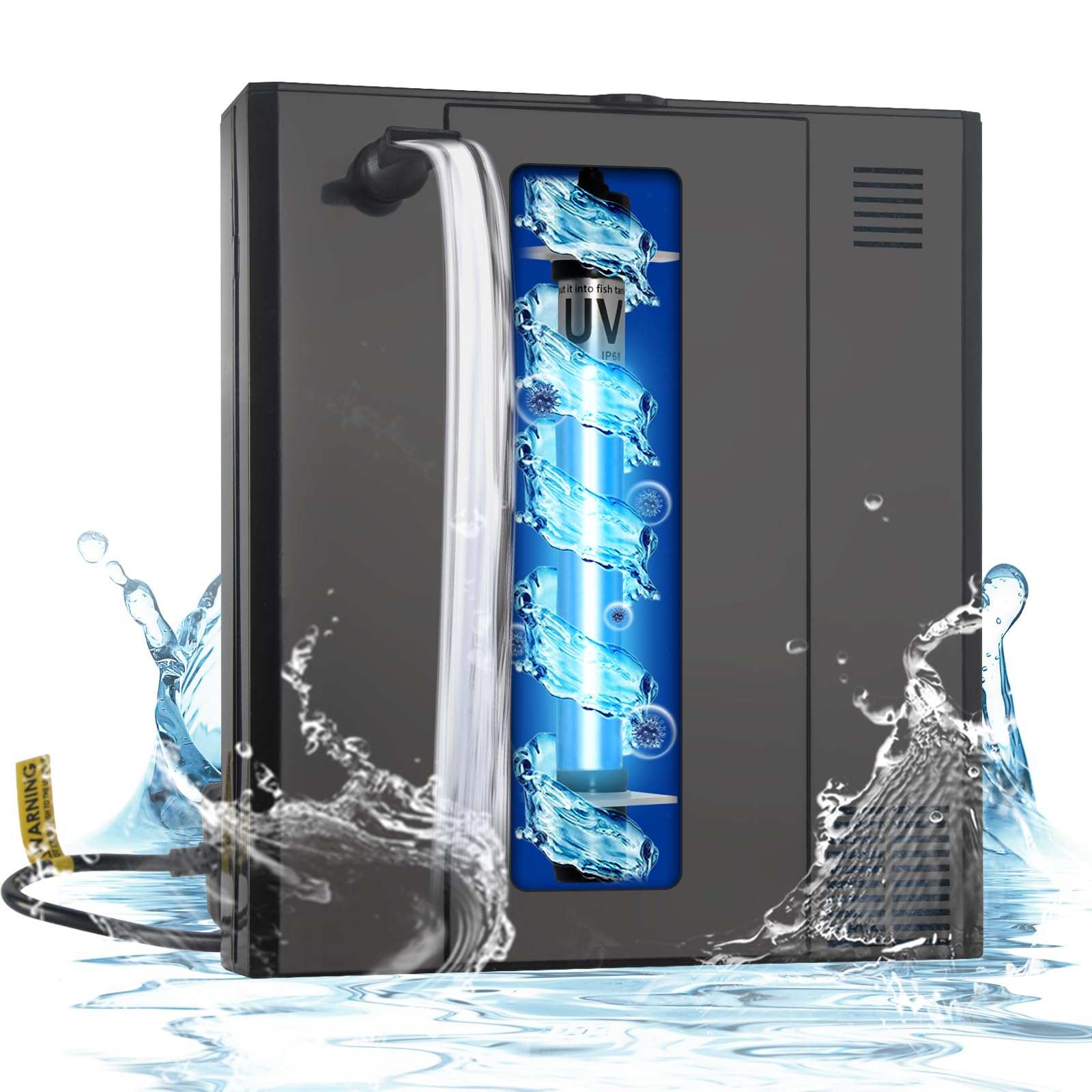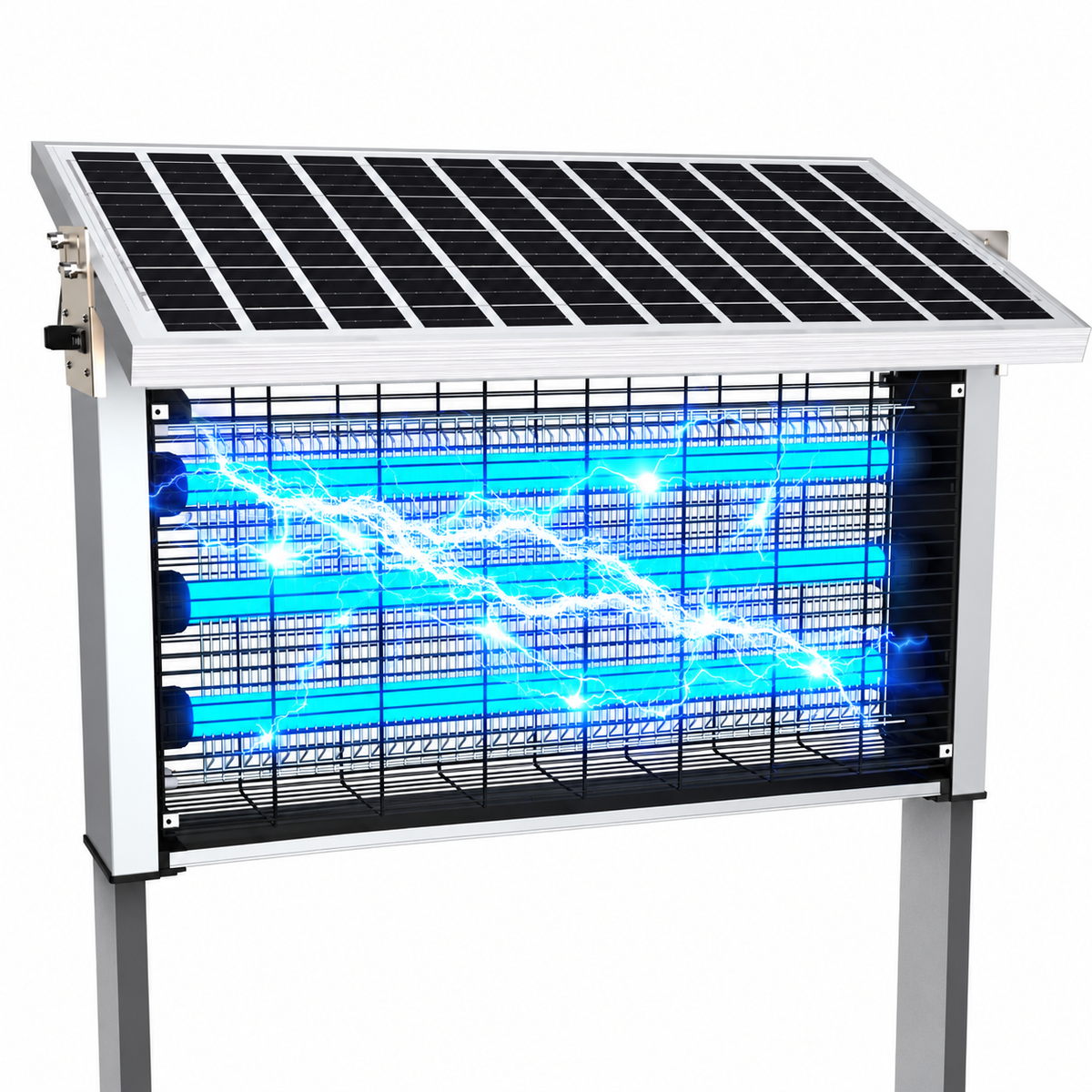
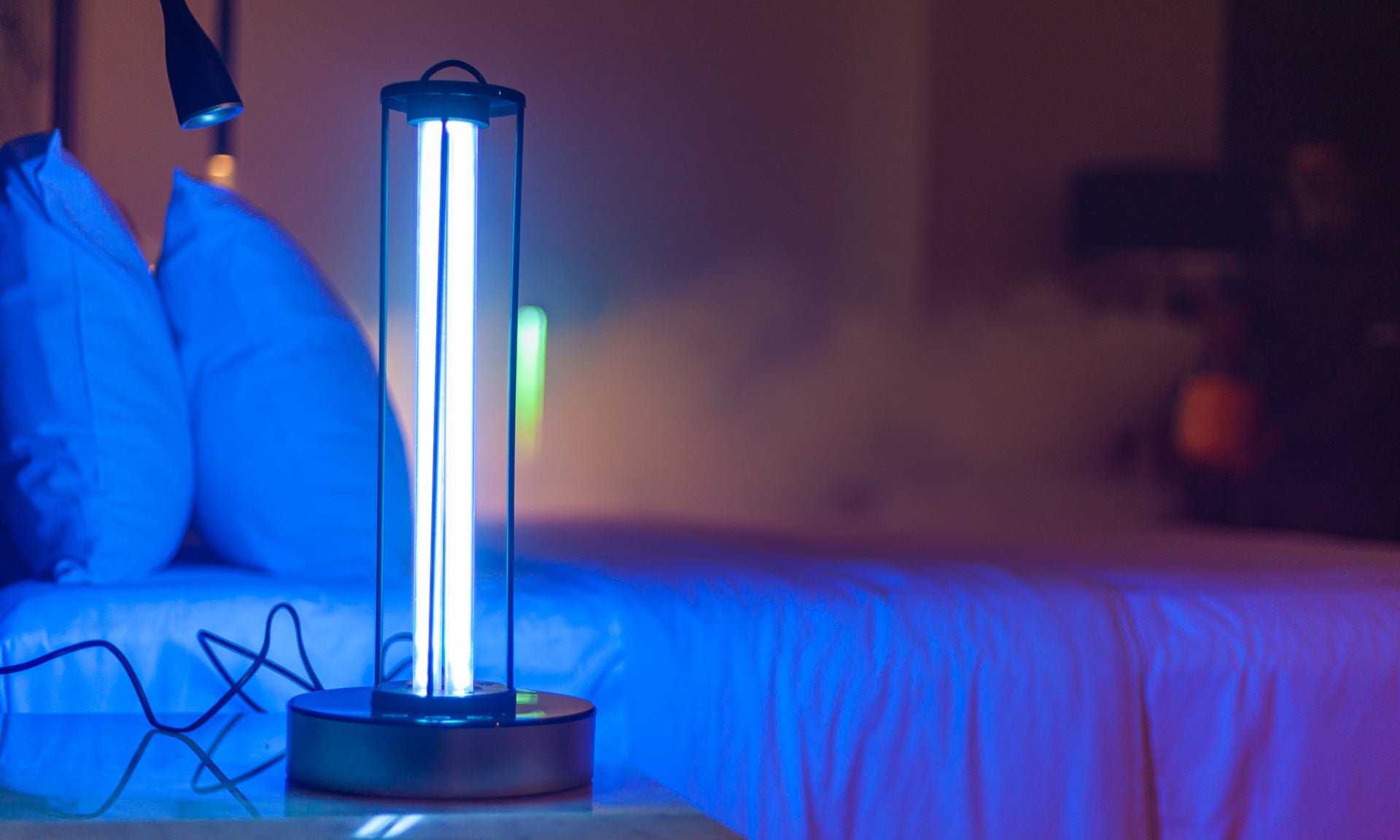
Ultraviolet sterilization lamps have quickly become one of the most talked-about home hygiene tools in recent years. From sanitizing bedrooms and bathrooms to disinfecting personal items and workspaces, UV lamps promise a convenient way to reduce germs without chemicals.
A quick search on Amazon reveals thousands of UV sterilization products — portable wands, room lamps, cabinet boxes, air-circulation devices, and multi-function gadgets claiming hospital-grade sanitation. Prices range from under $20 to several hundred dollars, and nearly every listing promises powerful sterilization performance.
But here’s the reality: many shoppers end up disappointed, confused, or even unsafe after purchasing the wrong product.
Why? Because UV sterilization technology is widely misunderstood, and online marketplaces make it easy for misleading claims to blend in with legitimate products.
This guide breaks down the three most common traps buyers fall into when purchasing UV sterilization lamps on Amazon, explains how to recognize red flags, and shows you how to make a smarter, safer purchase decision.
Why UV Sterilization Lamps Are So Popular Right Now
Before discussing the mistakes, it helps to understand why UV lamps have surged in popularity.
Modern households are increasingly focused on hygiene and convenience. Traditional disinfectants require wiping, drying time, and repeated application. UV light, on the other hand, offers:
-
Chemical-free disinfection
-
Minimal residue
-
Quick treatment cycles
-
Hands-off operation
-
Versatility across surfaces and objects
UV technology has long been used in hospitals, laboratories, and water treatment systems. As manufacturing costs dropped, consumer versions became widely available online — especially on Amazon.
However, consumer adoption has outpaced consumer education.
Many buyers assume all UV lamps work the same way. They don’t.
And that misunderstanding leads directly into the first major purchasing mistake.
Pitfall #1: Confusing UV Types — Not All UV Light Kills Germs
One of the biggest misconceptions is believing that any device labeled “UV” automatically sterilizes bacteria and viruses.
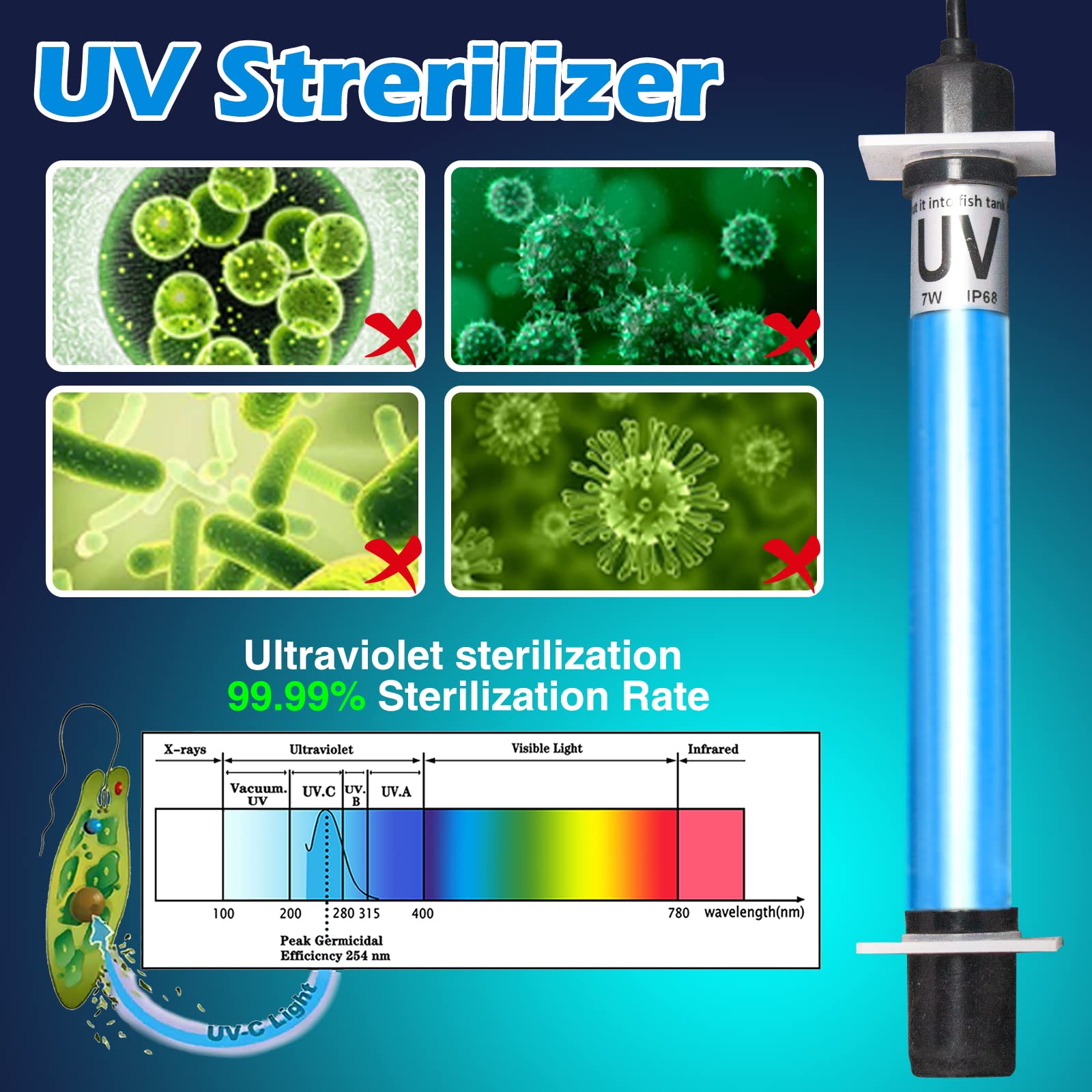
In reality, ultraviolet light exists in three different wavelength categories, and only one is truly effective for sterilization.
Understanding the Three Types of UV Light
1. UVA (315–400 nm)
UVA is the weakest form of ultraviolet radiation.
Common uses include:
-
Blacklights
-
Nail curing lamps
-
Tanning devices
-
Decorative lighting
While UVA can cause fluorescence effects, it has very limited germicidal capability.
Many inexpensive products rely primarily on UVA LEDs because they are cheap and energy-efficient — but they are not effective sterilizers.
2. UVB (280–315 nm)
UVB has more energy than UVA and can affect biological tissues, but it is still not ideal for reliable sterilization in consumer devices.
It is rarely used in household UV sanitizers.
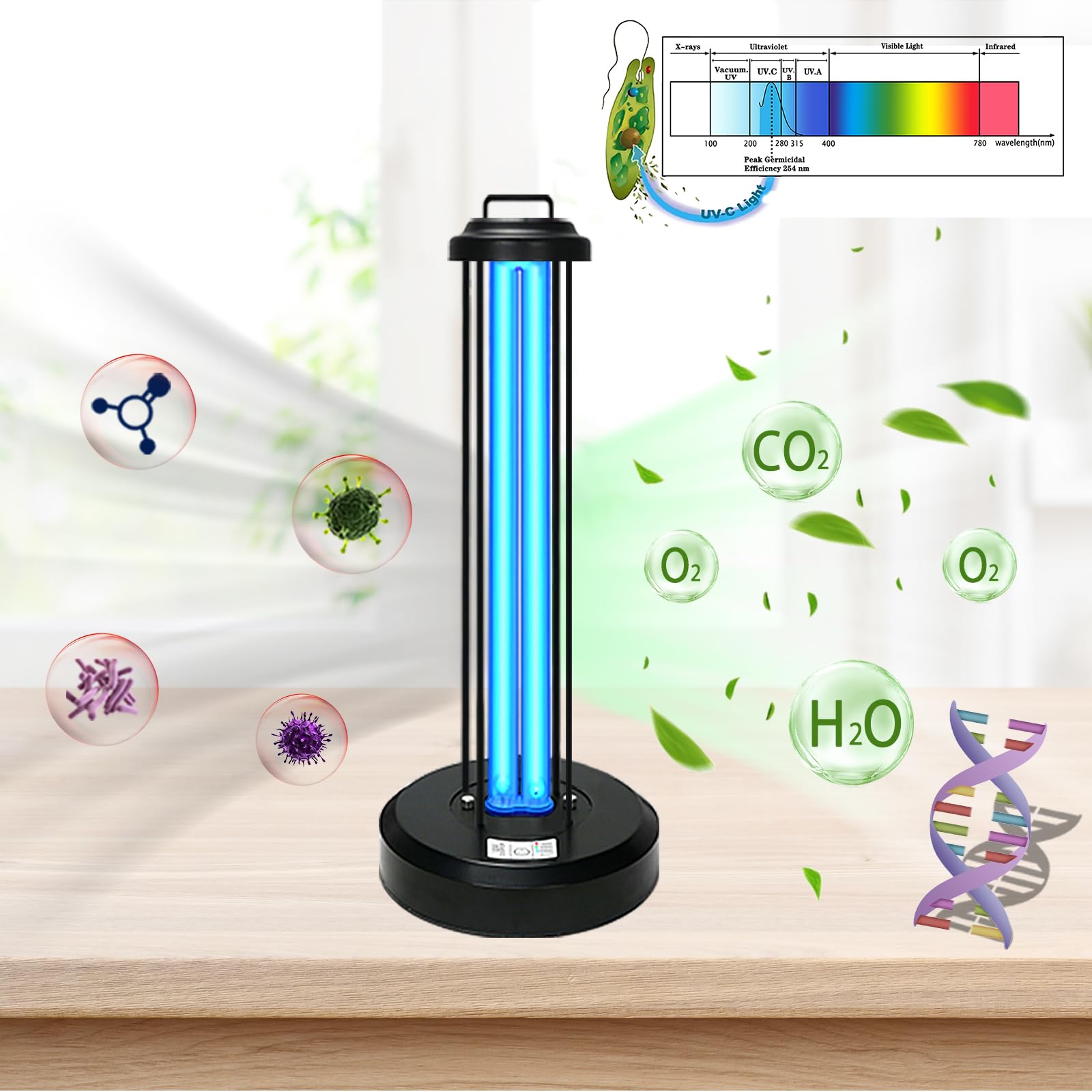
3. UVC (200–280 nm) — The Real Germicidal Range
UVC light damages the DNA and RNA of microorganisms, preventing replication.
This wavelength range is used in:
-
Hospital sterilization equipment
-
Laboratory sanitation systems
-
Water purification facilities
-
Air disinfection units
For effective sterilization, devices typically operate around 254 nm, a well-established germicidal wavelength.
The Amazon Listing Problem
Many listings use vague phrases such as:
-
“UV sterilization”
-
“UV cleaning technology”
-
“Purple light sanitizing”
-
“Blue light disinfection”
Without specifying wavelength.
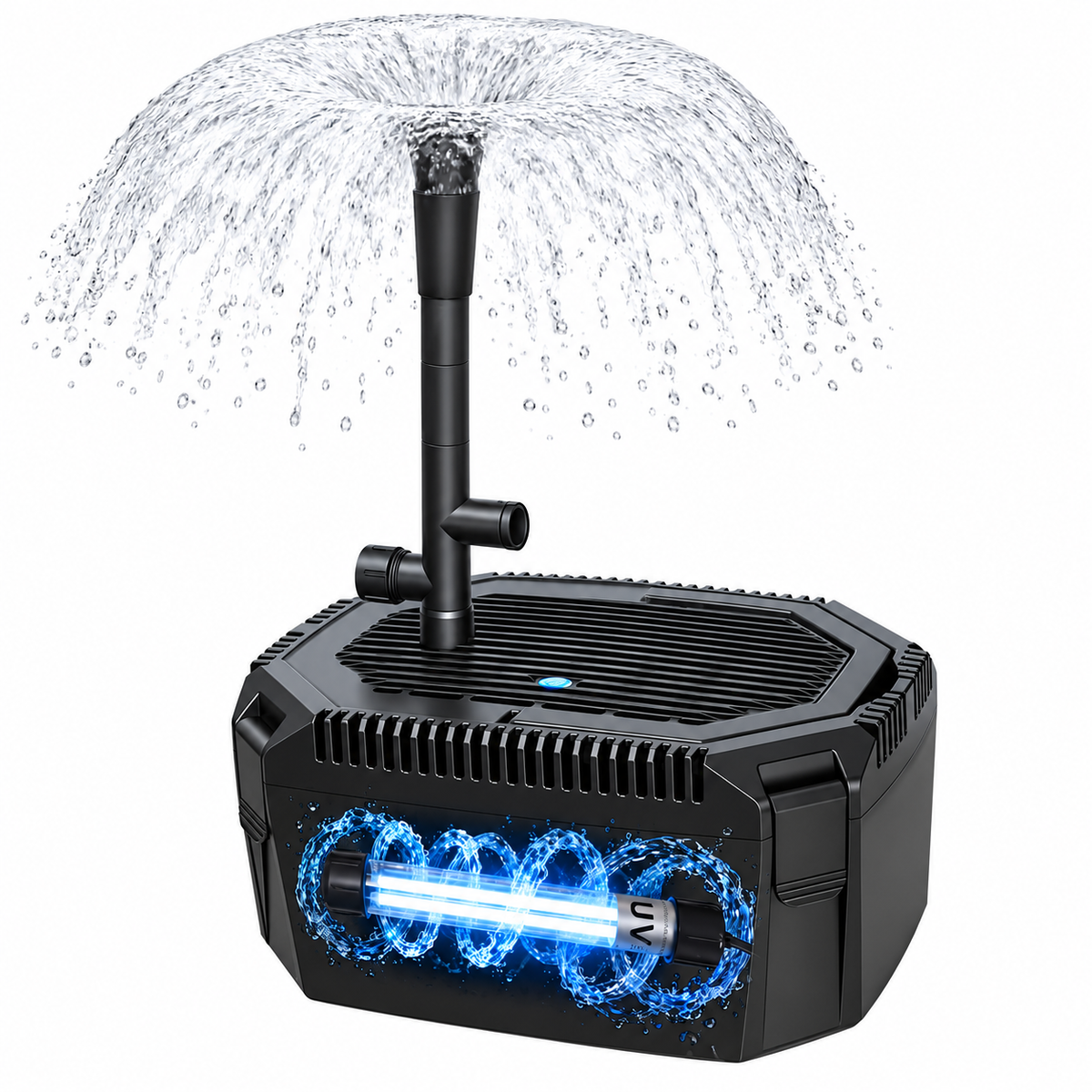
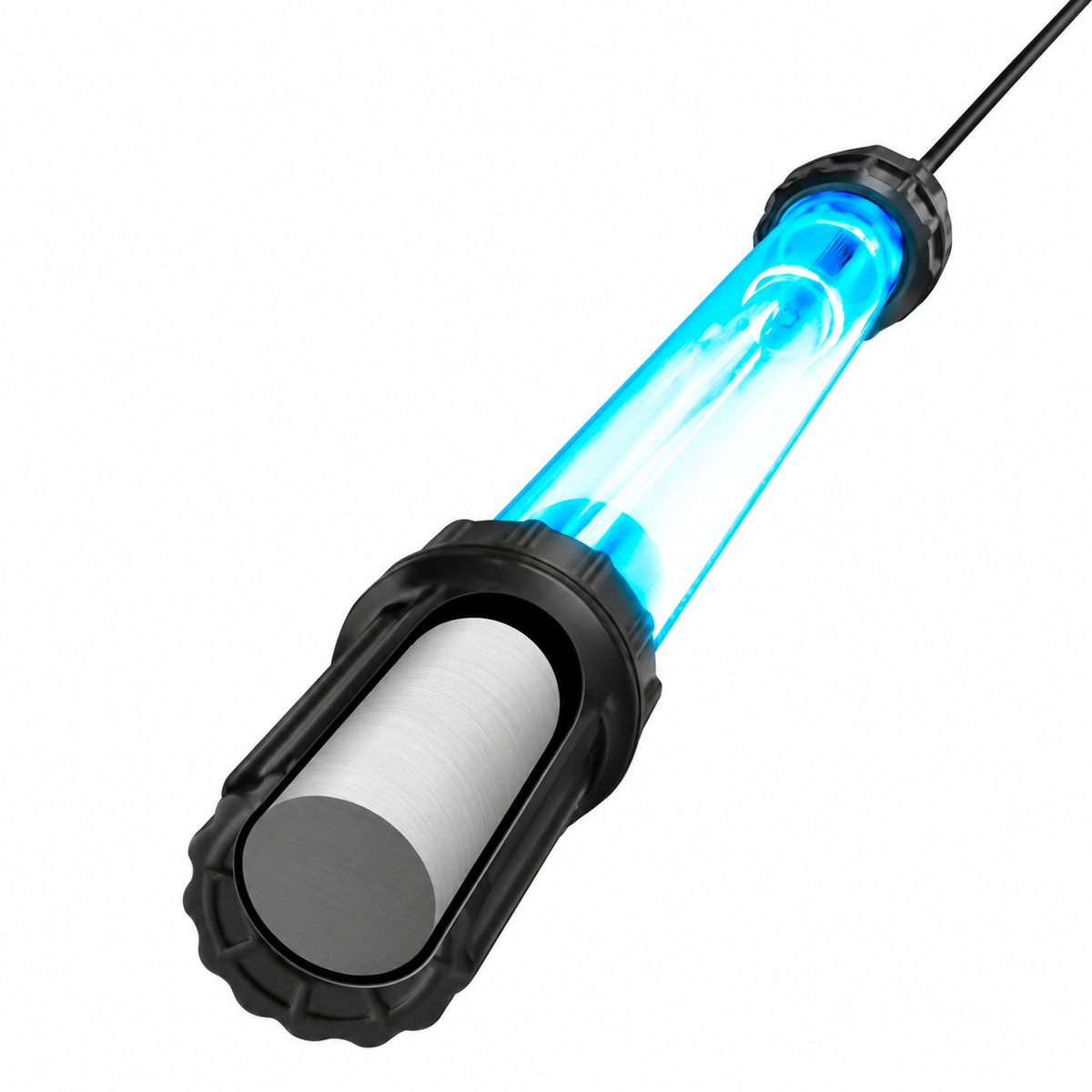
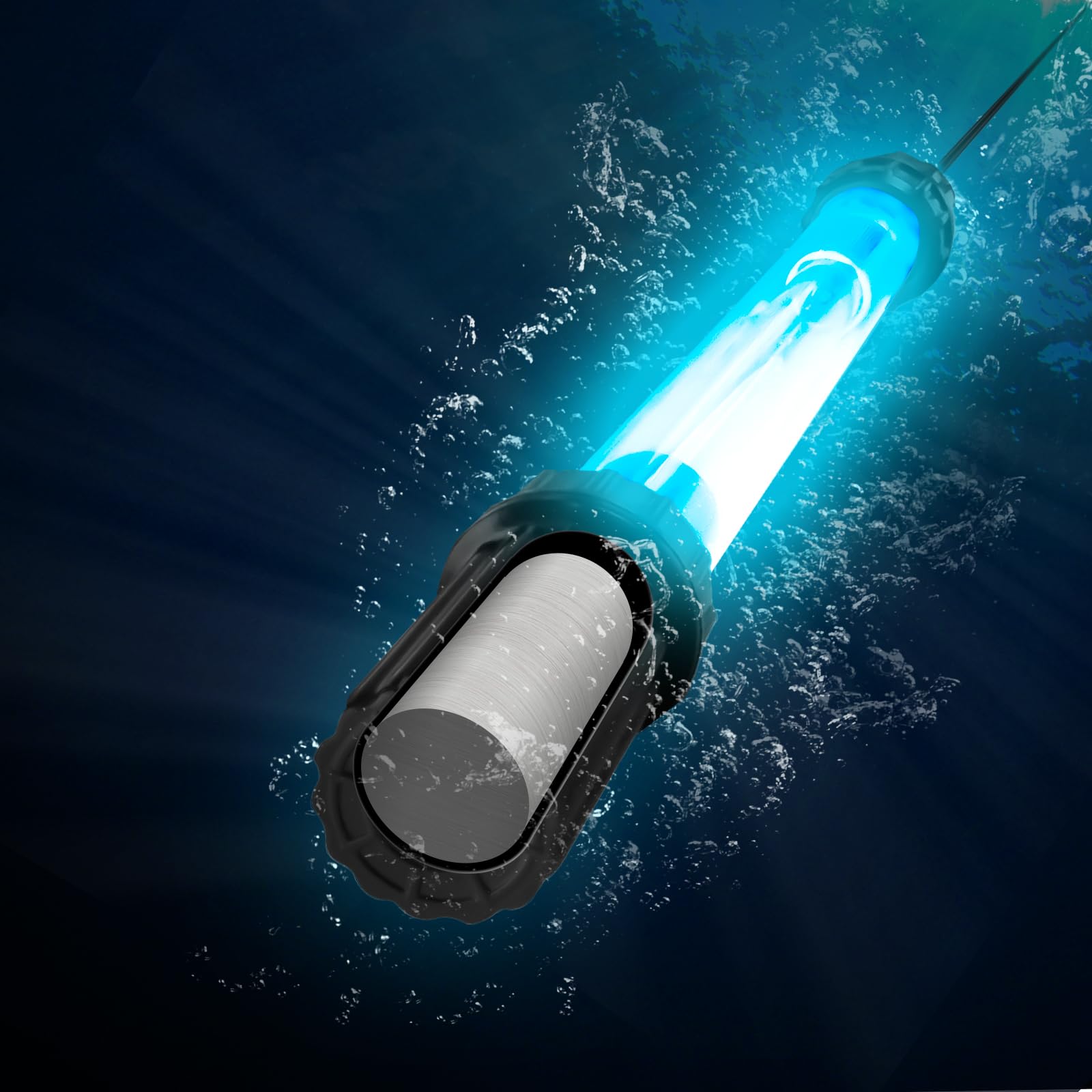
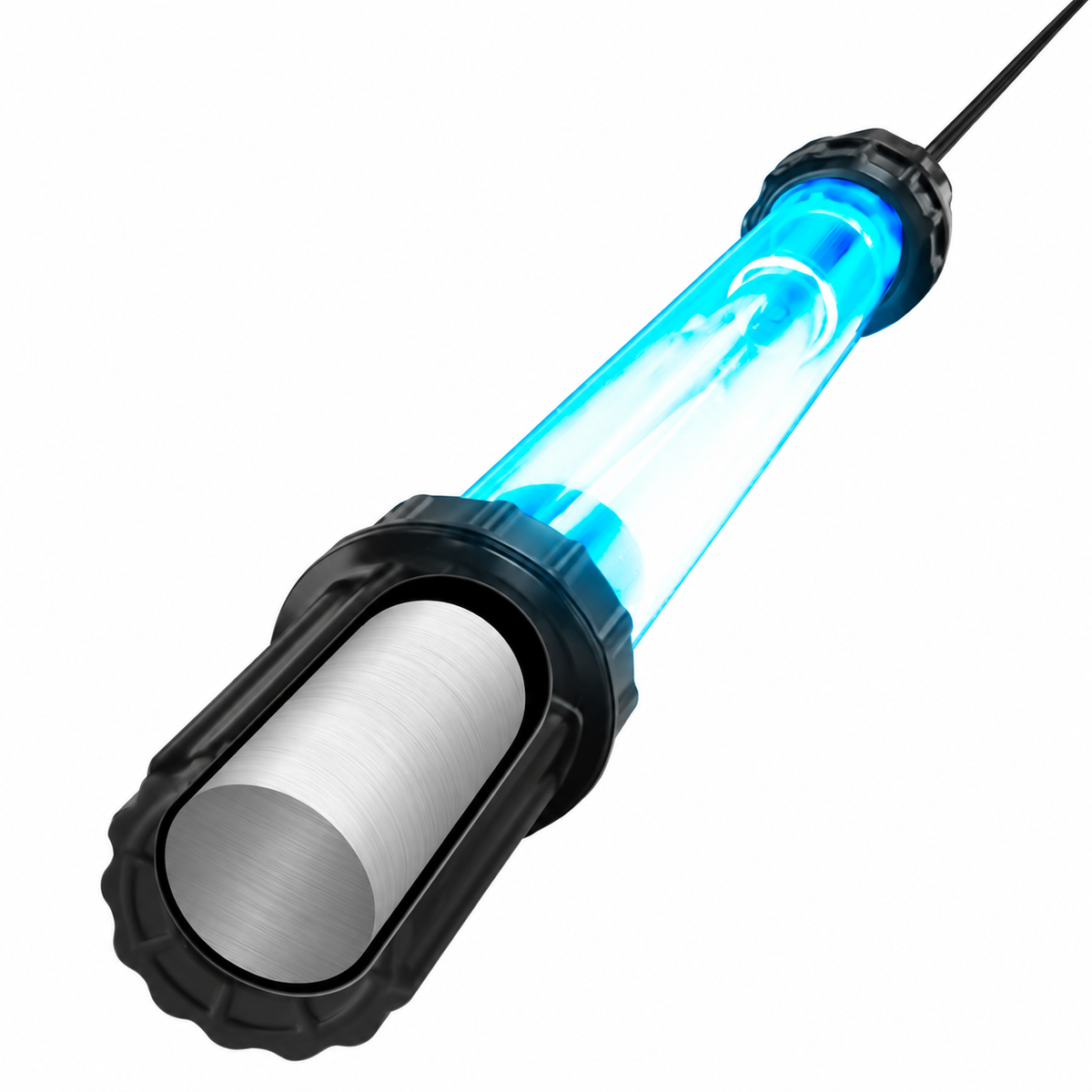
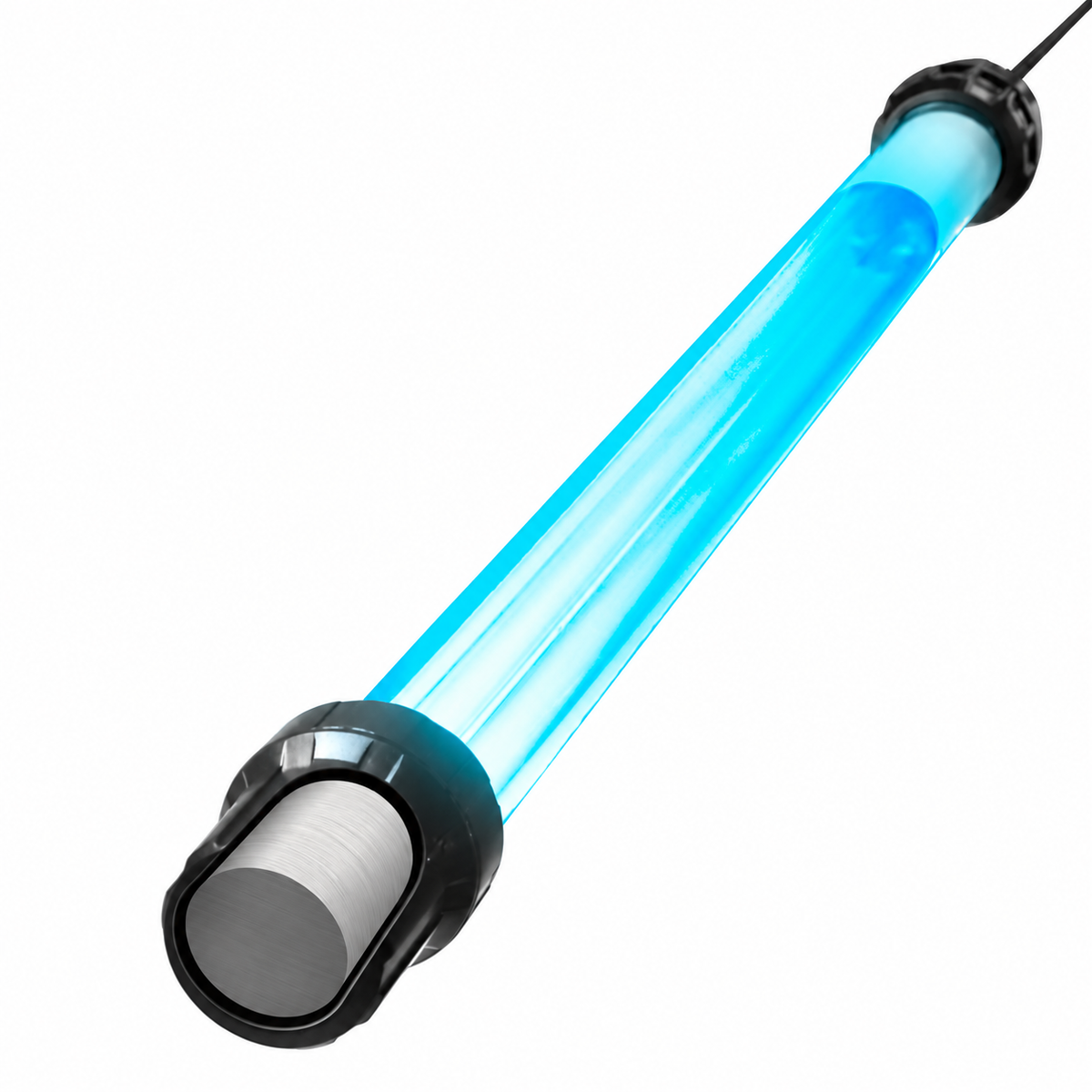
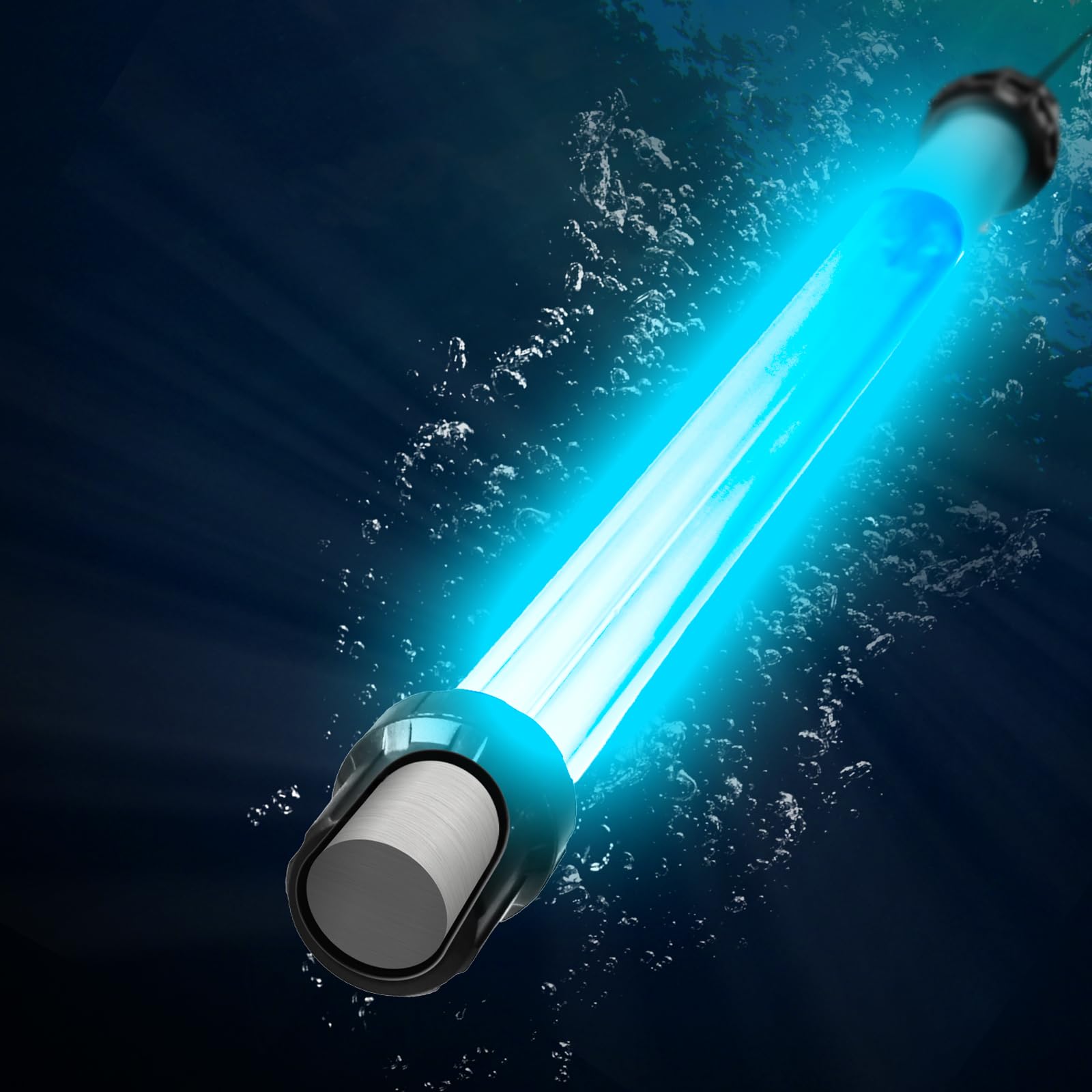
Sometimes the product photos show purple or blue glow — a common sign that the lamp is not true UVC.
Consumers often assume visible brightness equals strength. In fact, genuine UVC light is mostly invisible to the human eye.
Why This Matters
Buying the wrong UV type means:
-
Little to no sterilization effect
-
False sense of cleanliness
-
Wasted money
-
Potential safety risks
You may believe items are disinfected when they are not.
How to Avoid This Trap
When browsing Amazon listings, check for:
✅ Clearly stated wavelength (e.g., 253.7 nm or 254 nm)
✅ Technical specifications section
✅ Certification or testing documentation
✅ Transparent product descriptions
Avoid listings that rely only on marketing buzzwords without technical details.
Pitfall #2: Believing Unrealistic Sterilization Claims
Another common mistake is trusting exaggerated promises.
Many product listings advertise:
-
“Kills 99.9999% of germs instantly”
-
“Sterilizes entire rooms in 10 seconds”
-
“Medical-grade sanitation anywhere”
-
“Full disinfection with one swipe”
These claims sound impressive — but often ignore how UV sterilization actually works.
UV Sterilization Depends on Exposure Dose
Effective disinfection requires a specific combination of:
-
Light intensity
-
Distance from the surface
-
Exposure time
-
Surface angle
-
Shadow coverage
This combination is called UV dose.
Even powerful UVC lamps cannot disinfect instantly if exposure time is too short.
The Distance Problem
UV intensity decreases rapidly with distance.
If you double the distance between the lamp and a surface, the effective power drops dramatically.
That means:
-
A handheld wand held too far away may do almost nothing.
-
A room lamp placed in one corner cannot instantly disinfect every surface.
Objects hidden behind furniture or inside shadows receive little or no UV exposure.
Why “Instant Sterilization” Is Misleading
Real sterilization typically requires:
-
Several minutes for small objects
-
15–60 minutes for room treatment
-
Direct line-of-sight exposure
Any listing claiming full sterilization in seconds should be viewed skeptically.
The Role of Surface Type
Different materials respond differently:
-
Smooth glass or metal surfaces disinfect faster.
-
Fabrics and porous materials require longer exposure.
-
Dust or residue can block UV light entirely.
Without proper preparation, effectiveness drops significantly.
How to Evaluate Claims Realistically
Look for listings that provide:
✅ Exposure time recommendations
✅ Coverage area measurements
✅ Tested conditions
✅ Clear usage instructions
Be cautious of products relying only on bold percentages without explanation.
Transparent brands educate buyers instead of overselling performance.
Pitfall #3: Ignoring Safety Features and Certifications
The third and most serious mistake is overlooking safety.
UVC light is effective precisely because it damages biological cells — which means improper exposure can harm humans and pets.
Unfortunately, many shoppers focus only on price and reviews while ignoring safety design.
Potential Risks of Improper UV Use
Direct exposure to strong UVC light can cause:
-
Eye irritation or injury
-
Skin burns similar to sunburn
-
Long-term tissue damage with repeated exposure
This is why professional systems include protective controls.
Essential Safety Features to Look For
1. Motion Sensors
Quality room lamps automatically shut off if movement is detected.
This prevents accidental exposure.
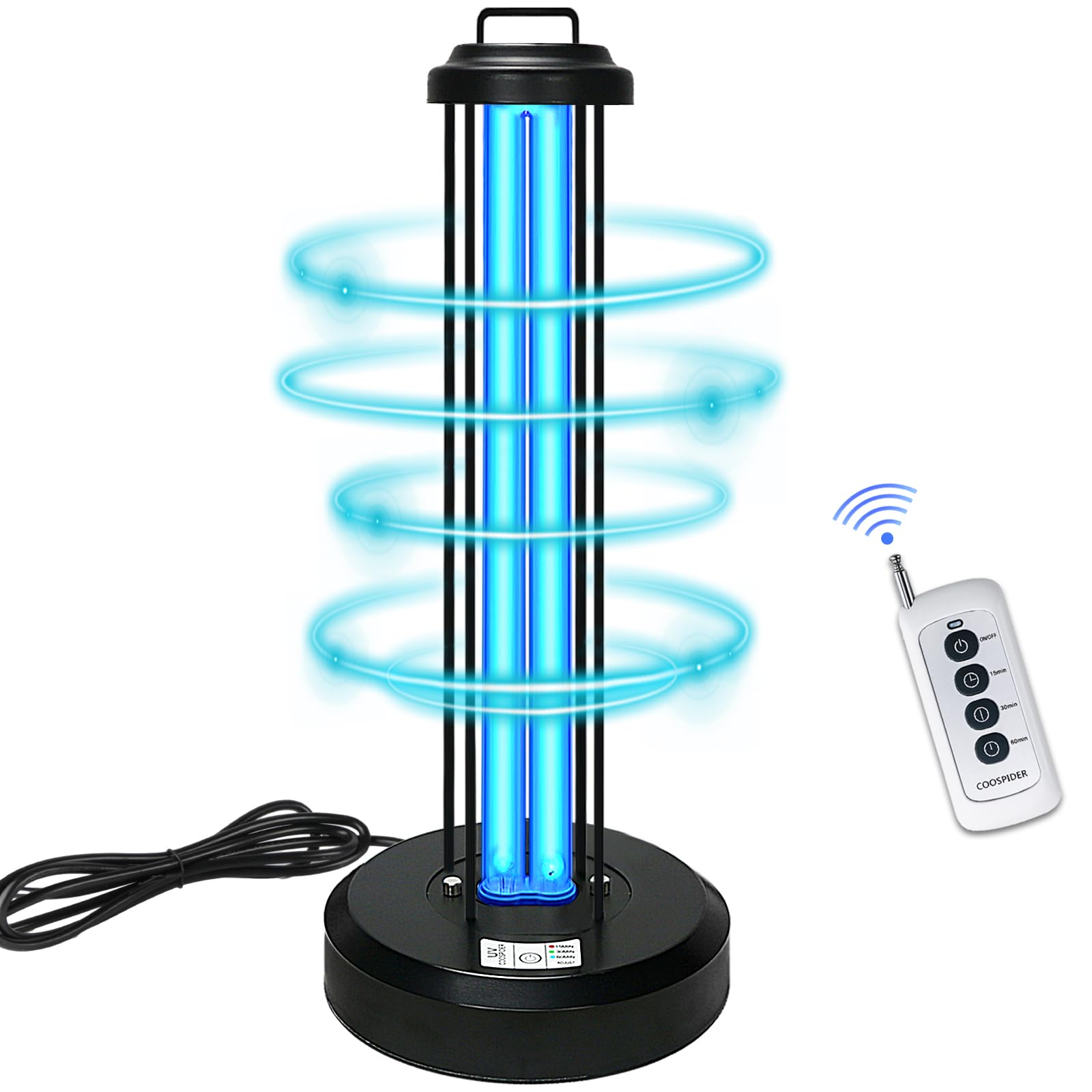
2. Remote or Timer Operation
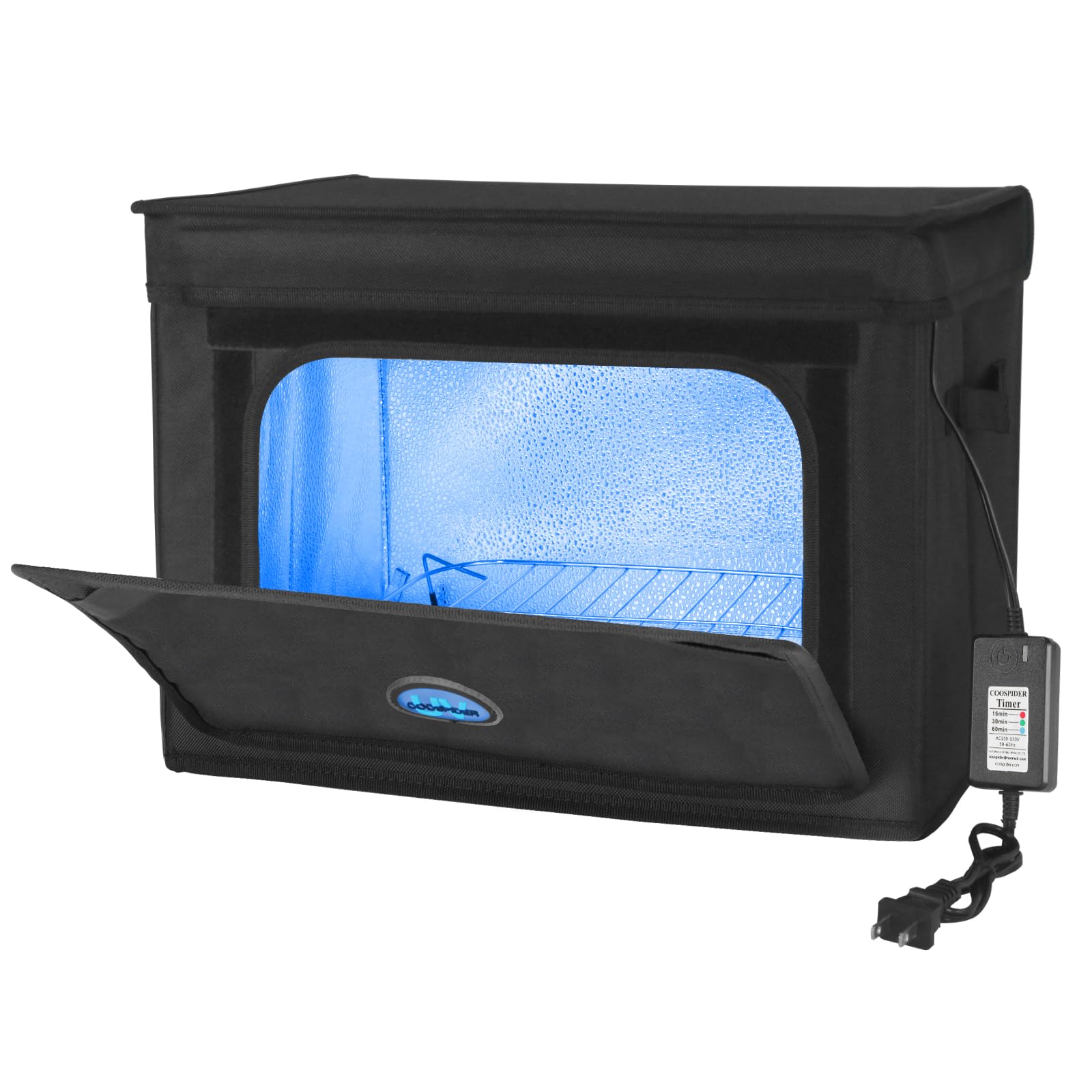
Allows users to leave the room before activation.
3. Protective Housing
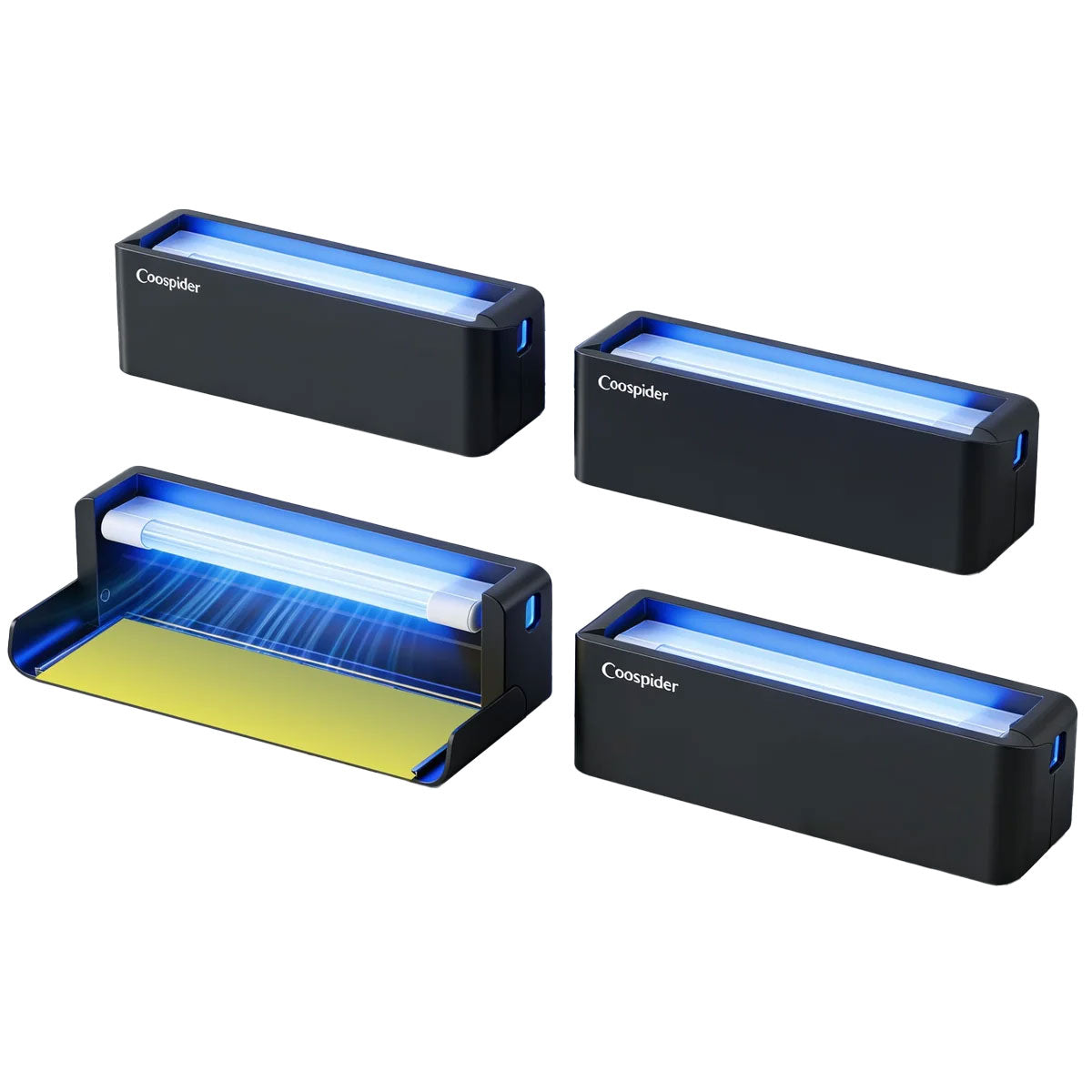
Enclosed sterilization boxes prevent light leakage.
These are safer for household use.
4. Automatic Shutoff
Prevents overheating and excessive exposure.
Certifications Matter
Reliable products often include testing or compliance markings such as:
-
Electrical safety certifications
-
Laboratory testing reports
-
Regulatory compliance labels
While certification alone doesn’t guarantee performance, its absence can be a warning sign.
The Hidden Risk of Ultra-Cheap Lamps
Extremely low-priced devices may:
-
Use weak LEDs mislabeled as UVC
-
Lack shielding
-
Skip safety testing
-
Provide unstable power output
Saving money upfront may increase risk later.
Bonus Mistake: Buying Based Only on Star Ratings
Many shoppers assume high ratings equal quality.
But UV products present unique challenges:
-
Effectiveness is hard for buyers to measure.
-
Reviews often focus on appearance or packaging.
-
Some reviewers judge brightness rather than performance.
A lamp that “looks bright” may not produce germicidal wavelengths at all.
How to Read Reviews More Effectively
Look for reviews mentioning:
-
Measured wavelength testing
-
Long-term reliability
-
Detailed usage experiences
-
Safety observations
Ignore overly generic praise that lacks specifics.
Choosing the Right Type of UV Lamp for Your Needs
Different situations require different devices.
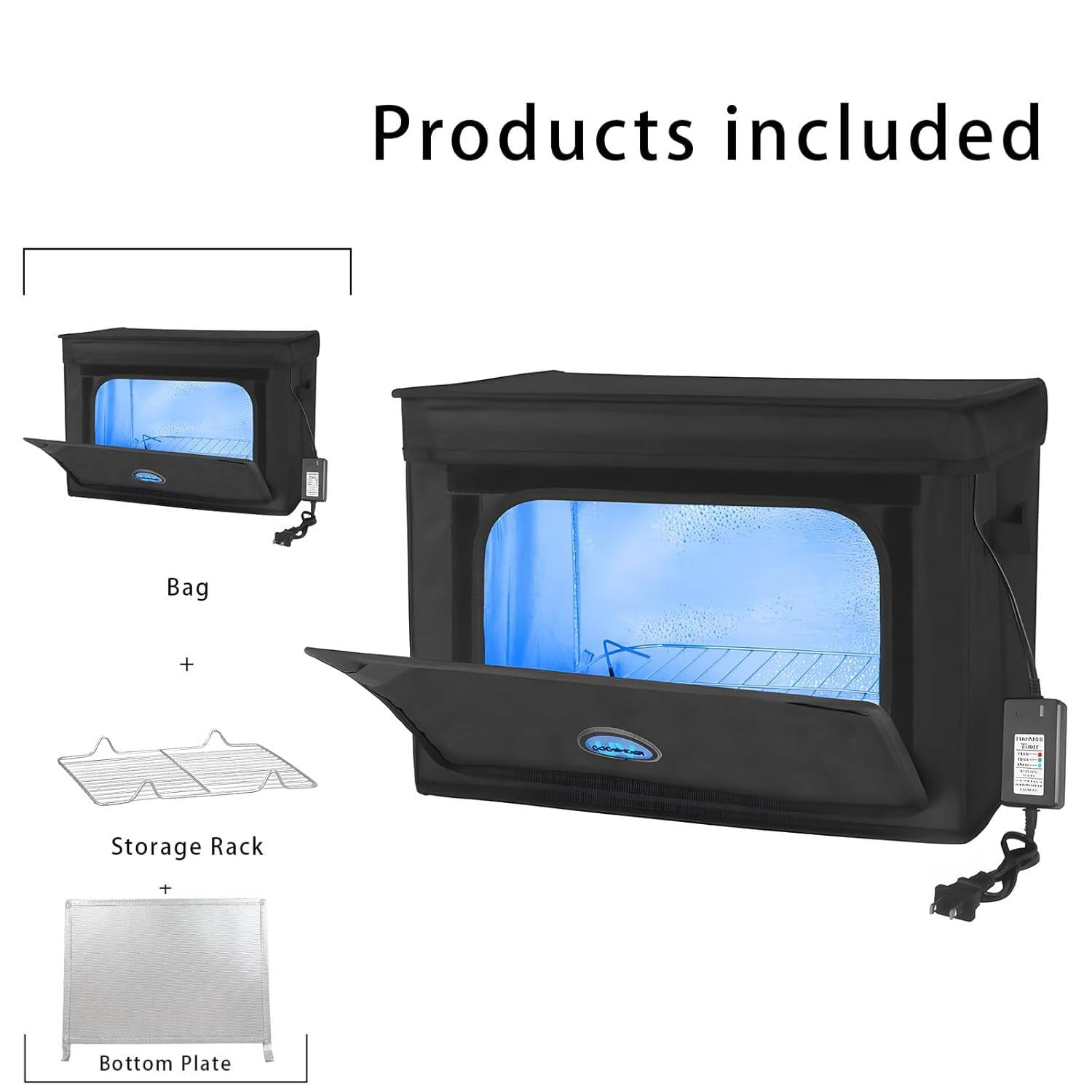
UV Sterilization Boxes
Best for:
-
Phones
-
Keys
-
Glasses
-
Baby accessories
Advantages:
-
Enclosed design
-
Safer operation
-
Consistent exposure
Room Sterilization Lamps
Best for:
-
Bedrooms
-
Offices
-
Bathrooms
Require empty rooms during operation.
Handheld UV Wands
Best for:
-
Travel use
-
Small surface areas
Require careful technique and slower movement.
Air-Circulation UV Devices
Best for:
-
Continuous air treatment
-
Shared indoor spaces
Often safer because UV light stays contained internally.
Practical Buying Checklist
Before clicking “Add to Cart,” verify the following:
Technical Details
-
Stated wavelength in UVC range
-
Power rating information
-
Coverage area specifications
Safety
-
Timer or remote control
-
Motion detection
-
Protective design
Transparency
-
Realistic claims
-
Clear instructions
-
Educational product page
Brand Reliability
-
Consistent product line
-
Responsive customer support
-
Detailed documentation
Common Myths About UV Sterilization
Myth 1: Brighter Light Means Stronger Disinfection
False. Visible brightness does not equal germicidal effectiveness.
Myth 2: One Pass Is Enough
UV requires sufficient exposure time.
Myth 3: UV Replaces Cleaning
Dust and dirt block UV light. Pre-cleaning improves results dramatically.
Myth 4: All UV Lamps Are the Same
Design, wavelength, and power output vary widely.
How to Use Your UV Lamp Correctly After Purchase
Even a high-quality lamp works poorly if used incorrectly.
Best practices include:
-
Clean surfaces before treatment.
-
Maintain recommended distance.
-
Follow exposure time guidelines.
-
Avoid human or pet exposure.
-
Store safely after use.
Consistency matters more than intensity alone.
The Future of Home UV Technology
UV sterilization continues evolving with innovations such as:
-
Safer enclosed systems
-
Smart sensors
-
Improved LED efficiency
-
Hybrid filtration devices
-
Automated sanitation cycles
As technology improves, consumer education becomes even more important.
Understanding how UV works empowers buyers to choose tools that genuinely improve hygiene rather than relying on marketing promises.
Final Thoughts: Buy Smarter, Not Just Cheaper
Shopping for a UV sterilization lamp on Amazon can feel overwhelming because thousands of products look nearly identical at first glance.
But most purchasing mistakes come down to three avoidable issues:
-
Not verifying the UV wavelength
-
Believing unrealistic performance claims
-
Ignoring safety design and certifications
When you understand these factors, you immediately filter out a large portion of low-quality listings.
A well-chosen UV sterilization lamp can be a valuable addition to your home hygiene routine — but only when backed by real technology, transparent information, and safe design.
The goal isn’t to find the cheapest device or the most aggressively marketed one.
It’s to find a product that honestly delivers what UV sterilization is capable of doing — no more, and no less.
And once you know what to look for, making that choice becomes much easier.