If you share your home with a playful dog or a curious cat, you already know one universal truth: accidents happen. Even well-trained pets occasionally leave behind surprises — and unfortunately, those surprises don’t always disappear when the visible mess is cleaned.
What many pet owners don’t realize is that urine stains often remain hidden deep inside carpet fibers long after the surface looks spotless. Over time, these invisible residues become the real cause of lingering odors, recurring marking behavior, and indoor hygiene problems.
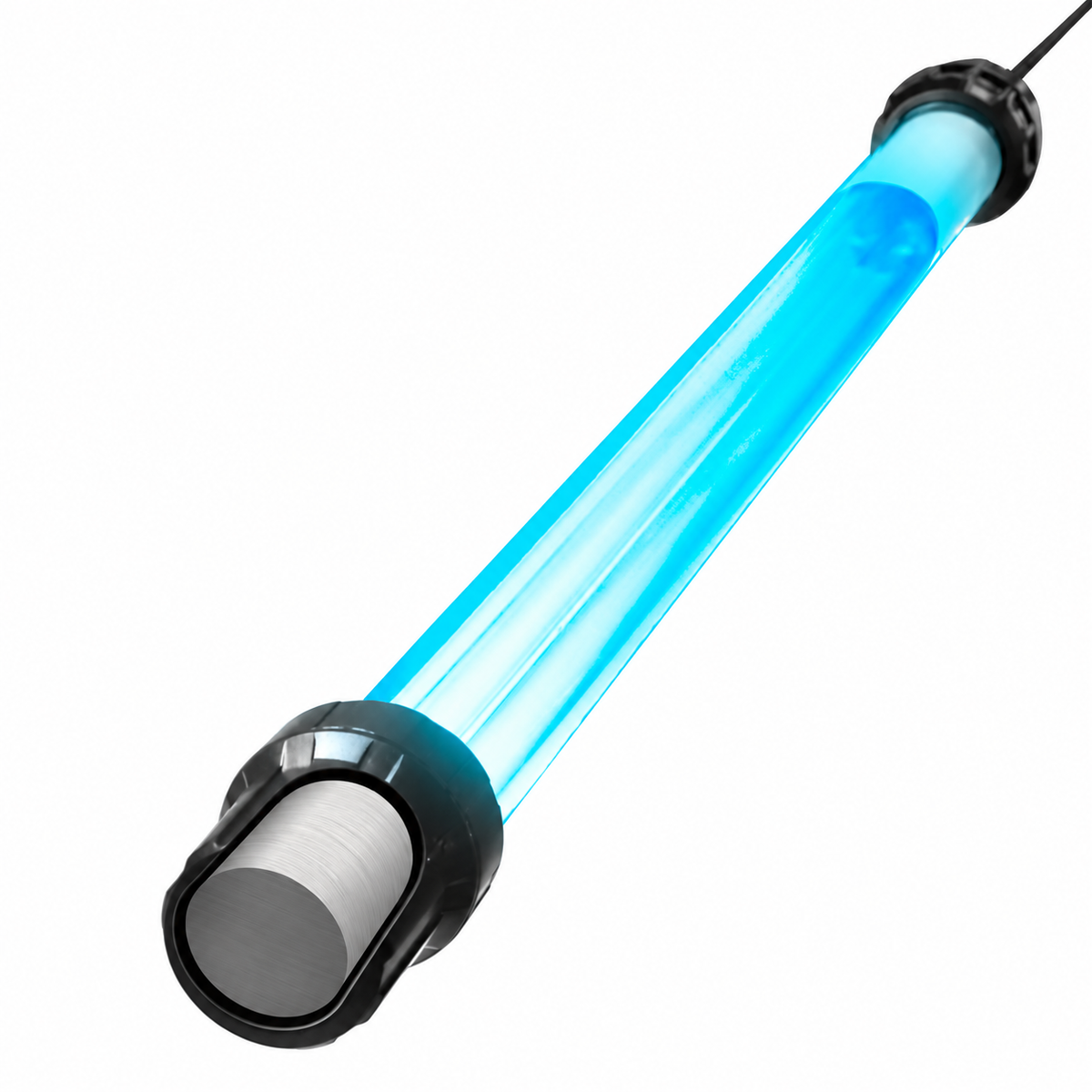
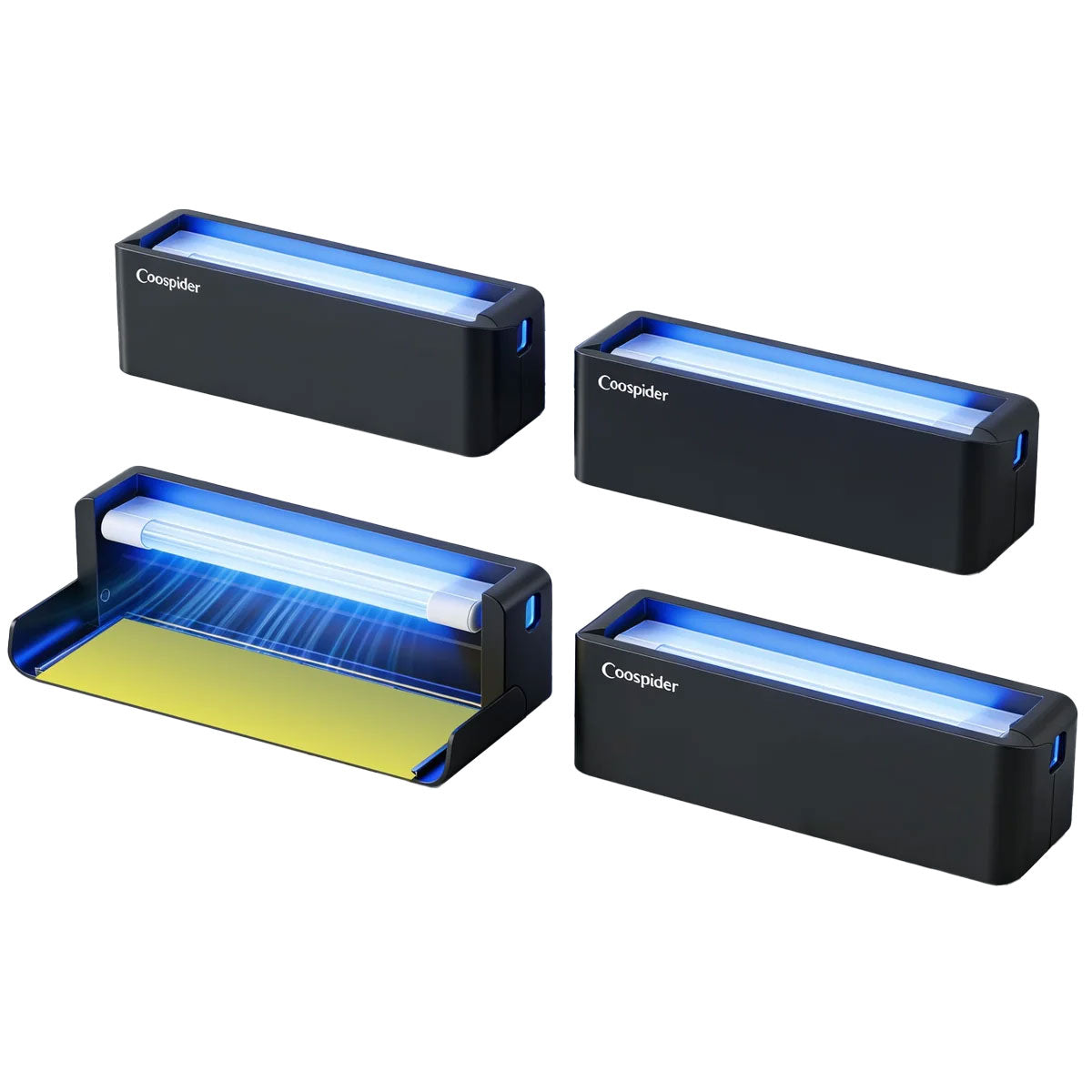
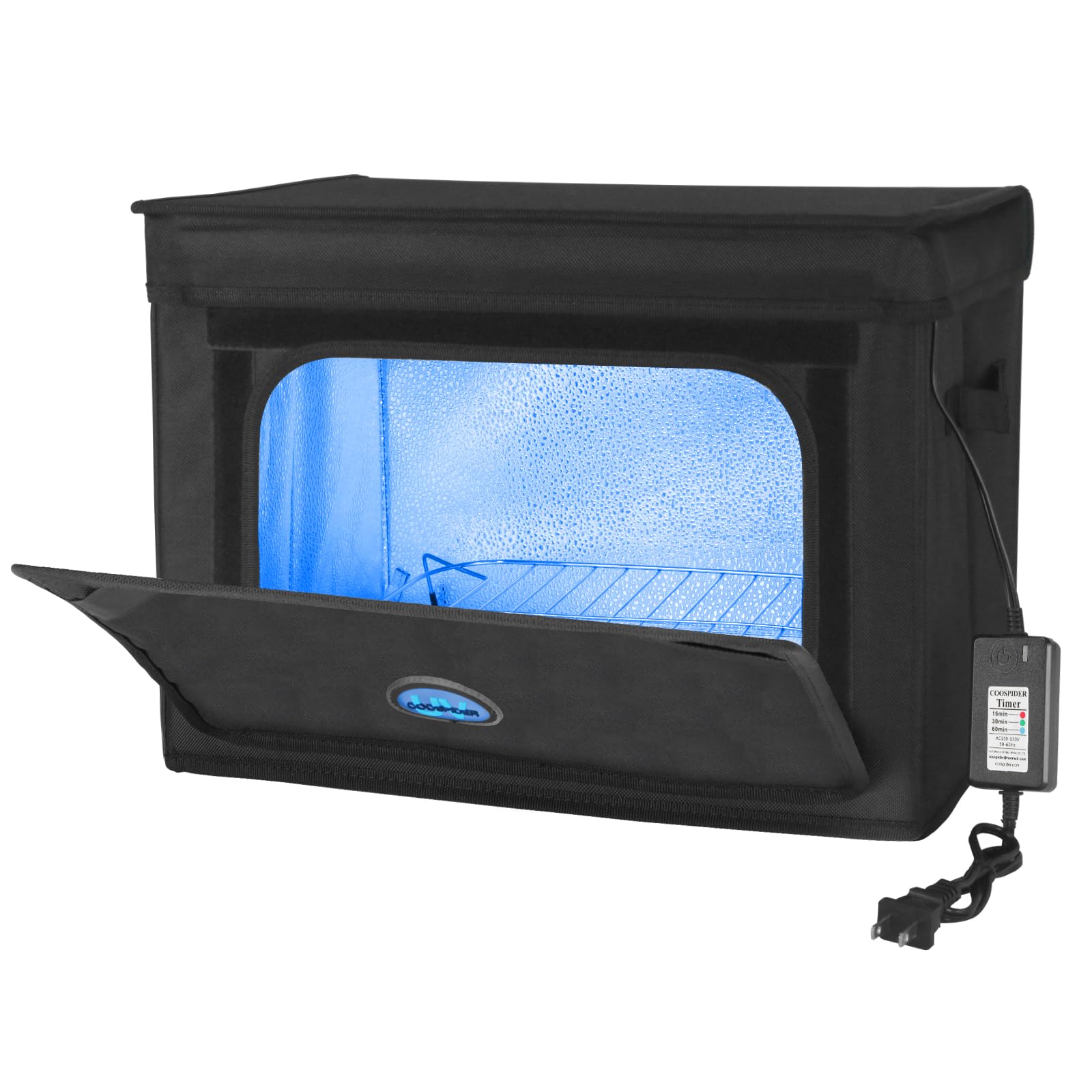
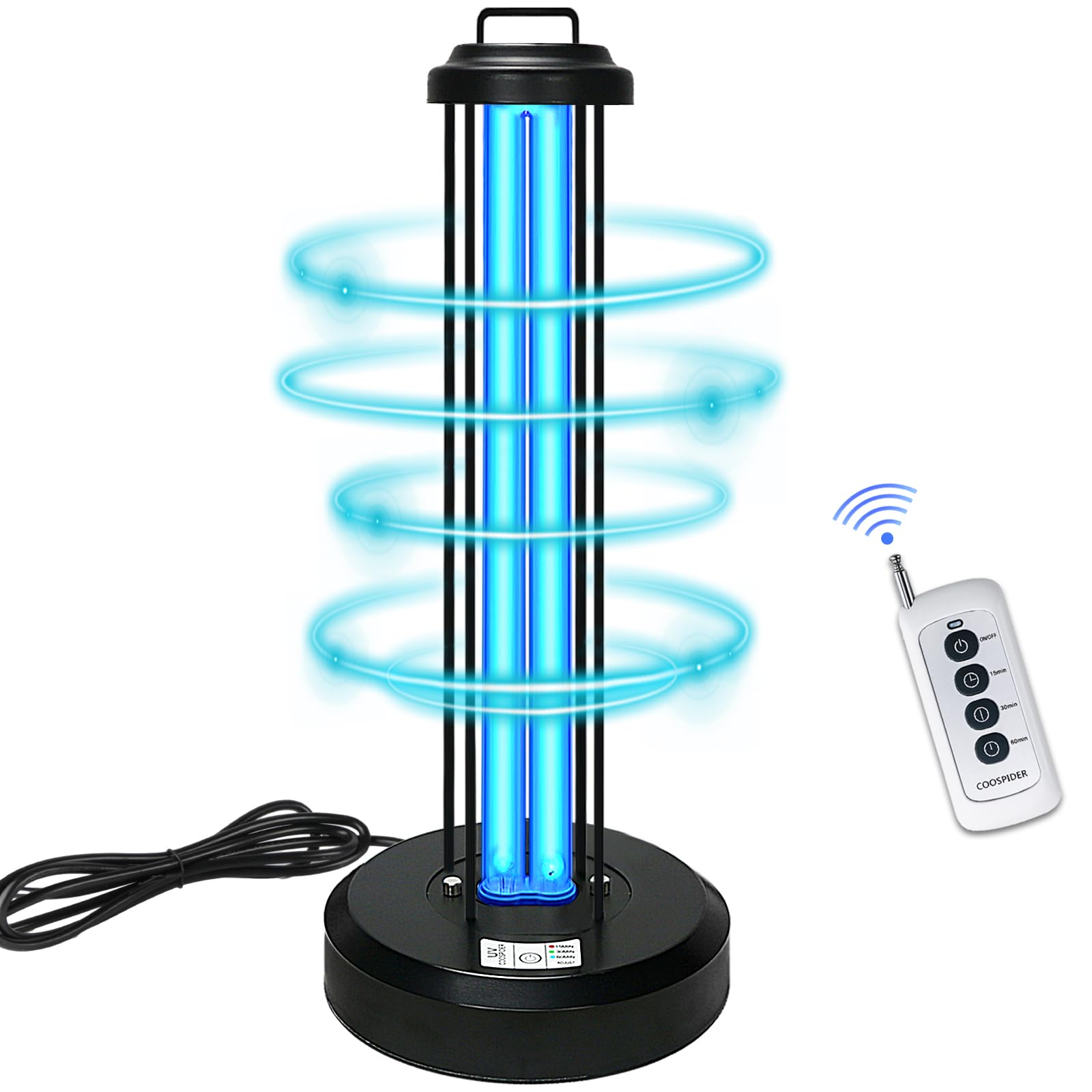
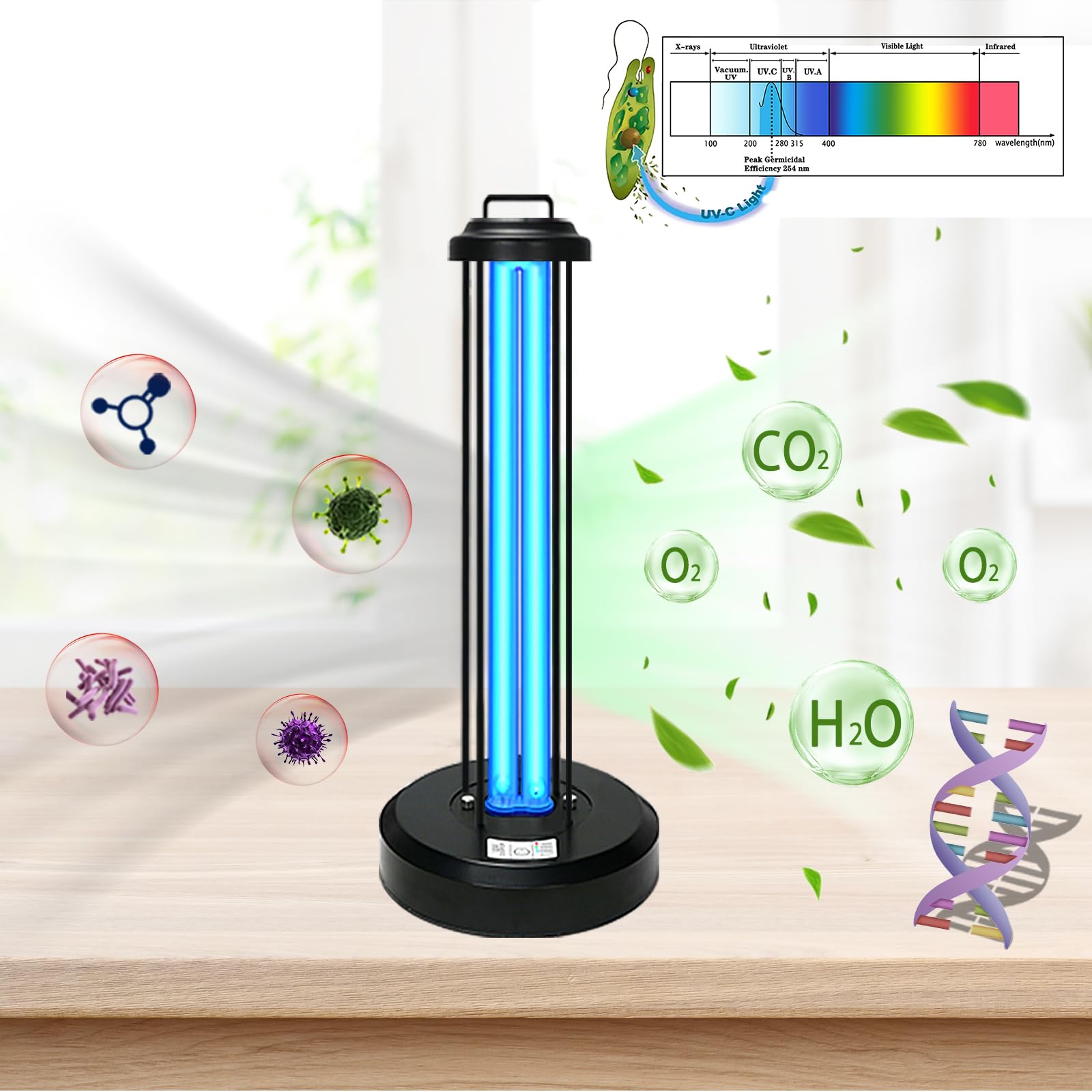
Fortunately, there’s a powerful yet surprisingly simple tool that professional cleaners and veterinarians have relied on for years: the UV ultraviolet light lamp, commonly called a blacklight.
In this comprehensive guide, you’ll learn exactly how UV lamps work, why pet urine becomes invisible yet persistent, how to locate hidden stains instantly, and how to clean them effectively so your home truly feels fresh again.
Why Pet Urine Is Harder to Detect Than You Think
Most pet accidents are not obvious after initial cleaning. You might wipe, shampoo, or vacuum the area and assume the problem is solved. But urine behaves very differently from ordinary spills.
Pet urine contains:
-
Uric acid crystals
-
Proteins
-
Hormones and pheromones
-
Bacteria-producing compounds
When liquid urine penetrates carpet fibers, it travels downward into padding and sometimes even subflooring. As moisture evaporates, microscopic crystals remain behind.
These crystals are nearly invisible under normal lighting conditions but reactivate when exposed to humidity or warmth — releasing odor again days or even weeks later.
This explains why:
-
Your carpet smells worse on humid days
-
Pets repeatedly return to the same spot
-
Cleaning seems effective at first but fails later
The stain was never fully removed — it was simply hidden.
The Science Behind UV Light Detection
UV lamps work because certain biological substances fluoresce under ultraviolet wavelengths.
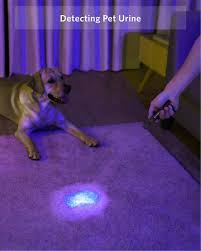
When UV light shines onto urine residue, compounds inside the stain absorb ultraviolet energy and emit visible light. This glowing effect makes hidden contamination instantly stand out against surrounding carpet fibers.
Typically, pet urine appears as:
-
Yellow-green glow
-
Pale neon patches
-
Irregular splash or drip patterns
Even old stains that are months or years old can still fluoresce under UV inspection.
Unlike guesswork cleaning, UV detection allows you to clean precisely where contamination exists.
Why Ordinary Cleaning Methods Often Fail
Many homeowners unknowingly make cleaning mistakes that actually lock stains deeper into carpets.
1. Overusing Water
Adding excessive water dilutes urine temporarily but pushes it further into carpet padding.
2. Using Steam Too Early
Heat can permanently bond proteins to fibers, making stains harder to remove later.
3. Masking Odors Instead of Removing Them
Air fresheners and scented cleaners cover smells without eliminating uric acid crystals.
4. Cleaning Only What You Can See
The largest portion of urine contamination is usually invisible.
This is where UV lamps become essential — they remove the guesswork entirely.
How UV Blacklight Lamps Work Step by Step
Using a UV lamp is simple, but doing it correctly makes a big difference.
Step 1: Darken the Room
Turn off all lights and block outside sunlight if possible. Darkness improves fluorescence visibility.
Step 2: Hold the Lamp Low
Keep the UV light 2–4 feet above the carpet surface.
Step 3: Scan Slowly
Move the light gradually across the floor. Hidden stains will begin glowing.
Step 4: Mark the Areas
Use painter’s tape or small objects to mark detected spots before turning lights back on.
Step 5: Inspect Beyond the Carpet
Check:
-
Baseboards
-
Furniture legs
-
Curtains touching the floor
-
Pet bedding
Urine splashes farther than most people expect.
What Makes Pet Urine Glow Under UV Light?
The glowing effect comes primarily from uric acid salts and phosphorus compounds.
These substances:
-
Reflect UV radiation efficiently
-
Remain stable for long periods
-
Resist ordinary cleaning agents
Even when odor fades temporarily, fluorescence often remains — revealing contamination you would otherwise miss.
Choosing the Right UV Lamp for Home Use
Not all UV lights perform equally. Understanding specifications helps you select an effective tool.
Ideal Wavelength Range
The most effective detection occurs around:
365–395 nanometers (nm)
Lower-quality lights may appear bright but lack proper detection capability.
LED vs. Fluorescent Bulbs
LED UV lamps are generally preferred because they:
-
Consume less energy
-
Produce less heat
-
Last longer
-
Offer stronger focus
Portable vs. Wide-Area Lamps
-
Flashlight-style models are ideal for spot checks.
-
Larger lamps work better for full-room inspections.
When Should You Use a UV Lamp?
UV inspections are especially helpful in these situations:
-
New pet training accidents
-
Persistent carpet odors
-
Moving into a previously occupied home
-
Apartment turnover cleaning
-
Allergy or hygiene concerns
-
Mystery smells with unknown origin
Many homeowners are shocked to discover multiple hidden stains they never knew existed.
How Pets Use Scent Memory (And Why Cleaning Matters)
Animals rely heavily on scent cues. Even faint odor traces signal a “designated bathroom” to pets.
If uric acid remains, your pet’s nose detects it — even when humans cannot.
This creates a behavioral loop:
-
Accident occurs
-
Residual scent remains
-
Pet detects scent
-
Pet marks again
Breaking this cycle requires complete odor removal, not surface cleaning.
The Correct Way to Clean UV-Detected Urine Stains
Once stains are located, proper cleaning becomes far more effective.
Step 1: Blot, Don’t Scrub
Press absorbent towels firmly to remove moisture.
Step 2: Use Enzyme Cleaners
Enzymatic cleaners break down uric acid crystals instead of masking odors.
Step 3: Allow Dwell Time
Let cleaner sit for 10–20 minutes or longer as directed.
Step 4: Gentle Rinse
Lightly rinse to remove residue.
Step 5: Air Dry Completely
Avoid heat drying until odor is gone.
After drying, recheck with UV light to confirm removal.
Common Household Materials That Also Glow
UV light reveals more than urine. You may also notice fluorescence from:
-
Beverage spills
-
Laundry detergent residue
-
Body oils
-
Saliva
-
Certain cleaning products
Learning stain shapes helps distinguish pet urine from harmless residues.
Deep Cleaning vs. Spot Treatment
Spot Treatment Works When:
-
Stains are recent
-
Area is small
-
Padding isn’t saturated
Deep Cleaning Is Needed When:
-
Odor persists after cleaning
-
Multiple stains overlap
-
Carpet feels stiff or crusty
In severe cases, carpet padding replacement may be necessary.
Safety Tips When Using UV Lamps
UV lamps designed for home inspection are generally safe, but basic precautions help ensure comfort.
-
Avoid direct eye exposure
-
Do not stare into LEDs
-
Keep away from children’s eyes
-
Limit prolonged skin exposure
-
Wear yellow-tinted glasses if sensitive
Always follow manufacturer instructions.
Unexpected Benefits of UV Inspection
Many households continue using UV lamps even after solving pet issues.
They are useful for:
-
Detecting bathroom cleanliness issues
-
Checking hotel room hygiene while traveling
-
Finding pest traces
-
Identifying spills before deep cleaning
It becomes a powerful diagnostic cleaning tool.
Preventing Future Pet Accidents
Detection is only part of the solution. Prevention keeps carpets cleaner long term.
Establish Routine Potty Schedules
Consistency reduces indoor accidents.
Reward Outdoor Success
Positive reinforcement strengthens habits.
Clean Immediately
Fresh stains are dramatically easier to remove.
Limit Access During Training
Use gates or closed doors when supervision isn’t possible.
Why Professional Cleaners Always Use UV Light
Professional carpet technicians rarely rely on visual inspection alone.
UV scanning allows them to:
-
Price jobs accurately
-
Target contamination zones
-
Verify cleaning success
-
Avoid missed odor sources
Homeowners can achieve similar results with affordable consumer devices.
The Psychology of a Truly Clean Home
There’s a noticeable difference between a home that looks clean and one that actually is clean at the microscopic level.
Removing invisible contamination improves:
-
Indoor air freshness
-
Confidence when hosting guests
-
Pet behavior consistency
-
Overall comfort
Many people describe a surprising sense of relief once hidden stains are eliminated.
Frequently Asked Questions
Can UV Light Detect Old Stains?
Yes. Uric acid crystals remain detectable for years unless fully removed.
Will Every Glow Be Urine?
No. Some materials fluoresce naturally. Shape and location help identify true pet stains.
Does UV Light Kill Bacteria?
Detection lamps are primarily diagnostic tools, not disinfectants.
How Often Should I Scan My Carpet?
Monthly checks are helpful in homes with young or senior pets.
A Simple Nighttime Inspection Routine
Many pet owners adopt a quick routine:
-
Turn off lights before bed
-
Scan high-risk areas for 2–3 minutes
-
Treat fresh stains immediately
This prevents small problems from becoming permanent odor sources.
Transforming Pet Ownership With Better Cleaning Insight
Living with pets should bring joy — not constant worry about hidden messes. UV ultraviolet lamps provide clarity where normal vision fails, allowing you to maintain a cleaner, healthier environment without excessive effort.
Instead of guessing where odors originate, you can identify problems instantly, clean precisely, and restore your carpet to true freshness.
For households with energetic puppies, aging pets, or multi-pet environments, this simple technology can completely change how you approach home cleaning.
Final Thoughts
Invisible urine stains are one of the most frustrating challenges for pet owners because they hide beneath clean-looking surfaces. Traditional cleaning methods often fail simply because the real problem cannot be seen.
UV blacklight lamps solve this problem by revealing what ordinary light cannot — giving you the power to clean smarter rather than harder.
Once you experience the difference, you may wonder how you ever managed pet cleanup without one.
A playful pet doesn’t have to mean a permanently smelly home. With the right tools, proper techniques, and a little scientific insight, your carpets can stay fresh, hygienic, and welcoming every single day.