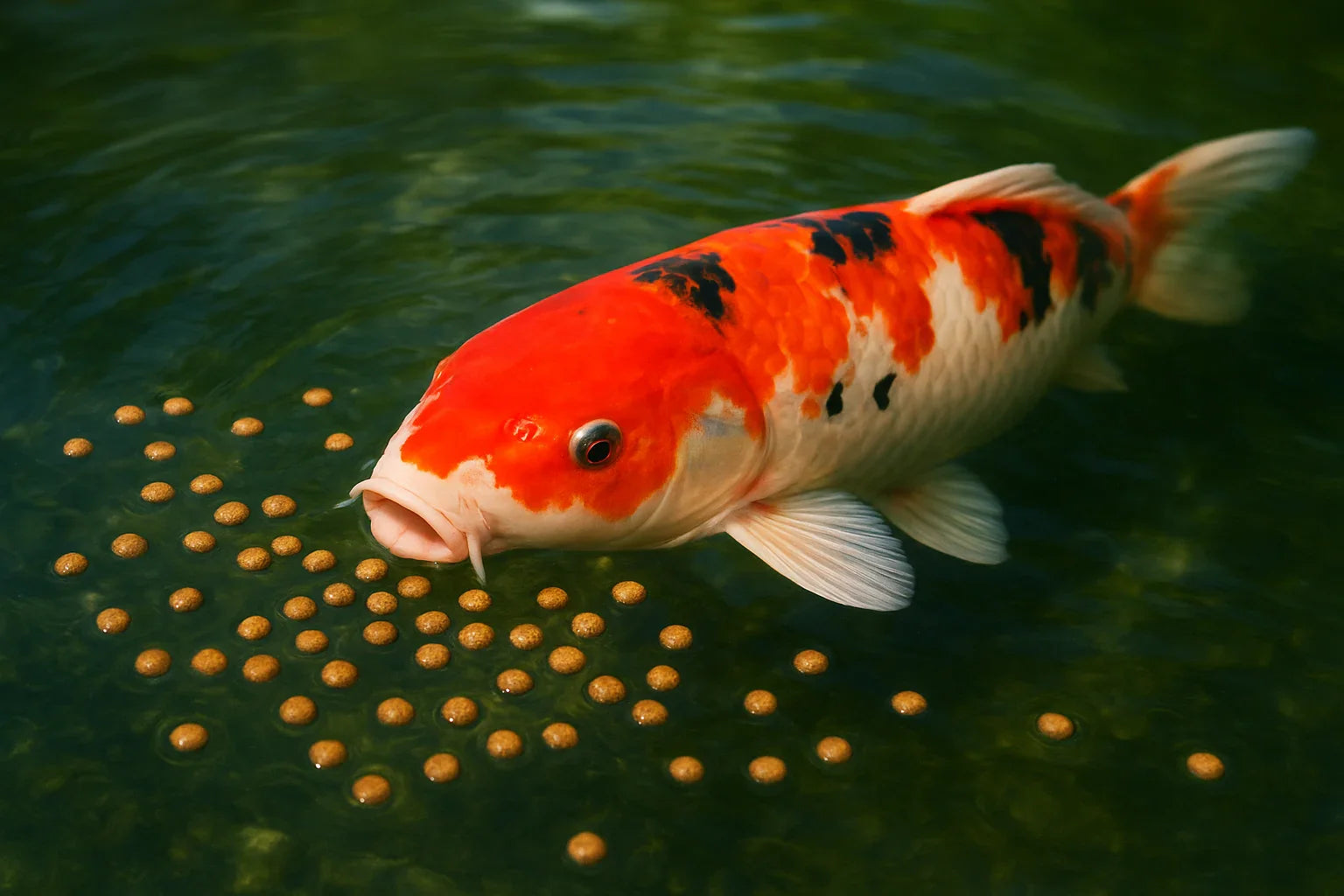
Koi keeping is more than a hobby for many pond owners. It is a blend of art, water management, genetics, patience, and daily observation. Few things are as satisfying as watching a healthy koi glide through clear water with bright crimson reds, deep lacquer blacks, and clean snowy whites. Because color is such a major part of koi appreciation, it is no surprise that “color enhancing” koi foods have become one of the biggest categories in the aquatic market.
Walk through any koi supply store or browse online retailers and you will see labels promising stronger reds, brighter yellows, more intense oranges, and improved overall vibrancy. Terms like “color-up formula,” “premium color enhancer,” “spirulina blend,” and “astaxanthin enriched” appear everywhere. The marketing can sound convincing, but many koi keepers still ask the same question:
Do color-enhancing koi feeds actually work?
The short answer is yes—but not in the magical way many advertisements imply.
Color-enhancing koi foods can help support and intensify certain pigments in koi when used correctly. However, feed alone cannot completely transform poor genetics into championship-level coloration. Water quality, sunlight, stress levels, age, pond conditions, seasonal temperature, and the fish’s bloodline all play enormous roles in how a koi develops its colors.
This guide explores everything pond owners need to know about koi color development, the science behind color-enhancing feeds, the ingredients that matter most, common marketing myths, feeding strategies, seasonal adjustments, and how to safely improve color without damaging long-term skin quality.
Understanding Koi Coloration
Before discussing feeds, it helps to understand how koi develop their appearance.
Koi colors are produced by specialized pigment cells called chromatophores. Different chromatophores contain different pigments:
-
Erythrophores create red pigmentation.
-
Xanthophores produce yellow pigments.
-
Melanophores generate black coloration.
-
Iridophores reflect light and create metallic shine.
-
Leucophores contribute to white appearance.
The arrangement, density, and health of these cells determine the final appearance of the koi.
A koi’s color quality is usually judged based on:
-
Intensity
-
Depth
-
Uniformity
-
Sharp pattern edges
-
Luster
-
Balance between colors
High-quality koi are genetically predisposed to develop excellent color. This is why two fish fed the exact same diet may show dramatically different results.
One koi may develop thick, rich beni (red pigment), while another remains pale despite premium feeding.
This leads to one of the most important truths in koi keeping:
Genetics Set the Ceiling
No feed can permanently create elite coloration if the fish lacks the genetic potential.
Color-enhancing foods can support pigment expression, but they cannot rewrite the koi’s biological blueprint.
Think of feed as polishing an existing gemstone rather than creating a diamond from ordinary rock.
What Are Color-Enhancing Koi Foods?
Color-enhancing koi foods are specialized diets formulated to intensify pigments naturally present in koi skin.
These foods typically contain elevated levels of carotenoids and other pigment-supporting compounds.
Common ingredients include:
-
Spirulina
-
Astaxanthin
-
Krill meal
-
Marigold extract
-
Paprika
-
Shrimp meal
-
Chlorella algae
-
Beta-carotene
-
Canthaxanthin
The purpose of these ingredients is to help koi deposit stronger pigments into their chromatophores.
Most color foods focus heavily on enhancing:
-
Red
-
Orange
-
Yellow
Some formulas also aim to improve black coloration and metallic sheen.
The Science Behind Color Enhancement
Koi cannot efficiently produce many color pigments on their own.
Instead, they absorb pigment compounds from their diet.
Carotenoids are among the most important compounds involved in color development.
These naturally occurring pigments are found in algae, crustaceans, plants, and microorganisms.
When koi consume carotenoid-rich foods, their bodies process and deposit those pigments into skin cells.
This can gradually intensify coloration over time.
Astaxanthin
Astaxanthin is one of the most powerful natural pigments used in koi foods.
It is commonly derived from:
-
Microalgae
-
Krill
-
Shrimp
-
Yeast
Astaxanthin is responsible for the pink-red coloration seen in salmon and flamingos.
In koi, it can deepen red and orange tones when fed properly.
Spirulina
Spirulina is another highly popular ingredient.
This blue-green algae contains:
-
Carotenoids
-
Vitamins
-
Amino acids
-
Antioxidants
-
Trace minerals
Spirulina is often associated with improving:
-
Red intensity
-
Skin luster
-
Immune support
Many premium koi foods include spirulina as a central ingredient.
Krill and Shrimp Meal
Marine proteins such as krill and shrimp meal provide both nutrition and pigment support.
These ingredients contain naturally occurring carotenoids that can contribute to richer coloration.
They also improve palatability, encouraging koi to feed aggressively.
Do Color Feeds Really Produce Visible Results?
In many cases, yes.
Pond owners often notice:
-
Stronger reds
-
More vibrant orange areas
-
Better overall skin glow
-
Increased sheen
-
Improved color consistency
However, the results vary widely.
Some koi respond dramatically while others show only subtle changes.
Several factors determine effectiveness.
Genetics
Genetics remain the biggest factor.
A high-quality Kohaku with strong hereditary beni may respond extremely well to color-enhancing diets.
A lower-grade fish with weak pigment genetics may improve slightly but never develop thick, rich coloration.
Age
Young koi often respond differently than mature fish.
Juvenile koi are still developing pigment structures.
Overusing aggressive color foods on young koi can sometimes push color too quickly, leading to unstable long-term results.
Some breeders intentionally avoid heavy color feeding in young fish because it may create artificial short-term intensity that later deteriorates.
Water Quality
Even the best koi feed cannot compensate for poor water.
Color quality often declines in ponds with:
-
High ammonia
-
Elevated nitrites
-
Dirty filters
-
Excess organic waste
-
Poor oxygenation
-
Unstable pH
Healthy skin requires excellent environmental conditions.
Koi kept in pristine water usually display stronger natural coloration even before dietary adjustments.
Sunlight
Moderate natural sunlight often improves koi appearance.
Outdoor ponds typically produce better color than poorly lit indoor systems.
However, excessive UV exposure and overheating can create stress.
Balanced lighting conditions are ideal.
Stress Levels
Stress negatively impacts pigment quality.
Common stressors include:
-
Overcrowding
-
Predator pressure
-
Frequent handling
-
Rapid temperature swings
-
Aggressive tankmates
-
Poor oxygen levels
Stress can dull colors and weaken immune response.
The Biggest Myth About Color Foods
One of the most common misconceptions is that stronger color automatically means better koi.
This is not always true.
Overusing intense color-enhancing feeds can sometimes create unnatural or muddy coloration.
For example:
-
Whites may become yellowed.
-
Red patterns may thicken excessively.
-
Pattern edges may lose sharpness.
-
Skin quality may appear coarse.
High-end koi appreciation values balance and refinement—not just intensity.
A snow-white base with clean contrast is often more desirable than overly saturated color.
Experienced hobbyists understand that restraint matters.
Can Color Foods Damage White Areas?
Yes, under certain conditions.
Heavy use of spirulina-rich diets can sometimes stain or yellow white skin areas, especially in lighter-colored varieties.
This is particularly important for:
-
Kohaku
-
Sanke
-
Showa
-
Platinum Ogon
-
Shiro Utsuri
Many keepers alternate between growth food, staple food, and color food to avoid over-saturation.
Premium formulations attempt to balance pigment enhancement while preserving clean whites.
Still, moderation is essential.
Different Types of Koi Foods
Understanding feed categories helps pond owners build a smarter feeding strategy.
Staple Food
Staple diets are everyday maintenance foods.
They provide balanced nutrition for:
-
Energy
-
Digestion
-
Basic growth
-
Immune support
Most ponds should rely primarily on a high-quality staple food.
Growth Food
Growth formulas contain elevated protein and fat levels.
These foods are designed for:
-
Juvenile koi
-
Warm-water growth seasons
-
Body development
-
Muscle formation
Overfeeding growth diets can create excessive waste if filtration is inadequate.
Color Food
Color-enhancing foods prioritize pigment support.
These formulas often contain higher carotenoid levels.
They are usually fed:
-
Seasonally
-
As supplements
-
Before shows
-
During warm months
Wheat Germ Food
Wheat germ diets are easier to digest in cooler temperatures.
They are commonly used:
-
In spring
-
In fall
-
During lower metabolism periods
These foods help reduce digestive stress.
How to Use Color-Enhancing Food Correctly
The best results come from proper timing and moderation.
Feed During Warm Water Temperatures
Koi digest food most efficiently when water temperatures remain between 68°F and 78°F.
During this range:
-
Metabolism increases
-
Nutrient absorption improves
-
Pigment processing becomes more effective
Feeding heavy color diets in cold water may cause digestive problems and poor utilization.
Rotate Foods
Many experienced keepers avoid feeding color food exclusively.
Instead, they rotate:
-
Staple food
-
Growth food
-
Color food
A balanced rotation helps maintain:
-
Healthy digestion
-
Better skin quality
-
Stable coloration
-
Cleaner whites
Avoid Overfeeding
Overfeeding creates multiple problems:
-
Poor water quality
-
Increased algae
-
Higher ammonia
-
Fat accumulation
-
Reduced oxygen
All of these issues can indirectly hurt color quality.
Feed only what koi can consume within a few minutes.
Observe Individual Fish
Every koi responds differently.
Some fish develop deeper reds quickly.
Others may show yellowing or overly thick pigment.
Observation is critical.
Adjust feeding based on the actual response of your koi—not just product instructions.
The Role of Protein in Color Development
Many hobbyists focus entirely on pigment ingredients while overlooking protein quality.
Protein plays a major role in:
-
Skin repair
-
Scale development
-
Muscle growth
-
Overall health
Healthy skin provides the foundation for strong coloration.
Poor-quality protein sources may reduce:
-
Digestibility
-
Growth efficiency
-
Skin condition
Premium koi foods usually contain high-quality marine proteins that support both body structure and appearance.
Natural Foods That Support Koi Color
In outdoor ponds, koi often consume natural organisms that contribute to pigmentation.
These include:
-
Algae
-
Insect larvae
-
Small crustaceans
-
Plant matter
-
Biofilm organisms
A healthy pond ecosystem can naturally supplement color development.
Some hobbyists also offer occasional treats such as:
-
Shrimp
-
Watermelon
-
Orange slices
-
Silkworm pupae
-
Peas
These should remain occasional supplements rather than dietary staples.
Seasonal Feeding Strategies for Better Color
Koi coloration changes throughout the year.
Water temperature strongly influences metabolism and pigment expression.
Spring
As temperatures rise, koi gradually resume active feeding.
Spring goals include:
-
Digestive recovery
-
Immune support
-
Slow transition to higher protein
Wheat germ and easily digestible staple foods are ideal.
Summer
Summer is prime color-development season.
Warm temperatures support:
-
Faster metabolism
-
Improved pigment absorption
-
Rapid growth
This is when many keepers introduce moderate color-enhancing diets.
Fall
As water cools, digestion slows.
Heavy color feeding should decrease.
Focus shifts toward:
-
Digestibility
-
Stable health
-
Winter preparation
Winter
In cold climates, feeding may stop entirely.
Koi metabolism becomes extremely slow.
Feeding high-protein or heavy color foods during very cold conditions can cause serious health problems.
Can Cheap Color Foods Be Harmful?
Unfortunately, yes.
Low-quality feeds sometimes rely on excessive artificial pigments or poor ingredients.
Potential problems include:
-
Poor digestion
-
Excessive waste
-
Water pollution
-
Weak long-term health
-
Artificial-looking coloration
Very cheap feeds may also lack balanced nutrition.
Koi health should always come before cosmetic enhancement.
A healthy koi with moderate color is preferable to a brightly colored fish suffering internal stress.
Signs of a High-Quality Koi Food
When evaluating koi feed, consider:
Ingredient Quality
Look for identifiable protein sources such as:
-
Fish meal
-
Krill meal
-
Shrimp meal
-
Spirulina
Avoid feeds dominated by low-value fillers.
Digestibility
High digestibility reduces waste production.
Cleaner digestion helps maintain better water quality.
Balanced Nutrition
Good koi foods support:
-
Immune function
-
Growth
-
Skin quality
-
Energy
-
Organ health
Color enhancement should not come at the expense of overall nutrition.
Manufacturer Reputation
Established koi food manufacturers usually invest more heavily in:
-
Ingredient sourcing
-
Nutritional research
-
Quality control
-
Consistency
Experienced koi keepers often trust brands with long-standing reputations.
Understanding Beni, Sumi, and Shiroji
Serious koi hobbyists often discuss three key color elements.
Beni
Beni refers to red pigmentation.
Good beni appears:
-
Thick
-
Even
-
Glossy
-
Deep without looking muddy
Color-enhancing foods most strongly influence beni.
Sumi
Sumi refers to black pigmentation.
Quality sumi should appear:
-
Dense
-
Lacquer-like
-
Well-defined
Sumi development is influenced heavily by genetics and water conditions.
Feed has less impact on sumi compared to red pigmentation.
Shiroji
Shiroji refers to white skin quality.
Excellent shiroji should look:
-
Bright
-
Clean
-
Snowy
-
Reflective
Excessive color feeding may reduce white purity.
Maintaining strong shiroji is often one of the biggest challenges in advanced koi keeping.
The Connection Between Water Quality and Color
Many beginners spend heavily on premium feed while neglecting filtration.
This is a mistake.
Excellent water often contributes more to koi beauty than expensive food.
Important water parameters include:
-
Ammonia: 0 ppm
-
Nitrite: 0 ppm
-
Stable pH
-
Strong oxygenation
-
Low dissolved waste
-
Consistent temperature
Clear water alone does not guarantee good water quality.
Biological stability is critical.
Poor water conditions can lead to:
-
Stress
-
Dull coloration
-
Fin damage
-
Skin irritation
-
Increased disease risk
Stable ponds usually produce healthier and more vibrant koi.
Why Some Koi Lose Color Over Time
Many pond owners notice color fading as koi age.
This can happen for several reasons.
Genetics
Some bloodlines simply lose intensity with maturity.
Stress
Chronic stress suppresses healthy pigmentation.
Poor Diet
Nutritional deficiencies weaken skin quality.
Temperature Fluctuations
Rapid seasonal swings can temporarily affect color.
Aging
Older koi may naturally experience pigment changes.
Sun Exposure
Improper lighting conditions can influence skin appearance.
Some fading is normal and not always reversible.
Are Homemade Koi Diets Good for Color Enhancement?
Some hobbyists experiment with homemade koi foods.
Ingredients may include:
-
Seafood
-
Vegetables
-
Spirulina powder
-
Gelatin
-
Vitamins
Homemade diets can work, but they carry risks.
Balancing nutrition correctly is difficult.
Deficiencies in:
-
Amino acids
-
Vitamins
-
Minerals
-
Essential fatty acids
may eventually harm koi health.
Commercial premium foods are generally safer for long-term nutritional consistency.
The Truth About “Instant” Color Improvement
Any product promising dramatic overnight color changes should be viewed skeptically.
Healthy pigment development takes time.
Visible improvements usually require:
-
Weeks
-
Consistent feeding
-
Stable water quality
-
Proper temperatures
Koi coloration is a gradual biological process.
Shortcuts often create temporary cosmetic effects rather than lasting quality.
How Japanese Breeders Approach Color Development
Top Japanese breeders focus on far more than feed.
Their approach includes:
-
Selective genetics
-
Mineral-rich water
-
Controlled mud ponds
-
Seasonal growth cycles
-
Stress reduction
-
Precise feeding management
Mud ponds especially contribute to skin quality and body development.
Natural environments provide minerals and microorganisms difficult to replicate artificially.
This is one reason Japanese-grown koi often display exceptional skin luster.
Common Mistakes When Using Color Foods
Feeding Too Much
More color food does not necessarily mean better results.
Overfeeding may damage water quality and skin balance.
Using Color Food Year-Round
Continuous heavy pigment feeding can reduce white quality.
Ignoring Water Quality
Even the best feed cannot overcome dirty water.
Buying Based Only on Marketing
Flashy packaging does not guarantee superior nutrition.
Expecting Genetics to Change
Feed enhances existing potential—it does not create entirely new traits.
Neglecting Observation
Every koi responds differently.
Successful keepers monitor changes closely.
Should Beginners Use Color-Enhancing Foods?
Yes, but cautiously.
Beginners often benefit more from focusing on:
-
Stable filtration
-
Proper stocking density
-
Consistent maintenance
-
Good staple nutrition
Once the pond environment is healthy, moderate use of color-enhancing food can provide noticeable improvements.
For most hobbyists, balance is more important than aggressive enhancement.
Best Practices for Long-Term Color Quality
If your goal is beautiful koi over many years, focus on the complete system.
Prioritize Water Quality
Stable, clean water remains the foundation of koi health.
Feed High-Quality Nutrition
Choose reputable foods with balanced ingredients.
Use Color Foods Strategically
Moderate seasonal use often produces the safest results.
Avoid Stress
Healthy, calm koi display stronger coloration.
Provide Space
Crowded ponds increase stress and water instability.
Monitor Changes Slowly
Color development should be evaluated over months rather than days.
How Long Does It Take to See Results?
Most koi keepers begin noticing subtle changes after several weeks of consistent feeding.
More significant results may take:
-
One to three months
-
An entire warm season
-
Multiple growth cycles
Patience is essential.
Rapid artificial enhancement rarely leads to the best long-term outcomes.
Is Natural Color Better Than Artificial Enhancement?
Many advanced hobbyists believe natural development produces the most elegant results.
Rather than forcing intense coloration quickly, they aim for:
-
Healthy skin
-
Balanced growth
-
Stable pigment
-
Strong body shape
-
Clean white areas
A naturally developed koi often ages more gracefully than one pushed aggressively with heavy color diets.
Choosing the Right Food for Different Koi Varieties
Different koi varieties may respond differently to pigment-focused diets.
Kohaku
Kohaku require strong red quality without compromising white skin.
Moderate color feeding works best.
Showa
Showa benefit from balanced support for:
-
Red
-
Black
-
White contrast
Water quality strongly affects overall appearance.
Ogon
Metallic koi rely heavily on skin luster.
Excessive pigment feeding may dull metallic brightness.
Chagoi
Color enhancement is less critical for Chagoi compared to body growth and skin texture.
Butterfly Koi
Butterfly koi often benefit more from nutrition supporting finnage and body condition.
The Role of Minerals in Koi Skin Quality
Mineral content in water can influence koi appearance.
Calcium, magnesium, and trace elements affect:
-
Scale quality
-
Skin texture
-
Overall luster
Some hobbyists add mineral products carefully to improve skin appearance.
However, drastic chemical manipulation can destabilize ponds.
Consistency matters more than chasing perfect numbers.
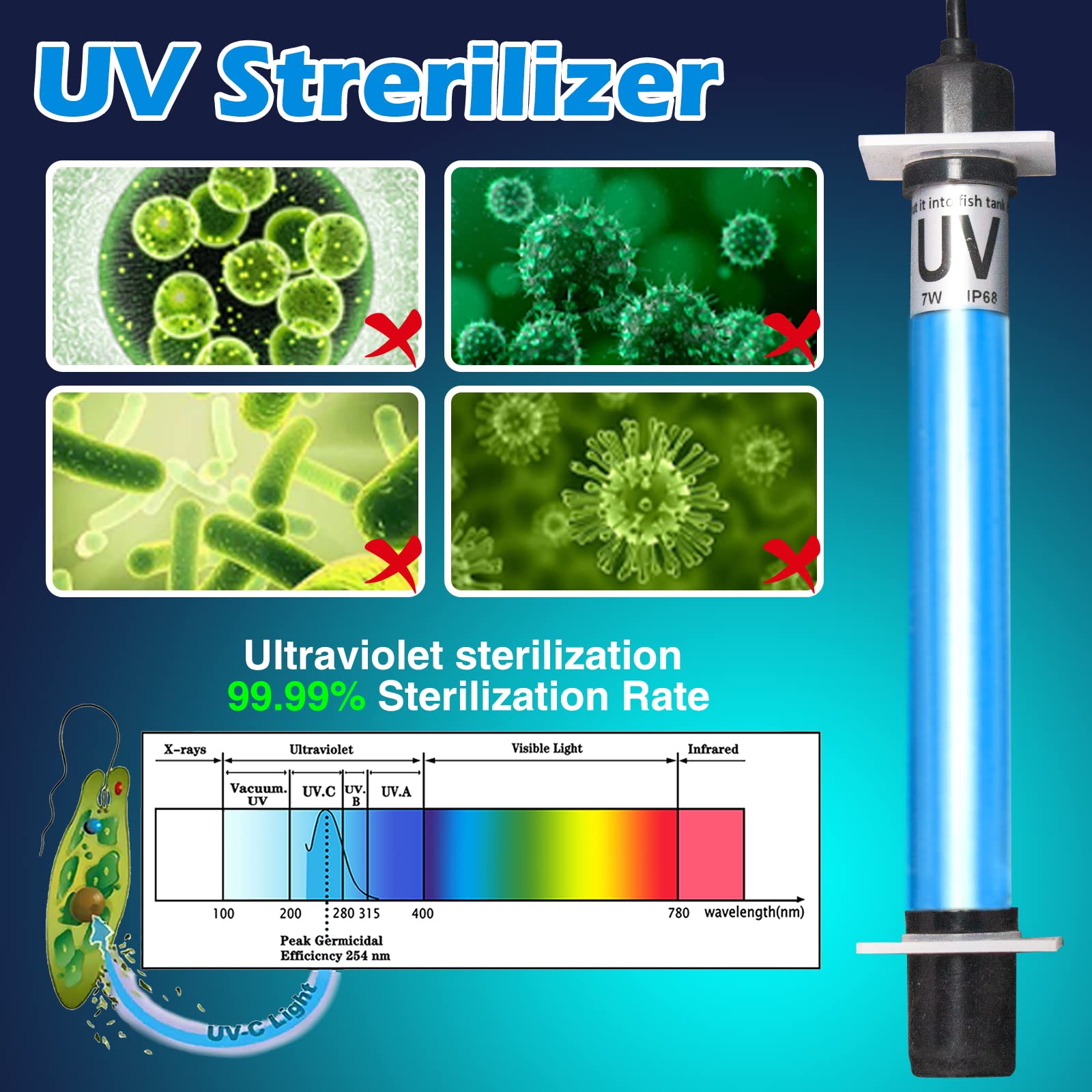
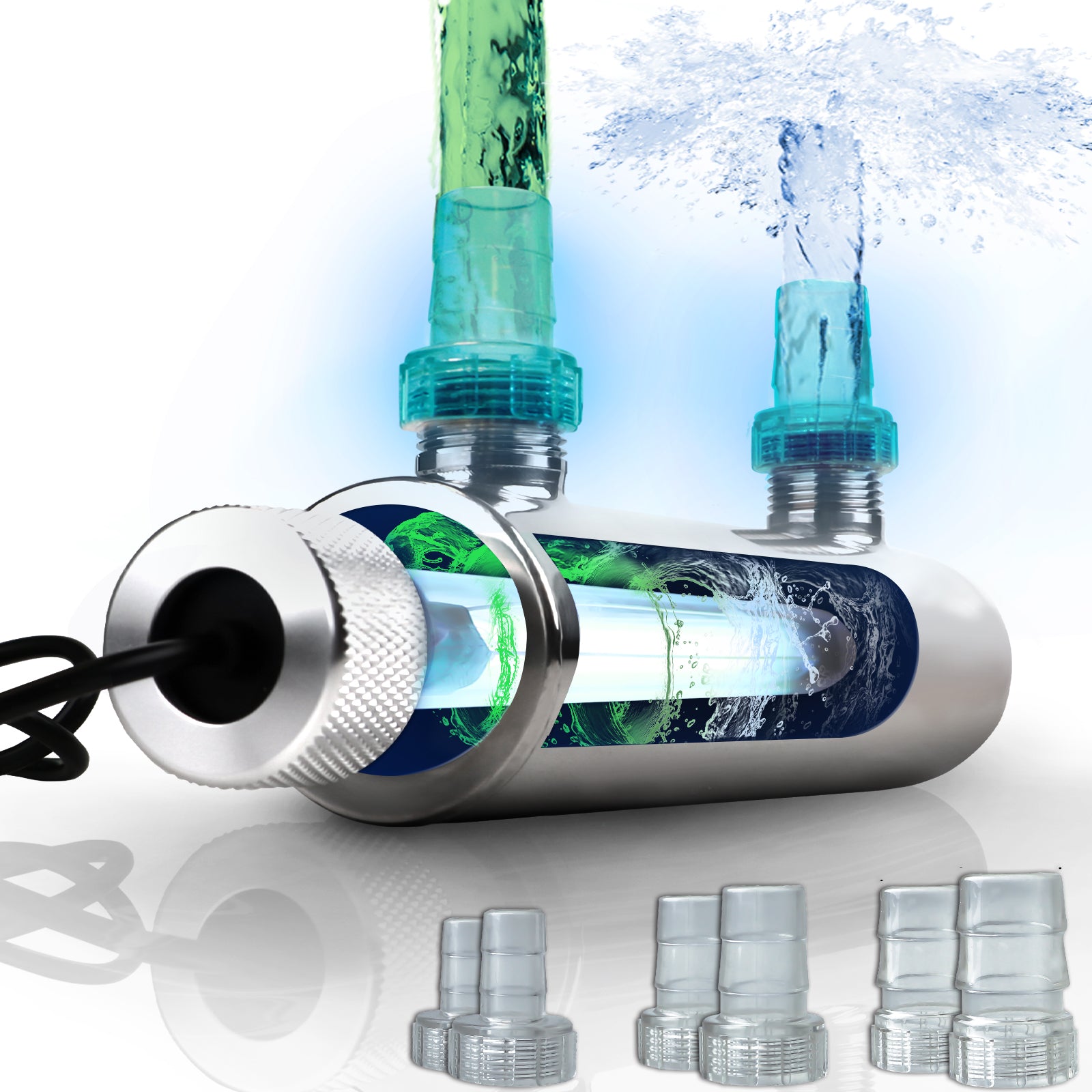
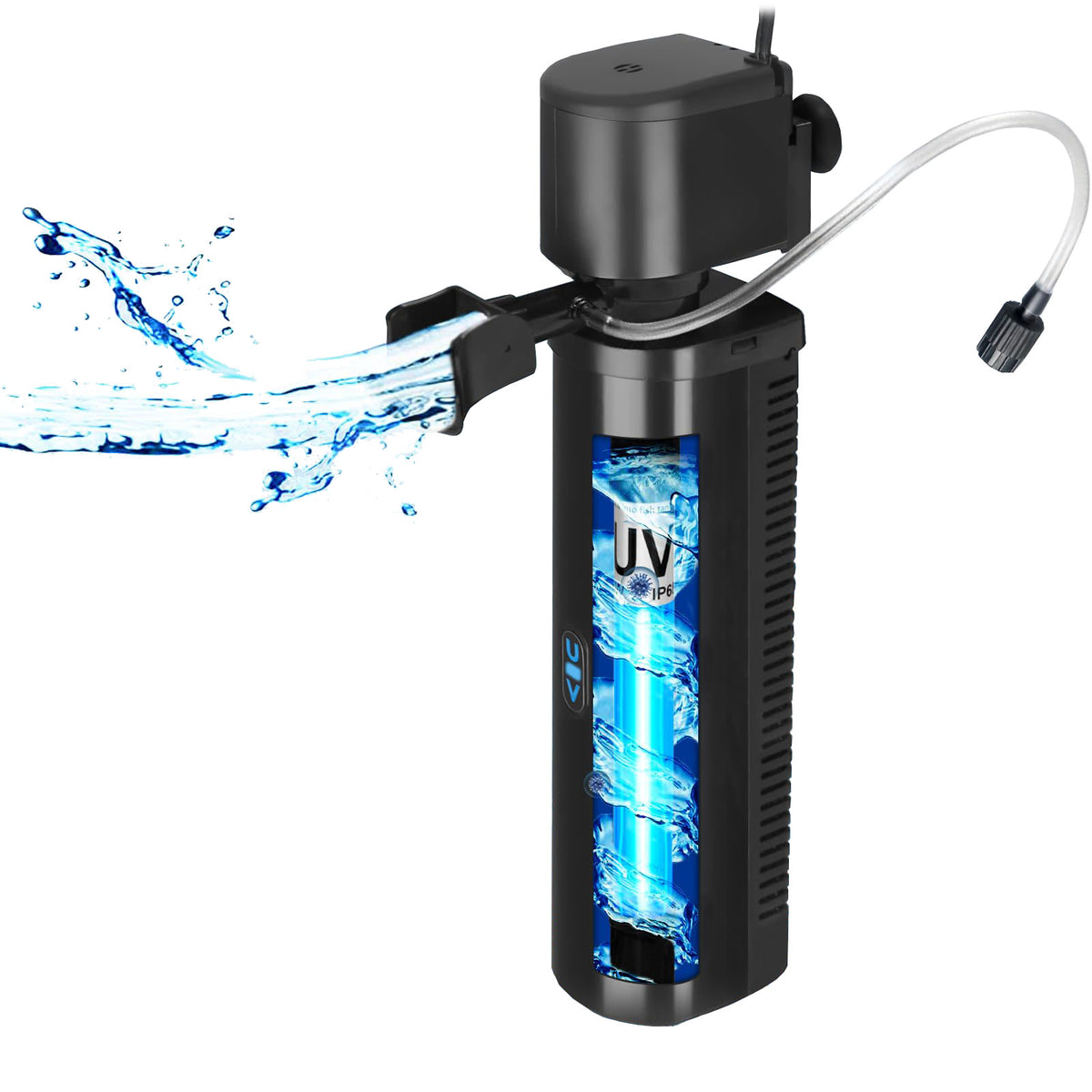
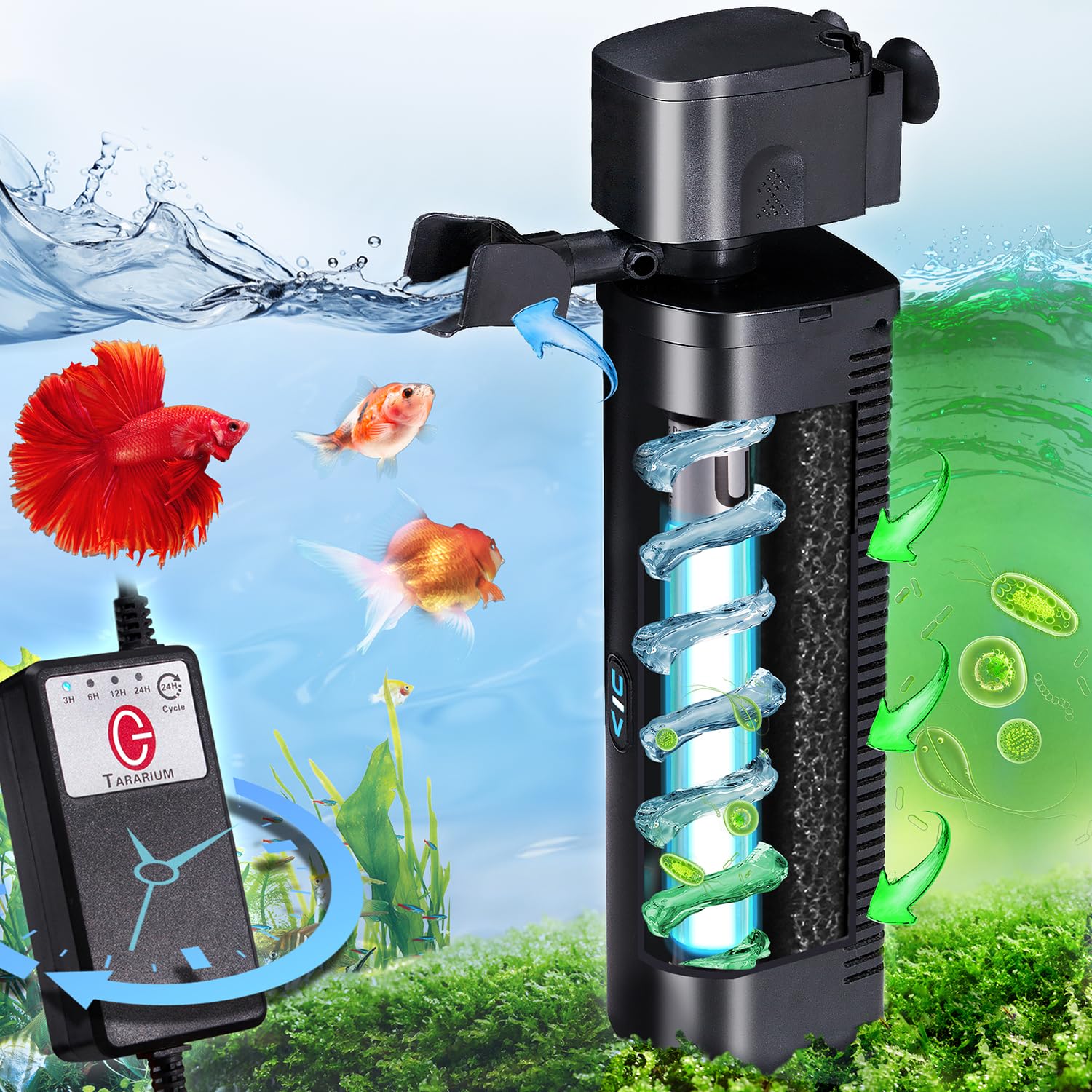
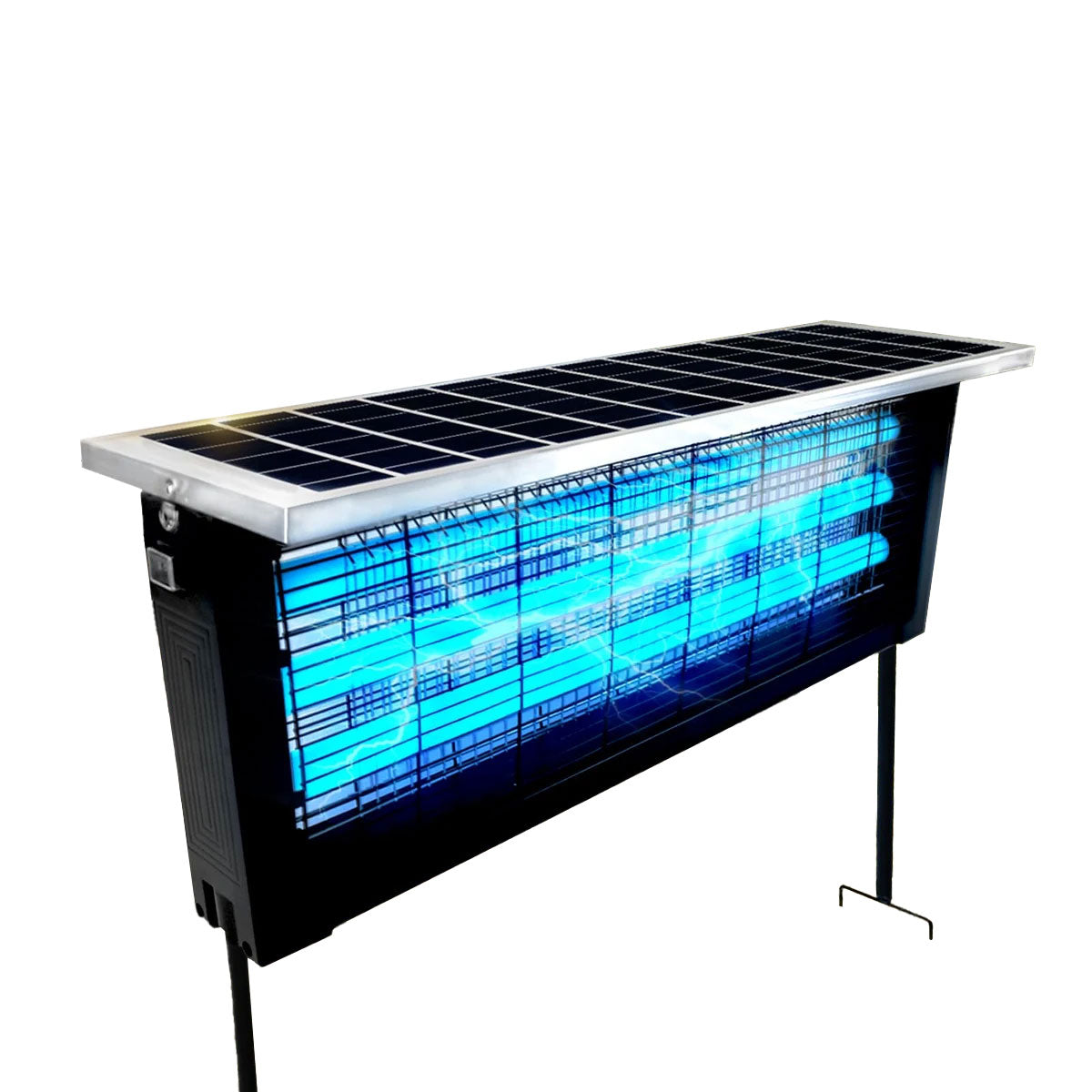
Can UV Clarifiers Affect Koi Color?
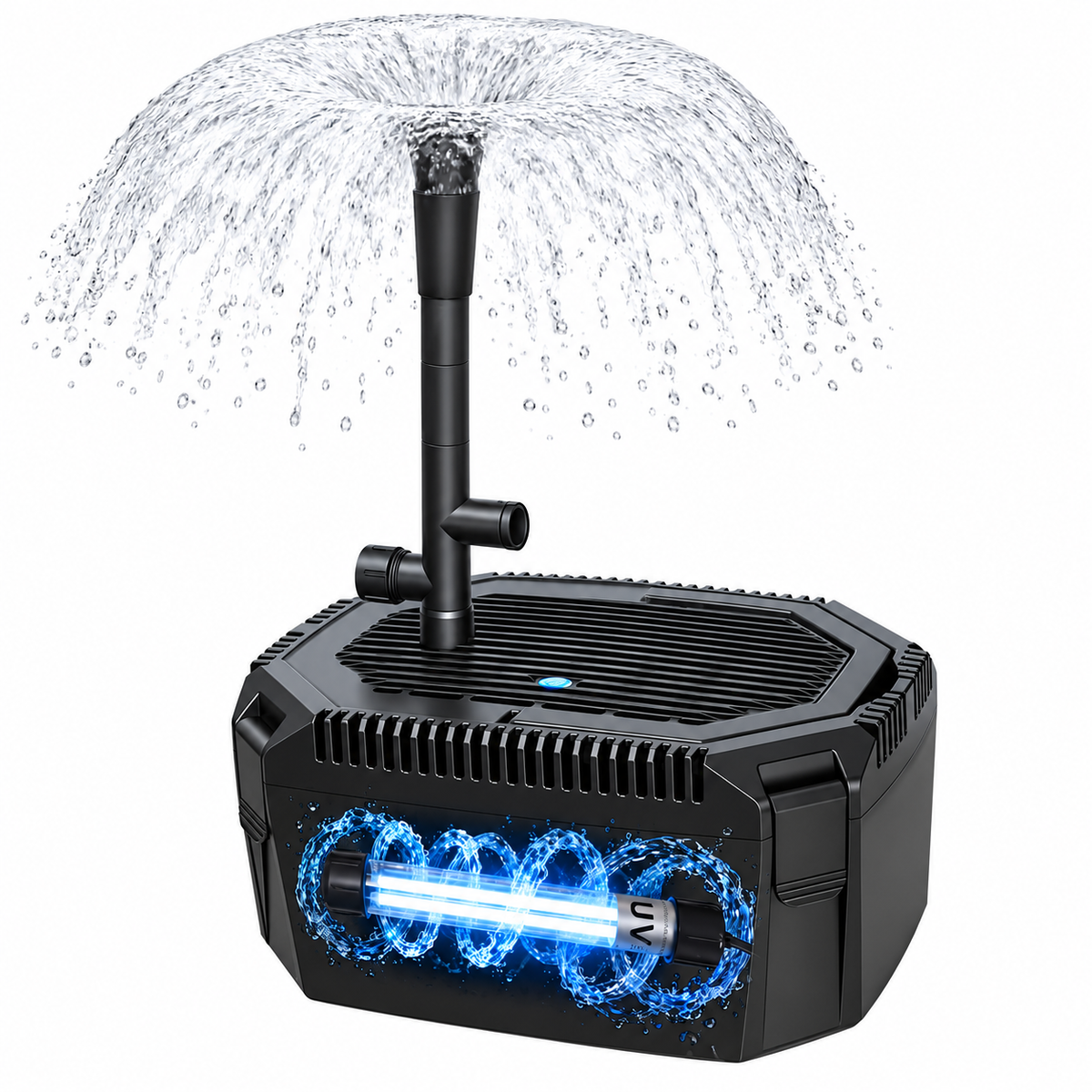
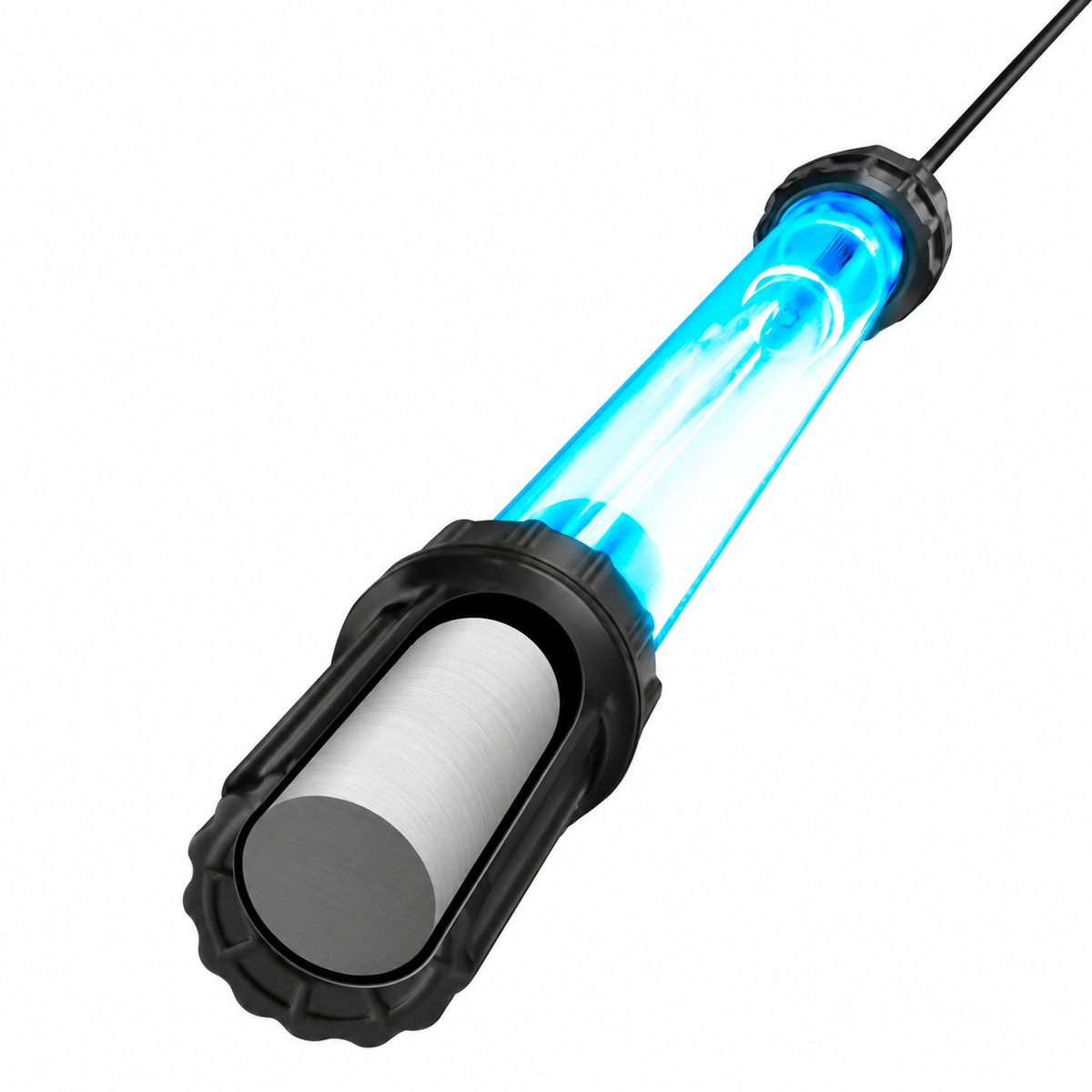
UV clarifiers help control green water by killing free-floating algae.
They generally do not directly harm koi coloration.
In fact, clearer water may improve visual appreciation of koi colors.
However, UV systems should complement—not replace—proper filtration and maintenance.
Understanding Skin Luster
Color intensity alone does not determine beauty.
Top-quality koi often possess extraordinary skin luster.
Luster refers to the glowing, reflective appearance of healthy skin.
Good luster usually comes from:
-
Excellent health
-
Proper nutrition
-
Stable water
-
Strong genetics
-
Low stress
This quality cannot be faked easily.
Are Expensive Koi Foods Worth It?
Sometimes yes.
Premium feeds often contain:
-
Better protein sources
-
Higher digestibility
-
More stable formulations
-
Improved vitamin preservation
-
Superior ingredient consistency
For valuable koi, investing in high-quality nutrition can make sense.
However, expensive food alone will not compensate for poor husbandry.
A balanced system always matters more than any single product.
Building a Complete Color Enhancement Strategy
The best koi color programs combine multiple factors.
Nutrition
Use balanced, reputable foods with moderate pigment support.
Filtration
Maintain excellent biological filtration.
Water Changes
Regular water changes dilute waste and stabilize conditions.
Aeration
High oxygen levels support metabolism and health.
Observation
Monitor each koi individually.
Seasonal Adjustments
Adapt feeding schedules to temperature changes.
Patience
Long-term development produces the best results.
Final Verdict: Do “Color Boosting” Koi Foods Really Work?
Yes—when used correctly.
Color-enhancing koi feeds can absolutely improve pigmentation, especially red and orange tones. Ingredients such as spirulina, astaxanthin, krill, and carotenoids genuinely support pigment development.
However, these foods are not miracle products.
They work best when combined with:
-
Strong genetics
-
Excellent water quality
-
Proper pond management
-
Seasonal feeding strategies
-
Low stress
-
Balanced nutrition
The biggest mistake is expecting feed alone to create championship-quality koi.
True koi beauty comes from the combination of health, environment, genetics, and careful long-term care.
For most pond keepers, moderate and intelligent use of color-enhancing food can help koi display richer, healthier coloration without sacrificing skin quality.
The goal should never be artificial intensity at any cost.
Instead, aim for vibrant, balanced, healthy koi that continue improving year after year.
That is the real secret behind stunning pond fish.