Modern cooling systems are no longer just about moving air or circulating coolant. In many industrial environments, HVAC systems, data centers, cleanrooms, and specialized equipment enclosures, UV lamp-integrated fan systems play a dual role: temperature regulation and microbial control. While most maintenance routines focus on filters, ducts, and compressors, the UV lamp fan assembly is often ignored—until performance drops or a failure occurs.
This guide takes a deep dive into UV lamp fan maintenance, cleaning procedures, and troubleshooting practices that help extend system lifespan, reduce downtime, and maintain consistent performance.
Understanding the Role of UV Lamp Fans in Cooling Systems
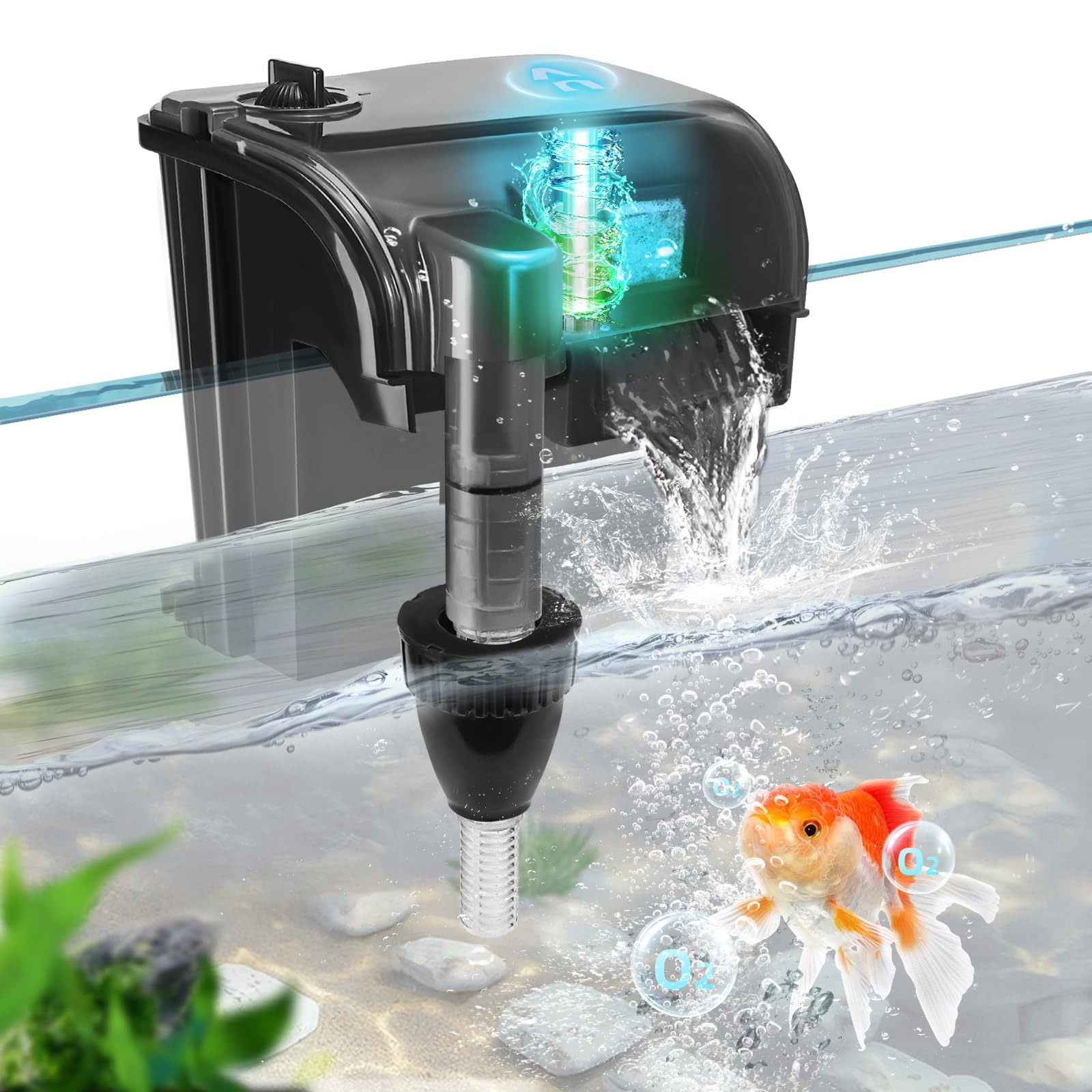
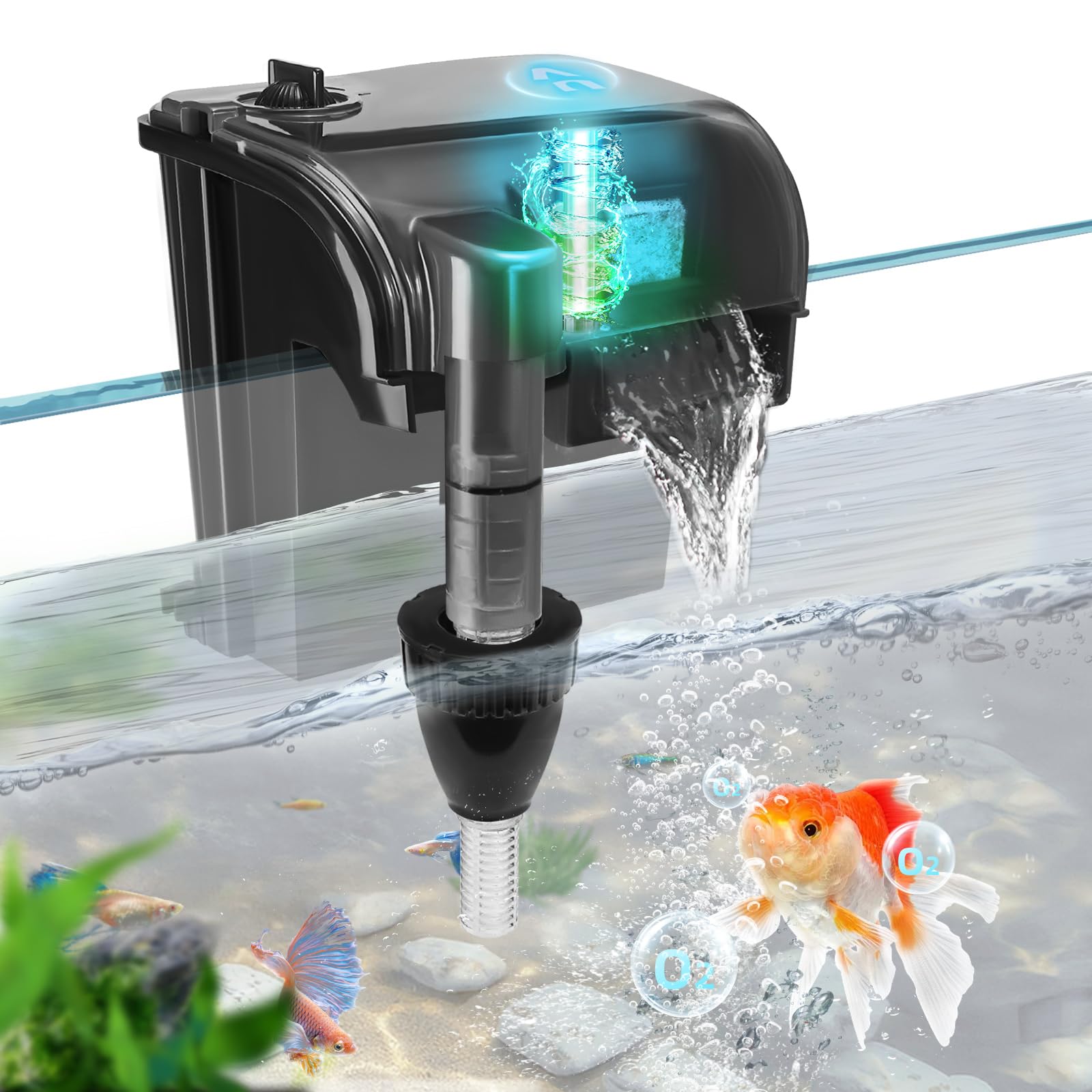
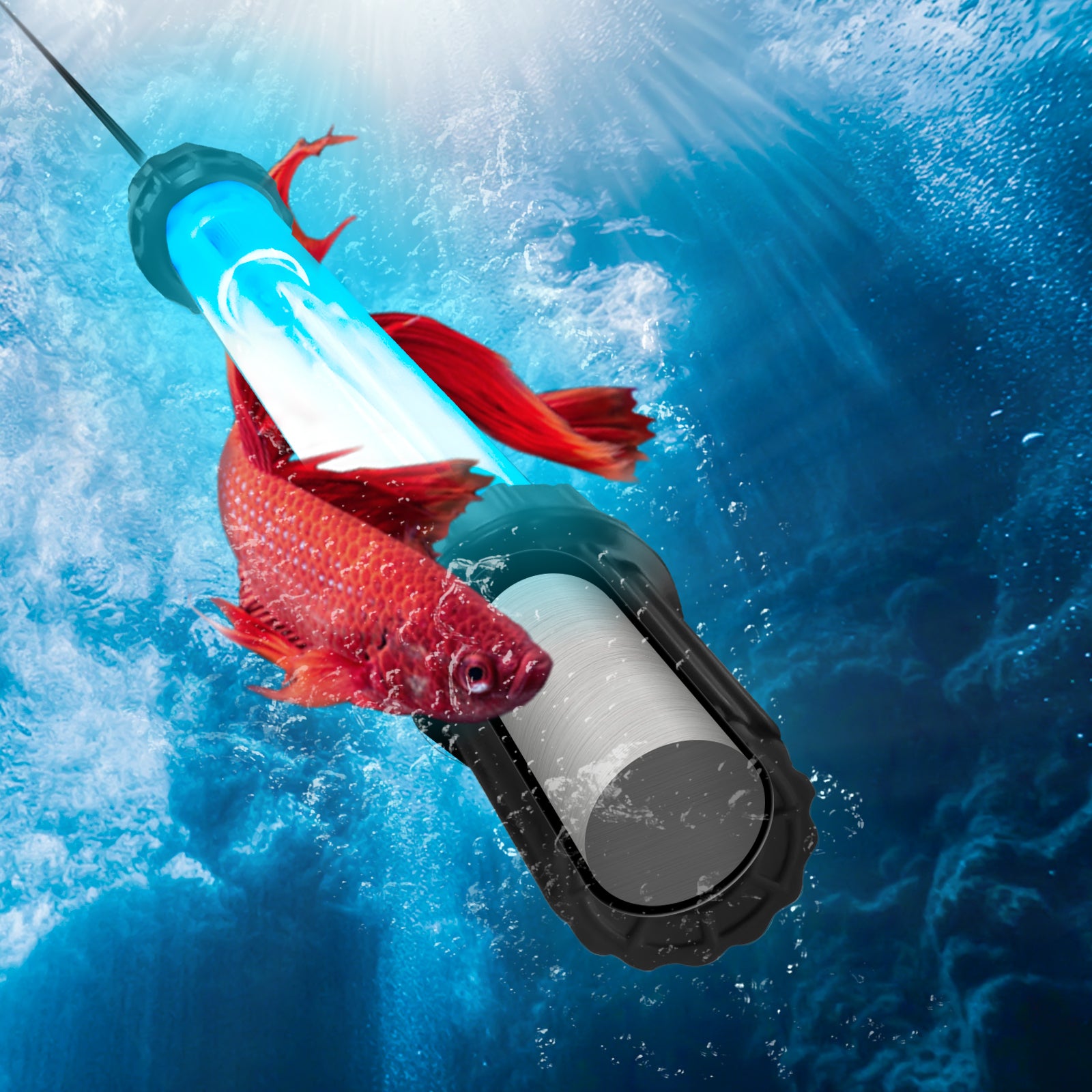
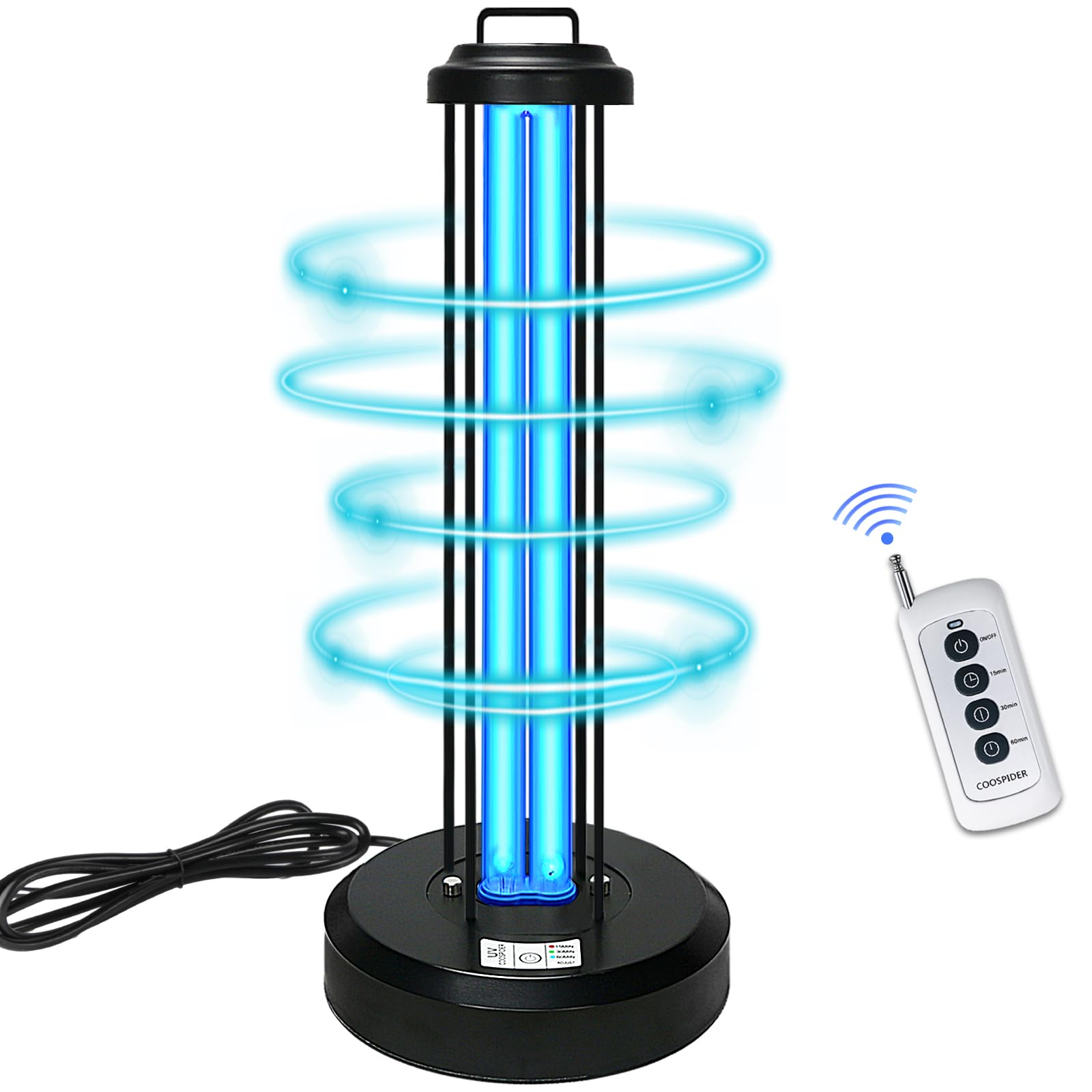
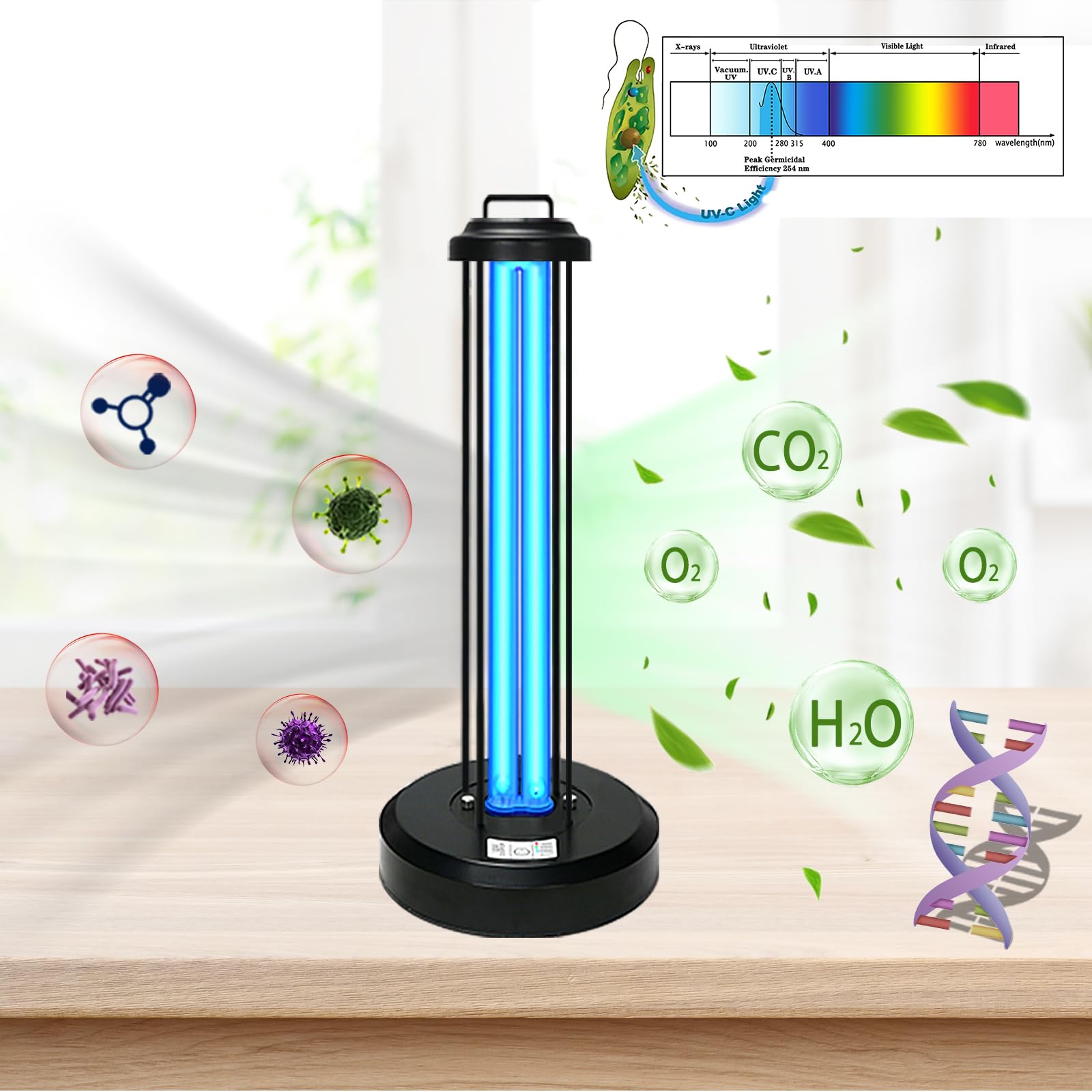
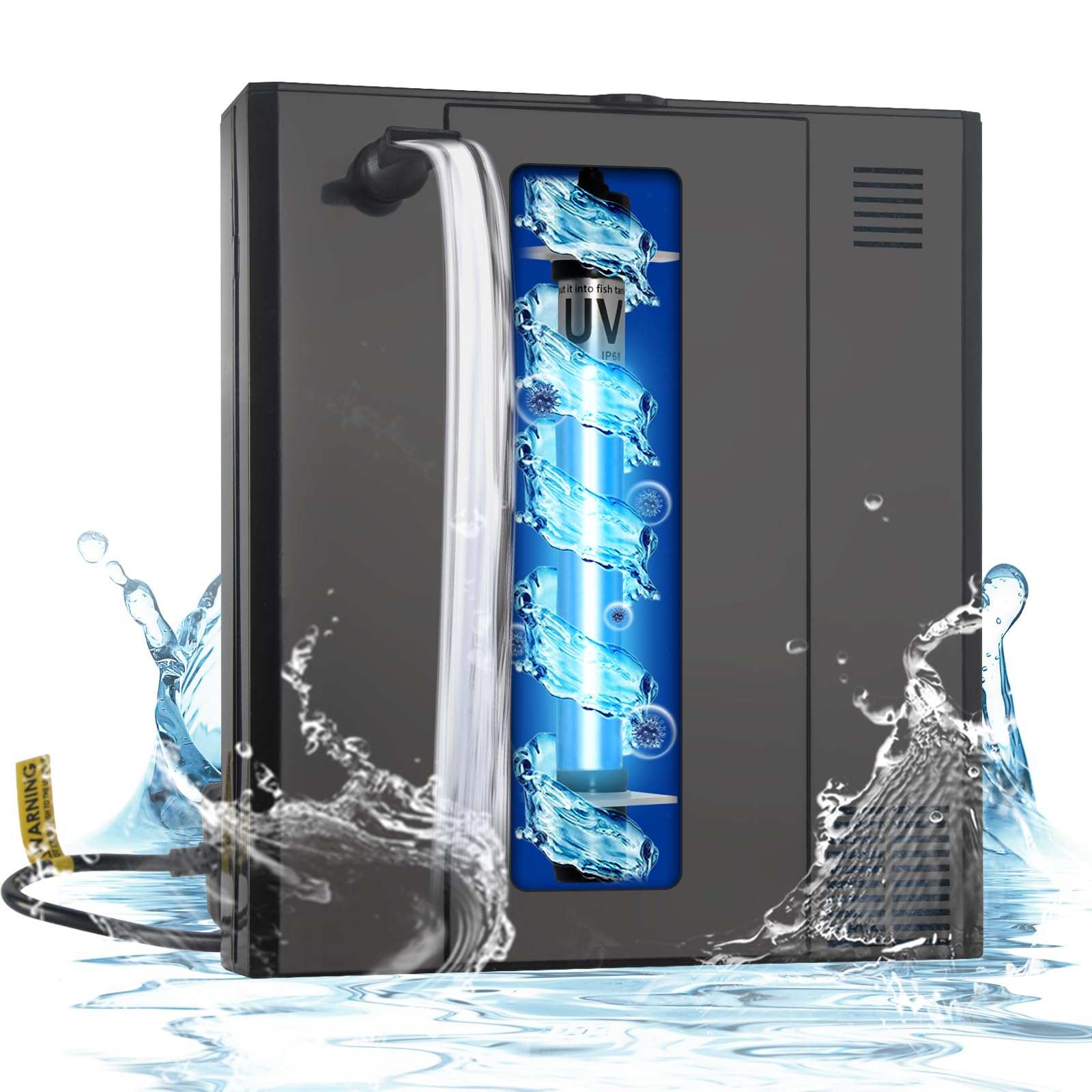
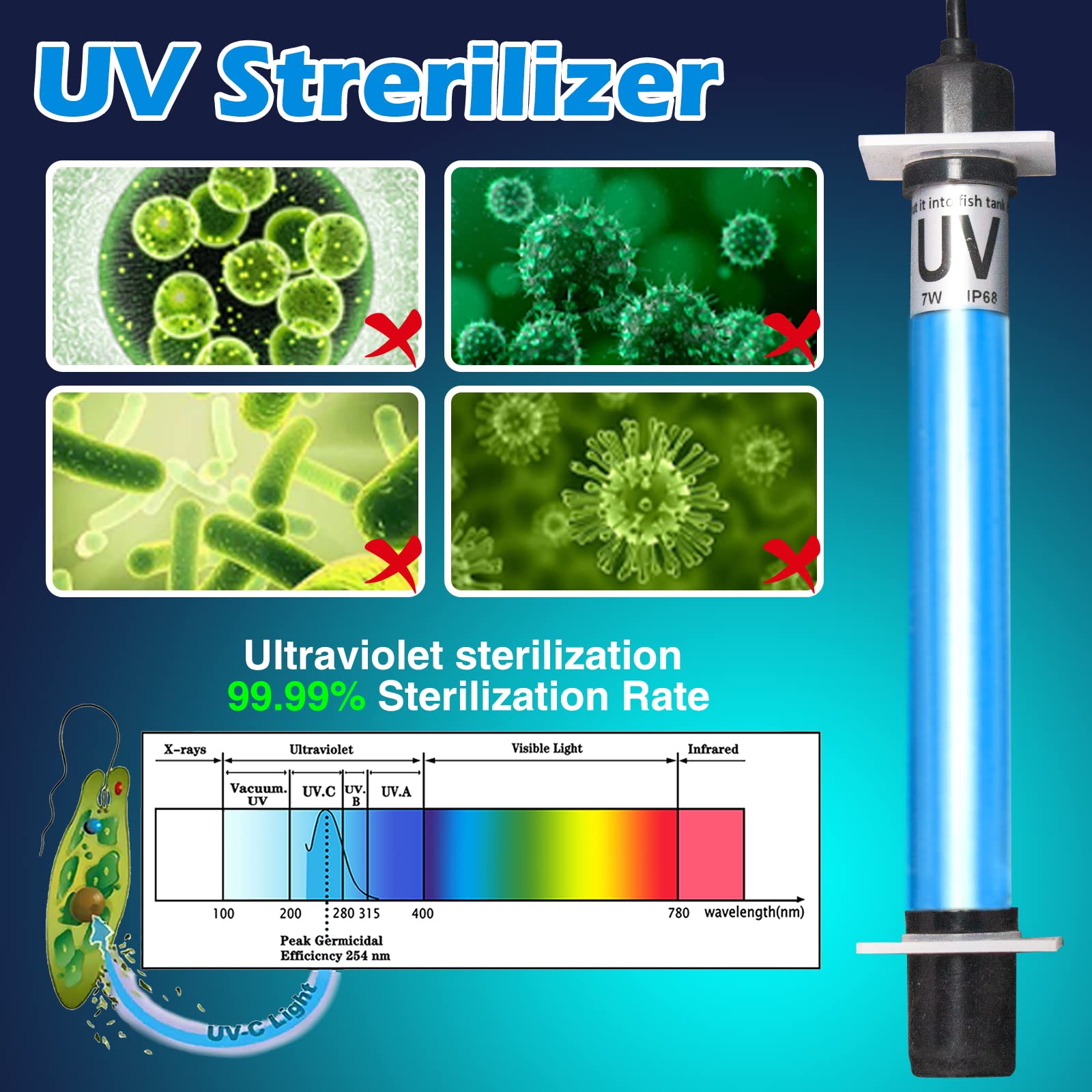
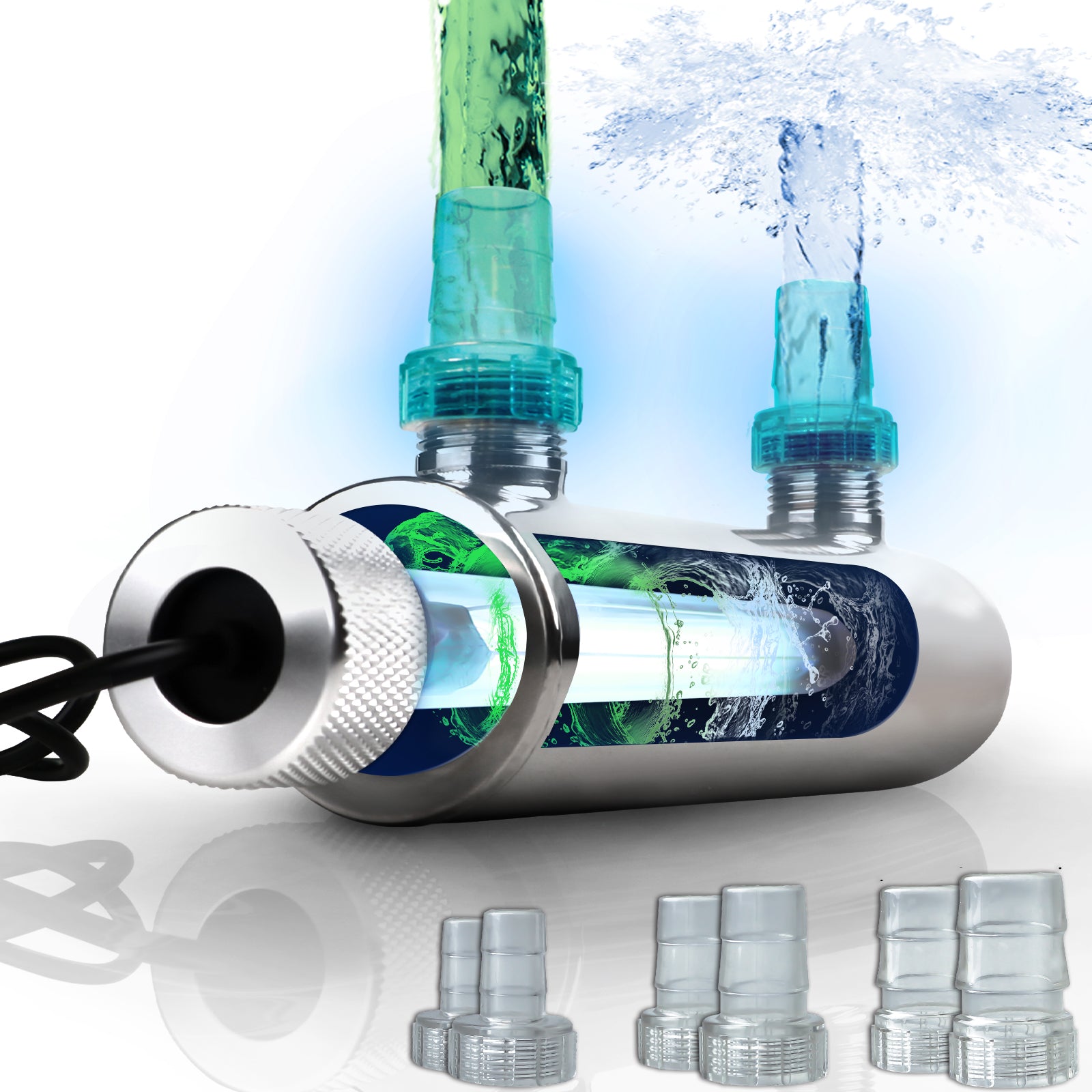
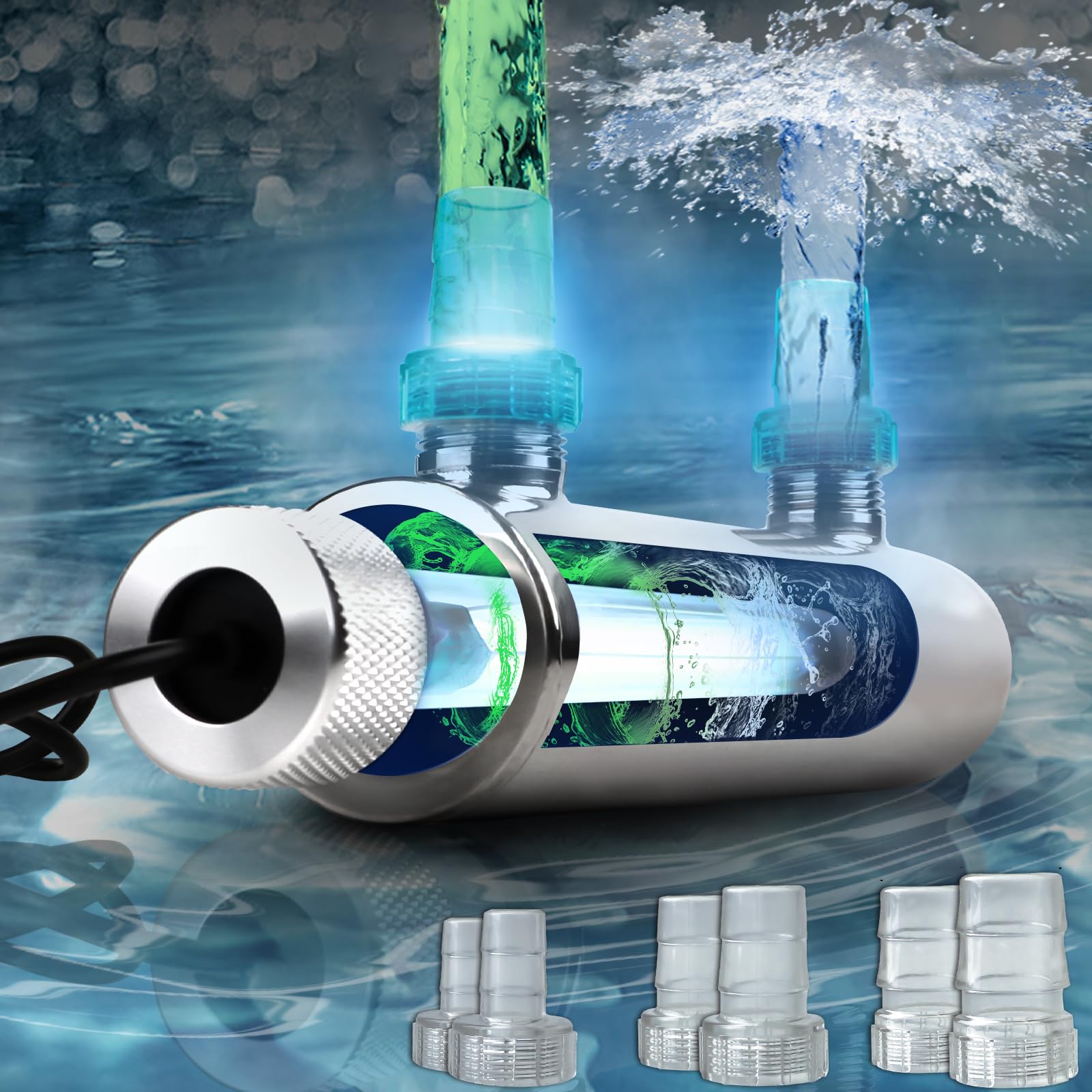
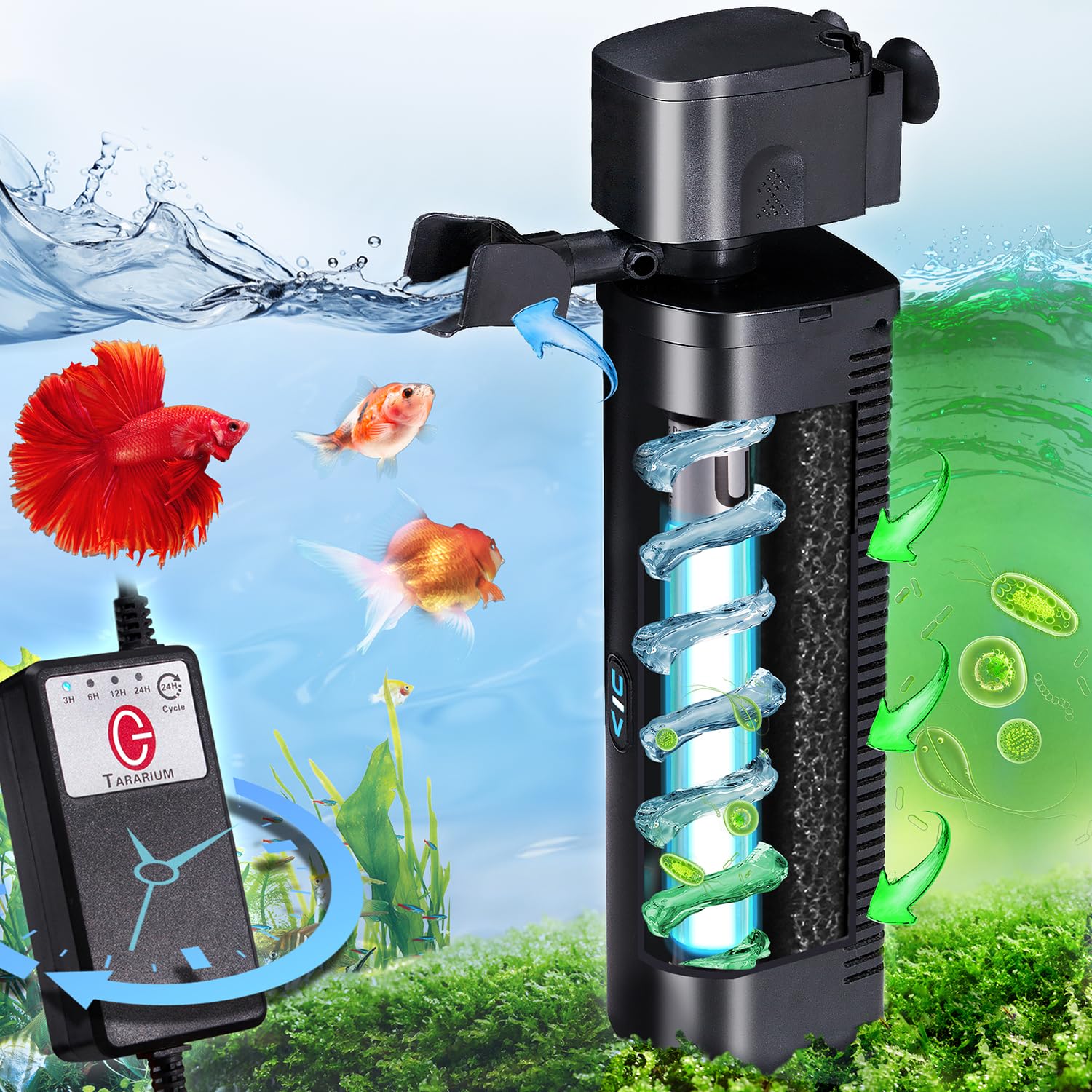
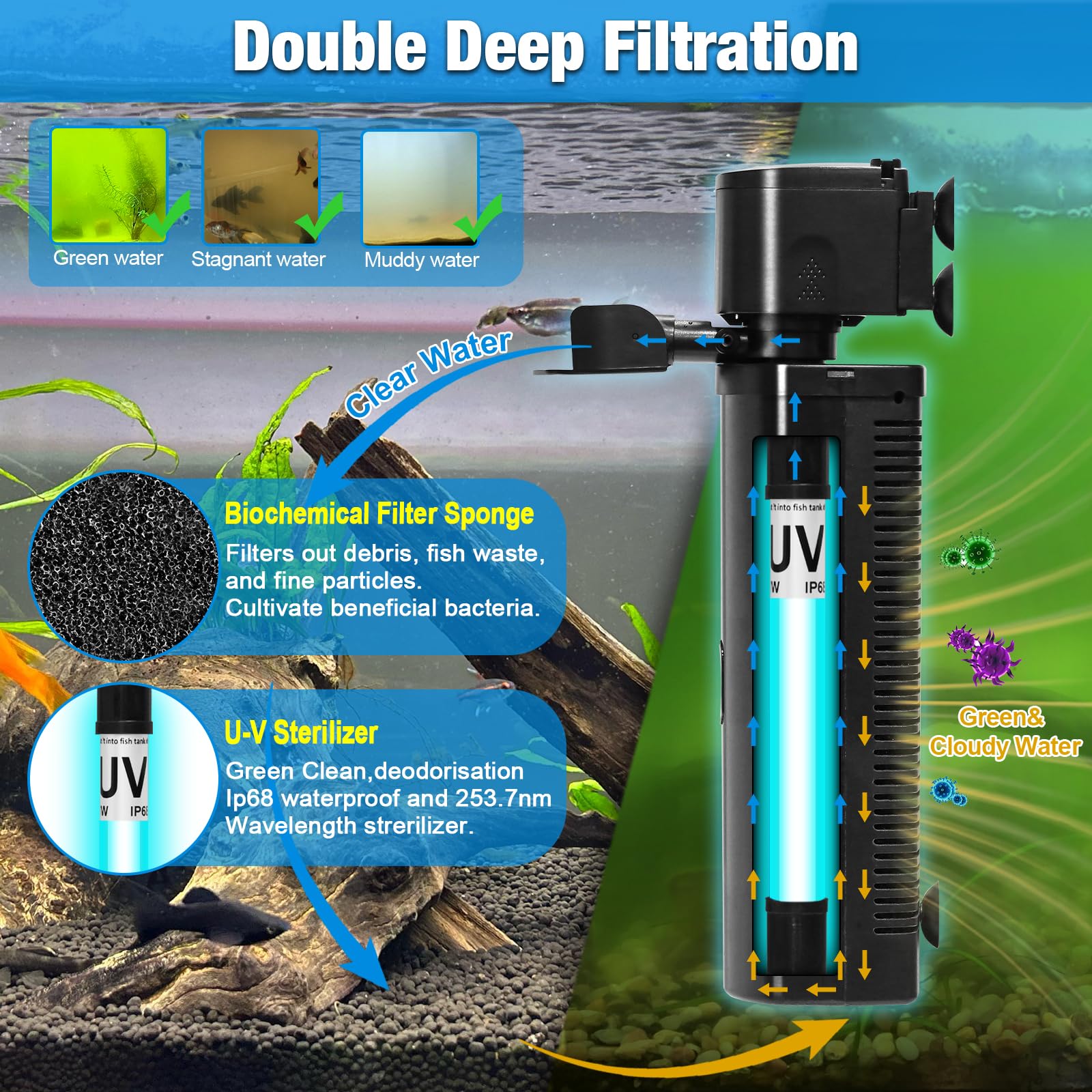
A UV lamp fan system combines ultraviolet sterilization with forced-air cooling. The UV component helps reduce microbial buildup on coils and internal surfaces, while the fan ensures airflow and heat dissipation.
In environments like server rooms, hospitals, laboratories, and food processing facilities, this combination is critical. Dust, biofilm, and grease can accumulate quickly on fan blades and UV lamp housings, reducing efficiency and increasing strain on the entire cooling system.
When neglected, this small component can become a major bottleneck.
Why UV Lamp Fan Maintenance Is Often Overlooked
Despite its importance, UV lamp fan maintenance is frequently ignored for several reasons:
1. Hidden Placement
UV fan assemblies are often installed inside ducts, behind panels, or near coils, making them less visible during routine inspections.
2. Misplaced Maintenance Focus
Technicians often prioritize high-impact components such as compressors, refrigerant levels, and filters.
3. Assumed Self-Cleaning Effect
Some assume that UV light reduces all contamination risk. While UV inhibits microbial growth, it does not prevent dust accumulation on mechanical parts.
4. Lack of Training
In many facilities, maintenance teams are not specifically trained to handle UV-integrated systems.
The result is gradual performance degradation that often goes unnoticed until overheating or airflow issues arise.
How UV Lamp Fans Affect Cooling Efficiency
A dirty or malfunctioning UV fan system can impact cooling performance in several ways:
- Reduced airflow velocity
- Uneven temperature distribution
- Increased energy consumption
- Overheating of internal components
- UV lamp inefficiency due to dust blocking exposure
Even a thin layer of dust on fan blades can reduce airflow efficiency by 15–30%, forcing the system to work harder.
Safety Considerations Before Maintenance
Before performing any cleaning or repair, safety must be the priority.
Key precautions:
- Disconnect power completely before accessing the unit
- Allow UV lamps to cool down before handling
- Wear gloves and protective eyewear
- Avoid direct exposure to UV-C light
- Use anti-static tools in sensitive environments like server rooms
UV lamps can cause skin and eye damage, even in short exposure periods, so proper shielding and disconnection are essential.
Step-by-Step UV Lamp Fan Cleaning Process
Proper cleaning ensures long-term performance and prevents unnecessary wear.
Step 1: Power Shutdown and Isolation
Turn off the entire cooling system and isolate it from the power supply. Lockout-tagout procedures are recommended in industrial environments.
Step 2: Access the Fan Assembly
Remove protective panels carefully. Take note of wiring connections and mounting positions for reassembly.
Step 3: Dry Dust Removal
Use a soft brush or compressed air to remove loose dust from:
- Fan blades
- Motor housing
- UV lamp casing
- Surrounding duct surfaces
Avoid spinning the fan rapidly with compressed air, as it may damage bearings.
Step 4: Deep Cleaning of Fan Blades
Use a microfiber cloth with a mild, non-corrosive cleaning solution. Clean both sides of each blade thoroughly.
For stubborn buildup, isopropyl alcohol can be used sparingly.
Step 5: UV Lamp Cleaning
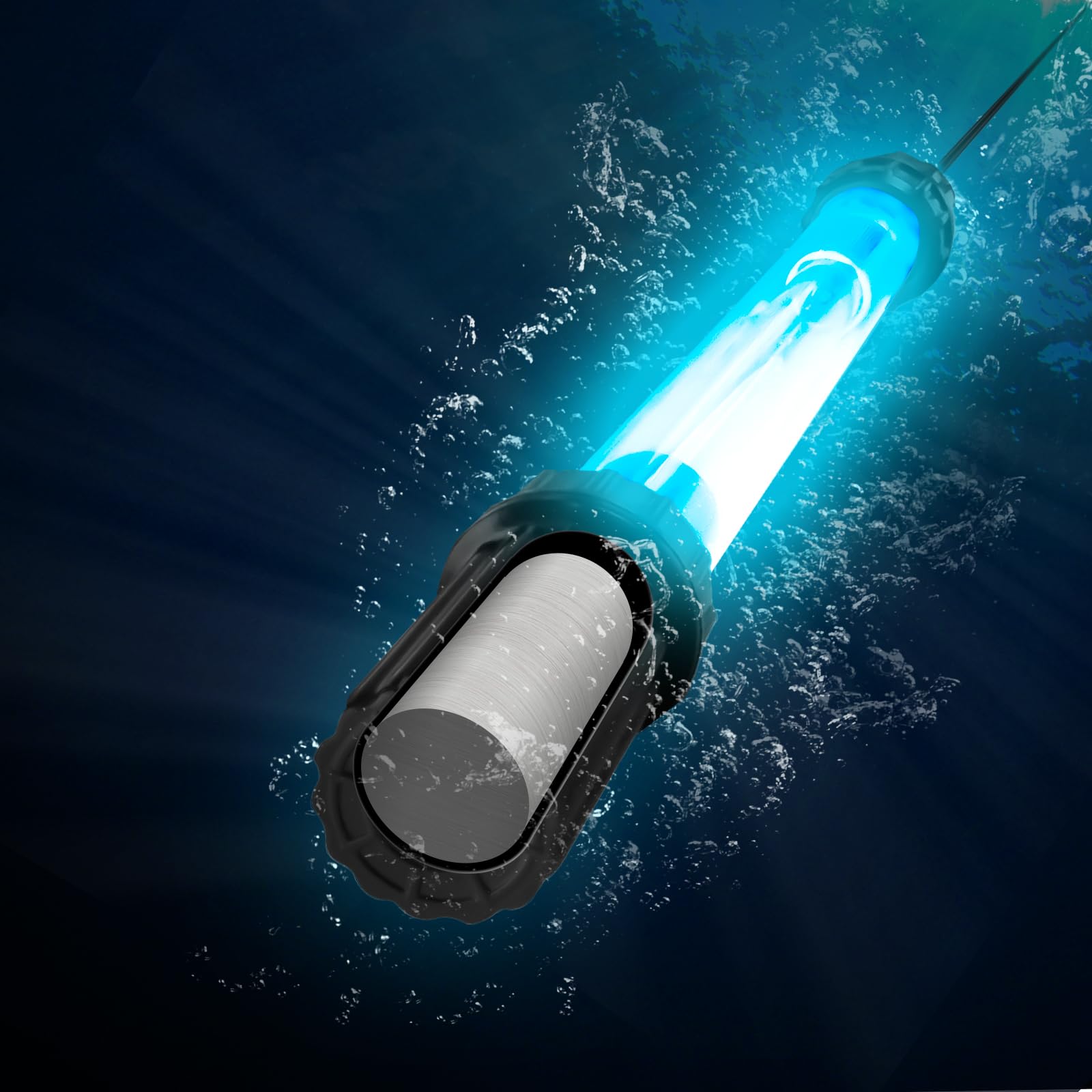
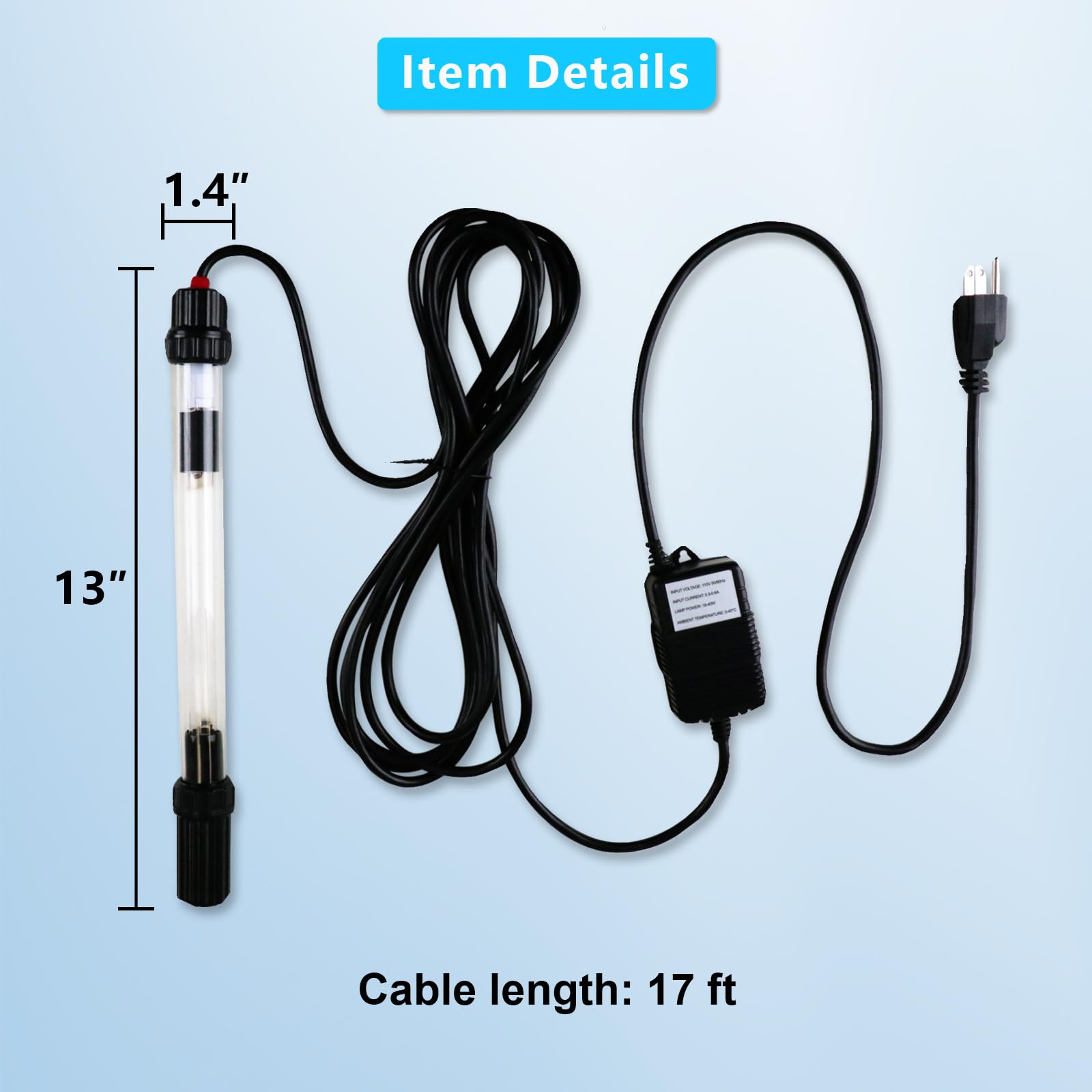
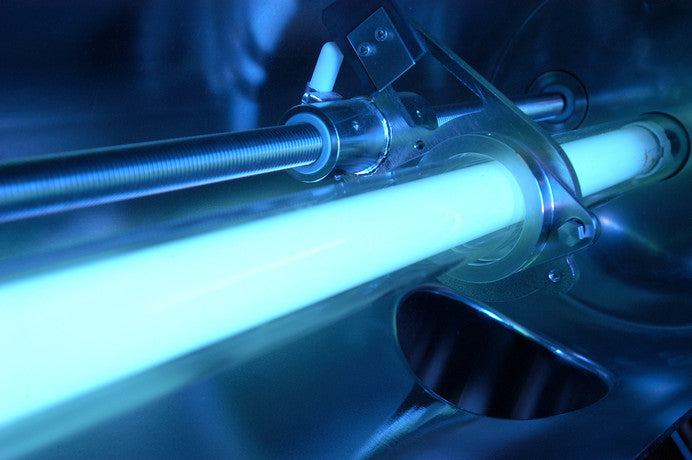
Wipe the quartz sleeve or protective glass gently. Even small smudges can reduce UV effectiveness.
Never touch UV lamp glass directly with bare hands, as oils can create hot spots and reduce lifespan.
Step 6: Inspect for Wear and Damage
Check for:
- Cracked fan blades
- Loose mounting brackets
- Discolored wiring
- Burn marks near UV ballast
Step 7: Reassembly and Testing
Reinstall all components and restore power. Run the system at low speed initially and observe vibration, noise, and airflow consistency.
Common UV Lamp Fan Problems and Their Causes
Understanding common failures helps with faster diagnosis and repair.
1. Reduced Airflow
Possible causes:
- Dust buildup on blades
- Motor degradation
- Blocked intake vents
2. Excessive Noise or Vibration
Possible causes:
- Unbalanced fan blades
- Loose mounting screws
- Bearing wear
- Foreign object interference
3. UV Lamp Not Turning On
Possible causes:
- Failed ballast
- Loose electrical connection
- End-of-life UV lamp
- Faulty control relay
4. Overheating System
Possible causes:
- Fan running below rated speed
- Blocked airflow paths
- Dirty coil surfaces
- UV lamp heat buildup due to poor ventilation
5. Intermittent Operation
Possible causes:
- Electrical instability
- Thermal protection triggering shutdown
- Faulty capacitor in fan motor
Troubleshooting Strategy for Technicians
A structured approach is essential for efficient diagnosis.
Step 1: Visual Inspection
Check for obvious dust buildup, broken components, or disconnected wires.
Step 2: Airflow Measurement
Use an anemometer to measure airflow output and compare it with manufacturer specifications.
Step 3: Electrical Testing
Verify voltage supply to:
- Fan motor
- UV ballast
- Control board
Step 4: Thermal Analysis
Use infrared thermometers or thermal cameras to identify hotspots.
Step 5: Isolation Testing
Run fan and UV lamp separately to determine which component is causing the issue.
Deep Cleaning vs Routine Maintenance
Maintenance should be divided into two categories:
Routine Maintenance (Monthly to Quarterly)
- Dust removal
- Visual inspection
- Basic airflow checks
- UV lamp status verification
Deep Maintenance (Semi-Annual to Annual)
- Full disassembly of fan unit
- Bearing lubrication or replacement
- Electrical component testing
- UV lamp replacement if nearing lifespan limit
Skipping deep maintenance often leads to cascading failures.
UV Lamp Lifespan and Replacement Considerations
UV lamps typically have a limited operational lifespan, often between 8,000 to 12,000 hours depending on usage conditions.
Signs that replacement is needed include:
- Visible dimming of UV glow
- Reduced sterilization performance
- Frequent flickering or delayed startup
- Physical discoloration of the lamp
Even if the lamp still lights, its UV-C output may have significantly declined.
Fan Motor and Bearing Maintenance
The fan motor is the mechanical heart of the system. Bearings are especially vulnerable to wear due to continuous operation.
Common bearing issues:
- Dry friction due to lack of lubrication
- Contamination from dust ingress
- Misalignment causing uneven wear
If noise increases gradually over time, bearing degradation is often the cause.
Replacing bearings early is far cheaper than replacing the entire motor assembly.
Environmental Factors That Accelerate Wear
UV lamp fan systems degrade faster in harsh environments.
High-risk conditions:
- High humidity (promotes corrosion and biofilm)
- Dust-heavy industrial settings
- Chemical exposure (corrosive vapors)
- Continuous 24/7 operation without cooldown cycles
Facilities operating under these conditions should shorten maintenance intervals.
Preventive Maintenance Best Practices
To minimize unexpected failures:
1. Implement Scheduled Inspections
Set fixed inspection intervals based on runtime, not just calendar dates.
2. Monitor Performance Metrics
Track airflow, temperature, and energy consumption trends.
3. Keep Spare Parts Available
Critical spares include:
- UV lamps
- Fan motors
- Ballasts
- Bearings
4. Train Maintenance Personnel
Ensure technicians understand both UV safety and airflow mechanics.
5. Maintain Clean Surroundings
A clean environment reduces dust ingress significantly.
Signs You Are Ignoring UV Fan Maintenance Too Long
If you observe any of the following, maintenance is overdue:
- Noticeable temperature fluctuations in equipment rooms
- Increased system energy usage
- Frequent alarm triggers from thermal sensors
- Dust accumulation visible within vents
- Unusual humming or rattling sounds
These symptoms often appear gradually but indicate serious underlying issues.
Industrial Case Insight: Small Issue, Big Impact
In many real-world facilities, a single neglected UV fan has caused disproportionate system failures. For example, a partially clogged fan in a cooling duct can lead to:
- Compressor overload
- Shutdown of entire cooling loops
- Reduced sterilization efficiency in clean environments
- Increased maintenance costs due to cascading failures
The lesson is consistent: small components matter more than they appear.
When to Repair vs Replace
Not every issue requires full replacement.
Repair is suitable when:
- Fan blades are dirty or slightly unbalanced
- Bearings are still intact but noisy
- UV lamp is near end-of-life but housing is fine
Replacement is better when:
- Motor windings are burned
- Structural damage to fan assembly exists
- UV ballast repeatedly fails
- System efficiency drops despite cleaning
Cost analysis often favors early replacement of failing components rather than repeated patch repairs.
Final Thoughts
UV lamp fan systems sit at the intersection of cooling performance and environmental hygiene. While they are not always the most visible part of a cooling system, they play a critical role in maintaining stability, efficiency, and cleanliness.
Neglecting their maintenance leads not only to reduced airflow but also to increased energy consumption, system stress, and potential downtime.
A disciplined maintenance routine—combining cleaning, inspection, and timely replacement—ensures that these systems continue operating reliably under demanding conditions.
In modern industrial and commercial environments, performance is not just about powerful equipment. It is about maintaining every small component that keeps the system balanced. The UV lamp fan is one of those components—and it deserves far more attention than it usually receives.