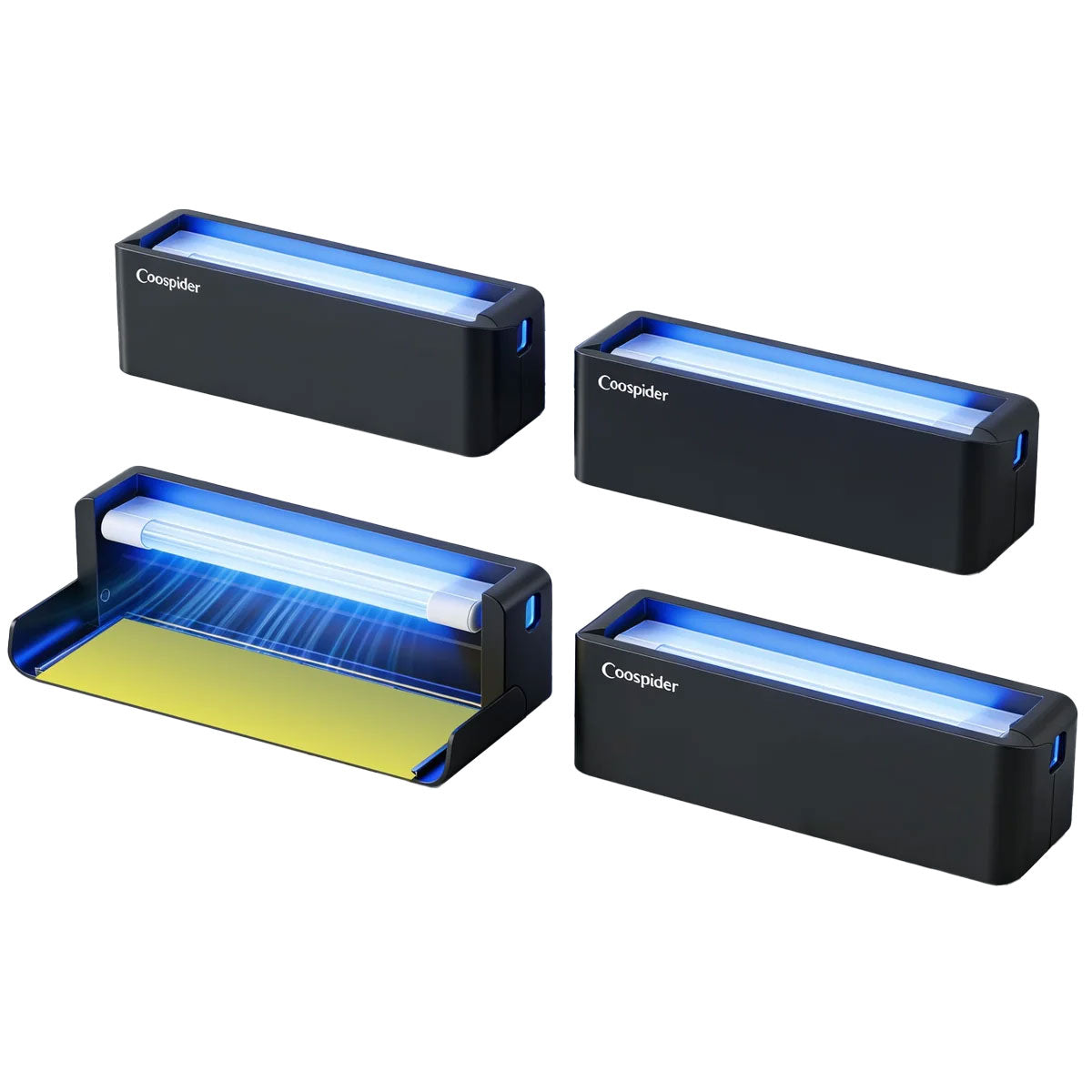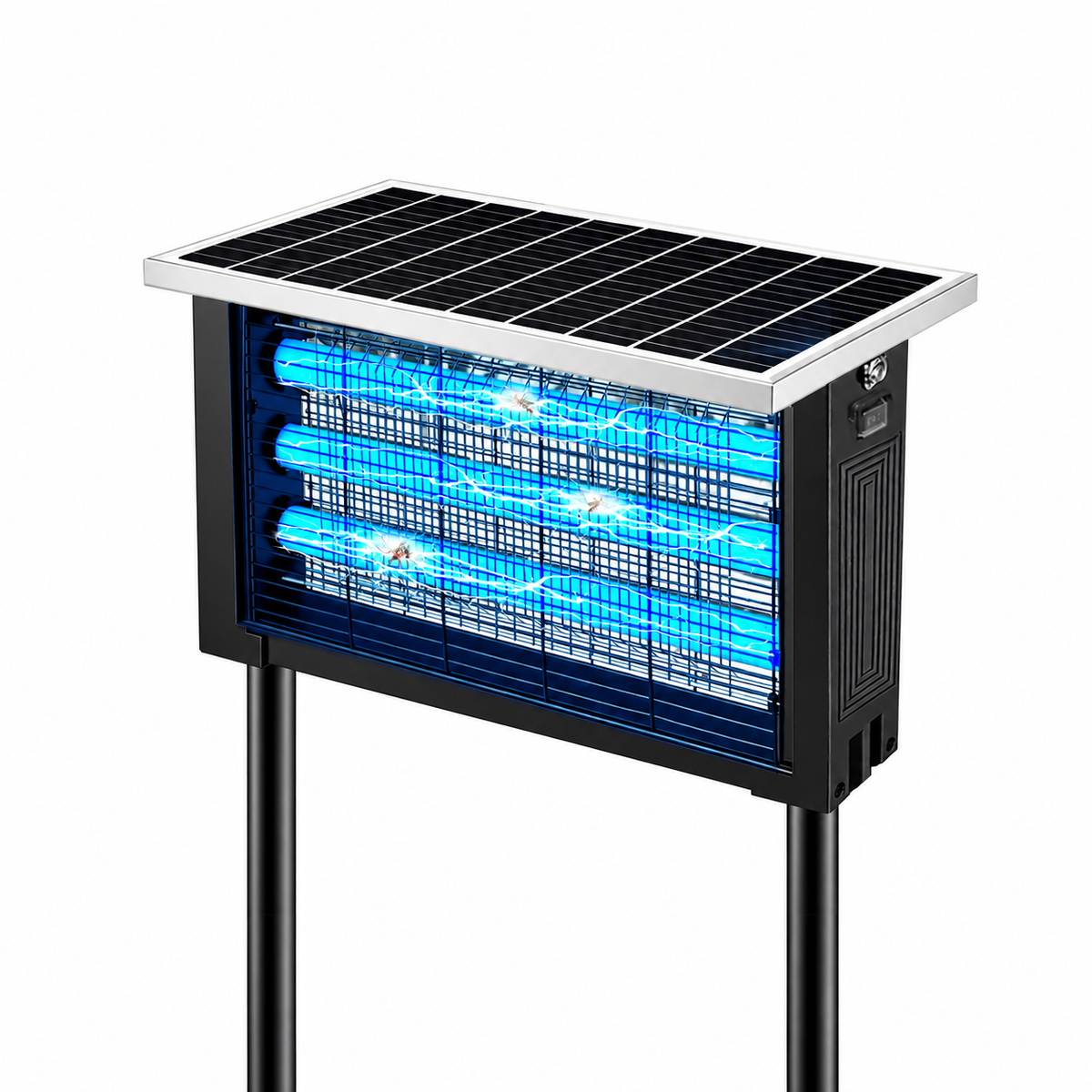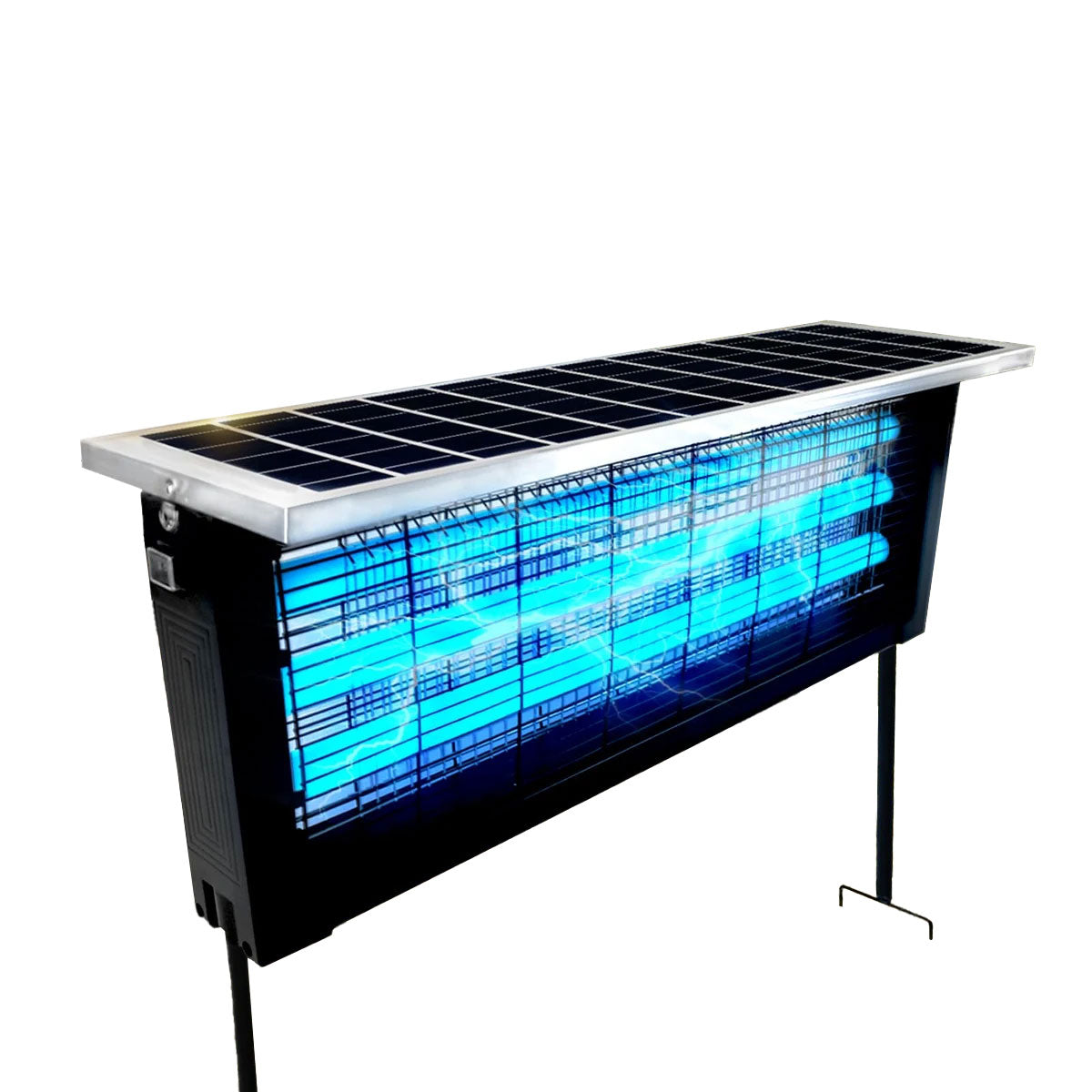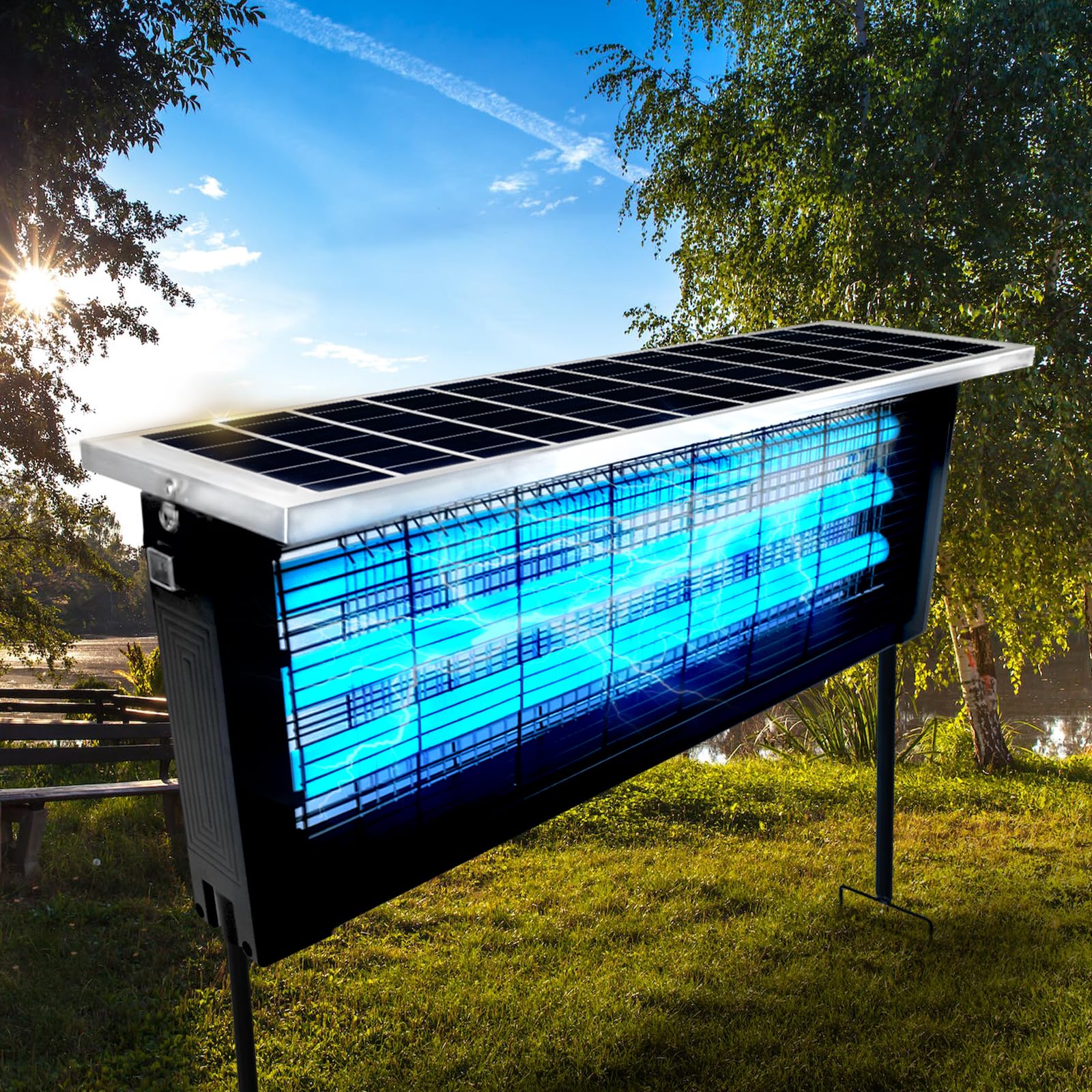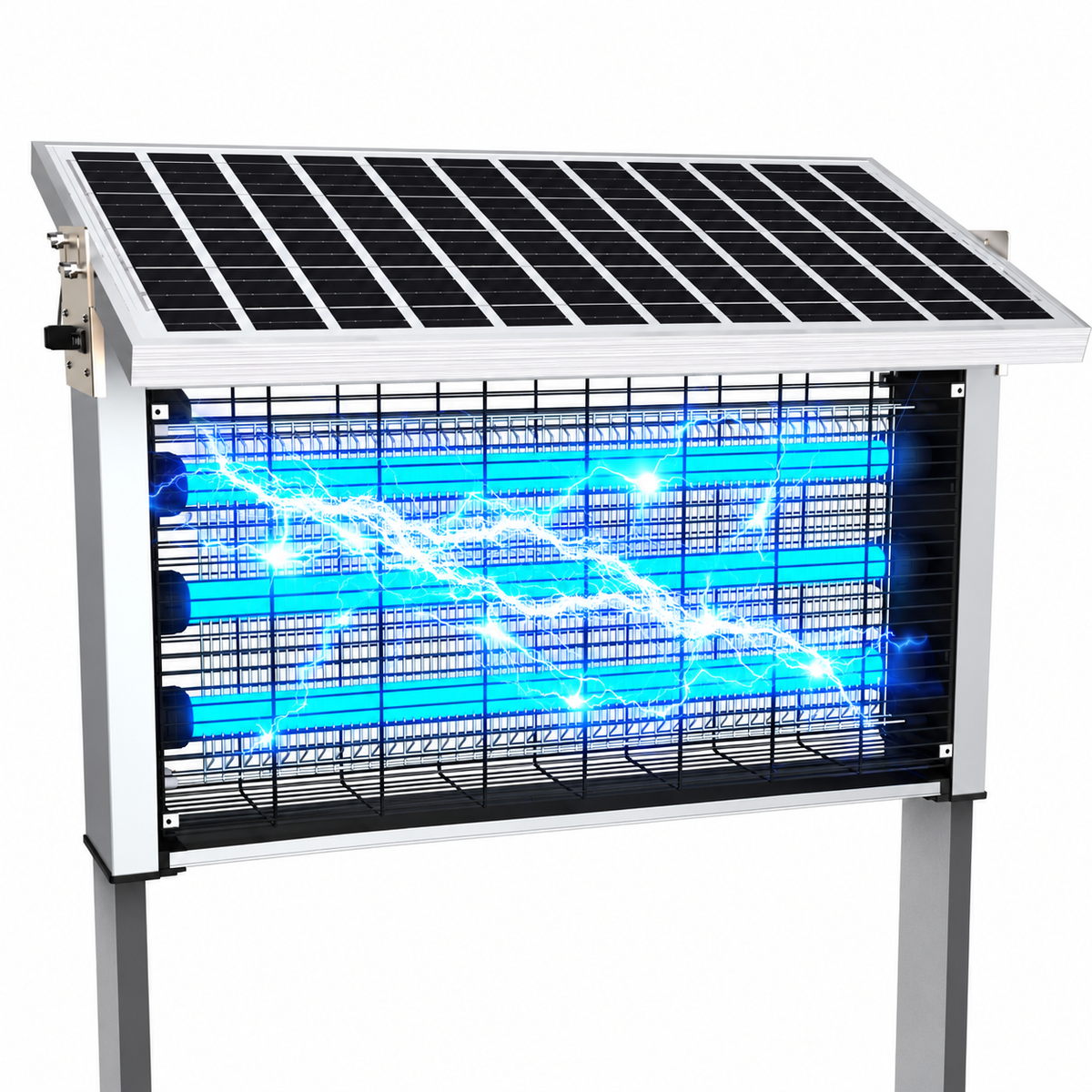

Outdoor mosquito lamps are designed to survive heat, rain, humidity, dust, and seasonal temperature swings. But after months—or years—of exposure to sunlight and changing weather, even durable units can develop cracks in their outer housing. A small fracture might seem harmless at first, yet it can quickly lead to water intrusion, electrical failure, reduced performance, and ultimately a completely unusable device.
The good news? A cracked mosquito lamp shell does not automatically mean replacement. With the right repair methods, materials, and preventive techniques, you can restore structural strength, weather resistance, and extend the life of your outdoor mosquito lamp significantly.
This complete guide explains why housings crack, how to assess damage, and the most reliable outdoor repair solutions used by DIY enthusiasts and professionals alike.
Why Mosquito Lamp Housings Crack Outdoors
Understanding the cause helps you choose the right repair method instead of applying a temporary fix that fails weeks later.
1. UV Radiation Damage
Constant sunlight slowly breaks down plastic polymers. Over time, UV exposure causes:
- Brittleness
- Fading
- Micro-fractures
- Loss of flexibility
Once plastic loses elasticity, even minor stress can create visible cracks.
2. Temperature Expansion and Contraction
Outdoor lamps experience daily thermal cycles:
- Hot daytime expansion
- Cool nighttime contraction
Repeated stress weakens seams and corners—the most common crack locations.
3. Accidental Impact
Common causes include:
- Falling branches
- Lawn equipment contact
- Drops during maintenance
- Pets or wildlife bumping the unit
Even impact-resistant plastics can fracture after aging.
4. Plastic Aging
Lower-cost housings often use ABS or polypropylene blends that degrade faster outdoors compared to UV-stabilized materials.
5. Overtightened Screws
Many cracks originate around mounting screws where stress concentrates.
Why You Should Repair Instead of Replace
Repairing offers several advantages:
- Saves money
- Reduces electronic waste
- Preserves working internal components
- Extends device lifespan
- Improves DIY repair skills
In many cases, repairing the housing takes less than one hour.
Step One: Assess the Damage Correctly
Before choosing a repair strategy, inspect carefully.
Minor Cosmetic Cracks
Characteristics:
- Hairline fractures
- No missing plastic
- No water entry yet
Best solution: sealing and reinforcement.
Structural Cracks
Characteristics:
- Visible separation
- Flexing when pressed
- Mounting instability
Best solution: bonding + reinforcement.
Missing Pieces or Holes
Characteristics:
- Chipped corners
- Impact damage
- Open gaps
Best solution: patch reconstruction.
Water Damage Present
If moisture has already entered:
- Dry electronics fully before repair.
- Inspect wiring corrosion.
Never seal moisture inside the housing.
Tools and Materials You May Need
You don’t need professional equipment. Most repairs use affordable items.
Basic Tools
- Screwdrivers
- Sandpaper (120–400 grit)
- Utility knife
- Cleaning alcohol wipes
- Masking tape
Repair Materials
- Two-part epoxy
- Plastic welding adhesive
- Silicone sealant (outdoor rated)
- Fiberglass mesh tape
- UV-resistant tape
- Waterproof resin
- Plastic filler compound
Optional upgrades:
- Heat gun
- Plastic welding kit
- Clamp set
Preparing the Surface: The Most Important Step
Many repairs fail because of poor preparation.
Step 1: Clean Thoroughly
Remove:
- Dirt
- Oils
- Insect residue
- Oxidized plastic
Use isopropyl alcohol for best adhesion.
Step 2: Slightly Widen the Crack
Use a utility knife to create a shallow V-shaped groove along the crack.
Why?
Adhesive penetrates deeper, creating stronger bonding.
Step 3: Sand the Area
Light sanding improves grip for adhesives and sealants.
Repair Method 1: Waterproof Epoxy Bonding (Best All-Around Fix)
This method works for most cracks.
Why Epoxy Works
Outdoor-rated epoxy provides:
- Structural strength
- Waterproof sealing
- Temperature resistance
- Long-term durability
Steps
- Mix epoxy according to instructions.
- Apply inside the crack first.
- Press crack edges together.
- Apply additional epoxy along the exterior seam.
- Smooth using a plastic tool.
- Allow full curing (usually 12–24 hours).
Tip: Always repair from both inside and outside if accessible.
Repair Method 2: Plastic Welding for Permanent Repairs
Ideal for thicker housings.
How Plastic Welding Works
Heat melts plastic edges so they fuse together instead of relying on glue.
Steps
- Heat crack edges gently.
- Melt filler plastic into the gap.
- Smooth surface while warm.
- Allow cooling naturally.
Advantages:
- Extremely strong bond
- Maintains original material properties
Best for ABS housings.
Repair Method 3: Silicone Sealant for Weatherproofing
For hairline cracks or preventive sealing.
Choose outdoor, UV-resistant silicone.
Application
- Apply thin bead along crack.
- Smooth with gloved finger.
- Allow 24-hour cure.
Silicone remains flexible, ideal for areas experiencing expansion.
Repair Method 4: Fiberglass Reinforcement (Heavy-Duty Solution)
Perfect for large cracks or weak panels.
Materials Needed
- Fiberglass mesh
- Epoxy resin
Steps
- Apply resin layer.
- Place fiberglass mesh over crack.
- Add second resin layer.
- Smooth and cure.
Result: reinforced shell stronger than original plastic.
Repair Method 5: Rebuilding Missing Plastic Sections
If pieces broke off completely:
Option A: Epoxy Putty
- Moldable like clay.
- Hardens into rigid plastic-like material.
Option B: Resin Patch
Create a temporary backing using tape, then fill gap with resin.
After curing:
- Sand smooth
- Paint if desired
Making Repairs Fully Weatherproof
Structural repair alone is not enough outdoors.
Seal All Vulnerable Areas
Check:
- Screw holes
- Cable entry points
- Panel seams
- Mounting brackets
Apply silicone sealant around these zones.
Add a Protective Coating
Use:
- Clear UV-resistant spray
- Outdoor plastic coating
This slows future degradation.
Matching Appearance After Repair
DIY repairs can look professional with finishing steps.
Sand Gradually
Use increasing grit levels:
- 200 → 400 → 800 grit
Apply Outdoor Plastic Paint
Choose:
- UV-resistant spray paint
- Matte or satin finish
Multiple thin coats give best results.
Preventing Future Cracks
Repairing once is good. Preventing recurrence is better.
Avoid Direct Sun Exposure
Mount lamp under:
- Patio covers
- Eaves
- Tree shade
Reduce Mounting Stress
Do not overtighten screws.
Add rubber washers to absorb vibration.
Seasonal Maintenance
Every 3–6 months:
- Inspect seams
- Clean surfaces
- Reapply protective coating if needed
Upgrading Durability During Repair
Turn repair time into an upgrade opportunity.
Add Internal Reinforcement
Glue thin plastic strips inside weak areas.
Install Drainage Channels
Tiny hidden drainage holes prevent water accumulation.
Improve Ventilation
Better airflow reduces internal heat stress.
Common Repair Mistakes to Avoid
Using Super Glue Alone
Cyanoacrylate becomes brittle outdoors and fails quickly.
Skipping Surface Cleaning
Dirt prevents adhesion.
Sealing Wet Interiors
Moisture trapped inside damages electronics.
Rushing Cure Time
Premature use weakens bonds permanently.
When Replacement Is the Better Choice
Repair may not be worthwhile if:
- Housing shattered extensively
- Electronics heavily corroded
- UV degradation affects entire shell
- Multiple structural failures exist
In such cases, salvaging internal parts is still valuable.
Environmental Benefits of Repairing Outdoor Devices
Extending product life reduces:
- Plastic waste
- Manufacturing demand
- Energy consumption
- Landfill accumulation
Small repairs contribute to long-term sustainability habits.
Frequently Asked Questions
How long do epoxy repairs last outdoors?
High-quality outdoor epoxy can last several years when properly applied.
Can repaired housings remain waterproof?
Yes, if sealed correctly and inspected periodically.
Is duct tape a good temporary fix?
Only short-term. UV exposure quickly weakens adhesive.
Should I repaint the entire lamp?
Not required, but repainting improves UV resistance.
DIY Repair Checklist
Before finishing, confirm:
- Crack fully filled
- Interior dry
- Sealant applied
- Cure time completed
- Waterproof test performed
A simple spray test with water helps confirm sealing.
The DIY Advantage: Repair as a Skill
Learning to repair outdoor electronics changes how you approach ownership. Instead of replacing devices at the first sign of wear, you gain confidence in maintaining and improving what you already have.
Each repair builds practical knowledge about materials, weather resistance, and durability—skills useful far beyond mosquito lamps.
Final Thoughts
A cracked mosquito lamp housing may look like the end of your device’s life, but in reality, it’s often just a minor setback. With proper preparation, the right materials, and weatherproof repair techniques, you can restore strength, protect internal electronics, and extend usability for many more seasons.
Outdoor equipment naturally faces harsh conditions, yet thoughtful repairs not only save money but also reduce waste and encourage smarter consumption.
Next time you notice a crack forming, don’t rush to replace the lamp.
Repair it.
Reinforce it.
Weatherproof it.
And let your outdoor mosquito control system keep working reliably—rain or shine.