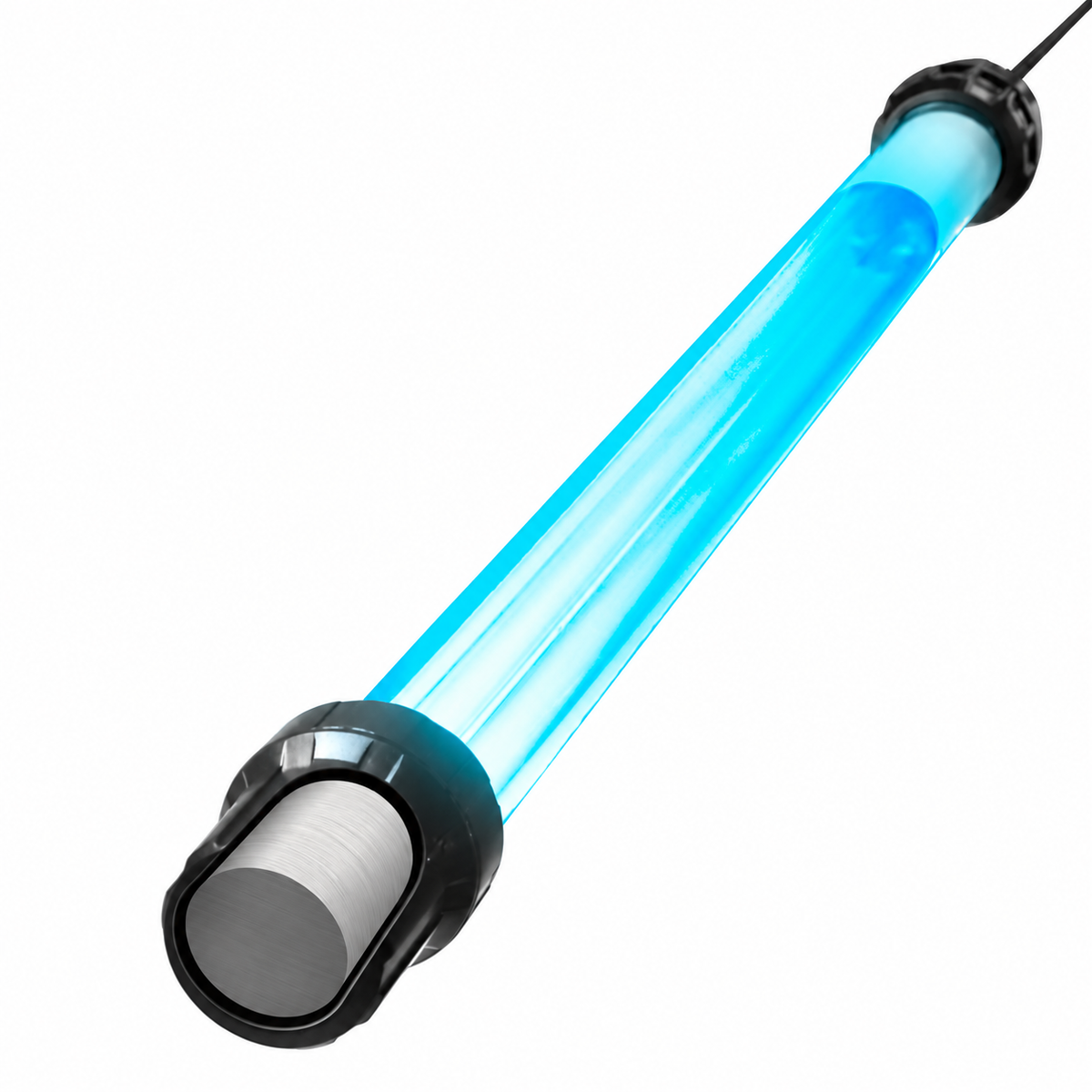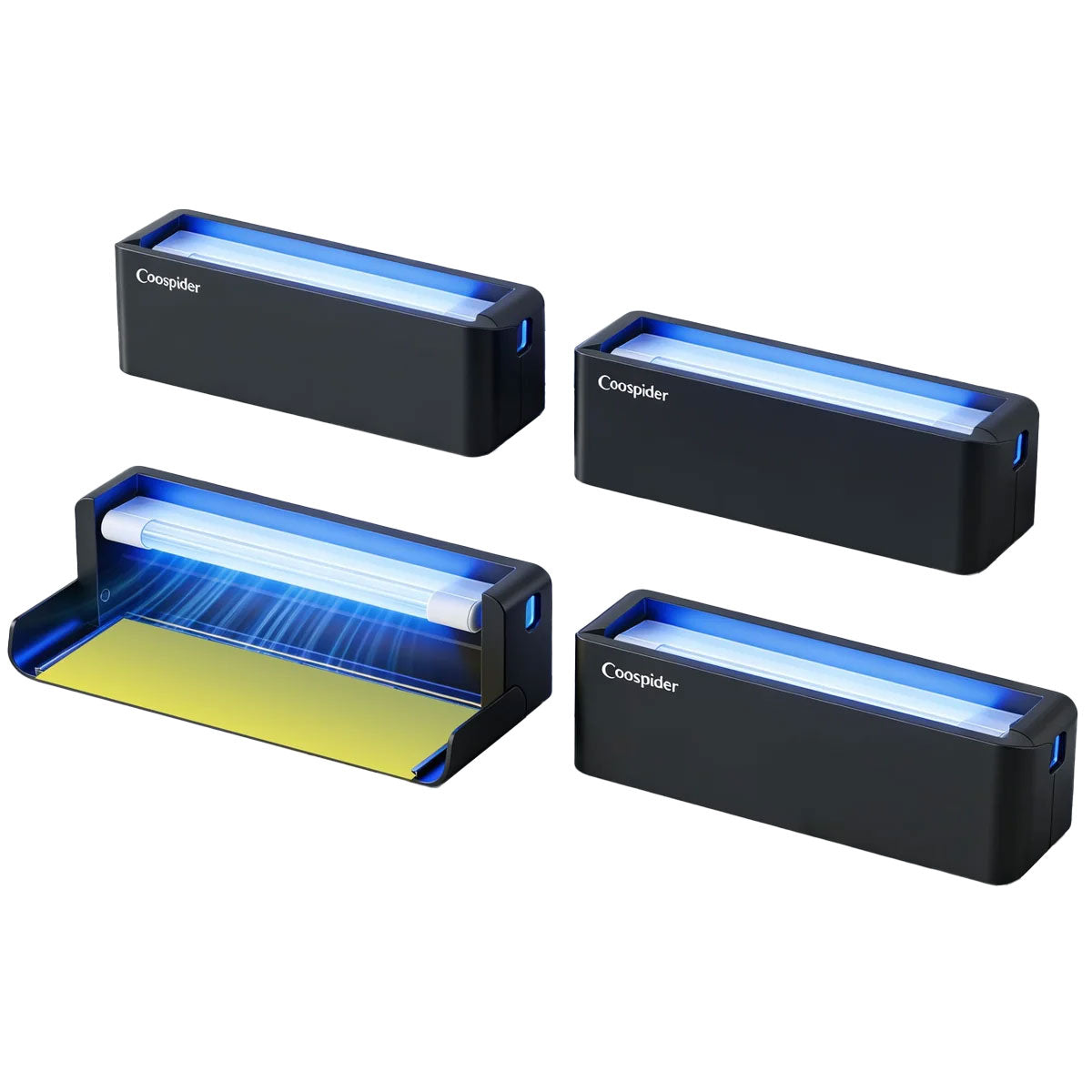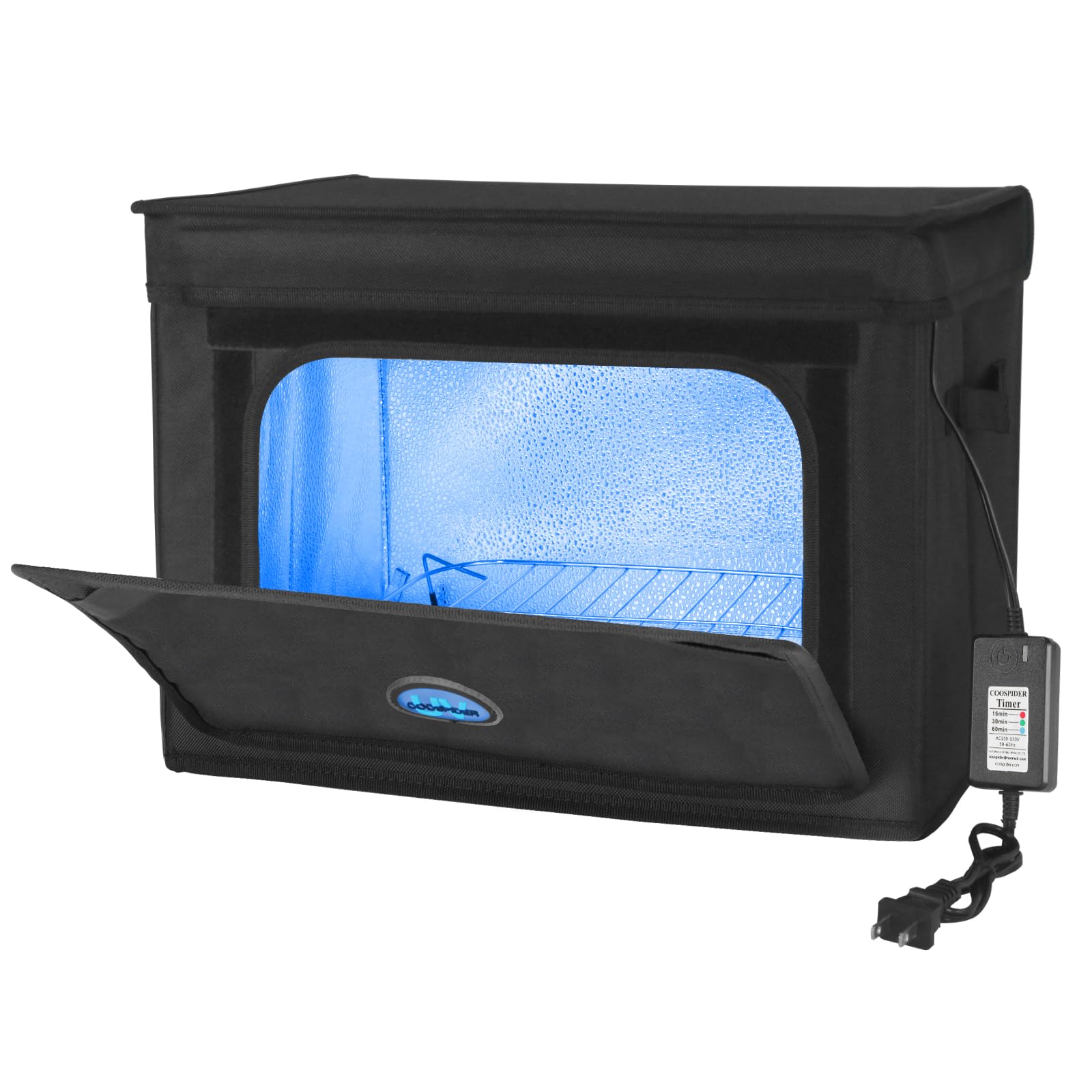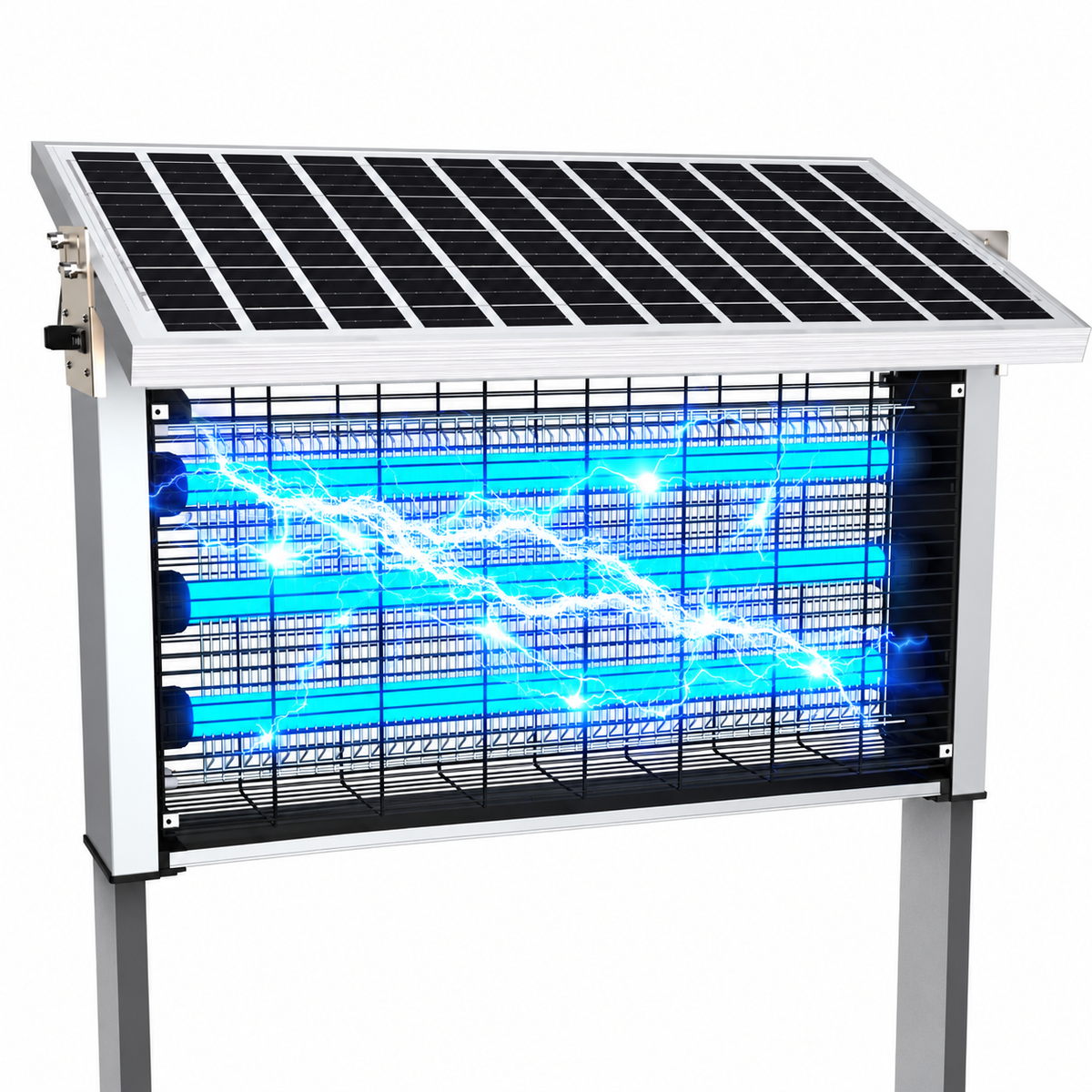

In today’s world of smart consumption and environmental awareness, throwing things away is no longer the default solution. Many households replace mosquito lamps every few years when performance drops, batteries weaken, or UV bulbs stop working. Yet what most people don’t realize is that an old mosquito lamp is actually a treasure chest of reusable electronic components.
For DIY enthusiasts, makers, hobbyists, and eco-conscious homeowners, repurposing mosquito lamp parts opens the door to creative projects, cost savings, and sustainable living. Instead of sending electronic waste to landfills, you can transform discarded mosquito lamps into practical tools, decorative lighting, outdoor gadgets, and even educational electronics projects.
This comprehensive guide walks you through everything you need to know—from safely dismantling old mosquito lamps to creative reuse ideas, step-by-step projects, and expert tips that help you get the most out of every component.
Why Repurpose Old Mosquito Lamps?
Before diving into tools and techniques, it helps to understand why mosquito lamps are perfect candidates for reuse.
1. They Contain Valuable Electronic Components
Most mosquito lamps include:
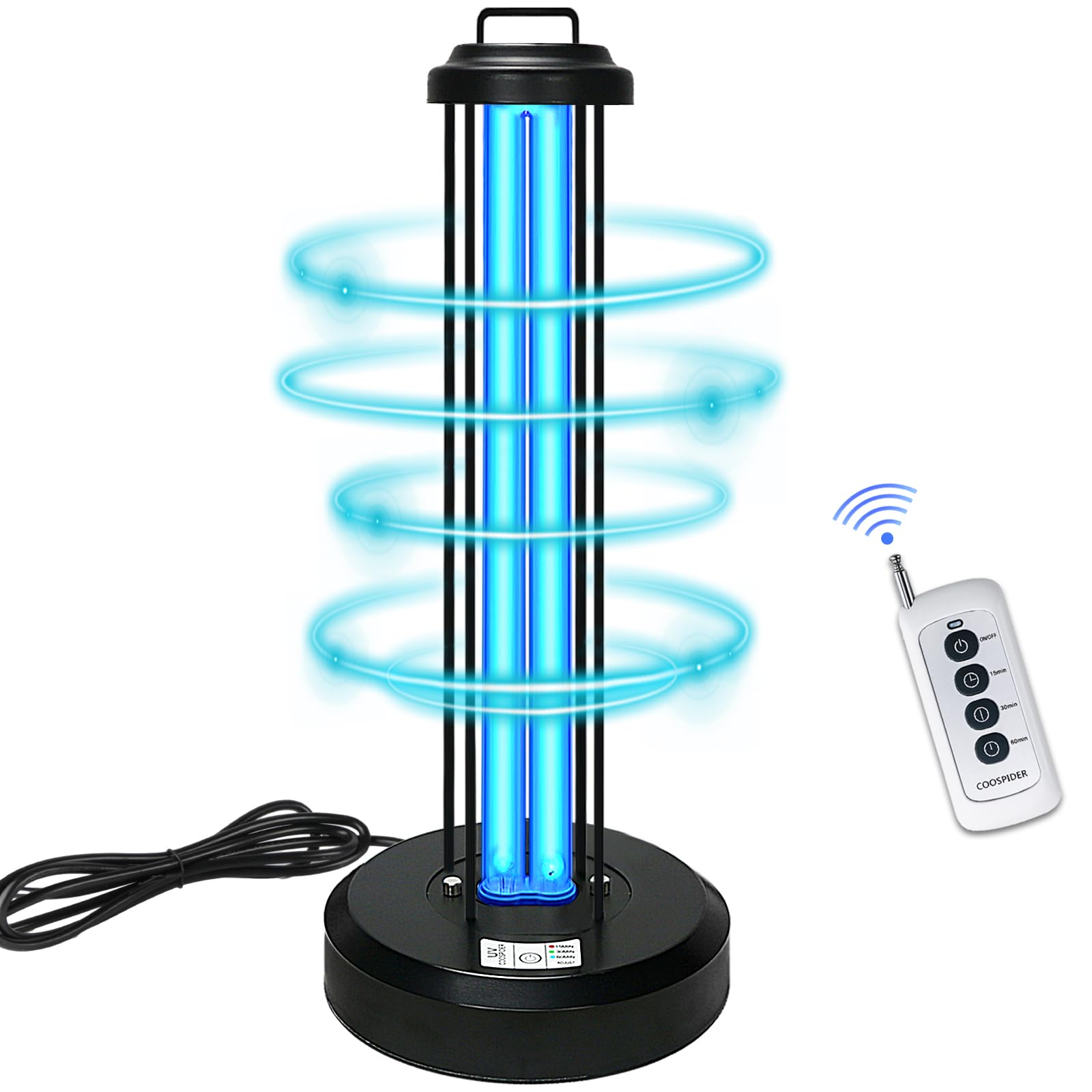
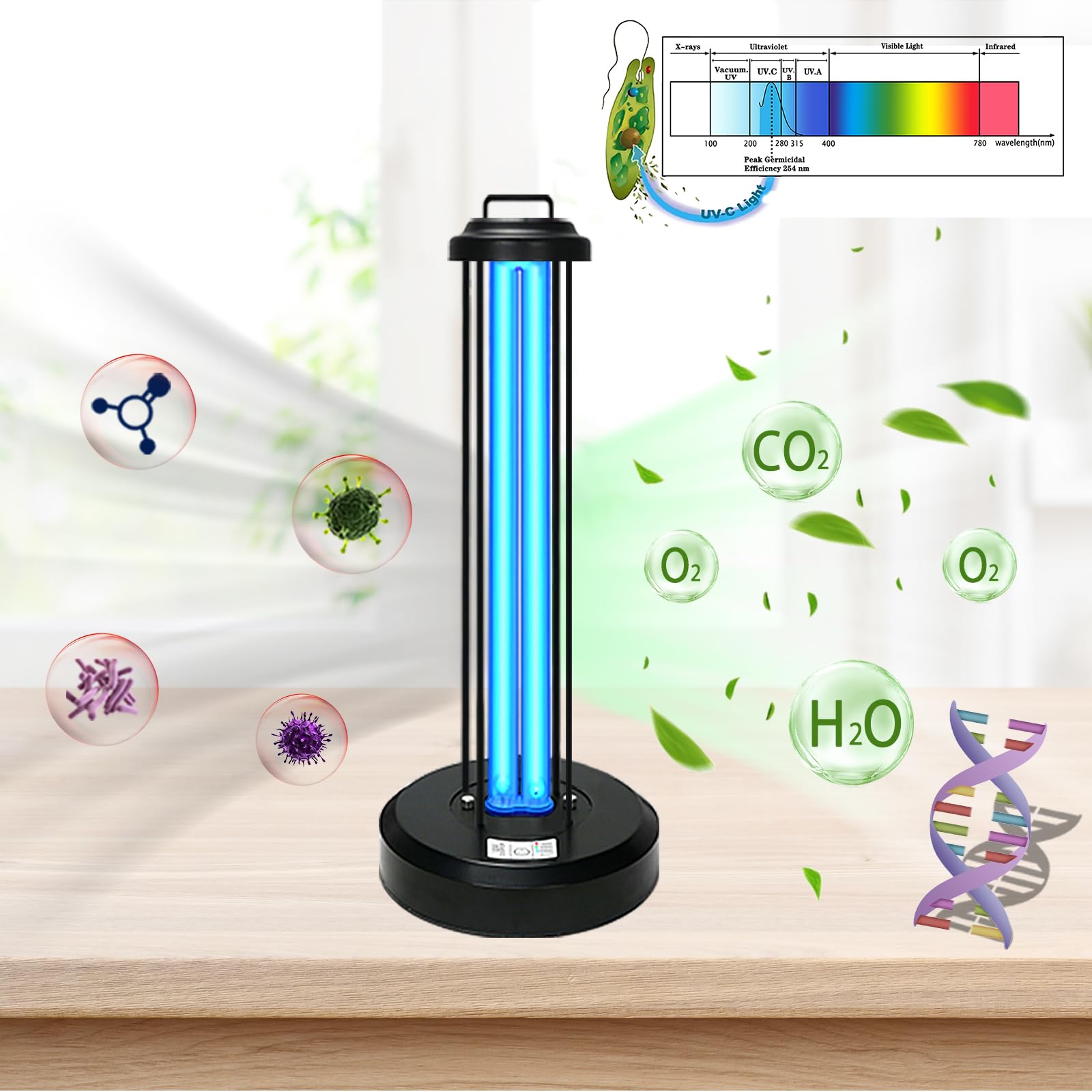
- UV LED or fluorescent light sources
- Rechargeable lithium batteries
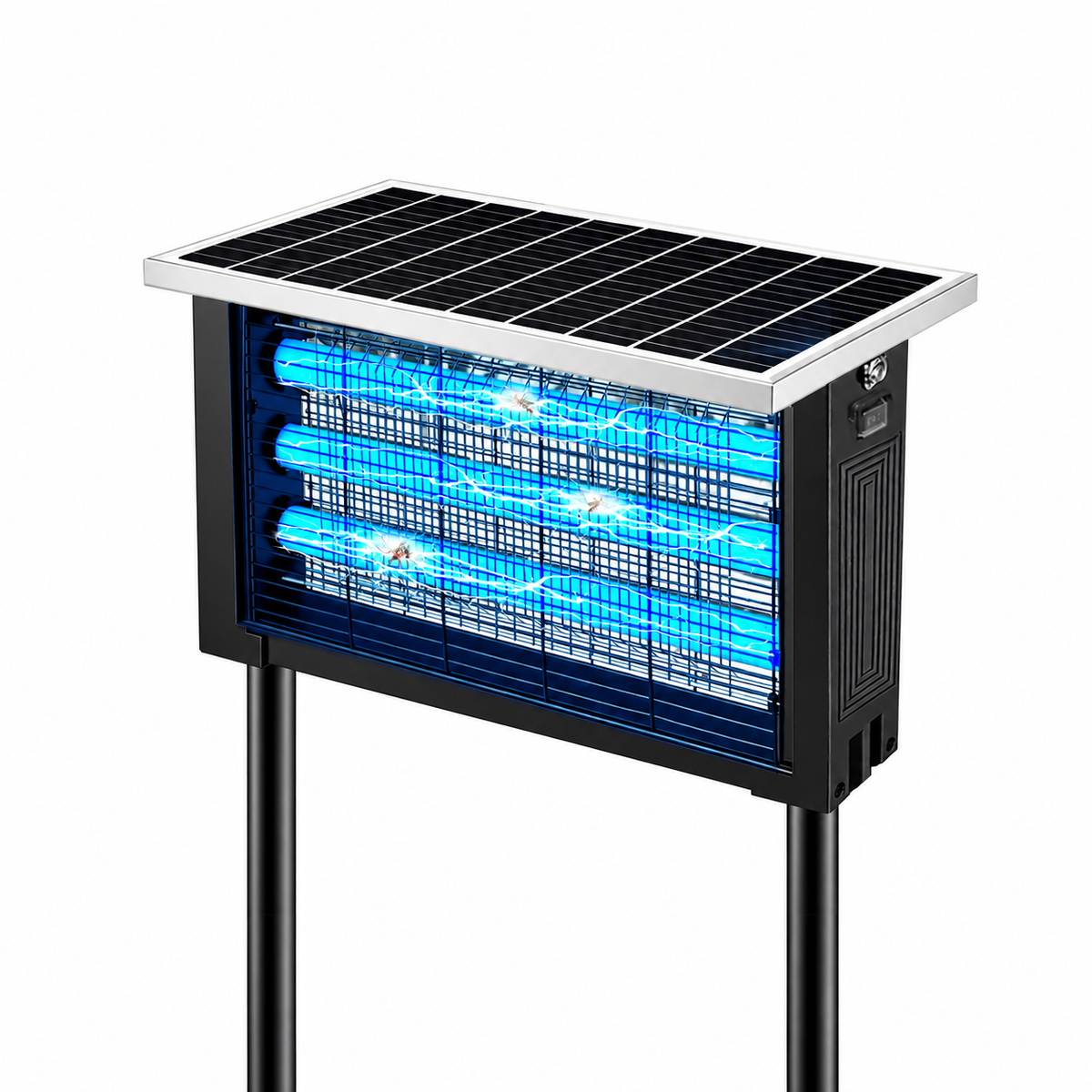
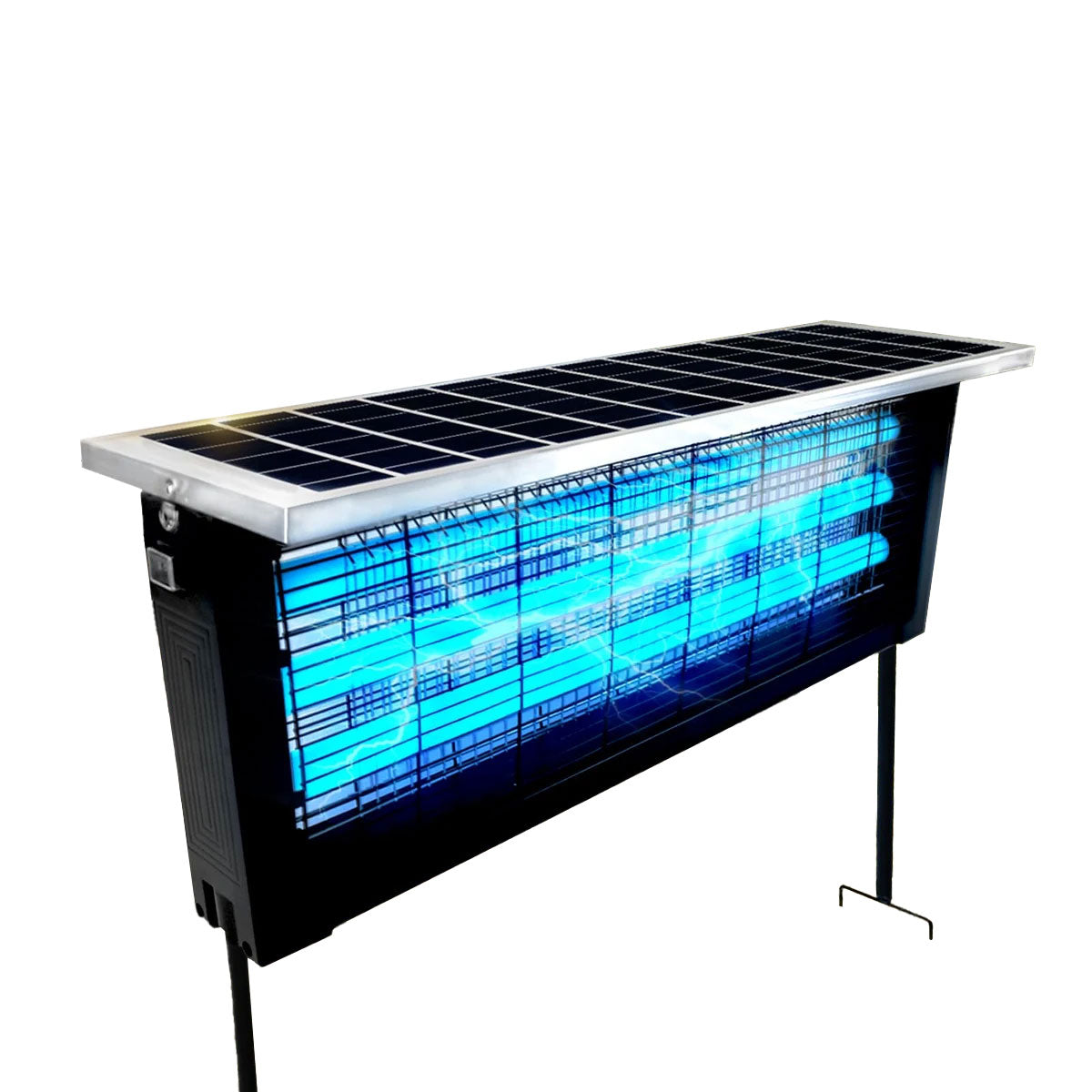
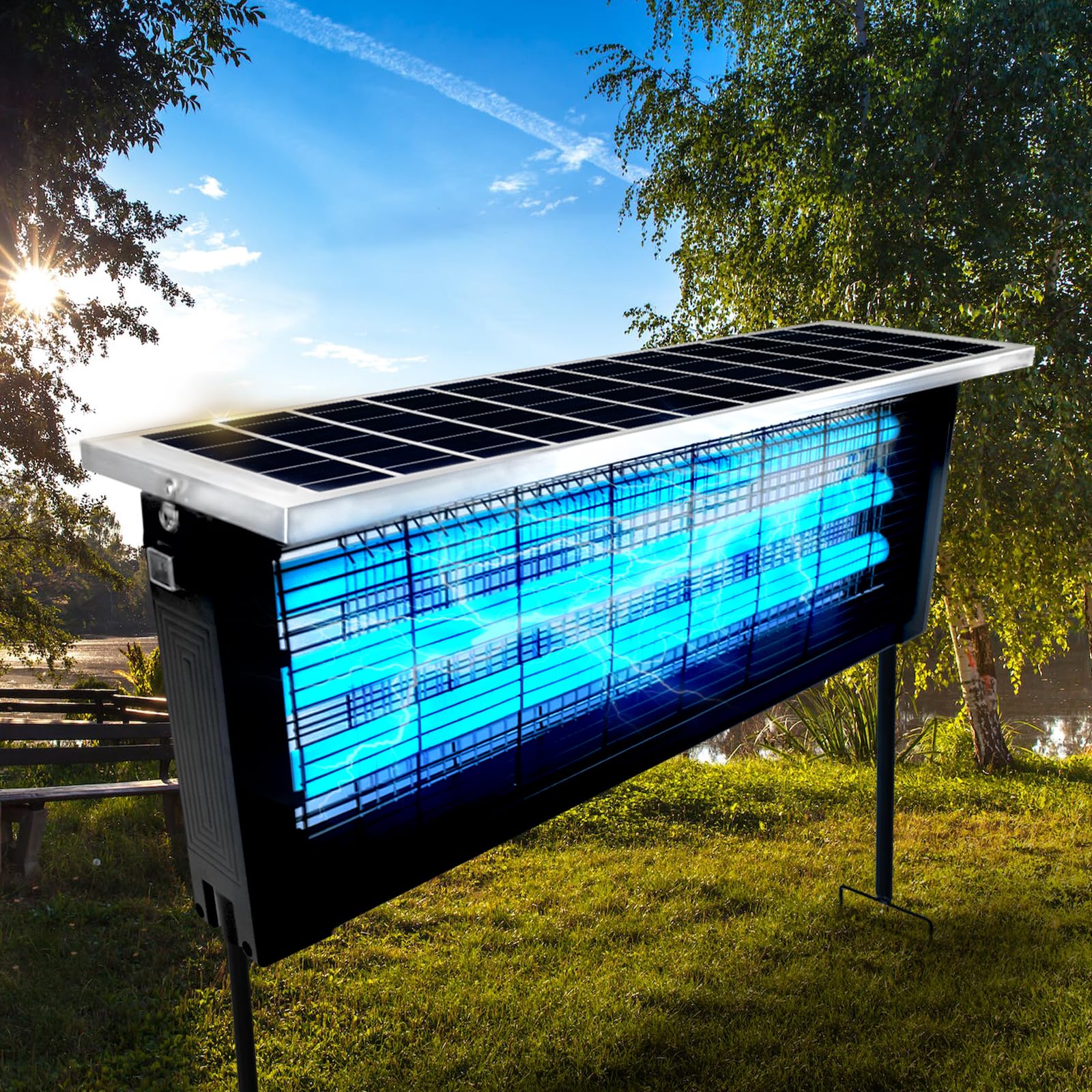
- Solar panels (in outdoor models)
- Charging circuits
- Fans or airflow motors
- Protective housings
- Switches and wiring
Buying these components individually can cost far more than salvaging them from a discarded device.
2. Reduce Electronic Waste
Electronic waste is one of the fastest-growing waste streams globally. Repurposing extends product life cycles and reduces environmental impact without requiring advanced engineering skills.
3. Perfect for Beginners
Mosquito lamps are relatively low-voltage devices. Compared with appliances like microwaves or power tools, they are safer for beginners learning electronics disassembly.
4. Save Money While Learning Skills
DIY projects built from reclaimed parts allow experimentation without fear of damaging expensive materials.
Understanding How a Mosquito Lamp Works
Knowing the internal structure makes repurposing easier.
A typical mosquito lamp operates using three main systems:
- Light Attraction System – UV light attracts insects.
- Capture Mechanism – Electric grid, fan suction, or sticky surface.
- Power System – Battery, USB charging board, or solar energy.
Each subsystem provides reusable parts.
Tools You’ll Need Before Disassembly
You don’t need a professional workshop. Most projects require only basic tools:
- Small Phillips and flathead screwdrivers
- Precision screwdriver set
- Wire cutters and strippers
- Soldering iron (optional but helpful)
- Multimeter for testing voltage
- Safety gloves
- Safety glasses
Optional upgrades:
- Hot glue gun
- Heat shrink tubing
- Electrical tape
- Storage containers for parts
Safety First: Important Precautions
Even low-power electronics deserve respect.
Disconnect All Power Sources
Always remove:
- Batteries
- USB cables
- Solar connections
before opening the device.
Handle Capacitors Carefully
Some mosquito lamps contain small capacitors that may store residual charge. Avoid touching exposed contacts immediately after opening.
Avoid Broken UV Tubes
Older lamps may use fluorescent UV bulbs containing small amounts of mercury. If broken, ventilate the area and dispose responsibly.
Label Components
Mark wires or take photos during disassembly to remember connections later.
Step-by-Step: How to Disassemble an Old Mosquito Lamp
Step 1: Remove Outer Housing
Most lamps are secured with hidden screws under rubber feet or labels. Work slowly to avoid cracking plastic clips.
Step 2: Separate Modules
You’ll usually find:
- Light module
- Fan or grid section
- Battery compartment
- Circuit board
Disconnect wiring gently.
Step 3: Extract Reusable Parts
Sort components into categories:
- Lighting
- Power
- Mechanical
- Structural
Organization saves time later.
Parts Worth Saving (And Why)
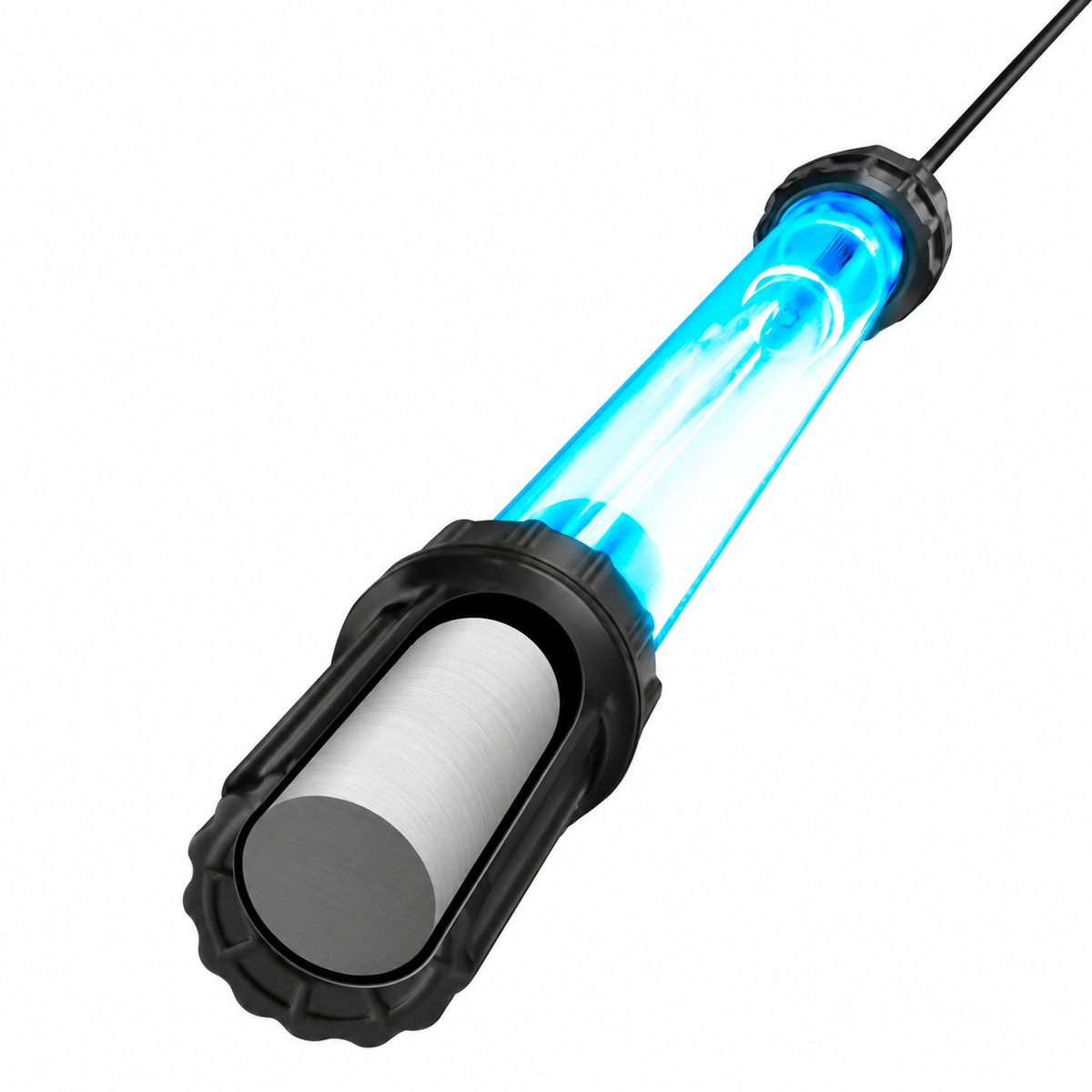
UV LEDs or UV Bulbs
These are excellent for:
- Resin curing projects
- Currency or stain detection
- Night lighting experiments
- Plant growth testing
Rechargeable Batteries
Common types include:
- 18650 lithium cells
- Li-polymer packs
After testing capacity, they can power small electronics.
Solar Panels
Outdoor mosquito lamps often include compact solar panels ideal for DIY solar projects.
Fans and Motors
Low-power fans are useful for ventilation, cooling electronics, or DIY air purifiers.
Charging Boards
USB charging circuits are extremely valuable for building portable devices.
Switches and Buttons
Reusable switches eliminate the need to buy new hardware.
Plastic Housing
Weather-resistant shells are perfect for outdoor electronics enclosures.
Project Ideas Using Repurposed Mosquito Lamp Parts
Now comes the fun part—turning salvaged components into functional creations.
Project 1: DIY Solar Garden Light
Difficulty: Beginner
Estimated Time: 1–2 hours
Materials
- Solar panel
- LED module
- Battery
- Housing shell
Steps
- Connect solar panel to charging board.
- Attach battery output to LED.
- Install LED inside housing.
- Seal enclosure for outdoor use.
Result: A zero-cost solar garden light perfect for pathways or patios.
Project 2: Portable Emergency Power Bank
Mosquito lamps with USB charging circuits can become backup power sources.
Steps
- Test battery health using a multimeter.
- Connect battery to charging module.
- Install USB output port.
- Place inside reused housing.
Ideal for camping or emergency kits.
Project 3: Mini Desktop Air Circulator
Reuse the internal fan to create a compact cooling device.
Build Concept
- Fan + USB power board
- Adjustable stand from lamp frame
Perfect for desks, routers, or gaming consoles needing airflow.
Project 4: UV Resin Curing Box
UV LEDs are surprisingly powerful.
How It Works
- Line a small box with reflective foil.
- Install UV LEDs inside.
- Power using salvaged battery pack.
Useful for:
- Resin crafts
- Nail art curing
- Adhesive hardening
Project 5: Smart Night Light
Transform mosquito lamp lighting into ambient home lighting.
Enhancements include:
- Motion sensor add-on
- Warm diffuser cover
- Automatic dusk activation using solar board
Project 6: DIY Bug Detector for Outdoor Camping
Ironically, mosquito lamp parts can still help detect insects rather than kill them.
Combine:
- UV light
- Small fan
- Transparent container
to observe insect activity for educational purposes.
Testing and Restoring Salvaged Batteries
Battery reuse requires caution.
Check Voltage
Healthy lithium cells usually read:
- 3.0V–4.2V range
Below 2.5V may indicate permanent damage.
Capacity Testing
Charge fully and measure runtime under load.
Safety Tips
- Never puncture batteries.
- Avoid overheating.
- Store in insulated holders.
Creative Housing Reuse Ideas
Don’t overlook plastic shells.
They can become:
- Weatherproof sensor boxes
- Wi-Fi extender enclosures
- Outdoor thermometers
- Mini greenhouse lighting pods
Their original design already accounts for ventilation and durability.
Upgrading Repurposed Projects
Once comfortable, consider enhancements:
- Add Arduino or microcontrollers
- Install motion sensors
- Integrate Bluetooth control
- Add automatic timers
Repurposed parts reduce costs while enabling advanced experimentation.
Teaching Electronics Through Reuse
Old mosquito lamps are fantastic educational tools.
Parents and teachers can use them to demonstrate:
- Basic circuits
- Energy conversion
- Solar charging principles
- Battery management
Hands-on learning improves understanding far more than theory alone.
Environmental Benefits of DIY Repurposing
Repurposing provides measurable advantages:
Reduced Resource Extraction
Reusing components lowers demand for newly manufactured electronics.
Lower Carbon Footprint
Manufacturing electronic parts consumes energy and raw materials.
Extended Product Lifecycle
Every reused component delays landfill disposal.
Common Mistakes Beginners Make
Throwing Away “Broken” Parts Too Quickly
Many components fail due to simple wiring issues rather than true damage.
Mixing Battery Types
Never combine lithium and NiMH batteries in the same circuit.
Ignoring Heat Dissipation
LEDs require airflow or heat sinks to last longer.
Skipping Testing
Always verify voltage before connecting components.
Storage Tips for Salvaged Components
Good organization turns random scraps into a usable parts library.
Use:
- Labelled zip bags
- Small drawer organizers
- Magnetic trays for screws
Document voltage ratings directly on parts.
When Not to Reuse Parts
Avoid salvaging if:
- Batteries are swollen
- Circuit boards are burned
- UV tubes are cracked
- Wiring insulation is melted
Safety always outweighs savings.
Building a DIY Maker Mindset
Repurposing isn’t just about saving money—it changes how you see everyday objects.
Instead of asking:
“Is this broken?”
you begin asking:
“What can this become?”
This mindset fuels creativity and innovation.
Frequently Asked Questions
Are mosquito lamp parts safe for beginners?
Yes, most operate at low voltage, making them beginner-friendly when basic precautions are followed.
Can solar mosquito lamps fully power new devices?
They work best for low-power applications like LEDs or sensors.
How long do salvaged batteries last?
Depending on condition, many remain usable for years in low-drain projects.
Do I need advanced electronics knowledge?
No. Many projects require only simple wiring connections.
The Future of DIY Upcycling
As sustainability becomes increasingly important, repurposing electronics will likely grow into a mainstream hobby. Communities of makers continue sharing designs, improving techniques, and inspiring others to rethink waste.
Mosquito lamps, often discarded without thought, represent a perfect starting point for anyone entering the world of DIY electronics reuse.
Final Thoughts
An old mosquito lamp may look like junk, but inside it lives a collection of practical components waiting for a second life. With a few tools, some curiosity, and a willingness to experiment, you can transform discarded devices into useful creations that benefit your home, your wallet, and the environment.
Whether you build solar lights, portable power banks, or creative lighting projects, repurposing mosquito lamp parts proves that innovation doesn’t always require new materials—just a new perspective.
So next time your mosquito lamp stops working, don’t throw it away.
Open it.
Explore it.
Rebuild it.
And let your next DIY project begin.