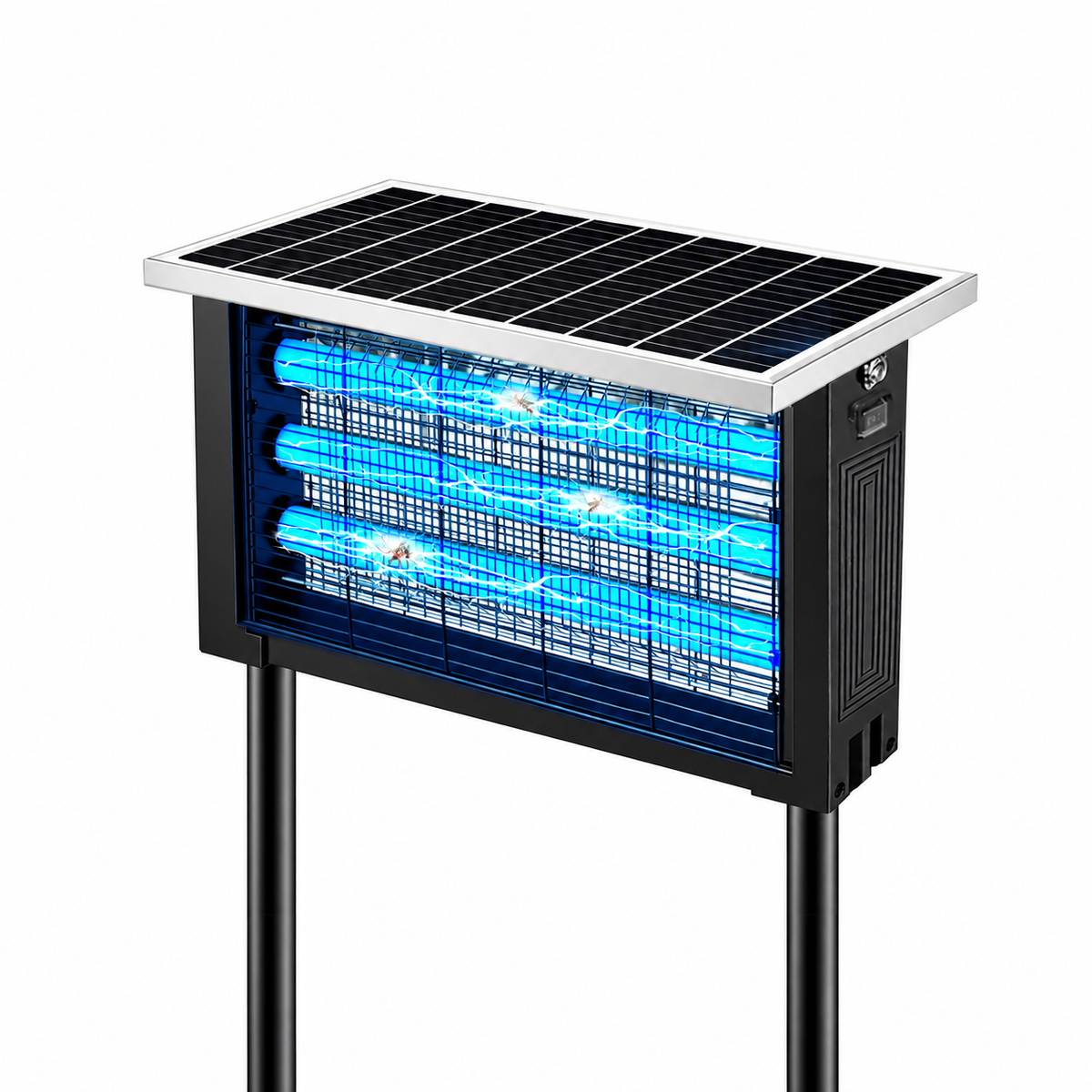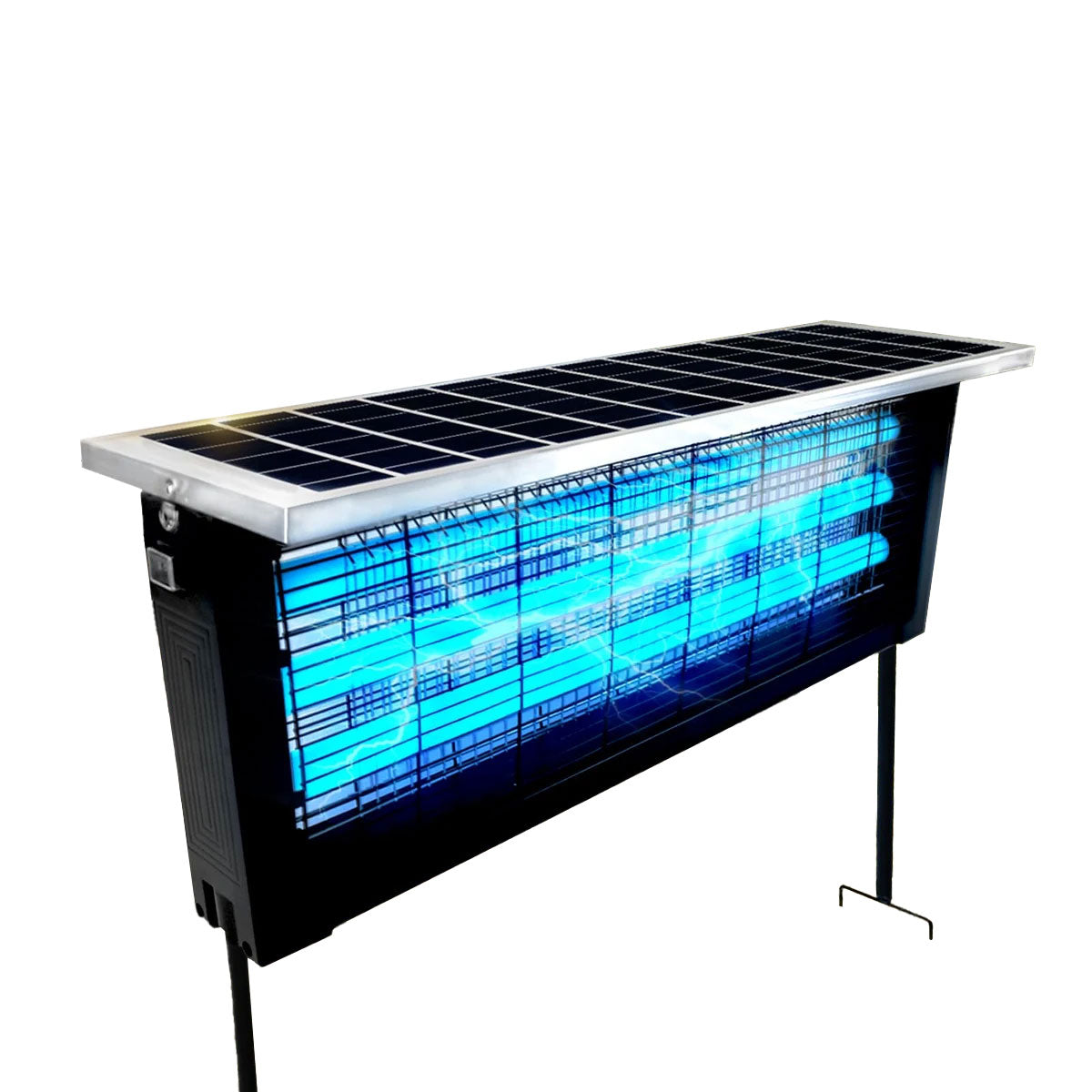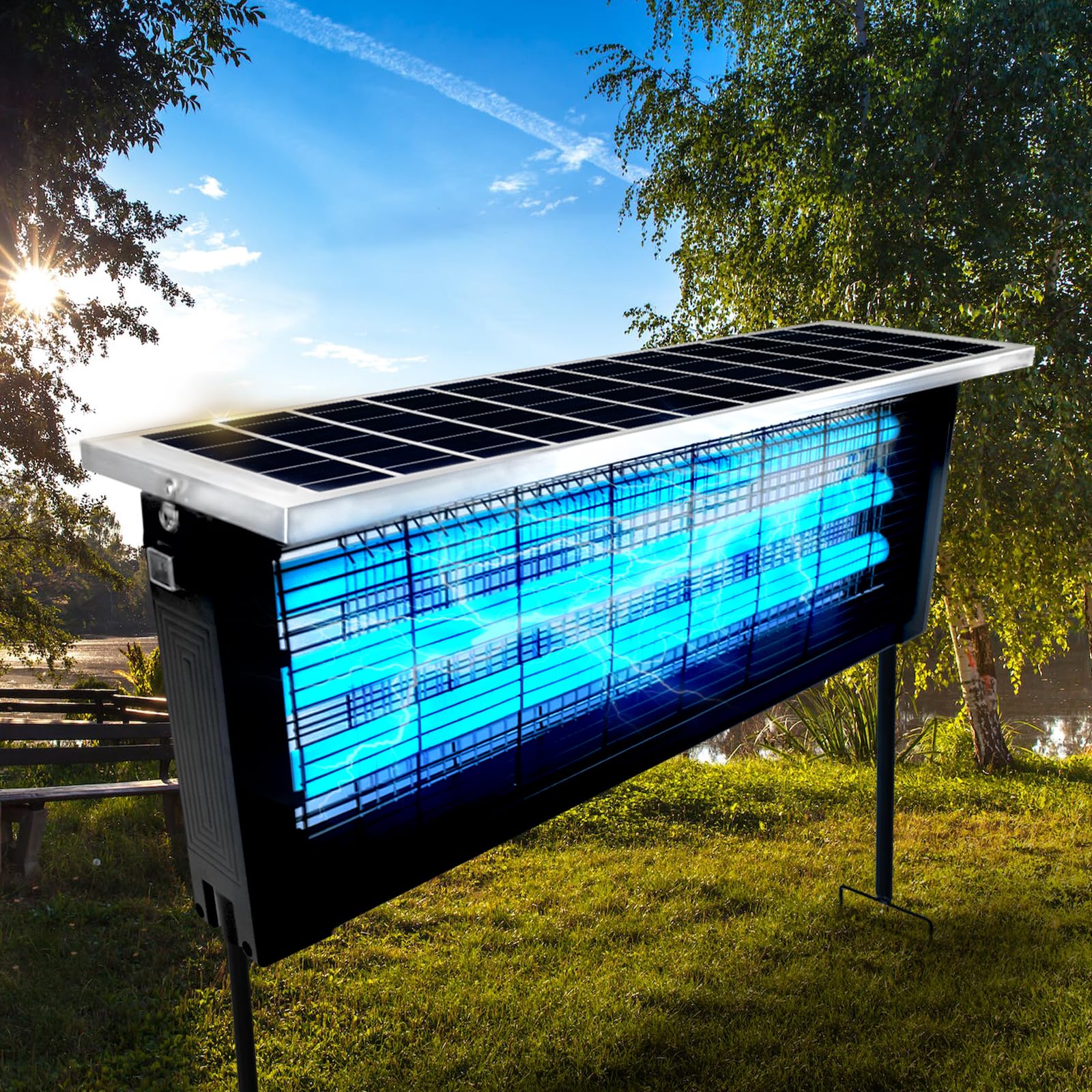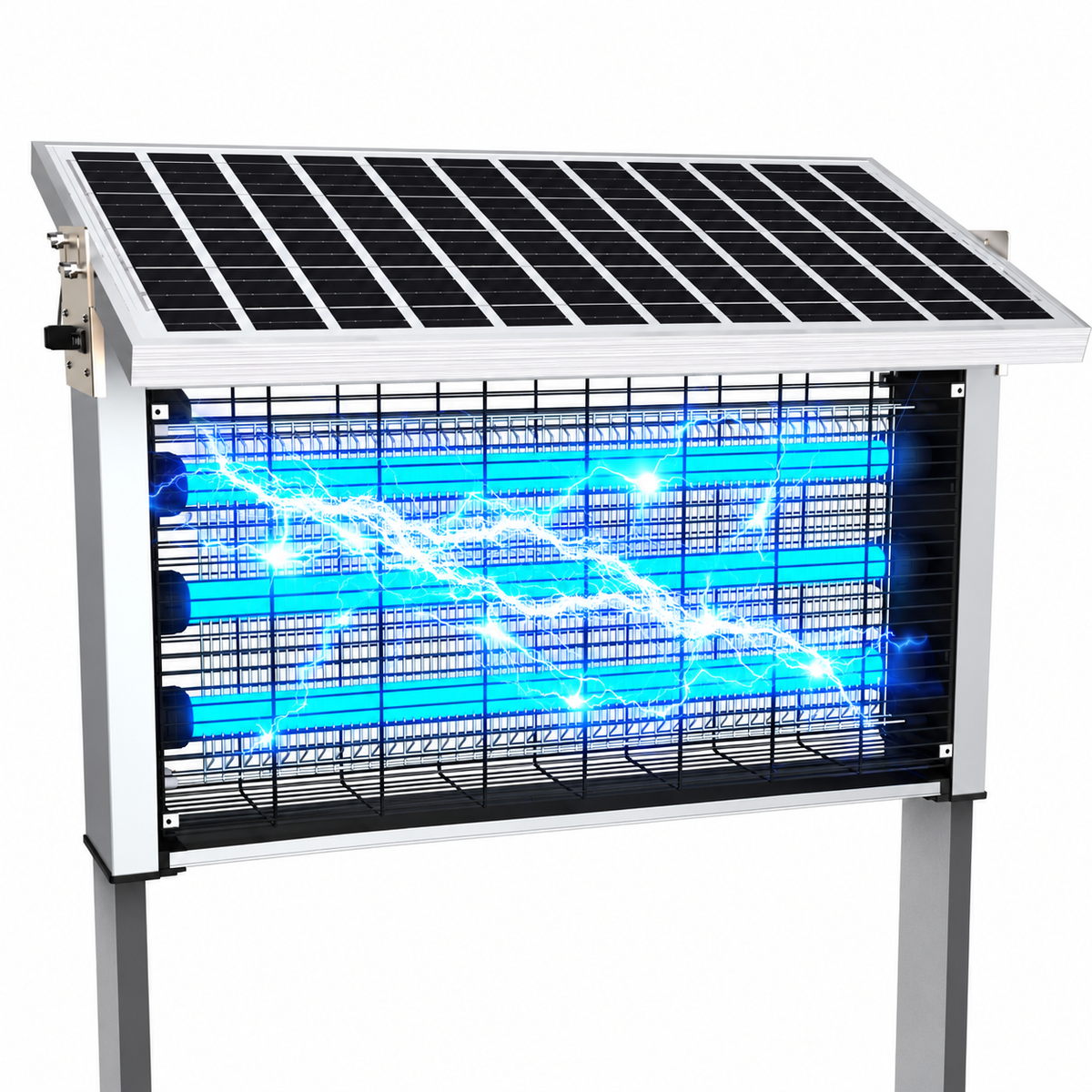
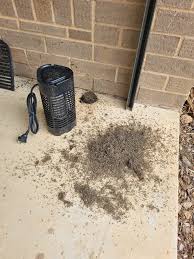
If your mosquito lamp used to produce satisfying, sharp electric zaps but now seems weak, quiet, or ineffective, the problem is often not the bulb, battery, or circuitry. In many cases, the real culprit is a clogged electric grid.
Over time, insect debris, dust, moisture, and airborne particles accumulate between the metal grids responsible for delivering electric shocks. This buildup reduces conductivity, blocks voltage pathways, and dramatically lowers the lamp’s ability to eliminate insects efficiently.
The good news is that restoring performance is usually simple. With proper cleaning techniques and safe maintenance habits, you can bring your mosquito lamp’s electric shock efficiency back to near-original performance—often in less than an hour.
This complete guide explains why electric grids become clogged, how to clean them safely, and how to prevent performance loss in the future.
Understanding How the Electric Grid Works
Before cleaning, it helps to understand what you’re working with.
Most electric mosquito lamps operate using a high-voltage, low-current electric grid system.
Basic Operation
- UV light attracts insects.
- Insects fly into a metal grid.
- Two closely spaced conductive wires carry high voltage.
- Contact completes the circuit.
- Instant electrical discharge eliminates the insect.
The grid must remain clean and properly spaced for electricity to arc efficiently.
Even small contaminants can interrupt this process.
Why Electric Grids Become “Blocked”
A clogged grid doesn’t necessarily look completely dirty. Performance declines gradually due to several hidden factors.
1. Burned Insect Residue
When insects are electrocuted, they leave behind:
- Carbonized particles
- Oils
- Protein residue
- Ash-like debris
These materials accumulate on wires and reduce conductivity.
2. Dust and Outdoor Pollution
Outdoor lamps collect:
- Pollen
- Dust
- Smoke particles
- Airborne grease
These form insulating layers over time.
3. Moisture and Humidity
Water vapor mixes with debris, creating sticky buildup that traps additional dirt.
4. Spider Webs and Tiny Fibers
Fine webs can prevent insects from reaching energized wires.
5. Corrosion or Oxidation
Metal grids exposed to humidity slowly oxidize, increasing electrical resistance.
Signs Your Electric Grid Needs Cleaning
Watch for these common symptoms:
- Fewer or weaker zapping sounds
- Insects hovering but not being eliminated
- Reduced attraction effectiveness
- Visible debris between wires
- Flickering or inconsistent discharge
- Burning smell during operation
If your lamp still powers on but performs poorly, cleaning is often the solution.
Safety First: Essential Precautions
Electric mosquito lamps generate high voltage—even when unplugged recently.
Always Follow These Steps
- Turn OFF the device.
- Unplug power cord or remove battery.
- Wait at least 10 minutes for capacitors to discharge.
- Wear insulated gloves if available.
Never clean while the device is powered.
Tools You’ll Need
Most cleaning jobs require simple household tools.
Basic Cleaning Kit
- Soft brush or paintbrush
- Old toothbrush
- Compressed air can
- Wooden toothpicks
- Microfiber cloth
- Isopropyl alcohol (70–90%)
Optional Tools
- Small vacuum cleaner
- Cotton swabs
- Plastic tweezers
- Headlamp or flashlight
Avoid metal tools near the grid.
Step-by-Step: Deep Cleaning the Electric Grid
Follow this process carefully for best results.
Step 1: Open the Protective Housing
Many mosquito lamps include a removable outer cage.
- Unscrew or unclip carefully.
- Avoid bending grid wires.
Take photos during disassembly if needed.
Step 2: Remove Loose Debris First
Start dry before using liquids.
Use:
- Soft brush
- Compressed air
- Gentle tapping
This removes ash and dust without spreading grime.
Tip: Hold the lamp upside down while brushing so debris falls out.
Step 3: Dislodge Stubborn Insect Remains
Burned insect material often sticks tightly.
Use:
- Wooden toothpicks
- Plastic tools
- Soft toothbrush
Work slowly between wires.
Never force objects that could bend the grid spacing.
Step 4: Alcohol Cleaning for Conductivity Restoration
Dip a cotton swab lightly in isopropyl alcohol.
Gently wipe:
- Grid wires
- Contact points
- Residue-heavy areas
Alcohol dissolves oils and evaporates quickly without leaving residue.
Important: Use minimal liquid to avoid dripping into electronics.
Step 5: Dry Completely
Allow at least 30–60 minutes of air drying.
You can speed drying using:
- Fan airflow
- Cool air setting on hair dryer
Never reassemble while moisture remains.
Step 6: Inspect Grid Alignment
Check that wires remain:
- Parallel
- Evenly spaced
- Not touching
Bent wires reduce shock efficiency or cause short circuits.
If needed, gently realign using plastic tweezers.
Step 7: Reassemble and Test
Reinstall housing and power on.
You should notice:
- Stronger zap sounds
- Faster insect elimination
- Improved attraction performance
Advanced Cleaning for Heavily Blocked Grids
If regular cleaning isn’t enough, try deeper restoration methods.
Method 1: Vinegar Oxidation Removal
For mild corrosion:
- Mix equal parts water and white vinegar.
- Lightly dampen cloth.
- Wipe grid carefully.
- Follow with alcohol cleaning.
This removes oxidation buildup.
Method 2: Contact Cleaner Spray
Electronics contact cleaner improves conductivity.
Use sparingly and allow full drying.
Method 3: Micro-Sanding (Experienced DIY Only)
If wires are heavily oxidized:
- Use ultra-fine sandpaper (1000+ grit).
- Lightly polish wire surface.
Avoid excessive abrasion.
How Often Should You Clean the Grid?
Cleaning frequency depends on usage conditions.
Indoor Use
Every 1–2 months.
Covered Outdoor Areas
Every 3–4 weeks during mosquito season.
Humid or Dusty Environments
Every 2–3 weeks.
Regular maintenance prevents heavy buildup.
Preventing Future Grid Blockage
Cleaning works best when combined with prevention.
Position the Lamp Strategically
Avoid placing near:
- Cooking areas
- Dusty ground surfaces
- Dense vegetation
Elevate lamp at least 3–5 feet above ground.
Install Protective Pre-Filters
Some users add removable mesh layers to catch large debris before it reaches the grid.
Keep Surroundings Clean
Reduce:
- Standing water
- Organic debris
- Excess lighting competition
Better placement reduces insect overload.
Seasonal Deep Cleaning
At the start and end of mosquito season:
- Fully clean grid
- Inspect wiring
- Check housing seals
Common Cleaning Mistakes to Avoid
Using Water Spray
Water can damage internal electronics and create shock hazards.
Using Metal Brushes
Metal tools can short circuits or damage wires.
Cleaning While Plugged In
Extremely dangerous and unnecessary.
Overusing Liquids
Moisture trapped inside causes corrosion.
Why Cleaning Improves Electric Shock Efficiency
A clean grid restores proper electrical behavior.
Improved Voltage Transfer
Debris acts as insulation. Removing it allows full voltage delivery.
Better Arc Formation
Clean spacing ensures consistent electrical discharge.
Faster Reaction Time
Insects receive immediate shock instead of partial contact.
Reduced Energy Waste
Efficient discharge lowers unnecessary power draw.
Extending the Lifespan of Your Mosquito Lamp
Routine cleaning helps:
- Prevent overheating
- Reduce electrical strain
- Maintain consistent performance
- Avoid premature replacement
Many lamps fail simply due to neglect rather than component failure.
Troubleshooting After Cleaning
If performance still seems weak, check:
- UV bulb brightness
- Battery capacity
- Power adapter output
- Transformer sounds
- Grid wire damage
Cleaning solves most—but not all—performance issues.
Environmental Benefits of Maintenance
Maintaining appliances instead of replacing them:
- Reduces electronic waste
- Saves manufacturing resources
- Lowers household expenses
- Encourages sustainable habits
Small maintenance actions make long-term environmental impact.
Frequently Asked Questions
Can I use compressed air safely?
Yes, but keep distance to avoid bending wires.
Is alcohol safe for electronics?
Yes, when used sparingly and allowed to dry fully.
Why does my lamp smell after cleaning?
Remaining debris may burn off during first use; odor should disappear quickly.
Can clogged grids damage electronics?
Yes. Blocked discharge increases internal stress over time.
Building a Simple Maintenance Routine
Create a quick monthly checklist:
- Visual inspection
- Light brushing
- Alcohol wipe
- Alignment check
- Functional test
Total time: about 10 minutes.
The DIY Advantage
Understanding how your mosquito lamp works transforms maintenance from guesswork into confidence. Instead of assuming reduced performance means replacement, you gain the ability to diagnose and restore functionality yourself.
A clean electric grid doesn’t just improve performance—it revives the core mechanism that makes electric mosquito lamps effective in the first place.
Final Thoughts
When a mosquito lamp stops delivering strong electric zaps, the solution is often surprisingly simple. A clogged electric grid quietly reduces efficiency long before total failure occurs. By safely cleaning residue, restoring conductivity, and maintaining proper spacing, you can dramatically improve performance almost instantly.
Regular maintenance keeps your device operating at peak efficiency, saves money, and extends the life of equipment designed to protect your outdoor and indoor spaces.
So if your mosquito lamp has gone quiet lately, don’t replace it just yet.
Open it.
Clean it.
Restore it.
And let the electric zap power return like new.