
Bringing new koi home is one of the most exciting moments for any pond owner. Whether you are introducing premium Japanese koi into a professionally designed pond or adding colorful young fish to a backyard water garden, the first week after arrival is the most critical period for their survival.
Many koi losses do not happen because the fish were unhealthy when purchased. Instead, mortality often occurs because of stress, improper acclimation, poor water parameter matching, or sudden environmental changes during the transfer process. Even healthy koi can experience severe shock if they are moved too quickly into unfamiliar water conditions.
This is why experienced koi keepers place enormous importance on a process commonly referred to as “water acclimation” or “floating and mixing water.” In koi keeping, proper acclimation is not simply a small precaution. It is one of the most important steps in protecting fish health, strengthening immune systems, reducing stress hormones, and helping koi adapt safely to their new environment.
The first seven days determine whether your koi merely survive or truly thrive.
In this comprehensive guide, you will learn exactly how to acclimate koi scientifically, reduce stress during transfer, stabilize water conditions, prevent common first-week diseases, and create an environment where newly introduced koi can settle in safely.
Why the First Week Is So Dangerous for New Koi
Koi are surprisingly sensitive animals despite their hardy appearance.
During transport, koi experience multiple stress factors simultaneously:
-
Oxygen fluctuations
-
Temperature shifts
-
Confinement stress
-
Ammonia buildup
-
Carbon dioxide accumulation
-
pH instability
-
Physical handling stress
-
Immune suppression
Once transported fish are suddenly introduced into a pond with different water chemistry, the stress intensifies.
This can trigger:
-
Osmotic shock
-
Gill damage
-
Immune collapse
-
Parasite outbreaks
-
Bacterial infections
-
Loss of appetite
-
Erratic swimming
-
Sudden death
Many beginners underestimate how different water conditions can be between the seller’s system and the home pond.
Even seemingly small changes in:
-
Temperature
-
pH
-
KH
-
GH
-
Salinity
-
Ammonia concentration
can severely affect koi physiology.
That is why gradual acclimation matters so much.
What “Water Acclimation” Really Means
Water acclimation refers to the controlled process of slowly adjusting koi to new environmental conditions before full release into the pond.
The purpose is to allow the fish’s body to adapt gradually rather than forcing it to endure sudden chemical and temperature changes.
Proper acclimation helps stabilize:
-
Osmoregulation
-
Breathing efficiency
-
Electrolyte balance
-
Stress hormone levels
-
Immune function
-
Metabolic activity
A scientifically managed acclimation process significantly lowers mortality rates and improves long-term fish health.
The Science Behind Osmotic Stress in Koi
Koi constantly regulate water and mineral balance through their gills and skin.
When fish are suddenly moved into water with different chemistry, the body struggles to maintain equilibrium.
This process is called osmoregulation.
If water conditions change too rapidly, koi may experience osmotic shock.
Symptoms include:
-
Gasping
-
Clamped fins
-
Flashing
-
Lethargy
-
Disorientation
-
Rolling behavior
-
Rapid gill movement
In severe cases, osmotic stress can damage internal organs and weaken immune defenses.
The first few hours after introduction are therefore extremely important.
Preparing the Pond Before New Koi Arrive
Acclimation begins before the fish even arrive.
A properly prepared pond dramatically improves survival rates.
Test Water Parameters in Advance
Before purchasing or receiving koi, test:
-
Temperature
-
pH
-
KH (carbonate hardness)
-
GH (general hardness)
-
Ammonia
-
Nitrite
-
Nitrate
-
Dissolved oxygen
Stable water is more important than chasing perfect numbers.
Recommended pond ranges include:
-
Temperature: 68–77°F
-
pH: 7.0–8.5
-
Ammonia: 0 ppm
-
Nitrite: 0 ppm
-
KH: 100–200 ppm
-
Dissolved oxygen: High circulation preferred
Ensure Biological Filtration Is Mature
New ponds without established biofiltration are dangerous for koi.
Immature filtration systems cannot process ammonia efficiently.
This often leads to:
-
Ammonia spikes
-
Nitrite poisoning
-
Stress-related disease
Always cycle the pond before adding fish.
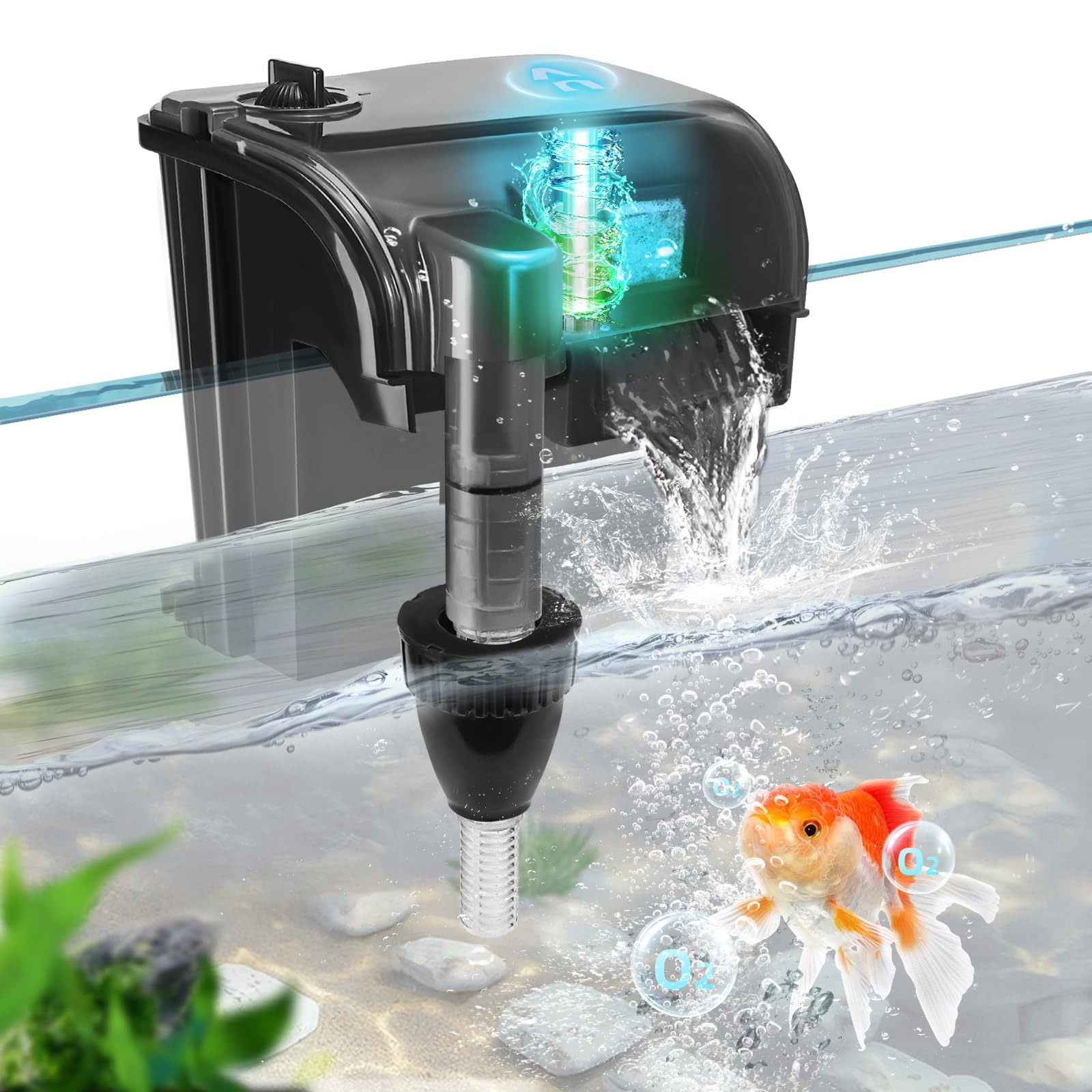
Increase Aeration
Transported koi require high oxygen levels.
Use:
-
Air stones
-
Waterfalls
-
Venturi systems
-
Aerated bottom drains
Strong oxygenation helps fish recover faster from shipping stress.
The Safest Way to Transport Koi
Transportation itself significantly affects survival.
Avoid Long Exposure to Extreme Temperatures
Never leave koi bags in:
-
Hot vehicles
-
Direct sunlight
-
Freezing temperatures
Temperature instability rapidly increases stress.
Keep Transport Bags Sealed Until Acclimation Begins
Many hobbyists immediately open transport bags.
This can actually increase ammonia toxicity.
During shipping:
-
Carbon dioxide accumulates
-
pH drops naturally
-
Lower pH reduces ammonia toxicity
When the bag is suddenly opened, oxygen enters and pH rises.
This can convert ammonium into toxic ammonia.
Keep bags sealed during initial temperature equalization.
Step-by-Step Guide to Proper Koi Water Acclimation
Step 1: Float the Sealed Bag
Place the sealed transport bag into the pond or quarantine tank.
Float it for approximately 20–30 minutes.
This allows gradual temperature equalization.
Rapid temperature changes can damage gill tissues and shock the fish.
Step 2: Keep the Area Calm
Avoid loud noises, splashing, or excessive handling.
Stress reduction is critical.
Step 3: Open the Bag Carefully
After temperature equalization, gently open the bag.
Avoid allowing pond water to rush in immediately.
Step 4: Slowly Add Pond Water
Add small amounts of pond water into the bag every 5–10 minutes.
A common approach is:
-
Add 10–20% pond water each interval
-
Continue for 30–60 minutes
This gradually adjusts:
-
pH
-
Mineral levels
-
Salinity
-
Water hardness
Step 5: Observe Fish Behavior Closely
Healthy acclimating koi usually display:
-
Slow swimming
-
Balanced posture
-
Controlled breathing
Warning signs include:
-
Sideways drifting
-
Violent thrashing
-
Rapid gill movement
-
Gasping
-
Loss of equilibrium
Step 6: Transfer Without Mixing Shipping Water
Whenever possible, avoid pouring transport water directly into the pond.
Shipping water may contain:
-
Elevated ammonia
-
Pathogens
-
Parasites
-
Medication residues
Instead, gently net the koi into the pond.
Why Quarantine Tanks Are Highly Recommended
Experienced koi keepers rarely place new fish directly into the main pond.
Quarantine systems provide enormous advantages.
Disease Prevention
New koi may carry:
-
Parasites
-
Bacterial infections
-
Viral diseases
without visible symptoms.
Quarantine reduces the risk of infecting established fish.
Easier Monitoring
Smaller quarantine systems allow closer observation.
You can monitor:
-
Appetite
-
Swimming patterns
-
Skin condition
-
Gill movement
-
Waste production
Lower Competition Stress
New fish often experience bullying from established koi.
Quarantine gives them time to recover before social introduction.
Controlled Treatment Environment
If problems appear, treatment is easier and safer in quarantine.
How Long Should Koi Stay in Quarantine?
Most experienced keepers recommend:
-
Minimum: 2 weeks
-
Preferred: 3–6 weeks
Longer quarantine periods provide better disease detection opportunities.
This is especially important for expensive koi collections.
Feeding New Koi During the First Week
Overfeeding is one of the most common mistakes after introducing koi.
Transport stress weakens digestion.
Day 1
Do not feed immediately.
Allow koi to settle.
Day 2–3
Offer very small portions.
Choose highly digestible foods.
Day 4–7
Gradually increase feeding if:
-
Water quality remains stable
-
Fish appear active
-
Appetite improves
Avoid excessive protein during the initial adjustment period.
Common First-Week Koi Behaviors
New koi often behave differently during adjustment.
Some behaviors are normal.
Normal Behaviors
-
Hiding temporarily
-
Slow exploration
-
Reduced appetite
-
Staying near pond edges
-
Mild shyness
Warning Behaviors
-
Constant gasping
-
Flashing against surfaces
-
Isolation from group
-
Red streaks in fins
-
Ulcers
-
Jumping repeatedly
-
Floating abnormally
Early detection improves treatment success.
The Role of Water Temperature in Koi Acclimation
Temperature affects nearly every aspect of koi biology.
Sudden changes can impact:
-
Metabolism
-
Oxygen demand
-
Immune response
-
Digestion
-
Stress hormones
A difference greater than 3–5°F between transport water and pond water increases risk significantly.
Gradual equalization is essential.
pH Shock: One of the Most Overlooked Dangers
Koi are highly sensitive to sudden pH swings.
Even a healthy fish can collapse if moved abruptly between different pH environments.
A pH difference of:
-
0.2–0.3 may be manageable
-
0.5 or more requires extreme caution
This is why slow water mixing matters.
Why Oxygen Levels Matter So Much
Shipping stress often damages gill efficiency.
Koi recovering from transport need high dissolved oxygen.
Low oxygen environments increase:
-
Stress
-
Disease risk
-
Ammonia toxicity
-
Mortality
Strong aeration is one of the best investments for koi health.
Understanding Ammonia Stress in Newly Introduced Koi
Ammonia is extremely toxic to fish.
Even low concentrations can damage:
-
Gills
-
Nervous system
-
Internal organs
Transport bags frequently accumulate ammonia during shipping.
After release into the pond, additional stress can further increase ammonia sensitivity.
This is why mature filtration is essential.
Should Salt Be Used During Acclimation?
Some koi keepers use low-level salt during quarantine or acclimation.
Potential benefits include:
-
Reduced osmotic stress
-
Improved slime coat support
-
Easier breathing
-
Stress reduction
However, salt should not be used carelessly.
Improper use can:
-
Harm plants
-
Affect biofilters
-
Interfere with medications
Always research carefully before adding salt.
How Stress Weakens the Koi Immune System
Stress triggers cortisol release.
Chronic elevated cortisol suppresses immunity.
This increases vulnerability to:
-
Parasites
-
Ulcers
-
Bacterial infections
-
Fungal issues
Minimizing stress during the first week significantly improves long-term health outcomes.
Signs Your Koi Are Successfully Adjusting
Healthy adaptation usually includes:
-
Smooth swimming
-
Active exploration
-
Strong appetite
-
Social interaction
-
Bright coloration
-
Calm breathing
Most koi become noticeably more comfortable after several days.
Common Acclimation Mistakes Beginners Make
Releasing Fish Too Quickly
Sudden environmental shifts cause shock.
Ignoring Water Testing
Assuming water is safe without testing creates major risks.
Overstocking the Pond
Too many fish increase stress and ammonia production.
Feeding Excessively
Uneaten food quickly damages water quality.
Skipping Quarantine
This dramatically increases disease risk.
Using Untreated Tap Water
Chlorine and chloramine are dangerous for koi.
Always use water conditioners when necessary.
How Weather Changes Affect Newly Introduced Koi
Sudden storms or heat waves can destabilize pond conditions.
Monitor:
-
Temperature swings
-
Oxygen levels
-
Rainwater dilution
-
Debris accumulation
Newly introduced koi tolerate environmental stress less effectively.
The Importance of Observation During the First Week
Observation is one of the most valuable koi-keeping skills.
Spend time watching:
-
Swimming patterns
-
Breathing rate
-
Appetite
-
Social behavior
-
Skin condition
Many diseases become easier to treat when caught early.
Daily observation helps identify problems before they become severe.
How Long Does It Take Koi to Fully Adapt?
Initial stabilization often occurs within:
-
24–72 hours
Behavioral comfort may take:
-
1–2 weeks
Complete adaptation can require:
-
Several weeks
Large or older koi may adjust more slowly.
Patience is important.
Seasonal Considerations for Koi Acclimation
Spring
Temperature instability increases risk.
Immune systems may still be weak after winter.
Summer
High oxygen demand becomes important.
Transport heat stress is more likely.
Fall
Cooling water slows metabolism.
Avoid introducing koi too late before winter.
Winter
Cold-water transport creates additional challenges.
Indoor quarantine may be preferable.
Why Stable Water Matters More Than “Perfect” Water
Many beginners obsess over chasing ideal water numbers.
In reality, koi tolerate a range of conditions reasonably well if those conditions remain stable.
Rapid fluctuations are often more dangerous than slightly imperfect values.
Consistency supports:
-
Stress reduction
-
Immune stability
-
Digestive health
-
Gill function
Building Long-Term Success After the First Week
The first week is only the beginning.
Long-term koi health depends on:
-
Consistent water testing
-
Proper filtration
-
Balanced stocking levels
-
Nutritious feeding
-
Seasonal management
-
Routine observation
Healthy ponds are stable ecosystems.
Successful koi keeping requires patience and attention to detail.
Creating a Low-Stress Pond Environment
A calm environment helps koi adapt faster.
Provide Adequate Space
Crowded ponds increase aggression and stress.
Include Shelter Areas
Koi appreciate shaded or protected areas.
Reduce Predator Stress
Birds and animals can frighten newly introduced koi.
Maintain Good Water Circulation
Dead zones reduce oxygen availability.
Why Premium Koi Require Even More Careful Acclimation
High-quality koi often represent significant financial investments.
Stress-related damage can affect:
-
Color quality
-
Skin condition
-
Growth potential
-
Immune strength
Careful acclimation protects both health and long-term development.
The Emotional Side of Koi Keeping
Koi ponds are more than decorative water features.
For many enthusiasts, koi keeping becomes a deeply relaxing and rewarding hobby.
Watching koi glide calmly through clear water creates a unique sense of tranquility.
Protecting fish during their vulnerable first week reflects responsible and compassionate pond management.
Every careful acclimation process helps build trust between the keeper and the fish.
Final Thoughts
The first week after introducing koi into a pond is the most critical stage in determining long-term health and survival.
While many hobbyists focus heavily on buying beautiful fish, experienced koi keepers understand that proper acclimation often matters even more than the purchase itself.
Scientific water acclimation reduces stress, protects delicate biological systems, supports immune function, and dramatically lowers mortality risk.
Simple steps such as floating transport bags, gradually mixing water, monitoring parameters, increasing oxygenation, and using quarantine systems can make an enormous difference.
Healthy koi do not happen by accident.
They thrive when pond owners respect the biological challenges fish experience during transport and environmental transition.
With patience, observation, and proper preparation, new koi can settle into their pond safely and begin developing into vibrant, healthy, long-lived fish.
A calm first week creates the foundation for years of successful koi keeping.