Spending time outdoors is one of life’s greatest joys. Hiking through the mountains, camping under the stars, or simply enjoying a backyard barbecue—being outside rejuvenates the mind and body. But with fresh air comes an uninvited companion: mosquitoes and other biting insects. Beyond being a nuisance, mosquitoes carry diseases such as West Nile virus, Zika, and dengue, making effective protection essential.
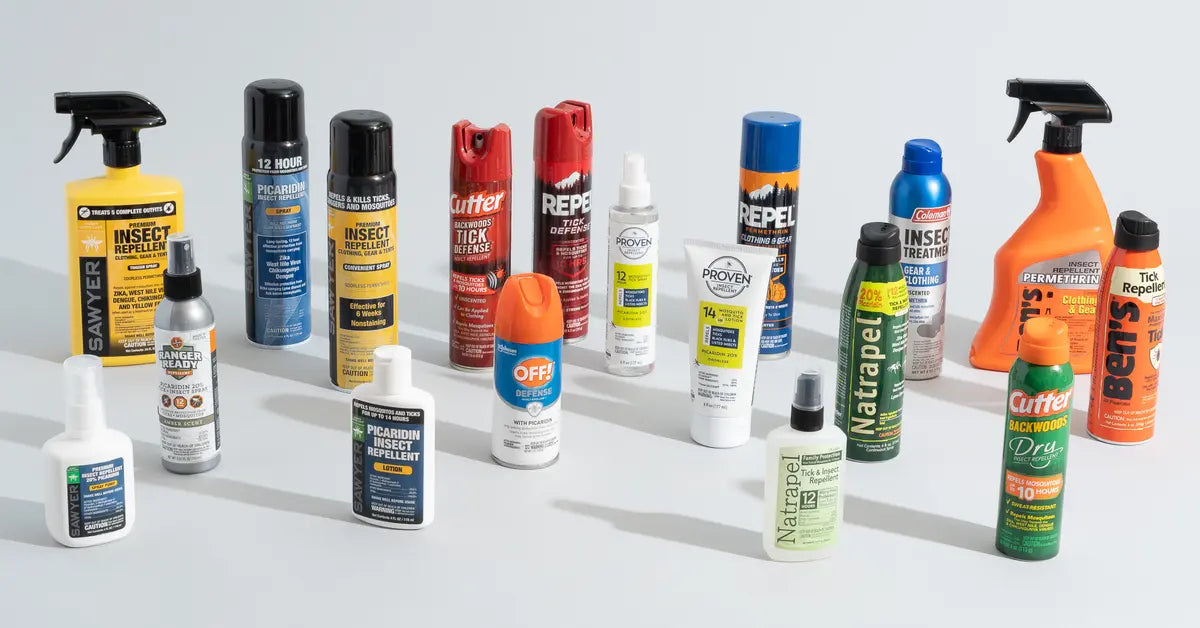
Choosing the right insect repellent is a key part of any outdoor adventure. Two of the most widely used options are DEET and Picaridin (also known as picaridin ester or icaridin in some regions). Both are highly effective, but they differ in application, duration, safety profile, and user experience. This guide will break down everything you need to know to make an informed choice for your outdoor activities.
Understanding How Insect Repellents Work
Insect repellents work by interfering with a mosquito’s ability to detect humans. Mosquitoes are attracted to humans by:
-
Carbon dioxide: Exhaled breath signals a potential blood meal.
-
Body heat: Mosquitoes can sense temperature changes.
-
Sweat and skin chemicals: Lactic acid, ammonia, and other compounds attract mosquitoes.
Repellents like DEET and Picaridin create a chemical barrier that masks these signals, making humans effectively invisible to mosquitoes.
DEET: The Classic Choice
History and Use
DEET, short for N,N-Diethyl-meta-toluamide, was developed by the U.S. Army in 1946 and has been used worldwide for decades. It is widely regarded as the gold standard in insect repellents due to its proven effectiveness.
How DEET Works
DEET works primarily by confusing a mosquito’s sensory receptors, preventing it from detecting human scent and heat. The higher the concentration, the longer the protection duration:
-
10–20% DEET: Typically protects for 2–4 hours.
-
30–50% DEET: Can provide up to 8–10 hours of protection.
Advantages of DEET
-
Long-lasting protection: Especially at higher concentrations.
-
Proven effectiveness: Extensive research supports its use.
-
Broad insect coverage: Effective against mosquitoes, ticks, biting flies, chiggers, and other insects.
Considerations When Using DEET
-
Skin and clothing interaction: DEET can damage plastics, synthetic fabrics, watches, eyeglass frames, and electronics.
-
Skin irritation: Some people experience mild irritation with high-concentration formulations.
-
Strong odor: Not everyone enjoys the scent of DEET-based repellents.
DEET is particularly suitable for extended outdoor activities in high-risk mosquito areas, especially in tropical regions.
Picaridin: The Modern Alternative
What Is Picaridin?
Picaridin, also known as picaridin ester, is a synthetic compound derived from piperine, a naturally occurring substance in black pepper. Developed in the 1980s, Picaridin has gained popularity as a DEET alternative due to its effectiveness and skin-friendly profile.
How Picaridin Works
Similar to DEET, Picaridin interferes with mosquitoes’ sensory receptors. However, it is generally considered less irritating to the skin and has a more neutral smell.
-
10% Picaridin: Provides about 2–4 hours of protection.
-
20% Picaridin: Can last up to 8–10 hours against mosquitoes.
Advantages of Picaridin
-
Skin-friendly: Less likely to cause irritation.
-
Non-damaging to plastics and fabrics: Safe around outdoor gear, sunglasses, and electronics.
-
Odorless or mild-smelling: Makes it more comfortable for everyday use.
-
Effective against ticks: Often recommended in areas where Lyme disease is a concern.
Considerations When Using Picaridin
-
Availability: Some regions have fewer Picaridin options than DEET products.
-
Duration: Lower concentrations require more frequent reapplication compared to high-concentration DEET.
Picaridin is ideal for family outings, light hikes, and situations where gear safety and skin comfort are priorities.
Comparing DEET and Picaridin
| Feature | DEET | Picaridin |
|---|---|---|
| Protection duration | Long, especially at high concentrations | Long at 20%, moderate at 10% |
| Effectiveness against mosquitoes | Highly effective | Highly effective |
| Effectiveness against ticks | Effective | Highly effective |
| Skin irritation potential | Moderate to high with high concentrations | Low |
| Damage to plastics and gear | Can damage plastics | Safe for plastics and synthetic fabrics |
| Odor | Strong, chemical smell | Mild or odorless |
| Best for | Long excursions in high-risk areas | Family use, sensitive skin, equipment-safe scenarios |
Ultimately, both DEET and Picaridin provide strong mosquito protection. The choice depends on activity type, duration, sensitivity, and environmental conditions.
Tips for Safe and Effective Application
No matter which repellent you choose, proper application is crucial:
-
Follow label instructions: Never exceed recommended concentrations.
-
Apply to exposed skin: For maximum effectiveness, cover all exposed areas.
-
Use sparingly on children: Avoid eyes, mouth, and hands.
-
Combine with protective clothing: Long sleeves, pants, and permethrin-treated fabrics increase protection.
-
Reapply as needed: Sweat, swimming, and friction can reduce effectiveness.
-
Avoid mixing with sunscreen: Apply sunscreen first, let it absorb, then apply repellent.
Combining Repellents With Physical Barriers
Chemical repellents work best when paired with physical barriers:
-
Permethrin-treated clothing: Repels and kills mosquitoes on contact.
-
Mosquito nets: Essential for sleeping outdoors in high-risk areas.
-
Tents with fine mesh: Prevents entry of small insects.
-
Fans: Even a small breeze makes it harder for mosquitoes to reach you.
Combining chemical and physical strategies dramatically reduces bites.
Special Considerations for Children and Sensitive Individuals
Children, pregnant women, and those with sensitive skin require extra caution:
-
Choose lower concentrations: Picaridin or DEET at 10–20% is generally safe.
-
Supervised application: Avoid eyes and hands, especially for children.
-
Frequent checks: Reapply only as needed, especially after water activities.
-
Protective clothing: Covering skin with lightweight, long-sleeved clothing provides an additional layer of safety.
DEET and Picaridin Myths
Myth 1: DEET is toxic if used at all
Fact: Decades of research show DEET is safe when used as directed. Adverse reactions are rare and usually linked to improper use.
Myth 2: Picaridin is less effective
Fact: Studies consistently demonstrate that Picaridin matches or exceeds DEET in preventing mosquito bites.
Myth 3: One repellent works for all situations
Fact: No single repellent is ideal for every scenario. High-risk tropical trips may warrant DEET, while family hikes might favor Picaridin.
Environmental Considerations
Both DEET and Picaridin have environmental implications:
-
DEET: Can persist in water and affect aquatic life if heavily concentrated runoff occurs.
-
Picaridin: Generally considered more environmentally friendly, biodegradable, and less toxic to fish.
Outdoor enthusiasts should apply repellents responsibly, avoiding water contamination and adhering to local guidelines.
Choosing the Right Repellent for Your Adventure
Here are some practical scenarios:
-
Extended camping in high mosquito areas: DEET 30–50% for long-lasting protection.
-
Family hike or picnic: Picaridin 10–20% for skin-friendly, odorless protection.
-
Tropical travel with tick exposure: Either DEET or Picaridin at high concentration.
-
Sensitive skin or outdoor gear protection: Picaridin preferred to avoid irritation and equipment damage.
Always match your repellent choice to activity type, duration, environment, and personal preference.
Additional Outdoor Precautions
In addition to chemical repellents:
-
Avoid heavily wooded or stagnant water areas during peak mosquito activity (dawn and dusk).
-
Wear light-colored clothing to reduce attraction.
-
Keep campsites tidy, remove standing water, and seal food properly.
-
Use mosquito nets and mesh tents for overnight trips.
-
Apply sunscreen before repellent to avoid chemical interference.
Final Thoughts
Both DEET and Picaridin provide excellent protection against mosquitoes and other biting insects. Your choice should balance effectiveness, safety, comfort, and environmental considerations.
-
DEET offers unmatched longevity and proven results for high-risk outdoor activities.
-
Picaridin provides comparable protection with less odor, less skin irritation, and compatibility with gear and plastics.
For most outdoor enthusiasts, combining chemical repellents with protective clothing, mesh tents, and environmental awareness ensures the best defense against mosquitoes. Understanding the strengths and proper use of each repellent allows you to spend more time enjoying the outdoors—and less time swatting bugs.
No matter your adventure, smart repellent choice and layered protection make itchy bites and mosquito-borne worries a thing of the past.