Outdoor adventures offer unforgettable experiences, from hiking through dense mountain forests to relaxing beside the ocean at sunset. However, insects can quickly turn a peaceful trip into an uncomfortable challenge. Mosquitoes, ticks, sand flies, gnats, chiggers, and other biting pests are more than minor annoyances. They can interrupt sleep, cause allergic reactions, spread diseases, and reduce the enjoyment of camping, hiking, fishing, and other outdoor activities.
Different environments attract different insects, which means a single approach to bug prevention rarely works everywhere. A strategy that performs well in humid forests may fail completely on windy beaches or in swampy wetlands. Understanding how insects behave in various outdoor conditions is the key to staying comfortable and protected.
This guide explores practical and effective insect protection strategies for multiple outdoor environments, including forests, mountains, lakesides, deserts, grasslands, and coastal areas. Whether you are a weekend camper, long-distance hiker, fisherman, hunter, beach traveler, or backyard adventurer, this article will help you choose the right techniques, clothing, gear, and habits for every setting.
Why Insect Protection Matters Outdoors
Many people underestimate the impact insects can have on outdoor safety and comfort. While occasional bites may seem harmless, prolonged exposure can create serious problems.
Health Risks Associated With Outdoor Insects
Outdoor insects can transmit a wide range of illnesses and infections. Depending on the region, mosquitoes may carry West Nile virus, dengue, malaria, or Zika virus. Ticks are known carriers of Lyme disease and Rocky Mountain spotted fever. Sand flies and biting midges can trigger severe skin irritation and allergic reactions.
Even when insects are not dangerous, constant bites can lead to:
-
Skin inflammation
-
Secondary infections from scratching
-
Sleep disruption during camping
-
Reduced focus during hiking or climbing
-
Stress and fatigue during long trips
For families with children or pets, protection becomes even more important because younger individuals are often more sensitive to insect bites.
Environmental Factors Affecting Insect Activity
Insects thrive under specific environmental conditions. Understanding these patterns helps travelers prepare more effectively.
Key factors include:
-
Humidity
-
Temperature
-
Standing water
-
Wind conditions
-
Vegetation density
-
Time of day
-
Seasonal changes
For example, mosquitoes become highly active in humid environments near stagnant water during dawn and dusk. Meanwhile, ticks prefer tall grass and wooded trails with moderate moisture.
Outdoor enthusiasts who adapt their insect prevention strategy to local conditions typically experience far fewer problems.
Understanding the Most Common Outdoor Insects
Before discussing location-specific strategies, it helps to understand the most common pests encountered during outdoor adventures.
Mosquitoes
Mosquitoes are among the most widespread outdoor insects. They breed in standing water and are especially active in humid, warm conditions.
Common mosquito hotspots include:
-
Swamps
-
Lakesides
-
Forest edges
-
Coastal marshes
-
Tropical environments
Mosquitoes are attracted to:
-
Body heat
-
Carbon dioxide
-
Sweat
-
Dark clothing
-
Scented products
Ticks
Ticks are commonly found in wooded areas, grasslands, and mountain trails. Unlike mosquitoes, ticks do not fly. Instead, they wait on vegetation and attach themselves to passing animals or humans.
Ticks are particularly dangerous because they often go unnoticed for hours.
Sand Flies and No-See-Ums
These tiny biting insects are common in coastal areas, wetlands, and tropical beaches. Their small size allows them to pass through standard mesh screens.
They are especially active:
-
Near beaches
-
Around mangroves
-
At sunrise and sunset
-
During humid weather
Gnats and Midges
Gnats are common near lakes, rivers, and damp forests. Large swarms can become extremely irritating for hikers and anglers.
Chiggers
Chiggers are tiny mites often found in tall grass and brush. Their bites cause intense itching and skin irritation.
Essential Principles of Outdoor Insect Protection
Effective bug prevention usually involves multiple layers of defense.
1. Protective Clothing
Clothing is one of the most reliable barriers against biting insects.
Recommended clothing features include:
-
Long sleeves
-
Long pants
-
Tight cuffs
-
Breathable fabrics
-
Light-colored materials
-
Moisture-wicking performance fabrics
Light colors make it easier to spot ticks and are generally less attractive to mosquitoes.
2. Insect Repellents
Repellents remain one of the most important tools for outdoor protection.
Popular active ingredients include:
-
DEET
-
Picaridin
-
Oil of lemon eucalyptus
-
IR3535
-
Permethrin for clothing treatment
Each product performs differently depending on the environment.
3. Shelter and Physical Barriers
Physical barriers provide excellent protection while sleeping or relaxing outdoors.
Examples include:
-
Mosquito nets
-
Mesh tents
-
Bug shelters
-
Screen rooms
-
Hammock nets
4. Camp Hygiene and Site Selection
The location of a campsite strongly affects insect exposure.
Avoid setting up camp:
-
Near stagnant water
-
In dense brush
-
Directly beside marshes
-
Under heavy shade with poor airflow
Instead, choose open areas with natural wind circulation whenever possible.
Forest Insect Protection Strategies
Forests are among the most insect-heavy outdoor environments. Dense vegetation, moisture, shade, and wildlife create ideal conditions for mosquitoes, ticks, and gnats.
Common Forest Insects
Forest travelers commonly encounter:
-
Mosquitoes
-
Ticks
-
Black flies
-
Chiggers
-
Horseflies
-
Gnats
Best Clothing for Forest Environments
Forest conditions often involve heat, humidity, and thick vegetation.
Recommended clothing setup:
-
Lightweight long-sleeve hiking shirts
-
Quick-dry hiking pants
-
Tall socks
-
Gaiters for tick protection
-
Wide-brim hats with netting
Permethrin-treated clothing provides especially strong defense against ticks and mosquitoes.
Forest Repellent Strategies
In dense forests, sweat and humidity can reduce the effectiveness of repellents.
To maximize performance:
-
Reapply repellent regularly
-
Focus on exposed skin areas
-
Treat clothing separately
-
Avoid heavily scented soaps or deodorants
Tick Prevention in Forests
Ticks require special attention because they often attach unnoticed.
Forest hikers should:
-
Stay on established trails
-
Avoid brushing against vegetation
-
Perform regular tick checks
-
Shower after hiking
-
Inspect pets carefully
The highest-risk areas for ticks include:
-
Behind knees
-
Waistbands
-
Armpits
-
Hairlines
-
Ankles
Campsite Positioning in Forests
Choose campsites with:
-
Moderate airflow
-
Lower humidity
-
Reduced undergrowth
-
Distance from stagnant water
Avoid camping directly beside streams or swampy areas.
Mountain and Alpine Insect Protection
Many travelers assume high elevations are insect-free, but mountains present unique insect challenges.
Common Mountain Insects
Depending on altitude and season, mountain environments may contain:
-
Mosquitoes near snowmelt
-
Black flies
-
Deer flies
-
Ticks at lower elevations
Mosquito populations can become intense during summer snowmelt periods.
Weather-Based Insect Activity
Mountain insect activity changes rapidly with weather conditions.
Insects become more aggressive during:
-
Warm afternoons
-
Windless evenings
-
Wet summer periods
-
Areas near alpine lakes
Strong wind often reduces insect activity significantly.
Layering Strategies for Mountain Protection
Mountain travelers already wear layered clothing for weather changes, which also helps against insects.
Ideal mountain protection includes:
-
Thin base layers
-
Lightweight shell jackets
-
Neck gaiters
-
Gloves during peak bug activity
-
Head nets for severe mosquito zones
Alpine Campsite Recommendations
To reduce insect exposure:
-
Camp away from standing water
-
Seek breezy ridgelines
-
Avoid marshy meadows
-
Use elevated terrain when possible
Higher airflow generally means fewer insects.
Lakeside and Wetland Bug Prevention
Lakes and wetlands create ideal mosquito breeding environments.
Why Wet Areas Attract Insects
Standing water supports mosquito reproduction. Wetlands also contain dense vegetation that shelters insects from wind and sunlight.
Peak Mosquito Activity Around Water
Mosquitoes become especially active:
-
At dawn
-
At dusk
-
After rainfall
-
During humid evenings
Best Repellent Methods Near Lakes
Water-heavy environments often require stronger protection.
Effective strategies include:
-
High-performance repellents
-
Long sleeves after sunset
-
Portable mosquito coils
-
Battery-powered insect traps
-
Screen shelters
Boat and Fishing Insect Protection
Anglers and boaters face unique challenges because exposed skin and limited movement increase bite risk.
Fishing-friendly protection methods include:
-
Fingerless gloves
-
Neck gaiters
-
Lightweight UV hoodies
-
Insect-resistant buff masks
-
Portable fans in stationary boats
Moving air helps deter mosquitoes.
Campsite Setup Near Lakes
If camping near water:
-
Set tents farther from shorelines
-
Avoid low-lying damp ground
-
Keep tent doors closed
-
Use mesh ventilation systems
Small campsite adjustments can dramatically reduce nighttime bug problems.
Coastal and Beach Insect Protection
Beach environments may seem cleaner and less buggy, but coastal insects can be surprisingly aggressive.
Common Coastal Insects
Coastal regions often contain:
-
Sand flies
-
No-see-ums
-
Mosquitoes
-
Horseflies
-
Biting midges
These insects thrive in:
-
Salt marshes
-
Mangroves
-
Dunes
-
Coastal wetlands
Why Beach Insects Are Difficult
Tiny coastal insects can penetrate ordinary screens and bite through thin fabrics.
Humidity and sweat also reduce repellent durability.
Clothing Recommendations for Coastal Areas
Beach-friendly insect protection should balance airflow and coverage.
Recommended items include:
-
Loose long-sleeve shirts
-
Lightweight beach pants
-
Thin socks during evening hours
-
Hooded sun shirts
-
Fine-mesh head nets
Tightly woven fabrics perform better against no-see-ums.
Timing Your Beach Activities
Many coastal insects become most active around sunset.
To reduce bites:
-
Schedule walks earlier in the day
-
Avoid marshy zones at dusk
-
Use fans during beach dining
-
Limit exposed skin during evening hours
Coastal Campsite Tips
When camping near beaches:
-
Position tents away from marshes
-
Maximize ocean breeze exposure
-
Use ultra-fine mesh screens
-
Keep lights minimal at night
Bright lights attract many coastal insects.
Desert and Dry Climate Insect Strategies
Deserts contain fewer insects overall, but certain pests remain problematic.
Common Desert Insects
Desert travelers may encounter:
-
Biting flies
-
Ants
-
Scorpions
-
Mosquitoes near desert water sources
-
Gnats after rainfall
Desert Insect Behavior
Insects in dry climates often concentrate around:
-
Water sources
-
Oasis areas
-
Campsites with food waste
-
Shade structures
Protective Clothing in Hot Conditions
Heat management becomes equally important in desert environments.
Ideal desert clothing includes:
-
Loose long sleeves
-
Breathable fabrics
-
UV-protective clothing
-
Neck protection
-
Wide-brim hats
Proper coverage reduces both insect bites and sun exposure.
Managing Campsites in Deserts
To reduce insect problems:
-
Keep food sealed
-
Remove trash quickly
-
Avoid camping beside standing water
-
Use raised sleeping systems when possible
Scorpions and ants often travel along the ground at night.
Grassland and Prairie Insect Protection
Open grasslands present a different set of challenges compared to forests.
Major Grassland Pests
Common grassland insects include:
-
Ticks
-
Chiggers
-
Horseflies
-
Mosquitoes
-
Grass flies
Tall Grass Risks
Ticks and chiggers thrive in tall grass because they can easily attach to passing hosts.
Protective Techniques for Grasslands
Recommended strategies:
-
Tuck pants into socks
-
Wear gaiters
-
Stay on maintained paths
-
Avoid sitting directly on grass
-
Use ground covers during breaks
Livestock and Insect Concentration
Grasslands near livestock often contain significantly higher fly populations.
Travelers near ranches or grazing fields should expect more aggressive biting flies.
Choosing the Best Outdoor Insect Repellents
Not all repellents perform equally in every environment.
DEET Repellents
DEET remains one of the most effective options for heavy mosquito and tick exposure.
Advantages:
-
Long-lasting protection
-
Strong performance in humid conditions
-
Widely tested
Potential drawbacks:
-
Strong odor
-
May damage some plastics and synthetic materials
-
Greasy texture in hot weather
Picaridin Repellents
Picaridin has become increasingly popular among outdoor enthusiasts.
Benefits include:
-
Low odor
-
Comfortable skin feel
-
Excellent mosquito and tick protection
-
Safe for many fabrics and plastics
Natural Repellents
Plant-based repellents include:
-
Citronella
-
Lemon eucalyptus oil
-
Cedar oil
-
Peppermint oil
Natural products may work well for light exposure but usually require more frequent reapplication.
Clothing Treatments
Permethrin-treated clothing provides long-term protection.
Benefits include:
-
Effective against ticks
-
Long-lasting through multiple washes
-
Reduced reliance on skin-applied chemicals
Treated clothing is especially valuable for:
-
Backpackers
-
Hunters
-
Campers
-
Field workers
-
Long-distance hikers
Insect-Proof Camping Equipment
Outdoor gear plays a major role in preventing bites.
Best Tent Features for Bug Protection
High-quality tents should include:
-
Fine mesh ventilation
-
Fully sealed zippers
-
Reinforced floor systems
-
Rainfly ventilation
Smaller mesh openings help block tiny insects like no-see-ums.
Mosquito Nets and Hammock Systems
Mosquito nets remain one of the most reliable sleep solutions.
Important considerations:
-
Mesh density
-
Proper sealing
-
Suspension coverage
-
Ventilation balance
Hammock campers should choose integrated bug net systems.
Portable Fans and Airflow
Many insects struggle to fly in moving air.
Battery-powered camping fans can:
-
Reduce mosquito landings
-
Improve comfort during meals
-
Lower humidity inside shelters
Outdoor Lighting Choices
Traditional bright lights attract insects.
Better alternatives include:
-
Warm LED lights
-
Red-spectrum camping lights
-
Directed downward lighting
Reducing light intensity can significantly lower nighttime insect activity around camp.
Seasonal Insect Strategies
Outdoor insect activity changes throughout the year.
Spring Insect Conditions
Spring often brings:
-
Tick emergence
-
Rising mosquito populations
-
Wet ground conditions
Protective focus should emphasize:
-
Tick checks
-
Waterproof footwear
-
Early-season repellents
Summer Insect Challenges
Summer typically produces peak insect activity.
Key concerns include:
-
Heat and sweat reducing repellent effectiveness
-
Increased mosquito breeding
-
Larger fly populations
Frequent repellent reapplication becomes critical.
Fall Insect Activity
Some insects decline during fall, but ticks may remain highly active.
Many outdoor travelers mistakenly reduce precautions too early.
Winter Insect Considerations
Cold weather reduces most insect activity, though warm coastal or southern areas may still contain mosquitoes and ticks.
Family and Pet Insect Protection Outdoors
Children and pets require additional care during outdoor adventures.
Protecting Children From Outdoor Insects
Children often receive more bites because:
-
They spend time playing near vegetation
-
They sweat heavily during activity
-
They may forget protective habits
Recommended strategies:
-
Child-safe repellents
-
Lightweight protective clothing
-
Stroller netting
-
Frequent skin inspections
Outdoor Insect Safety for Dogs
Dogs frequently encounter ticks, fleas, and biting flies.
Pet owners should:
-
Use veterinarian-approved prevention products
-
Check paws and ears regularly
-
Avoid tall grass exposure
-
Bring pet-safe bedding
Campsite Hygiene With Families
Family campsites should remain clean and organized.
Important habits include:
-
Proper food storage
-
Trash management
-
Keeping tents zipped
-
Avoiding standing water near camp
These habits reduce both insects and wildlife attraction.
Natural Environmental Methods to Reduce Insects
Some outdoor enthusiasts prefer reducing insect exposure without relying entirely on chemicals.
Using Wind to Your Advantage
Insects struggle in windy conditions.
Smart positioning includes:
-
Choosing breezy campsites
-
Using portable fans
-
Avoiding dense stagnant areas
Campfire Smoke and Insects
Smoke can discourage mosquitoes and flies.
However, smoke alone rarely provides complete protection.
Avoiding Strong Fragrances
Perfumes, scented lotions, and heavily scented soaps can attract insects.
Outdoor travelers should choose:
-
Unscented sunscreen
-
Fragrance-free hygiene products
-
Neutral laundry detergents
Clothing Color Selection
Dark colors may attract certain insects.
Lighter colors provide several benefits:
-
Lower heat absorption
-
Easier tick visibility
-
Reduced attraction for some biting insects
Common Outdoor Insect Protection Mistakes
Many outdoor travelers unintentionally increase their insect exposure.
Applying Repellent Incorrectly
Common errors include:
-
Missing ankles and wrists
-
Applying too lightly
-
Forgetting reapplication
-
Ignoring clothing treatment
Choosing Poor Campsites
Camping near stagnant water is one of the biggest mistakes.
Even beautiful locations may become unbearable after sunset if mosquito populations are high.
Wearing Improper Clothing
Shorts and tank tops may feel comfortable initially, but they often increase bite exposure dramatically.
Leaving Tent Doors Open
Even brief openings can allow large numbers of insects into shelters.
Always keep mesh barriers sealed whenever possible.
Building a Location-Specific Insect Protection Kit
The best outdoor bug protection kits vary depending on destination.
Forest Adventure Kit
Recommended items:
-
Tick tweezers
-
Permethrin-treated clothing
-
High-strength repellent
-
Head net
-
Long hiking pants
Beach and Coastal Kit
Suggested gear:
-
Fine-mesh shelter
-
Lightweight long sleeves
-
Portable fan
-
No-see-um repellent
-
Sand-resistant blanket
Mountain Hiking Kit
Useful items:
-
Compact head net
-
Lightweight shell jacket
-
Alpine-safe repellent
-
Neck gaiter
Family Camping Kit
Important additions:
-
Child-safe repellents
-
Bug-proof sleeping systems
-
First-aid supplies
-
Portable lanterns with warm lighting
The Future of Outdoor Insect Protection
Modern outdoor gear technology continues to improve insect defense.
Emerging innovations include:
-
Smart mosquito traps
-
Advanced insect-resistant fabrics
-
Wearable repellent devices
-
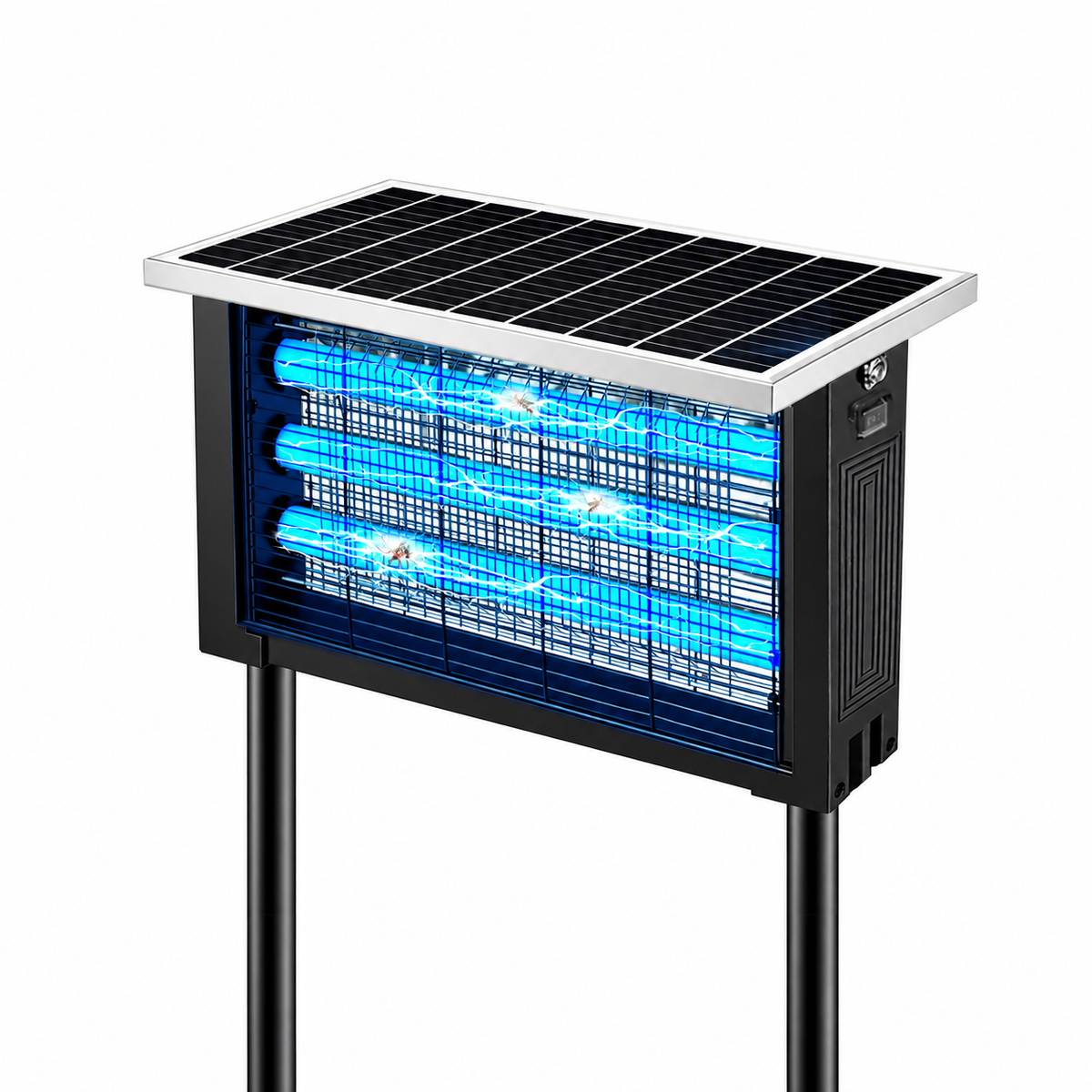
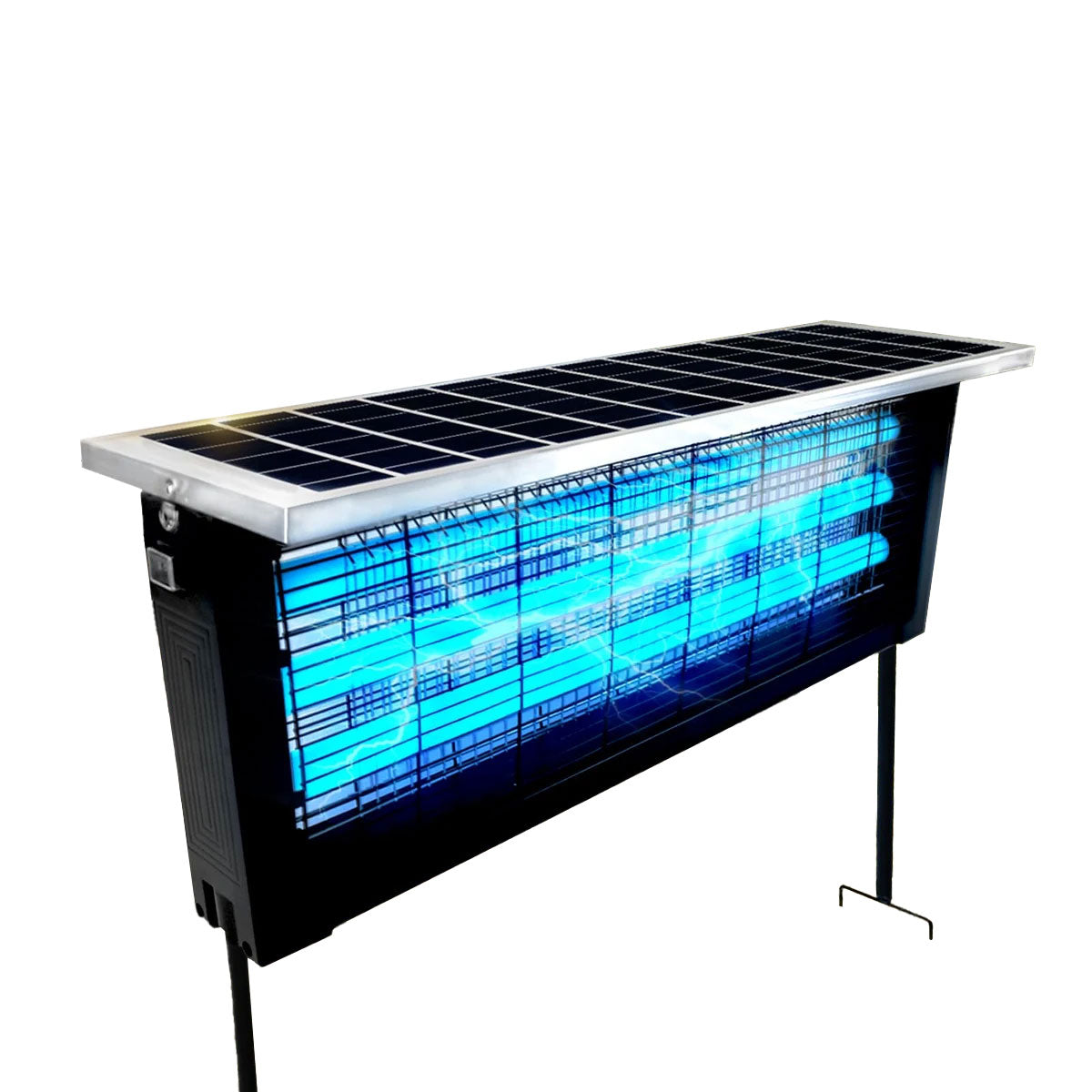
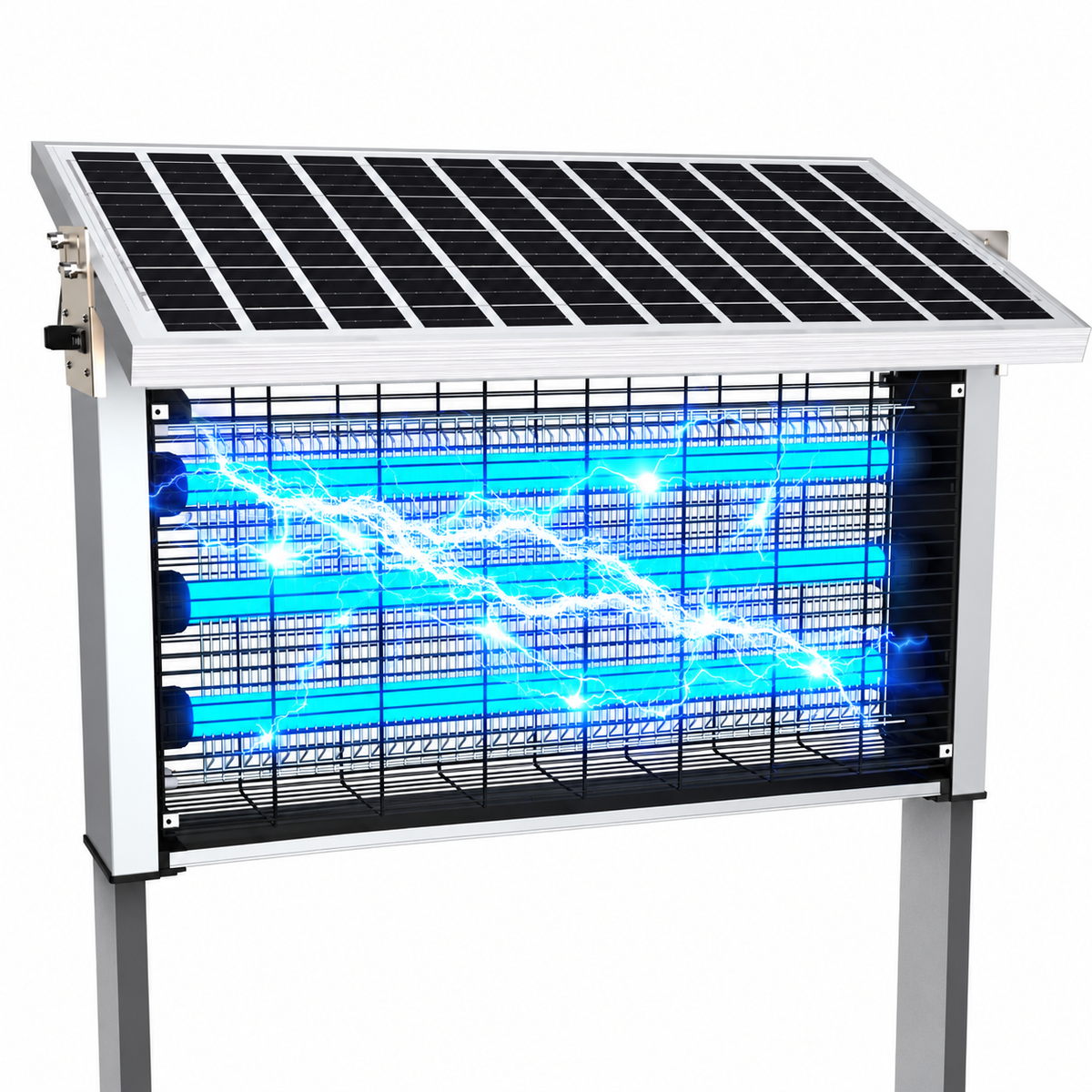
Solar-powered bug systems
-
Ultra-light protective shelters
Sustainability is also becoming increasingly important. Many outdoor brands now focus on eco-conscious repellents and reusable protective systems.
Final Thoughts
Outdoor adventures become far more enjoyable when insect problems are properly managed. Whether exploring mountain trails, relaxing on a tropical beach, fishing beside a quiet lake, or camping deep in the forest, the right protection strategy can dramatically improve comfort and safety.
No single solution works for every environment. Effective insect prevention depends on understanding local conditions, choosing appropriate clothing and repellents, setting up campsites carefully, and adapting to seasonal insect behavior.
The most successful outdoor travelers combine multiple layers of defense:
-
Smart clothing choices
-
Reliable repellents
-
Proper shelter systems
-
Strategic campsite selection
-
Consistent hygiene habits
By matching your bug protection strategy to the environment, you can spend less time swatting insects and more time enjoying the outdoors.
From dense forests to open coastlines, preparation makes all the difference.