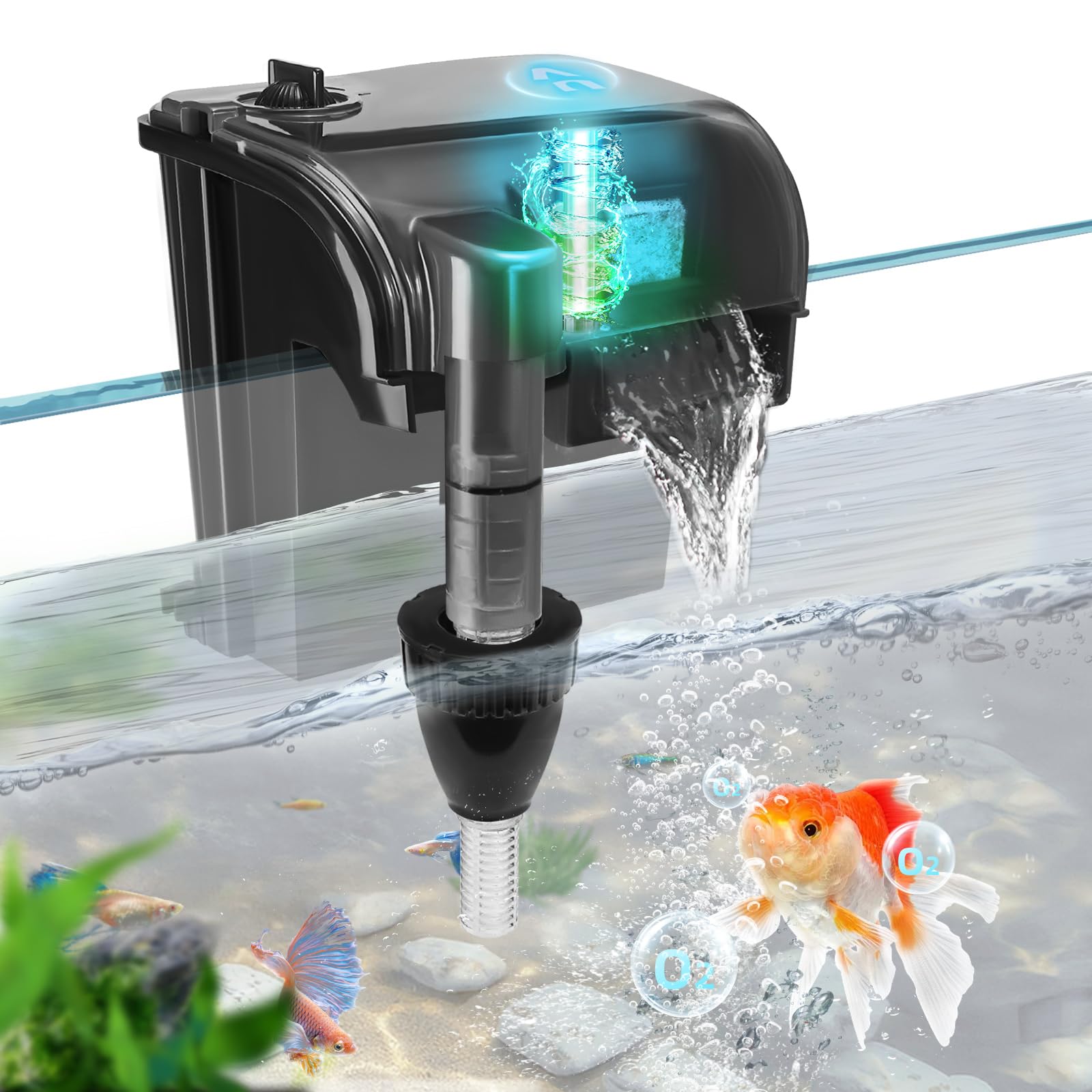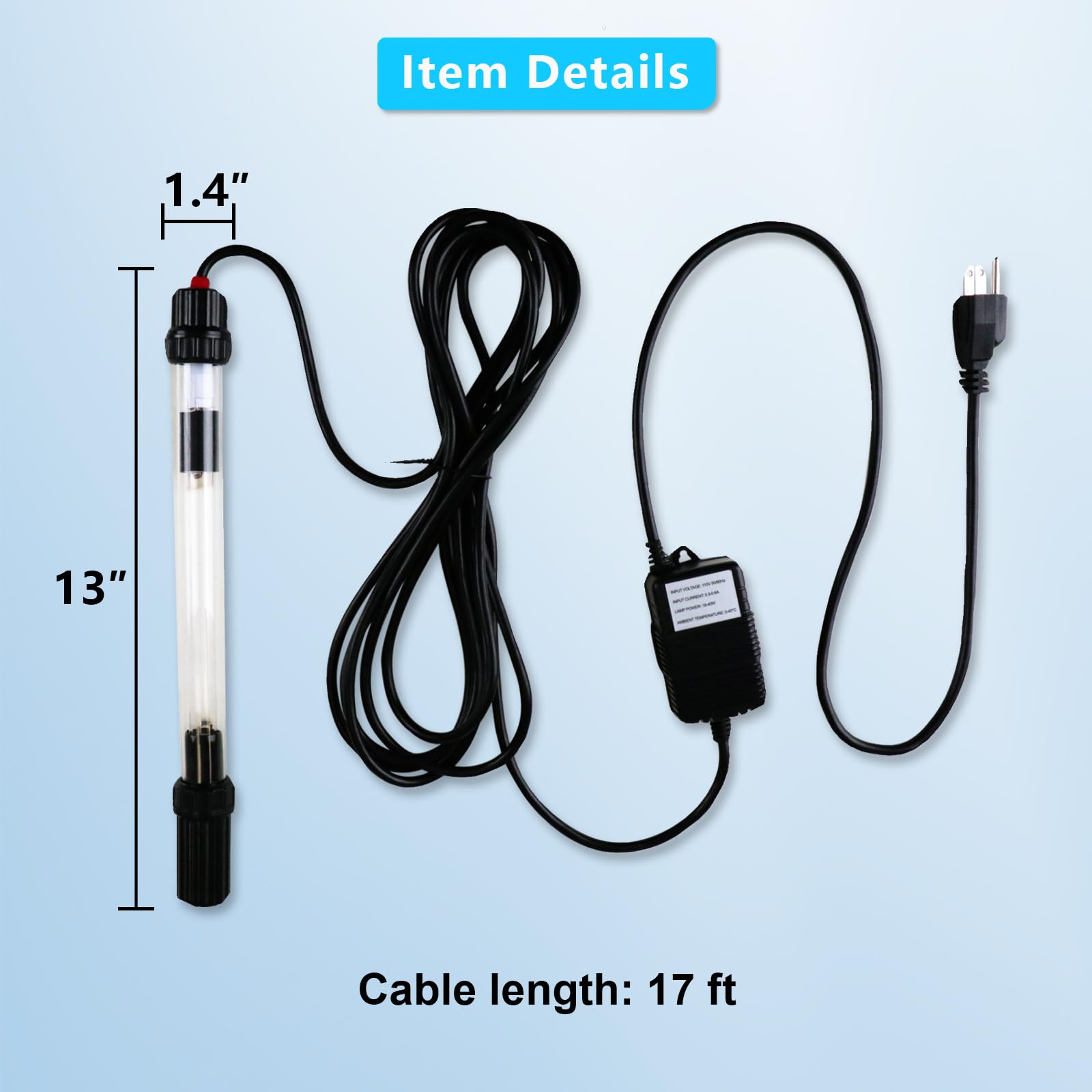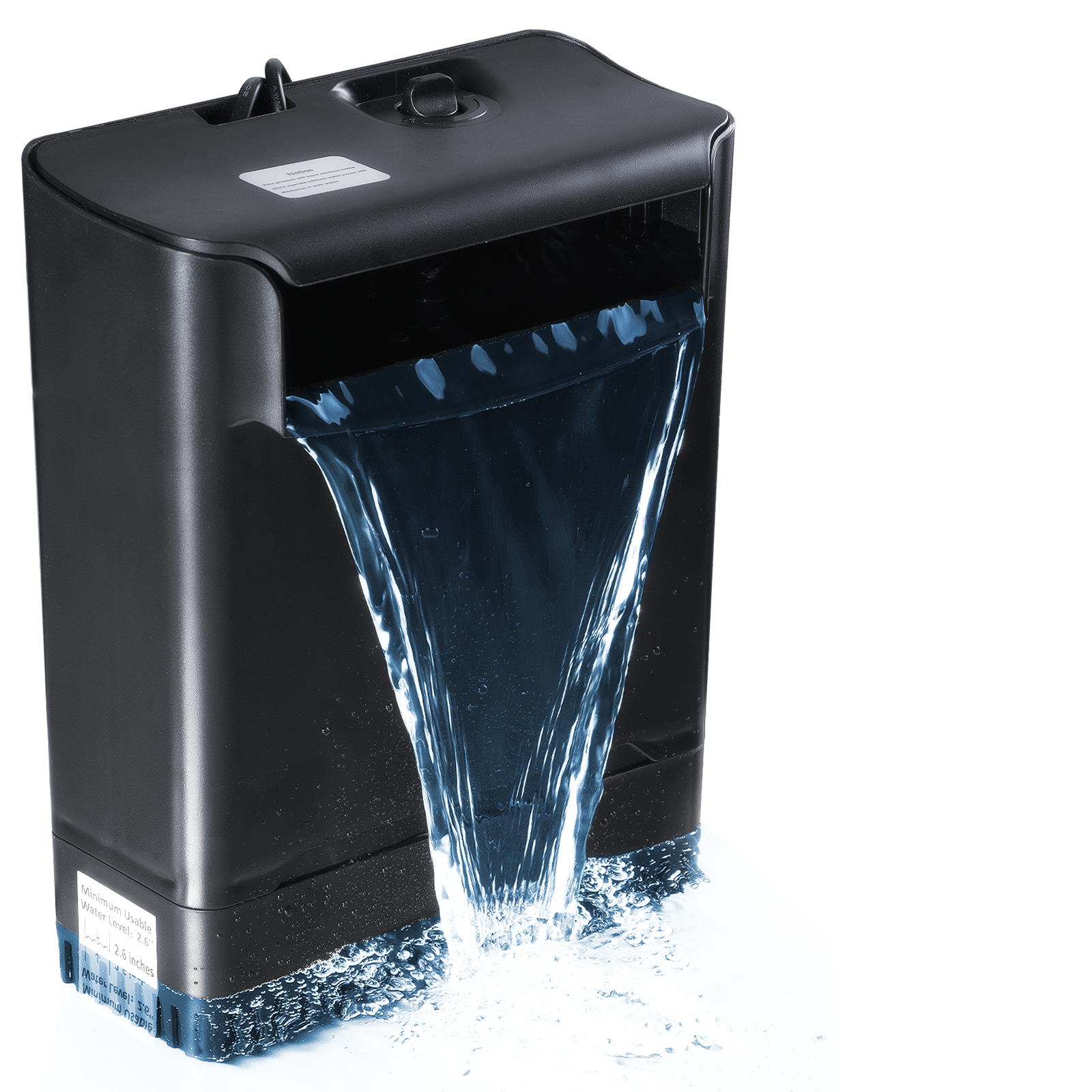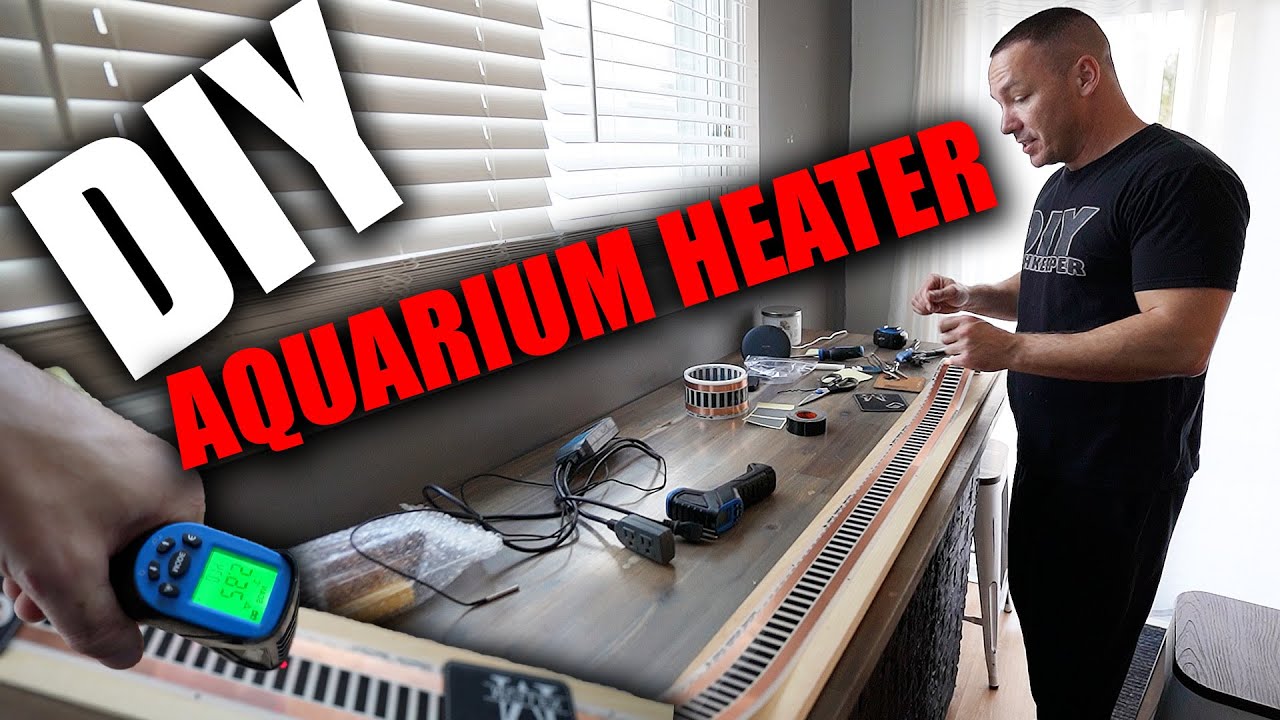
Aquarium heaters are essential for maintaining stable water temperatures, especially for tropical fish that thrive in warm environments. But while heaters play a critical functional role, they’re not exactly the most attractive pieces of equipment. Long glass tubes, bright indicator lights, and bulky cables can ruin an otherwise beautifully aquascaped tank. That’s why more and more aquarists are choosing hidden heater installations—creative setups that keep the heater fully functional while making it visually disappear.
If you’re looking to build a cleaner, more professional-looking aquarium layout, this comprehensive guide will walk you through everything you need to know about DIY hidden heater installation. From choosing the right heater to safe placement strategies to step-by-step installation tutorials, this article is your complete blueprint for a stunning, clutter-free tank.
1. Why Hide Your Aquarium Heater?
Before diving into the how-to, it’s important to understand why hidden heater installations have become a trend among modern aquarists.
1.1 Aesthetic Appeal
A visible heater interrupts the visual flow of the aquarium, especially in:
Nature aquascapes
Iwagumi layouts
Rimless tanks
Photo-ready show tanks
Hidden heaters help create:
Cleaner lines
More open space
Better composition
1.2 Safety and Protection
A hidden heater can:
Prevent fish from burning themselves
Avoid accidental damage from large or active fish
Reduce impact risk during cleaning
1.3 Better Heat Distribution
Strategic placement (e.g., near filter outflow) ensures:
Even heat circulation
Fewer temperature fluctuations
Less energy consumption
1.4 Reduced Algae Growth
Visible heaters tend to collect:
Brown diatoms
Green film
Hard water buildup
Hidden placement reduces these issues significantly.
2. Choosing the Right Heater for a Hidden Installation
The heater you choose determines how effective and safe your hidden setup will be. Let’s break down your options.
2.1 Traditional Submersible Heaters
Pros:
Affordable
Widely available
Comes in multiple sizes
Cons:
Often bulky
Visible unless hidden behind decor
Glass models can break
Best for:
Hiding behind rocks, plants, backgrounds
2.2 Compact Mini Heaters
Pros:
Small footprint
Ideal for nano tanks
Easy to conceal
Cons:
Usually low wattage
Not suitable for large tanks
Best for:
Desktop tanks
Shrimp tanks
Betta tanks
2.3 In-Line Heaters (External)
Pros:
Completely invisible inside the tank
Very even heating
Cleaner aesthetics
Cons:
Requires canister filter
More expensive
Best for:
Minimalist aquascapes
High-end display tanks
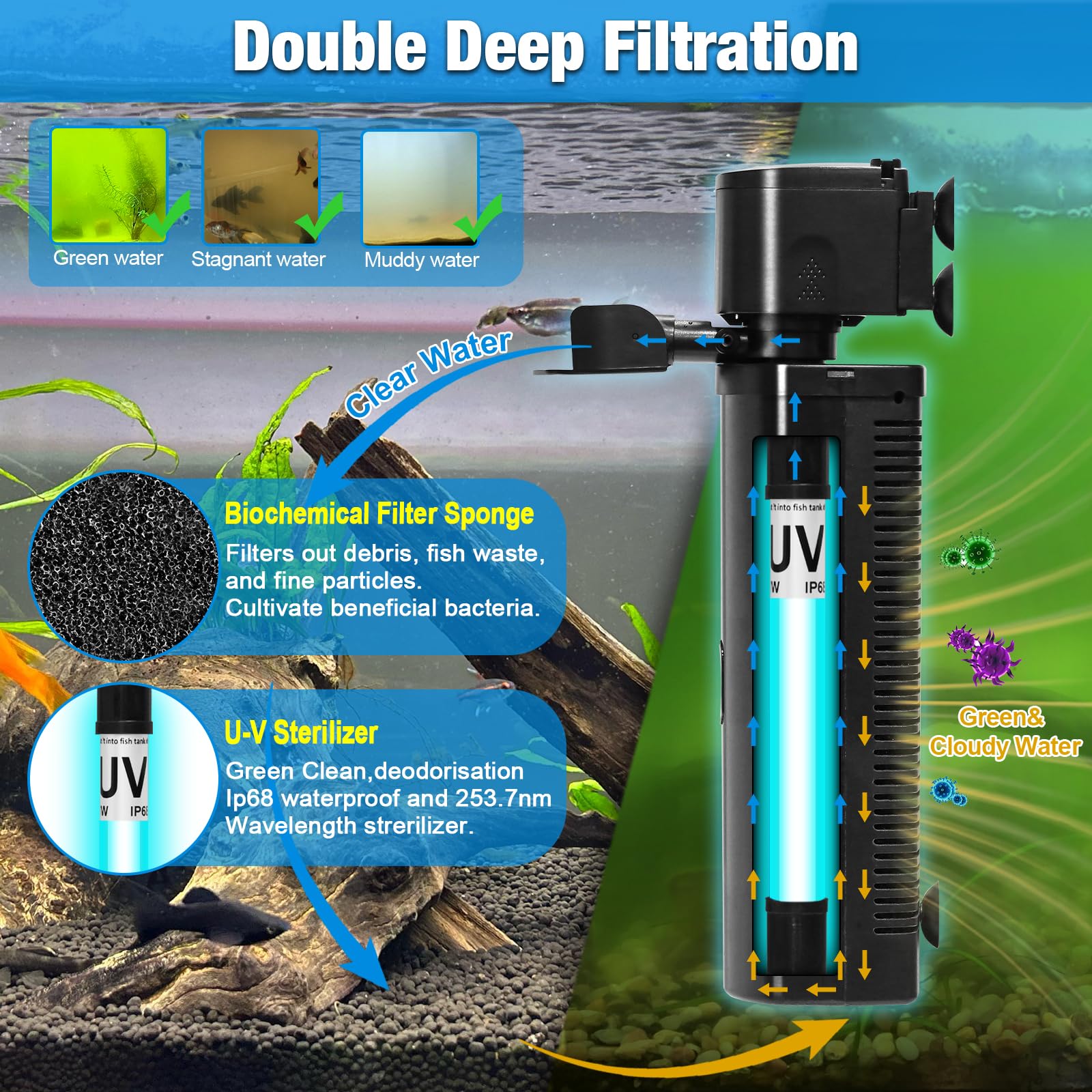
2.4 In-Filter Heaters
Heaters integrated into:
Internal filters
Canisters
Sumps
Pros:
No heater visible
Safe and efficient
Cons:
Harder to replace
Limited compatibility
2.5 Titanium Heaters
Pros:
Nearly unbreakable
Compact
Good for hiding in sumps
Cons:
No built-in thermostat (usually requires controller)
Best for:
High-end or large systems
3. Best Places to Hide Your Aquarium Heater
Here are the most effective hiding spots—tested by experienced aquascapers and fishkeepers.
3.1 Behind a 3D Background
One of the simplest and cleanest options:
Plenty of space
Full concealment
Excellent water flow
3.2 Inside the Filter Compartment (All-in-One Tanks)
Most modern AIO tanks have:
Built-in heater slots
Pump chambers
Overflow compartments
This allows:
Zero visibility
Consistent temperature
3.3 Underneath Hardscape
You can use:
Thick driftwood
Tall stone structures
Artificial rock covers
Key tips:
Maintain water flow
Avoid direct substrate contact
3.4 Behind a Dense Plant Cluster
Works well with:
Vallisneria
Amazon swords
Anubias clumps
Be careful:
Avoid blocking leaves
Ensure the heater light remains visible
3.5 Inside a PVC Tube Structure
A classic DIY method:
Drill holes in PVC
Place heater inside
Hide tube in hardscape
Benefits:
Excellent protection
Customizable size
3.6 In the Sump or Filter Box
For larger tanks:
Keeps display tank equipment-free
Very stable temperature
4. Step-by-Step: DIY Hidden Heater Installation Methods
Below are practical, safe, and beginner-friendly installation tutorials.
Method 1: Hiding the Heater Behind Hardscape
Materials needed:
Submersible heater
Large driftwood or stone
Suction cups or zip ties
Thermometer
Steps:
Pre-plan the layout
Identify a vertical or angled surface where the heater can sit without touching a substrate.
Test water flow
Place a small drop of food or dye to confirm circulation around the heater.
Attach the heater securely
Use suction cups or zip ties behind the decor.
Angle the heater slightly
Tilt 30–45° to enhance thermostat accuracy.
Run the heater for 24 hours outside the tank
Use a bucket to ensure proper function.
Install and conceal cables
Route the cable behind plants or tank rims.
Method 2: PVC Tube Heater Housing (Classic DIY)
Materials:
PVC pipe
Drill
Plastic mesh
Zip ties
Steps:
Cut PVC slightly longer than the heater
Drill water flow holes across the tube
Add mesh end caps so fish cannot enter
Insert the heater and secure with zip ties
Place tube behind decor or plants
Advantages:
Maximum protection
Full concealment
Excellent for aggressive species
Method 3: In-Line Heater Installation
Requires:
Canister filter
In-line heater (25mm or 16/22mm)
Steps:
Cut the outflow hose
Insert the heater unit in the correct flow direction
Secure with clamps
Prime the filter and check for leaks
Monitor temperature for 24 hours
Best part:
Zero equipment visible in the display tank.
5. Safety Rules for Hidden Heater Setup
Hidden heaters require specific safety considerations. Follow these essentials:
5.1 Ensure Strong Water Flow
Poor circulation leads to:
Hot spots
Thermostat errors
Heater burnout
5.2 Avoid Buried or Fully Enclosed Installations
Heaters should never touch:
Gravel
Sand
Foam backgrounds
5.3 Don’t Block the Indicator Light
You must be able to verify:
Heating status
On/off function
5.4 Always Use a Temperature Controller
Especially for:
Titanium heaters
Budget models
Sensitive species
5.5 Run a Dry-Test Before Installation
Check:
Thermostat accuracy
Crack or leak issues
5.6 Keep the Heater Accessible
You will need to:
Clean it
Replace it
Adjust settings
6. Advanced Tricks for a Cleaner Look
6.1 Cable Management
Use:
Black zip ties
Cable raceways
Tank rim clips
6.2 Black Backgrounds
A black background hides:
Heaters
Pipes
Cables
6.3 Matching Heater Color
Choose:
Black heater for black rocks
White heater for white backgrounds
6.4 LED Thermometer Instead of Glass Thermometer
Keeps the front glass clean and modern.
7. Common Mistakes to Avoid
Blocking the heater with substrate
Installing in dead-water zones
Using low-wattage heaters in large tanks
Forgetting to clean the heater
Running the heater dry
Using cracked glass heaters
8. Final Thoughts: A Clean Tank Is a Better Tank
A carefully hidden heater doesn’t just make your aquarium look better—it improves safety, performance, and maintenance convenience. Whether you're a beginner or an experienced aquascaper, implementing a hidden heater solution elevates your tank to a professional level.
With the right equipment, thoughtful planning, and safe installation techniques, you can enjoy both a beautiful aquascape and a stable, healthy environment for your fish.