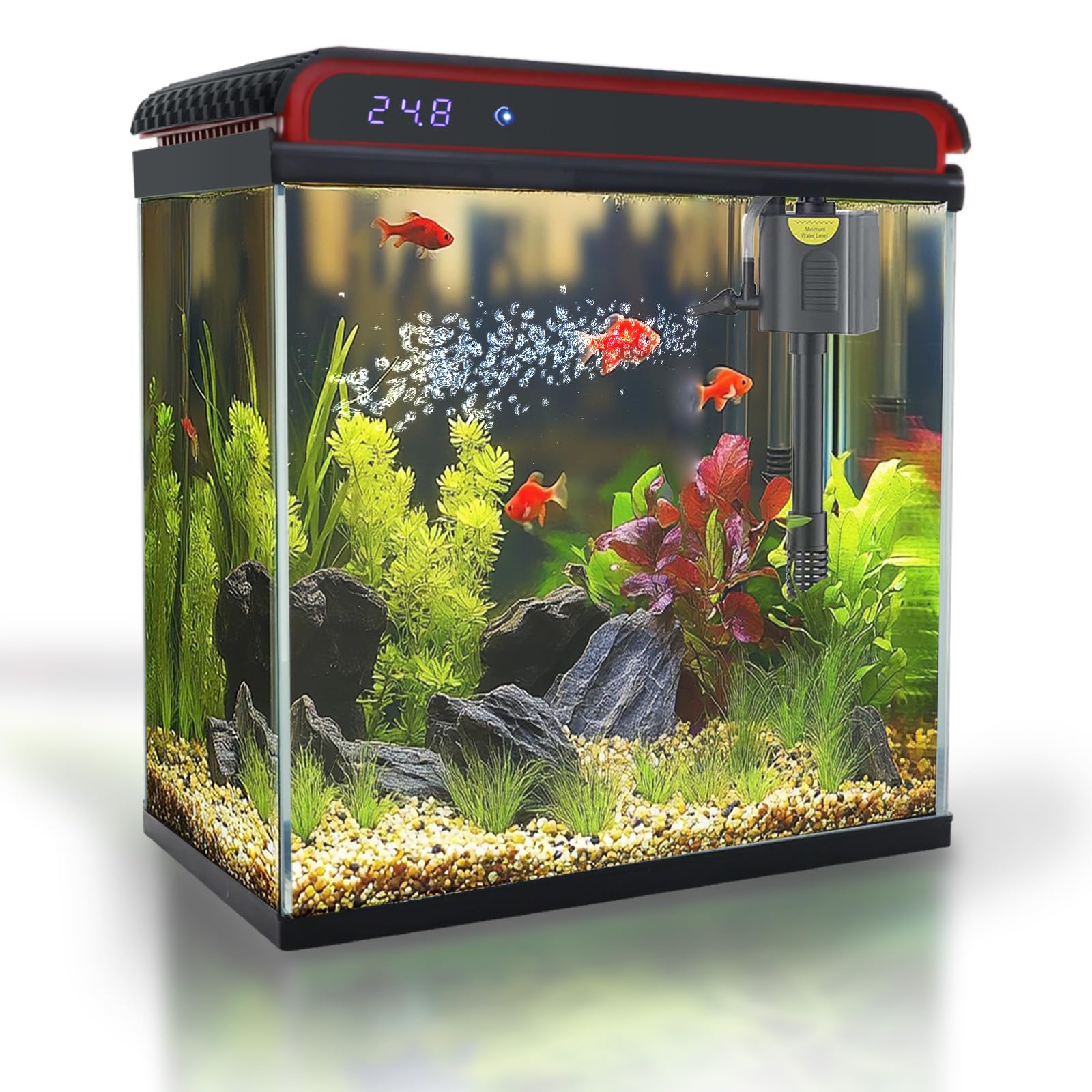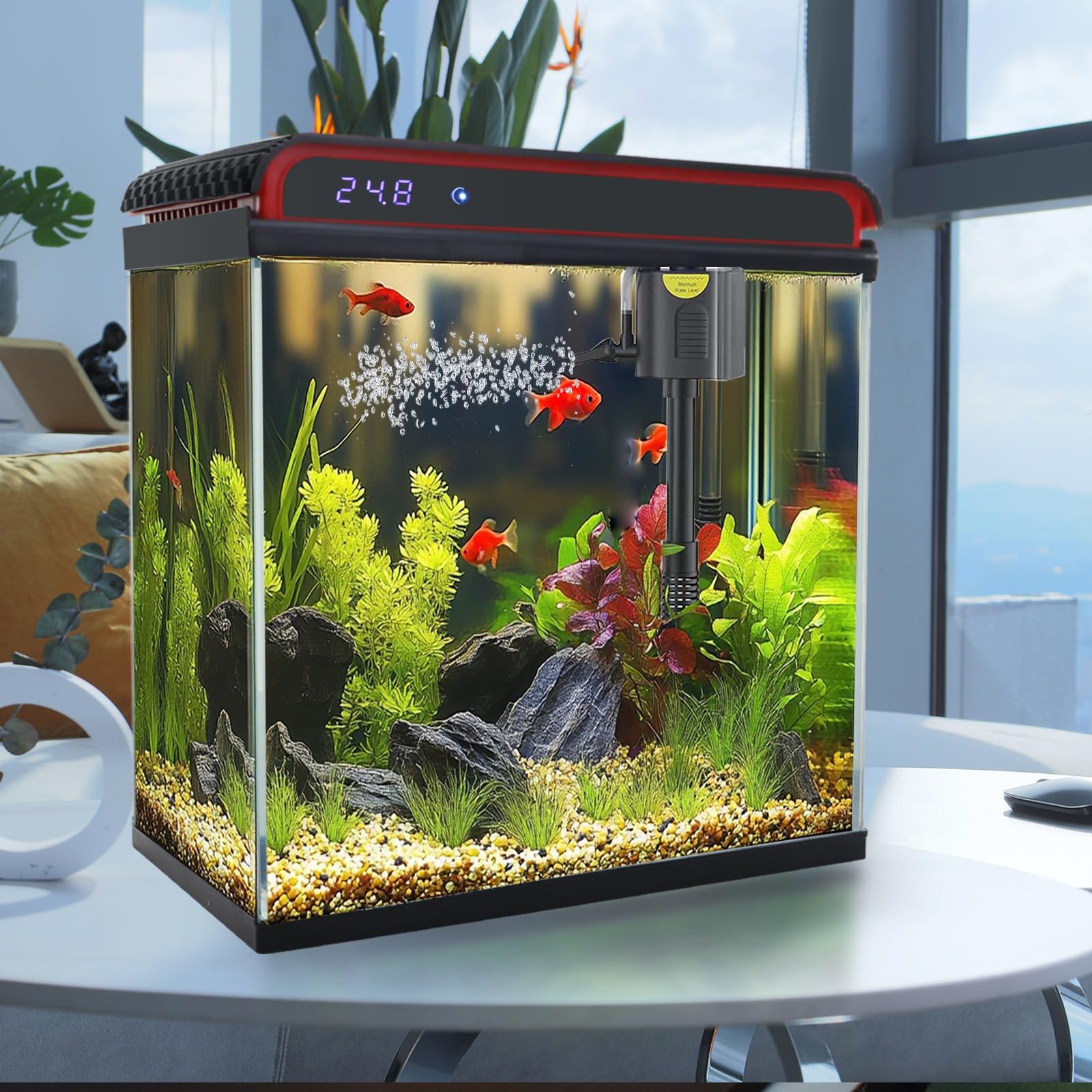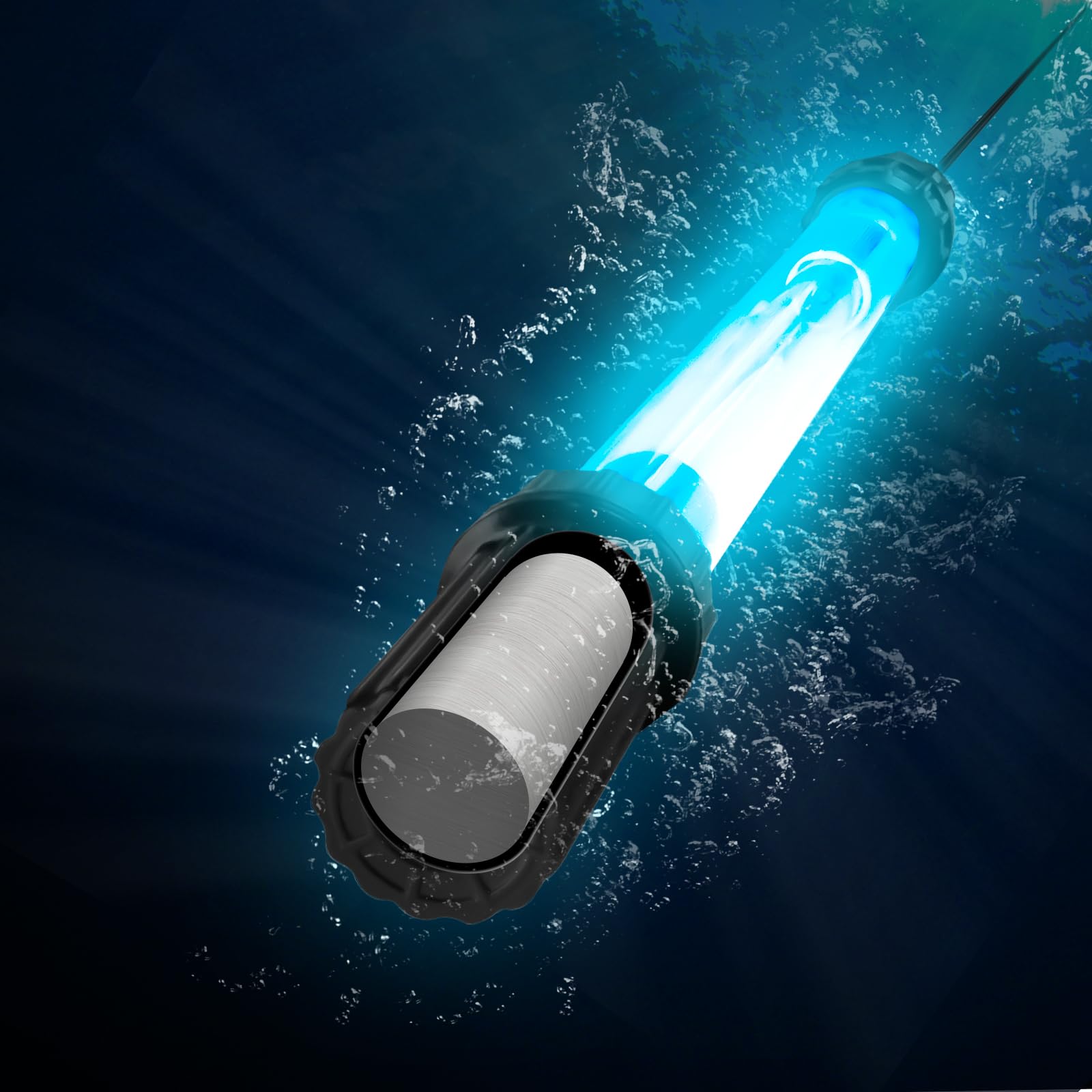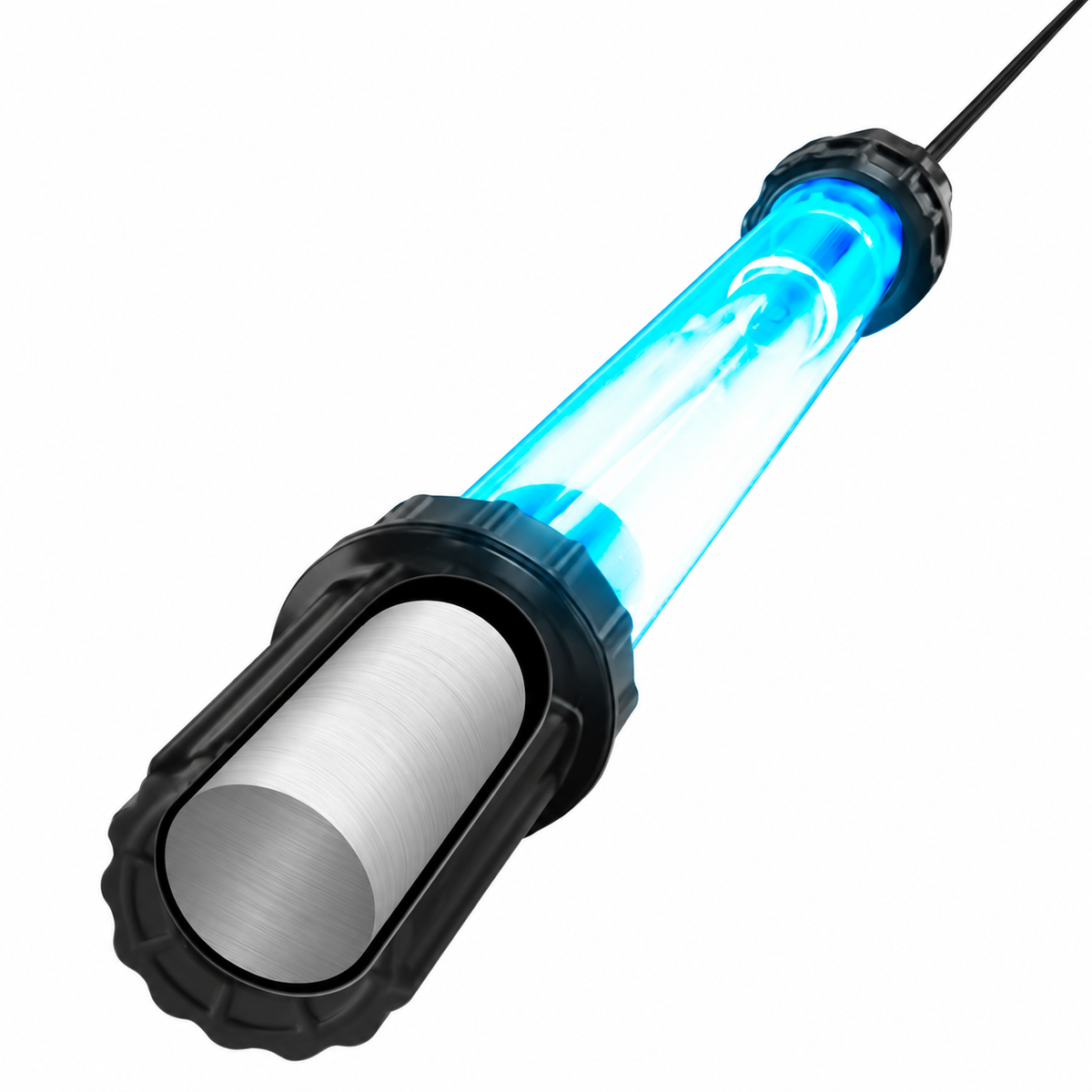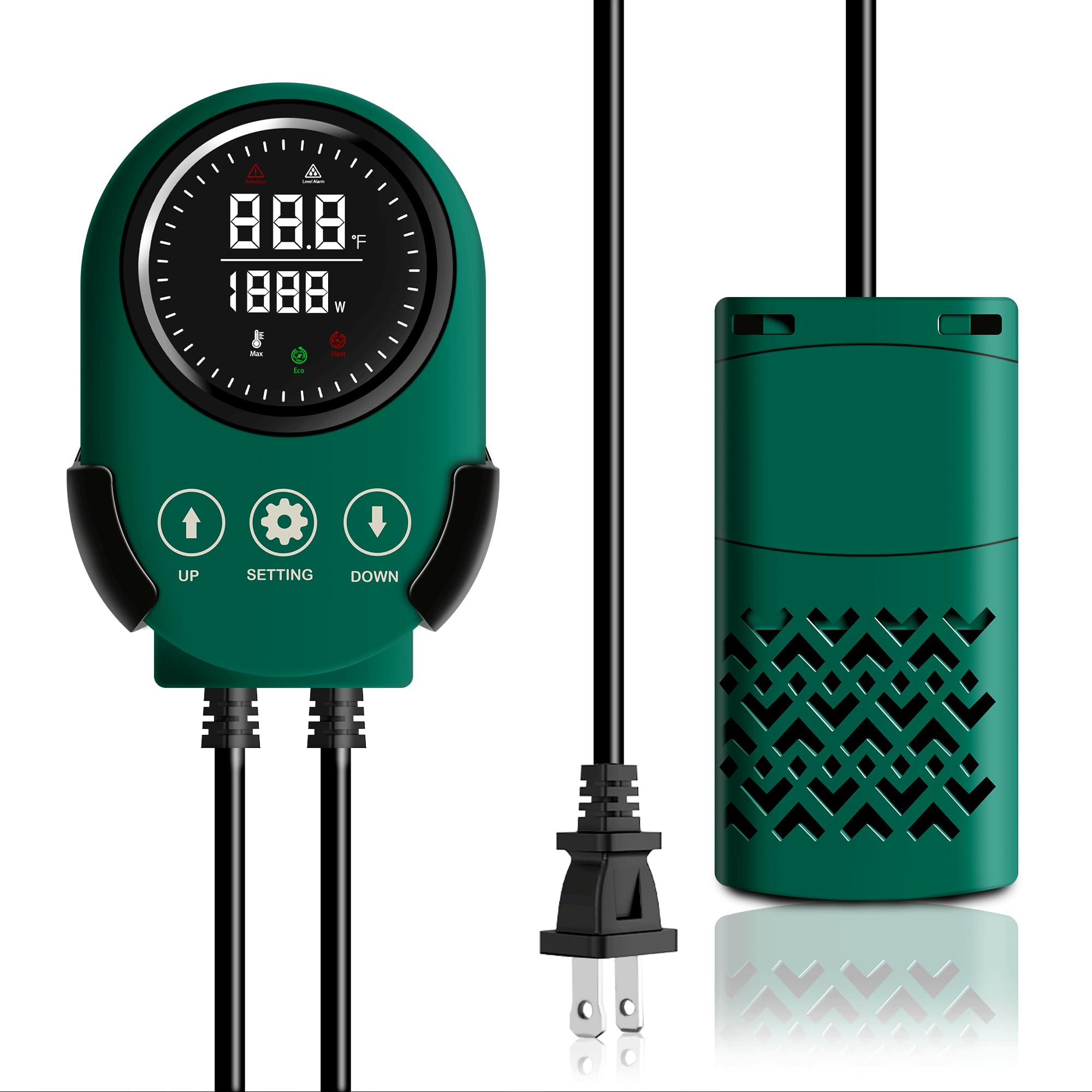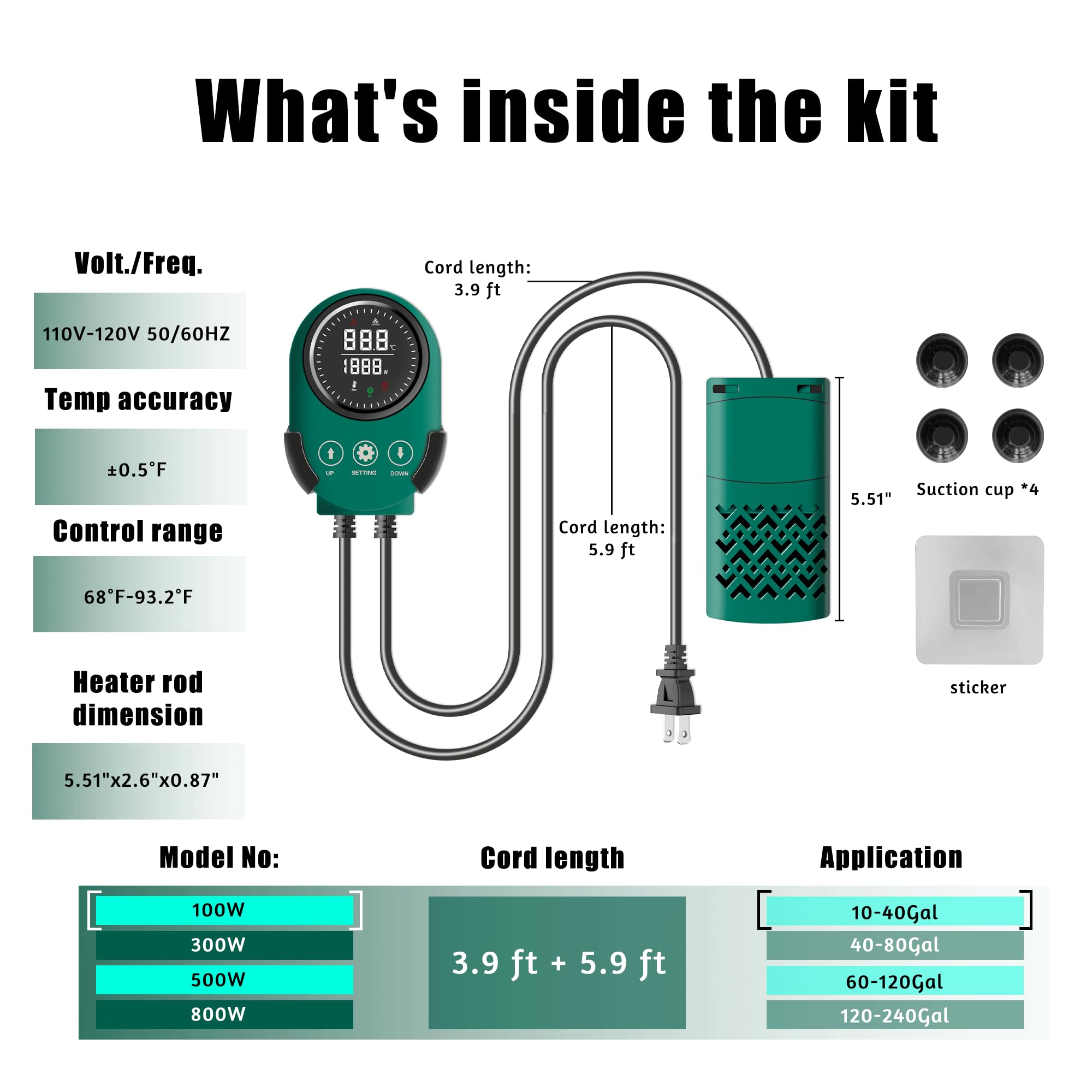
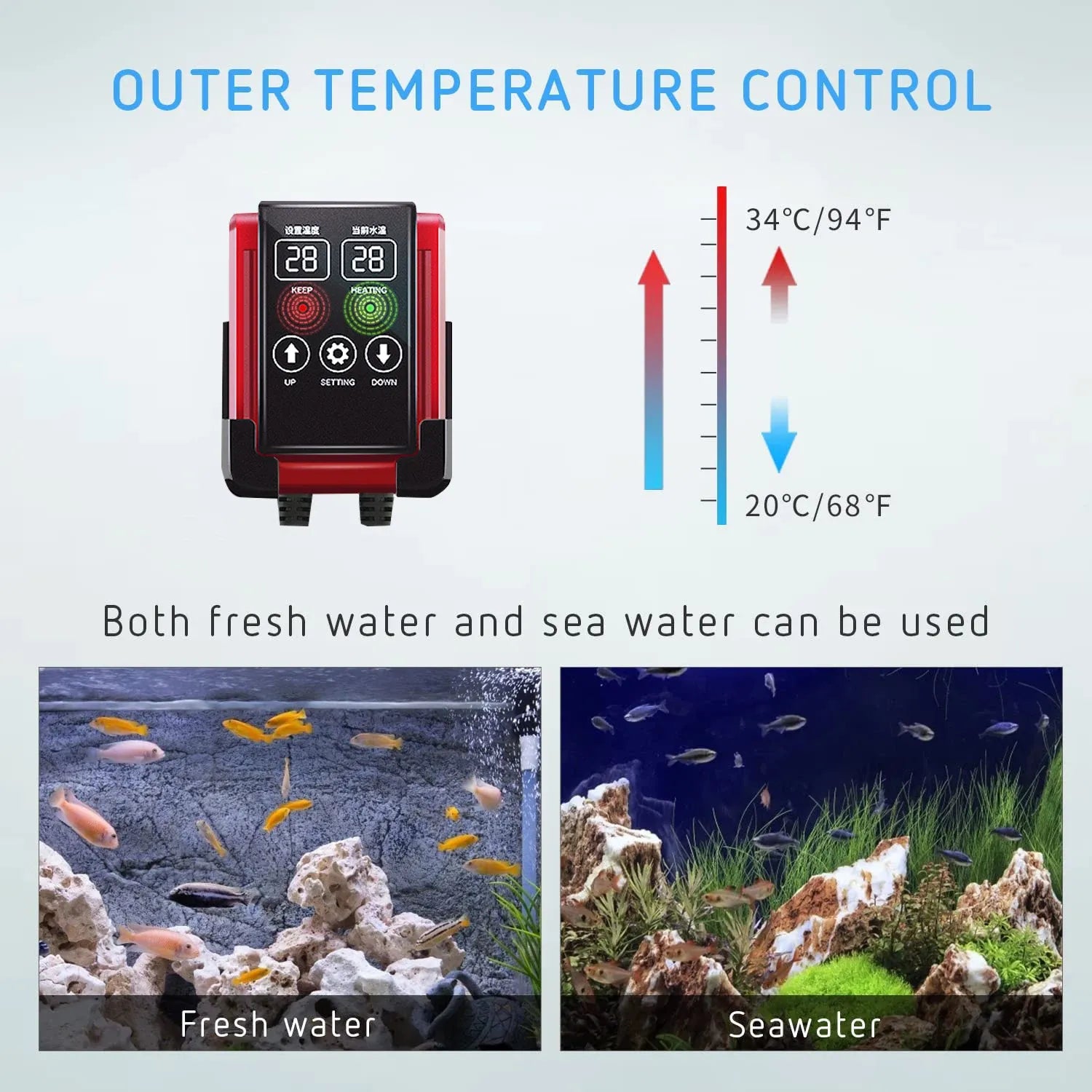
Maintaining a stable and consistent water temperature is one of the most important elements of successful fishkeeping. Whether you’re keeping tropical fish, raising shrimp, breeding rare species, or maintaining a planted aquascape, temperature stability can make or break your aquarium. Yet many aquarists rely on a single heater to do all the work—and that’s often where problems begin.
The truth is simple: even the best aquarium heaters can fail, and when they do, the results can be catastrophic. A stuck-on thermostat can cook your fish. A weak or malfunctioning heater can cause temperature drops. Seasonal changes, room drafts, and equipment aging all make temperature management more challenging than most beginners realize.
That’s why experienced fishkeepers rely on a smarter, safer, and more precise solution:
a heater + external temperature controller combo.
In this comprehensive guide, we’ll explore how combining these two devices creates a perfectly stable and safe aquarium environment. You’ll learn how the system works, why it’s safer than using a heater alone, how to choose compatible equipment, and how to install and calibrate everything for maximum reliability.
1. Why Temperature Stability Matters More Than You Think
Your aquarium’s temperature affects nearly every biological process in the tank. When the temperature fluctuates or falls outside the ideal range for your species, issues arise quickly.
1.1 Temperature Impacts Fish Physiology
A stable temperature supports:
-
Proper metabolism
-
Normal immune function
-
Balanced appetite
-
Healthy coloration
Instability can lead to:
-
Stress
-
Weak immunity
-
Slow growth
-
Ich outbreaks
1.2 Plants and Invertebrates Need Stability
Shrimp—especially Caridina species—are extremely temperature-sensitive. Sudden drops or spikes can cause:
-
Molting failures
-
Colony collapse
-
Bacterial bloom issues
Live plants also rely on warmth for proper nutrient absorption and photosynthesis efficiency.
1.3 Temperature Affects Beneficial Bacteria
Your biological filter works best within a stable range. Large temperature swings can reduce nitrification efficiency, leading to:
-
Ammonia spikes
-
Nitrite buildup
1.4 Seasonal Room Temperature Fluctuations Matter
Homes often experience:
-
5–10°C swings between seasons
-
Hot spots near windows
-
Drafty areas near doors
-
Overnight cooling
Your heater alone can struggle to compensate—unless paired with a controller.
2. Why a Heater Alone Is Not Enough
Most aquarium heaters are inexpensive devices with basic mechanical thermostats. While they work, they are far from perfect.
2.1 Mechanical Thermostats Are Inconsistent
Typical deviations:
-
± 2–3°F (±1–1.5°C)
-
Aging increases inaccuracy
-
Mineral buildup reduces performance
2.2 Heaters Can Fail “On”
The most dangerous scenario:
the heater gets stuck in heating mode.
This can cook the tank within hours.
2.3 Heaters Can Fail “Off”
A heater that stops heating is less dramatic but still harmful:
-
Overnight temperature dips
-
Stress and illness accumulation
2.4 Internal Thermostats Don’t React Fast
Heater thermostats react slowly because they:
-
Measure temperature inside the heating tube
-
Don’t read the tank’s actual water temperature
-
Often sit in low-flow areas
2.5 Low-Wattage Heaters Can’t Keep Up in Winter
Especially in:
-
North-facing rooms
-
Drafty living spaces
-
Uninsulated basements
3. What a Temperature Controller Adds to the System
A dedicated aquarium temperature controller solves nearly all these issues.
It works as a smart manager:
-
The controller monitors real-time water temperature
-
It turns the heater on and off
-
It overrides the heater’s internal thermostat
-
It prevents overheating
-
It eliminates the risk of stuck-on heaters
-
It improves long-term accuracy
3.1 More Accurate Temperature Control
Most controllers provide:
-
± 0.5°F accuracy
-
Digital temperature probes
-
Constant real-time display
This is far superior to built-in heater thermostats.
3.2 Safety Shutdown Protection
A good controller can:
-
Cut power if the temperature rises too high
-
Prevent overheating from heater failure
-
Sound alarms when readings are abnormal
3.3 Dual Heating and Cooling Control
Higher-end controllers can:
-
Control a heater and a fan/chiller simultaneously
-
Maintain precise summer/winter setups
3.4 Prevent Dangerous Temperature Swings
Controllers smooth temperature fluctuations by:
-
Using tighter deadbands
-
Running heaters more efficiently
-
Maintaining constant readouts
3.5 Extends Heater Lifespan
Because the controller handles the switching:
-
The heater’s mechanical thermostat barely engages
-
Wear and tear is reduced
-
Heating cycles are optimized
4. Choosing the Right Heater + Controller Combo
Different setups require different hardware. Here’s how to choose the best combination.
4.1 Choosing the Heater
Glass Heaters
Pros:
-
Affordable
-
Easy to replace
Cons: -
Fragile
Best for:
-
Small–medium community tanks
Stainless-Steel Heaters
Pros:
-
Durable
-
Good heat transfer
Cons: -
No visibility into internals
Best for:
-
Large tanks
-
Aggressive fish
Titanium Heaters
Pros:
-
Very strong
-
Excellent accuracy
-
Compact
Cons: -
Usually require a controller anyway
-
More expensive
Best for:
-
High-end or sensitive setups
Inline Heaters
Pros:
-
Completely hidden
-
Very consistent heating
Cons: -
Requires canister filter
Best for:
-
Aquascapes
-
Show tanks
4.2 Choosing the Controller
Look for these features:
Key Features Checklist
-
Waterproof digital probe
-
Heating/cooling dual relay
-
Alarm function
-
Adjustable deadband
-
High/low temperature protection
-
Memory retention after power failure
Popular Types
-
Plug-and-play controllers
-
Easy to install
-
Ideal for beginners
-
-
Digital aquarium controllers (advanced)
-
Multi-outlet
-
App integration
-
Great for large tanks
-
5. How to Install the Heater + Controller Combo (Step-by-Step)
This is where the magic happens.
Step 1: Set the Heater Slightly Higher Than the Desired Temperature
Example:
-
Desired temperature: 78°F (25.5°C)
-
Set heater’s built-in dial: 80°F (26.5°C)
This ensures:
-
The heater never activates by itself
-
The controller takes full control
Step 2: Place the Temperature Probe Properly
Best locations:
-
High-flow areas
-
Opposite side of the heater
-
Near filter output
Avoid:
-
Dead spots
-
Direct heater contact
Step 3: Plug the Heater Into the Controller
The controller now acts like:
-
The heater’s brain
-
The temperature manager
Step 4: Set Controller Parameters
Common setup:
-
Target temperature: 78°F
-
Heating differential: 0.5°F
-
High temp alarm: 81°F
-
Low temp alarm: 75°F
Step 5: Run a 24-Hour Test
Check:
-
Cycling behavior
-
Temperature stability
-
Alarm function
Step 6: Final Installation and Cable Management
Use:
-
Zip ties
-
Clips
-
Cable sleeves
6. Real-World Benefits of Using the Combo
6.1 Perfect Temperature Stability
Expect:
-
0.5°F precision
-
No swings
-
Smooth cycling
This is essential for:
-
Discus
-
Fancy goldfish
-
Shrimp
-
Planted tanks
6.2 Zero Overheating Risk
Even if:
-
The heater malfunctions
-
The internal thermostat sticks
-
The heater tube cracks
The controller cuts power immediately.
6.3 Fewer Disease Outbreaks
Consistent temperatures mean:
-
Less ich
-
Less stress
-
Faster healing
6.4 Energy Savings
A stable system uses less wattage because:
-
It avoids overcompensation
-
Heaters run more efficiently
6.5 Better Breeding Success
Temperature stability improves:
-
Egg fertility
-
Fry development
-
Breeding triggers
7. Common Mistakes to Avoid
-
Setting the heater and controller to the same temperature
-
Installing the probe beside the heater
-
Letting the heater touch substrate
-
Ignoring probe calibration
-
Using a cheap non-aquarium controller
-
Allowing the heater to run exposed (dry heating)
-
Setting the deadband too wide
8. Advanced Tips for a Professional-Level Setup
8.1 Use Two Smaller Heaters Instead of One Large Heater
Benefits:
-
Redundancy
-
Even heat distribution
-
Lower risk
8.2 Add a Cooling Fan or Chiller to the Controller
This creates:
-
Year-round temperature automation
-
Summer heat protection
8.3 Use a Probe Shield
Protects against:
-
Curious fish
-
Snails blocking it
-
Sudden false readings
8.4 Integrate With Smart Home Systems
High-end controllers offer:
-
App notifications
-
Remote monitoring
-
Data logging
9. Conclusion: The Ultimate Combo for a Perfect Aquarium
A heater alone can keep your aquarium warm—but a heater + temperature controller combo ensures it stays safe, stable, and consistent. This setup is widely considered the gold standard among experienced fishkeepers because it:
-
Prevents overheating
-
Improves temperature precision
-
Extends heater lifespan
-
Enhances fish health
-
Boosts reliability
-
Works year-round
If you want peace of mind and a truly controlled aquatic environment, this combination is one of the smartest upgrades you can make.