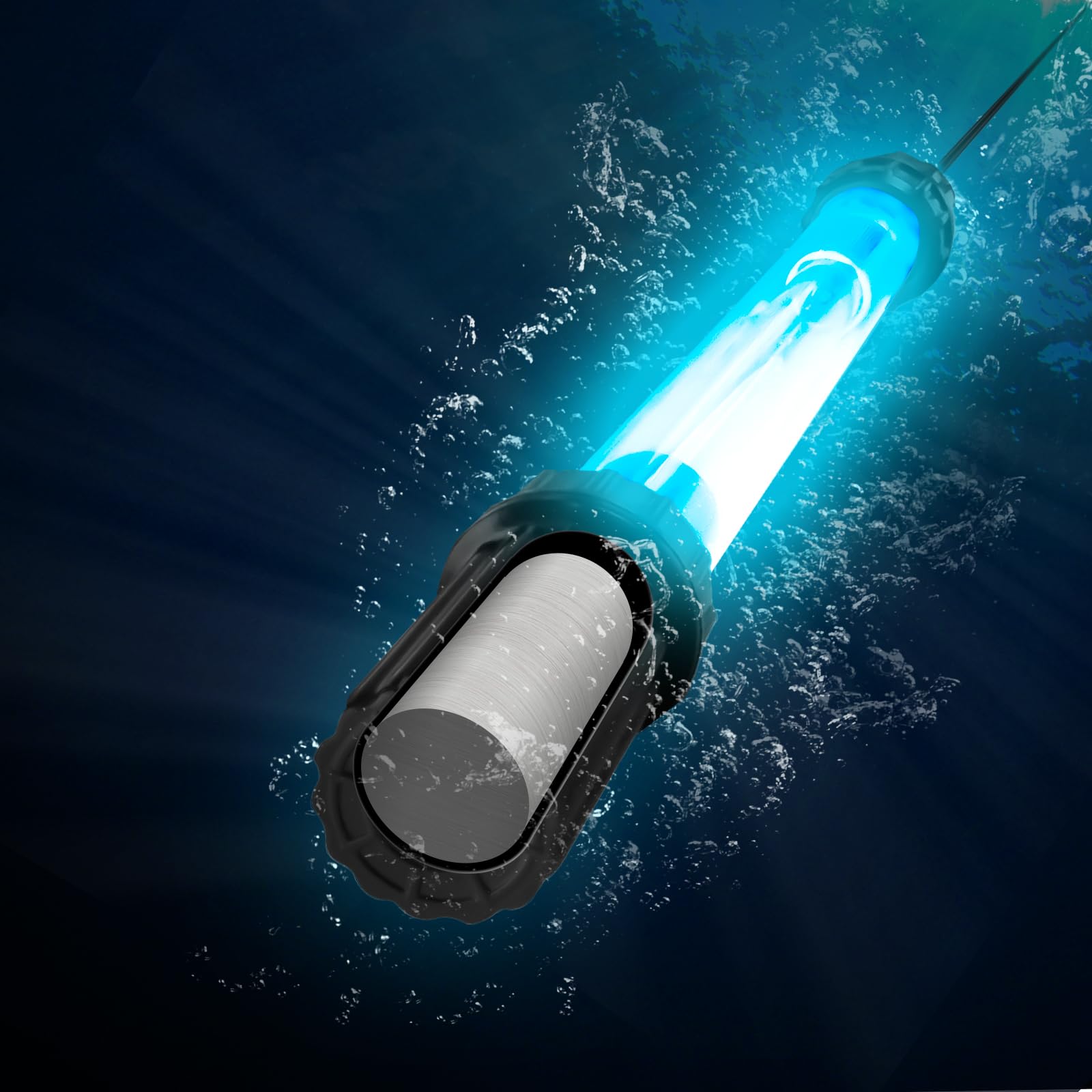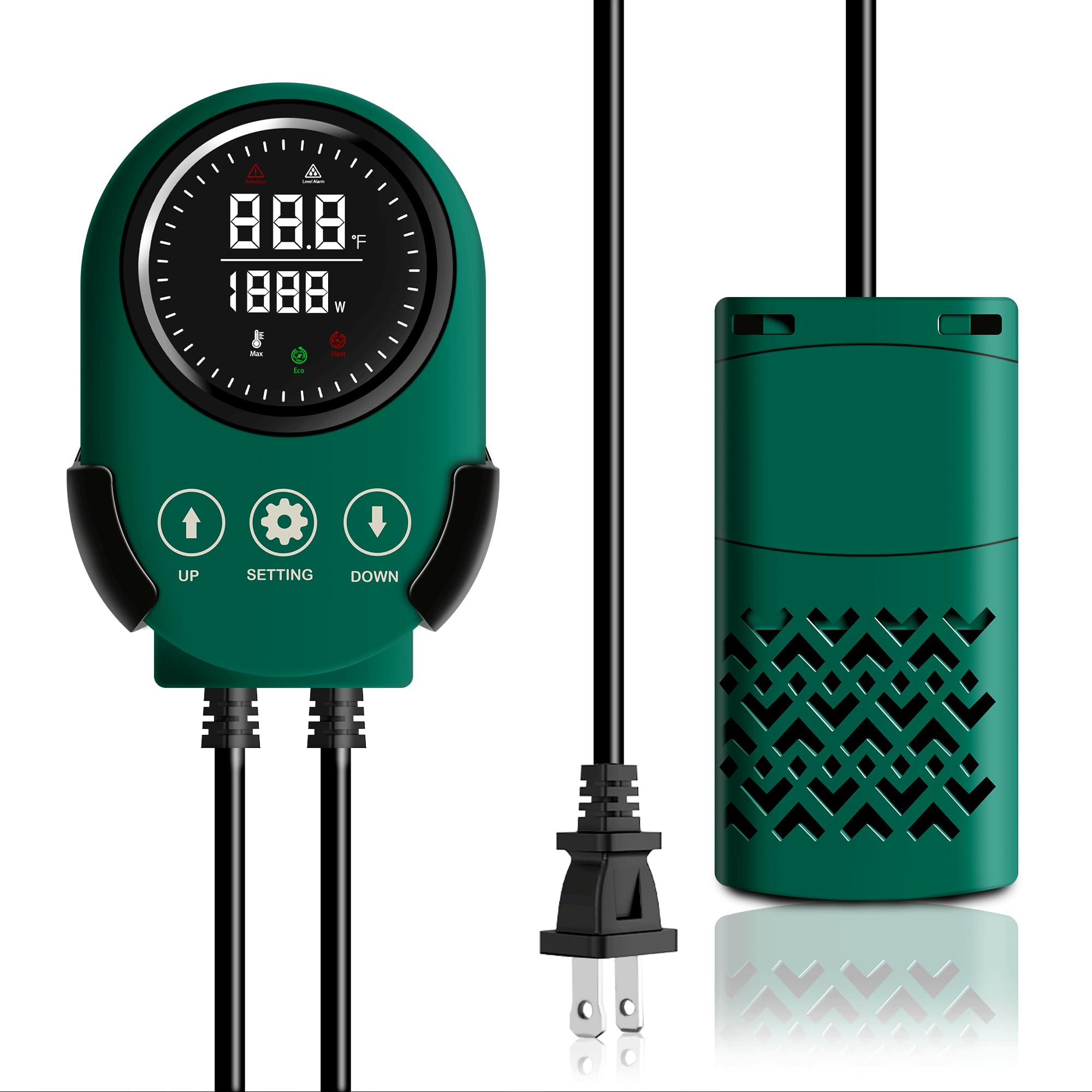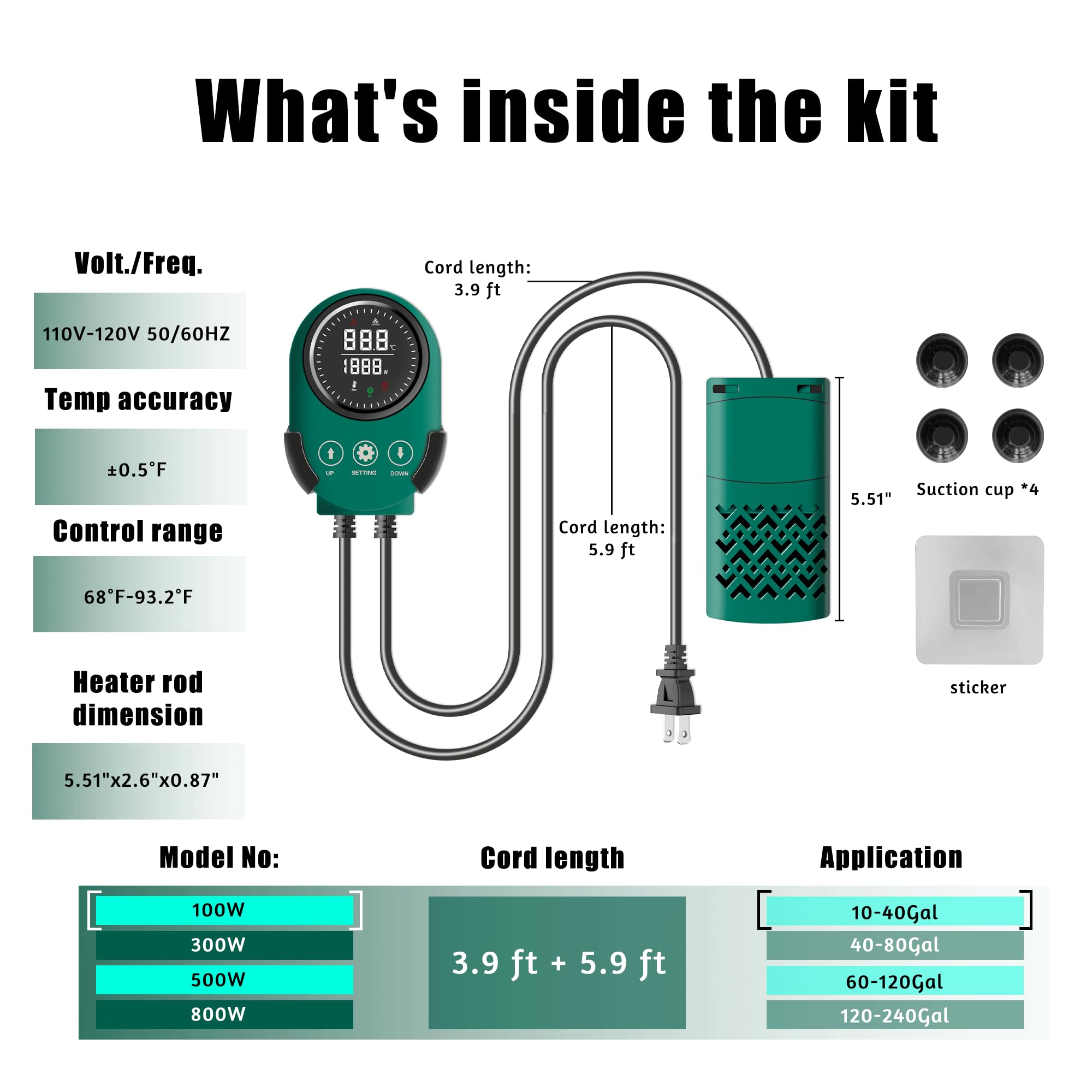
Aquarium equipment rarely gets a graceful retirement. When a heater burns out, cracks, corrodes, or simply ages out of reliable use, most hobbyists toss it in the trash. But what if those old heaters—those long glass or metal tubes taking up drawer space—could be reborn as stylish, functional, and artistic aquarium decorations?
With a little creativity and a few tools, you can transform used or broken aquarium heaters into decor pieces that add personality and structure to your tank. From faux ancient ruins to rustic driftwood cores to sci-fi reactor props, old heaters are surprisingly versatile. This in-depth guide walks you through the why, how, and what of reusing old aquarium heaters—safely, beautifully, and sustainably.
1. Why Reuse Old Aquarium Heaters?
Before diving into DIY techniques, it's worth understanding the benefits of heater repurposing.
1.1 Eco-Friendly Lifestyle
Discarded aquarium gear often ends up in landfills. Reusing old heaters:
-
Reduces waste
-
Extends the life cycle of materials
-
Supports a more sustainable aquarium hobby
1.2 Zero-Cost Aquascape Enhancements
Instead of buying décor, you can turn trash into aesthetic structures:
-
Rock columns
-
Artificial logs
-
Tech-style props
-
Plant anchors
You get unique pieces without spending a dime.
1.3 Endless Creative Possibilities
Heaters have:
-
Tube-like shapes
-
Durable materials
-
A consistent, modular size
These make them ideal bases for DIY art projects in the tank.
1.4 Perfect for Experimentation
Since the heater is already broken or retired, there's no risk in trying new techniques:
-
Carving
-
Coating
-
Dressing with resin
-
Wrapping with rope or moss
2. Safety First: Preparing Old Heaters for DIY Projects
You should never place a damaged or active heater back into the aquarium as a heating device—but as decor, it's usually safe if prepared correctly.
2.1 Remove All Electrical Components
Carefully remove:
-
Cords
-
Heating elements
-
Sensors
-
Thermostat modules
The heater tube should be completely hollow or sealed.
2.2 Inspect for Hazardous Materials
Modern heaters are generally safe once decommissioned, but older models may include:
-
Internal metal coils
-
Rubber seals
-
Adhesive residue
Remove everything that isn’t safe for aquariums.
2.3 Neutralize Sharp Edges
If the heater cracked:
-
Sand the edges
-
Cover with epoxy
-
Use silicone-safe resin
2.4 Deep Clean Before Reuse
Steps:
-
Soak in vinegar
-
Scrub mineral buildup
-
Rinse with dechlorinated water
-
Air dry completely
2.5 Optional: Seal the Tube
Using:
-
Aquarium-safe silicone
-
Clear epoxy resin
This ensures no internal contaminants will leach out.
3. Creative Ideas for Repurposing Old Aquarium Heaters
Here are the most popular and visually appealing ways to turn heaters into decorations.
3.1 Transform It into a Faux Stone Pillar
Perfect for:
-
Nature aquascapes
-
River biotopes
-
Terracotta-themed setups
How to Make It:
-
Sand the heater tube lightly to roughen the surface.
-
Apply a layer of aquarium-safe cement or textured epoxy.
-
Press small gravel, sand, or crushed stone onto the surface.
-
Dry 24–48 hours.
-
Place it vertically as a column or horizontally as part of a stone wall.
Benefits:
-
Adds height and structure
-
Looks natural
-
Completely hides the original heater shape
3.2 Create a Driftwood-Core Branch
If you’ve ever struggled to find the perfect hollow, tube-shaped driftwood, this DIY solves the problem beautifully.
Materials:
-
Heater tube
-
Aquarium epoxy glue
-
Small pieces of driftwood or branches
Steps:
-
Remove all electronics from the heater tube.
-
Wrap driftwood pieces around the tube like a skeleton.
-
Use epoxy to secure them into natural shapes.
-
Add moss or epiphyte plants (Anubias / Bucephalandra).
Result:
-
A lightweight piece of “driftwood” perfect for small tanks.
3.3 Build a Miniature Underwater Reactor (Sci-Fi Theme)
Great for aquascapes inspired by:
-
Cyberpunk
-
Alien planets
-
Sub-G environments
DIY Steps:
-
Paint the heater tube with coral-safe metallic epoxy.
-
Add LED strip lighting outside the aquarium (never inside).
-
Wrap with plastic mesh or tubing to simulate wires.
-
Place the structure near rock formations as a “lost technology relic.”
Why It Works:
The tubular shape of heaters makes them perfect sci-fi props.
3.4 Turn It into a Moss Tower
Moss-covered structures add an ancient, forest-like vibe.
Materials Needed:
-
Heater body
-
Plastic mesh
-
Java moss or Christmas moss
-
Fishing line or superglue gel (aquarium safe)
How to Build:
-
Wrap the heater in plastic mesh.
-
Insert moss between mesh and tube.
-
Secure with fishing line.
-
Place in tank and trim regularly.
In 4–6 weeks, you’ll have a fully green, lush moss tower.
3.5 Create an Aquatic Plant Holder
Because the heater tube is hollow, you can turn it into:
-
A root-growing chamber
-
A stem plant anchor
-
A hiding cave for small fish
Modifications:
-
Drill additional holes
-
Fill the tube with substrate
-
Insert stem plants
This works especially well with:
-
Hygrophila
-
Ludwigia
-
Rotala species
3.6 Carve a Faux Ancient Artifact
If you’re into thematic aquascaping, this is a fun project.
Ideas:
-
Egyptian obelisk
-
Lost temple column
-
Submerged ancient tool
-
Rune-inscribed artifact
Materials:
-
Carving tools
-
Epoxy putty
-
Sandstone-colored powder
This type of decor is excellent for storytelling aquariums.
4. Step-by-Step: Full Heater-to-Decoration DIY Guide
Below is a complete guide to converting an old heater into a rock-like decor piece.
Step 1: Disassemble the Heater
Remove:
-
Caps
-
Wires
-
Rubber insulation
-
Heating coil
You should end up with an empty glass or metal tube.
Step 2: Clean Thoroughly
Scrub with:
-
Vinegar
-
Baking soda
-
Soft brush
Rinse well.
Step 3: Roughen Surface
Use:
-
Fine sandpaper (600–800 grit)
This helps decorative coatings adhere.
Step 4: Apply Epoxy Putty
Roll thin layers around the tube.
Add texture by pressing:
-
Sponges
-
Plastic bags
-
Rock stamps
Step 5: Add Realistic Effects
Before epoxy dries:
-
Crush rock bits into the surface
-
Press sand for texture
-
Create cracks or crevices
Step 6: Cure for 24–48 Hours
Let epoxy harden completely.
Step 7: Water-Test for Leaching
Place it in a bucket for 3–7 days.
Check:
-
pH stability
-
Color bleeding
Step 8: Add to Aquarium
Position it strategically:
-
As a pillar
-
Part of a cave
-
Background accessory
5. Design Tips for Different Aquarium Styles
5.1 Nature Aquascape
Use:
-
Sand and stone texture
-
Brown or grey tones
Aim for organic looks.
5.2 Dutch Aquascape
Use heaters as:
-
Hidden plant supports
-
Root chambers
5.3 Biotope Tanks
Customize based on:
-
Amazon blackwater
-
Asian streams
-
African rivers
5.4 Fantasy or Sci-Fi Tanks
Paint with metallic epoxy; add geometric patterns.
5.5 Shrimp Tanks
Turn heater tubes into:
-
Moss towers
-
Shrimp hideouts
-
Feeding stations
6. Mistakes to Avoid When Repurposing Heaters
-
Never use active heaters as decor.
-
Avoid regular paint—must be aquarium-safe.
-
Don’t leave sharp edges unpolished.
-
Don’t place the decor where fish can get trapped.
-
Avoid sealing gaps where gas might expand.
7. Final Thoughts: Giving Old Equipment New Life
Repurposing aquarium heaters taps into the creative side of fishkeeping and aquascaping. Instead of adding to landfill waste, you can turn old equipment into beautiful, personal, and meaningful art pieces within your aquarium.
Whether you want a natural moss pillar, a sci-fi reactor tube, or a faux ancient relic, old heaters provide an ideal foundation. With just a little work, you can create decor pieces that look custom-made—because they are.