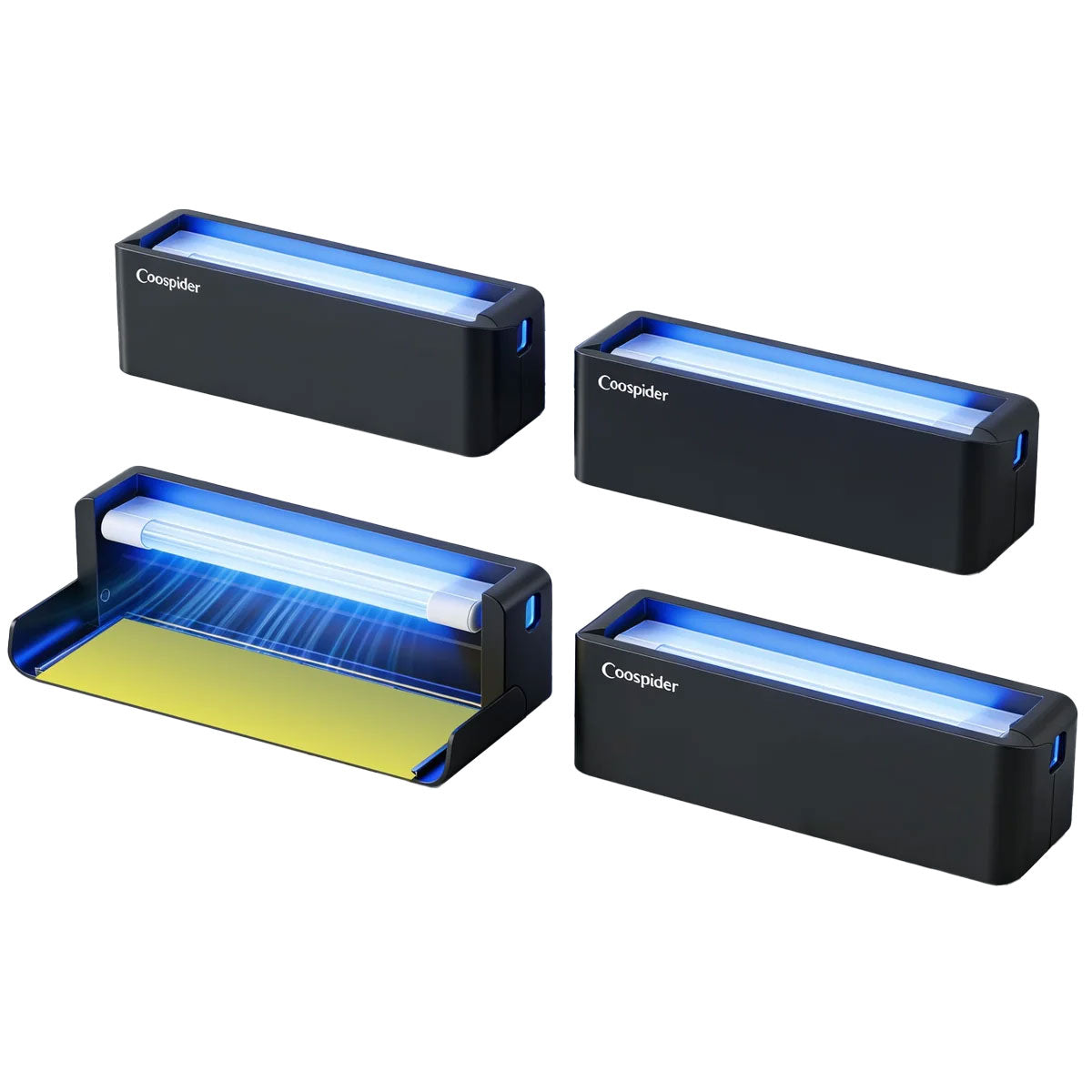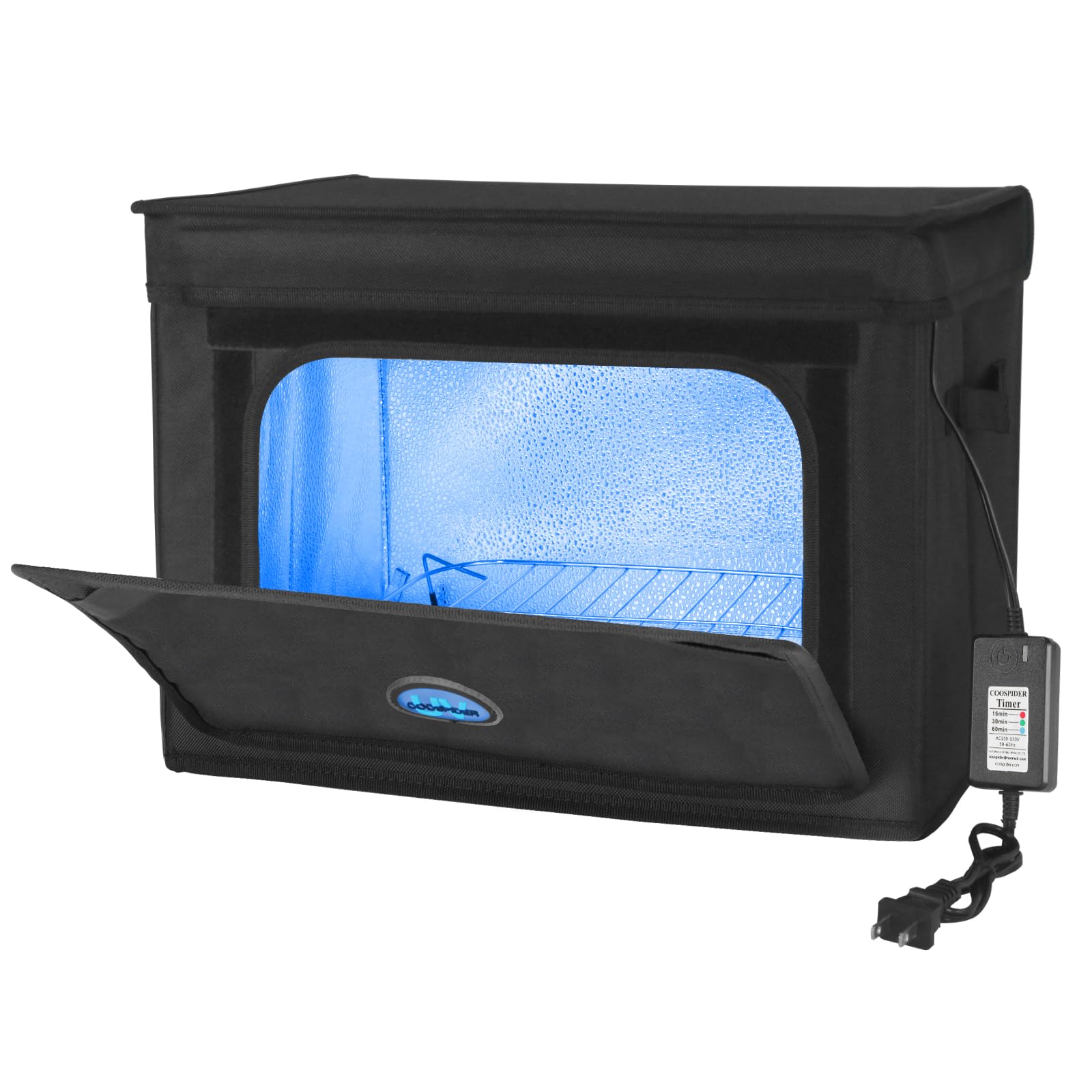
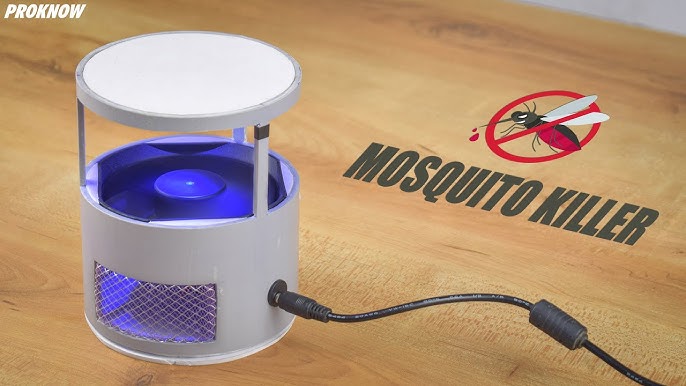
Mosquito killer lamps are one of those household devices people buy with high expectations and slowly forget about when performance declines. After a year or two, many users notice the same frustrating pattern: fewer insects trapped, weaker attraction, and a device that still powers on but no longer delivers results.
The truth is that most mosquito lamps don’t fail because the core technology stops working. Instead, their effectiveness drops due to aging components, environmental mismatch, or outdated attraction strategies. With a few thoughtful DIY upgrades, an old mosquito killer lamp can often outperform newer budget models.
This guide explains how mosquito lamps attract insects, why performance declines over time, and how you can upgrade lighting, airflow, scent cues, placement, and safety features to dramatically increase capture rates — all without needing advanced technical skills.
Understanding How Mosquito Killer Lamps Actually Work
Before modifying anything, it helps to understand the science behind mosquito attraction.
Most mosquito lamps rely on a combination of three mechanisms:
- Light attraction (phototaxis)
- Airflow suction
- Environmental simulation
Mosquitoes are not randomly drawn to light. Different species respond to specific wavelengths, especially those resembling twilight or human presence signals.
Key attraction triggers include:
- Ultraviolet and near-UV light
- Carbon dioxide cues
- Body heat simulation
- Dark contrast zones
- Airflow carrying scent particles
Older lamps typically rely heavily on UV bulbs alone. Modern designs combine multiple signals, which explains why upgrading a few elements can dramatically improve results.
Why Older Mosquito Lamps Lose Effectiveness
Many people assume their lamp is “worn out,” but several smaller factors usually cause declining performance.
1. UV Output Degradation
Even when a bulb still lights up, UV emission drops significantly over time. After roughly 6,000–8,000 hours, many bulbs produce only a fraction of their original attraction power.
2. Dust and Airflow Resistance
Fans accumulate dust, reducing suction strength. Less airflow means fewer insects pulled into the trap chamber.
3. Outdated Wavelength Design
Older lamps often use broad-spectrum UV that attracts fewer mosquito species compared to newer narrow-band LEDs.
4. Poor Placement Habits
Users frequently move lamps indoors or closer to human activity, unintentionally competing with stronger attractants — namely, themselves.
The good news: all these issues are fixable.
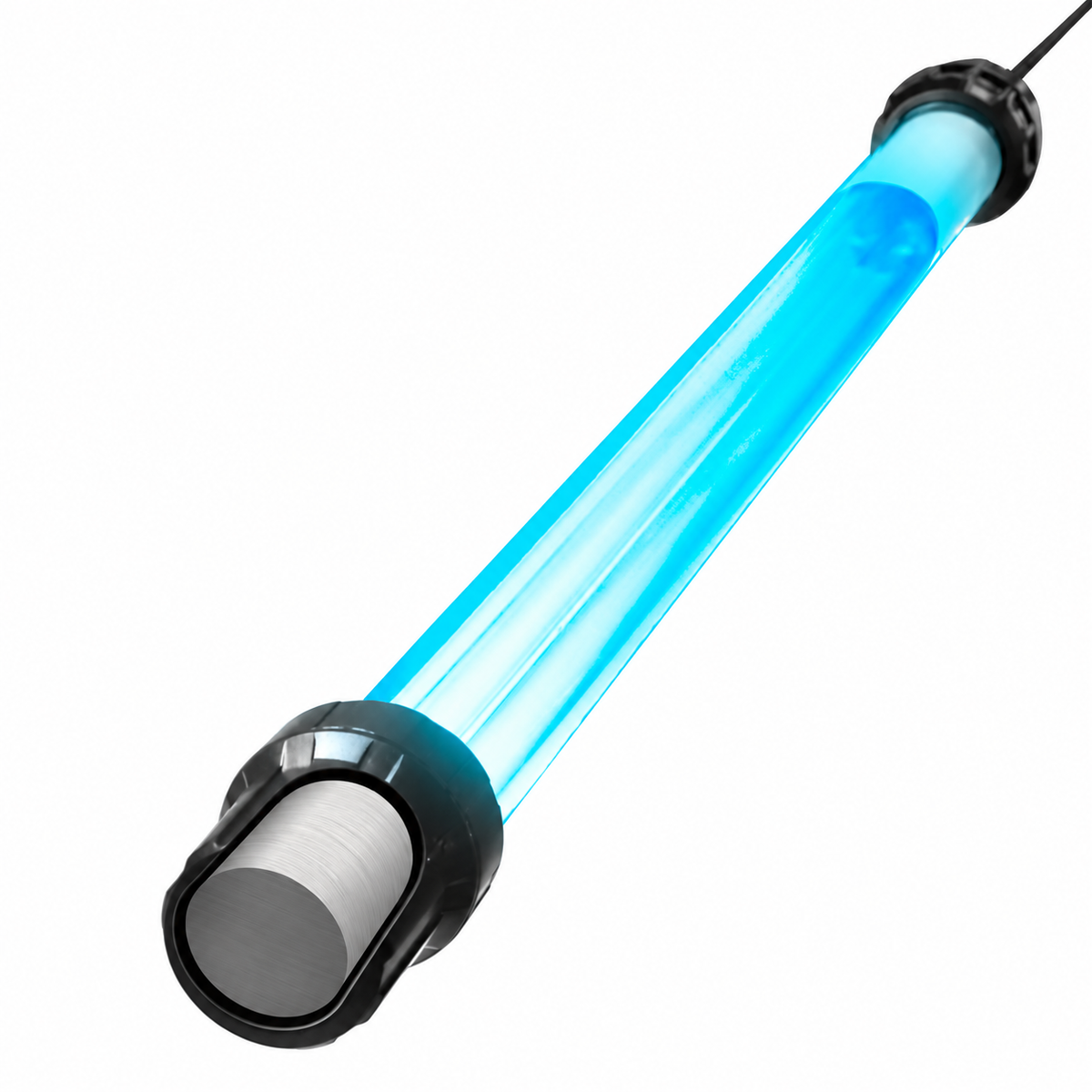
DIY Upgrade #1: Replace the Light Source with High-Efficiency UV LEDs
The single most powerful upgrade you can make is changing the light source.
Why LEDs Work Better
Modern UV LEDs offer:
- Stable wavelength output
- Lower heat production
- Longer lifespan (20,000–50,000 hours)
- Consistent attraction intensity
Mosquitoes respond strongly to wavelengths between 365–395 nm, with many species showing peak sensitivity near 365 nm.
How to Upgrade
What you need:
- UV LED strip or bulb (365–395 nm range)
- Compatible power adapter
- Heat-resistant adhesive or mounting clips
Steps:
- Disconnect power.
- Remove the old fluorescent or low-power bulb.
- Install LED strips around the inner chamber wall.
- Position LEDs so light radiates outward, not directly upward.
- Ensure wiring insulation is secure.
Pro Tip
Use reflective aluminum tape behind LEDs to amplify brightness without increasing energy use.
DIY Upgrade #2: Improve Airflow and Suction Power
Light attracts mosquitoes — airflow captures them.
If airflow is weak, mosquitoes escape easily.
Signs of Poor Airflow
- Dead insects sitting near but not inside the trap
- Mosquitoes hovering around the lamp
- Weak fan noise
Upgrade Options
Clean and Restore First
Before replacing anything:
- Open the housing
- Remove dust with compressed air
- Clean fan blades with alcohol wipes
- Lubricate bearings if accessible
You’d be surprised how much performance returns after cleaning alone.
Fan Upgrade
Replacing the stock fan with a higher static-pressure computer fan can significantly improve capture efficiency.
Look for:
- 5V or 12V brushless fan
- High airflow rating
- Low noise design
Mount using rubber pads to reduce vibration.
DIY Upgrade #3: Add a Secondary Attraction Layer (Scent Simulation)
Light alone attracts insects broadly, but mosquitoes specifically seek hosts.
You can mimic human presence safely.
Effective DIY Attractants
1. Lactic Acid Pads
Mosquitoes detect lactic acid released through human skin.
Create a simple attractant by:
- Mixing diluted lactic acid solution
- Soaking cotton pads
- Placing near airflow intake (not touching electronics)
2. Sugar-Yeast CO₂ Generator
A classic low-cost method:
Recipe:
- 1 cup sugar
- 1 teaspoon yeast
- Warm water in a bottle
This produces carbon dioxide slowly, simulating breathing.
Position the bottle beside the lamp so airflow pulls CO₂ across the intake.
DIY Upgrade #4: Optimize Light Contrast and Surroundings
Mosquito attraction is heavily influenced by environmental contrast.
Create a “Visual Target Zone”
Mosquitoes prefer darker surroundings with a single dominant light source.
Improve attraction by:
- Turning off competing lights nearby
- Using a dark background wall behind the lamp
- Avoiding reflective surfaces
A simple black cardboard panel behind the device can noticeably increase catch rates.
DIY Upgrade #5: Modify Placement Strategy (The Most Overlooked Factor)
Placement often matters more than hardware upgrades.
Ideal Positioning Rules
- 3–6 feet above ground
- 10–20 feet away from people
- Near mosquito flight paths
- Shaded areas outdoors
- Away from strong wind
Mosquitoes follow edges and humidity gradients. Corners, plants, and shaded patios work best.
Indoor Placement Tip
Place the lamp near entry points — not bedrooms — so mosquitoes are intercepted before reaching you.
DIY Upgrade #6: Enhance Trap Retention
Capturing insects is only half the battle; preventing escape is equally important.
Simple Improvements
- Add fine mesh inside capture chamber
- Install inward-slanted funnel inserts
- Apply matte coating to reduce escape orientation
Mosquitoes navigate using light gradients. Removing upward light leakage prevents escape attempts.
DIY Upgrade #7: Reduce Competing Human Signals
Ironically, humans often sabotage mosquito lamps.
Your body emits:
- Heat
- Carbon dioxide
- Skin odors
- Moisture
All stronger attractants than light alone.
Improve Performance by:
- Running the lamp 30–60 minutes before outdoor use
- Keeping distance between seating area and lamp
- Avoiding placing lamps directly beside people
Think of the lamp as a decoy host, not a personal shield.
DIY Upgrade #8: Power Stability Improvements
Older adapters may deliver inconsistent voltage, reducing LED brightness and fan speed.
Easy Fix
Replace aging adapters with:
- Regulated DC power supplies
- Correct voltage rating
- Slightly higher current capacity
Stable power equals stable attraction output.
DIY Upgrade #9: Reflective Interior Modification
Many older lamps waste light internally.
Adding reflective surfaces increases effective brightness.
Materials That Work
- Aluminum foil tape
- Mylar sheets
- Reflective heat shielding
Avoid mirrors — diffuse reflection works better than focused beams.
DIY Upgrade #10: Smart Timer Automation
Mosquito activity peaks at dusk and dawn.
Running lamps continuously wastes energy and shortens lifespan.
Install a smart plug or timer to operate during:
- Sunset → midnight
- Early morning hours
Automated timing increases efficiency while extending component life.
Safety Considerations for DIY Modifications
Always prioritize safety when upgrading electrical devices.
Follow These Rules
- Disconnect power before opening housing
- Avoid moisture exposure
- Insulate all wiring
- Maintain ventilation space
- Never block airflow completely
If unsure about electrical work, choose plug-and-play upgrades only.
Common DIY Mistakes That Reduce Effectiveness
Avoid these frequent errors:
- Using overly bright white LEDs
- Placing lamp too close to humans
- Adding strong fragrances (repels mosquitoes)
- Blocking intake vents
- Ignoring regular cleaning
More brightness does not always mean more attraction — wavelength matters more than intensity.
Maintenance Routine After Upgrading
To keep performance high:
Weekly
- Empty trap chamber
- Clean intake vents
Monthly
- Wipe LEDs
- Check airflow strength
Every 6–12 Months
- Replace scent attractants
- Inspect wiring and power supply
Consistency matters more than complex modifications.
Measuring Improvement: How to Know Your Upgrade Worked
Track results objectively.
Try this simple test:
- Run lamp for three nights before modification.
- Count captured insects.
- Upgrade one feature.
- Repeat measurement.
Many users see capture increases of 2–5× after airflow and lighting upgrades alone.
Advanced DIY Ideas for Enthusiasts
If you enjoy experimentation, consider:
- Dual-wavelength LED combinations
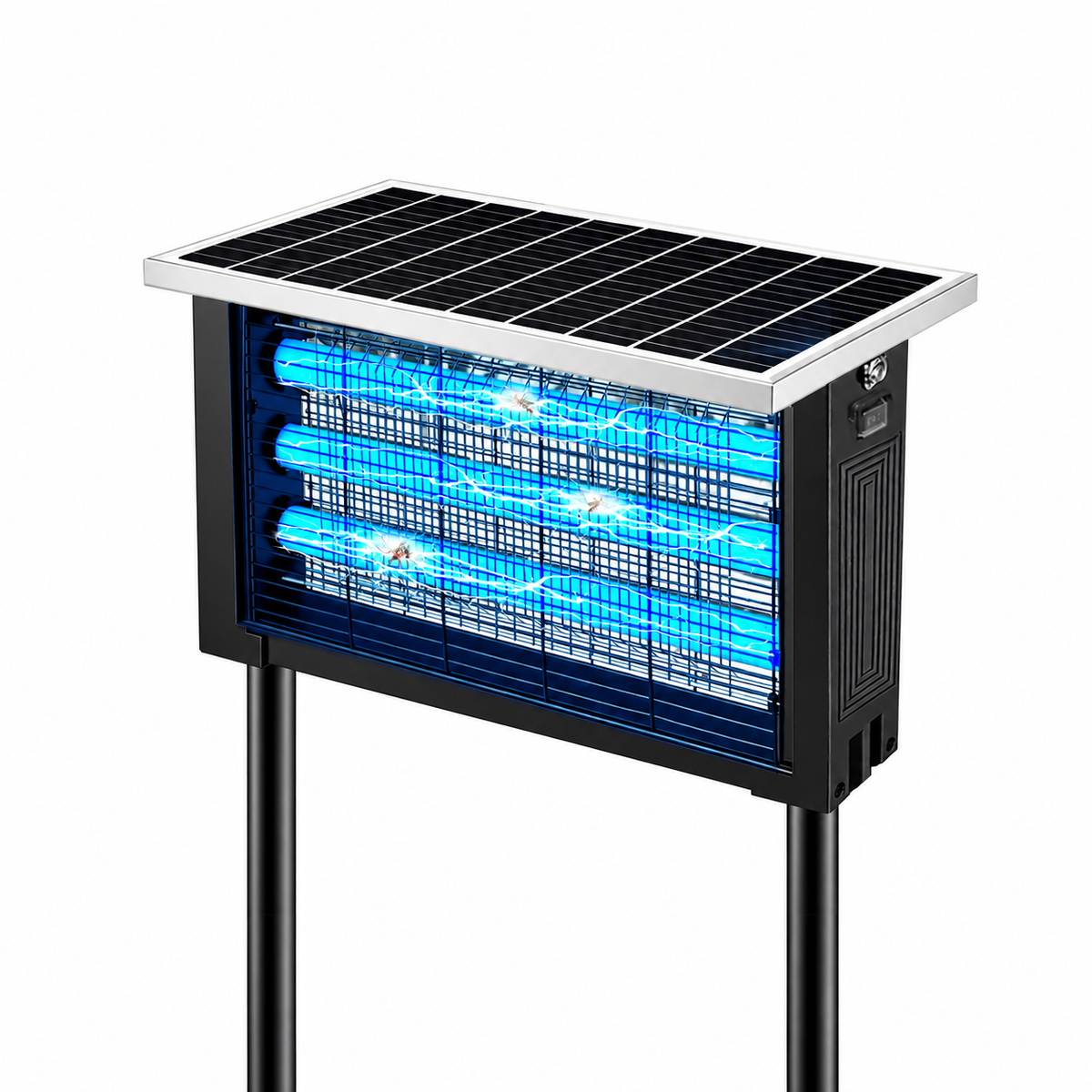
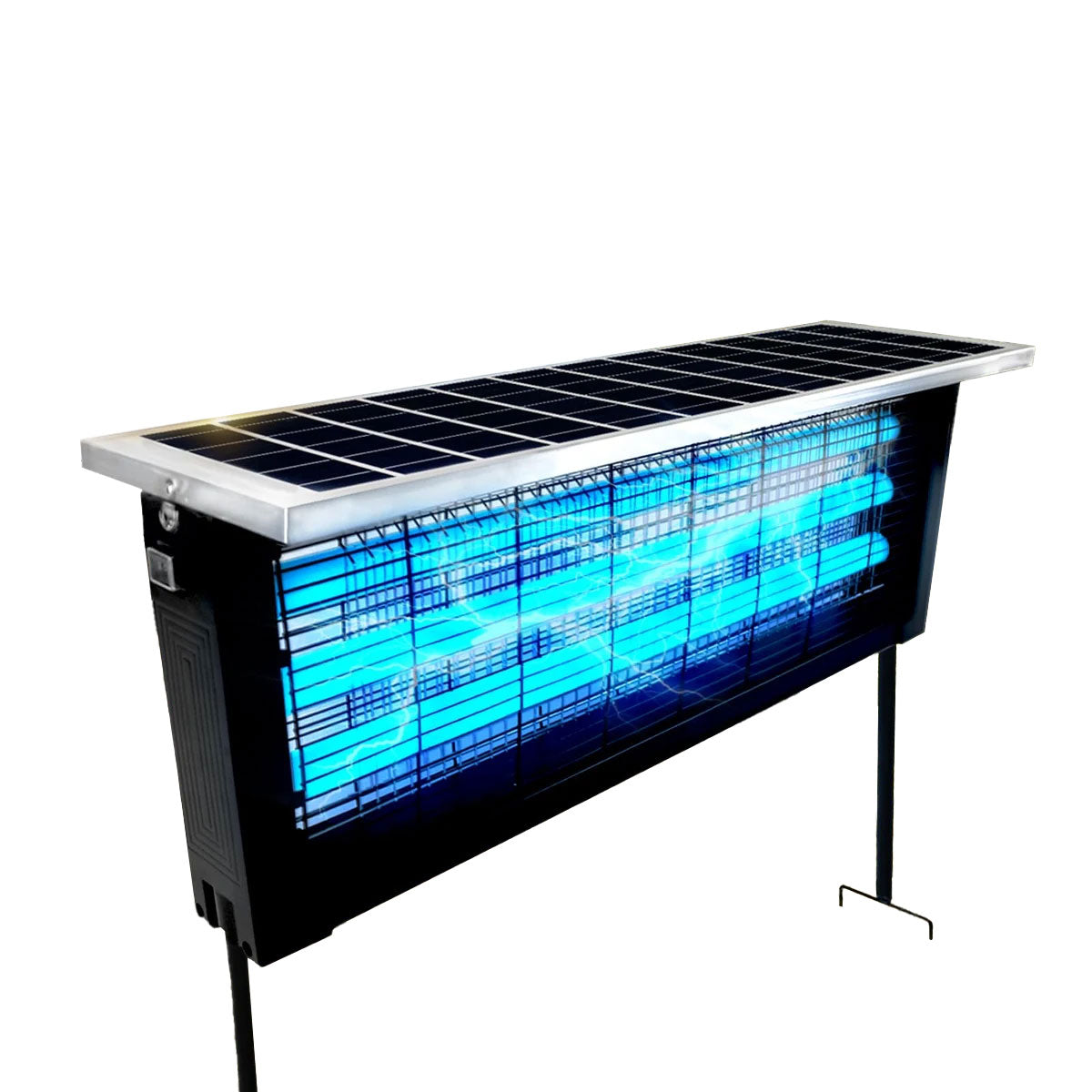
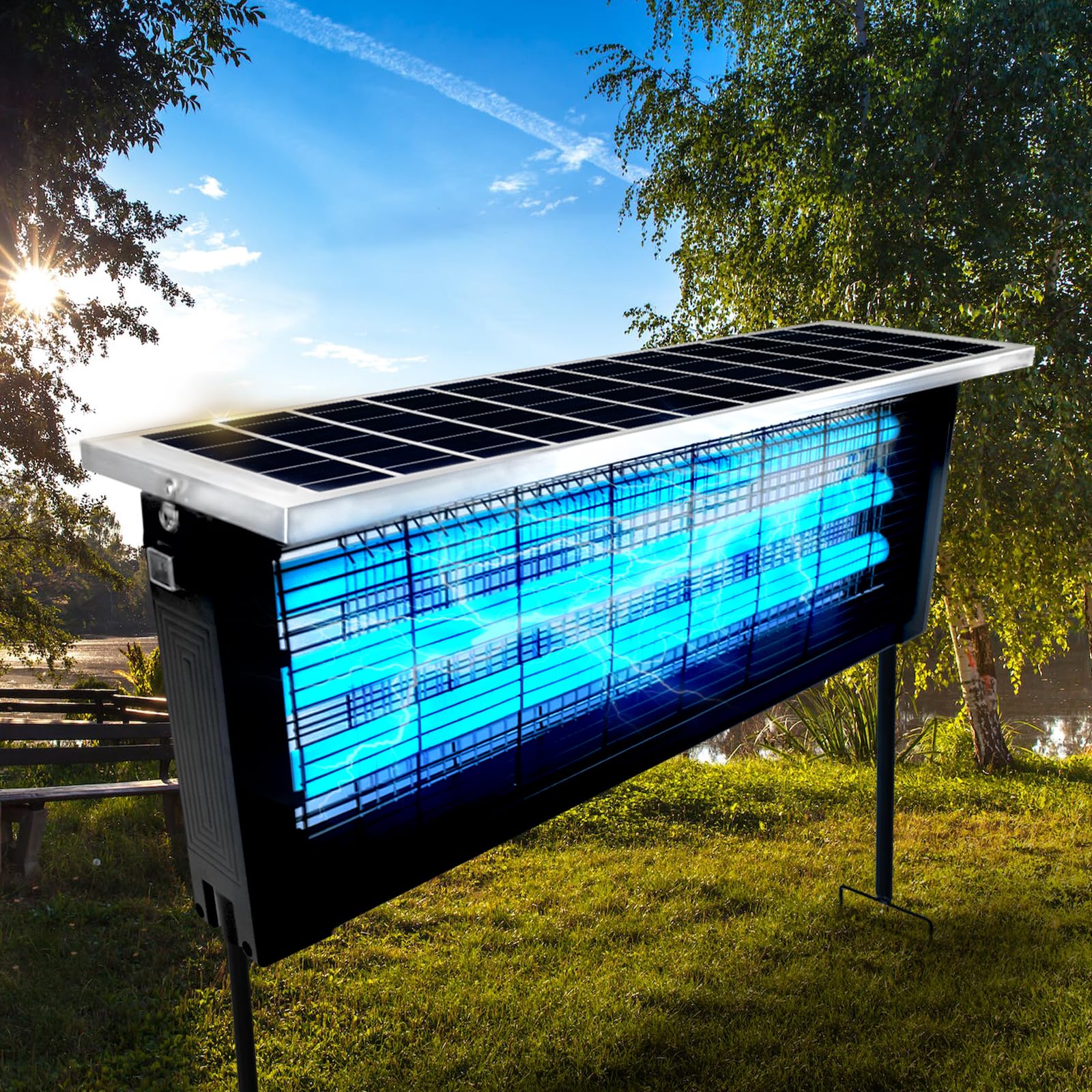
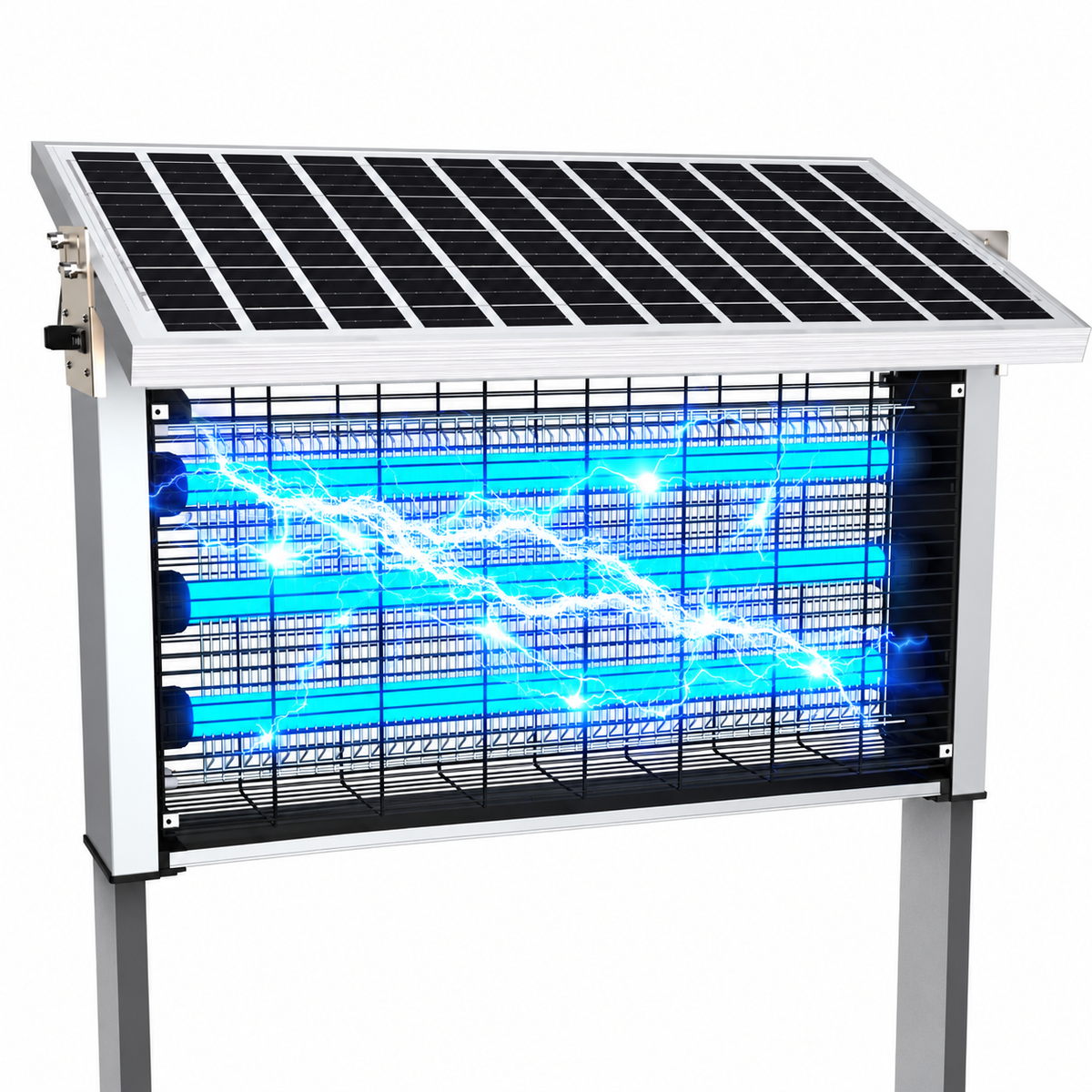
- Solar-powered outdoor setups
- Motion-triggered activation
- Temperature-based control systems
These upgrades simulate modern premium mosquito traps at a fraction of the cost.
Environmental Benefits of Upgrading Instead of Replacing
Repairing and upgrading existing devices reduces:
- Electronic waste
- Plastic disposal
- Manufacturing emissions
- Unnecessary spending
A thoughtfully upgraded lamp can last many additional years.
When It’s Time to Replace Instead of Upgrade
DIY improvements work best when:
- Housing is intact
- Electrical components are safe
- Fan motor still functions
Replacement may be better if:
- Internal wiring is damaged
- Plastic casing is brittle
- Power system overheats
Safety always comes first.
The Future of Mosquito Control at Home
Mosquito control technology continues evolving toward multi-sensory attraction systems combining:
- Specific light wavelengths
- CO₂ simulation
- Heat signatures
- AI-optimized timing
Interestingly, many of these innovations can already be approximated through DIY upgrades using affordable parts.
The difference between an ineffective mosquito lamp and a highly effective one often comes down to understanding insect behavior rather than buying newer hardware.
Final Thoughts: Turning an Old Mosquito Lamp into a High-Performance Trap
An aging mosquito killer lamp doesn’t have to become electronic waste. With targeted upgrades — improved UV lighting, stronger airflow, realistic attractants, optimized placement, and consistent maintenance — you can dramatically enhance performance using simple tools and low-cost materials.
The key insight is this: mosquitoes respond to a combination of environmental signals, not just light. When your lamp successfully imitates those signals, it becomes far more than a glowing device — it becomes a convincing biological decoy.
By applying the techniques in this guide, you transform a declining appliance into a smarter, more efficient insect control system that works with nature’s behavioral patterns rather than against them.
And sometimes, the best upgrade isn’t buying something new — it’s understanding how to make what you already own work better.