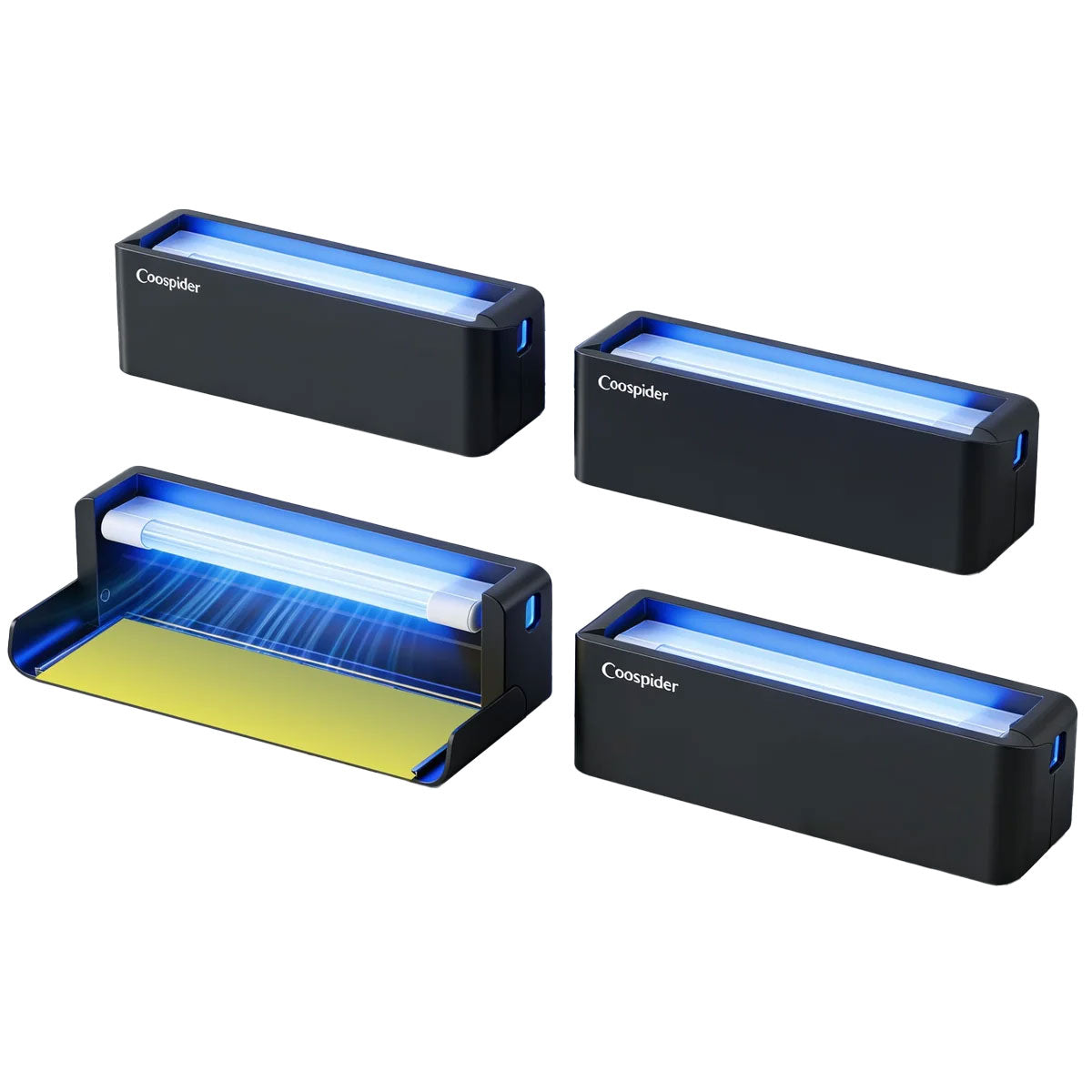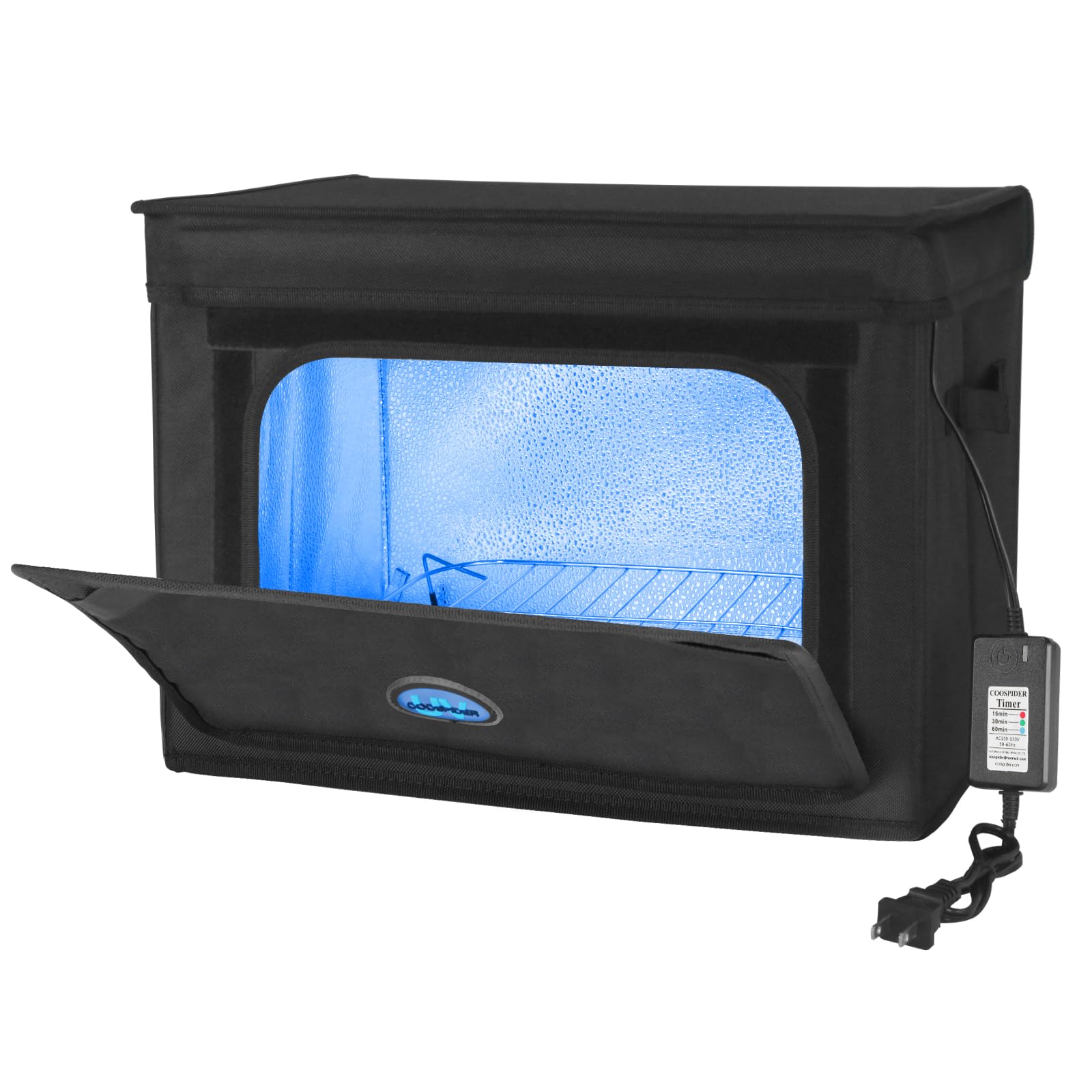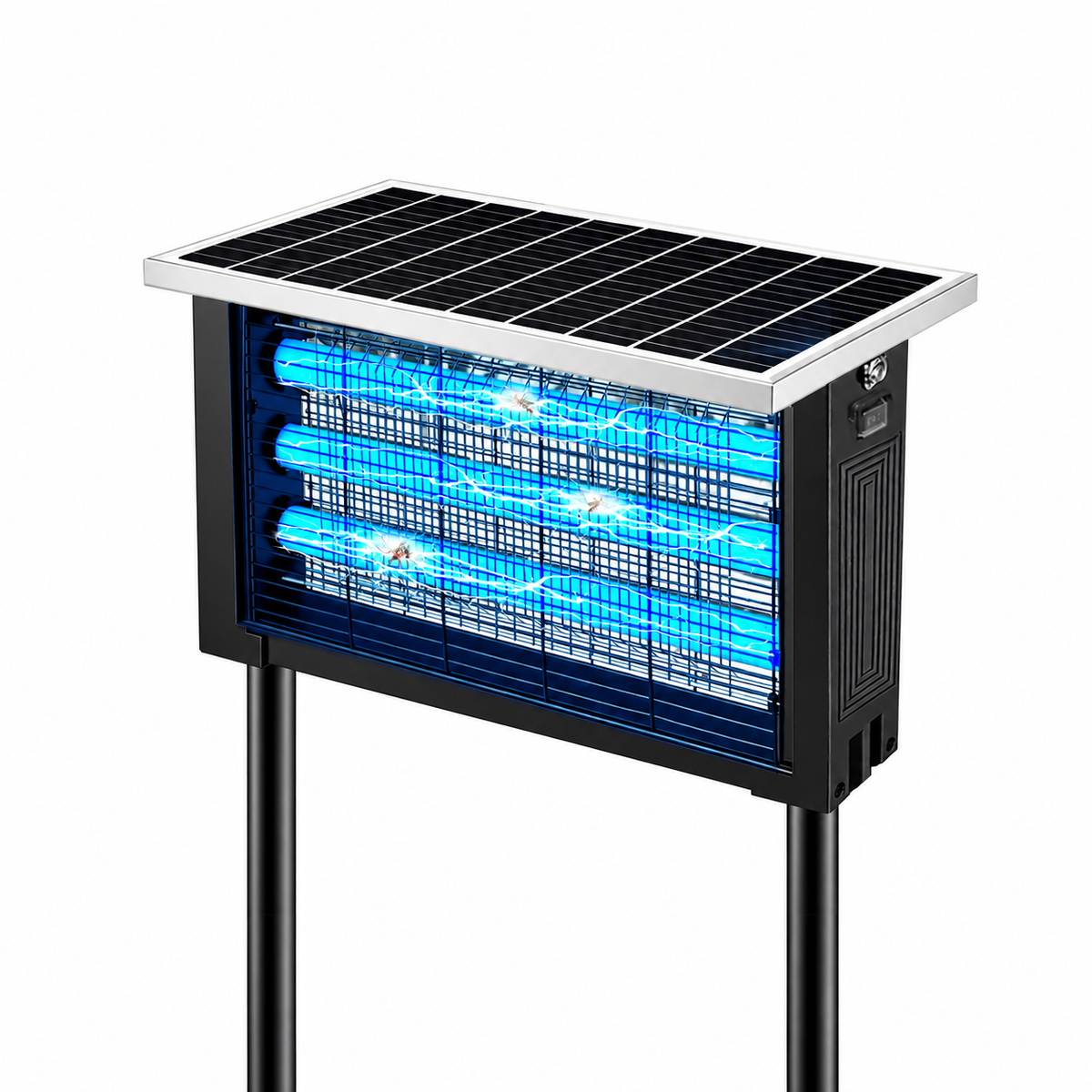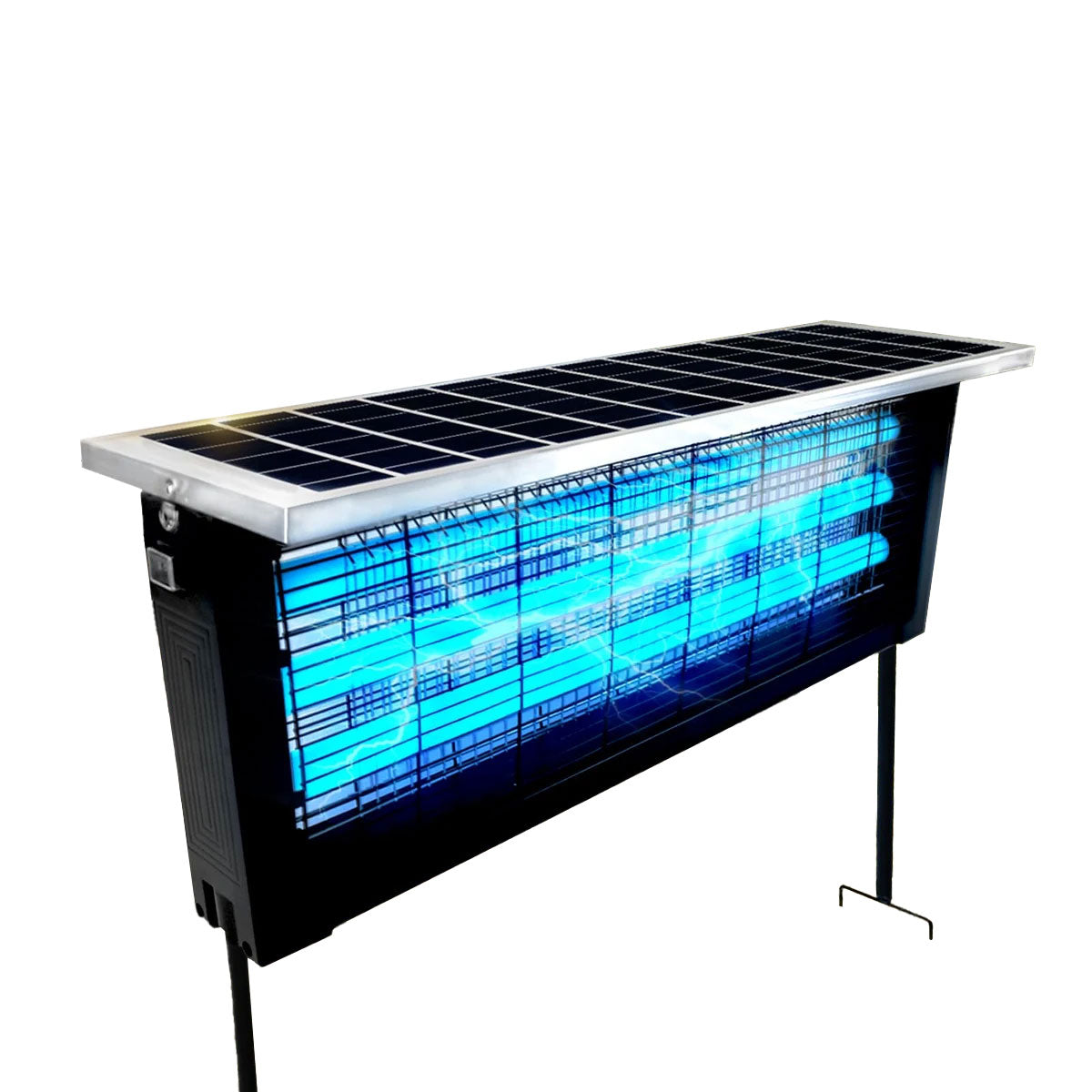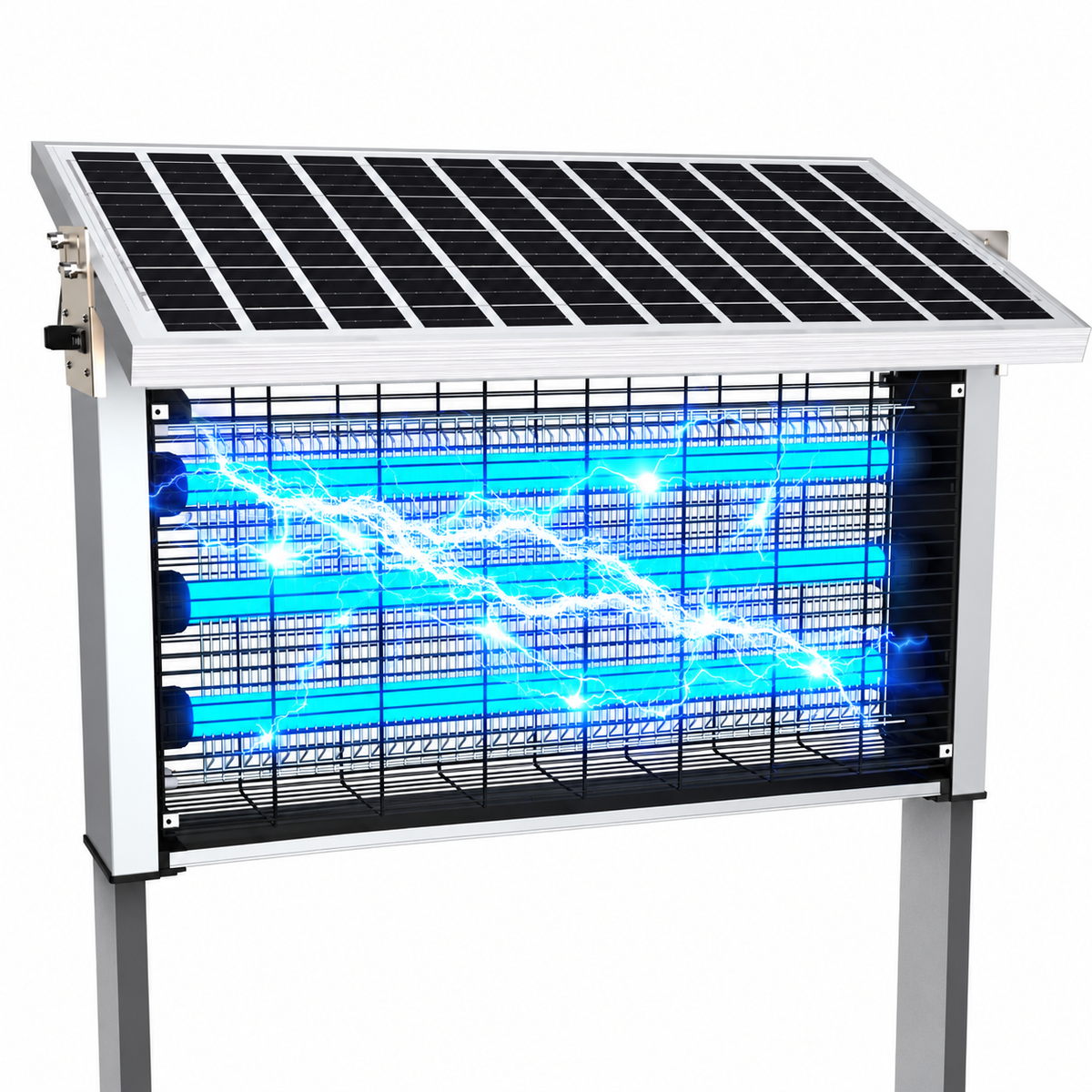

Electric mosquito killers are designed to be durable, reliable, and effective season after season. Yet many users find themselves facing a frustrating situation: a device that still powers on, lights up normally, but no longer performs like it used to.
The ultraviolet lamp works. The fan spins. The indicator lights glow. But insects are no longer eliminated efficiently, and the familiar sharp electric “zap” has either weakened or disappeared altogether.
At this point, most people assume the product has reached the end of its life and replace it with a new unit costing $80–$150.
What many users don’t realize is that a large percentage of these devices fail because of one inexpensive internal component — a part that often costs less than $10 to replace.
This article explains how a small, affordable repair can restore performance, why this specific component fails first, and how understanding basic device structure can save both money and unnecessary waste.
Why Expensive Mosquito Killers Stop Working
Modern mosquito killers combine several systems:
- Attraction system (UV light or LEDs)
- Airflow or trapping system (fan or airflow channel)
- High-voltage killing grid
- Power conversion circuitry
In most cases, the attraction system and housing remain functional for years. The weak point lies in the power conversion stage, where electricity is transformed into the high voltage required for insect elimination.
Unlike mechanical parts, electronic components age invisibly.
The device may appear fully operational while internally delivering only a fraction of its original electrical energy.
The $10 Component Responsible for Most Failures
The most common culprit is the high-voltage capacitor.
This small cylindrical or box-shaped component acts as an energy storage unit inside the device’s electrical circuit.
Its job is simple but critical:
- Store electrical energy.
- Accumulate voltage.
- Release energy instantly when an insect contacts the grid.
Without sufficient stored energy, the zap becomes weak or disappears entirely.
Why a Cheap Part Controls an Expensive Device
Many users are surprised that such an inexpensive part determines overall performance.
This happens because electronic systems rely on functional balance, not component price.
A mosquito killer may include:
- Metal housing
- UV lighting modules
- Safety insulation
- Power transformers
Yet if the capacitor loses efficiency, the high-voltage system cannot operate correctly regardless of how expensive the rest of the device is.
In electronics, the smallest energy bottleneck controls the entire system.
How Capacitors Wear Out Over Time
Capacitors naturally degrade due to internal chemical and physical changes.
Heat Stress
Continuous operation produces heat inside compact housings. Elevated temperatures gradually dry internal materials, reducing energy storage capacity.
Charge Cycles
Every zap represents a full charge-and-discharge cycle. Over thousands of cycles, internal layers slowly deteriorate.
Humidity Exposure
Outdoor use introduces moisture that weakens insulation and accelerates aging.
Power Fluctuations
Voltage spikes stress dielectric layers, shortening lifespan.
After one or two mosquito seasons, many capacitors operate at significantly reduced capacity.
Signs Your Device Needs This Repair
Before opening your device, look for common symptoms:
- Weak or silent zapping sound
- Insects touching the grid without immediate elimination
- Device powers on normally
- UV light still attracts insects
- Performance gradually declined instead of sudden failure
If these signs match your experience, there’s a strong chance the capacitor is the issue.
Why Manufacturers Don’t Emphasize Repair
Most consumer electronics are not marketed as repairable products.
Reasons include:
- Safety liability concerns
- Manufacturing cost efficiency
- Consumer replacement habits
- Sealed product design trends
However, from a technical perspective, many mosquito killers remain structurally sound long after minor components degrade.
Understanding the Electrical Workflow
To understand why replacing one part works, consider the energy path:
- Household AC power enters the device.
- A transformer increases voltage.
- Rectifiers convert AC to DC.
- The capacitor stores high-voltage energy.
- The grid releases stored energy as a discharge.
When the capacitor weakens, step four fails — preventing a strong discharge even though all other steps still function.
The Economics of Repair vs Replacement
Let’s compare typical costs:
| Option | Approximate Cost | Result |
|---|---|---|
| New mosquito killer | $80–$150 | Full replacement |
| Professional repair | $40–$70 | Often not economical |
| DIY capacitor replacement | $5–$10 | Restored performance |
The price difference explains why understanding this repair can be valuable.
Choosing the Correct Replacement Component
Not all capacitors are interchangeable.
Key specifications include:
Voltage Rating
Must equal or exceed the original rating. Never downgrade voltage tolerance.
Capacitance Value
Measured in microfarads (µF) or nanofarads (nF). Match original specifications closely.
Temperature Rating
Higher temperature ratings typically last longer.
Type
Common types used include:
- Film capacitors
- High-voltage ceramic capacitors
Reading the printed markings on the original component ensures compatibility.
Tools Needed for a Basic Repair
Most repairs require only simple tools:
- Screwdriver set
- Insulated pliers
- Soldering iron
- Replacement capacitor
- Safety gloves
Total tool investment is often minimal compared to replacing the entire unit.
Safety First: Important Precautions
Electric mosquito killers generate high voltage.
Before opening the device:
- Unplug completely.
- Wait at least 30 minutes.
- Avoid touching exposed circuitry.
- Discharge stored energy carefully if trained.
High-voltage capacitors can retain charge even when unplugged.
If unsure, consult a technician.
Step-by-Step Repair Overview
Step 1: Open the Housing
Remove screws and carefully separate the casing without damaging wiring.
Step 2: Locate the Power Board
Find the small circuit board connected to the grid wires.
Step 3: Identify the Capacitor
Look for a labeled component near the high-voltage output section.
Signs of aging may include:
- Bulging casing
- Discoloration
- Cracks
- Leakage residue
Step 4: Remove the Old Component
Desolder carefully using minimal heat.
Step 5: Install the Replacement
Match polarity if marked and ensure firm solder joints.
Step 6: Reassemble and Test
After reassembly, plug in and listen for restored discharge sound.
Why the Repair Works So Well
Replacing the capacitor restores the system’s ability to:
- Store sufficient electrical energy
- Release energy rapidly
- Maintain voltage stability
Users often report performance nearly identical to a new device.
This dramatic improvement occurs because the rest of the system was never actually damaged.
Environmental Benefits of Repair
Repairing instead of replacing reduces:
- Electronic waste
- Resource consumption
- Manufacturing emissions
- Packaging waste
Extending device lifespan by even one year significantly lowers environmental impact.
Small repairs collectively produce meaningful sustainability benefits.
Common Mistakes to Avoid
Installing a Lower Voltage Capacitor
This risks rapid failure or unsafe operation.
Poor Solder Connections
Weak joints create resistance and heat buildup.
Skipping Cleaning
Dust and insect debris should be removed before reassembly.
Touching Components Immediately After Unplugging
Residual charge can remain dangerous.
How Long Will the Repair Last?
With a quality replacement capacitor:
- Light indoor use: 2–4 additional years
- Moderate use: 1–3 years
- Heavy outdoor use: 1–2 years
Higher-rated components often outlast original factory parts.
When Repair Is Not Worth It
Replacement may be better if:
- Transformer is burned out
- Housing is cracked
- Wiring insulation is damaged
- Multiple components show heat damage
In these cases, safety becomes the priority.
Why This Knowledge Matters for Consumers
Understanding simple electronic failure patterns empowers users to:
- Diagnose problems accurately
- Avoid unnecessary spending
- Extend product life
- Make informed purchase decisions
Modern devices often fail due to minor components rather than major structural issues.
The Bigger Lesson About Consumer Electronics
Mosquito killers represent a broader pattern seen across many electronic products.
A device’s lifespan is often determined not by its most expensive part, but by its most stressed component.
Small parts absorb the majority of operational strain.
Replacing them restores balance to the entire system.
Preventing Future Failures
After repair, you can extend longevity by:
- Cleaning grids regularly
- Avoiding moisture exposure
- Providing airflow around the device
- Turning off during inactive periods
- Using surge protection
These practices reduce stress on internal electronics.
Real-World User Experience
Many users describe the same moment after repair:
The device powers on, an insect approaches, and suddenly the loud, sharp zap returns — stronger than it has sounded in months.
That sound confirms restored electrical energy and renewed effectiveness.
What seemed like a worn-out appliance becomes fully functional again.
Frequently Asked Questions
Is a $10 repair really enough?
In many cases, yes. Capacitors are inexpensive but critical components.
Does repairing void warranties?
Opening devices typically voids manufacturer warranties. Check coverage first.
Can beginners attempt this repair?
Those familiar with basic soldering and electrical safety can attempt it carefully.
Will performance match a new unit?
Often very close, assuming no other components are damaged.
Final Thoughts: Small Fix, Big Impact
It’s easy to assume that declining performance means the end of a product’s life. Marketing cycles and replacement habits reinforce this idea.
But inside many mosquito killers, the difference between failure and full performance may come down to a single aging component worth less than a fast-food meal.
By replacing one inexpensive capacitor, you can revive a device that once cost over $100, reduce waste, and better understand how everyday electronics actually function.
The next time your mosquito killer grows quiet, remember: the solution may not be buying new — it might simply be giving one small part a second chance to do its job.
Sometimes, the smartest upgrade isn’t replacement at all.