Few things ruin a warm evening faster than mosquitoes. Whether you’re relaxing on your patio, hosting a backyard gathering, or simply trying to sleep with the windows open, these tiny pests can quickly become a big problem. In response, UV mosquito lamps have surged in popularity, promising a chemical-free, low-maintenance way to control insects.
But do they actually work?
The answer is more nuanced than a simple yes or no. UV mosquito lamps can be effective—but only under the right conditions, with the right expectations, and as part of a broader strategy.
In this comprehensive guide, we’ll break down the science behind UV mosquito lamps, separate fact from fiction, and explain how to get the best real-world results.
What Is a UV Mosquito Lamp?
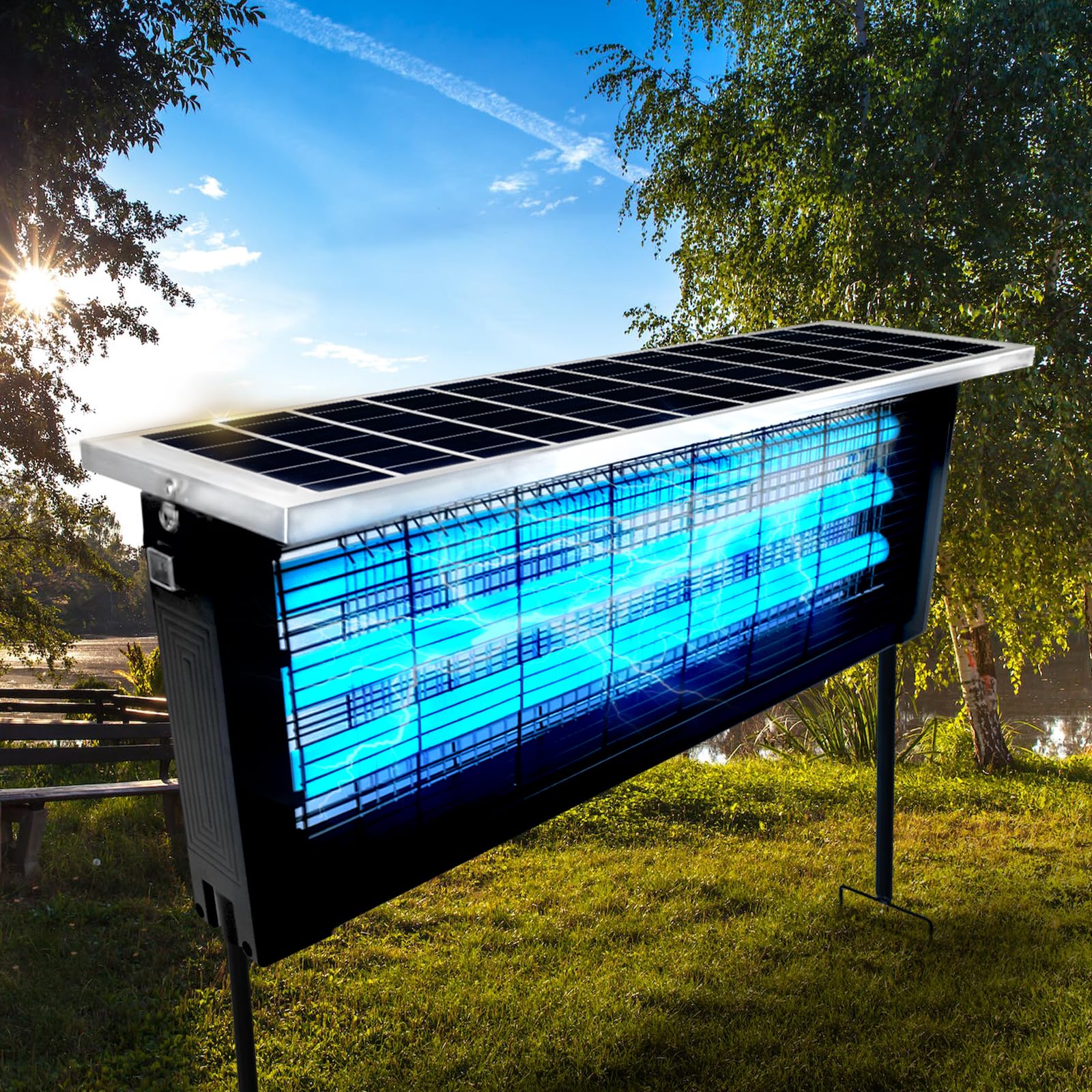
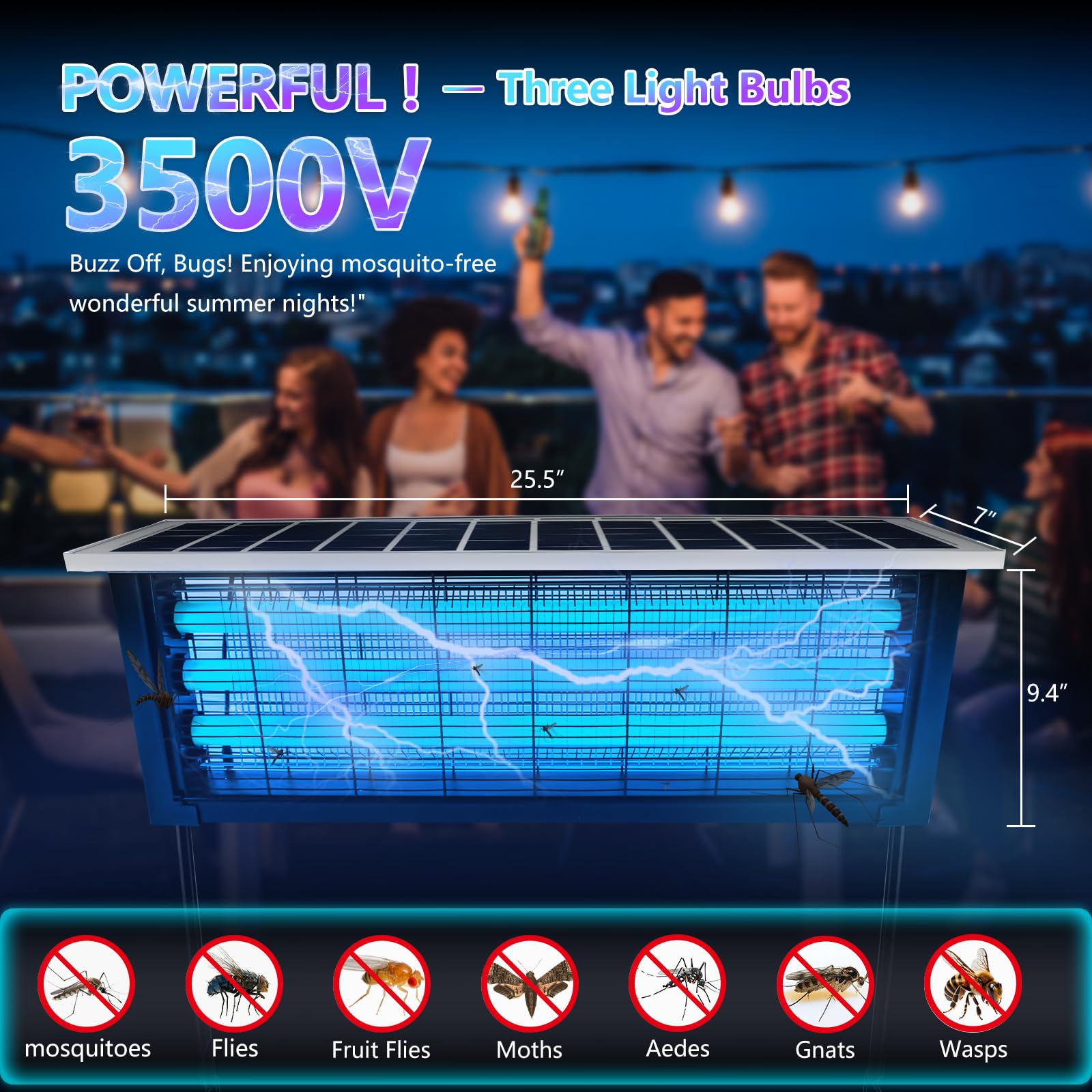
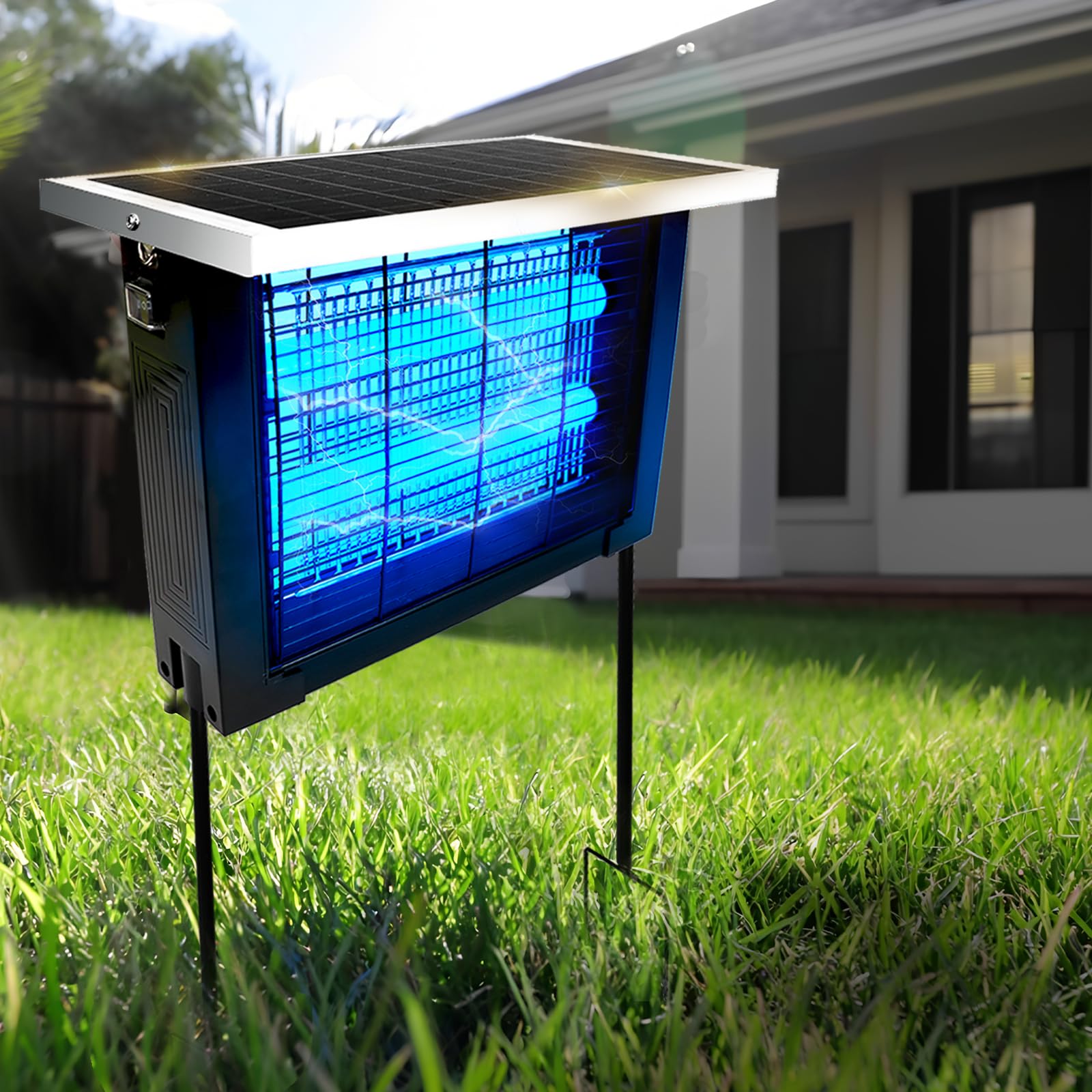
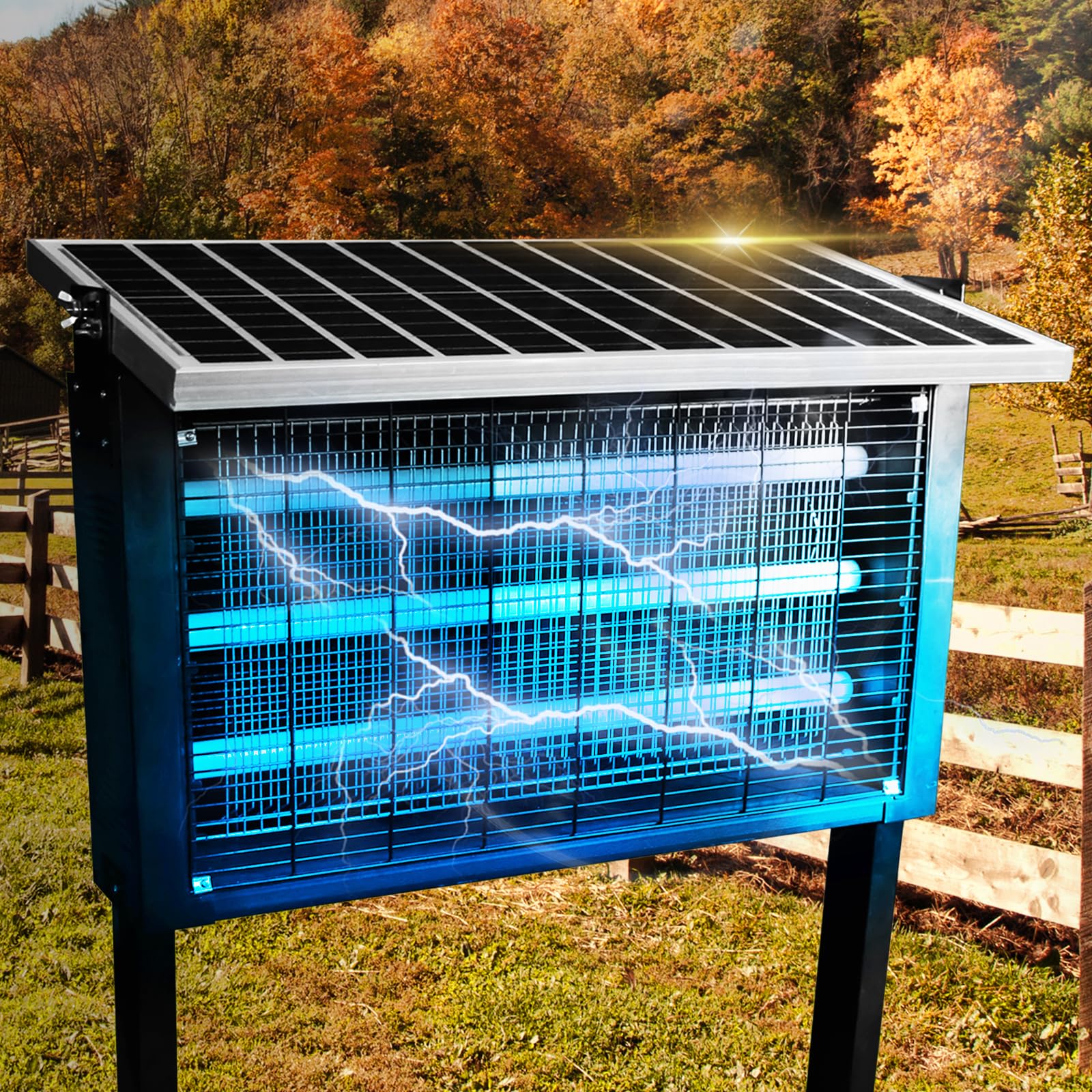
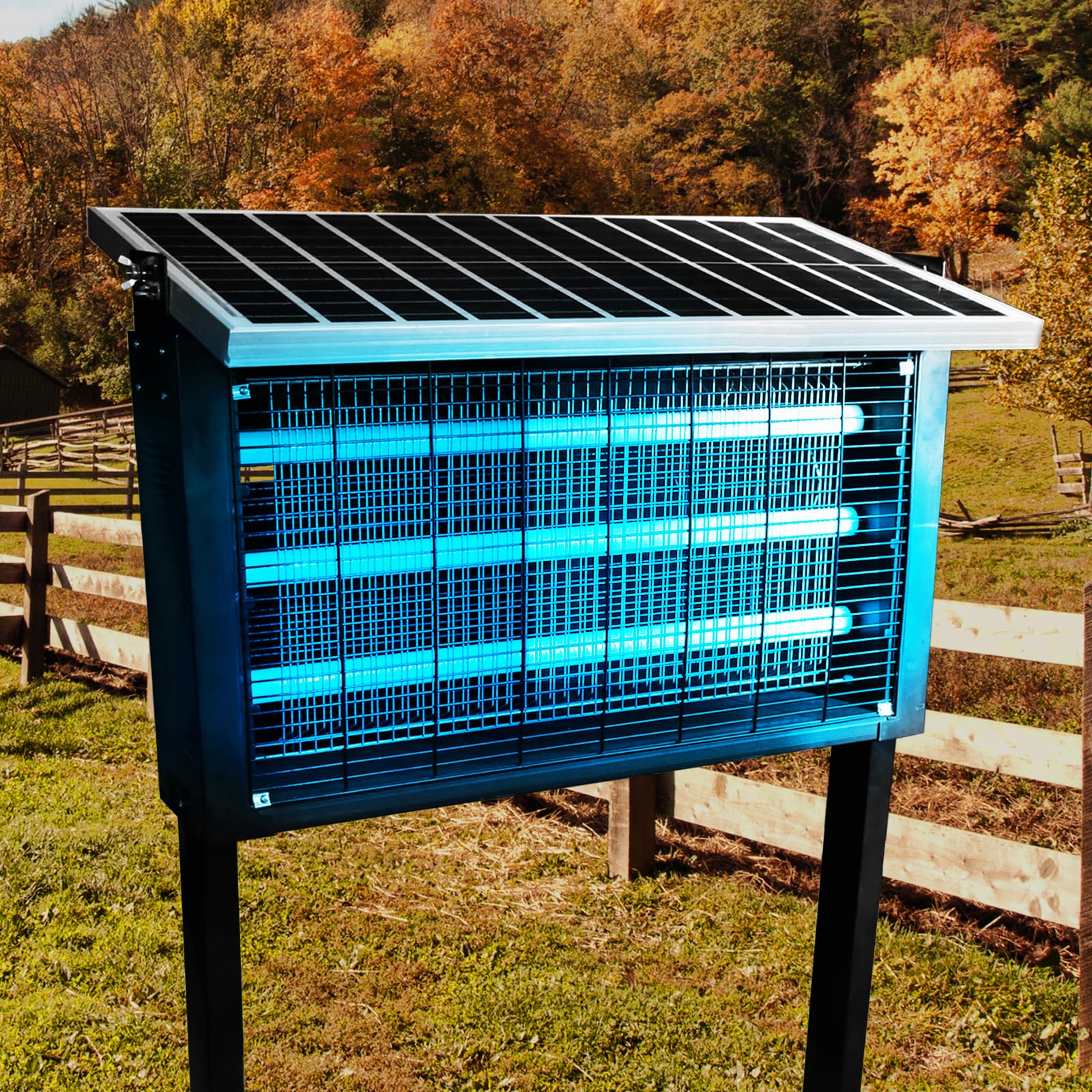
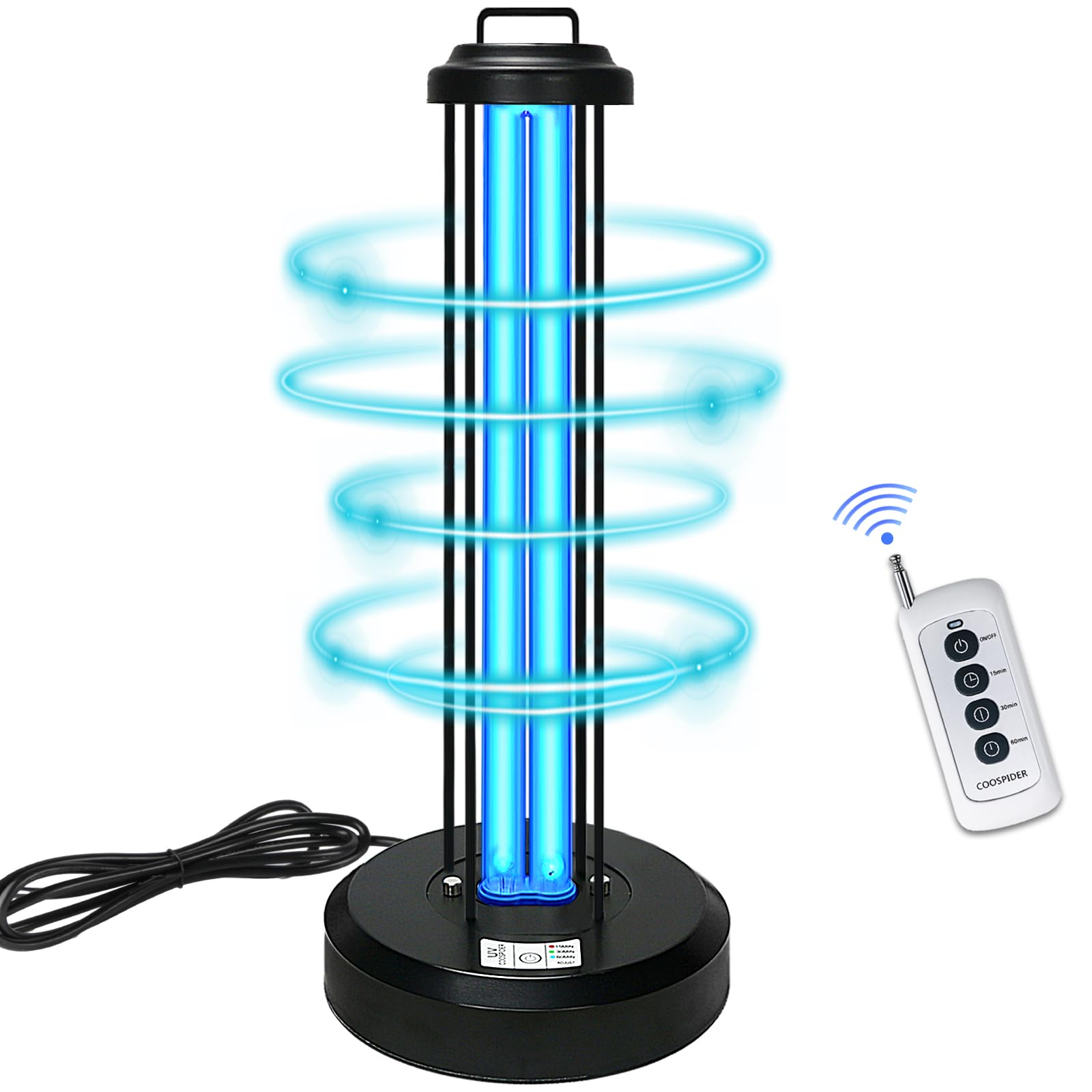
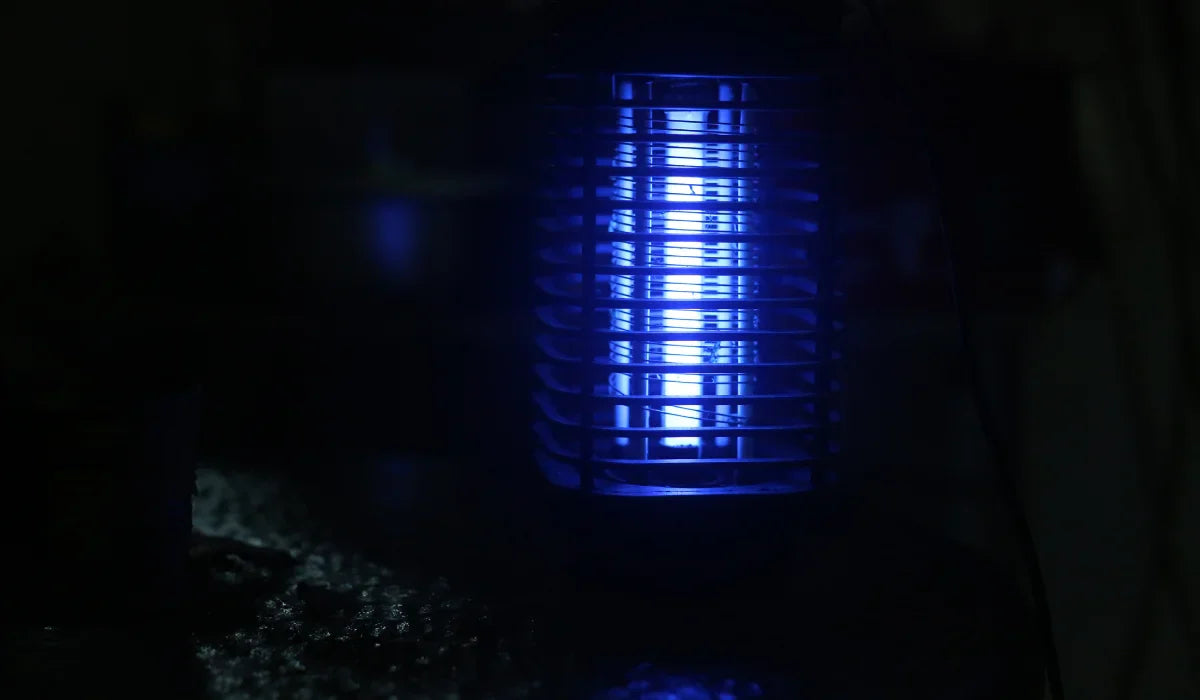
A UV mosquito lamp is an electronic device designed to attract and capture flying insects using ultraviolet (UV) light. Once insects are drawn in, they are either trapped or eliminated through different mechanisms.
Common Types of UV Mosquito Lamps
-
Electric grid zappers: Kill insects on contact
-
Fan-based traps: Use suction to capture insects
-
Sticky traps: Trap insects on adhesive surfaces
Each type has its own advantages and limitations.
The Core Principle: Why UV Light Attracts Insects
To understand how these devices work, we need to look at insect behavior.
Phototaxis: Attraction to Light
Many insects exhibit positive phototaxis, meaning they are naturally drawn to light sources—especially certain wavelengths.
Why UV?
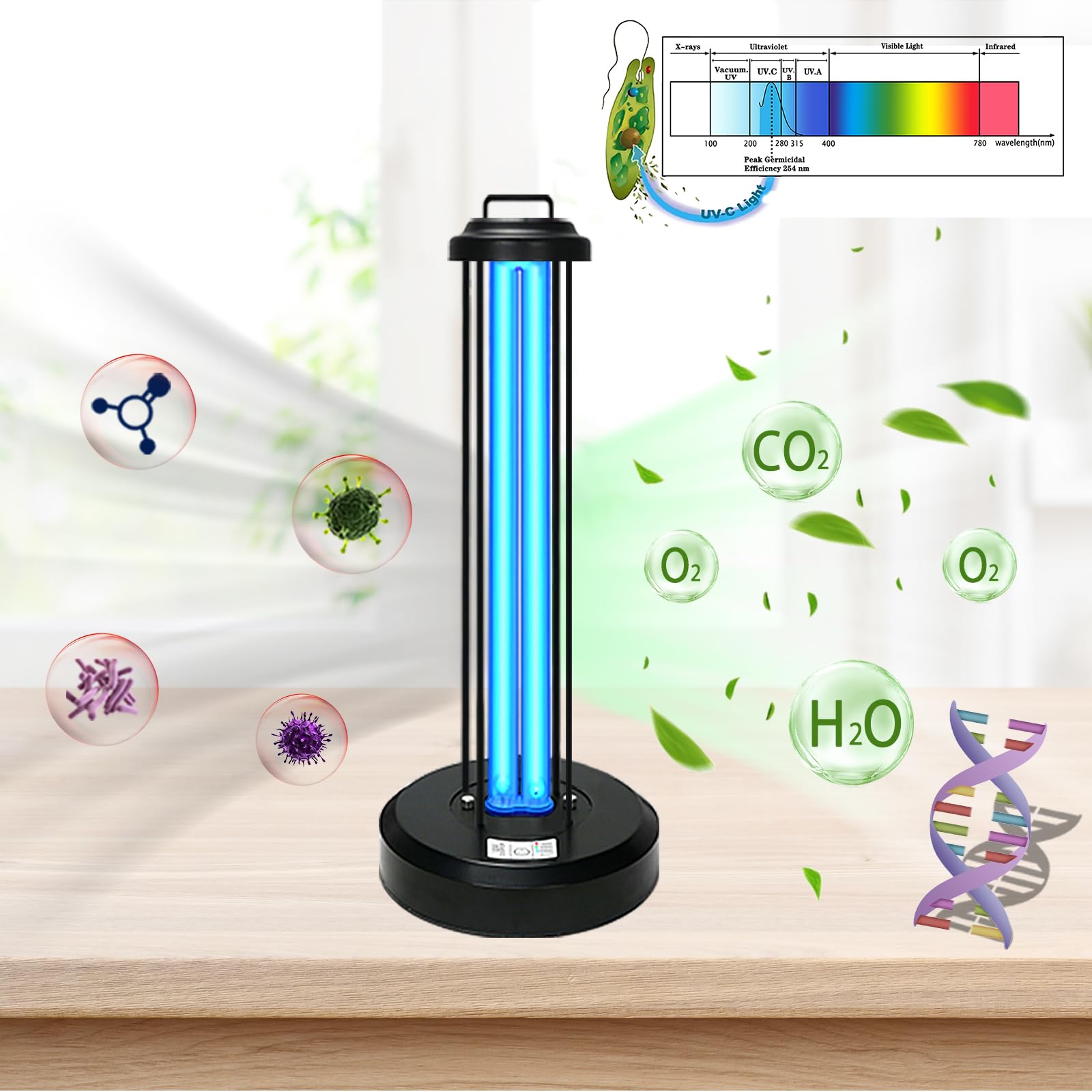
Ultraviolet light falls outside the visible spectrum for humans but is highly visible to many insects. It mimics environmental cues like moonlight or reflections on water, which insects use for navigation.
The Big Question: Are Mosquitoes Actually Attracted to UV Light?
Here’s where things get interesting.
Not All Insects Are the Same
While many flying insects (like moths and flies) are strongly attracted to UV light, mosquitoes behave differently.
What Mosquitoes Really Respond To
Mosquitoes are primarily attracted to:
-
Carbon dioxide (CO₂) from breathing
-
Body heat
-
Skin odors and chemicals
UV light alone is not their main trigger.
What This Means
UV mosquito lamps may attract and eliminate some mosquitoes, but they are generally more effective against other flying insects.
How UV Mosquito Lamps Work Step by Step
Step 1: Emitting UV Light
The device emits UV light to attract insects.
Step 2: Luring Insects Closer
Insects drawn to the light approach the device.
Step 3: Capture or Elimination
Depending on the design:
-
Electric grids zap insects
-
Fans pull them into a collection chamber
-
Sticky surfaces trap them
Step 4: Collection and Disposal
Dead insects accumulate in trays or compartments for easy cleaning.
Real-World Performance: What You Can Expect
What UV Lamps Do Well
-
Reduce populations of flies, moths, and gnats
-
Provide chemical-free insect control
-
Operate quietly and continuously
What They Don’t Do Well
-
Eliminate large mosquito populations on their own
-
Replace targeted mosquito control methods
Factors That Affect Effectiveness
Placement Matters
Where you position the lamp can make or break its performance.
-
Place away from competing light sources
-
Position between breeding areas and activity zones
-
Keep at appropriate height (usually 3–6 feet above ground)
Environment
-
Outdoor airflow can disperse attractants
-
Rain and humidity may impact performance
Competing Attractants
Human presence (CO₂, heat) often outcompetes UV light.
Common Myths About UV Mosquito Lamps
Myth #1: They Kill All Mosquitoes
Reality: They target a range of insects, but mosquitoes are not the primary catch.
Myth #2: One Device Covers an Entire Yard
Reality: Coverage is limited and depends on placement and conditions.
Myth #3: They Work Instantly
Reality: It takes time to reduce insect populations.
Enhancing Effectiveness: Combine Strategies
UV lamps work best as part of a layered approach.
Remove Breeding Grounds
-
Eliminate standing water
-
Clean gutters and containers
Use CO₂-Based Traps
These are more attractive to mosquitoes specifically.
Add Airflow
Fans disrupt mosquito flight patterns.
Use Repellents
Topical or spatial repellents provide immediate protection.
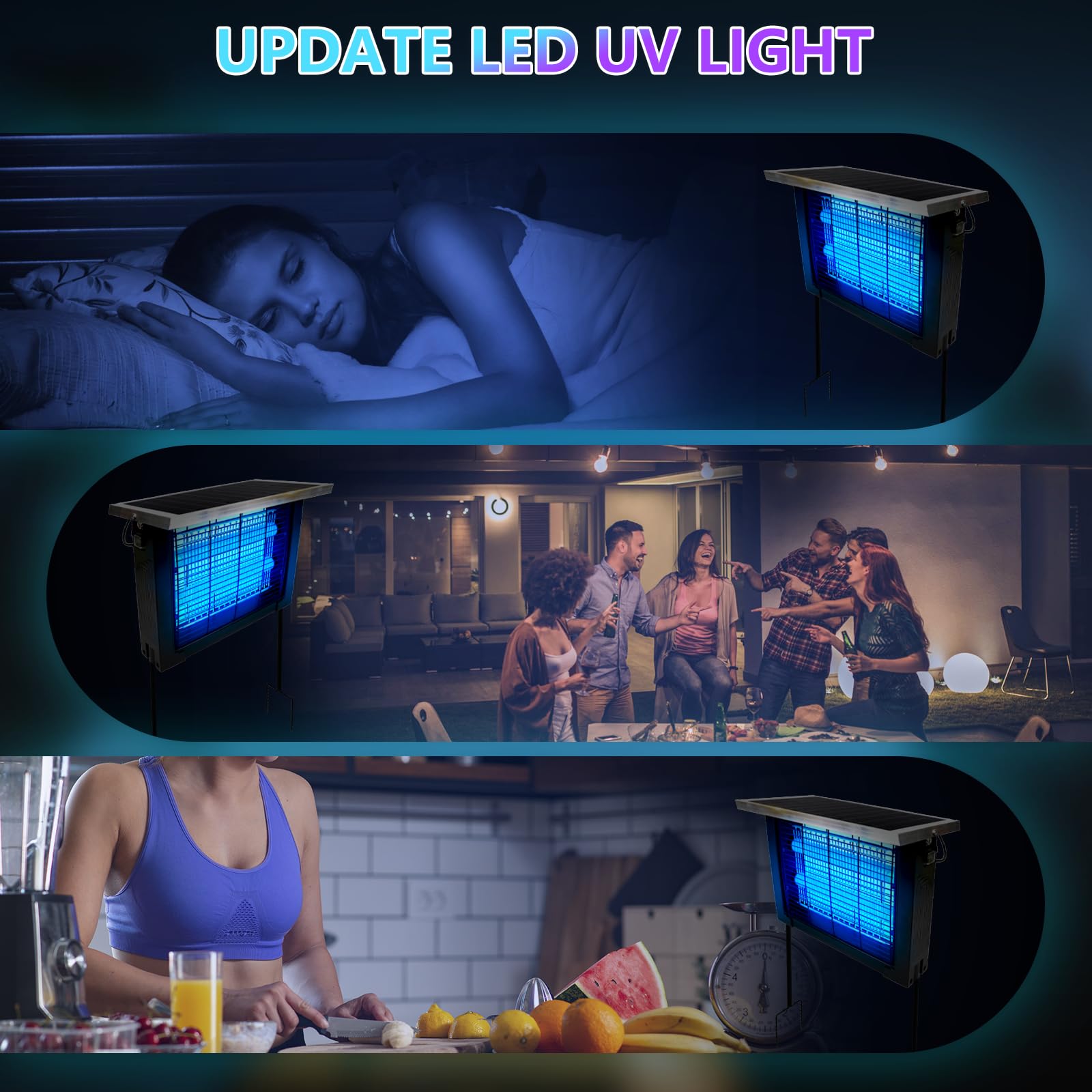
Indoor vs. Outdoor Use
Indoor Performance
UV lamps tend to perform better indoors because:
-
Controlled environment
-
Fewer competing light sources
-
Limited airflow
Outdoor Challenges
-
Wind disperses attractants
-
Larger space reduces concentration
Safety and Environmental Impact
Chemical-Free Operation
UV lamps avoid pesticides, making them safer for:
-
Pets
-
Children
-
Indoor air quality
Non-Target Insects
They may also capture beneficial insects, which is a consideration for outdoor use.
Maintenance: Keeping Your Device Effective
Regular Cleaning
-
Empty collection trays
-
Remove debris
Bulb Replacement
UV bulbs lose effectiveness over time, even if they still light up.
Check Components
-
Ensure fans and grids function properly
-
Inspect for damage
Cost vs. Value
Initial Investment
UV lamps range from affordable to premium models.
Operating Costs
-
Electricity usage is generally low
-
Replacement parts may be needed
Long-Term Value
Effective as part of a broader pest control system.
Choosing the Right UV Mosquito Lamp
Consider Your Needs
-
Indoor vs. outdoor use
-
Size of the area
-
Target insect types
Look for Features
-
Durable construction
-
Easy cleaning
-
Quiet operation
Scientific Studies and Findings
Research consistently shows:
-
UV light attracts many insects
-
Mosquito attraction is limited without additional cues
-
Combined attractants improve effectiveness
When UV Lamps Make the Most Sense
Ideal Scenarios
-
Indoor insect control
-
Supplemental outdoor use
-
Areas with mixed insect populations
Less Effective Scenarios
-
Heavy mosquito infestations
-
Large open outdoor spaces
Common Mistakes to Avoid
Poor Placement
Placing the lamp too close to people reduces effectiveness.
Ignoring Maintenance
Dirty devices lose efficiency.
Overreliance
Expecting a single device to solve all pest problems.
The Future of Insect Control Technology
Smart Traps
Devices that combine UV, CO₂, and sensors.
Eco-Friendly Innovations
Improved targeting with minimal environmental impact.
Final Verdict: Do UV Mosquito Lamps Work?
Yes—but with limitations.
UV mosquito lamps are effective tools for reducing certain flying insects and can contribute to overall pest control. However, they are not a standalone solution for mosquitoes, which are driven by more complex biological cues.
The best approach is to use UV lamps as part of a broader, integrated strategy that includes environmental management and targeted solutions.
Frequently Asked Questions
Are UV mosquito lamps safe?
Yes, they are generally safe when used as directed.
Do they work in large outdoor areas?
Their effectiveness decreases in open spaces.
How long does it take to see results?
You may notice a reduction in insect activity over several days to weeks.
Should I use more than one device?
For larger areas, multiple units can improve coverage.