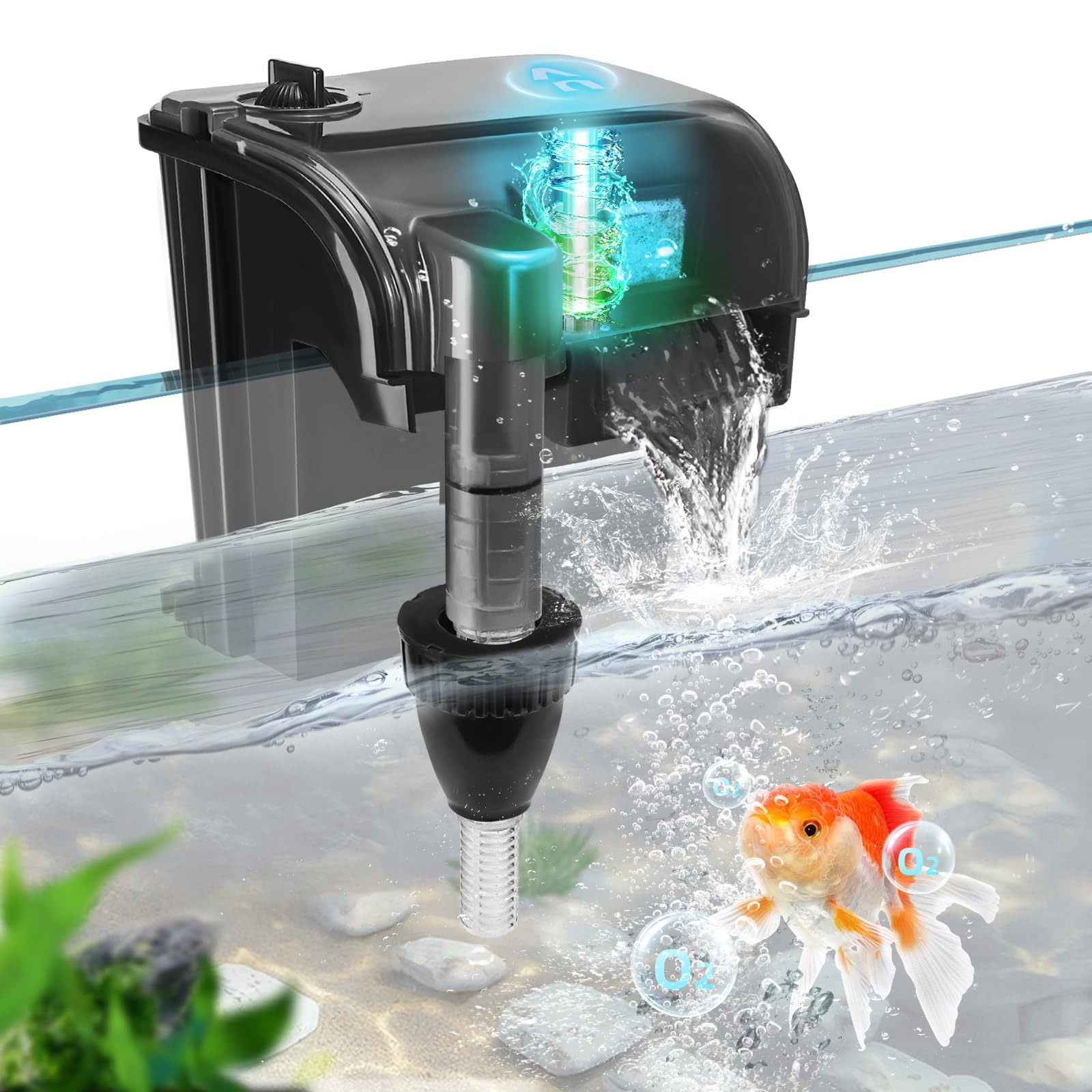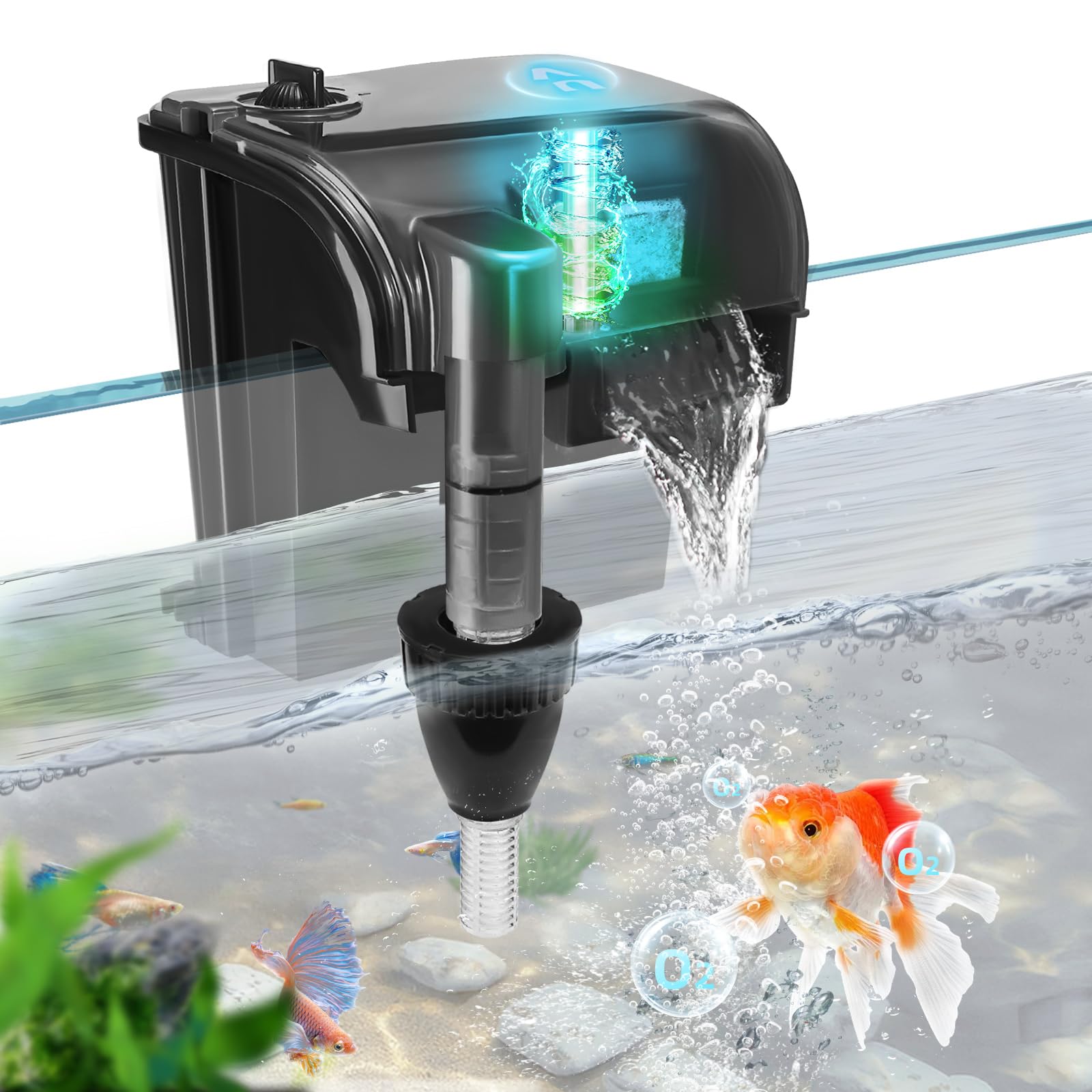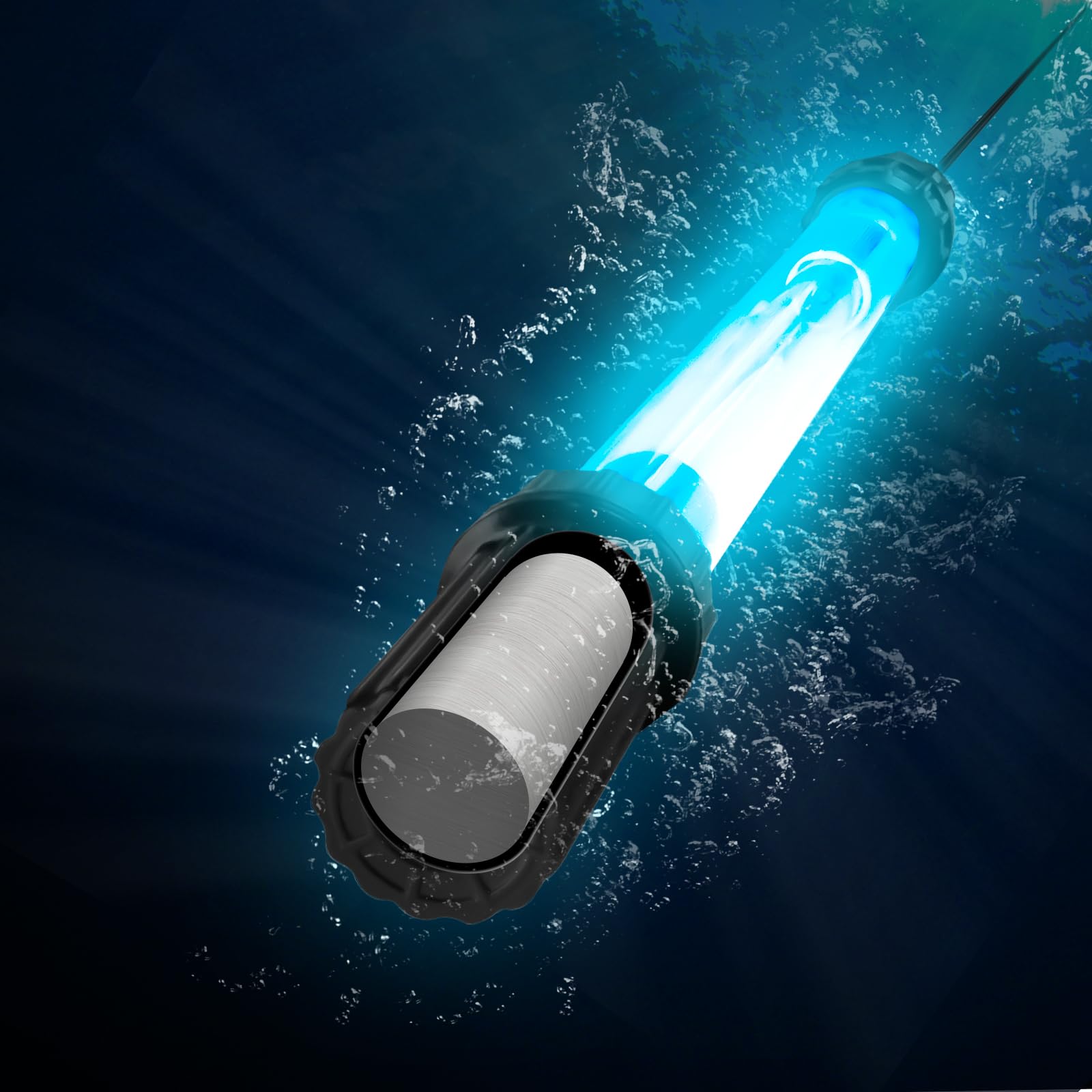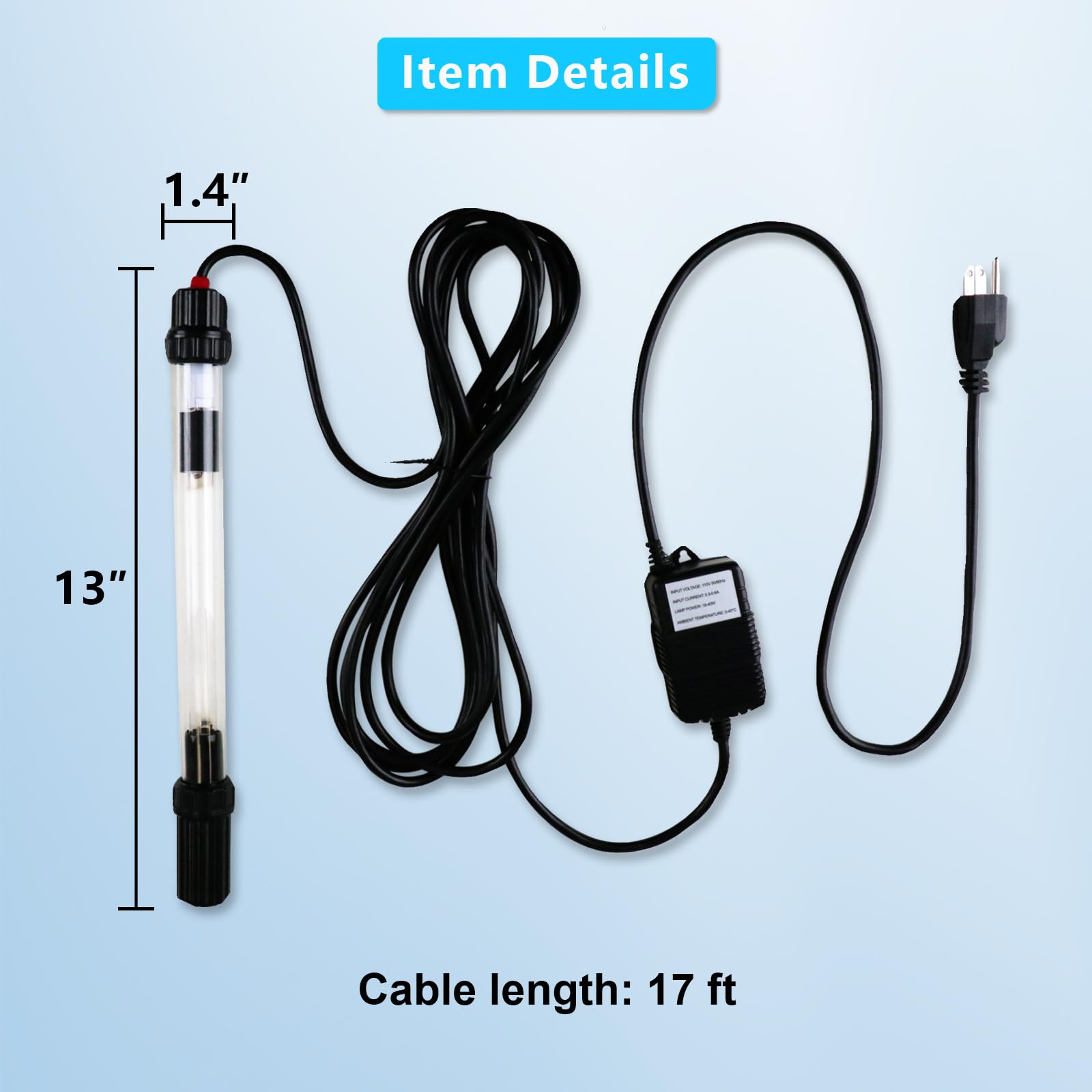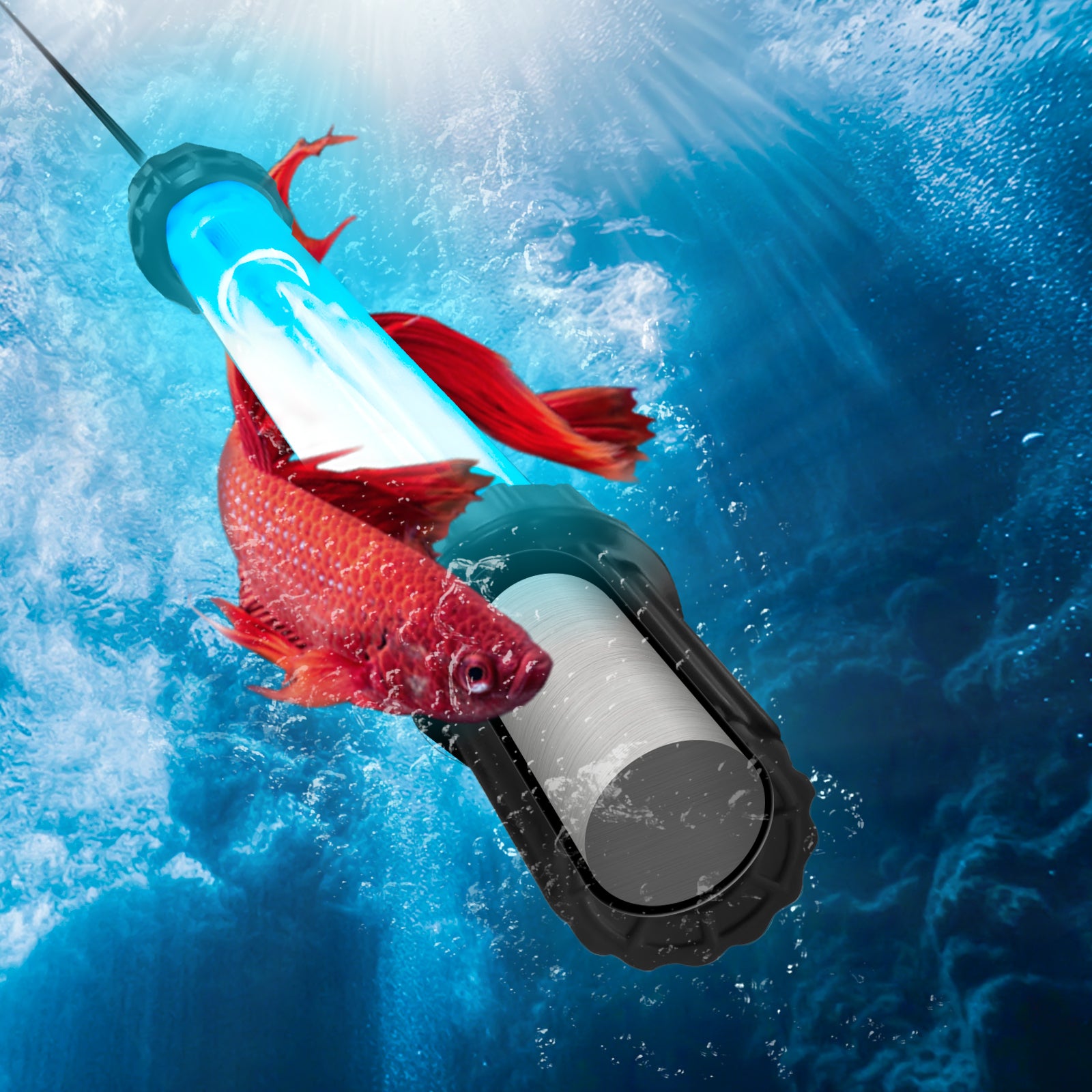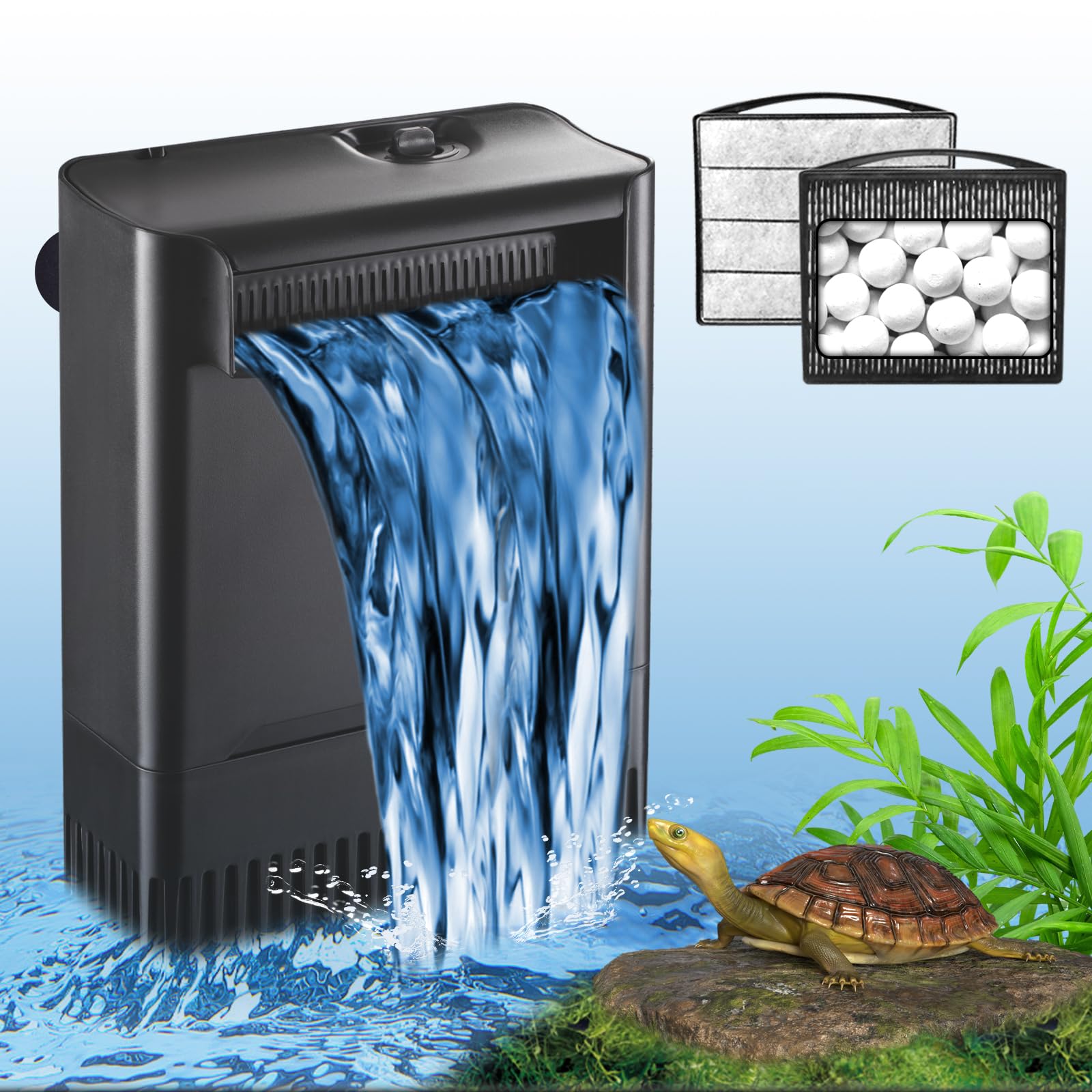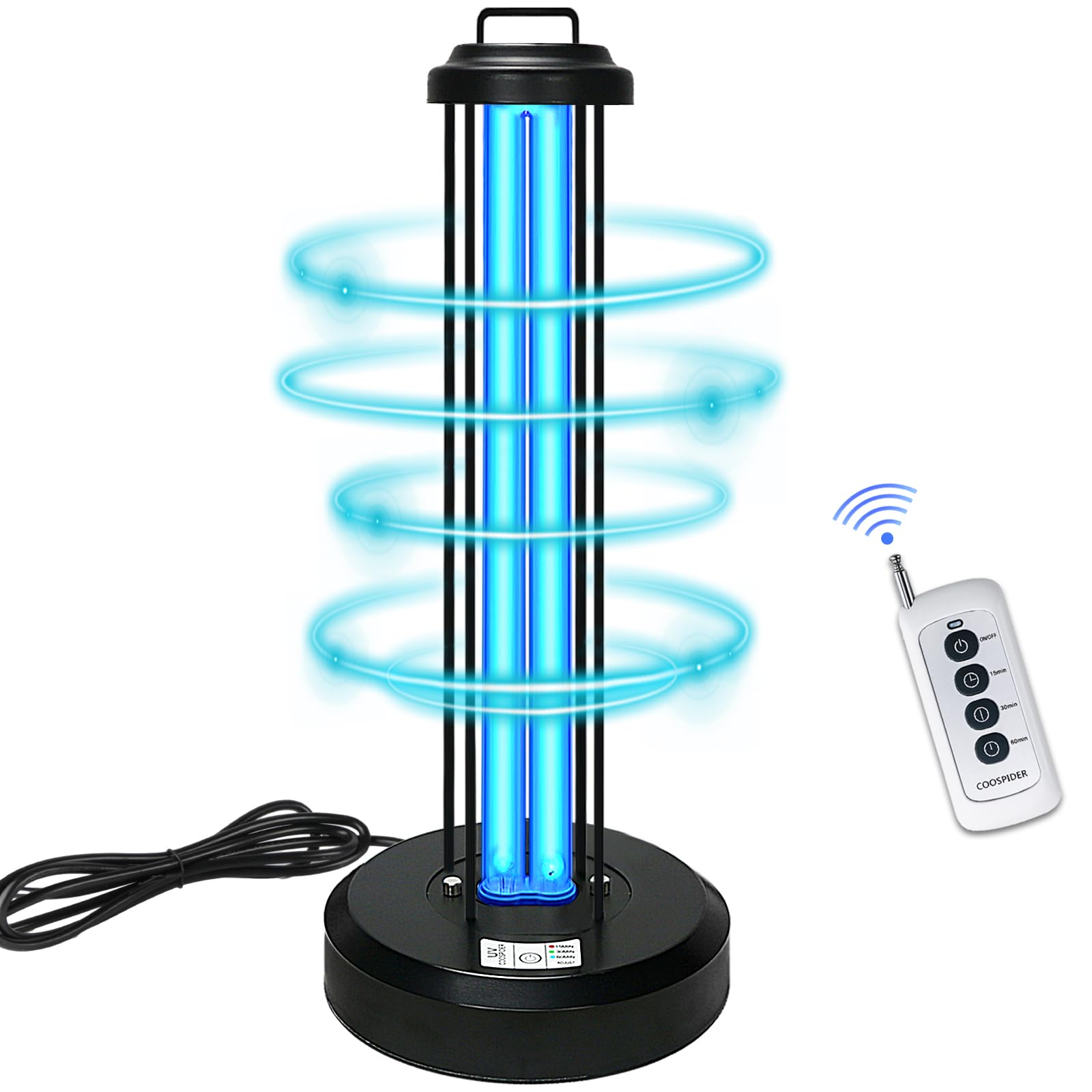

Aquarium UV sterilizers have become increasingly popular among freshwater and saltwater aquarium enthusiasts. These devices use ultraviolet light to help control free-floating algae, reduce certain waterborne pathogens, and improve water clarity. However, one important question continues to concern both beginners and experienced aquarists: Do UV sterilizers kill beneficial nitrifying bacteria, and can they disrupt an aquarium's biological filtration system?
This concern is understandable. Beneficial bacteria are essential to maintaining a stable aquarium environment. Without an effective biological filtration system, toxic ammonia and nitrite can accumulate, potentially harming fish, shrimp, corals, and other aquatic organisms.
Because UV sterilizers are designed to inactivate microorganisms, many aquarium owners worry that operating one could destroy the beneficial bacteria responsible for processing nitrogenous waste.
The answer is more nuanced than a simple yes or no.
UV sterilizers can inactivate susceptible nitrifying bacteria when those bacteria pass through the UV treatment chamber. However, most established nitrifying microbial communities live attached to surfaces such as biological filter media, aquarium substrate, rocks, and decorations. Since properly installed UV sterilizers primarily treat circulating water, they generally have limited direct effects on these established bacterial colonies.
Understanding the relationship between UV sterilization and biological filtration is essential for using aquarium equipment effectively without compromising water quality.
This comprehensive guide explains how UV sterilizers interact with beneficial bacteria, how nitrifying microorganisms support the nitrogen cycle, when ultraviolet treatment may affect aquarium cycling, and how to operate a UV sterilizer while protecting biological filtration.
1. Understanding the Role of Beneficial Bacteria in an Aquarium
Before examining how UV sterilizers affect beneficial bacteria, it is important to understand why these microorganisms are essential to aquarium health.
Every aquarium contains living organisms that produce waste. Fish release ammonia through their gills and excretion, while uneaten food, decaying plants, and other organic materials also contribute nitrogen-containing compounds to the water.
Without biological filtration, toxic nitrogen compounds can accumulate.
Beneficial microorganisms help transform these compounds into less immediately toxic forms through a process commonly called the aquarium nitrogen cycle.
What Are Nitrifying Bacteria?
Nitrifying bacteria are microorganisms that obtain energy by oxidizing reduced nitrogen compounds.
In aquariums, nitrification generally occurs in two major stages.
Stage 1: Ammonia oxidation
Ammonia-oxidizing microorganisms convert ammonia into nitrite.
Ammonia-oxidizing bacteria can include members of the genus Nitrosomonas, although the specific microbial communities vary among aquarium systems.
Ammonia-oxidizing archaea may also contribute to ammonia oxidation under certain conditions.
Stage 2: Nitrite oxidation
Nitrite-oxidizing microorganisms convert nitrite into nitrate.
These organisms may include bacteria belonging to groups such as Nitrospira and Nitrobacter.
Some Nitrospira species can perform complete ammonia oxidation, a process known as comammox, converting ammonia all the way to nitrate.
This means aquarium nitrification is more biologically complex than the simplified two-bacteria explanation commonly found in beginner guides.
Why Nitrification Matters
Ammonia and nitrite can be harmful to aquatic animals, even at relatively low concentrations.
Ammonia toxicity depends on factors such as pH, temperature, exposure duration, and the proportion present as un-ionized ammonia.
Nitrite can interfere with oxygen transport in fish, although sensitivity varies among species and between freshwater and marine environments.
Nitrate is generally less acutely toxic than ammonia or nitrite, but excessive concentrations may still create long-term water quality concerns.
Biological filtration helps maintain a more stable aquatic environment by continuously processing ammonia and nitrite.
Where Do Beneficial Bacteria Live?
One of the most important facts about nitrifying microorganisms is that they generally prefer to attach to surfaces.
Common colonization areas include:
-
Ceramic biological filter rings.
-
Porous aquarium filter media.
-
Biological filter sponges.
-
Aquarium gravel and sand.
-
Live rock in marine aquariums.
-
Decorative rocks and artificial structures.
-
Aquarium glass and other submerged surfaces.
-
Internal surfaces of plumbing and filtration equipment.
These microorganisms form biofilms, which are communities of microbes attached to surfaces and surrounded by protective extracellular materials.
This surface-attached lifestyle is the primary reason properly operated UV sterilizers generally do not eliminate an established aquarium's biological filtration system.
2. How Aquarium UV Sterilizers Work
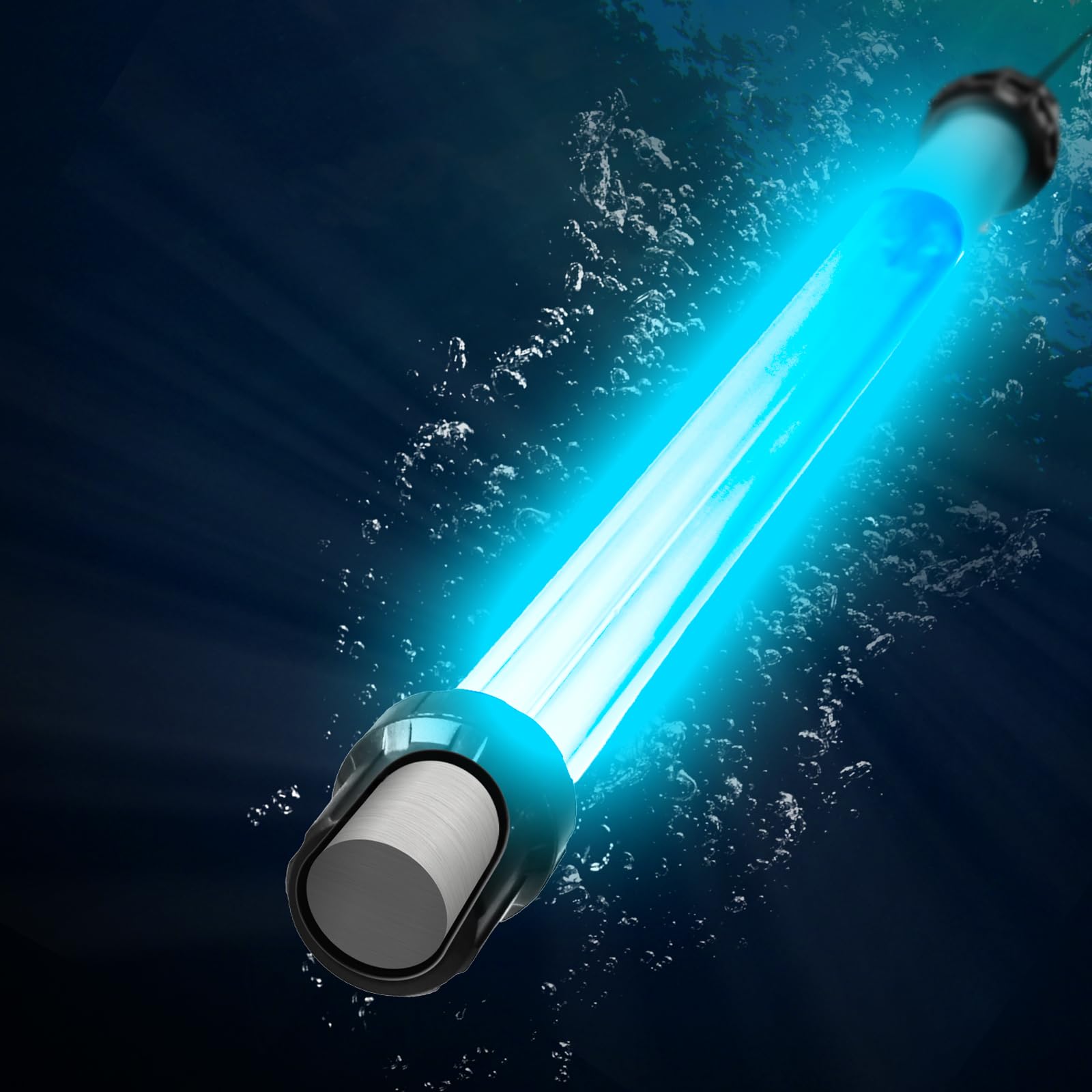
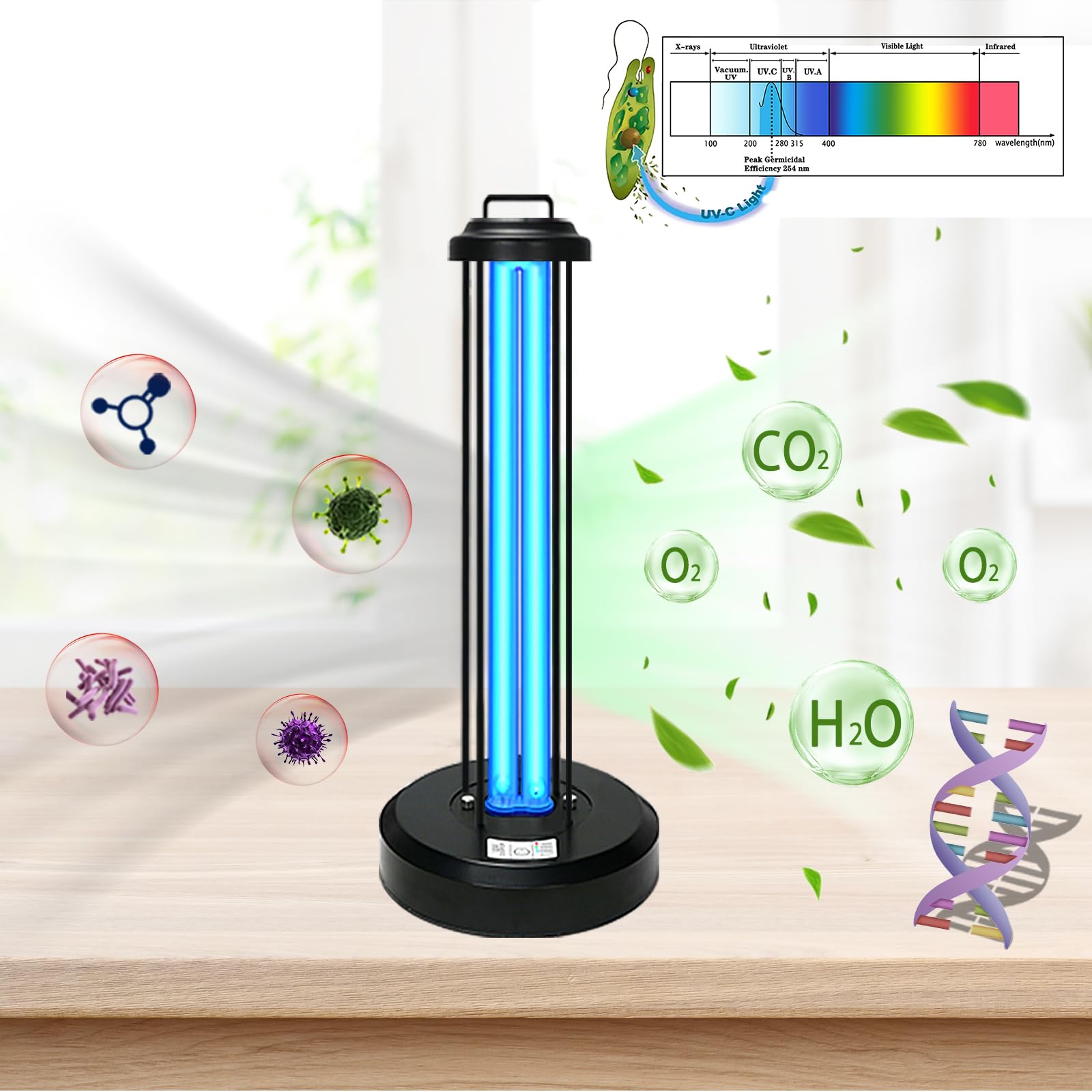
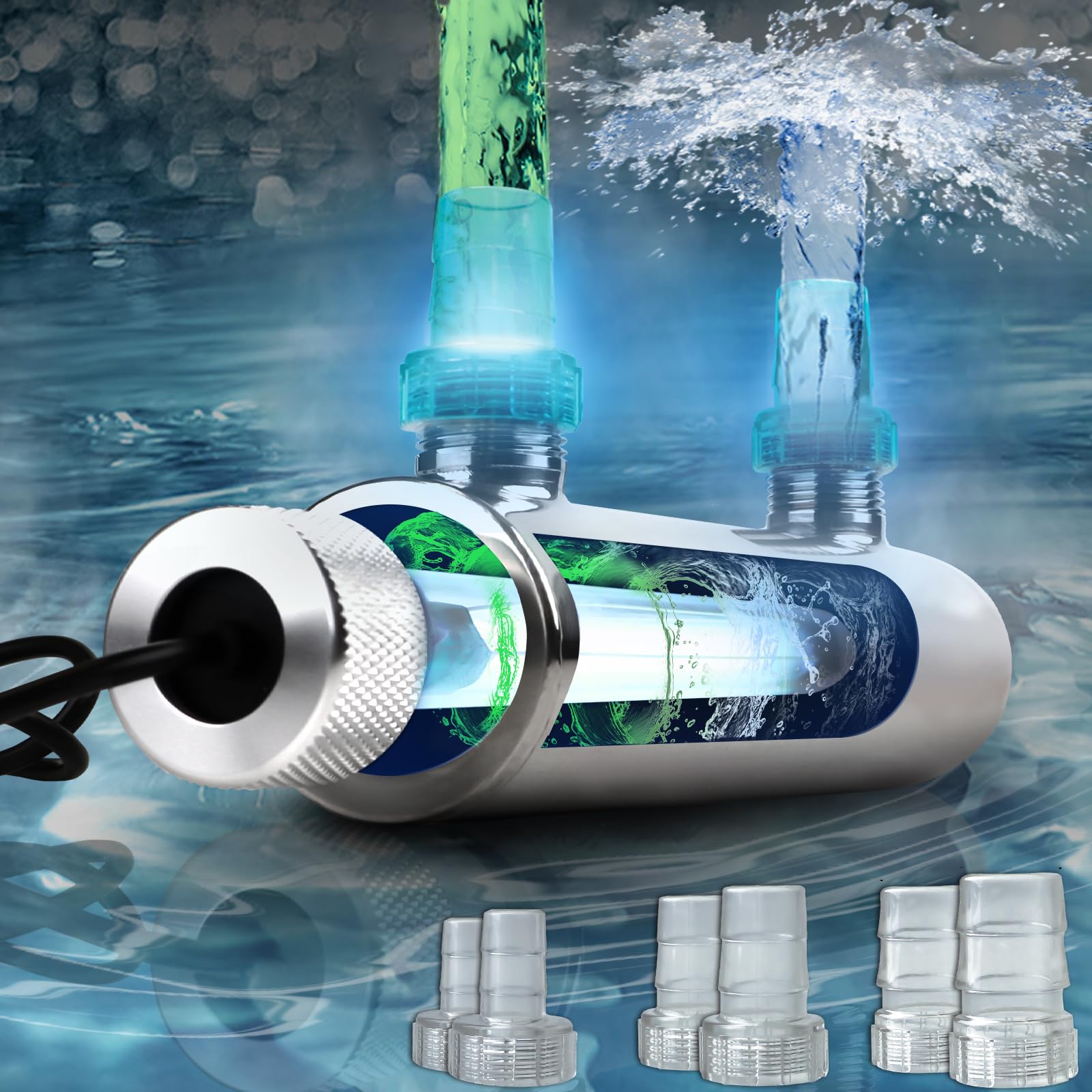
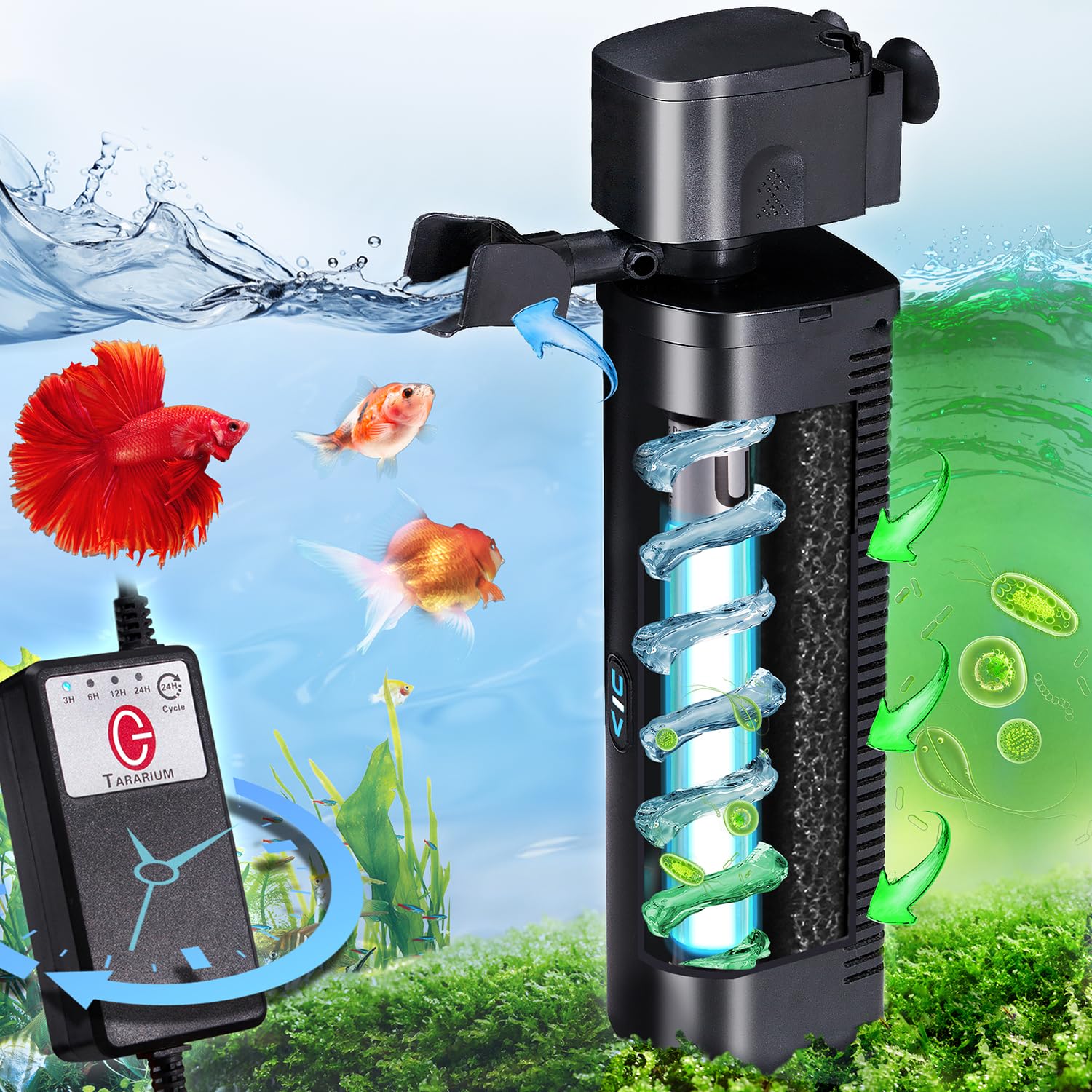
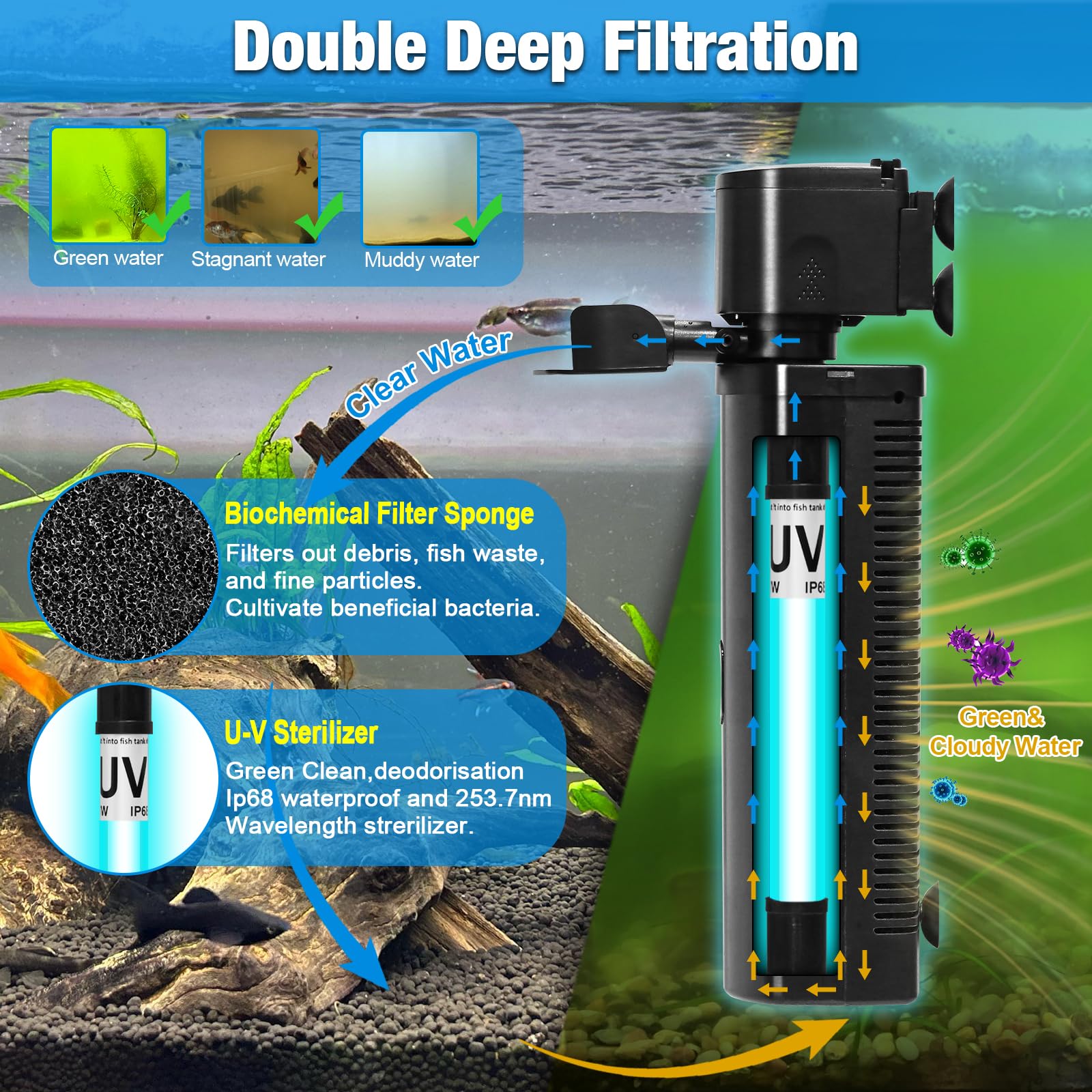
A UV sterilizer uses ultraviolet radiation to expose microorganisms suspended in circulating aquarium water.
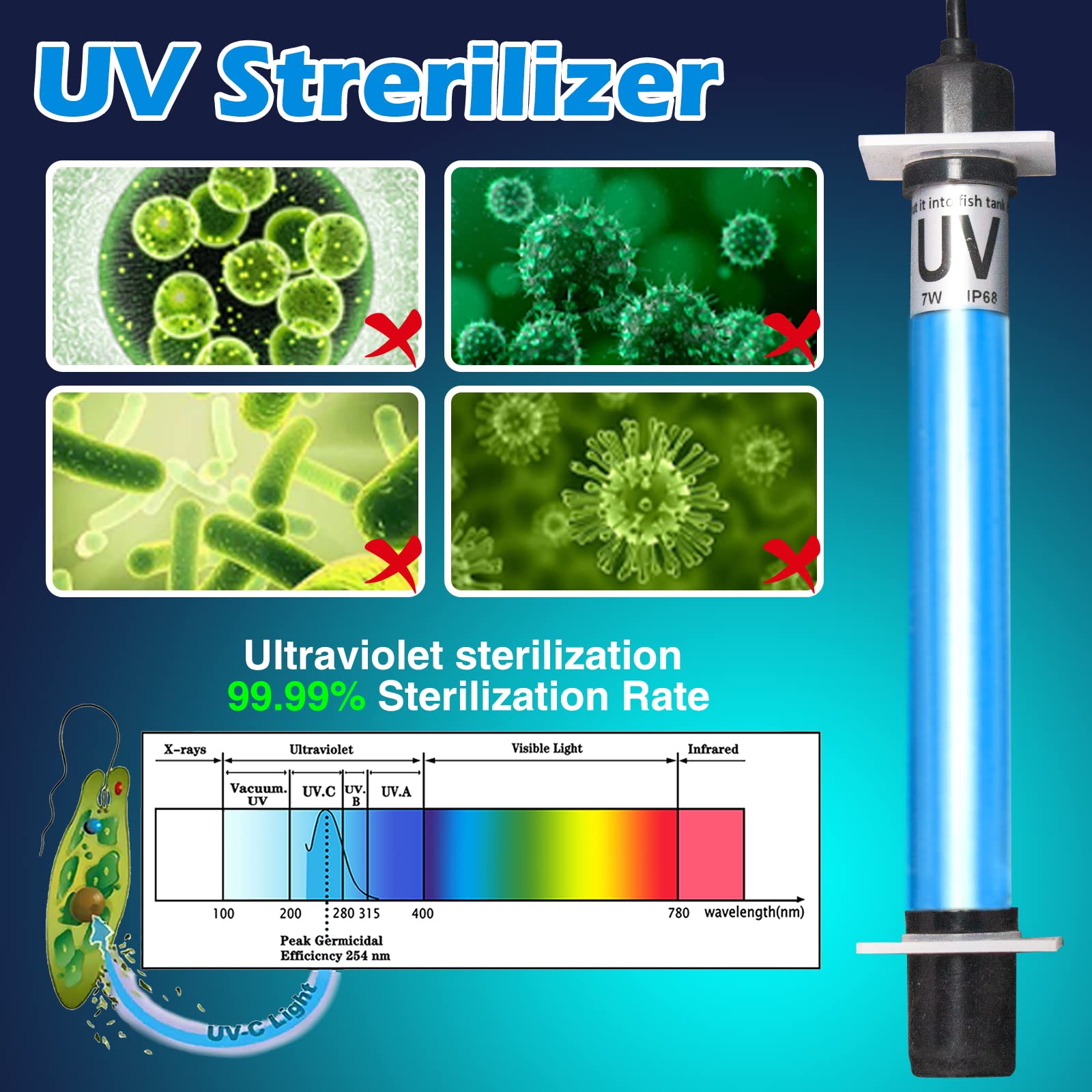
Most conventional aquarium UV sterilizers use UV-C light, commonly near a wavelength of 254 nanometers.
UV-C radiation can damage microbial DNA and RNA, interfering with essential biological functions and reducing the ability of exposed microorganisms to reproduce or remain viable.
What Happens Inside a UV Sterilizer?
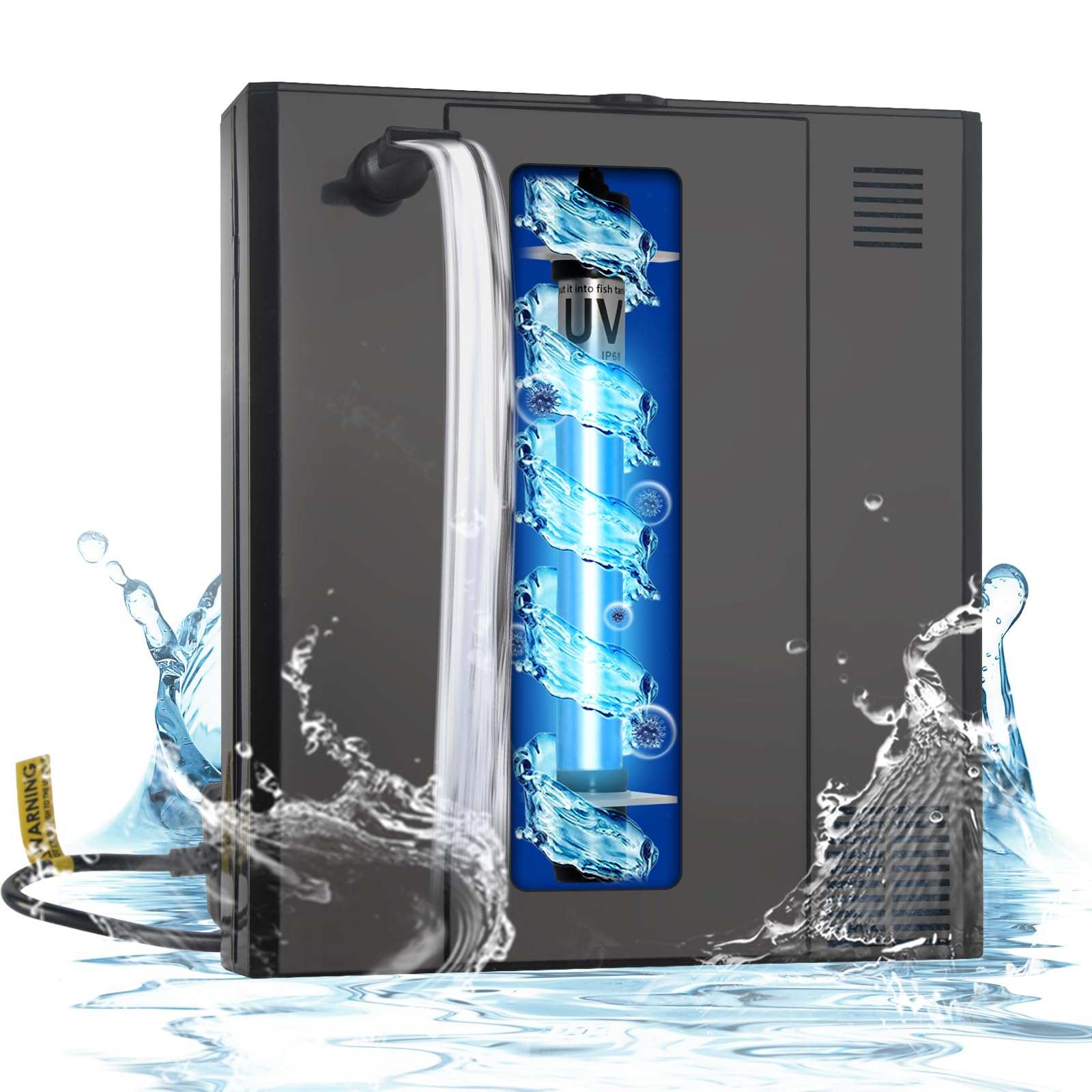
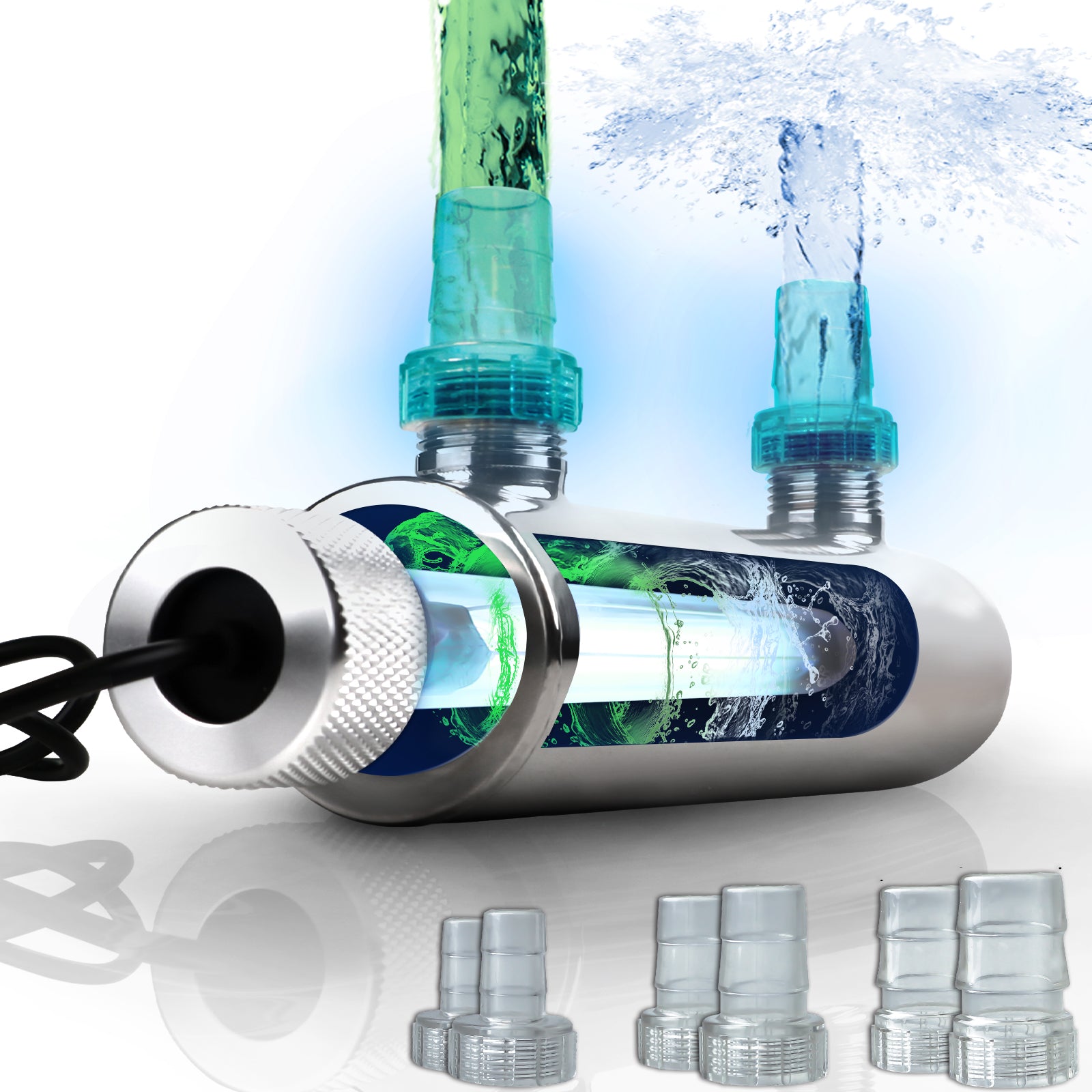
Aquarium water enters a treatment chamber containing a UV lamp or another ultraviolet light source.
As the water flows through the chamber, suspended microorganisms may receive a germicidal UV dose.
The effectiveness of this exposure depends on several factors:
-
UV lamp output.
-
Water flow rate.
-
Exposure duration.
-
Chamber geometry.
-
Water clarity.
-
Quartz sleeve cleanliness.
-
UV transmittance of the water.
-
Microorganism sensitivity.
Not every microorganism passing through a UV sterilizer receives the same dose.
Some organisms are more resistant to ultraviolet radiation than others, and inadequate exposure may produce incomplete inactivation.
Does UV Light Distinguish Between Good and Bad Bacteria?
No.
UV-C radiation does not recognize whether a microorganism is beneficial, harmful, or neutral.
A susceptible nitrifying bacterium suspended in water can be affected by ultraviolet exposure just as another susceptible bacterium can.
However, exposure is the key factor.
Microorganisms attached to biological filter media do not ordinarily pass through the UV treatment chamber.
Therefore, the difference between free-floating and surface-attached bacteria is more important than whether the bacteria are considered beneficial.
3. Do UV Sterilizers Kill Beneficial Nitrifying Bacteria?
Yes, UV sterilizers can inactivate beneficial nitrifying bacteria that pass through the treatment chamber. However, they generally do not destroy established nitrifying colonies attached to aquarium surfaces.
This distinction explains why UV sterilization and biological filtration can operate together successfully.
Free-Floating Nitrifying Bacteria
Some nitrifying microorganisms may temporarily exist in the water column.
They may become suspended during filter cleaning, substrate disturbance, bacterial inoculation, or natural detachment from biofilms.
If these microorganisms pass through a UV sterilizer and receive a sufficient ultraviolet dose, they may be inactivated.
This can reduce the number of viable suspended nitrifiers available to colonize new surfaces.
The effect may be particularly relevant when establishing a new aquarium or adding bottled nitrifying bacteria.
Surface-Attached Nitrifying Bacteria
Most established nitrifying communities are attached to biological filter media and other submerged surfaces.
These colonies are not normally exposed to UV-C radiation from an enclosed inline sterilizer.
The UV light remains inside the treatment chamber rather than illuminating the entire aquarium.
As a result, nitrifying bacteria living inside ceramic media, filter sponges, substrate, and rock structures are generally protected from direct ultraviolet exposure.
Can UV Sterilizers Reduce Overall Biological Filtration Capacity?
In an established aquarium with adequate biological filter media, proper circulation, and stable water conditions, correctly operated UV sterilization is unlikely to cause a major reduction in nitrification capacity simply by treating the water column.
However, effects can vary in newly established aquariums or systems that rely heavily on microbial inoculation.
UV treatment may influence the availability and movement of suspended microorganisms, potentially affecting how quickly new surfaces become colonized.
It is therefore important to distinguish between maintaining an established biological filter and developing a new one.
4. Why Established Biological Filters Are Usually Safe From UV Sterilization
Biological filtration depends on microbial biofilms rather than large populations of free-floating nitrifying bacteria.
Biofilms Provide a Stable Habitat
Biofilms allow microorganisms to attach to surfaces where they can access dissolved nutrients and oxygen.
Within these communities, microbes produce extracellular substances that help maintain their structure.
Biofilms can also provide some protection against environmental disturbances.
However, their primary protection from an inline aquarium UV sterilizer is straightforward: they remain outside the UV treatment chamber.
Biological Filter Media Remains Untreated
In a typical aquarium filtration system, water flows through mechanical and biological filter media before or after passing through the UV sterilizer.
Although the water is exposed to ultraviolet radiation, the biological media itself is not.
Therefore, the established bacteria attached to the media continue processing ammonia and nitrite.
UV Sterilization Does Not Remove Dissolved Ammonia
UV sterilizers are not designed to remove dissolved ammonia, nitrite, or nitrate.
These nitrogen compounds remain available to biological filtration microorganisms.
A UV sterilizer therefore does not eliminate the chemical substrates required for nitrification.
Continuous UV Operation and Beneficial Bacteria
Many aquariums operate UV sterilizers continuously without obvious disruption to established biological filtration.
However, this does not mean continuous operation is necessary for every aquarium.
The appropriate operating schedule depends on the aquarium's treatment goals, equipment specifications, livestock, and overall filtration strategy.
5. Can UV Sterilizers Affect the Aquarium Nitrogen Cycle?
The aquarium nitrogen cycle is a biological process involving the transformation of nitrogen compounds.
UV sterilizers may influence some suspended microorganisms, but they do not directly stop the nitrogen cycle occurring on established biological surfaces.
Ammonia Oxidation
Ammonia-oxidizing microorganisms use ammonia as an energy source.
They typically colonize oxygenated surfaces within filters, substrates, and other aquarium structures.
Because these surfaces are outside the UV chamber, the microorganisms can continue performing ammonia oxidation.
Nitrite Oxidation
Nitrite-oxidizing microorganisms also form surface-associated communities.
Their activity is not normally interrupted by an inline UV sterilizer unless another factor affects the biological filtration system.
Nitrate Accumulation
UV sterilization does not normally remove nitrate from aquarium water.
Nitrate management still requires appropriate aquarium husbandry, which may include water changes, plant uptake, specialized filtration, or other suitable nutrient-management methods.
What Can Actually Disrupt the Nitrogen Cycle?
Several conditions are more likely to cause biological filtration problems than properly operated UV sterilization.
These include:
-
Replacing all mature biological filter media at once.
-
Allowing biological media to dry out.
-
Exposing established bacteria to incompatible disinfectants.
-
Prolonged oxygen deprivation.
-
Sudden major changes in water chemistry.
-
Excessive ammonia or nitrite accumulation.
-
Certain medications or chemical treatments.
-
Significant changes in aquarium stocking or feeding.
Protecting established biofilms and maintaining stable water conditions are essential for preserving nitrification.
6. Should You Use a UV Sterilizer During Aquarium Cycling?
Aquarium cycling is the process of establishing sufficient biological filtration capacity to process the ammonia generated by aquarium inhabitants.
During this period, microbial communities gradually develop on available surfaces.
Why New Aquariums Are Different
A newly established aquarium may contain relatively few nitrifying microorganisms.
Bacteria and other nitrifiers must colonize suitable surfaces and increase their activity before the system can reliably process nitrogenous waste.
Some microorganisms may move through the water column during this process.
If a UV sterilizer is operating, a portion of these suspended organisms may be exposed to germicidal radiation.
Can UV Sterilization Slow Aquarium Cycling?
It is possible under some circumstances, especially when suspended microbial inoculants must travel through the UV chamber before attaching to surfaces.
However, the actual effect depends on the aquarium design, UV dose, inoculation method, and microbial populations involved.
There is no universal rule that UV sterilization always delays cycling.
Recommended Approach for New Aquariums
For a new aquarium without a specific need for UV treatment, temporarily leaving the UV sterilizer off during initial biological filter establishment can be a reasonable precaution.
This approach may be especially useful when adding bottled nitrifying bacteria.
The priority should be establishing a stable nitrogen cycle.
Monitor ammonia and nitrite using reliable aquarium test kits.
Do not introduce a full livestock population until the aquarium can process its expected biological load safely.
When Should UV Sterilization Begin?
There is no single correct starting day.
A practical approach is to begin routine UV operation after the biological filter has demonstrated stable ammonia and nitrite processing, unless there is a specific reason to use UV treatment earlier.
Always consider the aquarium's actual water parameters rather than relying only on the number of days since setup.
7. UV Sterilizers and Bottled Beneficial Bacteria
Bottled bacterial products are commonly used to help establish or supplement aquarium biological filtration.
These products vary significantly in microbial composition, storage requirements, and intended application.
Some contain nitrifying microorganisms, while others contain heterotrophic bacteria intended for different functions.
Can UV Sterilizers Kill Bottled Bacteria?
Yes, susceptible bacteria introduced into the aquarium water may be inactivated if they pass through the UV sterilizer before attaching to suitable surfaces.
The magnitude of this effect depends on UV exposure and the characteristics of the bacterial product.
Should You Turn Off UV When Adding Beneficial Bacteria?
Many bacterial product manufacturers recommend temporarily disabling UV sterilization after dosing.
Following the product's instructions is generally the safest approach.
If no guidance is provided, consult the bacterial supplement manufacturer rather than assuming a specific shutdown period is universally appropriate.
Where Should Beneficial Bacteria Be Added?
Some products are designed to be added directly to aquarium water, while others may be applied to filter media.
Follow the product label.
When permitted, placing a bacterial inoculant close to suitable biological media may help increase contact between microorganisms and colonization surfaces.
However, successful establishment still depends on oxygen availability, water chemistry, and the presence of appropriate nutrients.
Does UV Sterilization Remove Established Bottled Bacteria Colonies?
Once viable microorganisms establish themselves on biological filter media outside the UV chamber, they are generally no longer directly exposed to the sterilizer.
The concern is primarily associated with their suspended phase before colonization.
8. The Relationship Between UV Sterilization and Mechanical Filtration
Mechanical filtration and UV sterilization perform different functions.
Mechanical filtration removes suspended physical particles, while UV sterilization exposes waterborne microorganisms to ultraviolet radiation.
Why Mechanical Filtration Matters
Suspended particles can reduce water clarity and interfere with UV transmission.
Particles may also shield microorganisms from ultraviolet exposure.
Placing appropriate mechanical filtration upstream of a UV sterilizer can improve the consistency of UV treatment.
Does Mechanical Filtration Remove Beneficial Bacteria?
Mechanical filtration can capture some suspended microorganisms.
However, established nitrifying communities generally remain attached to biological media and other surfaces.
The main concern is preserving mature biological filtration while maintaining adequate water flow.
Recommended Filtration Arrangement
A common configuration includes mechanical filtration, biological filtration, and an appropriately installed UV treatment unit.
The exact arrangement depends on the aquarium system.
For example, some external canister filters incorporate UV sterilizers, while larger aquariums may use separate inline units.
The UV sterilizer should be installed according to its flow, pressure, and orientation requirements.
9. UV Sterilizers in Freshwater Aquariums
Freshwater aquariums vary widely in water chemistry, livestock, filtration design, and biological activity.
UV sterilizers are commonly used to help manage green water and reduce certain suspended microorganisms.
UV Sterilization in Planted Aquariums
Planted aquariums depend on both microbial activity and plant nutrient uptake.
Beneficial nitrifying microorganisms often colonize filter media, substrate, and other submerged surfaces.
A properly enclosed UV sterilizer does not directly expose these established communities.
However, UV treatment can affect suspended microorganisms, including some free-floating algae.
Does UV Harm Beneficial Bacteria in Planted Tanks?
Established nitrifying biofilms are generally not directly harmed by inline UV sterilization.
Nevertheless, UV treatment may influence some waterborne microbial populations.
It should not be viewed as a replacement for balanced lighting, nutrient management, or routine aquarium maintenance.
UV Sterilizers in Freshwater Breeding Tanks
Breeding aquariums may use UV treatment as part of a broader water management strategy.
However, UV sterilization does not guarantee disease prevention.
Maintaining mature biological filtration is especially important because fry and juvenile fish can be sensitive to poor water quality.
Freshwater Aquarium Best Practices
Monitor ammonia, nitrite, nitrate, temperature, and pH.
Maintain adequate oxygenation and preserve established biological media.
Use UV sterilization as a supplemental treatment rather than a substitute for biological filtration.
10. UV Sterilizers in Saltwater and Reef Aquariums
Marine aquariums contain complex microbial communities that contribute to nutrient cycling and ecosystem stability.
These microorganisms occupy live rock, sand, biological media, and many other surfaces.
Nitrifying Bacteria in Marine Aquariums
Marine nitrification involves diverse bacteria and archaea adapted to saltwater conditions.
These microorganisms contribute to ammonia and nitrite oxidation.
Because many are surface-associated, established populations are generally not directly exposed to an inline UV sterilizer.
Does UV Sterilization Damage Live Rock Bacteria?
UV sterilization does not directly irradiate the internal surfaces of live rock when the UV lamp is enclosed within a separate treatment chamber.
The microbial communities living on and within rock structures therefore remain largely outside the treatment zone.
UV Sterilization and Reef Tank Microorganisms
Reef aquariums contain a wide variety of suspended microorganisms and planktonic organisms.
UV treatment may affect susceptible organisms that pass through the chamber.
This can influence some aspects of the water-column microbial community.
However, the effects depend on operating conditions and cannot be generalized to every reef aquarium.
Is Continuous UV Sterilization Safe for Reef Tanks?
Many marine aquariums use continuous UV treatment.
However, whether continuous operation is beneficial depends on the aquarium's goals and biological characteristics.
A specialized reef system that relies heavily on suspended live plankton may require different operating decisions from a fish-focused marine aquarium.
11. Does UV Sterilization Affect Other Beneficial Aquarium Microorganisms?
Nitrifying bacteria are not the only microorganisms that contribute to aquarium ecosystems.
Aquariums also contain heterotrophic bacteria, denitrifying microorganisms, archaea, fungi, and other microbial groups.
Heterotrophic Bacteria
Heterotrophic bacteria help break down organic matter.
Some live in biofilms, while others may be suspended in water.
UV treatment can affect susceptible suspended populations, but established surface-associated communities remain outside the direct UV treatment area.
Denitrifying Bacteria
Denitrifying microorganisms can convert nitrate into gaseous nitrogen compounds under suitable environmental conditions.
These processes commonly occur in low-oxygen microenvironments within substrates, porous materials, and specialized filtration systems.
An inline UV sterilizer does not directly expose these attached communities.
Microbial Diversity
Aquarium microbial communities are complex and dynamic.
UV sterilization can influence waterborne microorganisms, but its effects on overall microbial diversity depend on multiple factors.
A UV sterilizer should not be assumed to eliminate all beneficial microorganisms or leave the entire microbial ecosystem completely unchanged.
12. Can UV Sterilizers Cause Ammonia Spikes?
A common concern is that UV sterilization might kill beneficial bacteria and cause ammonia concentrations to rise.
In an established aquarium with healthy biological filtration, this is generally unlikely to occur solely because a properly installed UV sterilizer is operating.
Why Ammonia Spikes Usually Have Other Causes
Common causes include:
-
Overfeeding.
-
Sudden increases in fish population.
-
Decaying organic material.
-
Loss of mature biological filter media.
-
Insufficient oxygen.
-
Major changes in water chemistry.
-
Biological filter damage.
-
Inadequate filtration capacity.
If ammonia rises after installing a UV sterilizer, investigate the entire aquarium system.
Could UV Installation Indirectly Cause Problems?
Yes.
For example, modifying plumbing or filtration equipment during installation could disrupt water circulation or reduce oxygen delivery to biological media.
Similarly, removing mature filter media to make space for a UV unit could reduce biological filtration capacity.
These are installation-related problems rather than direct destruction of attached nitrifying bacteria by UV light.
What to Do if Ammonia Increases
Test ammonia and nitrite promptly.
Check filter operation, oxygenation, livestock condition, and recent maintenance activities.
Take appropriate corrective action based on the aquarium's water chemistry and livestock needs.
Do not assume that turning off the UV sterilizer alone will solve an ammonia problem.
13. UV Sterilizer Flow Rate and Its Effect on Microorganisms
UV sterilizer performance depends strongly on the delivered ultraviolet dose.
Flow rate is an important part of that calculation.
High Flow Rates
Higher flow rates generally reduce the time water spends inside the treatment chamber.
This can reduce UV exposure per pass.
However, actual treatment performance also depends on chamber design and lamp intensity.
Low Flow Rates
Lower flow rates generally increase exposure time.
This may improve inactivation of certain microorganisms when the sterilizer operates within its approved specifications.
Does Lower Flow Kill More Beneficial Bacteria?
A higher delivered UV dose can increase the likelihood of inactivating susceptible microorganisms passing through the chamber, including beneficial bacteria.
However, attached nitrifying colonies outside the chamber remain unexposed.
Choosing the Correct Flow Rate
Use the manufacturer's recommended flow range for the intended treatment objective.
Do not assume that the slowest possible flow is always best.
Incorrect flow can create equipment performance problems and may not deliver the expected treatment results.
14. How UV Sterilizer Wattage Influences Biological Impact
Aquarium UV sterilizers are available in a wide range of power ratings.
Smaller units may be designed for compact aquariums, while larger systems may use higher-output UV lamps.
Does Higher Wattage Mean More Bacteria Are Killed?
Higher electrical wattage does not automatically guarantee a higher UV dose.
Actual germicidal performance depends on:
-
UV-C output.
-
Lamp efficiency.
-
Chamber geometry.
-
Water flow.
-
UV transmittance.
-
Quartz sleeve condition.
-
Lamp operating temperature.
Two sterilizers with similar wattage may deliver different treatment performance.
Can an Oversized UV Sterilizer Damage Biological Filtration?
An oversized sterilizer may expose suspended microorganisms to a greater UV dose than necessary for a particular application.
However, it still does not directly irradiate established biological media outside the chamber.
The main concerns are appropriate equipment selection, energy use, flow compatibility, and potential effects on waterborne organisms.
Choosing an Appropriate UV Sterilizer
Select equipment based on aquarium volume, actual flow rate, water quality, and treatment goals.
Consider manufacturer-provided UV dose information when available.
Do not rely exclusively on wattage or advertised aquarium size.
15. How to Protect Beneficial Bacteria While Using UV Sterilization
Maintaining biological filtration requires a combination of equipment management and good aquarium husbandry.
Maintain Adequate Biological Filter Media
Provide sufficient surface area for nitrifying microorganisms to colonize.
Common options include ceramic rings, porous biological media, and appropriate filter sponges.
Avoid Replacing All Filter Media at Once
Replacing all mature biological media can remove a substantial portion of the established microbial community.
When replacement is necessary, follow the filter manufacturer's recommendations and preserve mature media where practical.
Protect Biological Media During Cleaning
Avoid exposing biological media to disinfectants or cleaning chemicals.
Use appropriate aquarium water or other manufacturer-recommended methods when rinsing reusable biological media.
Do not allow established media to dry out during routine maintenance.
Maintain Oxygen Levels
Nitrification is an oxygen-dependent process.
Ensure adequate water circulation and oxygen availability throughout the biological filter.
Monitor Water Parameters
Test ammonia and nitrite regularly, particularly after major aquarium changes.
Nitrate, pH, temperature, and other relevant parameters should also be monitored.
Follow Bacterial Supplement Instructions
If adding bottled bacteria, follow the product's guidance regarding UV operation.
Temporary UV shutdown may be recommended during inoculation.
Maintain the UV Sterilizer Properly
Keep the quartz sleeve clean, maintain the correct flow rate, and replace the lamp according to its rated service life.
Poorly maintained UV equipment may provide inconsistent treatment without offering any benefit to biological filtration.
16. When Should You Temporarily Turn Off a UV Sterilizer?
Although continuous operation may be appropriate in some systems, certain situations justify temporary shutdown.
During Beneficial Bacteria Dosing
Some bacterial inoculants require temporary UV shutdown to support microbial establishment.
Follow the supplement manufacturer's instructions.
During Certain Aquarium Treatments
Some medications and additives may be affected by ultraviolet exposure.
Follow treatment instructions and consult an aquatic veterinarian when necessary.
During Equipment Maintenance
Always disconnect power before opening or servicing the UV sterilizer.
Never operate an exposed UV-C lamp.
During Initial Aquarium Cycling
If UV treatment is not needed for a specific purpose, leaving the unit off during initial biological filter establishment may be a reasonable precaution.
When Maintaining Specialized Plankton Cultures
Some aquarium systems intentionally maintain suspended microorganisms or plankton.
UV sterilization may be incompatible with certain culture objectives.
Evaluate the needs of the organisms being maintained.
17. UV Sterilization vs. Biological Filtration: Understanding Their Different Functions
UV sterilization and biological filtration are complementary technologies, not interchangeable systems.
|
Feature |
UV sterilization |
Biological filtration |
|---|---|---|
|
Primary purpose |
Inactivate susceptible waterborne microorganisms |
Convert ammonia and nitrite through microbial activity |
|
Main mechanism |
Germicidal ultraviolet exposure |
Microbial metabolism |
|
Removes ammonia |
No |
Converts ammonia into other nitrogen compounds |
|
Processes nitrite |
No |
Yes, through nitrite oxidation |
|
Controls free-floating algae |
Can help |
Not its primary function |
|
Acts on suspended pathogens |
Can reduce some organisms |
Not designed for direct pathogen inactivation |
|
Requires beneficial bacteria |
No |
Yes |
|
Requires routine maintenance |
Yes |
Yes |
|
Replaces water changes |
No |
No |
|
Replaces the other system |
No |
No |
A well-designed aquarium may benefit from both technologies.
Biological filtration supports nitrogen processing, while UV treatment provides supplemental control of susceptible organisms circulating through the water.
18. Common Mistakes When Combining UV Sterilizers With Biological Filters
Even experienced aquarists can make mistakes when integrating UV equipment into an aquarium system.
Mistake 1: Assuming UV Sterilization Replaces Biological Filtration
UV sterilizers do not process ammonia or nitrite.
A functioning biological filter remains essential.
Mistake 2: Removing Mature Filter Media
Replacing established biological media during UV installation can reduce nitrification capacity.
Preserve mature media whenever possible.
Mistake 3: Running UV Against Bacterial Product Instructions
Some bacterial supplements recommend temporary UV shutdown.
Ignoring these instructions may reduce the intended effectiveness of the inoculant.
Mistake 4: Using Incorrect Water Flow
Improper flow can reduce UV treatment effectiveness.
Follow equipment specifications.
Mistake 5: Ignoring Quartz Sleeve Maintenance
Mineral deposits and biofilms can reduce UV transmission.
Inspect and clean the sleeve regularly.
Mistake 6: Assuming Clear Water Means a Healthy Aquarium
Clear water does not guarantee safe ammonia, nitrite, or nitrate concentrations.
Continue testing water parameters.
Mistake 7: Treating UV Sterilization as a Cure for Every Disease
UV treatment cannot eliminate every pathogen or parasite throughout an aquarium.
Proper diagnosis, quarantine, and appropriate treatment remain important.
19. Practical UV Sterilizer Operating Recommendations for Different Aquarium Types
Different aquarium environments may benefit from different UV operating strategies.
|
Aquarium type |
Biological filtration consideration |
UV operating approach |
|---|---|---|
|
Newly established freshwater tank |
Nitrifying colonies are developing |
Consider delaying routine UV use unless needed |
|
Established freshwater community tank |
Mature biofilms are present |
Operate according to treatment goals |
|
Planted freshwater aquarium |
Biofilms and plant nutrient uptake support water quality |
Use as supplemental water treatment |
|
Freshwater breeding aquarium |
Stable nitrogen processing is essential |
Evaluate livestock sensitivity and treatment needs |
|
New marine aquarium |
Biological communities are developing |
Consider inoculation and cycling requirements |
|
Established saltwater fish aquarium |
Live rock and media support nitrification |
Use appropriate UV dose and flow |
|
Reef aquarium |
Complex microbial and planktonic communities |
Evaluate effects on suspended organisms |
|
Quarantine aquarium |
Biological filtration may be limited or unstable |
Monitor ammonia closely and use UV only as appropriate |
These recommendations are general guidelines.
Aquarium owners should always consider the actual system design, livestock requirements, and equipment instructions.
20. Long-Term Benefits of Combining UV Sterilization With Healthy Biological Filtration
When properly integrated, UV sterilization and biological filtration can support a more stable aquarium environment.
Better Water Clarity
UV treatment can help control certain free-floating algae responsible for green water.
Mechanical filtration remains important for removing suspended particles.
Supplemental Waterborne Microorganism Control
UV sterilization may reduce concentrations of susceptible microorganisms passing through the chamber.
The actual effect depends on delivered UV dose and organism sensitivity.
Stable Nitrogen Processing
Established biological filtration continues converting ammonia and nitrite when microbial communities remain healthy.
Improved Equipment Management
Regular maintenance of UV equipment and biological filters encourages consistent inspection of the aquarium's overall water circulation system.
More Reliable Aquarium Care
Combining appropriate filtration technologies with regular water testing, responsible feeding, and suitable stocking practices can support long-term aquarium stability.
However, neither technology eliminates the need for proper husbandry.
21. Frequently Asked Questions About UV Sterilizers and Beneficial Bacteria
Do UV sterilizers kill nitrifying bacteria?
UV sterilizers can inactivate nitrifying bacteria suspended in water when sufficient ultraviolet exposure is delivered.
However, most established nitrifying bacteria live attached to filter media and aquarium surfaces outside the UV chamber.
Will a UV sterilizer crash my aquarium cycle?
A properly operated UV sterilizer is unlikely to crash an established aquarium cycle solely through water-column treatment.
New aquariums may require additional consideration because microbial colonies are still developing.
Should I turn off my UV sterilizer when adding beneficial bacteria?
Follow the bacterial supplement manufacturer's instructions.
Some products recommend temporarily disabling UV treatment after dosing.
Can I use UV sterilization in a newly cycled aquarium?
Yes, but consider whether UV treatment is necessary and confirm that the biological filter is processing ammonia and nitrite reliably.
Does UV sterilization remove ammonia?
No. Conventional aquarium UV sterilizers do not function as ammonia-removal systems.
Biological filtration and other appropriate water management methods remain necessary.
Does UV sterilization remove nitrite or nitrate?
No. UV sterilization is not a substitute for nitrogen processing or nitrate management.
Will UV sterilization kill bacteria in ceramic filter rings?
Not when the ceramic media remains outside the enclosed UV treatment chamber.
The UV radiation does not ordinarily reach those attached colonies.
Can UV sterilization affect bacteria in live rock?
An inline UV sterilizer does not directly expose live rock to UV-C radiation.
It may affect susceptible microorganisms that become suspended and pass through the chamber.
Is it safe to run UV sterilization 24 hours a day?
Many sterilizers are designed for continuous operation.
However, the best operating schedule depends on the aquarium's needs, equipment specifications, and treatment goals.
Can UV sterilizers reduce green water without harming biological filtration?
UV treatment can help control free-floating algae while established biological filter colonies remain largely outside the treatment chamber.
Does a stronger UV sterilizer kill more beneficial bacteria?
A higher delivered UV dose can inactivate more susceptible suspended microorganisms.
However, wattage alone does not determine UV dose, and attached bacteria outside the chamber remain unexposed.
Can UV sterilizers replace beneficial bacteria supplements?
No. UV sterilization and bacterial inoculation serve different purposes.
UV treatment does not establish the microbial communities required for nitrification.
Should UV sterilization be used during fish disease treatment?
It depends on the disease, treatment method, and equipment.
Some medications require UV shutdown, while certain UV applications may help reduce specific waterborne organisms.
Follow treatment instructions and seek veterinary guidance when appropriate.
How do I know whether my biological filter is healthy?
Regularly monitor ammonia and nitrite and confirm that the aquarium can process its normal biological load.
Stable readings, adequate oxygenation, and consistent filtration performance are useful indicators.
What is the best way to use UV sterilization without affecting beneficial bacteria?
Maintain established biological filter media, follow bacterial supplement instructions, select an appropriate UV flow rate, and use the sterilizer for clearly defined treatment goals.
22. Final Thoughts: Can UV Sterilizers and Beneficial Bacteria Work Together?
UV sterilizers and beneficial nitrifying bacteria can coexist successfully in a properly maintained aquarium.
Although ultraviolet radiation can inactivate susceptible nitrifying microorganisms suspended in water, most established nitrifying colonies are attached to biological filter media, substrate, rocks, and other surfaces outside the UV treatment chamber.
This means that properly installed UV sterilizers generally do not directly destroy the beneficial bacterial communities responsible for maintaining the aquarium nitrogen cycle.
However, aquarium owners should take additional precautions when establishing new tanks, adding bottled bacteria, or maintaining specialized systems that depend on suspended microbial populations.
UV sterilization should always be considered a supplemental water treatment method rather than a replacement for biological filtration.
The foundation of a healthy aquarium remains stable water chemistry, adequate oxygenation, mature biological filter media, appropriate stocking levels, and consistent maintenance.
By understanding how UV sterilizers interact with nitrifying bacteria and other aquarium microorganisms, aquarists can make better equipment decisions, protect biological filtration, and maintain cleaner, more stable aquatic environments.
Whether you maintain a freshwater community aquarium, a planted tank, a saltwater fish system, or a complex coral reef, the key is to balance effective UV treatment with the biological processes that keep the aquarium ecosystem functioning.
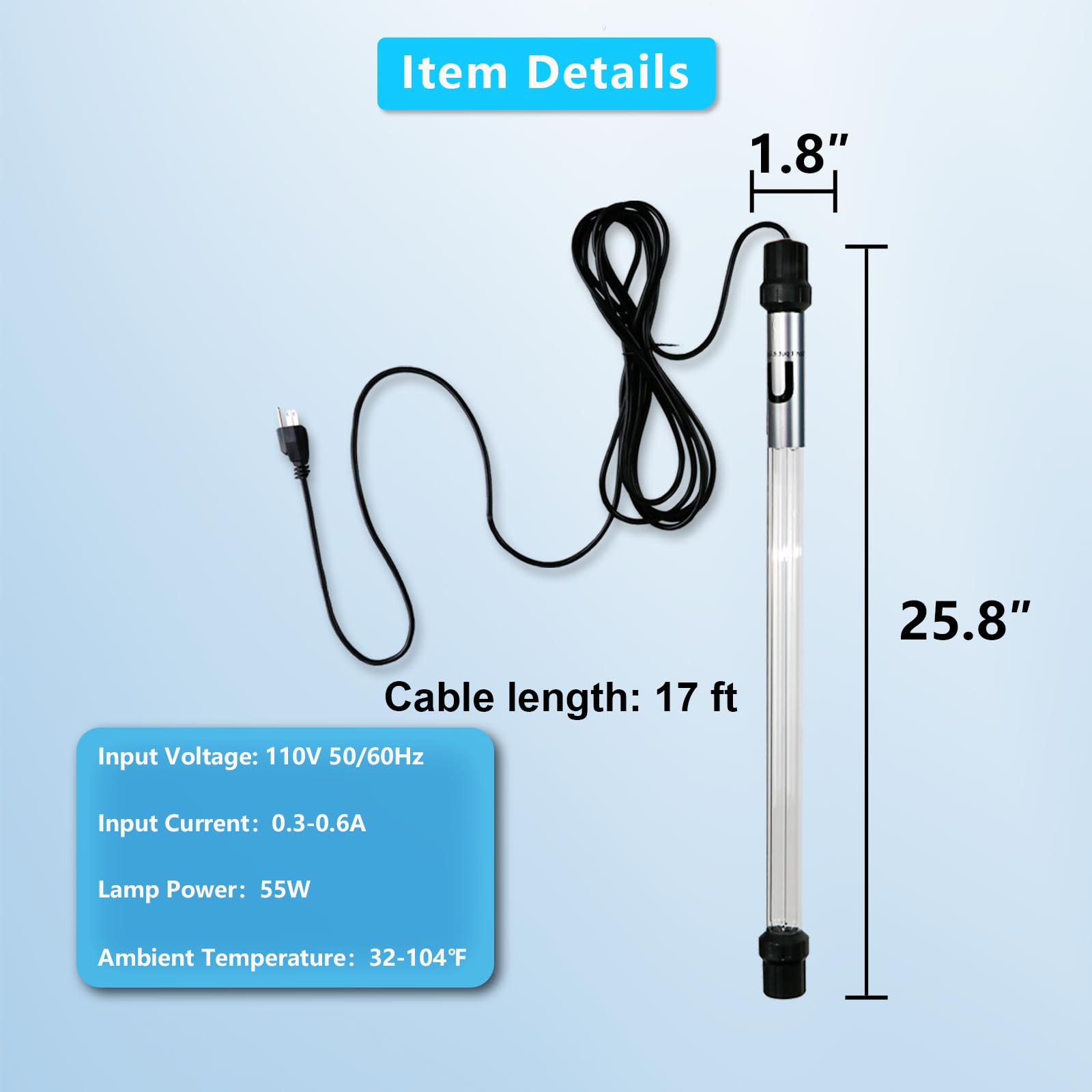
Looking for high-performance aquarium UV sterilizers that work alongside your biological filtration system? Feel free to leave us a message for product inquiries, customized recommendations, and a competitive quote!