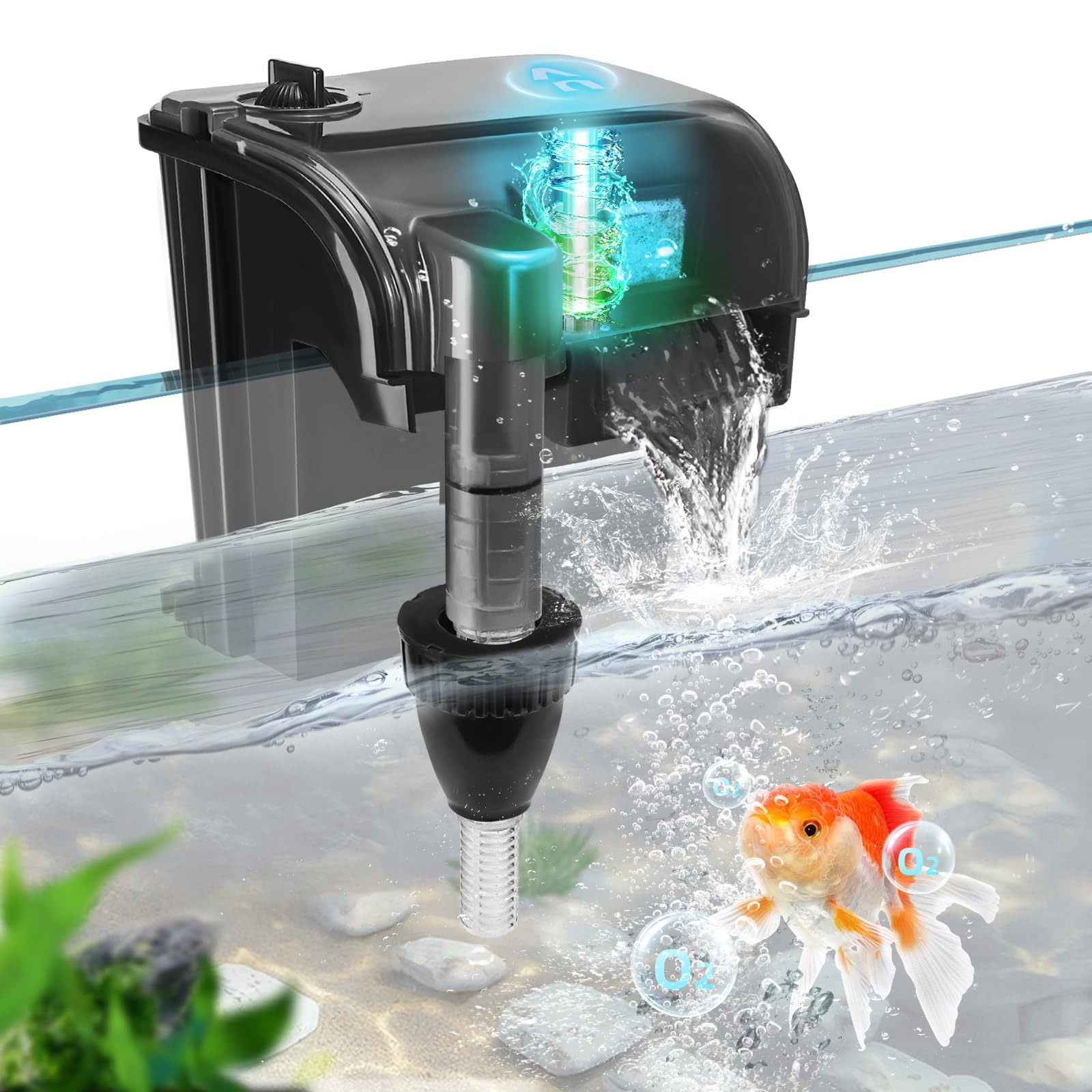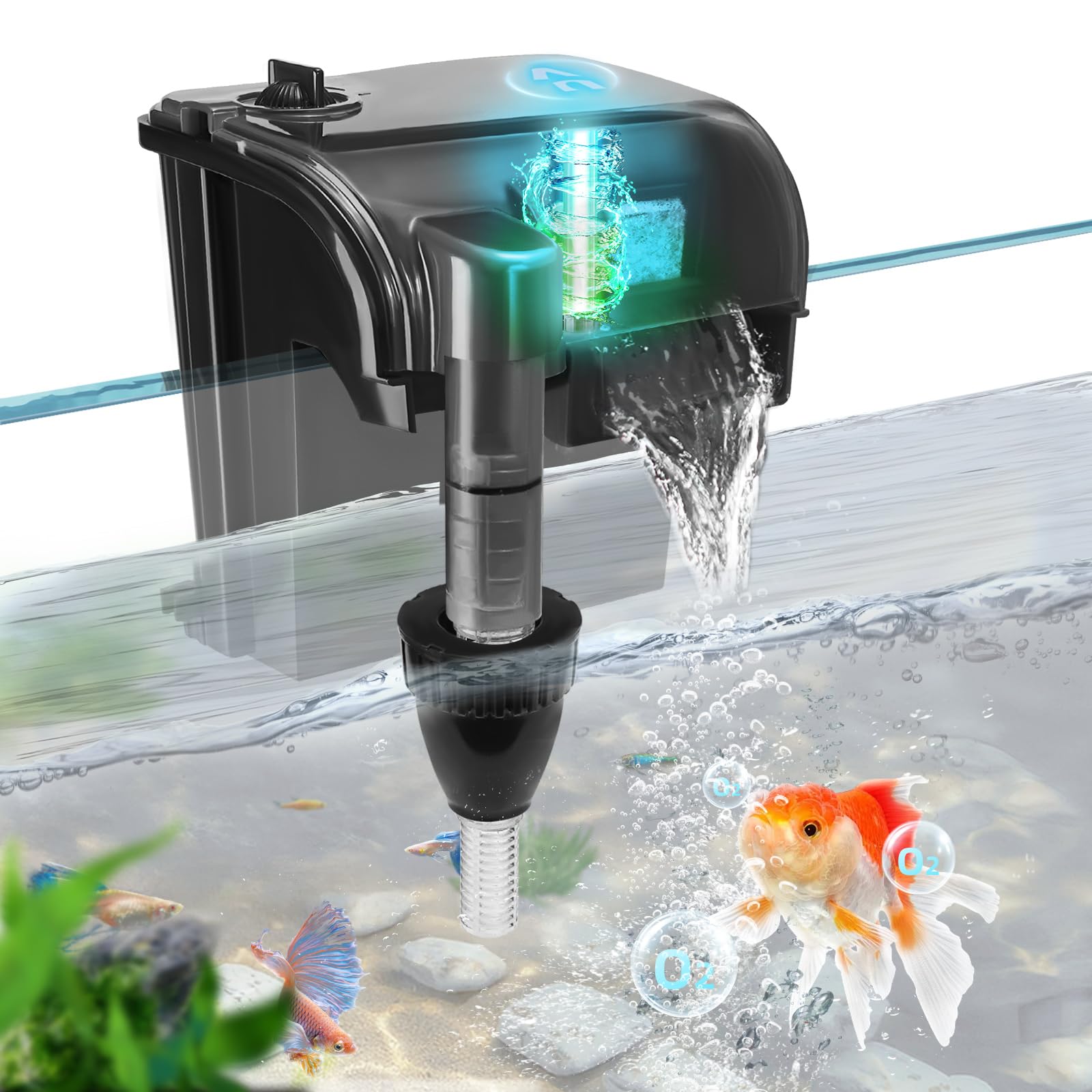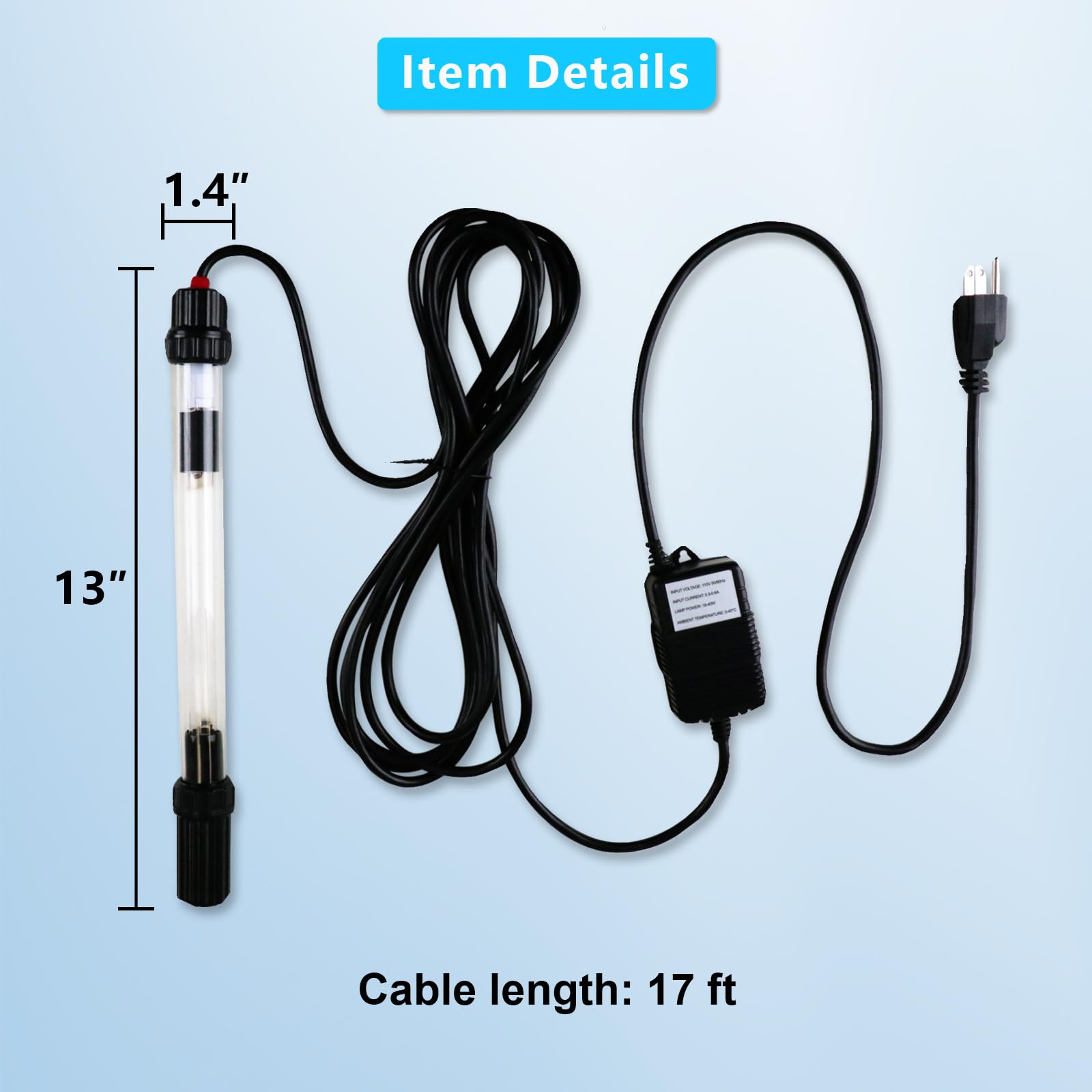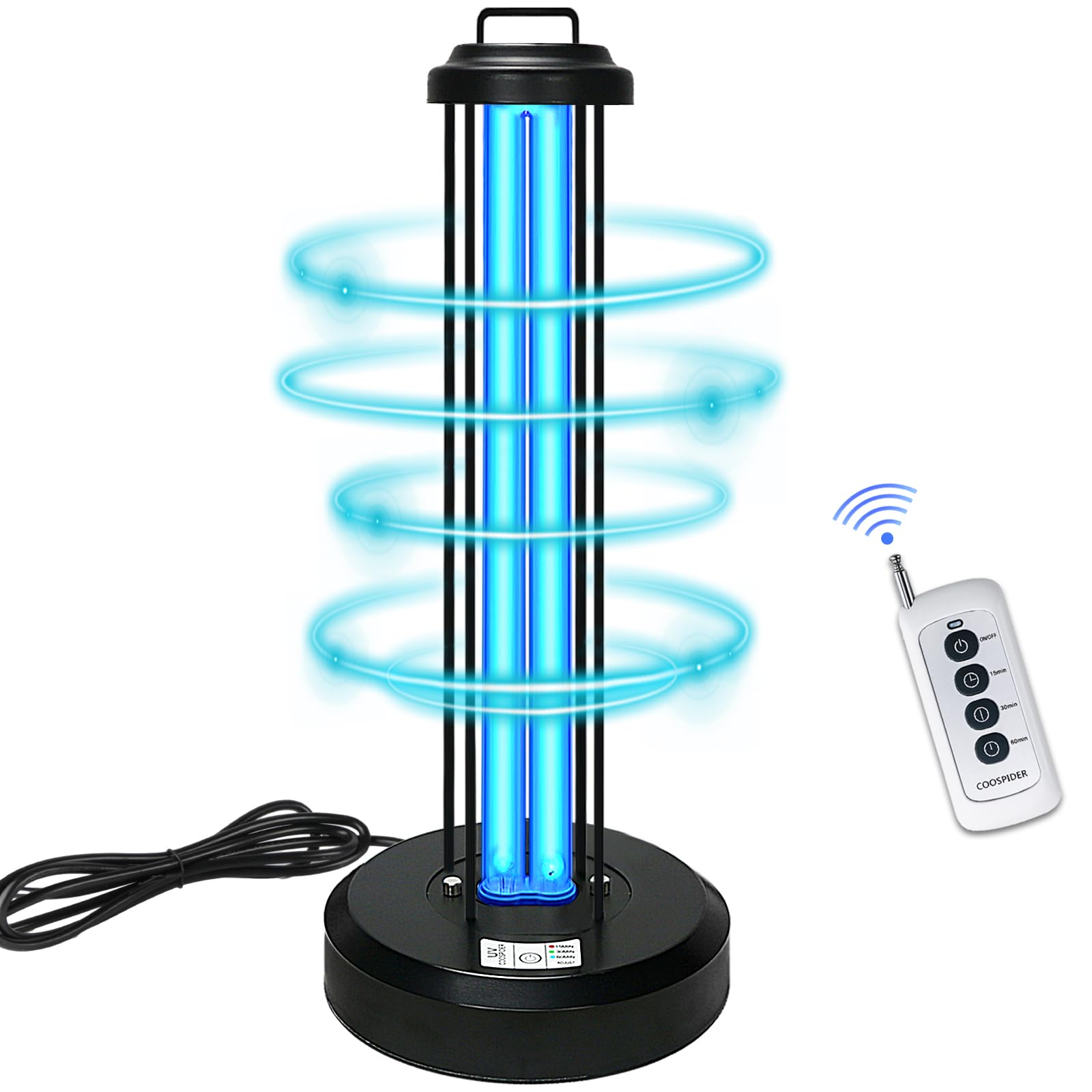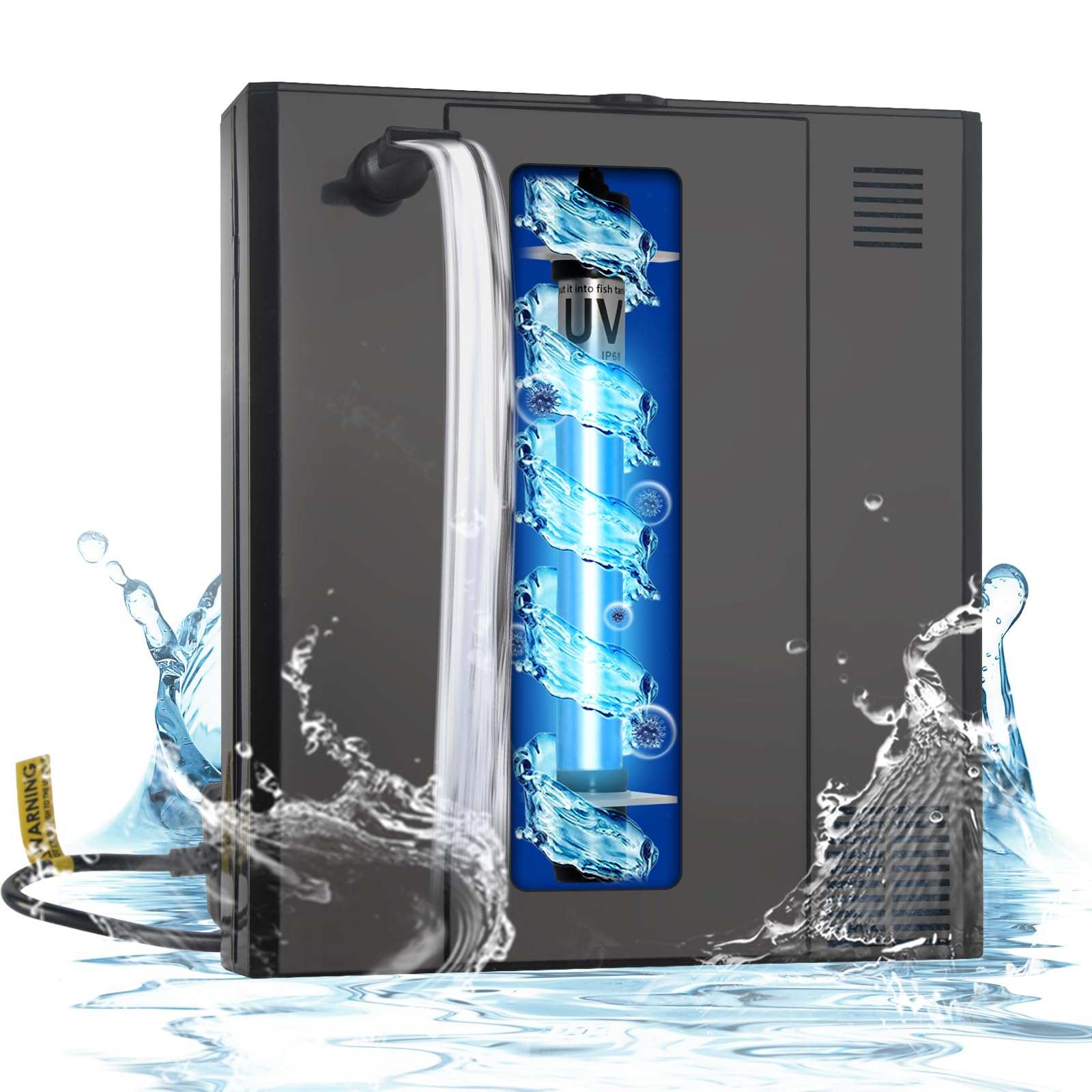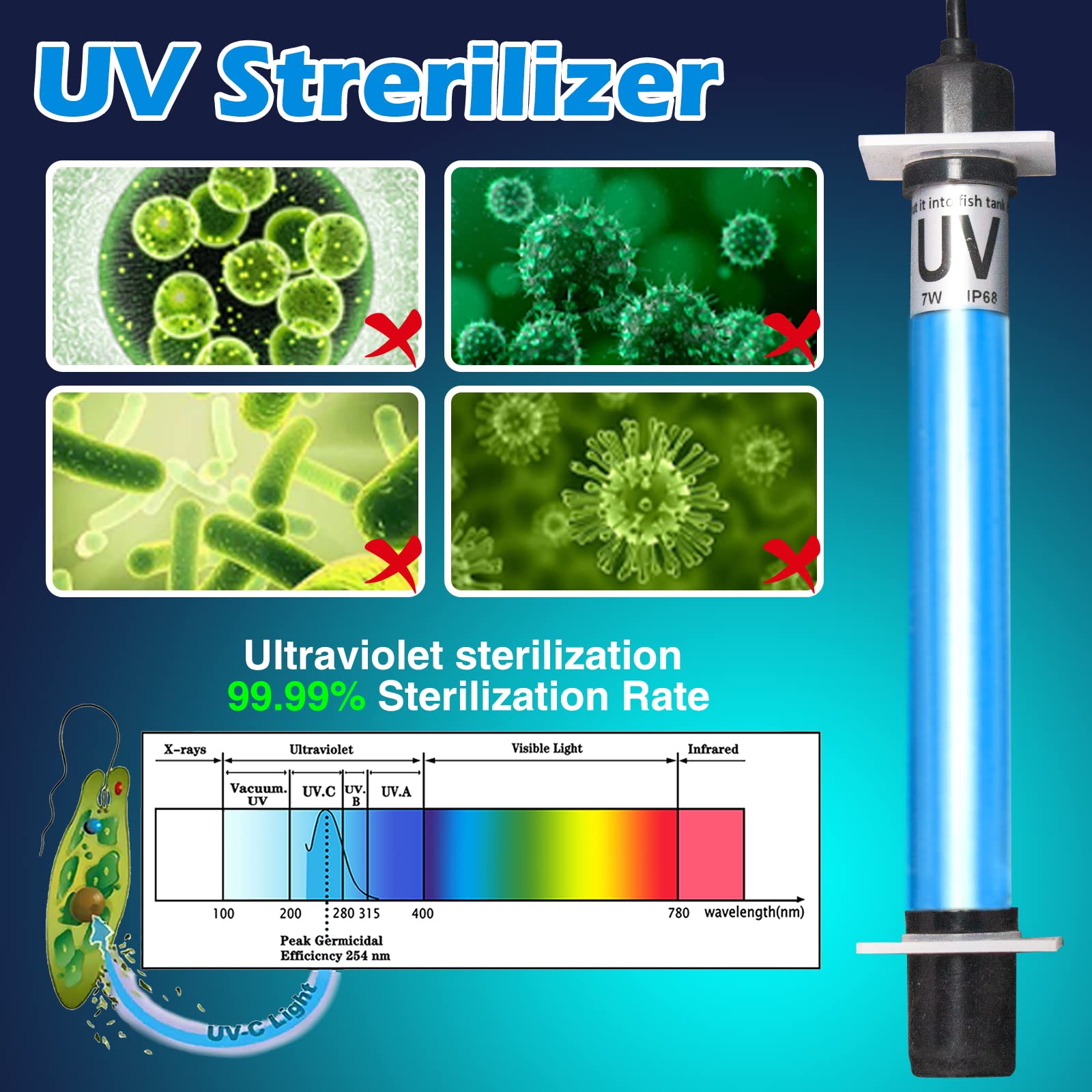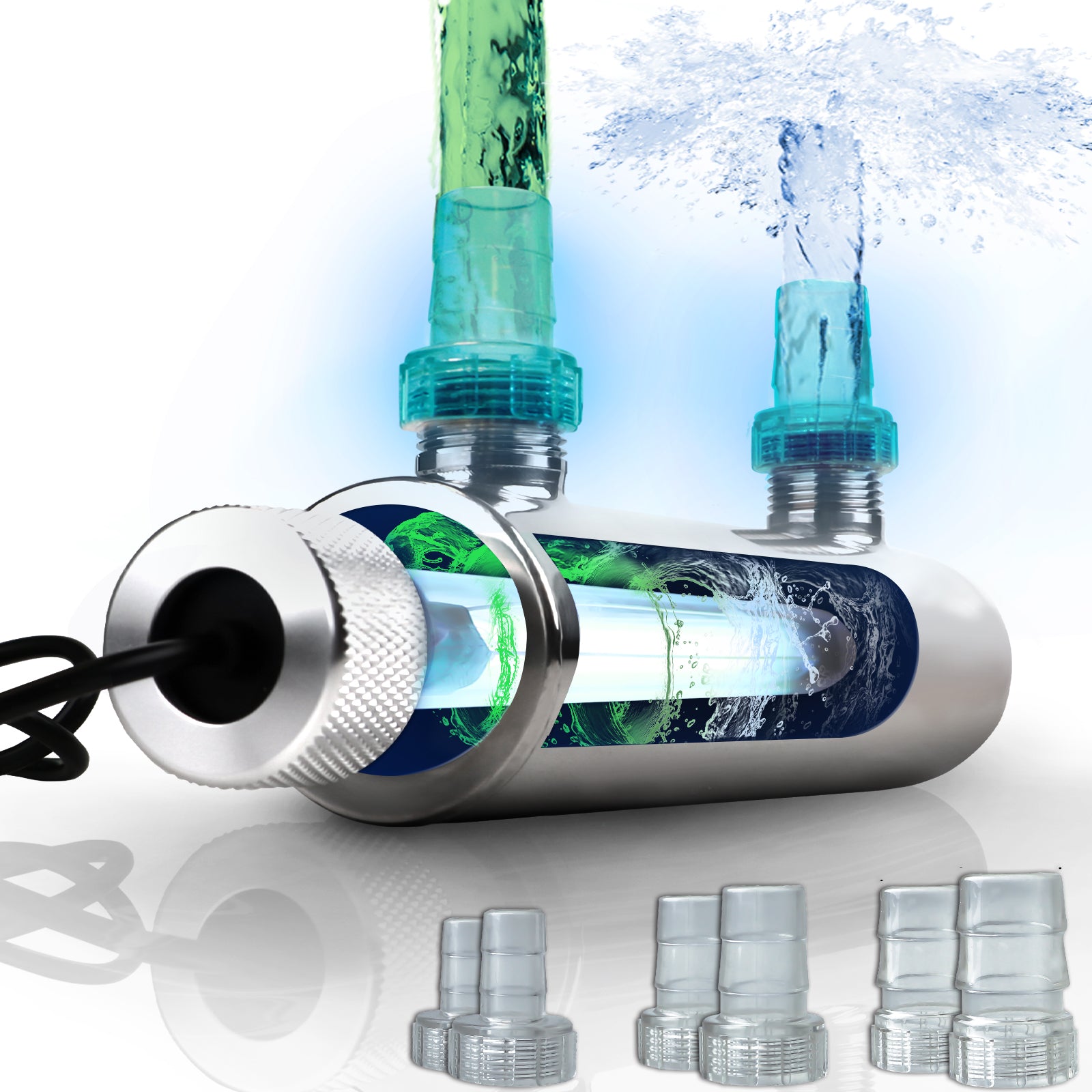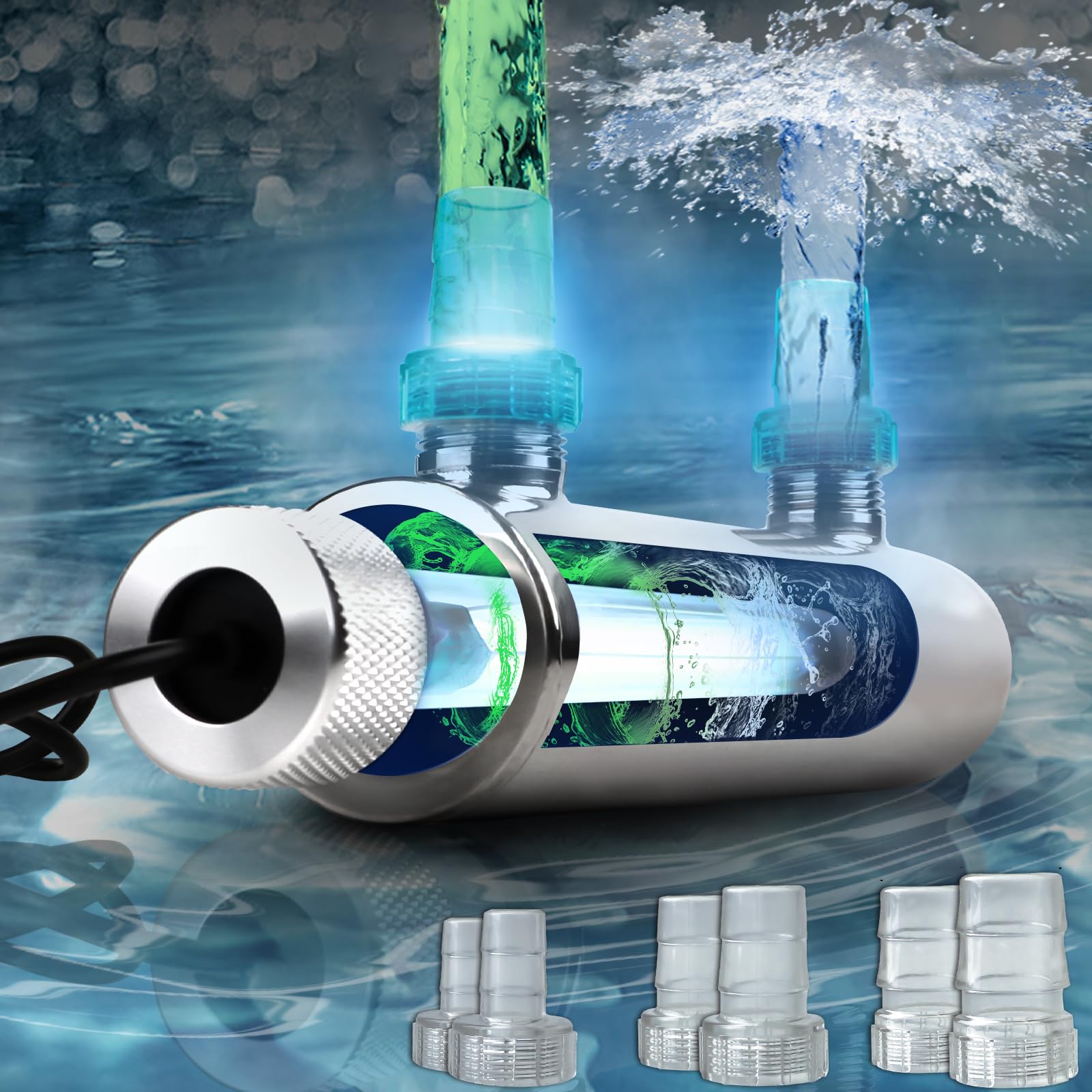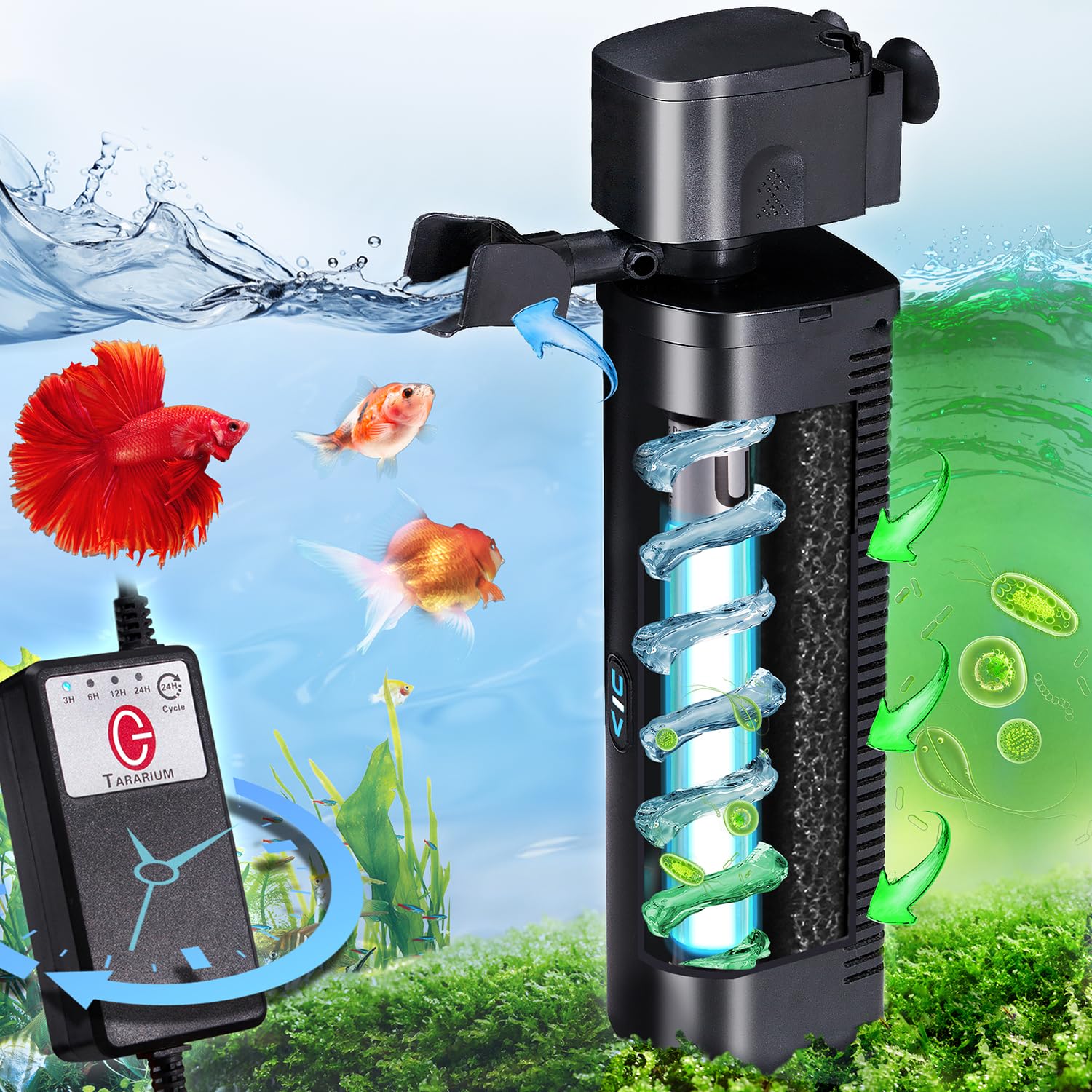

Aquarium UV sterilizers play an important role in maintaining clean, healthy aquatic environments. Whether you operate a vibrant saltwater reef aquarium or a peaceful freshwater fish tank, ultraviolet sterilization can help control free-floating algae, reduce certain waterborne microorganisms, and improve overall water clarity.
However, maintaining a UV sterilizer in a saltwater aquarium is not exactly the same as maintaining one in a freshwater aquarium. Differences in water chemistry, mineral deposits, salt accumulation, biological activity, equipment corrosion, and operating conditions can significantly affect cleaning requirements, maintenance frequency, and equipment longevity.
For aquarium owners, understanding these differences is essential. A poorly maintained UV sterilizer may continue operating while delivering significantly less effective ultraviolet exposure. Mineral deposits, dirty quartz sleeves, aging UV bulbs, and incorrect water flow rates can all reduce performance.
Saltwater systems introduce additional challenges, including salt creep, corrosive environments, and calcium carbonate buildup. Freshwater systems, meanwhile, may experience different types of mineral scaling, organic residue, and algae-related fouling depending on water hardness, nutrient levels, and aquarium conditions.
This comprehensive guide explores the differences between saltwater and freshwater aquarium UV sterilizer maintenance, explains how to clean and inspect essential components, and provides practical recommendations for improving sterilizer efficiency, extending equipment life, and protecting aquatic inhabitants.
Understanding How Aquarium UV Sterilizers Work
Before comparing maintenance requirements, it is helpful to understand how aquarium UV sterilizers function.
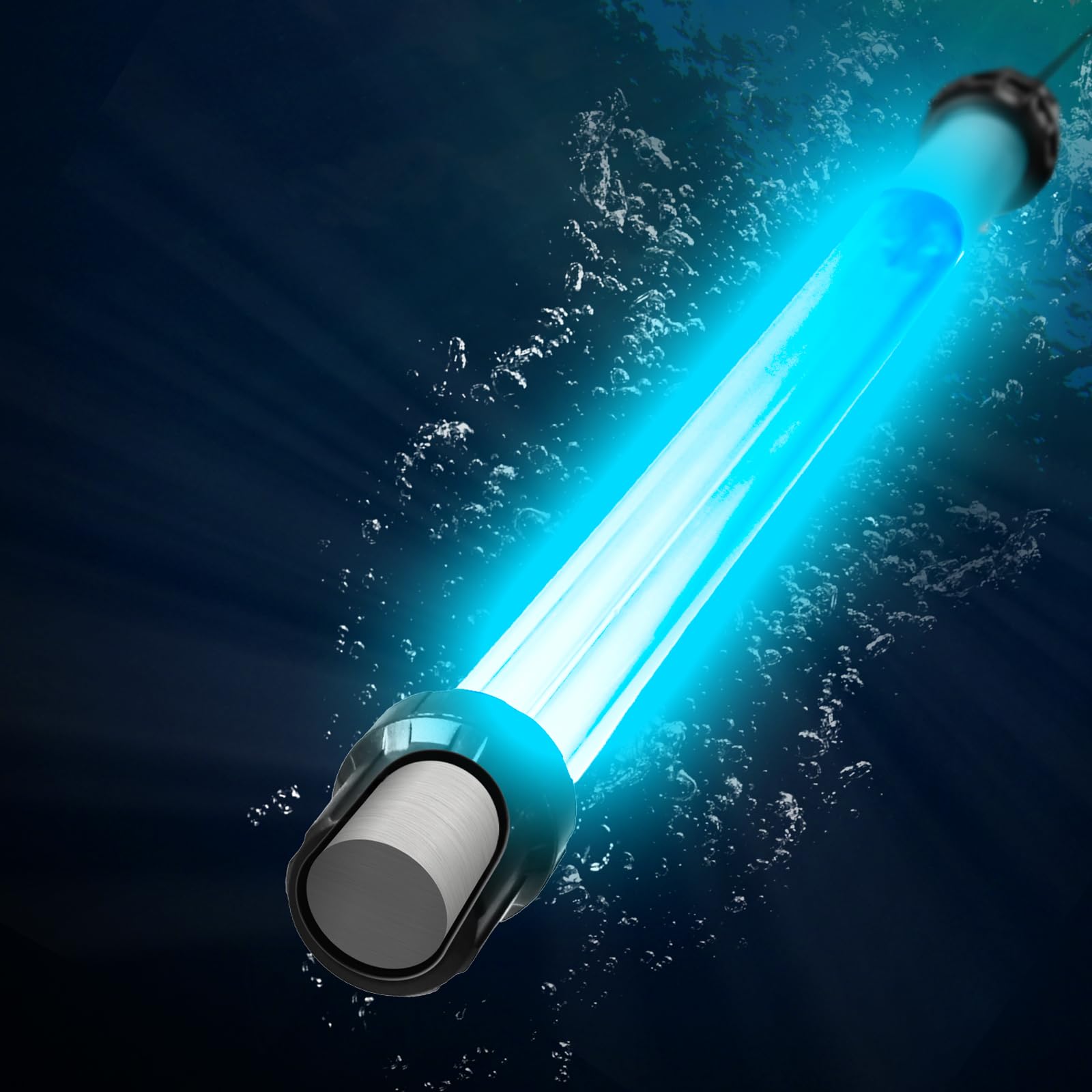
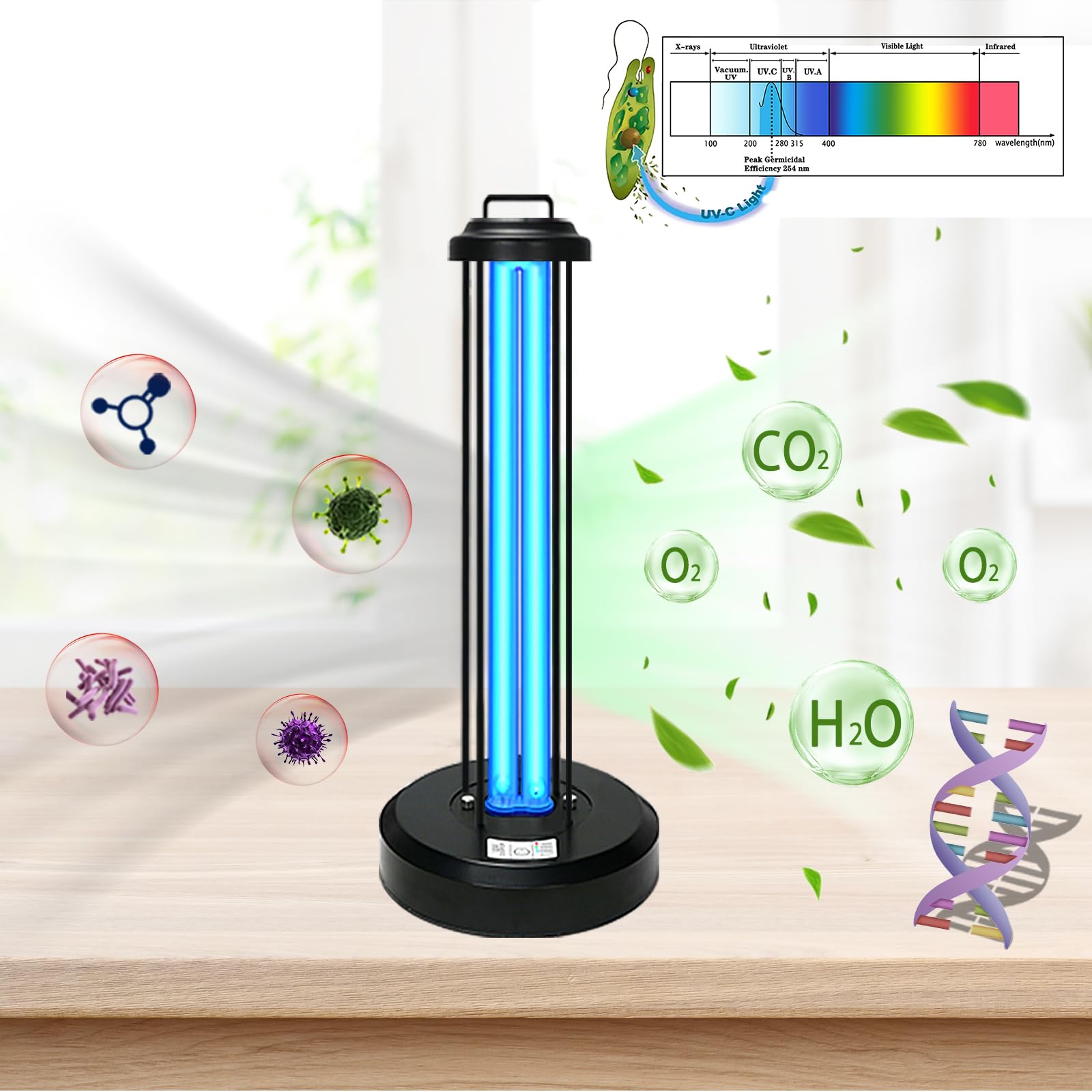
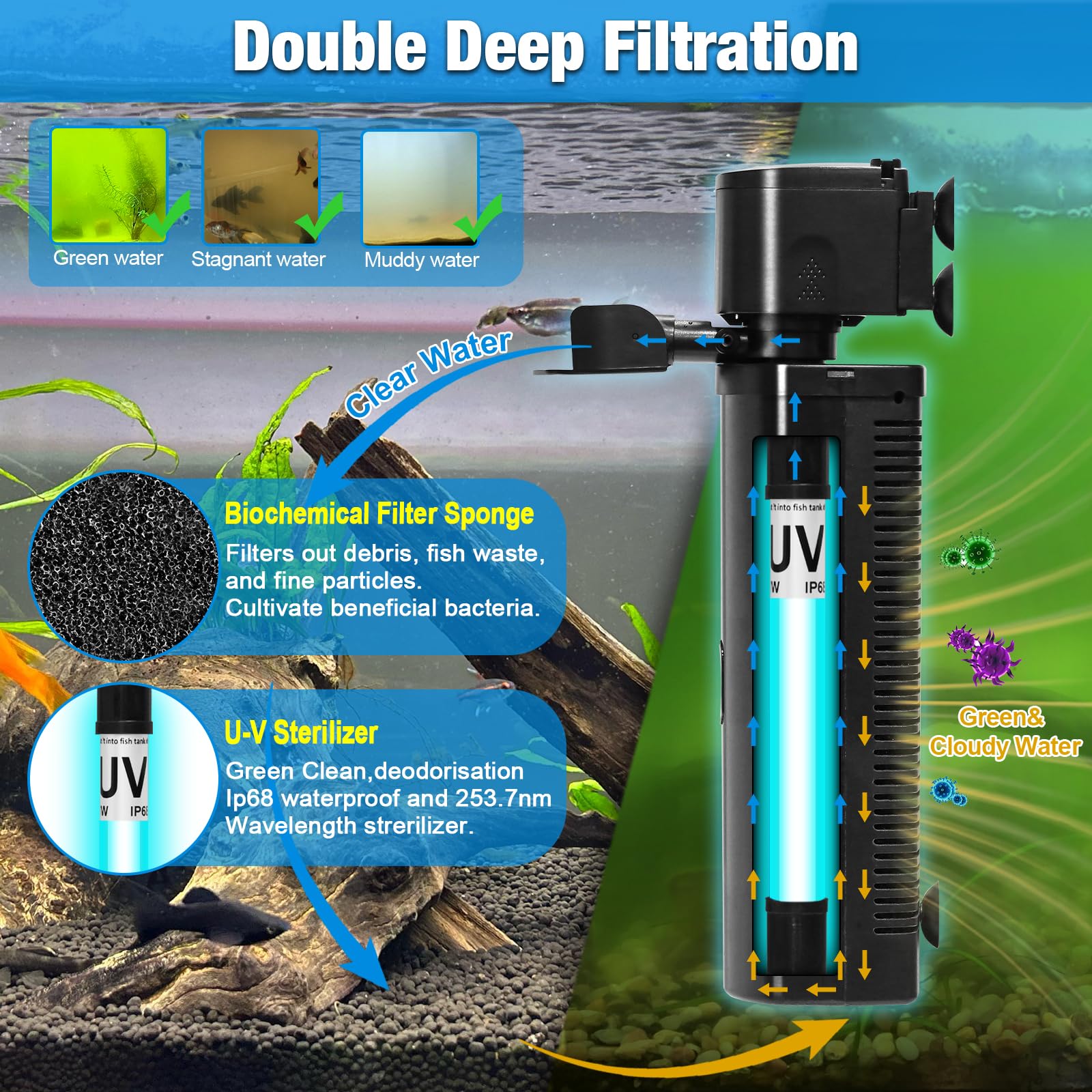
An aquarium UV sterilizer uses ultraviolet light, typically in the UV-C wavelength range, to expose microorganisms suspended in water to germicidal radiation. UV-C radiation damages genetic material, reducing the ability of susceptible microorganisms to reproduce or remain viable.
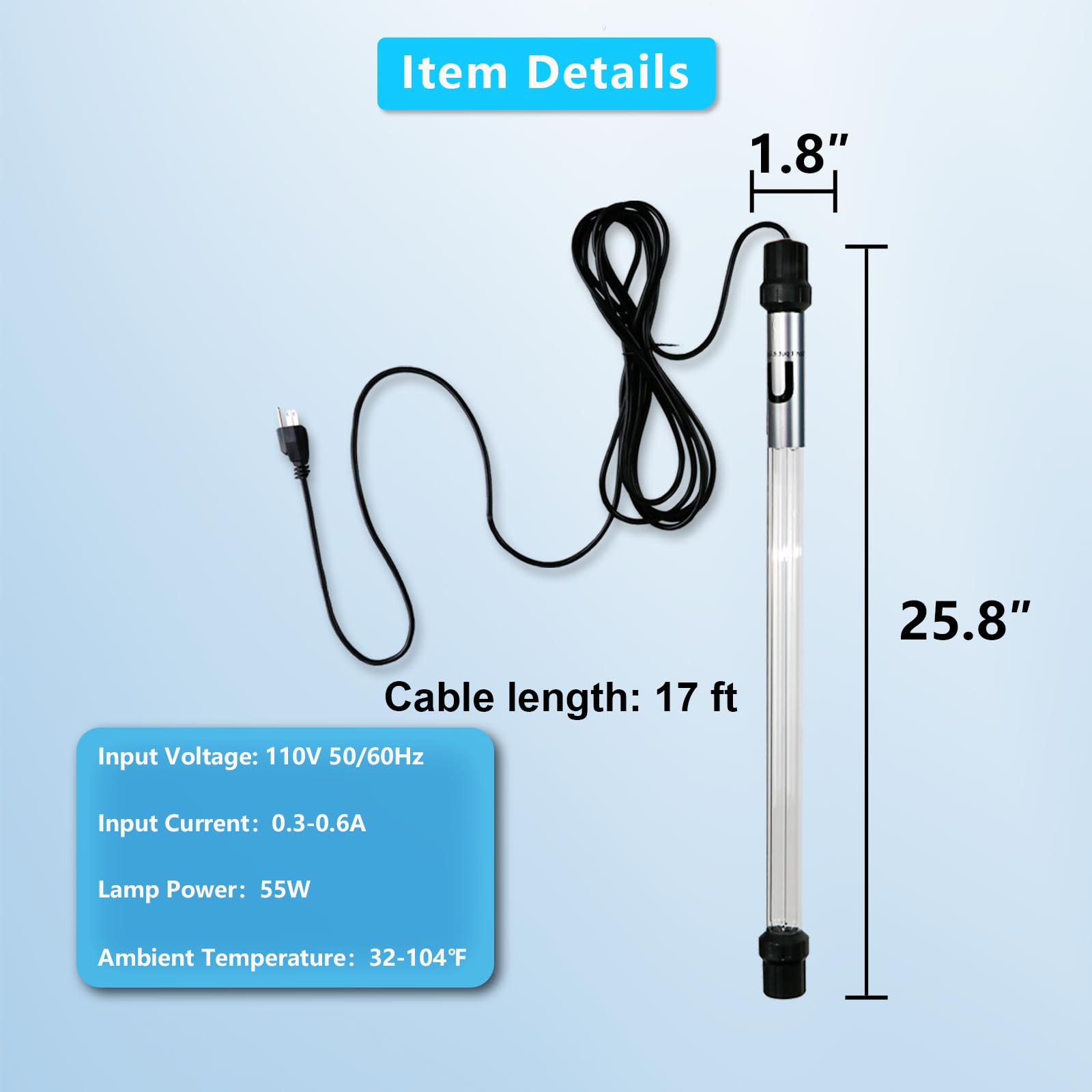
Most conventional aquarium UV sterilizers use low-pressure mercury lamps that emit ultraviolet radiation near 254 nanometers. Other designs may use different UV technologies, including UV-C LEDs.
The effectiveness of ultraviolet treatment depends on several factors:
-
UV intensity delivered by the lamp.
-
Water flow rate through the sterilizer.
-
Exposure time inside the treatment chamber.
-
Water clarity and ultraviolet transmittance.
-
Condition and cleanliness of the quartz sleeve.
-
Lamp age and operating temperature.
-
Target microorganism and required UV dose.
-
Sterilizer chamber design.
A UV sterilizer does not remove debris, ammonia, nitrate, or dissolved waste from aquarium water. It also cannot directly treat parasites attached to fish, organisms living in the substrate, or pathogens hidden inside biological films.
Instead, it works primarily on susceptible microorganisms that pass through the sterilization chamber.
Why Maintenance Is Essential for UV Performance
Even when a UV sterilizer appears to be operating normally, its germicidal effectiveness may decline over time.
For example, an aging UV lamp may still produce visible light while emitting less useful UV-C radiation. Similarly, a thin layer of mineral deposits on the quartz sleeve can reduce ultraviolet transmission.
Restricted water flow, excessive organic buildup, and deteriorating seals can create additional problems.
Regular maintenance helps ensure that water receives the intended ultraviolet exposure while reducing the likelihood of leaks, overheating, equipment failure, and unnecessary replacement costs.
Saltwater vs. Freshwater UV Sterilizer Maintenance: A Quick Comparison
Although the fundamental sterilization process is similar, the environments in which the equipment operates are different.
|
Maintenance factor |
Saltwater aquarium |
Freshwater aquarium |
|---|---|---|
|
Corrosion risk |
Generally higher because of salt exposure |
Usually lower, but depends on water chemistry |
|
Mineral scaling |
Often associated with calcium carbonate precipitation |
Common in hard, alkaline water |
|
Salt creep |
Common around fittings and exposed surfaces |
Not normally a concern |
|
Quartz sleeve cleaning |
May require more frequent inspection |
Depends heavily on hardness and fouling |
|
Pump maintenance |
Salt deposits and calcium buildup may be significant |
Debris, biofilm, and mineral deposits may dominate |
|
Seal inspection |
Especially important around salt-exposed connections |
Important for preventing leaks and water intrusion |
|
Electrical protection |
Requires careful protection from salt spray and corrosion |
Requires protection from splashes and humidity |
|
Cleaning chemicals |
Must be compatible with marine equipment materials |
Must be compatible with freshwater equipment materials |
|
Maintenance frequency |
Often more demanding in high-calcium reef systems |
Highly variable depending on water quality |
|
UV lamp replacement |
Based on lamp specifications and operating hours |
Based on lamp specifications and operating hours |
The most important distinction is that saltwater aquariums often expose equipment to a more corrosive environment, while freshwater maintenance requirements can vary dramatically with water hardness and organic loading.
Neither aquarium type automatically requires a different UV lamp replacement interval. Lamp life is determined primarily by the equipment design, operating conditions, and manufacturer specifications.
1. Corrosion Prevention: A Major Saltwater Aquarium Maintenance Challenge
One of the biggest differences between saltwater and freshwater UV sterilizer maintenance is corrosion management.
Saltwater contains dissolved salts, including chloride ions, that can accelerate corrosion of susceptible metals.
This is especially important around electrical connections, mounting hardware, metal fasteners, pump components, and other parts exposed to splashing or humid marine air.
Why Saltwater Is More Corrosive
Saltwater acts as an electrolyte, allowing electrochemical corrosion processes to occur more readily when susceptible materials and conditions are present.
Over time, corrosion can affect:
-
Metal screws and mounting brackets.
-
Electrical connectors and terminals.
-
Pump shafts and exposed metal components.
-
Cable fittings and protective housings.
-
Equipment supports and nearby accessories.
Although many aquarium UV sterilizers use plastic housings and corrosion-resistant components, external metal parts may still deteriorate if they are not properly protected.
How to Prevent Saltwater Corrosion
Regular visual inspections are essential for marine aquarium UV sterilizers.
Look for rust, discoloration, crusty deposits, damaged coatings, and deteriorating electrical connections.
To reduce corrosion risk:
-
Install the sterilizer away from direct saltwater splashes whenever possible.
-
Keep electrical connectors dry and protected.
-
Remove external salt deposits using an appropriate damp cloth after disconnecting power.
-
Inspect mounting hardware periodically.
-
Replace visibly corroded or damaged components.
-
Use only manufacturer-approved replacement parts.
Never spray water directly onto electrical components.
If corrosion appears near electrical terminals or inside the ballast housing, stop using the equipment until it has been evaluated.
Freshwater Corrosion Considerations
Freshwater environments generally create fewer salt-related corrosion problems, but corrosion is still possible.
High humidity, condensation, splashing, and certain water chemistries can damage exposed metals.
Freshwater aquarium owners should inspect electrical connections and hardware regularly rather than assuming corrosion cannot occur.
2. Quartz Sleeve Cleaning: Different Types of Deposits
The quartz sleeve is one of the most important components in many aquarium UV sterilizers.
It separates the UV lamp from aquarium water while allowing germicidal ultraviolet radiation to pass into the treatment chamber.
When the sleeve becomes dirty, UV transmission can decline.
Quartz Sleeve Fouling in Saltwater Aquariums
Saltwater aquariums, particularly reef systems, often maintain elevated calcium and alkalinity levels to support coral growth and other biological processes.
Under certain conditions, calcium carbonate can precipitate onto equipment surfaces.
This buildup may appear as a hard, white, chalky coating.
Deposits can form on:
-
Quartz sleeves.
-
Pump impellers.
-
Internal chamber surfaces.
-
Plumbing connections.
-
Heater surfaces.
-
Other submerged equipment.
As calcium carbonate accumulates on the quartz sleeve, it can reduce the amount of UV-C radiation reaching the water.
High-pH conditions, localized heating, and precipitation tendencies can influence the rate of scale formation.
Quartz Sleeve Fouling in Freshwater Aquariums
Freshwater UV sterilizers may also develop mineral deposits.
Hard freshwater containing substantial calcium and magnesium can produce scaling, especially when carbonate chemistry favors precipitation.
However, freshwater systems may also accumulate soft organic films, algae-related deposits, and suspended debris.
The dominant type of fouling depends on the aquarium's water source, filtration, livestock, and maintenance practices.
How to Clean a Quartz Sleeve Safely
Always follow the manufacturer's disassembly instructions.
A general cleaning procedure includes:
-
Disconnect electrical power to the UV sterilizer.
-
Stop the water pump and isolate the sterilizer from the aquarium.
-
Allow the UV lamp to cool completely.
-
Drain the sterilizer chamber as instructed.
-
Carefully remove the lamp and quartz sleeve.
-
Inspect the sleeve for deposits, cracks, and cloudiness.
-
Clean the sleeve using the manufacturer's approved method.
-
Rinse thoroughly and allow components to dry as required.
-
Reassemble with properly positioned seals.
-
Restore water circulation, check for leaks, and then reconnect UV power according to the startup instructions.
For compatible quartz sleeves, manufacturers may permit a diluted citric acid solution or another approved descaling product to remove mineral deposits.
Never assume that every cleaner is safe for the sleeve, seals, housing, or surrounding equipment.
Avoid abrasive pads, metal scrapers, and aggressive brushing.
Scratches can damage the sleeve surface, while excessive force may crack the quartz.
How Often Should Quartz Sleeves Be Cleaned?
There is no universal cleaning interval suitable for every aquarium.
A high-calcium reef aquarium may develop visible scale more quickly than a soft-water freshwater aquarium.
However, a freshwater tank with heavy organic loading may require equally frequent cleaning.
A practical approach is to inspect the quartz sleeve approximately every one to three months initially, then adjust the interval based on observed fouling and manufacturer guidance.
The goal is to clean the sleeve before deposits significantly interfere with UV transmission.
3. Salt Creep: A Maintenance Issue Unique to Marine Aquariums
Salt creep is one of the most recognizable maintenance challenges in saltwater aquarium systems.
It occurs when saltwater reaches an exposed surface and the water evaporates, leaving salt crystals behind.
These deposits commonly appear around aquarium rims, plumbing joints, pump housings, and equipment connections.
How Salt Creep Affects UV Sterilizers
Salt creep may accumulate around:
-
Hose connections.
-
Threaded fittings.
-
Pump outlets.
-
Mounting brackets.
-
External chamber surfaces.
-
Cable entry points.
-
Nearby electrical equipment.
Salt crystals can make fittings difficult to service and may contribute to corrosion when moisture is present.
Accumulation around connections can also conceal small leaks.
Safe Salt Creep Removal
Begin by disconnecting power where cleaning could expose electrical equipment to moisture.
Use a clean, slightly damp cloth to remove external salt deposits from compatible surfaces.
Avoid allowing moisture to enter electrical housings or connectors.
Inspect the cleaned area for signs of leakage.
If salt deposits repeatedly appear around the same fitting, investigate the connection rather than simply wiping away the residue.
A damaged O-ring, improperly seated fitting, or cracked component may be responsible.
Why Freshwater Aquariums Are Different
Freshwater systems generally do not experience marine salt creep.
However, mineral residue may still appear around areas where hard water evaporates.
These deposits may resemble salt buildup but are often composed of calcium carbonate or other dissolved minerals.
The cleaning method should match the deposit and equipment material.
4. UV Lamp Replacement: Similar Requirements, Different Operating Conditions
UV lamps gradually lose germicidal output as they age.
This process occurs in both saltwater and freshwater aquarium sterilizers.
A lamp may continue producing visible light even after its UV-C output has declined below the level needed for the intended treatment performance.
How Long Do Aquarium UV Bulbs Last?
Many conventional low-pressure UV lamps have manufacturer-rated service lives in the range of several thousand to approximately 9,000 operating hours, although actual specifications vary considerably.
Some systems use lamps with longer rated lives, while other designs require earlier replacement.
UV-C LED systems have different performance and aging characteristics.
Always use the manufacturer's specified replacement interval rather than relying on a universal schedule.
Does Saltwater Wear Out UV Bulbs Faster?
Saltwater itself does not necessarily shorten the life of a properly isolated UV lamp.
In many conventional designs, the lamp is protected from direct water contact by a quartz sleeve.
However, saltwater-related corrosion, scaling, and equipment problems can indirectly affect sterilizer performance.
For example, a heavily fouled quartz sleeve may reduce the delivered UV dose even when the lamp remains within its rated operating life.
Freshwater UV Lamp Maintenance
Freshwater sterilizers require the same attention to lamp age and output.
Keep a record of installation dates and operating hours.
Replace lamps according to manufacturer specifications, even if they still appear illuminated.
UV Lamp Replacement Safety
UV-C radiation can damage eyes and skin.
Never operate an exposed UV-C lamp or look directly at an energized lamp.
Disconnect power before opening the sterilizer.
Allow the lamp to cool before handling it, and follow the manufacturer's instructions for safe replacement and disposal.
Traditional mercury-containing UV lamps require appropriate handling because they contain a small amount of mercury.
If a lamp breaks, follow applicable cleanup and disposal guidance rather than treating it as ordinary household glass.
5. Water Flow Rate Maintenance in Saltwater and Freshwater Systems
Water flow rate is one of the most important factors affecting UV sterilizer performance.
The amount of ultraviolet exposure received by microorganisms depends partly on how long water remains inside the treatment chamber.
Why Flow Rate Matters
Water moving too quickly through a sterilizer may receive insufficient UV exposure for certain target organisms.
Slower flow generally increases exposure time, although actual UV dose also depends on lamp intensity, chamber design, and water quality.
Different treatment goals may require different operating conditions.
For example, controlling free-floating algae may require a different UV dose than reducing certain waterborne pathogens.
Saltwater Aquarium Flow Challenges
Marine aquarium plumbing may experience calcium carbonate buildup, salt-related deposits, and biological fouling.
These deposits can restrict water movement through pumps, hoses, and sterilizer chambers.
In reef aquariums, calcium precipitation may also affect pump impellers and internal components.
Regularly inspect:
-
Pump impellers.
-
Intake screens.
-
Hose connections.
-
Valves.
-
Internal sterilizer passages.
-
Flow indicators or meters, when installed.
Freshwater Aquarium Flow Challenges
Freshwater systems may experience reduced flow because of debris, plant fragments, biofilm, and clogged mechanical filtration.
Aquariums with heavy feeding, dense plant growth, or substantial organic waste may require more frequent pump and filter maintenance.
Maintaining Proper Flow
Use the sterilizer manufacturer's recommended flow range for the intended treatment objective.
If possible, measure actual flow rather than relying solely on the pump's advertised maximum capacity.
Pump ratings often describe performance under ideal conditions without the restrictions created by plumbing, elevation changes, and connected equipment.
After cleaning, verify that the system operates within the appropriate flow range.
6. Biological Fouling and Organic Buildup
Biological fouling occurs when microorganisms and organic materials accumulate on submerged equipment surfaces.
Both saltwater and freshwater UV sterilizers can experience this problem.
Biofilm in Saltwater Systems
Marine aquariums contain diverse microbial communities that can form films on equipment surfaces.
Organic compounds, suspended particles, and microbial growth may contribute to deposits inside the UV chamber.
Although UV exposure can inactivate susceptible microorganisms passing through the chamber, it does not guarantee that every internal surface remains free of biofilm.
Areas receiving lower UV exposure may still accumulate deposits.
Biofilm in Freshwater Systems
Freshwater aquariums can also develop substantial biological films.
Aquariums with high nutrient levels, heavy feeding, or significant organic waste may experience faster fouling.
Soft deposits can accumulate on the quartz sleeve and reduce UV transmission.
Cleaning Organic Deposits
Use manufacturer-approved cleaning tools and solutions.
A soft cloth or suitable nonabrasive brush may help remove loose organic material from compatible surfaces.
Do not use household disinfectants, strong detergents, or antibacterial cleaners unless specifically approved for the equipment.
Any cleaning residue introduced into the aquarium could potentially harm fish, invertebrates, or beneficial microorganisms.
Rinse components thoroughly according to the manufacturer's instructions before reassembly.
7. O-Rings, Seals, and Leak Prevention
O-rings and seals are essential for maintaining a watertight UV sterilizer chamber.
A damaged seal can allow water to escape or reach electrical components.
Saltwater Seal Maintenance
Salt deposits, mineral scaling, and repeated disassembly can interfere with proper sealing.
Inspect O-rings for:
-
Cracks.
-
Flattening.
-
Hardening.
-
Swelling.
-
Surface damage.
-
Debris trapped in sealing grooves.
Clean sealing surfaces carefully.
If lubrication is required, use only the lubricant recommended by the manufacturer and confirmed compatible with the seal material.
Do not assume that every petroleum-based or silicone-based lubricant is appropriate.
Freshwater Seal Maintenance
Freshwater UV sterilizers also require regular seal inspection.
Biofilm, mineral deposits, and aging can affect sealing performance.
Hard-water deposits around O-ring grooves may prevent proper seating.
Replace damaged seals rather than attempting to compensate by overtightening fittings.
Leak Testing After Maintenance
After reassembly, restore water circulation according to the manufacturer's instructions.
Inspect all connections before energizing the UV lamp.
Check for dripping, seepage, and moisture around electrical components.
Never operate equipment with a suspected electrical water leak.
8. Electrical Safety and Equipment Placement
UV sterilizers combine electricity, water circulation, and germicidal radiation.
Proper installation and maintenance are essential in both aquarium environments.
Saltwater Electrical Safety
Salt spray and humid marine air can create additional risks around electrical equipment.
Install the sterilizer in a location that minimizes exposure to splashing and condensation.
Keep power supplies and electrical connectors away from potential leaks.
Use a properly installed ground-fault circuit interrupter, or GFCI, where required and appropriate.
Arrange power cords with drip loops when instructed by the manufacturer.
Inspect cables regularly for damage.
Freshwater Electrical Safety
Freshwater systems require the same basic electrical precautions.
Even though freshwater is generally less corrosive than seawater, aquarium water can still conduct electricity.
Never assume that freshwater aquarium equipment is safe to handle while energized.
Disconnect power before servicing the sterilizer.
Protecting Against UV Exposure
UV-C radiation should remain enclosed within the sterilizer during normal operation.
Never bypass safety interlocks or operate a lamp outside its protective chamber.
If the housing is cracked or the UV shielding is damaged, discontinue use until the equipment is repaired or replaced.
9. Reef Aquarium UV Sterilizer Maintenance: Special Considerations
Reef aquariums introduce additional maintenance requirements because they often contain corals, marine invertebrates, and carefully controlled mineral chemistry.
Calcium and Alkalinity Management
Reef aquariums commonly maintain calcium and alkalinity levels to support coral skeleton formation.
However, precipitation can occur when water chemistry conditions favor calcium carbonate formation.
Deposits may accumulate on the quartz sleeve and pump components.
Maintaining stable aquarium chemistry can help reduce unwanted precipitation, although it cannot eliminate every source of scaling.
Protecting Sensitive Reef Inhabitants
Corals and marine invertebrates can be sensitive to cleaning chemical residues.
When servicing a UV sterilizer, prevent cleaning solutions from entering the aquarium.
Rinse all treated components thoroughly using the procedure approved by the equipment manufacturer.
UV Sterilization and Plankton
Some reef aquarium owners are concerned about the effect of UV sterilization on planktonic organisms.
UV treatment can affect susceptible microorganisms and other organisms that pass through the chamber.
However, it does not sterilize the entire aquarium ecosystem.
The impact depends on operating conditions, organism sensitivity, and how much aquarium water passes through the device.
Aquarists maintaining specialized plankton-dependent systems should consider these factors when selecting UV operating schedules and flow rates.
Maintenance During Reef Tank Treatments
Some aquarium treatments may require changes to UV sterilizer operation.
Certain medications and additives can be affected by ultraviolet exposure.
Follow the treatment manufacturer's instructions and consult an aquatic veterinarian when managing disease.
Never assume that UV sterilization alone can cure fish infections or eliminate established parasites.
10. Freshwater Aquarium UV Sterilizer Maintenance: Special Considerations
Freshwater aquariums include a wide variety of environments, from soft-water planted tanks to hard-water African cichlid aquariums.
Maintenance requirements can differ significantly.
Soft-Water Freshwater Aquariums
Soft-water systems generally have lower concentrations of calcium and magnesium.
They may experience less mineral scaling than hard-water systems, although organic fouling can still occur.
Regular quartz sleeve inspection remains important.
Hard-Water Freshwater Aquariums
Hard-water aquariums may develop mineral deposits similar to those found in reef systems.
Calcium carbonate buildup can affect quartz sleeves, pumps, and internal plumbing.
These systems may require more frequent descaling than some saltwater aquariums.
Therefore, aquarium salinity alone should not determine maintenance frequency.
Planted Freshwater Aquariums
Planted tanks can contain suspended plant fragments, algae, organic particles, and microbial films.
Mechanical filtration helps reduce the amount of debris entering the UV sterilizer.
Keep intake screens and prefilters clean to prevent flow restrictions.
UV sterilizers primarily affect organisms passing through the treatment chamber rather than algae attached to plants, glass, or decorations.
Freshwater Fish Breeding Systems
Breeding aquariums may use UV sterilization as one component of a broader water management strategy.
However, UV treatment does not replace quarantine, appropriate stocking density, biological filtration, or good husbandry.
Maintenance should focus on reliable flow, clean quartz surfaces, and correct lamp operation.
11. Choosing the Right Cleaning Products for UV Sterilizers
Selecting appropriate cleaning products helps protect the equipment and aquarium inhabitants.
Cleaning Products for Mineral Deposits
Some manufacturers recommend mild acidic descaling solutions for compatible components.
Citric acid is commonly used in certain equipment-cleaning applications because it can dissolve calcium carbonate deposits.
However, suitability depends on the sterilizer's materials.
Never mix cleaning chemicals.
Do not use acid-based cleaners on components that the manufacturer identifies as incompatible.
Cleaning Products for Organic Residue
Soft brushes, nonabrasive cloths, and manufacturer-approved cleaning solutions may help remove biological films.
Avoid strongly scented household cleaners, concentrated detergents, and products containing unapproved disinfectants.
Products to Avoid
Unless expressly approved by the equipment manufacturer, avoid:
-
Chlorine bleach.
-
Ammonia-based cleaners.
-
Abrasive powders.
-
Metal scraping tools.
-
Strong solvents.
-
Unapproved descaling chemicals.
-
Household disinfectant sprays.
Chemical residues can create serious problems if they enter an aquarium.
Always prioritize the sterilizer manufacturer's maintenance instructions.
12. Recommended UV Sterilizer Maintenance Schedule
A consistent maintenance schedule can help prevent unexpected equipment problems.
The following schedule provides a general starting point.
|
Maintenance task |
Saltwater aquarium |
Freshwater aquarium |
|---|---|---|
|
Check operation and leaks |
Weekly |
Weekly |
|
Inspect external deposits |
Weekly |
Every 1–2 weeks |
|
Check flow performance |
Monthly |
Monthly |
|
Inspect quartz sleeve |
Every 1–2 months initially |
Every 1–3 months initially |
|
Clean quartz sleeve |
Based on observed fouling |
Based on observed fouling |
|
Inspect pump and impeller |
Every 1–3 months |
Every 1–3 months |
|
Inspect O-rings |
During each disassembly |
During each disassembly |
|
Check electrical components |
Monthly |
Monthly |
|
Replace UV lamp |
Manufacturer-rated interval |
Manufacturer-rated interval |
|
Perform full system inspection |
Every 6–12 months |
Every 6–12 months |
These intervals are illustrative rather than universal requirements.
A reef aquarium with rapid calcium precipitation may need more frequent quartz sleeve cleaning.
A heavily stocked freshwater aquarium with substantial organic waste may also require frequent attention.
Use actual equipment condition and manufacturer recommendations to establish the final schedule.
13. Step-by-Step UV Sterilizer Maintenance Procedure
A systematic approach can make maintenance safer and more effective.
Step 1: Prepare the Work Area
Gather the tools and replacement parts recommended by the manufacturer.
These may include:
-
Soft cleaning cloths.
-
A nonabrasive brush.
-
Replacement O-rings.
-
Approved cleaning solution.
-
A suitable container for removable components.
-
Protective gloves when appropriate.
-
Replacement UV lamp if required.
Keep the work area clean and dry.
Step 2: Disconnect Power
Switch off and unplug the UV sterilizer.
Follow the manufacturer's instructions for stopping the connected water pump.
Never open the sterilizer while the UV lamp is energized.
Step 3: Allow Cooling
UV lamps and nearby components may become warm during operation.
Allow sufficient cooling time before handling.
Step 4: Isolate and Drain the Unit
Close isolation valves where installed.
Drain the chamber carefully to prevent spills near electrical equipment.
Step 5: Disassemble Carefully
Remove the lamp, quartz sleeve, and accessible components according to the manufacturer's instructions.
Avoid twisting or forcing fragile parts.
Step 6: Inspect Components
Look for mineral deposits, organic buildup, damaged seals, cracked quartz, corrosion, and worn electrical components.
Replace damaged parts before returning the sterilizer to service.
Step 7: Clean the Quartz Sleeve
Use the approved cleaning method for the observed deposits.
Avoid abrasive materials and excessive force.
Step 8: Clean the Chamber and Connections
Remove accessible deposits from the internal chamber and plumbing connections.
Do not damage internal surfaces or sealing grooves.
Step 9: Reassemble and Check Seals
Install the quartz sleeve and O-rings correctly.
Tighten fittings according to the manufacturer's specifications.
Overtightening can damage plastic components and seals.
Step 10: Restore Flow and Check for Leaks
Prime the system as required.
Restore water circulation and verify that the chamber fills properly.
Inspect connections for leaks.
Only energize the UV lamp after confirming that the system meets the manufacturer's operating requirements.
Step 11: Record Maintenance
Document the cleaning date, lamp operating hours, replaced components, and any observed problems.
A maintenance log helps identify recurring issues and establish suitable cleaning intervals.
14. Common UV Sterilizer Problems and Troubleshooting
Both saltwater and freshwater aquarium UV sterilizers can experience performance problems.
Problem: Water Clarity Is Not Improving
Possible causes include:
-
Insufficient UV dose.
-
Excessive water flow.
-
Dirty quartz sleeve.
-
Aging UV lamp.
-
Poor mechanical filtration.
-
Water quality problems unrelated to suspended microorganisms.
Remember that UV sterilization does not remove every cause of cloudy aquarium water.
Problem: Reduced Water Flow
Possible causes include clogged intake screens, fouled impellers, mineral deposits, or obstructed plumbing.
Inspect and clean the relevant components.
Problem: Frequent Quartz Sleeve Scaling
In saltwater reef systems, examine calcium, alkalinity, pH, and precipitation conditions.
In freshwater systems, evaluate hardness and mineral content.
Cleaning frequency may need adjustment.
Problem: Repeated Salt Deposits Around Fittings
Inspect for small leaks or splashing.
Replace damaged seals and correct improperly seated connections.
Problem: UV Lamp Does Not Turn On
Possible causes include an expired lamp, electrical supply problems, ballast failure, damaged connections, or a safety interlock issue.
Disconnect power before troubleshooting.
Do not bypass protective devices.
Problem: Water Leaks After Cleaning
Check O-ring positioning, sealing surfaces, and fitting alignment.
Replace damaged seals.
Do not operate the sterilizer until the leak has been corrected.
15. How Proper Maintenance Extends UV Sterilizer Service Life
Routine maintenance helps protect both the sterilizer and the surrounding aquarium system.
Reduced Equipment Wear
Keeping pumps and internal passages clean reduces unnecessary mechanical strain caused by restrictions and deposits.
More Consistent UV Exposure
A clean quartz sleeve and properly functioning lamp help maintain the intended ultraviolet transmission.
Improved Reliability
Regular inspections can identify small leaks, deteriorating seals, and damaged components before they become more serious.
Lower Long-Term Maintenance Costs
Preventive care may reduce the need for emergency repairs and premature equipment replacement.
Better Aquarium Management
Reliable UV sterilizer operation supports a broader aquarium maintenance strategy that includes filtration, water testing, appropriate feeding, and responsible livestock care.
16. How to Choose a UV Sterilizer for Easier Maintenance
Maintenance requirements should be considered before purchasing a UV sterilizer.
Easy-Access Quartz Sleeve
A design that allows convenient quartz sleeve removal can simplify routine cleaning.
Look for clear maintenance instructions and readily available replacement parts.
Corrosion-Resistant Construction
For saltwater aquariums, choose equipment specifically rated for marine use.
Suitable materials and protected electrical components can help reduce corrosion-related problems.
Appropriate Flow Capacity
Select a sterilizer that can deliver the required UV dose at the actual flow rate of the aquarium system.
Avoid choosing equipment based only on aquarium volume or lamp wattage.
Reliable Replacement Parts
Replacement lamps, quartz sleeves, O-rings, and other components should be available for the specific model.
Clear Maintenance Documentation
Detailed manufacturer instructions make safe cleaning, lamp replacement, and troubleshooting easier.
Suitable Installation Design
Consider whether the sterilizer can be isolated and serviced without draining substantial amounts of aquarium water.
Accessible installation can reduce maintenance time and accidental spills.
17. Common Myths About Saltwater and Freshwater UV Sterilizer Maintenance
Myth 1: Saltwater UV Sterilizers Always Need More Cleaning
Saltwater systems often face additional corrosion and scaling challenges, but maintenance frequency depends on actual conditions.
A hard-water freshwater aquarium may require frequent descaling, while a well-managed marine system may experience relatively little fouling.
Myth 2: A Glowing UV Lamp Is Still Effective
Visible illumination does not confirm adequate UV-C output.
Replace lamps according to their rated service life and manufacturer instructions.
Myth 3: UV Sterilizers Eliminate All Aquarium Pathogens
UV treatment affects susceptible organisms passing through the treatment chamber.
It cannot guarantee complete pathogen elimination throughout an aquarium.
Myth 4: Higher Water Flow Always Improves Sterilization
Higher flow can reduce exposure time.
The correct flow rate depends on the sterilizer design and treatment objective.
Myth 5: Quartz Sleeves Only Need Cleaning When They Look Dirty
Thin or partially transparent deposits may reduce UV transmission before they become obvious.
Regular inspection is important.
Myth 6: UV Sterilizers Replace Aquarium Filtration
UV sterilizers do not replace mechanical filtration, biological filtration, water changes, or proper aquarium husbandry.
They serve as supplemental water treatment equipment.
Frequently Asked Questions
Is UV sterilizer maintenance harder in saltwater aquariums?
Saltwater systems often require additional attention to corrosion, salt creep, and calcium carbonate scaling.
However, maintenance difficulty depends on equipment design and aquarium water conditions.
How often should I clean a saltwater aquarium UV sterilizer?
Begin by inspecting the quartz sleeve every one to two months, or according to the manufacturer's recommendations.
Adjust cleaning frequency based on actual deposit formation.
Do freshwater UV sterilizers develop calcium buildup?
Yes. Hard freshwater can produce calcium carbonate deposits on quartz sleeves and other equipment surfaces.
Can I use vinegar to clean a UV sterilizer?
Some manufacturers permit diluted acidic cleaners for specific components.
Only use vinegar or another descaling solution if the manufacturer confirms compatibility with the equipment materials.
Does saltwater shorten UV bulb life?
Not necessarily. In properly designed systems, the UV lamp is isolated from aquarium water.
Lamp life depends mainly on the lamp design, operating conditions, and manufacturer specifications.
Can I run my aquarium UV sterilizer continuously?
Many aquarium UV sterilizers are designed for continuous operation, but operating recommendations vary.
Follow the manufacturer's instructions and consider the treatment objective.
Should I turn off the UV sterilizer when adding beneficial bacteria?
Some bacterial supplements recommend temporarily disabling UV treatment.
Follow the supplement manufacturer's instructions because UV exposure may affect susceptible microorganisms passing through the sterilizer.
Can UV sterilizers prevent marine ich?
UV sterilization may reduce exposure to certain free-swimming parasite stages under suitable operating conditions, but it cannot reliably prevent or cure marine ich by itself.
Quarantine, diagnosis, and appropriate treatment remain important.
Is UV sterilization safe for freshwater plants?
Properly installed UV sterilizers primarily treat water passing through the chamber and do not directly expose aquarium plants to UV-C radiation.
They do not replace balanced lighting, nutrients, or plant maintenance.
What is the most important UV sterilizer maintenance task?
Keeping the quartz sleeve clean, maintaining correct flow, and replacing the UV lamp at its specified interval are among the most important tasks.
Electrical safety and leak prevention are equally essential.
Final Thoughts: Maintaining UV Sterilizers in Saltwater and Freshwater Aquariums
Saltwater and freshwater aquarium UV sterilizers operate according to the same basic ultraviolet treatment principles, but their maintenance challenges are not identical.
Saltwater aquariums often require greater attention to corrosion prevention, salt creep removal, calcium carbonate scaling, and protection of electrical components from the marine environment.
Freshwater aquariums may experience fewer salt-related problems, but hard water, organic deposits, algae, and debris can still create significant maintenance demands.
In both environments, reliable UV sterilizer performance depends on clean quartz sleeves, properly maintained pumps, appropriate water flow, timely lamp replacement, and careful inspection of seals and electrical components.
Aquarium owners should avoid assuming that a UV sterilizer is working effectively simply because its lamp is illuminated. Routine inspection and adherence to manufacturer specifications are essential for maintaining useful ultraviolet treatment.
By understanding the differences between saltwater and freshwater UV sterilizer maintenance, aquarists can develop more effective cleaning schedules, reduce equipment problems, and support healthier aquarium management practices.
Ultimately, a well-maintained UV sterilizer is a valuable supplement to proper filtration, stable water chemistry, responsible stocking, and consistent aquarium care. Whether maintaining a sophisticated marine reef aquarium or a beautifully planted freshwater tank, regular preventive maintenance helps keep ultraviolet treatment equipment operating safely and efficiently for years to come.
Looking for reliable aquarium UV sterilizers for saltwater or freshwater applications? Feel free to leave us a message for product inquiries, customized solutions, and a competitive quote!