Introduction: The Invisible World Living in Your Carpet
Most American households vacuum regularly. Clean floors look good, feel comfortable, and help maintain a healthy home environment. But what many homeowners don’t realize is that even freshly vacuumed carpets can still contain millions of microscopic organisms hiding beneath the surface.
Among the most common are dust mites—tiny creatures invisible to the naked eye that thrive in carpets, rugs, mattresses, and upholstered furniture. They don’t bite or sting, yet they are one of the leading triggers of indoor allergies and respiratory discomfort in homes across the United States.
In recent years, vacuum cleaners equipped with ultraviolet (UV) technology have entered the market, promising deeper sanitation and dust mite elimination. Manufacturers claim these devices go beyond traditional cleaning by targeting microorganisms directly.
But how much of this is real science, and how much is marketing hype?
This article explores how UV vacuum cleaners work, whether they truly kill dust mites in carpets, and how American homeowners can decide if this technology is worth adding to their cleaning routine.
Understanding Dust Mites: America’s Most Common Indoor Allergen
Dust mites are microscopic arachnids that feed primarily on dead human skin cells. Every person sheds thousands of skin flakes daily, creating an abundant food source inside homes.
Why Carpets Are Perfect Dust Mite Habitats
Carpets provide ideal living conditions because they offer:
-
Warmth
-
Humidity retention
-
Protection from light
-
Fibers that trap organic debris
-
Limited disturbance deep below the surface
Even homes that appear spotless can contain high dust mite populations.
A single square yard of carpet may host hundreds of thousands of mites under favorable conditions.
What Actually Causes Allergies
Dust mites themselves are not the main problem. Allergic reactions are triggered by proteins found in:
-
Mite waste particles
-
Shed body fragments
-
Microscopic debris released into the air
When people walk across carpets, these particles become airborne and are easily inhaled.
Common symptoms include:
-
Sneezing
-
Nasal congestion
-
Itchy eyes
-
Asthma flare-ups
-
Persistent coughing indoors
Why Traditional Vacuuming Isn’t Always Enough
Standard vacuum cleaners primarily remove visible dirt and loose debris. While high-quality filtration improves performance, several limitations remain.
1. Surface-Level Cleaning
Many vacuums cannot reach deeply embedded particles trapped between carpet fibers.
2. Dust Redistribution
Lower-quality vacuums may release fine allergens back into the air through exhaust systems.
3. Dust Mites Hold Onto Fibers
Dust mites cling tightly to textiles using microscopic claws, making them difficult to remove through suction alone.
4. Eggs Remain Behind
Even when adult mites are removed, eggs embedded in carpet fibers can hatch later, allowing populations to rebound.
These challenges led manufacturers to explore technologies capable of disinfecting—not just cleaning—surfaces.
What Is UV Technology in Vacuum Cleaners?
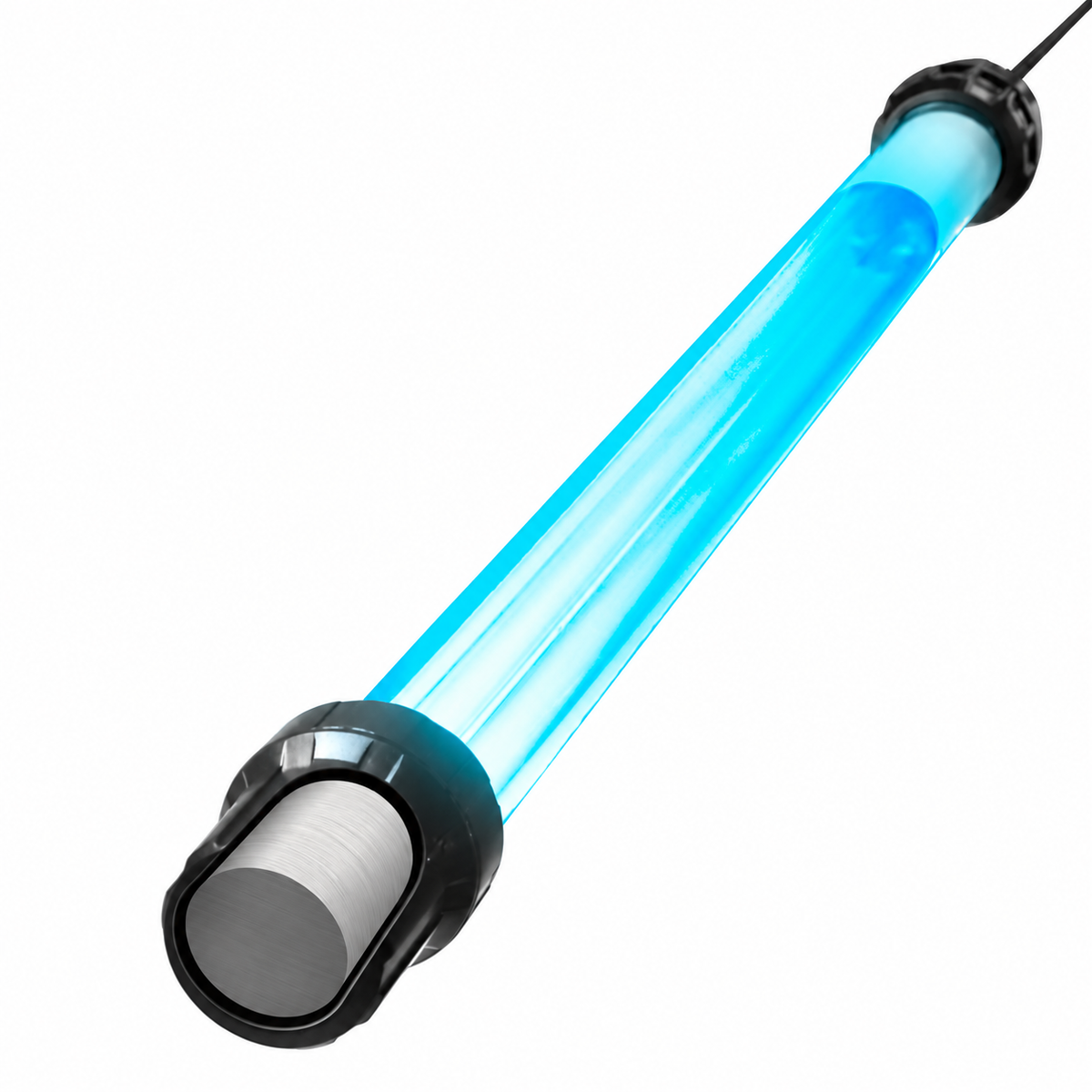
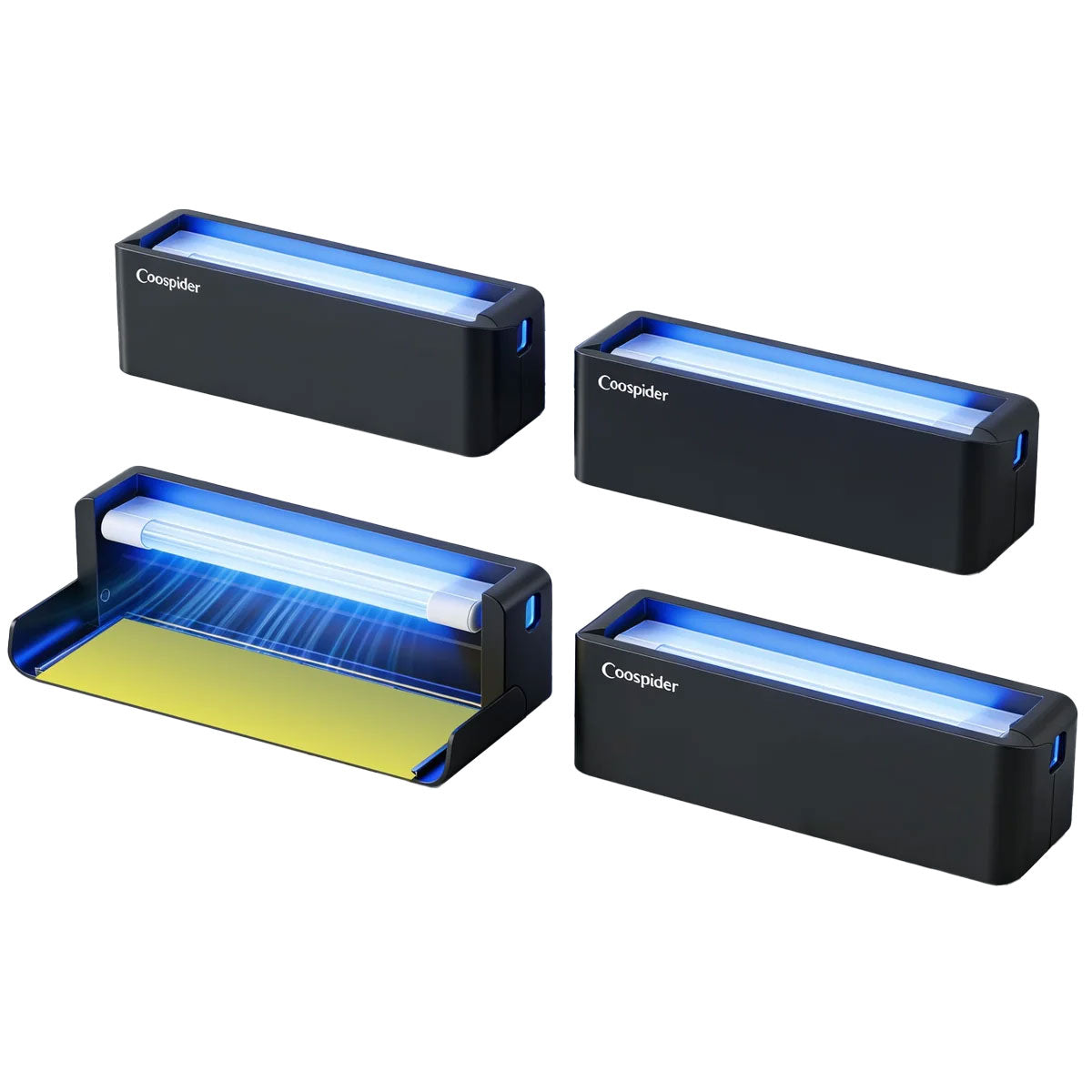
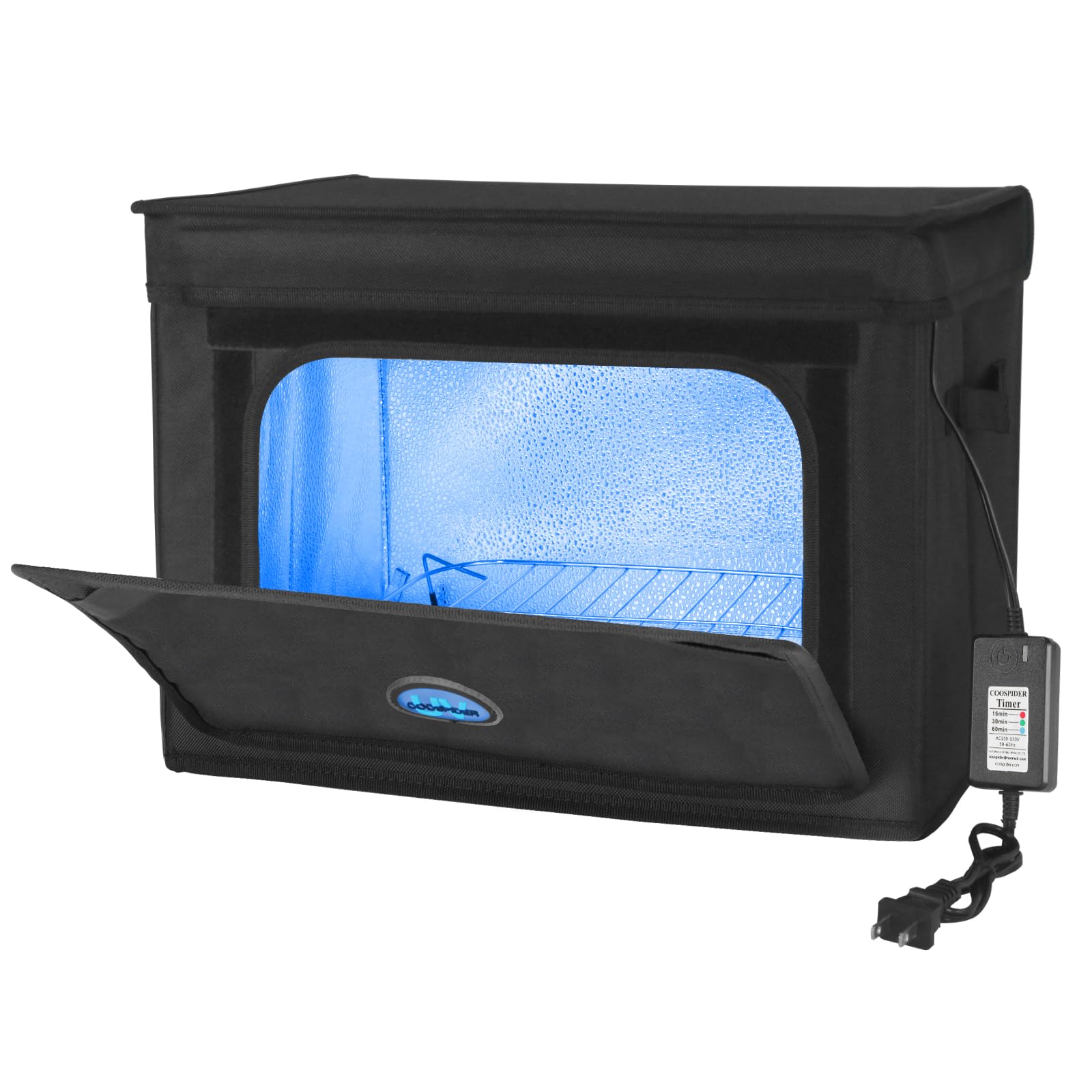
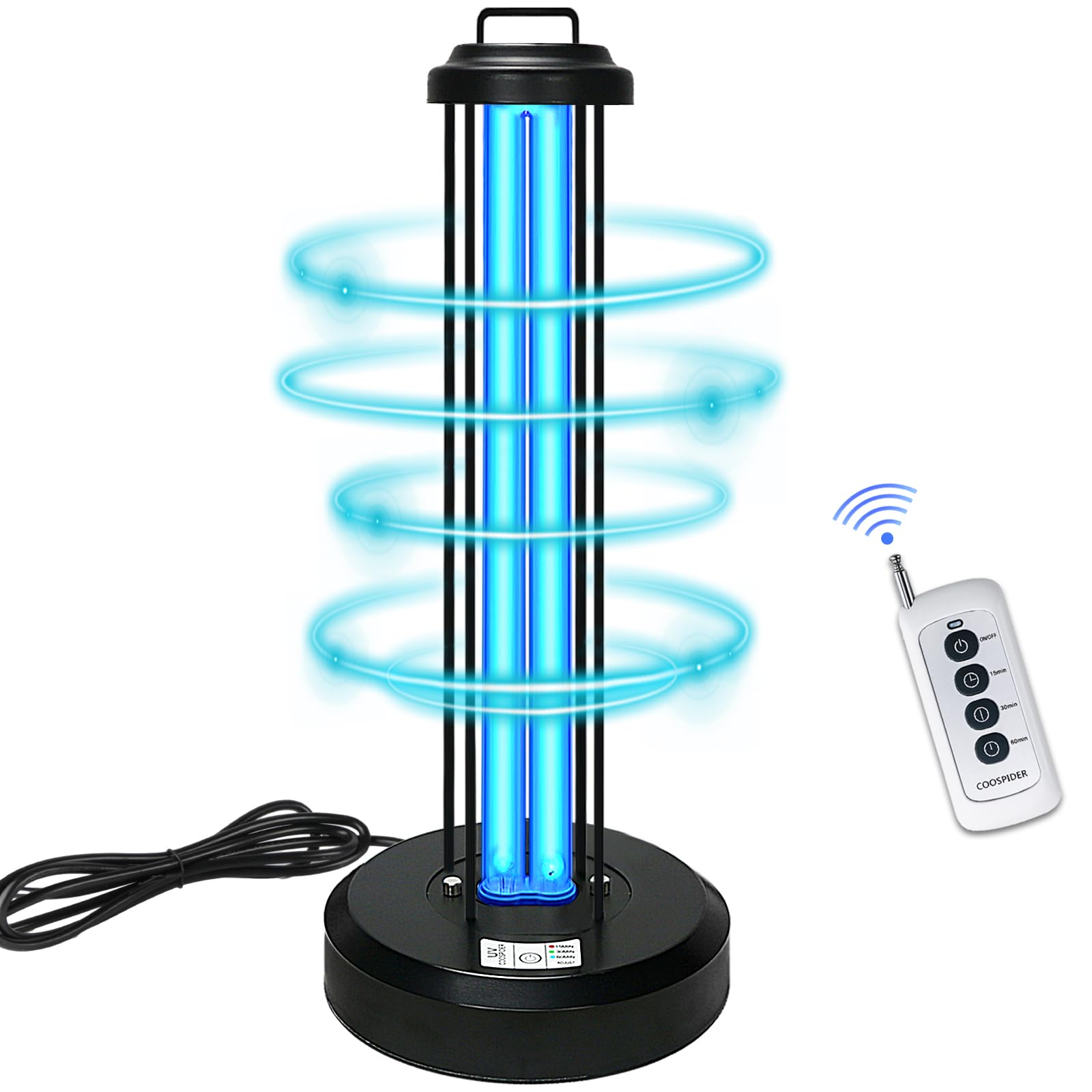
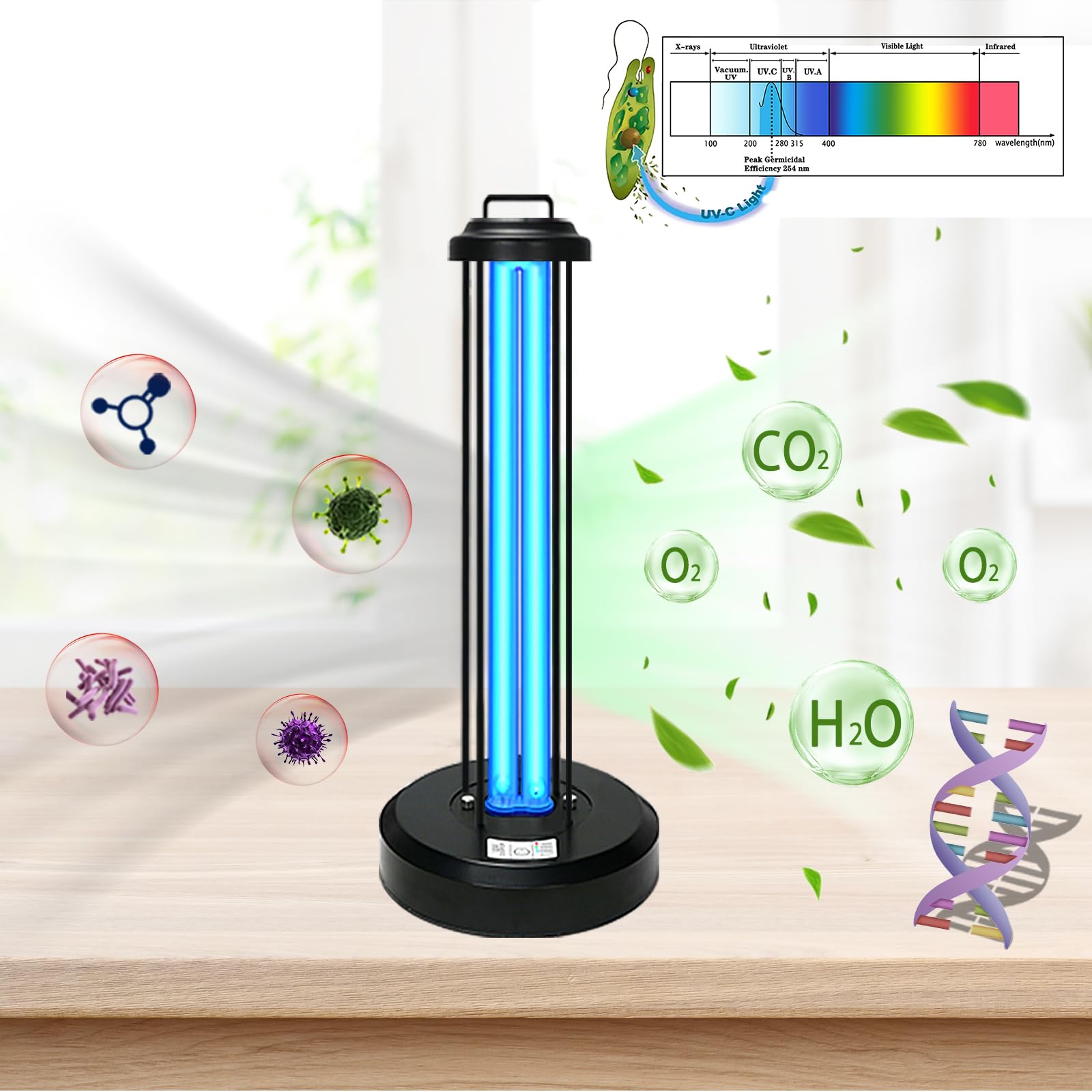
UV vacuum cleaners incorporate ultraviolet light—usually UV-C wavelength—into the cleaning head.
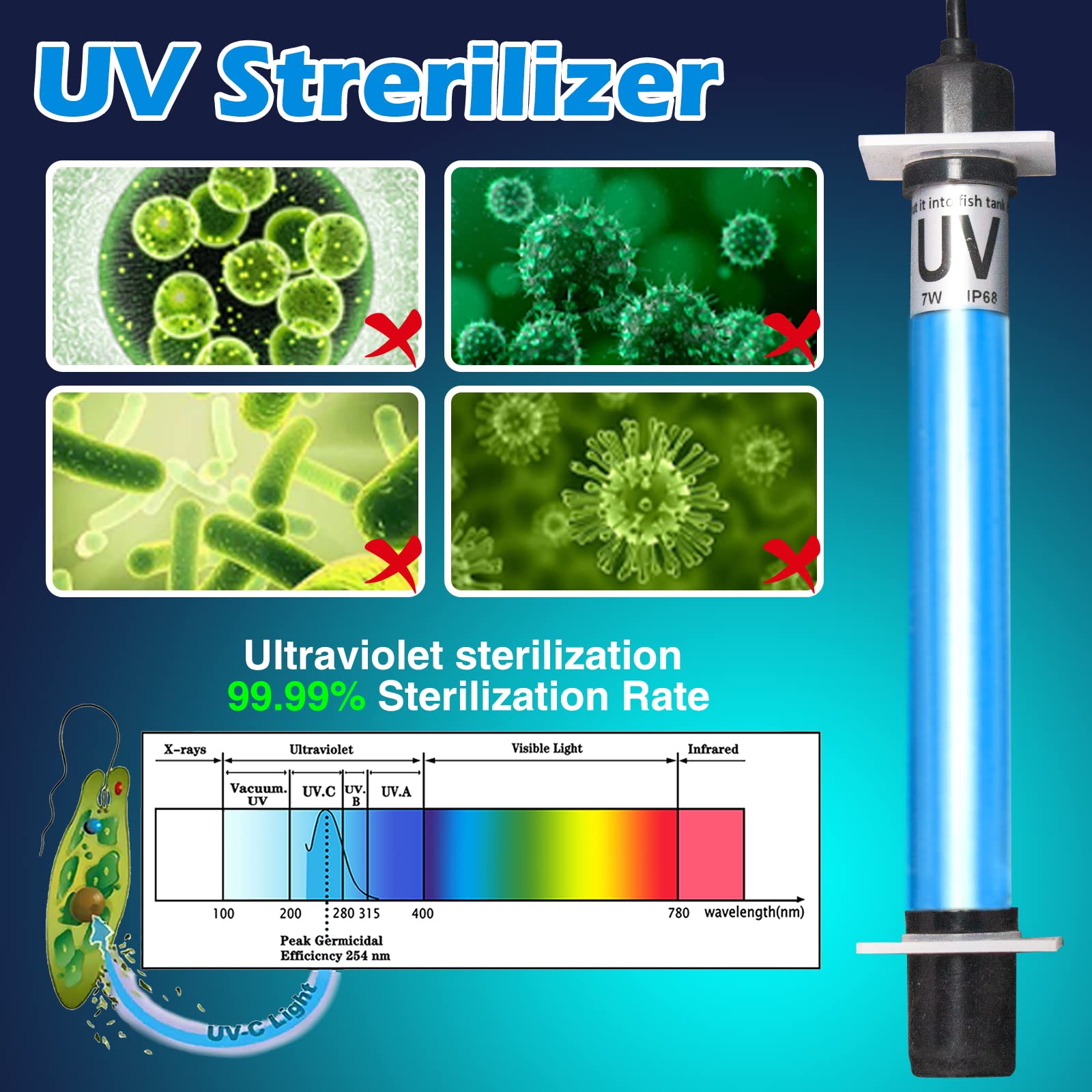
UV-C light has germicidal properties. It damages the DNA or RNA of microorganisms, preventing them from reproducing.
When properly applied, UV exposure can deactivate:
-
Dust mites
-
Bacteria
-
Mold spores
-
Certain viruses
-
Microscopic allergens
Unlike chemical disinfectants, UV treatment leaves no residue.
How UV Vacuum Cleaners Actually Work
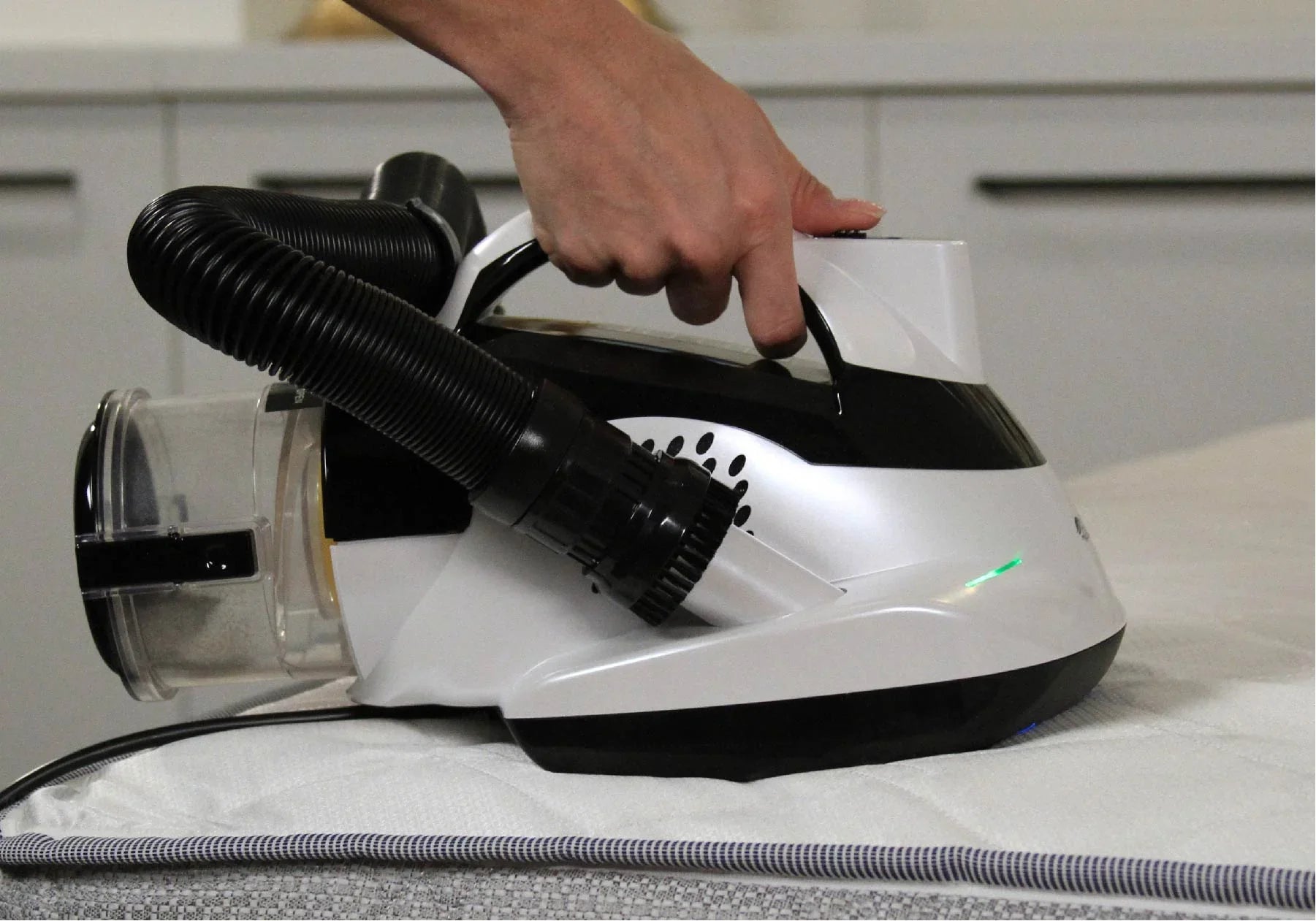
A UV-equipped vacuum combines multiple cleaning actions simultaneously.
Step 1: Mechanical Agitation
Motorized brush rolls vibrate or beat carpet fibers, loosening debris and disturbing dust mite habitats.
Step 2: UV Exposure
As the vacuum head passes over the surface, UV light irradiates exposed microorganisms.
Step 3: Powerful Suction
Dislodged particles are immediately pulled into the vacuum and trapped by filters.
Step 4: Filtration
HEPA or multi-layer filtration captures microscopic particles before air is released back into the room.
This combination is key. UV light alone cannot remove debris, and suction alone cannot deactivate microorganisms effectively.
The Science: Can UV Light Really Kill Dust Mites?
Yes—but with important conditions.
UV-C radiation can neutralize dust mites by disrupting cellular function and preventing reproduction. Laboratory studies confirm its effectiveness under controlled exposure.
However, real-world performance depends on several factors:
Exposure Time
UV light must remain in contact long enough to affect organisms. Moving the vacuum too quickly reduces effectiveness.
Distance From Surface
UV intensity drops rapidly with distance. The light must be positioned close to carpet fibers.
Shadowing Effect
Dust mites buried deep within thick carpets may be shielded from direct UV exposure.
Light Power Output
Not all UV vacuums emit sufficient intensity to achieve meaningful sanitation.
In short: UV technology works best as part of a system rather than a standalone solution.
Common Misconceptions About UV Vacuum Cleaners
Myth 1: UV Instantly Sterilizes Carpets
UV reduces microbial activity but does not instantly sterilize surfaces during a single pass.
Myth 2: Any UV Light Works
Only specific germicidal wavelengths are effective. Decorative or low-power UV lights provide little benefit.
Myth 3: UV Replaces Regular Cleaning
Vacuuming frequency still matters. Dust mite populations rebuild if cleaning stops.
Myth 4: UV Eliminates Allergies Completely
While it reduces allergen load, multiple environmental factors contribute to allergies.
Key Features That Make UV Vacuums Effective
When evaluating a UV-equipped vacuum, performance depends more on engineering than marketing claims.
Strong Suction Power
Deep extraction removes allergen particles after UV exposure.
Sealed HEPA Filtration
Prevents microscopic allergens from re-entering indoor air.
Vibrating or Beating Brush Design
Helps lift embedded particles from dense carpet fibers.
Safety Sensors
Many models automatically shut off UV light when lifted off surfaces to prevent accidental exposure.
Consistent UV Coverage
Wide lamp placement ensures uniform treatment across cleaning paths.
UV Vacuum Cleaners vs Traditional Vacuums
| Feature | Traditional Vacuum | UV Vacuum |
|---|---|---|
| Removes visible dirt | Yes | Yes |
| Targets dust mites | Limited | Enhanced |
| Reduces allergens | Moderate | Higher |
| Surface disinfection | No | Yes |
| Chemical-free sanitation | No | Yes |
| Deep carpet hygiene | Basic | Advanced |
Where UV Vacuum Technology Works Best
UV vacuums are especially useful in areas with high textile exposure.
Carpets and Rugs
Primary dust mite habitats benefit most from UV treatment.
Mattresses
Humans spend hours each night shedding skin cells—ideal conditions for mites.
Upholstered Furniture
Couches and chairs often harbor allergens overlooked during regular cleaning.
Pet Areas
Homes with pets accumulate additional dander that feeds mite populations.
The Role of UV in American Homes
Lifestyle patterns in the United States make UV cleaning particularly relevant.
Wall-to-Wall Carpeting
Many American homes still feature extensive carpeting, increasing allergen accumulation compared to hard flooring.
Indoor Living Habits
Air-conditioned environments keep windows closed for long periods, trapping indoor allergens.
Pet Ownership
High rates of pet ownership contribute to organic debris buildup.
Seasonal Allergies
Reducing indoor allergen sources helps offset outdoor pollen exposure.
Safety Considerations for UV Vacuums
UV-C light should never directly contact skin or eyes.
Fortunately, residential UV vacuums are designed with protective features.
Built-In Safety Mechanisms
Most devices include:
-
Tilt sensors
-
Auto shutoff switches
-
Shielded lamp housings
Proper Usage Tips
-
Keep the vacuum flat against surfaces during operation.
-
Avoid looking directly at the UV lamp.
-
Keep children from playing with the device while active.
When used correctly, UV vacuums are safe household tools.
How to Vacuum for Maximum Dust Mite Reduction
Technology alone is not enough; technique matters.
Move Slowly
Allow UV exposure time by vacuuming at a steady pace.
Overlap Cleaning Paths
Ensure full surface coverage.
Vacuum High-Traffic Areas Frequently
Two to three times per week is ideal for allergy-sensitive households.
Focus on Bedrooms
Mattresses and bedroom carpets hold the highest dust mite concentrations.
Empty and Clean Filters Regularly
A clogged system reduces performance.
Supporting Strategies Beyond UV Vacuuming
For best results, combine UV cleaning with environmental control.
Reduce Humidity
Dust mites thrive above 50% humidity. Maintain indoor levels between 30–50%.
Wash Bedding Weekly
Use hot water cycles to kill mites in fabrics.
Use Mattress and Pillow Covers
Allergen-proof encasements limit mite habitats.
Improve Ventilation
Fresh airflow reduces moisture buildup.
Who Benefits Most From UV Vacuum Technology?
UV-equipped vacuums are particularly valuable for:
-
Allergy sufferers
-
Families with asthma concerns
-
Pet owners
-
Homes with carpeting
-
Parents of young children
-
Individuals sensitive to chemical cleaners
Even households without allergies may appreciate improved hygiene and odor control.
Energy Use and Maintenance
UV lamps consume minimal electricity, typically comparable to a small appliance light.
Maintenance requirements include:
-
Periodic filter replacement
-
Cleaning brush rolls
-
Replacing UV bulbs according to manufacturer guidelines
Proper maintenance ensures consistent performance over time.
The Future of Smart Cleaning Technology
Home cleaning is evolving beyond visible dirt removal toward microbiological hygiene.
Emerging trends include:
-
Sensor-based allergen detection
-
Smart UV intensity adjustment
-
Combined UV and ultrasonic vibration systems
-
AI-guided cleaning paths
-
Integration with home air-quality monitoring
As awareness of indoor health grows, UV technology is becoming a defining feature of next-generation cleaning devices.
The Real Verdict: Do UV Vacuums Work?
The truth lies between skepticism and hype.
UV vacuum cleaners are not magic devices that instantly sterilize carpets. However, when designed properly and used consistently, they provide meaningful advantages:
-
Reduced dust mite activity
-
Lower allergen levels
-
Improved deep-cleaning performance
-
Chemical-free sanitation support
They work best as part of a comprehensive cleaning strategy rather than a single solution.
Conclusion: Cleaning Beyond What You Can See
A clean home today means more than removing crumbs and dust. It means addressing the invisible ecosystem living within fabrics and carpets.
UV vacuum technology represents a shift toward deeper hygiene—combining mechanical cleaning with scientific disinfection principles. For American households dealing with allergies, pets, or heavy carpet use, this added layer of protection can make a noticeable difference in comfort and indoor air quality.
The question is no longer whether vacuum cleaners can pick up dirt. Modern homeowners are asking whether their cleaning tools can address microscopic contaminants as well.
If your vacuum includes UV technology—and you use it correctly—you may already be taking a significant step toward a healthier, fresher living environment, one cleaning session at a time.