Introduction: The Hidden Hygiene Problem Sitting on Your Kitchen Counter
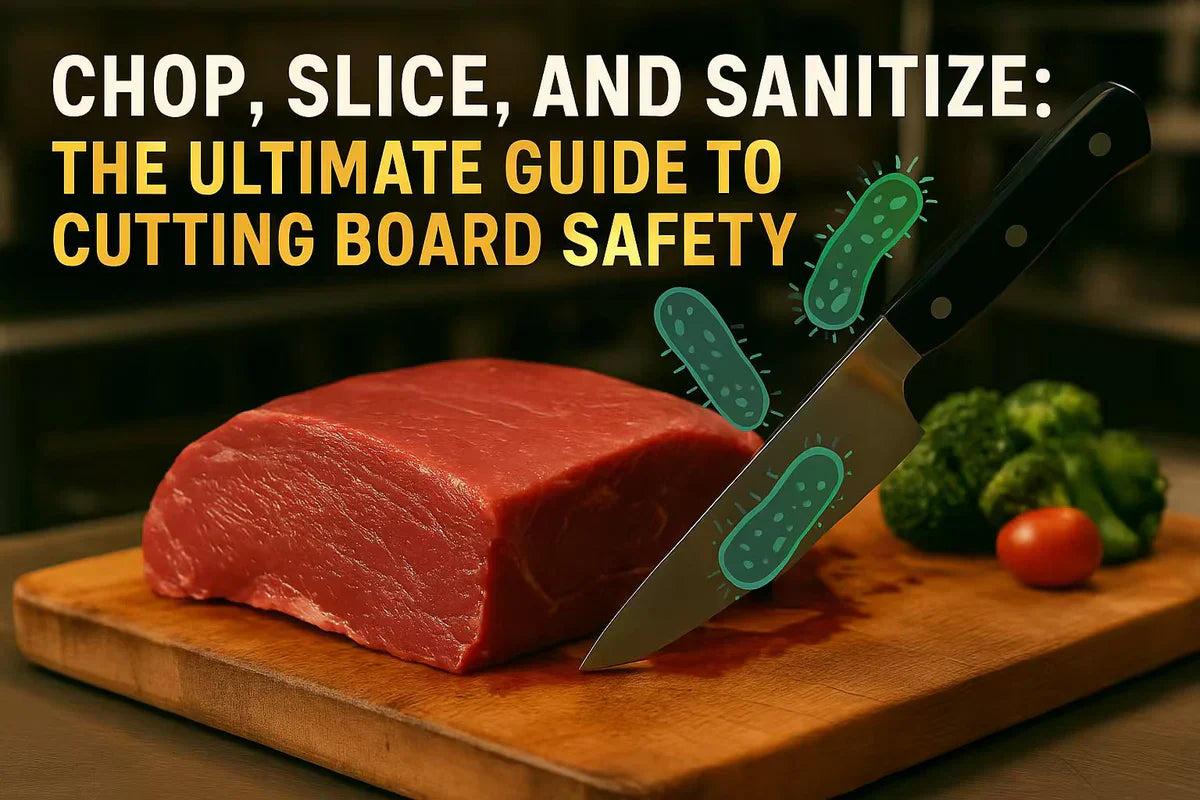
In many American households, the kitchen represents comfort, creativity, and daily family connection. Yet one of the most frequently used kitchen tools—the cutting board—can quietly become one of the most contaminated surfaces in the home.
While countertops and sinks receive regular cleaning, knives and cutting boards often remain damp, improperly stored, or insufficiently sanitized after food preparation. Over time, microscopic cuts in boards and moisture trapped around knife blades create ideal environments for bacterial growth.
Traditional cleaning methods help, but they don’t always address deeper sanitation challenges. This is why UV knife sterilizer racks are becoming increasingly popular across modern American kitchens. These devices combine organized storage with ultraviolet sanitation technology designed to reduce microbial buildup on knives and surrounding tools.
This guide explores why kitchen hygiene matters more than ever, how UV sterilization works, and how families can safely integrate UV knife racks into everyday routines.
Why Cutting Boards Become Bacterial Hotspots
Cutting boards experience repeated exposure to raw ingredients, moisture, and physical abrasion.
Micro-Grooves: Invisible Risk Zones
Every knife cut leaves microscopic grooves in the board surface. Even when boards appear clean, these tiny channels can trap:
-
Food particles
-
Moisture
-
Oils
-
Bacteria
Over time, standard rinsing may fail to fully remove contaminants.
Cross-Contamination in Everyday Cooking
Many households prepare multiple foods in sequence:
-
Raw meat
-
Vegetables
-
Fruits
-
Cooked foods
Without thorough sanitation between uses, bacteria can transfer from one food type to another.
Moisture and Storage Problems
After washing, knives are often placed into closed blocks while still damp. Dark, enclosed environments allow microbes to multiply rapidly.
Knife slots inside traditional wooden blocks are especially difficult to clean.
The Limits of Traditional Cleaning Methods
Common cleaning habits provide partial protection but leave gaps.
Soap and Water
Effective for removing visible residue but may not eliminate microorganisms hidden in grooves.
Dishwasher Cleaning
High heat helps sanitize cutting boards but repeated dishwasher use may warp wood or degrade materials.
Air Drying
Drying reduces moisture but does not actively disinfect surfaces.
Many households unknowingly rely on cleaning methods designed for appearance rather than sanitation.
What Is UV Sterilization Technology?
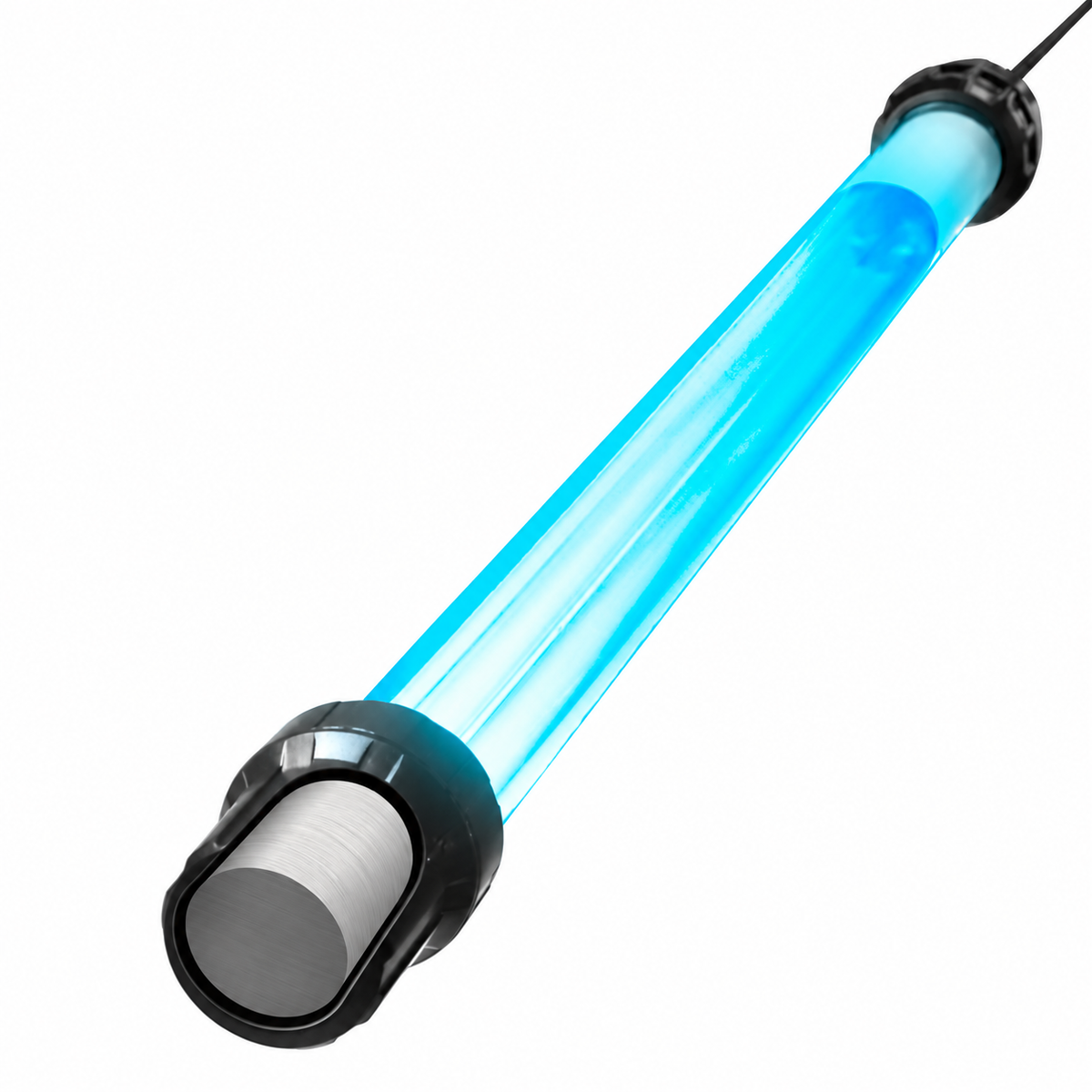
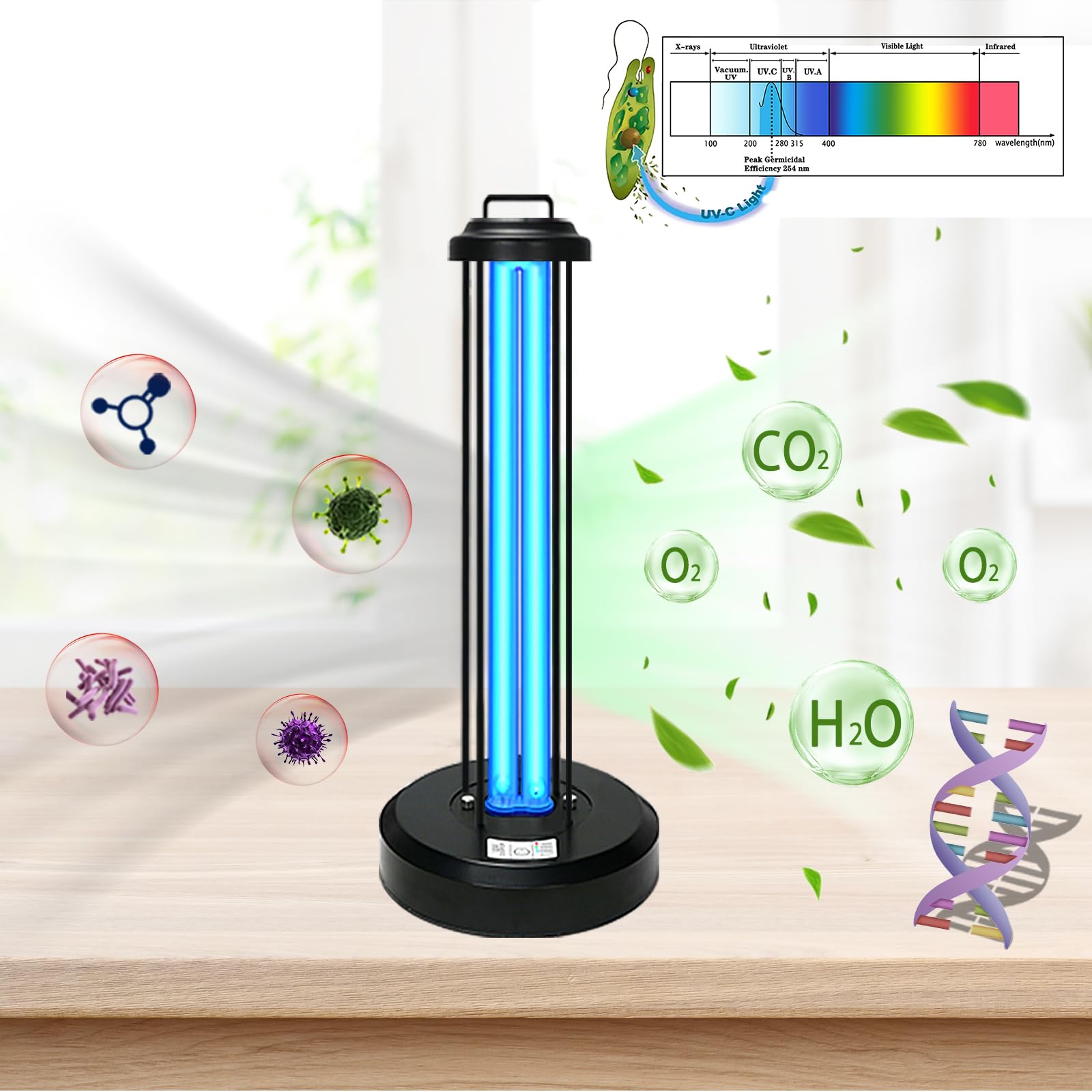
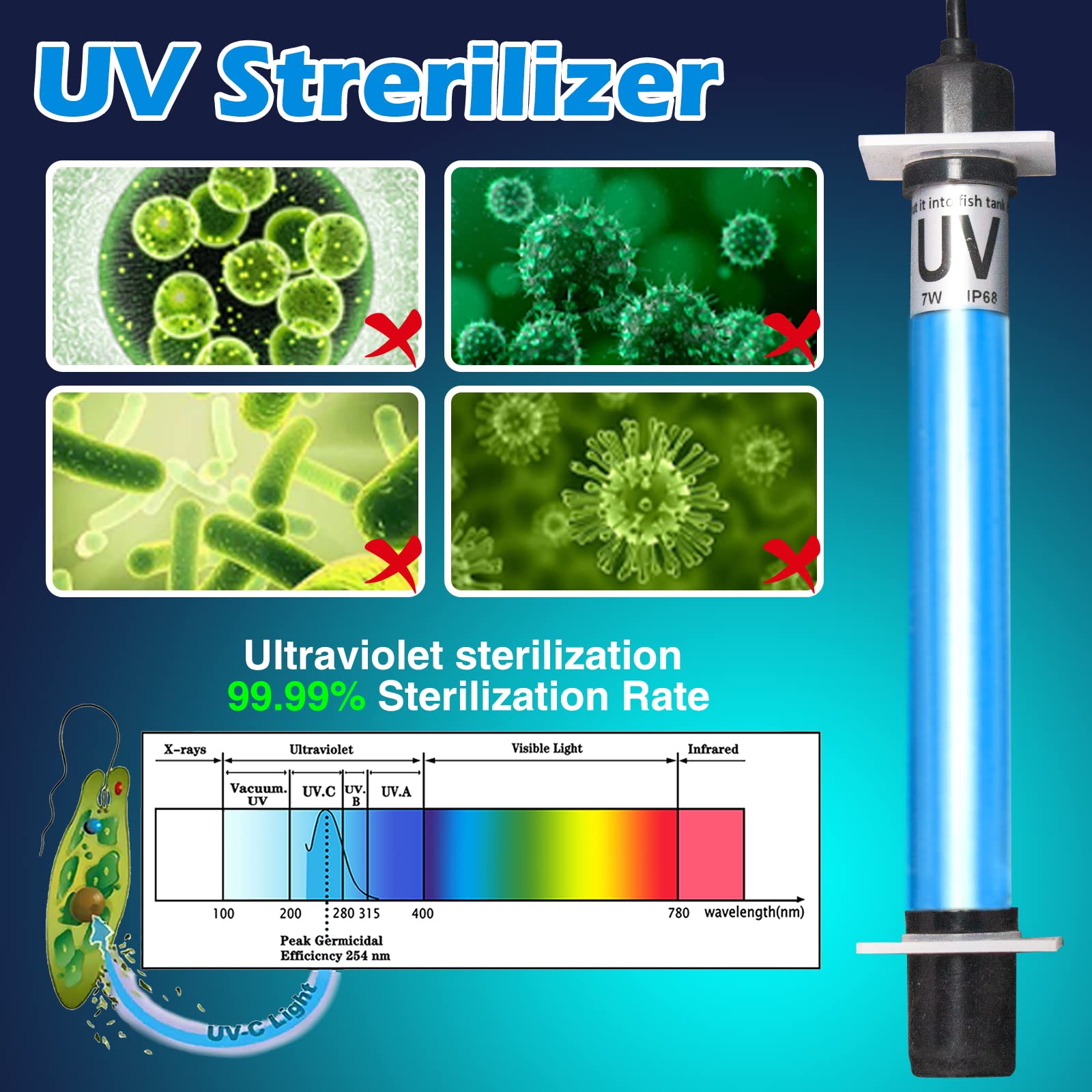
Ultraviolet sterilization uses short-wavelength ultraviolet light to disrupt microbial DNA, preventing bacteria and other microorganisms from reproducing.
UV sanitation has long been used in:
-
Hospitals
-
Laboratories
-
Water purification systems
-
Food processing facilities
Modern consumer devices adapt this technology for home use safely and conveniently.
How UV Knife Sterilizer Racks Work
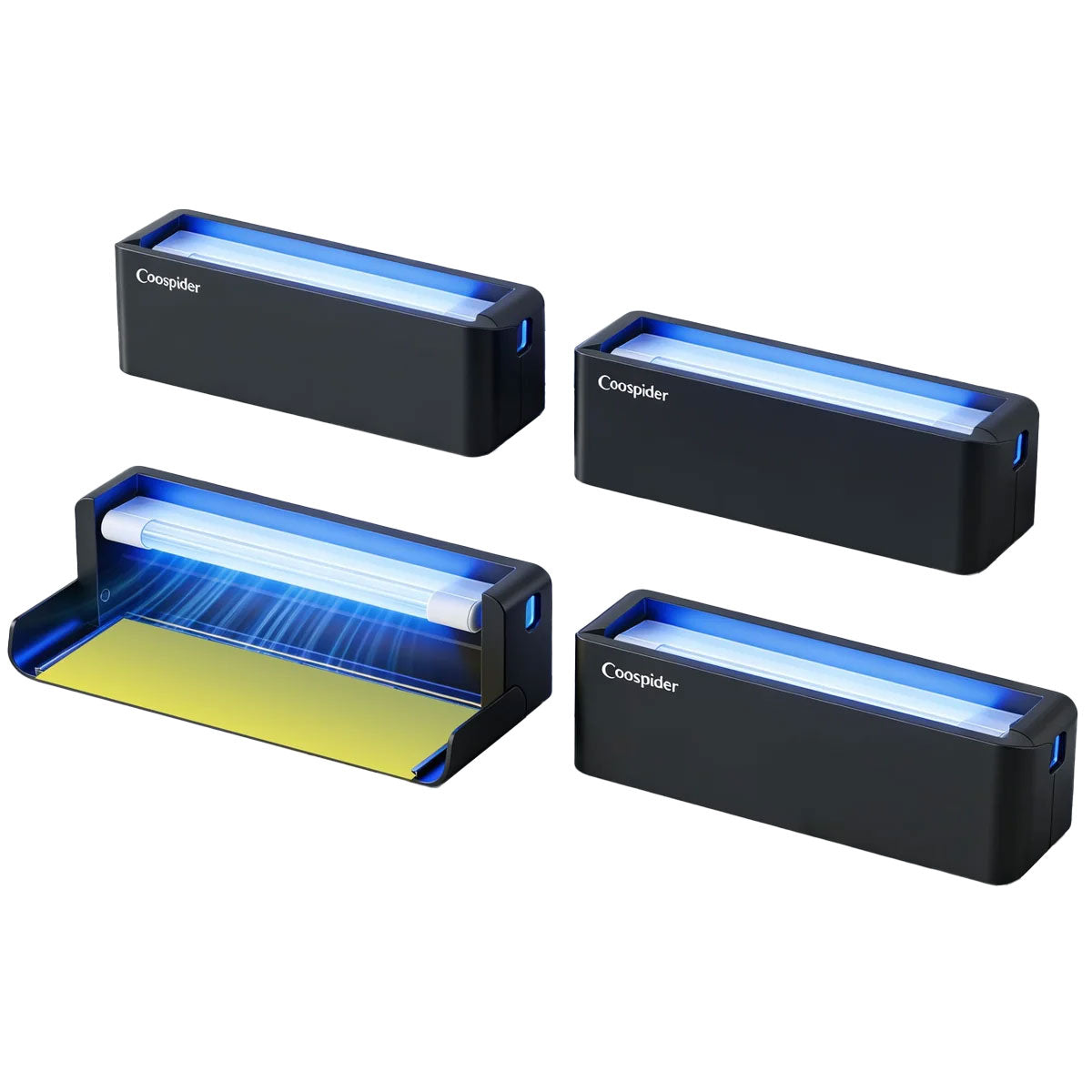
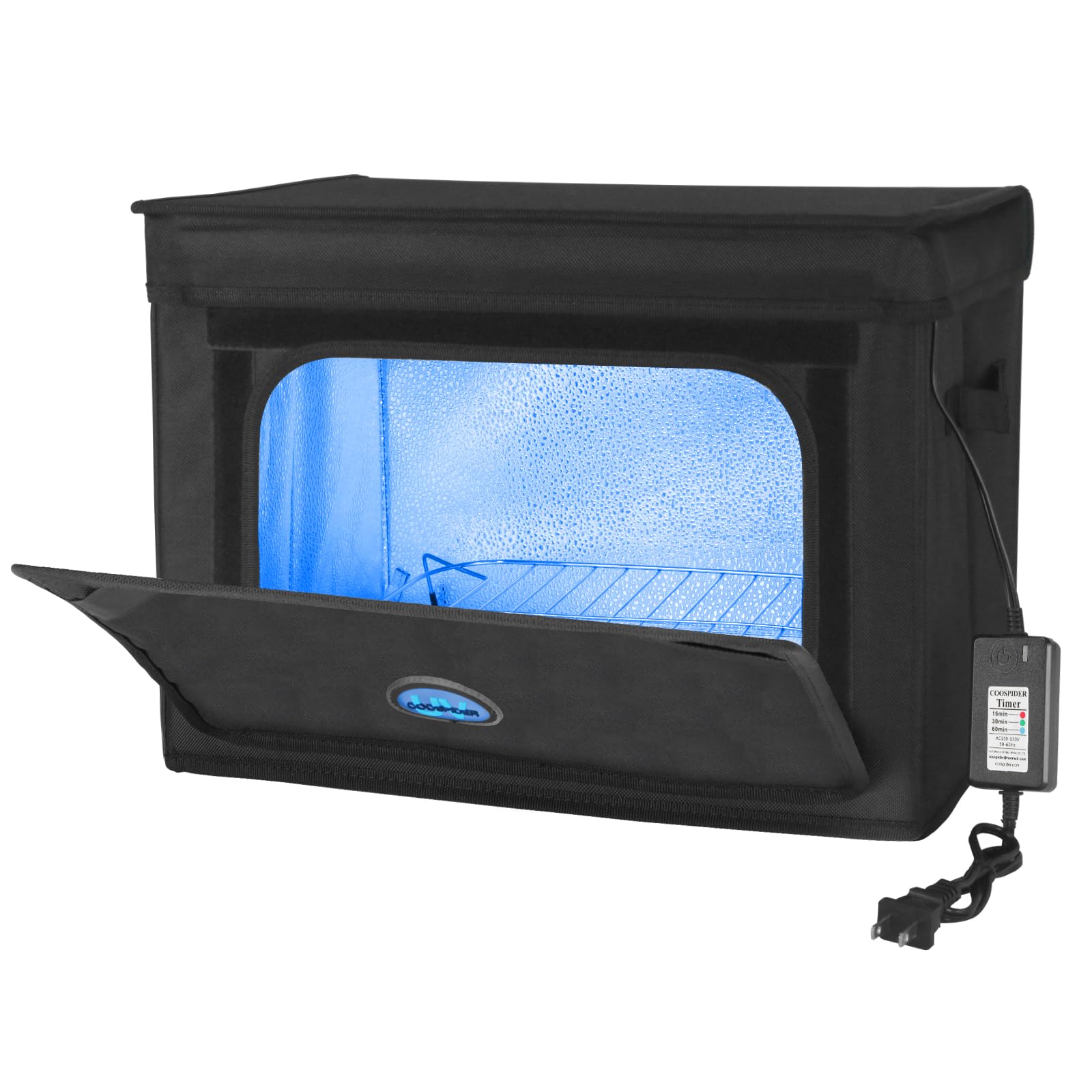
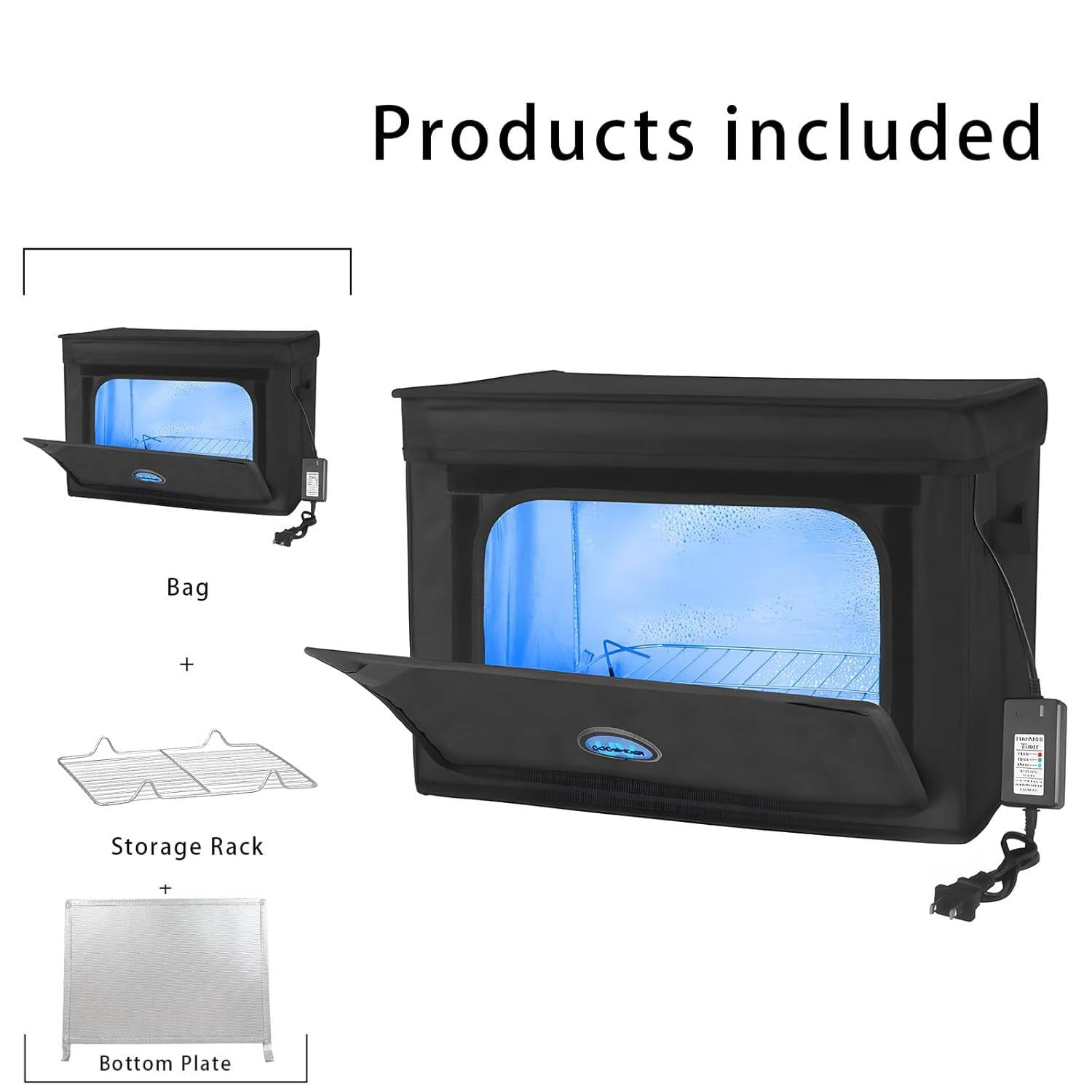
A UV knife rack combines storage and sanitation into one appliance.
Typical operation includes:
-
Knives are placed into designated slots.
-
Built-in UV lamps activate automatically.
-
Light reaches blade surfaces and surrounding interior spaces.
-
A timed cycle completes sanitation.
-
Automatic shutoff ensures safety.
Some models also incorporate drying systems that remove residual moisture before sterilization begins.
Why UV Storage Is Different From Traditional Knife Blocks
Traditional knife blocks prioritize organization but not hygiene.
UV racks improve safety through:
-
Open airflow design
-
Active sanitation cycles
-
Reduced moisture retention
-
Enclosed light chambers
Instead of storing contamination, they actively reduce microbial buildup.
Benefits of UV Knife Sterilizer Racks for American Families
Improved Kitchen Hygiene
Regular sanitation helps reduce bacteria transferred between meals.
Convenience
Automatic cycles eliminate the need for manual disinfection routines.
Organized Countertops
Modern designs streamline knife storage while improving accessibility.
Peace of Mind
Families gain confidence when preparing meals for children, guests, or individuals with sensitive immune systems.
Understanding UV Safety in Household Devices
Many homeowners initially worry about UV exposure.
Consumer UV knife racks are designed with safety features such as:
-
Enclosed chambers
-
Automatic shutoff when opened
-
Timed operation cycles
-
Shielded light sources
When used correctly, UV light remains contained inside the device.
Types of UV Knife Sterilizer Designs
Vertical Rack Systems
Compact designs suitable for smaller kitchens.
Wall-Mounted Units
Ideal for maximizing counter space.
Integrated Drying Models
Combine warm air circulation with UV sanitation.
Multi-Tool Sterilizers
Accommodate scissors, utensils, and small kitchen tools.
Choosing the right design depends on kitchen layout and cooking habits.
Materials That Benefit Most From UV Storage
Certain tools particularly benefit from UV sanitation.
Stainless Steel Knives
Smooth surfaces allow effective light exposure.
Plastic Cutting Tools
UV helps reduce odor-causing bacteria.
Silicone Utensils
Moisture retention makes sanitation useful.
Wooden Handles
Drying functions help reduce moisture accumulation.
Incorporating UV Sanitization Into Daily Kitchen Routines
Adopting UV storage does not replace cleaning—it enhances it.
Recommended workflow:
-
Wash knives normally after use.
-
Dry lightly.
-
Place tools into UV rack.
-
Allow sanitation cycle to complete.
Consistency delivers best results.
Choosing the Right UV Knife Sterilizer Rack
Key factors to consider include:
Capacity
Match storage size to household cooking frequency.
Drying Function
Helps prevent moisture-related bacteria growth.
Build Quality
Durable materials improve longevity.
Noise Level
Quiet operation suits open kitchen environments.
Energy Efficiency
Modern units typically use minimal electricity.
Placement Tips for Maximum Effectiveness
Install UV racks:
-
Away from sink splashes
-
Near food preparation areas
-
On stable, ventilated surfaces
-
Within easy daily reach
Convenience encourages consistent use.
Common Misconceptions About UV Kitchen Devices
“UV Replaces Cleaning”
False. Physical cleaning removes debris; UV reduces microorganisms afterward.
“UV Damages Knives”
Properly designed devices do not affect blade sharpness or structure.
“Only Needed for Professional Kitchens”
Home kitchens benefit equally due to frequent daily use.
Cutting Board Hygiene Still Matters
UV knife racks complement—not replace—cutting board care.
Best practices include:
-
Using separate boards for meat and produce
-
Regular deep cleaning
-
Allowing boards to dry vertically
-
Replacing heavily worn boards
Combining habits creates stronger hygiene protection.
The Role of Drying in Bacterial Prevention
Moisture is one of the strongest contributors to microbial growth.
UV racks with drying functions help by:
-
Circulating air
-
Reducing humidity
-
Preventing enclosed damp environments
Dry tools stay cleaner longer.
Families That Benefit Most From UV Knife Sterilization
While useful for any home, UV sanitation is especially helpful for:
-
Families cooking daily
-
Households with young children
-
Meal-prep enthusiasts
-
Raw meat–heavy cooking routines
-
Shared kitchens with multiple users
Higher usage increases hygiene importance.
Maintenance of UV Knife Racks
Proper maintenance ensures consistent performance.
Monthly Cleaning
Wipe interior surfaces with dry cloth after unplugging device.
Lamp Inspection
UV lamps gradually lose effectiveness over time and may require replacement according to manufacturer guidance.
Ventilation Checks
Ensure airflow openings remain unobstructed.
Energy Use and Cost Considerations
Most UV racks consume very little electricity due to short operating cycles.
Compared with potential food waste or illness risks, operating costs remain minimal.
Kitchen Design Trends Driving Adoption
Modern American kitchens increasingly emphasize:
-
Smart appliances
-
Hygiene-focused design
-
Minimalist organization
-
Multi-functional tools
UV knife sterilizers align with these evolving priorities.
Environmental Advantages
Improved sanitation reduces reliance on chemical disinfectants.
Benefits include:
-
Less chemical residue
-
Reduced disposable wipes
-
Lower environmental impact
-
Sustainable cleaning routines
Technology replaces excess chemical use.
Signs Your Kitchen May Need Improved Tool Sanitation
Consider upgrading hygiene practices if you notice:
-
Persistent cutting board odors
-
Sticky knife handles after washing
-
Mold spots near storage areas
-
Frequent dampness inside knife blocks
-
Difficulty maintaining freshness
These signs often indicate hidden moisture and bacteria issues.
Building a Safer Kitchen Culture
Technology works best alongside mindful habits.
Encourage:
-
Immediate cleaning after cooking
-
Proper drying routines
-
Organized storage
-
Regular kitchen inspections
Small routines create lasting safety improvements.
The Future of Kitchen Hygiene Technology
Innovation continues expanding in home sanitation.
Emerging developments include:
-
Smart sensor activation
-
App-connected hygiene monitoring
-
Energy-optimized UV cycles
-
Integrated kitchen ecosystem appliances
Home kitchens increasingly adopt professional-grade sanitation concepts.
Conclusion: Smarter Storage Leads to Safer Cooking
Cutting boards and kitchen knives play essential roles in daily cooking, yet they also present overlooked hygiene challenges. Moisture, microscopic grooves, and enclosed storage environments can transform everyday tools into bacterial hotspots if not properly managed.
UV knife sterilizer racks offer a practical solution by combining organized storage, drying, and ultraviolet sanitation into a single routine-friendly device. When paired with good cleaning habits, they help maintain cleaner tools, reduce contamination risks, and support healthier food preparation environments.
As American households continue prioritizing wellness, convenience, and smart home solutions, UV sanitation technology is becoming less of a luxury and more of a practical kitchen upgrade.
By preventing problems before they develop, families can enjoy cooking with greater confidence—knowing their tools are not only clean to the eye but hygienically maintained where it matters most.