Introduction: The Hidden Problem Beneath American Homes
For millions of homeowners across the United States, the basement is both a blessing and a challenge. It offers valuable storage space, extra living areas, home gyms, workshops, and even rental potential. Yet beneath its convenience lies one of the most persistent household problems in America: basement odors caused by mold and mildew.
That familiar musty smell is more than an annoyance. It signals excess moisture, microbial growth, and declining indoor air quality. In many regions—from humid Midwest summers to rainy Pacific Northwest climates and damp Northeast winters—basements naturally create conditions where mold thrives.
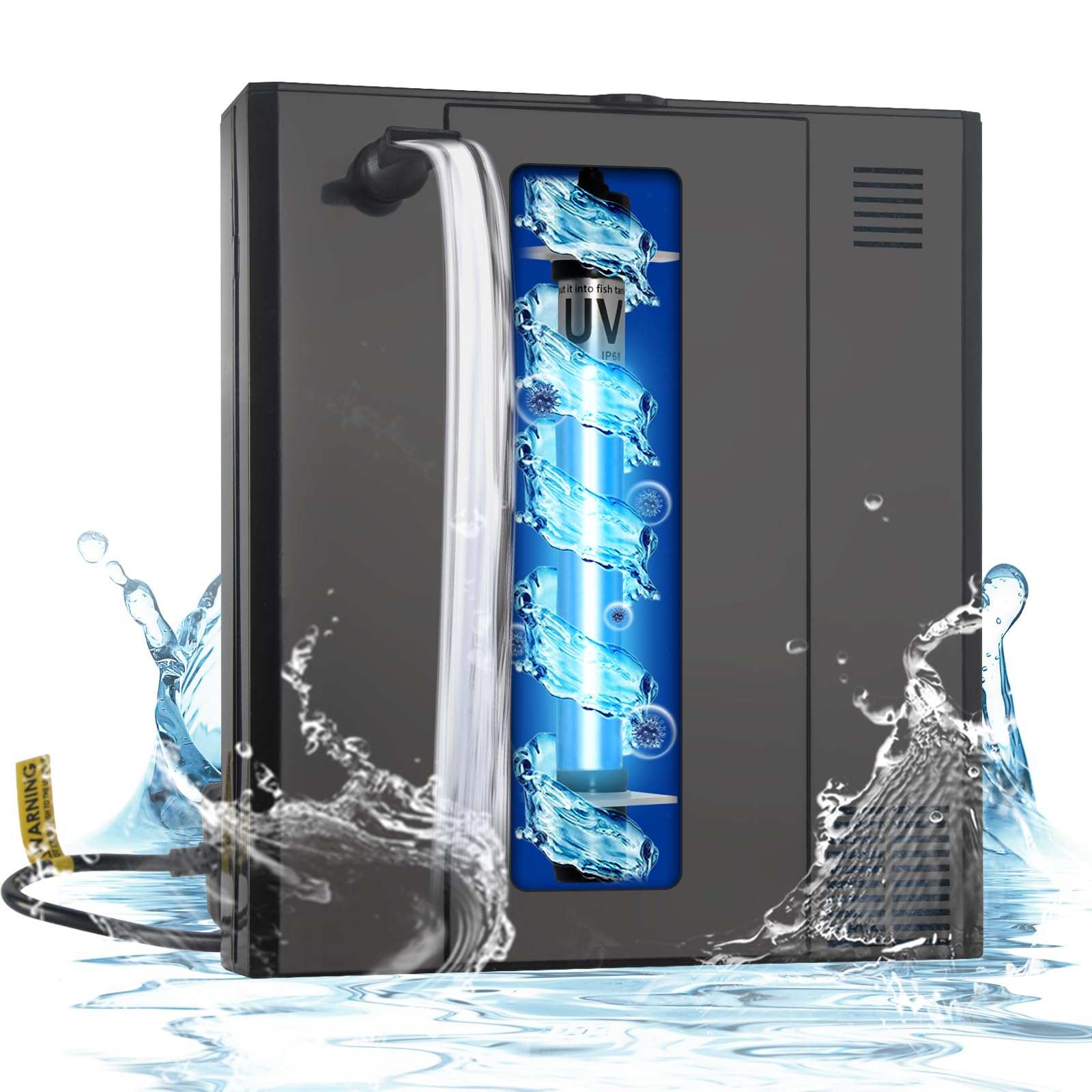
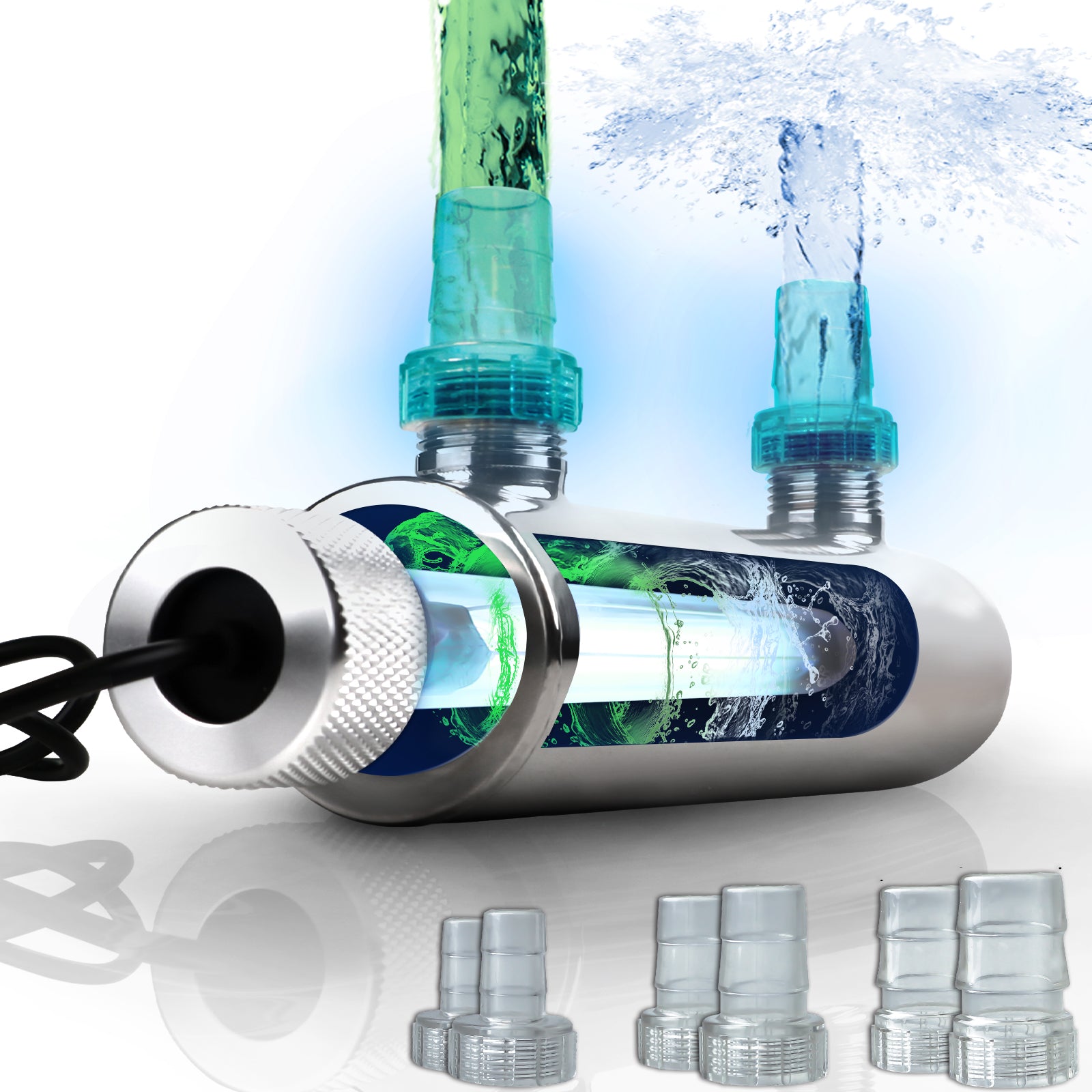
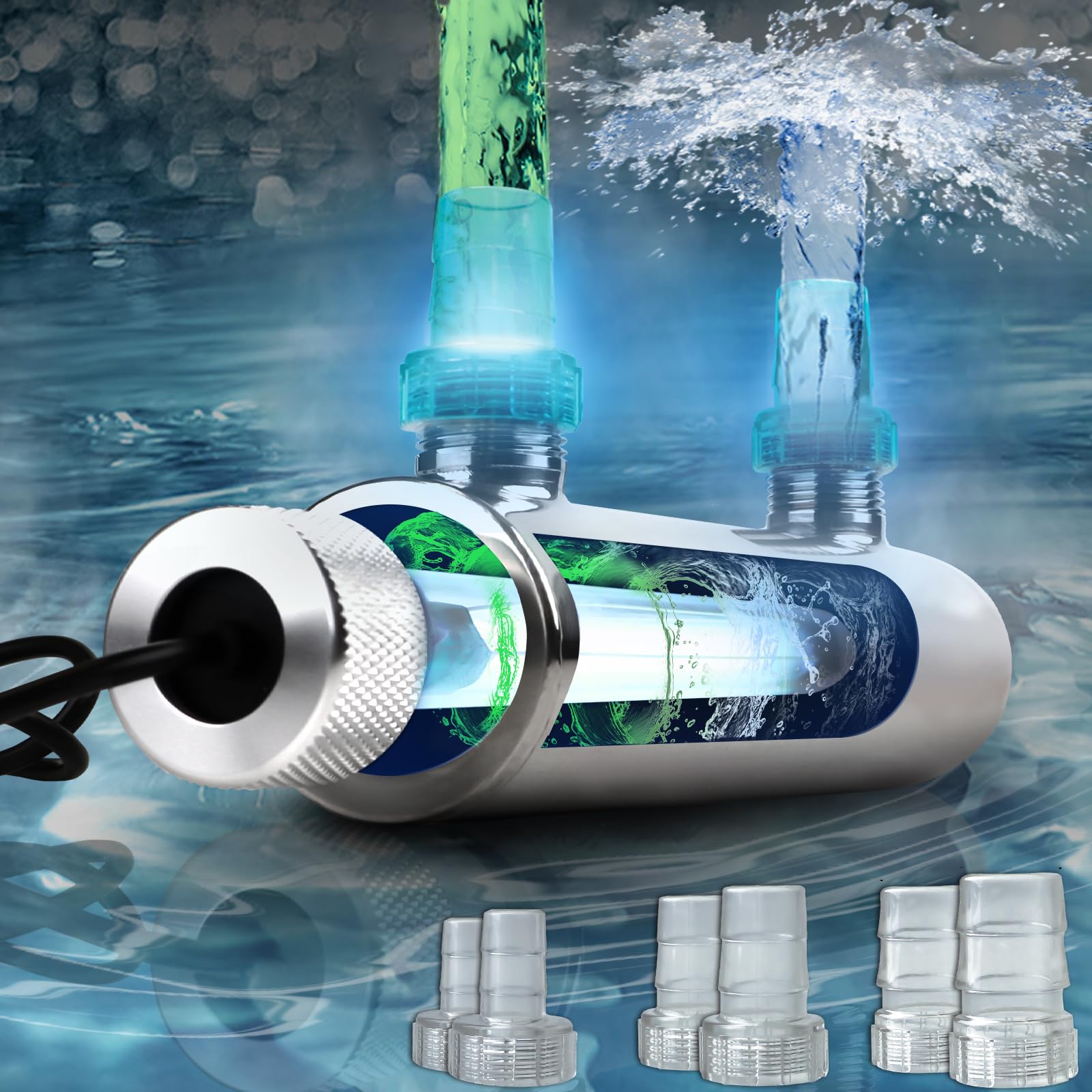
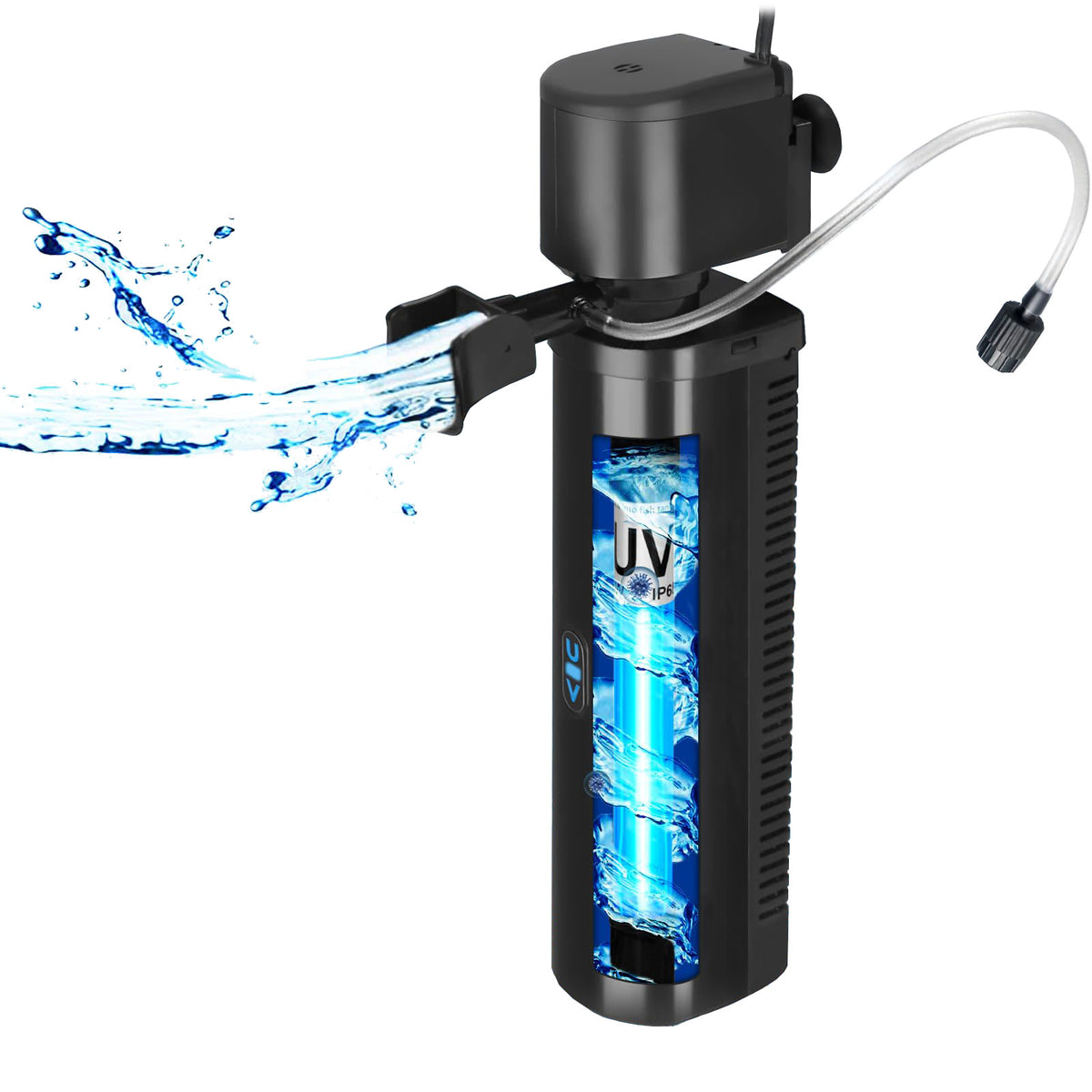
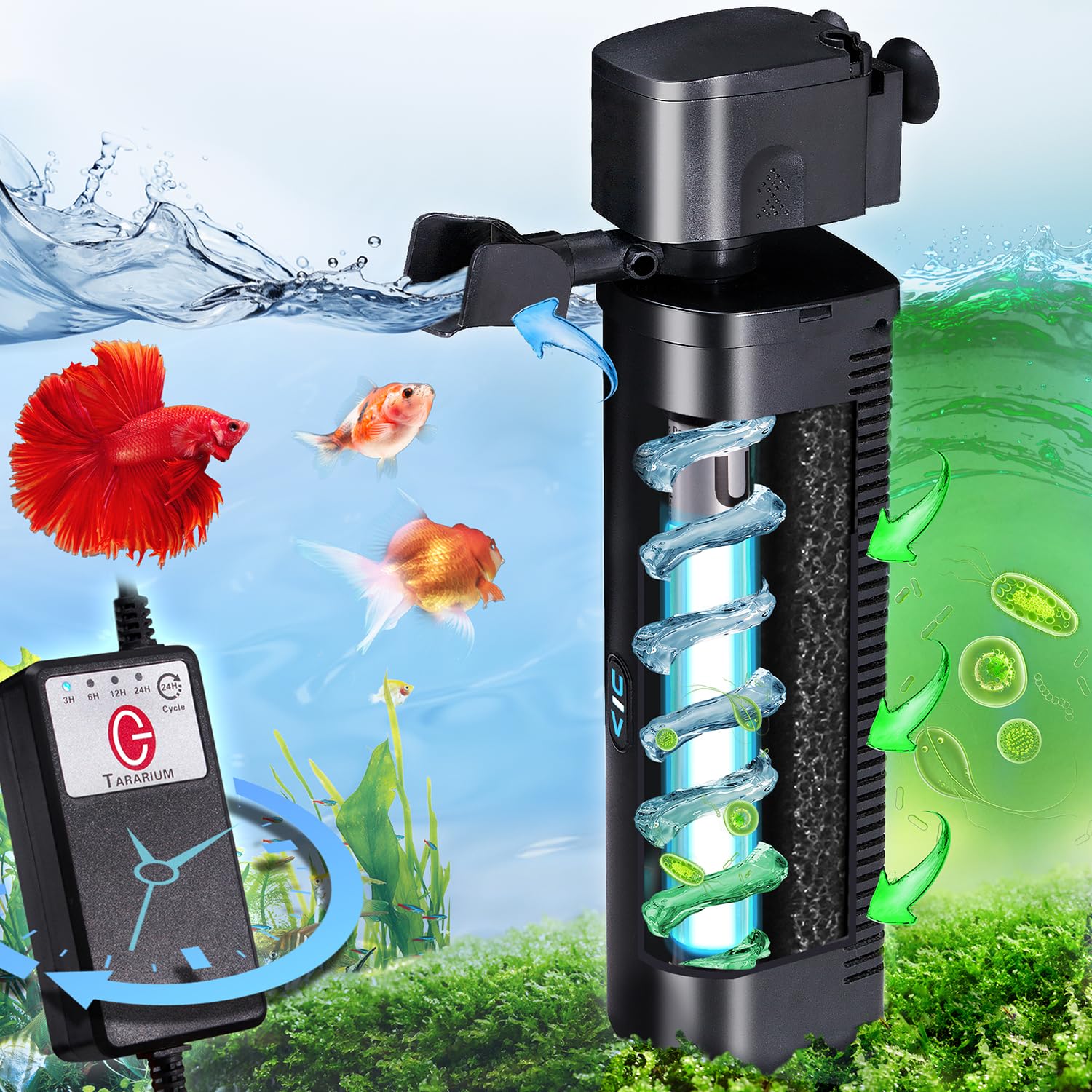
Traditional solutions like dehumidifiers, chemical cleaners, and ventilation improvements help, but they often treat symptoms rather than root causes. Recently, homeowners have begun turning to an innovative approach once reserved for hospitals and laboratories: ultraviolet (UV) technology.
UV-based systems are changing how families tackle basement mold, odors, and airborne contaminants. This article explores why basement mold is so common in American homes, how UV technology works, and how homeowners can safely use it to create cleaner, fresher, healthier living spaces.
Why Basements Develop Odors So Easily
Before understanding the solution, it’s important to understand the environment that allows mold to flourish.
1. Natural Moisture Migration
Basements sit below ground level, meaning surrounding soil constantly pushes moisture toward foundation walls. Even well-built homes experience:
-
Vapor diffusion through concrete
-
Small foundation cracks
-
Seasonal groundwater pressure
-
Condensation from temperature differences
Concrete may feel solid, but it is porous. Over time, moisture slowly enters basement spaces.
2. Poor Air Circulation
Unlike upper floors, basements often lack adequate airflow. Limited windows, closed doors, and stagnant air allow humidity to linger. Without circulation, moisture accumulates and mold spores settle on surfaces.
3. Temperature Differences
Cool basement air meets warm indoor air during summer months. This temperature contrast creates condensation on pipes, walls, and floors—perfect conditions for mold colonies.
4. Organic Materials Everywhere
Cardboard boxes, wooden framing, carpets, drywall, and stored furniture provide organic material mold feeds on. Once moisture appears, growth can begin within 24–48 hours.
The Real Source of Basement Odors
Many homeowners assume odors come from “old air” or lack of cleaning. In reality, basement smells usually originate from microbial volatile organic compounds (MVOCs).
These compounds are gases released by mold during growth. Even small mold colonies hidden behind drywall or under flooring can produce strong odors.
Common signs include:
-
Musty or earthy smell
-
Allergy-like symptoms indoors
-
Persistent damp feeling
-
Odors returning after cleaning
-
White, green, or black spotting on surfaces
Air fresheners mask the smell temporarily, but they do not eliminate mold spores or microbial activity.
Traditional Mold Solutions—and Their Limitations
American households have relied on several common methods for decades.
Dehumidifiers
Dehumidifiers reduce moisture levels and are essential for prevention. However, they do not kill existing mold spores or disinfect surfaces.
Chemical Cleaners
Bleach and antimicrobial sprays can remove visible mold, but they often fail to penetrate porous materials like wood or drywall. Mold frequently returns.
Ventilation Improvements
Adding vents or fans improves airflow but may introduce humid outdoor air during summer, worsening the problem in certain climates.
Professional Remediation
Professional mold removal is effective but expensive. Costs can range from hundreds to thousands of dollars depending on severity.
Homeowners increasingly want a preventative solution rather than repeated treatments. This is where UV technology enters the picture.
What Is UV Technology?
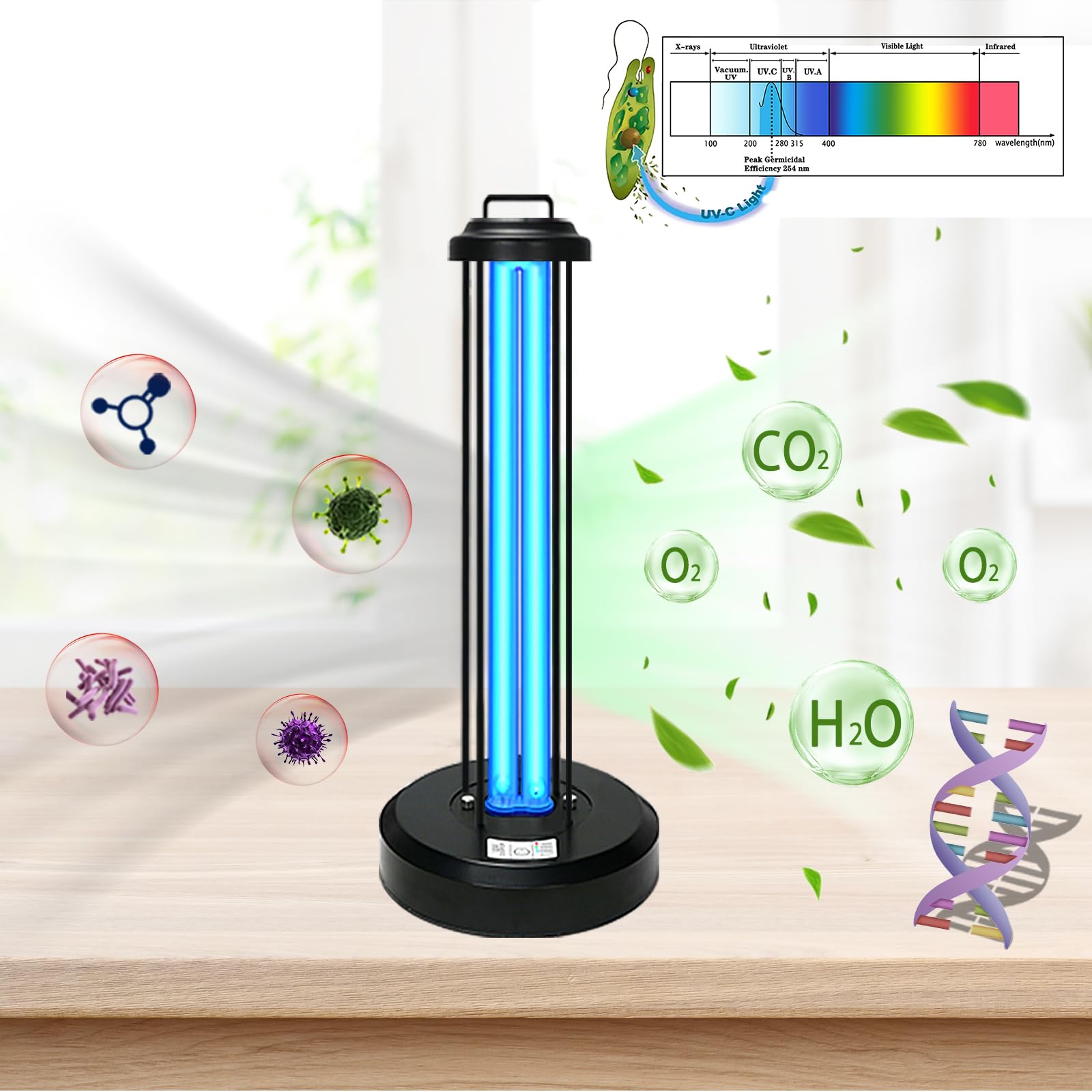
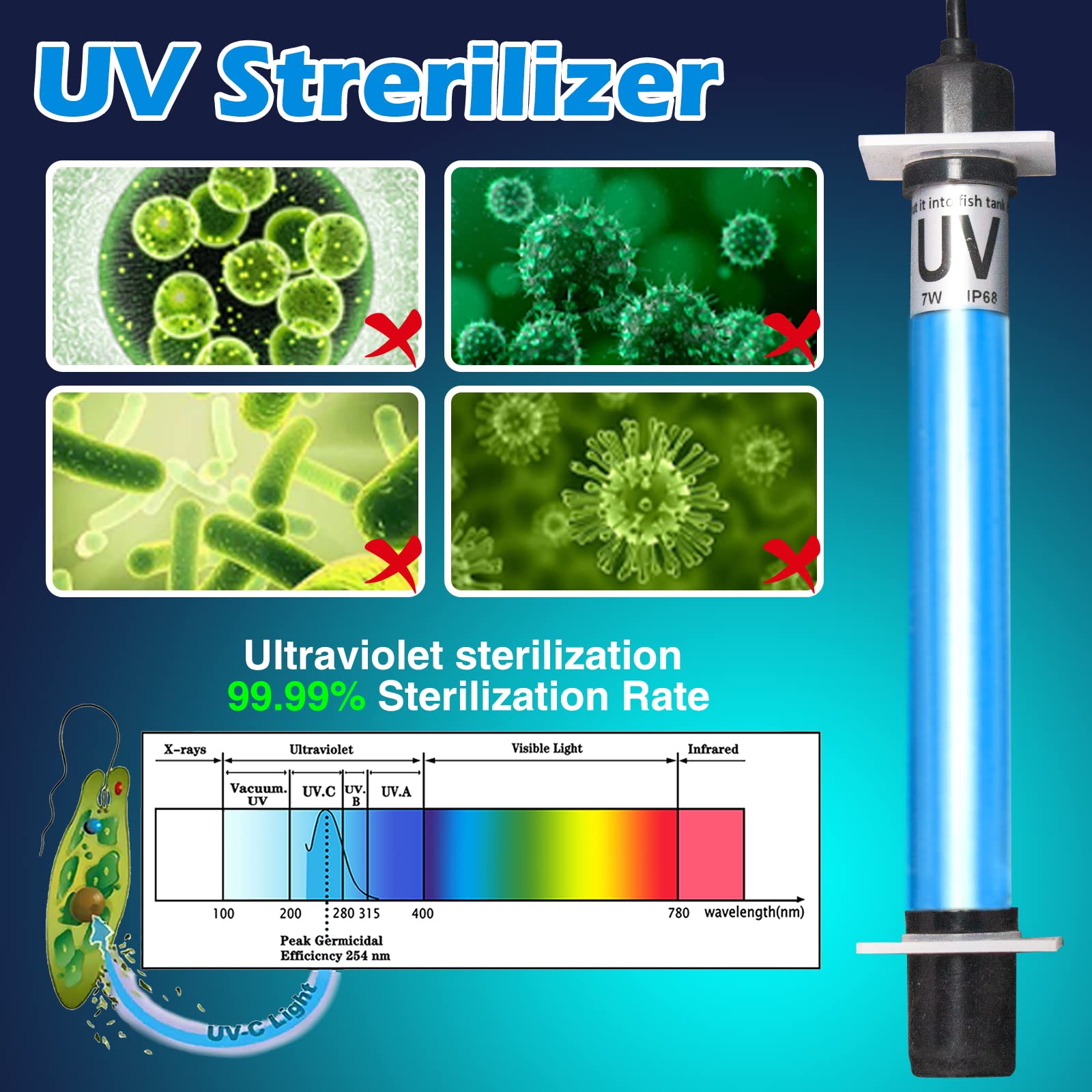
Ultraviolet light is part of the electromagnetic spectrum, invisible to human eyes but highly energetic.
UV light is divided into three categories:
-
UV-A: Common in sunlight, minimal disinfecting ability
-
UV-B: Causes sunburn, moderate biological impact
-
UV-C: Powerful germicidal wavelength used for sterilization
UV-C light disrupts the DNA and RNA of microorganisms, preventing them from reproducing. Without the ability to replicate, mold spores become inactive and eventually die.
Hospitals have used UV-C systems for decades to disinfect surgical rooms and air systems. Today, advances in consumer technology allow homeowners to use similar principles safely in residential environments.
How UV Technology Eliminates Basement Mold Odors
UV systems address mold at its biological source rather than masking symptoms.
1. Neutralizing Airborne Mold Spores
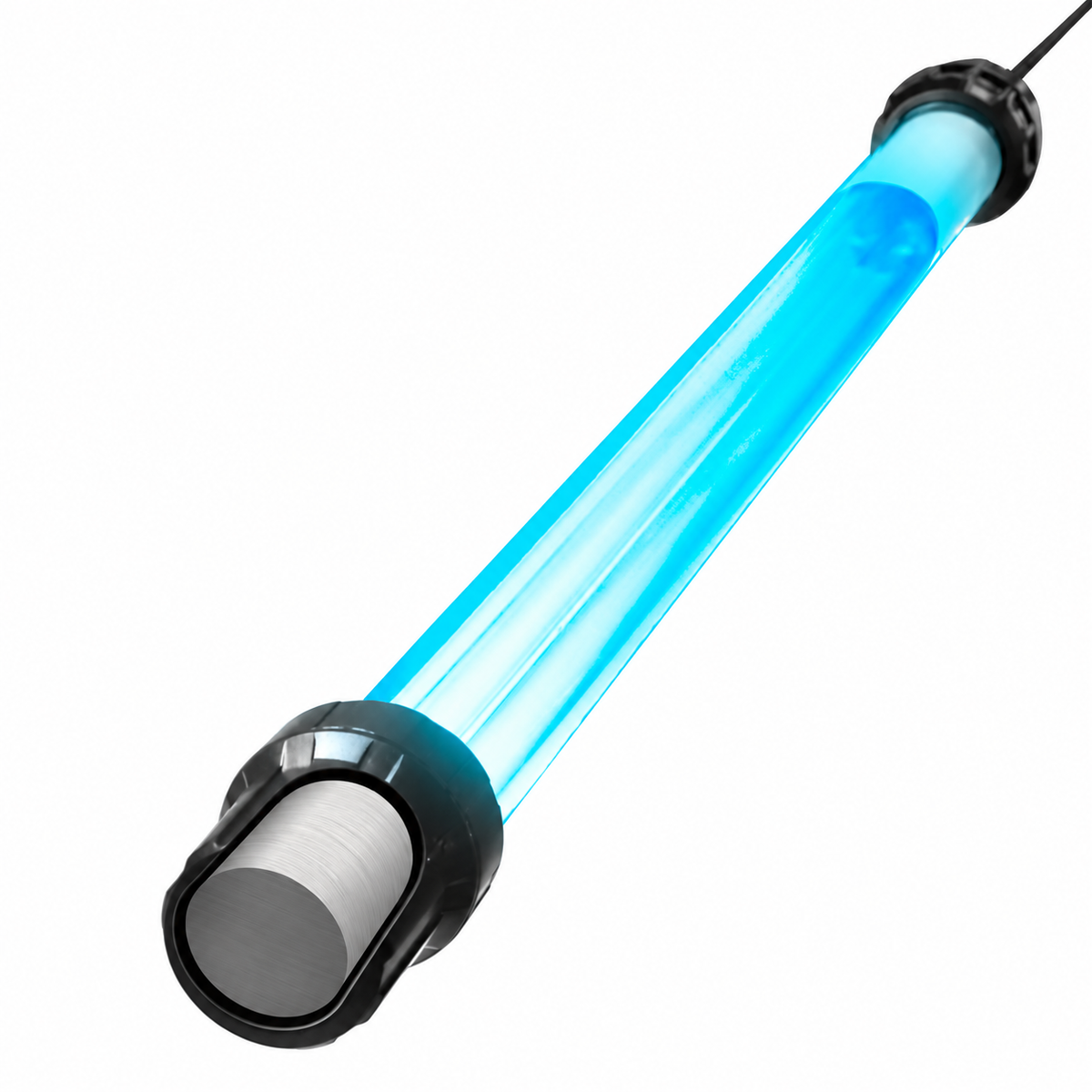
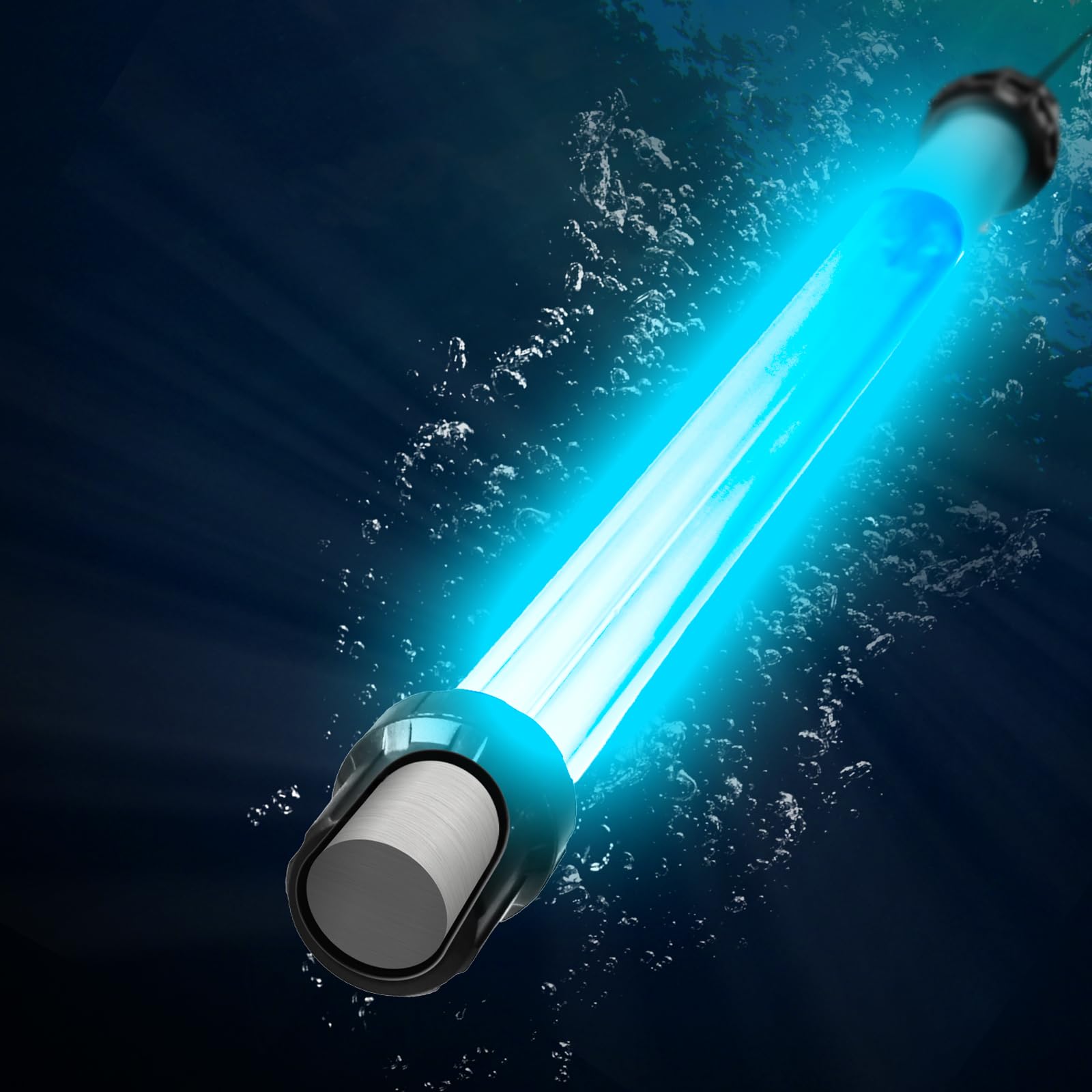
When installed inside HVAC systems or air purifiers, UV lamps expose passing air to germicidal light. Mold spores traveling through airflow are neutralized before settling and growing.
This reduces:
-
Spore circulation
-
Odor production
-
Recontamination of cleaned surfaces
2. Preventing Mold Growth on HVAC Components
Cooling coils inside air systems often accumulate condensation. These damp surfaces are prime mold breeding grounds.
UV lights installed near coils continuously disinfect them, preventing buildup that spreads odors throughout the home.
3. Breaking the Odor Cycle
Because UV light stops microbial reproduction, the source of MVOCs disappears over time. As mold activity declines, basement odors fade naturally.
4. Continuous Protection
Unlike sprays or manual cleaning, UV systems operate continuously, offering ongoing prevention rather than temporary fixes.
Types of UV Solutions for American Basements
Homeowners can choose from several UV-based options depending on basement size and severity.
HVAC UV Lamps
Installed directly within heating and cooling systems, these lights disinfect air as it circulates through the home.
Best for:
-
Finished basements
-
Whole-home odor control
-
Allergy reduction
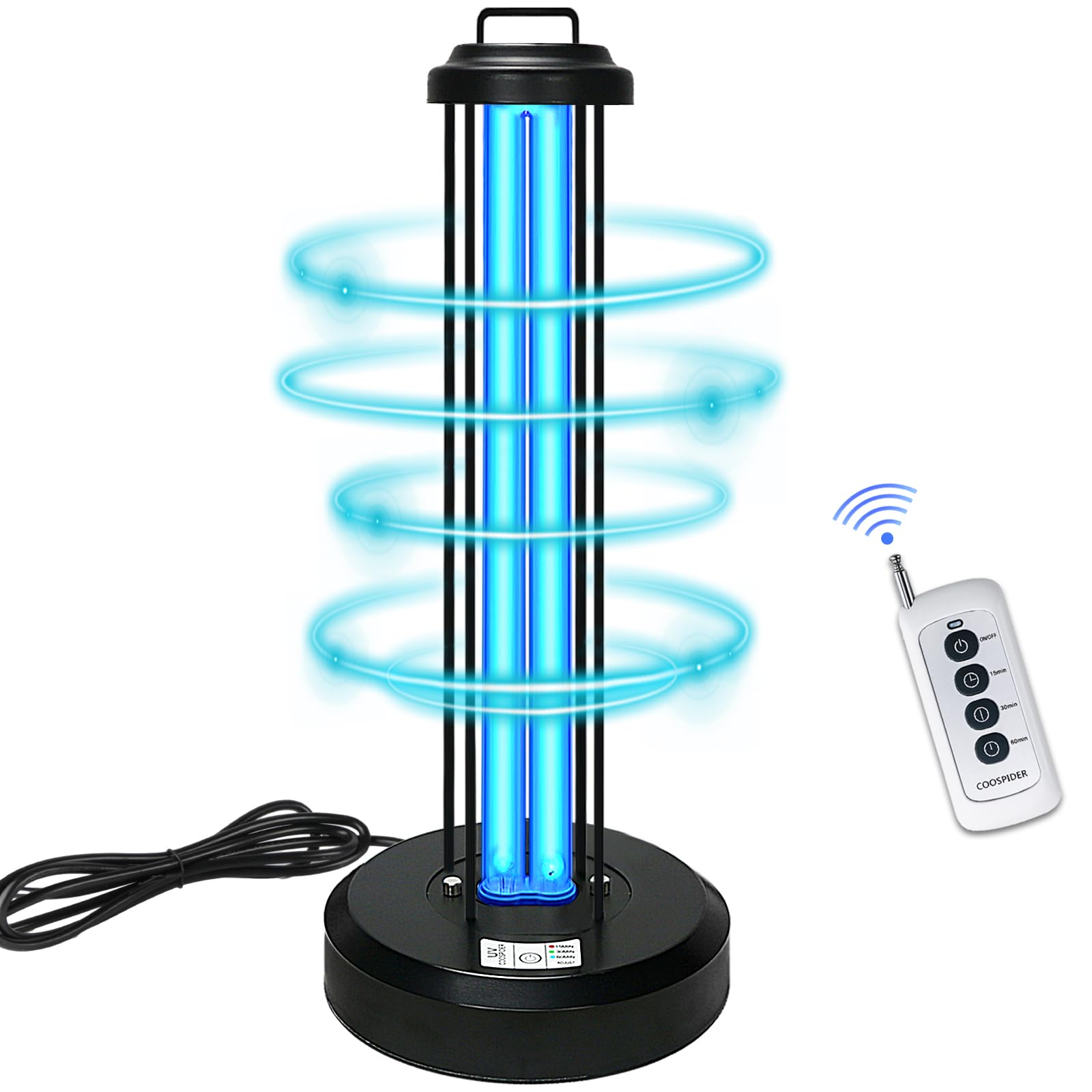
Standalone UV Air Purifiers
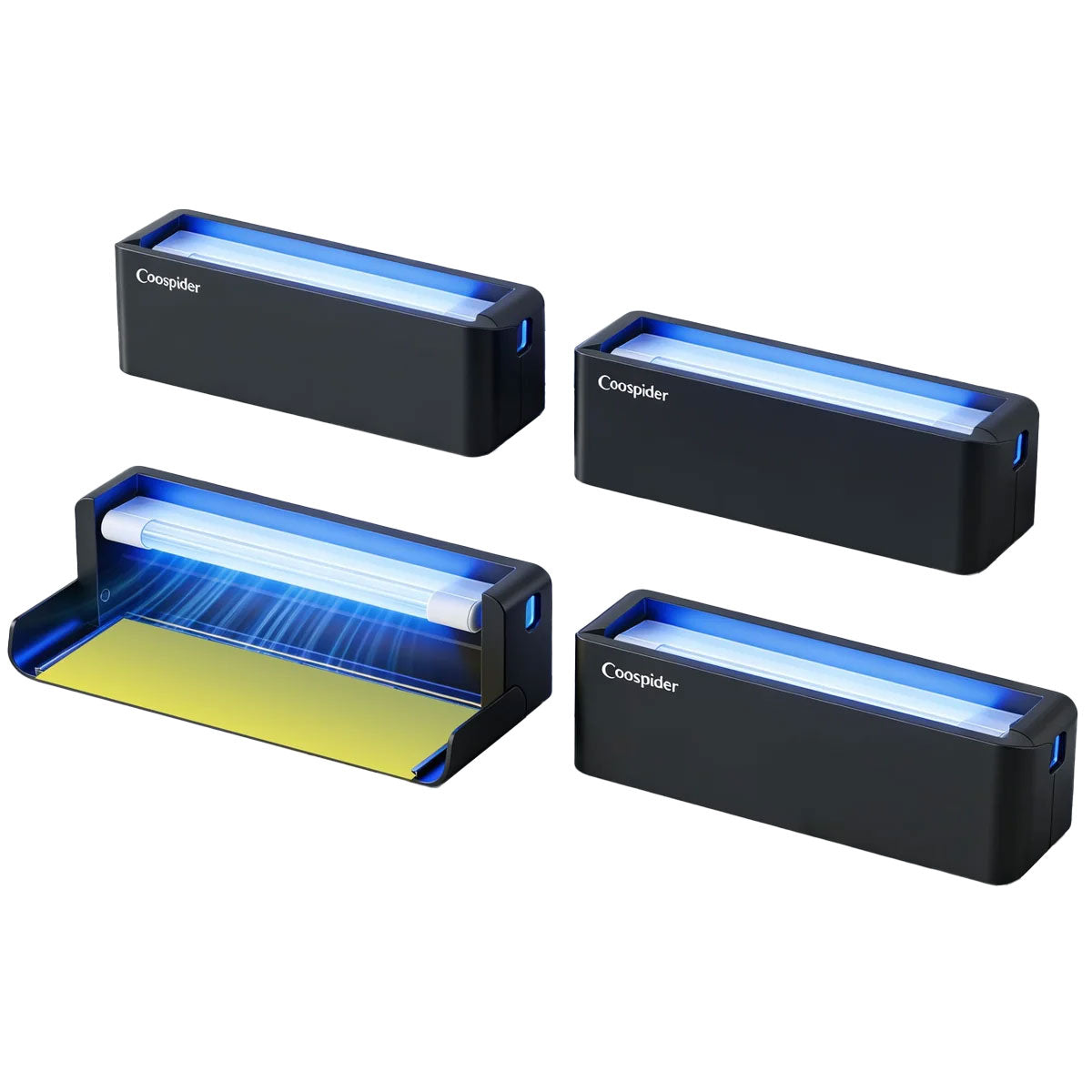
Portable units combine filtration with UV sterilization.
Ideal for:
-
Smaller basements
-
Workshops or storage rooms
-
Targeted odor zones
Upper-Air UV Systems
Mounted high on walls or ceilings, these systems disinfect air circulating through natural convection.
Common in commercial spaces but increasingly used in residential renovations.
UV Dehumidifier Combos
Some modern dehumidifiers now integrate UV modules, addressing humidity and microbial growth simultaneously.
Why UV Technology Works Especially Well in U.S. Homes
American construction styles often unintentionally favor mold growth.
Finished Basements Are Increasingly Common
Modern homes convert basements into living areas with drywall, carpeting, and insulation—materials highly susceptible to moisture damage.
UV protection helps maintain these finished spaces without constant chemical treatment.
Central HVAC Systems
Because many U.S. homes use forced-air heating and cooling, mold spores spread easily through ducts. UV systems intercept contamination at the airflow source.
Climate Diversity
From humid Florida summers to snowy Midwest winters, fluctuating humidity levels challenge traditional mold prevention. UV systems operate regardless of seasonal conditions.
Health Benefits Beyond Odor Removal
Eliminating basement mold is not just about comfort; it directly impacts health.
Potential benefits include:
-
Reduced allergy symptoms
-
Fewer respiratory irritants
-
Improved sleep quality
-
Less indoor humidity discomfort
-
Cleaner indoor air overall
Children, older adults, and individuals sensitive to allergens often notice improvements after mold reduction measures are implemented.
UV Technology vs. Chemical Mold Treatments
| Feature | UV Technology | Chemical Cleaning |
|---|---|---|
| Continuous protection | Yes | No |
| Odor elimination | Long-term | Temporary |
| Airborne spore control | Strong | Limited |
| Residue | None | Possible |
| Maintenance | Low | Repeated applications |
| Environmental impact | Minimal | Chemical exposure |
UV systems complement cleaning rather than replacing it entirely. Initial mold removal may still be necessary for heavy infestations.
Safe Use of UV Systems at Home
Safety is critical when using UV-C technology.
Avoid Direct Exposure
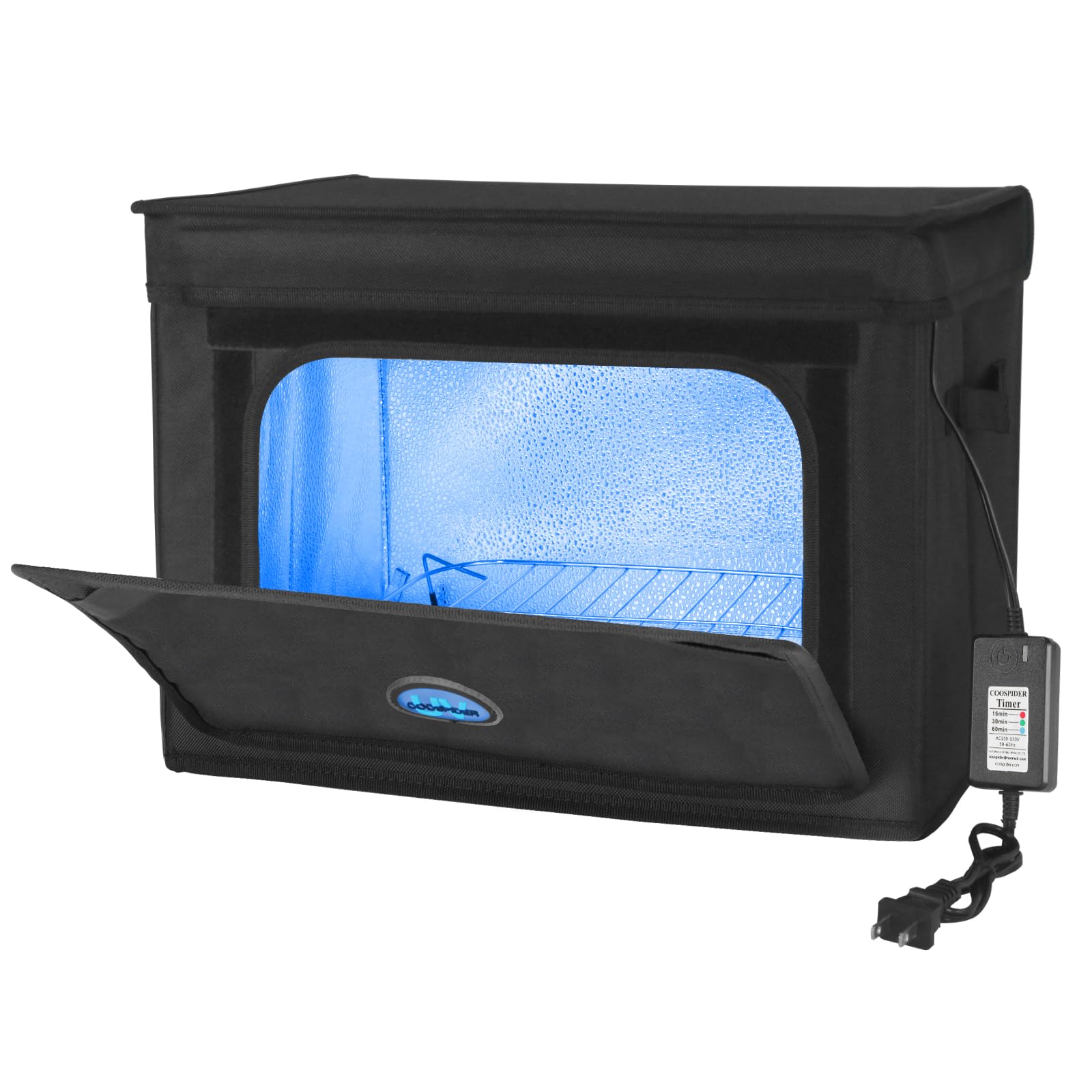
UV-C light can harm skin and eyes. Proper systems are enclosed within air handlers or shielded fixtures.
Professional Installation Recommended
HVAC-integrated units should be installed by trained technicians to ensure correct placement and electrical safety.
Choose Certified Equipment
Look for systems tested for residential use and designed with protective housing.
Regular Maintenance
Replace bulbs annually or according to manufacturer guidelines to maintain effectiveness.
Supporting UV Technology with Smart Basement Practices
UV systems work best alongside good moisture control habits.
Control Humidity
Keep basement humidity between 30–50%.
Tips include:
-
Running a dehumidifier
-
Fixing plumbing leaks quickly
-
Sealing foundation cracks
Improve Airflow
-
Use circulation fans
-
Keep interior doors open periodically
-
Avoid overcrowded storage areas
Store Items Properly
Replace cardboard boxes with plastic containers to reduce mold-friendly materials.
Monitor Moisture
Smart humidity sensors allow homeowners to detect issues before mold develops.
Common Myths About UV Mold Treatment
Myth 1: UV Works Instantly
UV reduces microbial activity over time. Odors may fade gradually as existing colonies die off.
Myth 2: UV Replaces Cleaning
Physical mold removal is still necessary for large infestations.
Myth 3: All UV Lights Are the Same
Only UV-C wavelengths provide effective germicidal action.
Myth 4: UV Is Only for Hospitals
Residential-grade systems are specifically engineered for safe home use.
Real-Life Basement Transformation Scenario
Consider a typical suburban home with a finished basement used as a family room. Despite cleaning and running a dehumidifier, a musty odor persists every summer.
After installing an HVAC UV system:
-
Coil mold buildup stops forming.
-
Air smells fresher within weeks.
-
Allergy complaints decrease.
-
Dehumidifier runs less frequently.
The homeowner shifts from constant maintenance to preventative control.
Energy Efficiency and Long-Term Savings
UV systems consume relatively little electricity—often comparable to a small light bulb.
Potential savings include:
-
Reduced mold remediation costs
-
Extended HVAC lifespan
-
Improved airflow efficiency
-
Lower cleaning expenses
-
Less material replacement
Over several years, many homeowners find UV systems cost-effective compared to recurring mold problems.
Environmental Advantages
UV technology reduces reliance on chemical disinfectants that release fumes or require disposal.
Benefits include:
-
No chemical residue
-
Reduced indoor pollutants
-
Lower cleaning product usage
-
Sustainable long-term operation
For environmentally conscious households, this aligns with healthier living practices.
Signs Your Basement May Benefit from UV Technology
You may consider UV solutions if you notice:
-
Persistent musty smells
-
Mold returning after cleaning
-
Damp air despite dehumidification
-
Allergy symptoms indoors
-
HVAC odors when air starts running
-
Visible mold near vents or coils
Early adoption often prevents larger structural damage.
Future Trends in Home Air Sanitation
The American home is evolving toward proactive indoor air management.
Emerging innovations include:
-
Smart UV systems connected to home automation
-
Air-quality sensors triggering purification cycles
-
Hybrid filtration and UV sterilization units
-
Energy-efficient UV-LED technology
As awareness of indoor air quality grows, UV solutions are becoming a standard component of modern home design.
Creating a Fresh, Healthy Basement Environment
A clean-smelling basement changes how homeowners use their space. Instead of avoiding downstairs areas, families reclaim them for entertainment rooms, home offices, gyms, or guest suites.
UV technology helps transform basements from moisture-prone storage zones into comfortable extensions of everyday living.
The key lies in combining science-based prevention with smart moisture management.
Conclusion: A New Era of Mold Prevention
Basement odors are not inevitable. They are the result of biological processes that can now be controlled more effectively than ever before.
UV technology represents a shift from reactive cleaning to continuous protection. By neutralizing mold spores, preventing microbial growth, and improving air quality, UV systems address the true cause of basement odors rather than masking symptoms.
For American homeowners facing recurring mold challenges, this approach offers a practical, long-term solution—one that supports healthier indoor environments, protects home investments, and restores confidence in every square foot of living space.
A fresher basement is no longer just about cleaning harder. It’s about using smarter technology to stop mold before it takes hold, allowing homes to smell cleaner, feel healthier, and function better year-round.