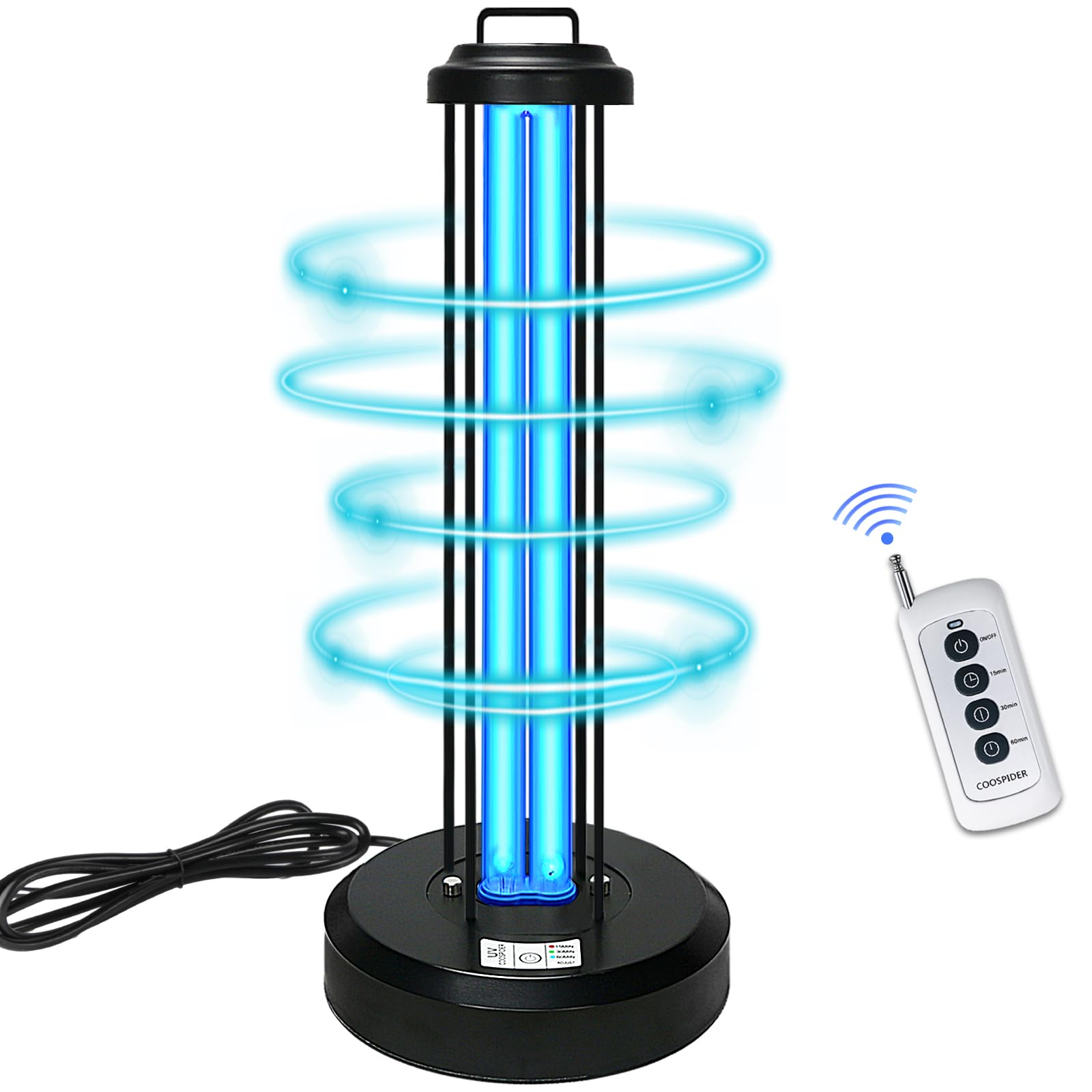
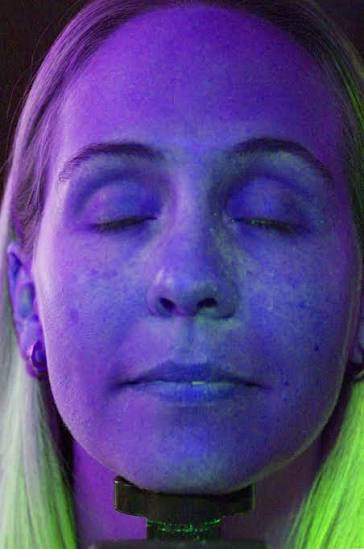
Ultraviolet (UV) light has become a familiar part of modern life. From UV disinfection lamps and nail curing devices to industrial sterilization systems and specialty lighting, UV technology serves valuable purposes across homes, healthcare facilities, laboratories, and commercial environments. However, one dangerous misconception continues to persist: many people believe that UV exposure simply causes tanning or a mild sunburn.
The truth is far more concerning.
UV radiation does much more than darken the skin. Depending on the wavelength, intensity, exposure duration, and frequency, UV lamps can trigger a wide range of biological changes beneath the skin's surface. Some effects appear immediately, while others accumulate silently over months or even years before becoming noticeable.
Understanding how UV radiation affects human skin is essential for anyone who uses, installs, maintains, or works around UV lamps. This guide explains the science behind UV-induced skin damage, dispels common myths, and offers practical strategies to minimize unnecessary exposure.
Understanding UV Radiation: Different Types, Different Risks
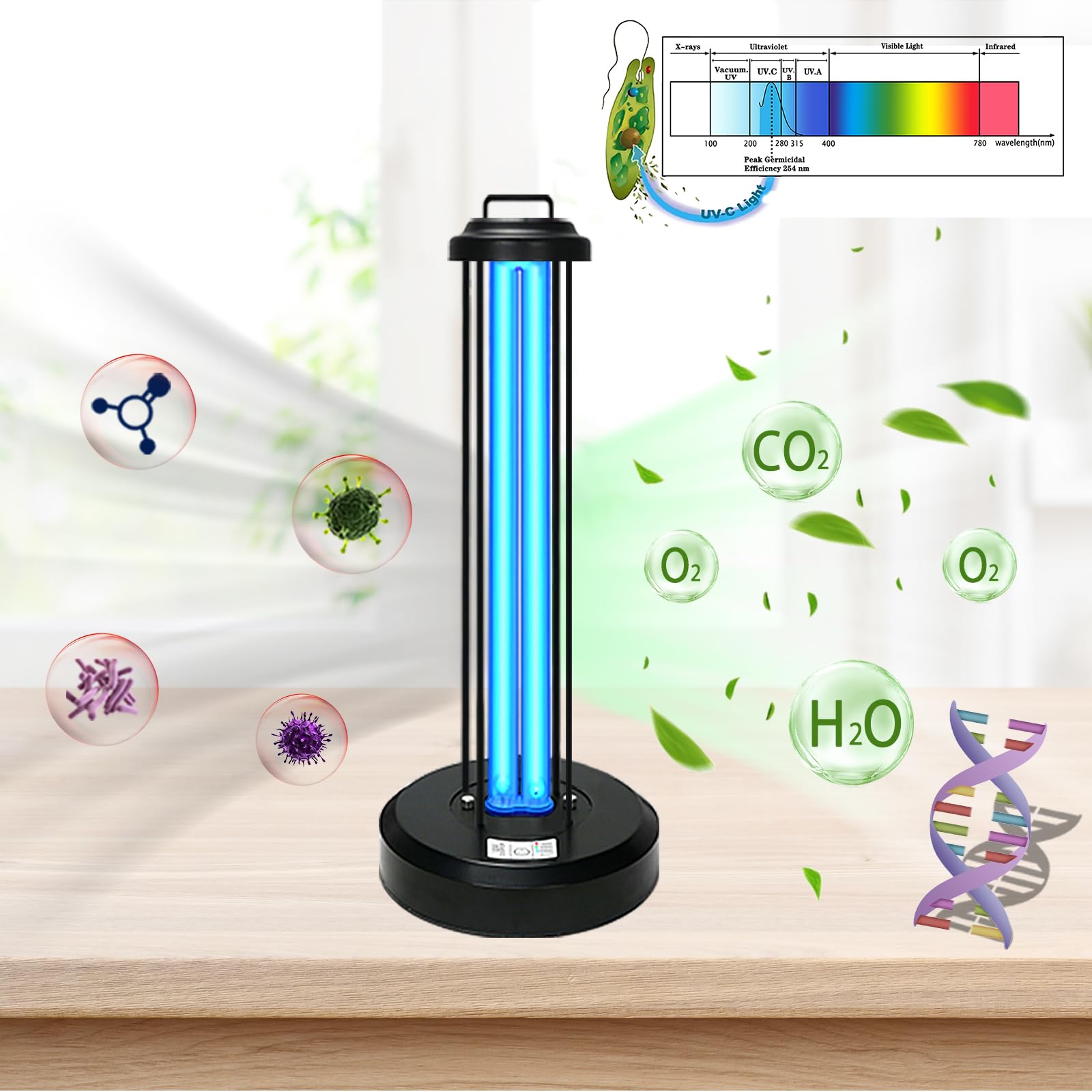
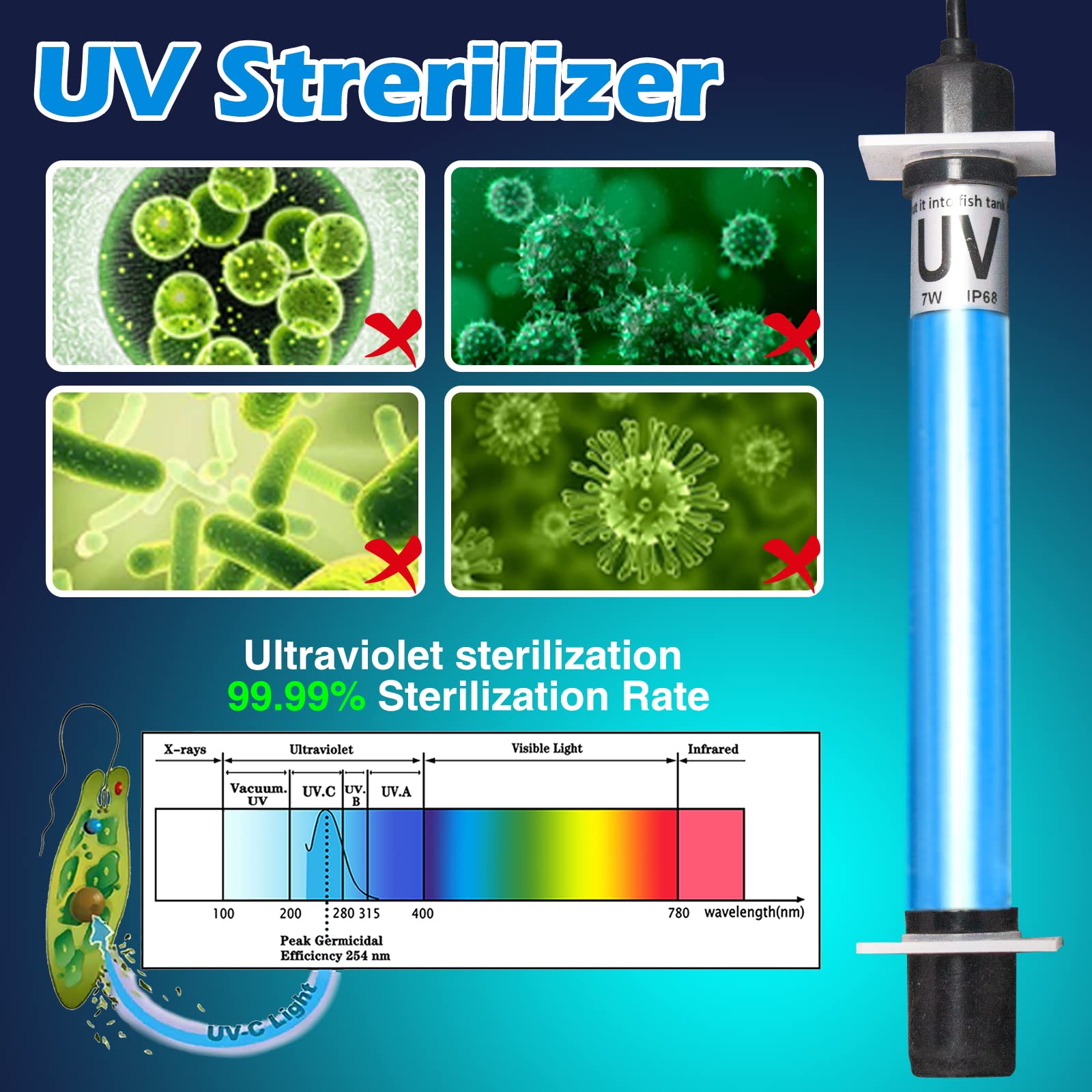
Ultraviolet radiation is invisible electromagnetic energy with wavelengths shorter than visible light but longer than X-rays. UV radiation is generally divided into three categories.
UVA (315–400 nm)
UVA penetrates deeply into the skin and accounts for most of the ultraviolet radiation that reaches the Earth's surface. It is commonly associated with:
-
Skin aging
-
Pigmentation changes
-
Wrinkle formation
-
Breakdown of collagen
-
Long-term oxidative stress
Although UVA is less energetic than UVC, prolonged exposure can still contribute to cumulative skin damage.
UVB (280–315 nm)
UVB primarily affects the outer layers of the skin.
Its effects include:
-
Sunburn
-
DNA damage
-
Inflammation
-
Increased pigmentation
-
Higher long-term skin cancer risk
UVB carries more energy than UVA and causes more immediate visible injury.
UVC (100–280 nm)
UVC is the most energetic form of UV radiation.
Most natural UVC is absorbed by the Earth's atmosphere, but artificial UVC lamps are widely used for:
-
Surface disinfection
-
Air sterilization
-
Water treatment
-
Laboratory applications
-
Industrial sanitation
Because UVC contains very high energy, direct exposure to human skin should always be avoided unless specifically designed and controlled for medical or scientific purposes.
Myth #1: "UV Lamps Only Cause Tanning"
One of the biggest misconceptions is that UV exposure simply darkens the skin.
In reality, tanning is actually the skin's emergency defense mechanism.
When UV radiation damages DNA inside skin cells, the body responds by producing more melanin. Melanin attempts to absorb additional UV radiation to reduce further injury.
In other words:
A tan is not a sign of healthy skin.
It is evidence that the skin has already experienced biological stress.
The darker pigmentation represents the body's attempt to protect damaged cells—not an indicator that no harm has occurred.
How UV Radiation Damages Skin at the Cellular Level
To understand why UV lamps require careful handling, it's important to examine what happens beneath the surface.
DNA Damage
UV photons carry enough energy to directly alter DNA molecules.
These alterations may include:
-
DNA strand breaks
-
Mutations
-
Abnormal cell replication
-
Impaired cellular repair mechanisms
Normally, the body repairs many damaged cells.
However, repeated exposure increases the likelihood that some damage remains unrepaired.
Over time, these accumulated mutations may contribute to abnormal cell growth.
Oxidative Stress
UV exposure also generates reactive oxygen species (ROS).
These unstable molecules attack:
-
Cell membranes
-
Structural proteins
-
Lipids
-
DNA
-
Mitochondria
Oxidative stress accelerates aging while reducing the skin's ability to repair itself efficiently.
Collagen Breakdown
Collagen provides the skin with strength and elasticity.
UV radiation stimulates enzymes known as matrix metalloproteinases (MMPs), which break down collagen fibers.
As collagen decreases:
-
Wrinkles deepen
-
Skin becomes thinner
-
Elasticity declines
-
Fine lines become permanent
Many visible signs of aging are actually the cumulative result of UV exposure rather than chronological age.
Immediate Skin Effects of UV Lamp Exposure
Not every injury develops slowly.
High-intensity UV exposure can produce noticeable symptoms within hours.
Common short-term reactions include:
-
Redness
-
Warm sensation
-
Dryness
-
Mild swelling
-
Burning
-
Increased sensitivity
-
Itching
These symptoms resemble sunburn because the biological mechanism is very similar.
Even if symptoms disappear after several days, cellular repair may continue long afterward.
Repeated Exposure Can Lead to Chronic Skin Damage
The greatest concern with UV lamps is often repeated low-level exposure rather than a single dramatic incident.
Small doses accumulate over time.
Possible long-term consequences include:
Premature Aging
Often called photoaging, this process includes:
-
Wrinkles
-
Sagging skin
-
Rough texture
-
Uneven pigmentation
-
Enlarged pores
People frequently attribute these changes solely to age when UV exposure may have played a major role.
Persistent Pigmentation Problems
Repeated UV exposure may trigger:
-
Dark spots
-
Uneven skin tone
-
Hyperpigmentation
-
Freckles becoming more pronounced
Some pigmentation changes may remain even after exposure stops.
Reduced Skin Barrier Function
Healthy skin acts as a protective barrier.
Repeated UV injury can weaken this defense by:
-
Reducing moisture retention
-
Increasing dryness
-
Causing chronic irritation
-
Slowing wound healing
A compromised skin barrier becomes more vulnerable to environmental stress.
Why UVC Lamps Require Special Attention
Many UV disinfection lamps emit UVC radiation because of its effectiveness against microorganisms.
Unfortunately, the same properties that damage bacterial DNA can also affect human skin.
Unlike sunlight, artificial UVC sources can deliver concentrated radiation within seconds.
Direct exposure may produce:
-
Skin redness
-
Surface burns
-
Cellular injury
-
Inflammation
Proper shielding and engineering controls are essential whenever UVC devices are in operation.
Who Faces the Greatest Risk?
Certain groups are more vulnerable to UV-induced skin injury.
These include:
Laboratory personnel
Workers handling germicidal equipment may experience repeated occupational exposure.
Healthcare staff
Hospitals frequently use UV systems for room or equipment disinfection.
Proper training is essential.
Maintenance technicians
Individuals replacing UV bulbs or servicing sterilization systems may be exposed if safety procedures are ignored.
Home users
Consumer UV products have become increasingly common.
Improper operation remains one of the leading causes of unnecessary exposure.
Individuals with sensitive skin
Some people naturally experience stronger reactions to UV radiation, including those with fair skin or certain medical conditions.
Extra precautions are advisable for these individuals.
Common Mistakes That Increase Skin Damage
Many UV-related injuries result from preventable errors.
Looking directly at active lamps
Even brief exposure can affect both the eyes and nearby facial skin.
Exposing hands during maintenance
People often replace bulbs without considering that the lamp may still emit harmful radiation if energized.
Using handheld UV wands incorrectly
Moving the device across exposed skin or holding it too close greatly increases unnecessary exposure.
Assuming "low-power" means harmless
Lower power does not eliminate biological effects.
Exposure duration also matters.
Ignoring cumulative exposure
Ten short exposures may produce more overall damage than one longer exposure if repeated frequently.
Can Skin Recover From UV Damage?
The human body possesses remarkable repair mechanisms.
Every day, specialized enzymes repair damaged DNA and remove injured cells.
However, repair is not always perfect.
Factors affecting recovery include:
-
Age
-
Nutrition
-
Sleep quality
-
Overall health
-
Frequency of UV exposure
-
Intensity of exposure
Repeated injury eventually exceeds the skin's repair capacity, allowing damage to accumulate.
This is why prevention is far more effective than attempting to reverse long-term changes.
Practical Ways to Reduce UV Skin Exposure
Fortunately, most UV-related skin injuries are preventable.
Consider these best practices:
Use enclosed UV systems whenever possible
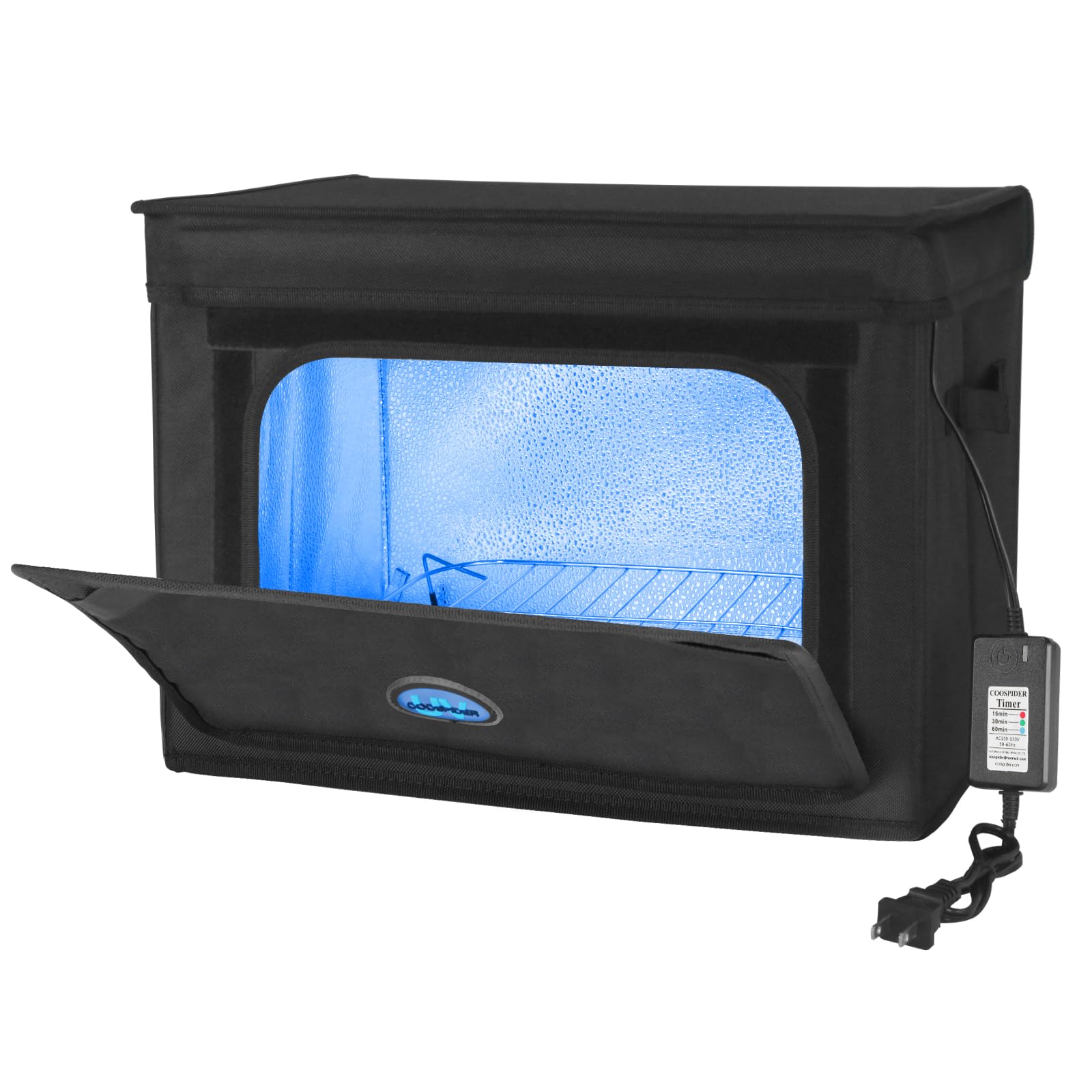
Fully enclosed disinfection chambers minimize accidental exposure.
Never expose bare skin intentionally
UV lamps designed for surface or air disinfection should never be used directly on people.
Follow manufacturer instructions carefully
Exposure distances, operating times, and safety features are based on testing and should not be ignored.
Wear appropriate protective equipment
When occupational exposure is possible, protective clothing, gloves, and UV-rated eye protection help reduce risk.
Maintain shielding and safety interlocks
Do not bypass covers, guards, or automatic shutoff systems.
These features are critical components of safe operation.
Limit unnecessary exposure
Operate UV devices only when required.
Turning them on "just in case" increases cumulative exposure without additional benefit.
Why Prevention Matters More Than Treatment
Many forms of UV damage begin long before visible symptoms appear.
By the time wrinkles, pigmentation changes, or chronic dryness become obvious, years of microscopic injury may already have occurred.
Unlike minor cuts or bruises, UV-induced cellular changes cannot always be completely reversed.
Reducing exposure today protects not only your current skin health but also its long-term appearance and resilience.
Choosing Safer UV Equipment
When purchasing UV lamps, safety features deserve as much attention as disinfection performance.
Look for products that include:
-
Protective enclosures
-
Automatic shutoff mechanisms
-
Motion sensors
-
Timer controls
-
Clear warning labels
-
High-quality shielding materials
-
Reliable operating instructions
A well-designed UV device should minimize the possibility of accidental exposure while maintaining effective performance.
Final Thoughts
Ultraviolet lamps are powerful tools with important applications in sanitation, healthcare, research, and industrial environments. Their effectiveness comes from their ability to disrupt biological structures at the cellular level—a characteristic that makes them valuable for disinfection but also potentially harmful to human skin when used improperly.
Skin damage from UV lamps extends far beyond tanning or temporary redness. Repeated exposure can contribute to DNA damage, oxidative stress, collagen degradation, premature aging, pigmentation disorders, and weakened skin barrier function. Much of this damage develops gradually, making it easy to underestimate the risks until visible changes appear.
The safest approach is simple: understand the type of UV lamp you are using, respect the recommended safety guidelines, avoid direct skin exposure, and prioritize equipment with built-in protective features. By combining informed habits with proper protective measures, you can benefit from UV technology while significantly reducing unnecessary risks to your skin and overall health.