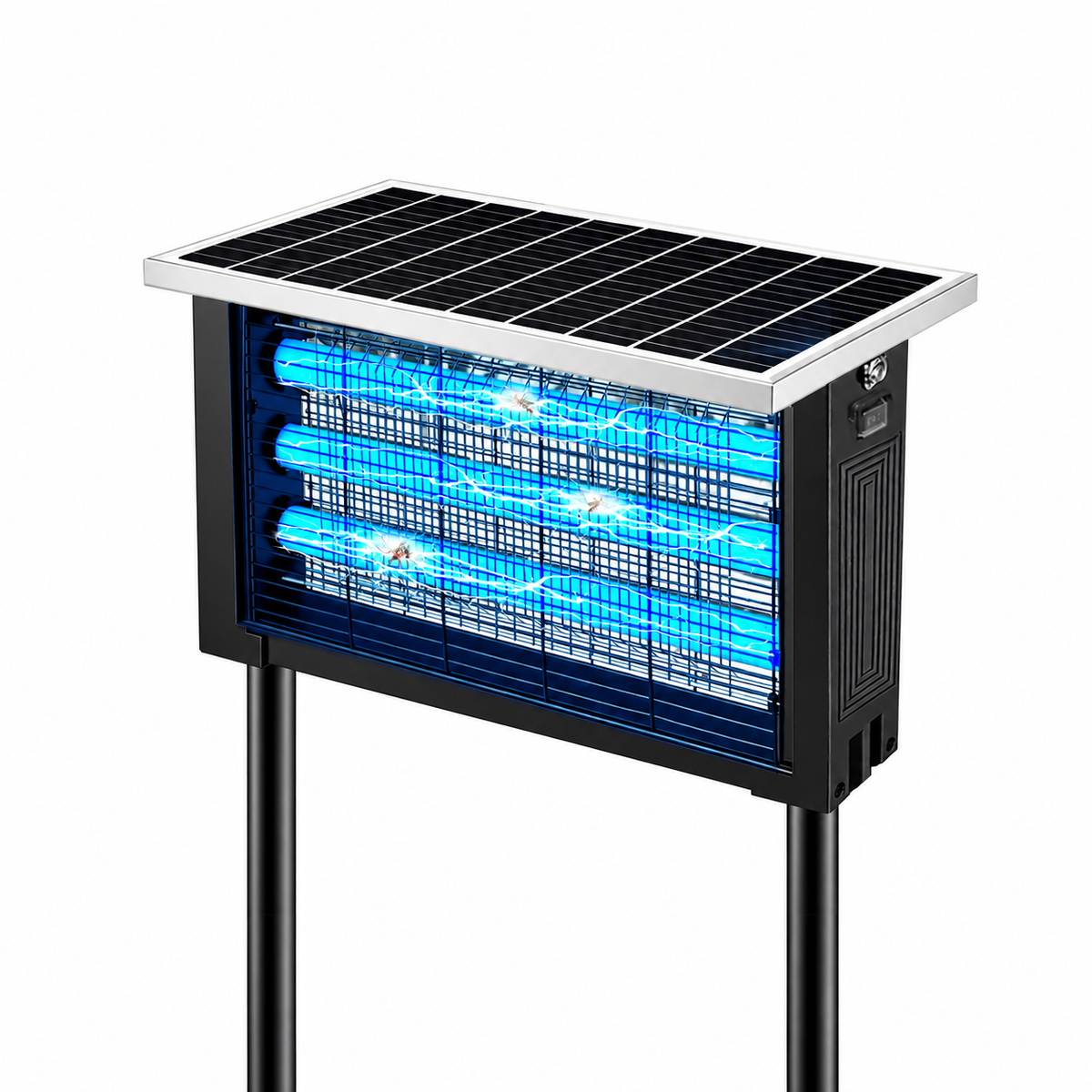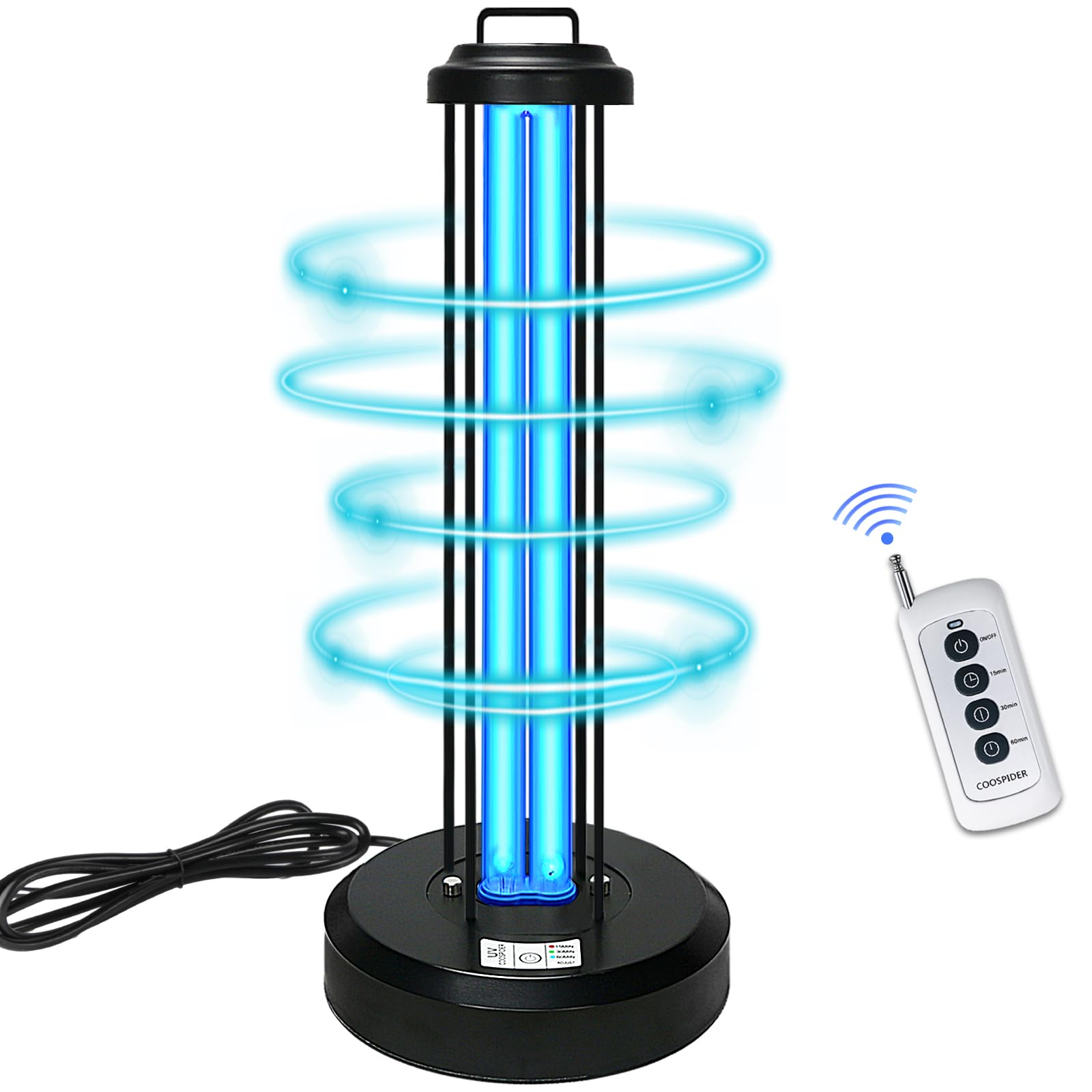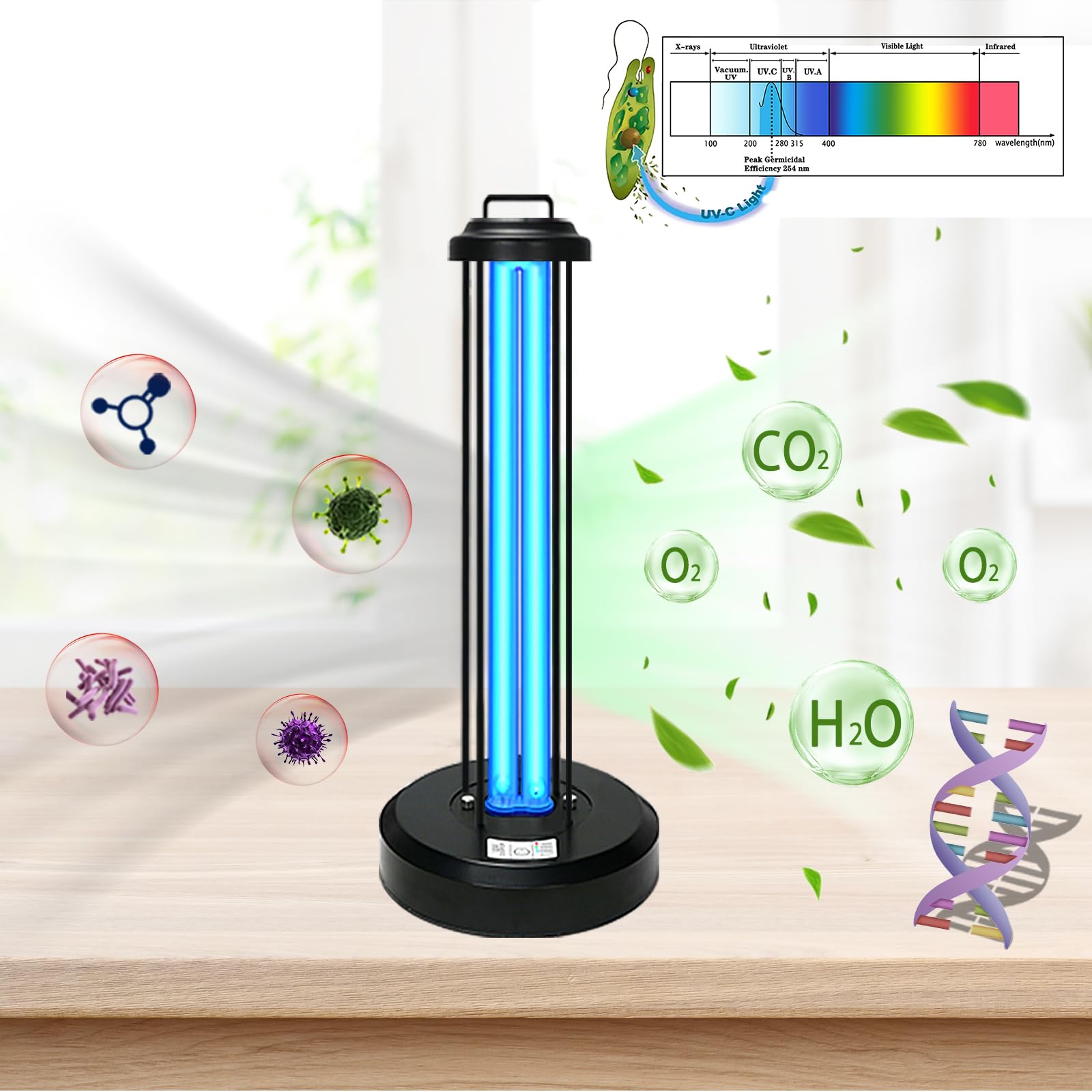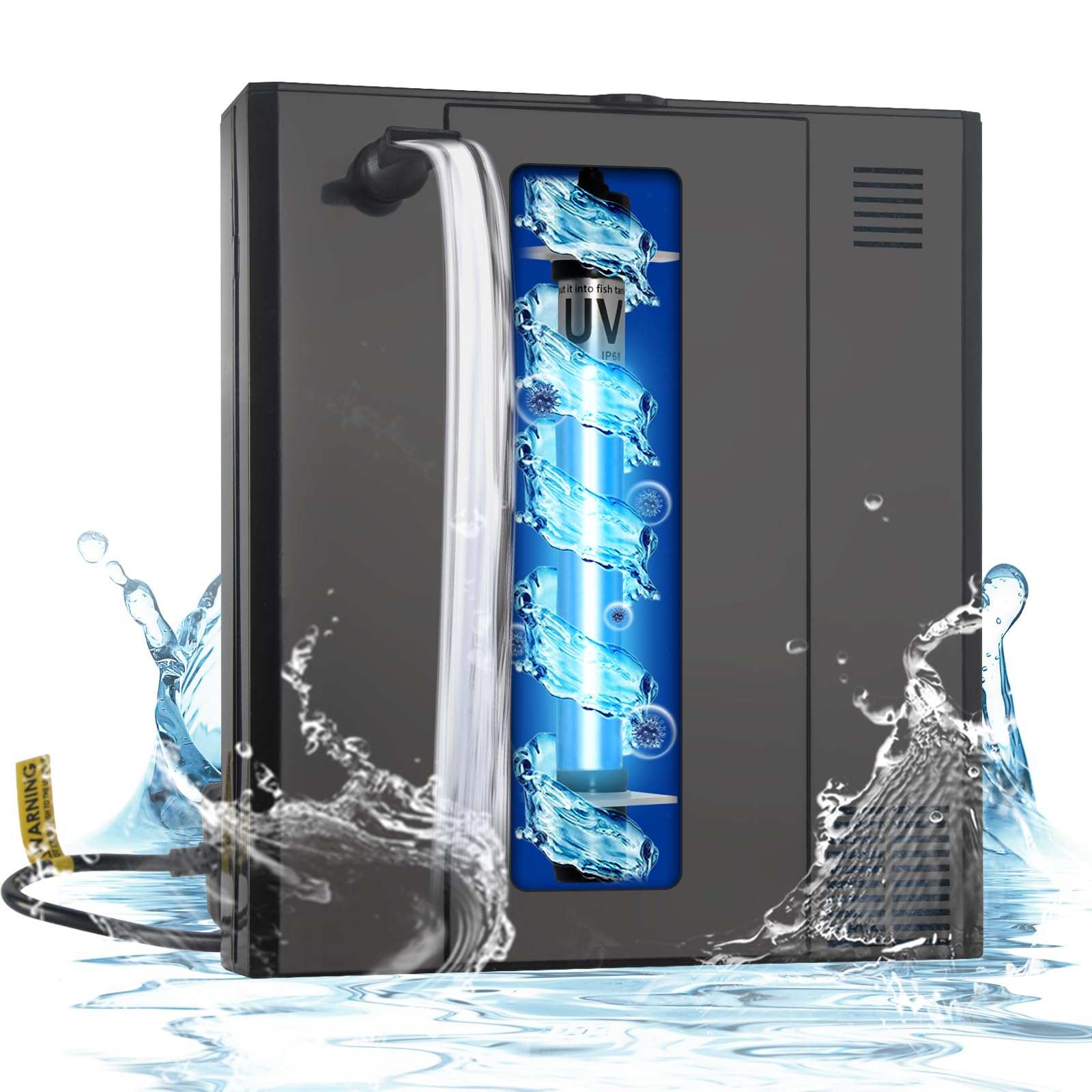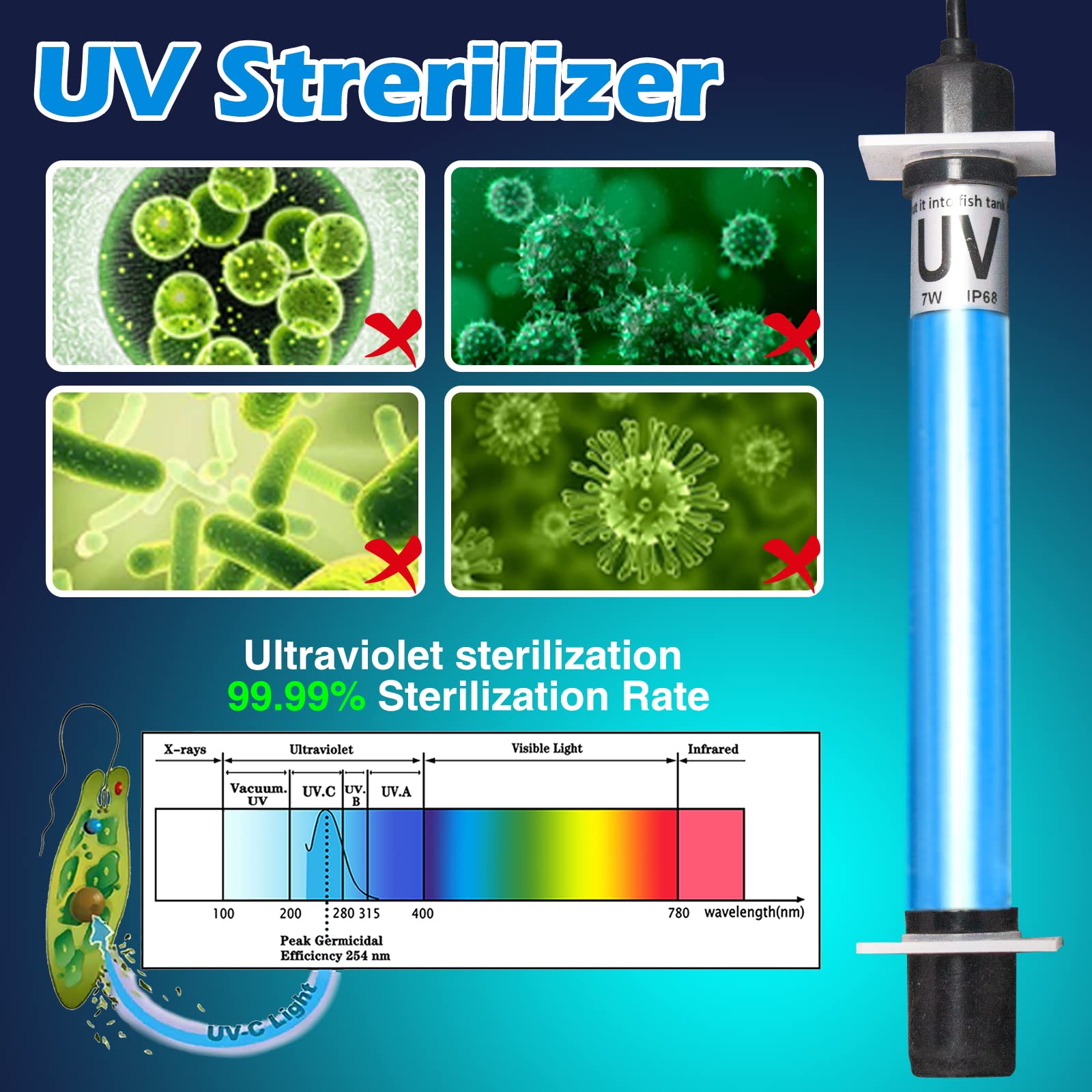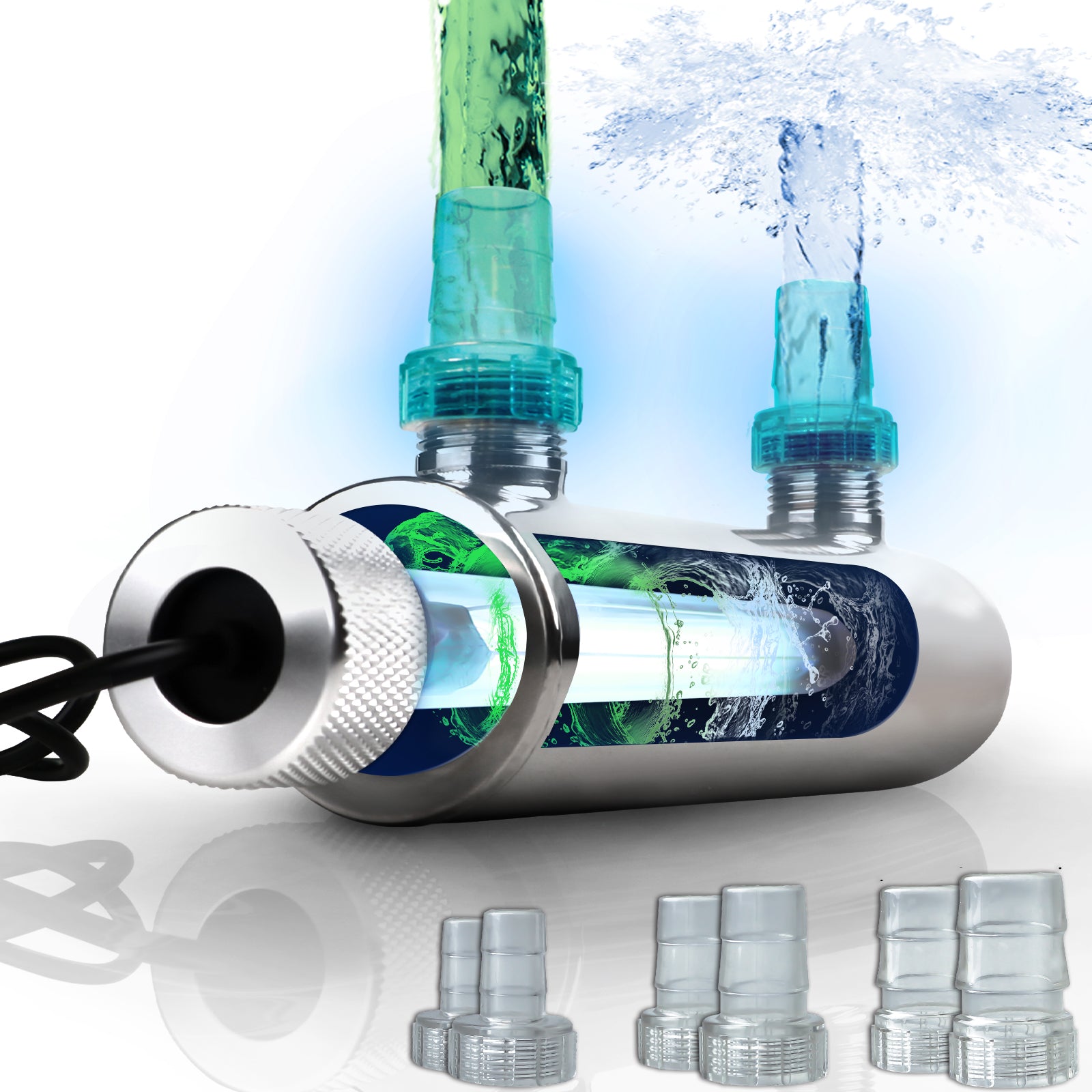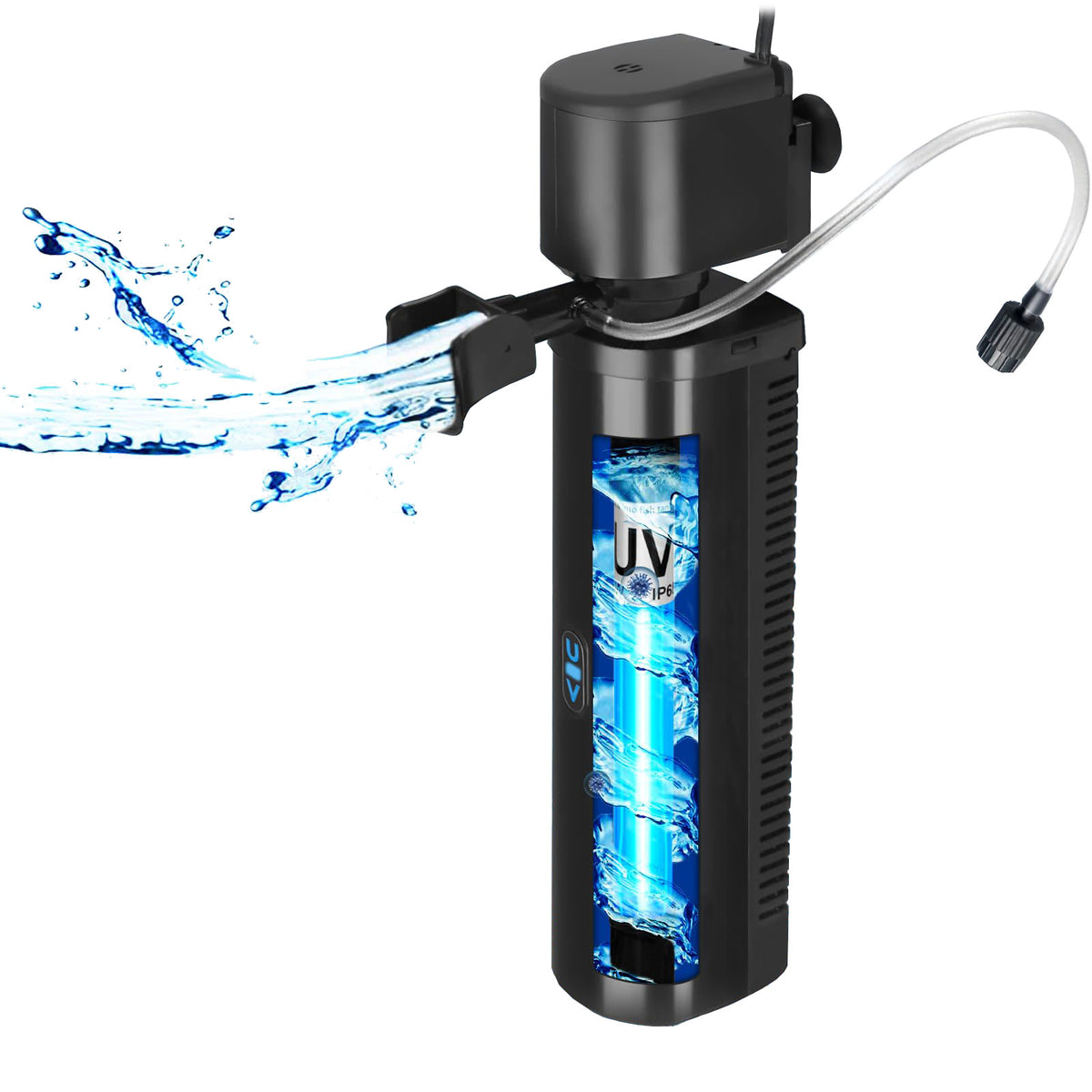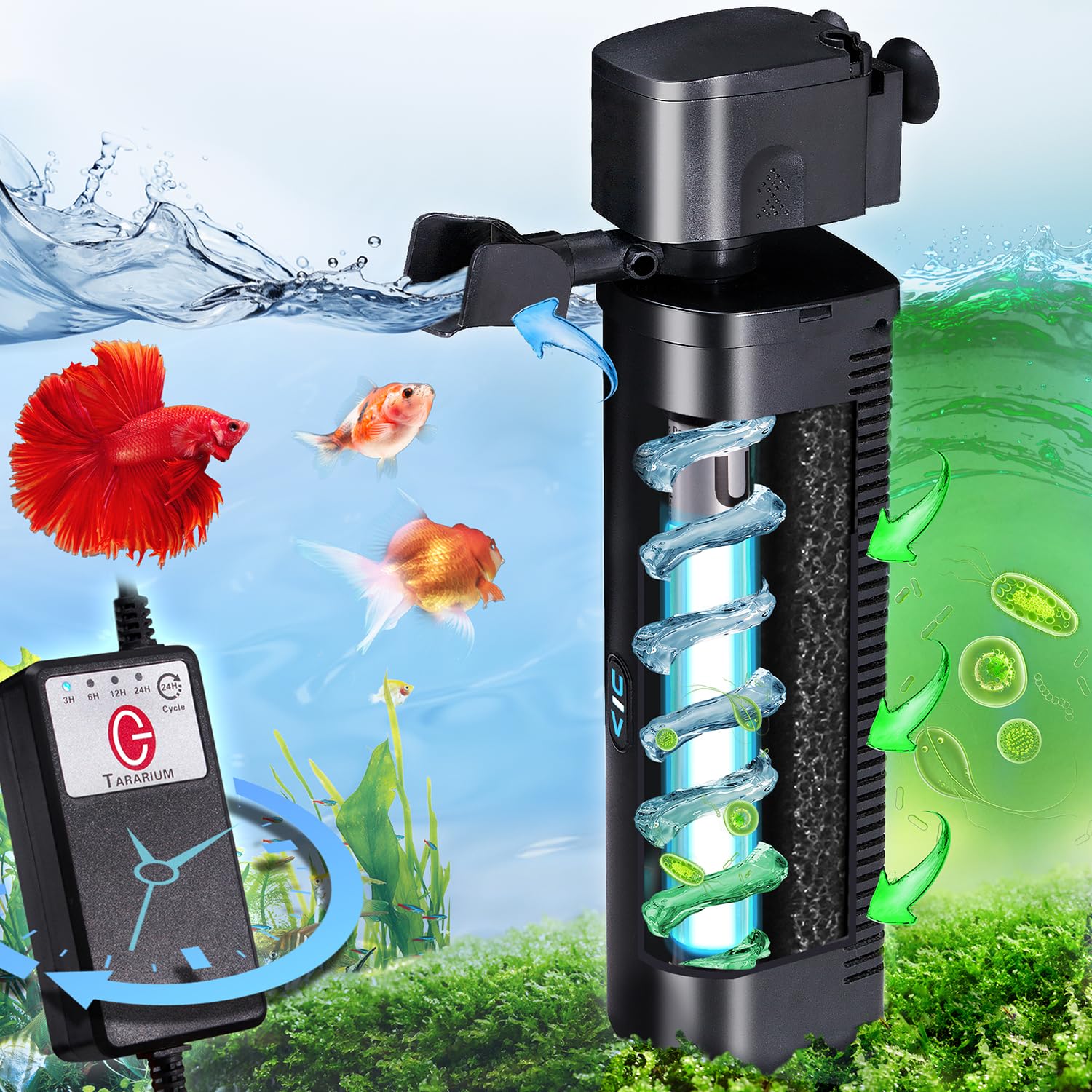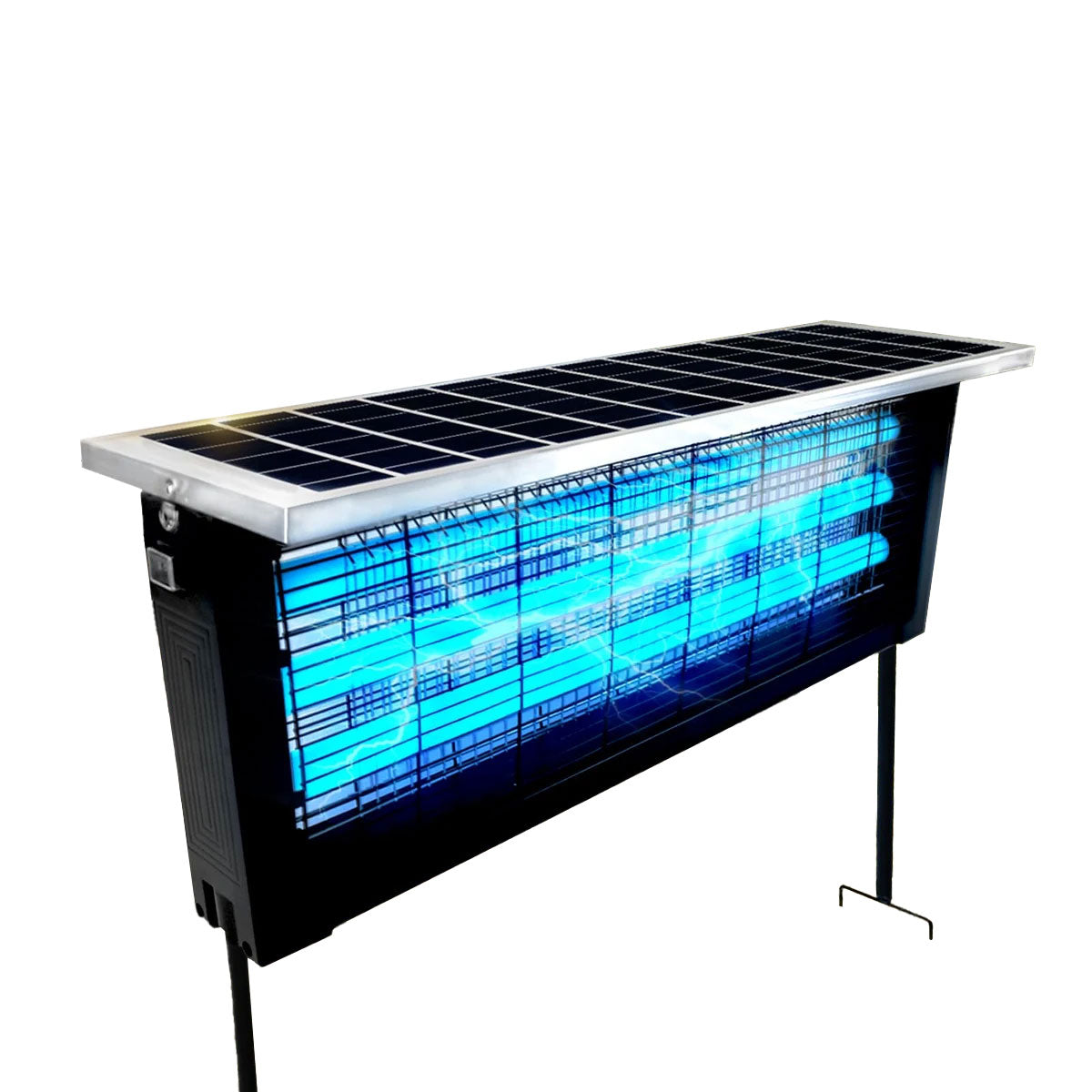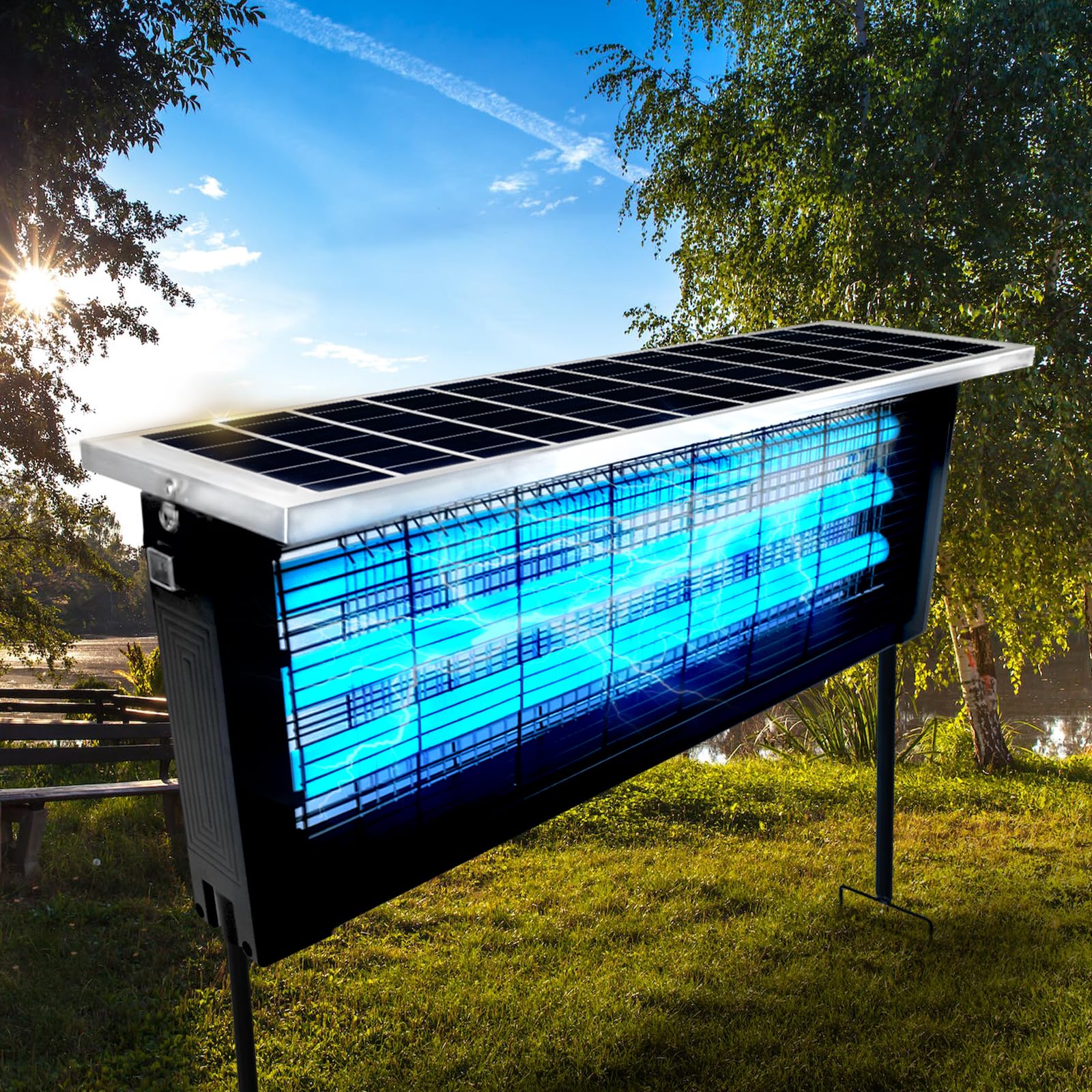
In industries that rely on ultraviolet technology, few mistakes are as common—or as costly—as replacing UV lamps too early or too late. Whether you work with UV curing equipment, water purification systems, air sterilization units, printing machinery, or insect traps, the performance of the UV lamp directly affects productivity, energy efficiency, and operating costs.
Many users assume that if a UV lamp still lights up, it must be functioning correctly. Others take the opposite approach and replace every lamp after a fixed number of operating hours, regardless of its actual condition. Both strategies can waste money and create unnecessary downtime.
The truth is that the lifespan of a UV lamp cannot be judged by appearance alone. A lamp that looks dim may still deliver sufficient UV output, while a bright-looking lamp could have already lost most of its effective ultraviolet intensity. Understanding how to properly inspect and evaluate a UV lamp allows businesses and individuals to maximize equipment performance without spending more than necessary.
This guide explains how UV lamps age, what warning signs to watch for, the best methods to test their condition, and how to determine whether a lamp truly needs replacement.
Why Blindly Replacing UV Lamps Is a Costly Mistake
Replacing a UV lamp before it reaches the end of its useful life may seem like a safe decision, but it can significantly increase maintenance expenses over time. In facilities with dozens or even hundreds of lamps, unnecessary replacements can add thousands of dollars to annual operating costs.
On the other hand, continuing to use a lamp that no longer produces sufficient ultraviolet output can be even more expensive. In UV curing applications, inadequate intensity can result in poor coating adhesion, incomplete curing, or product defects. In water treatment systems, weakened UV radiation may fail to effectively neutralize microorganisms. For air purification and sterilization equipment, reduced UV output can compromise sanitation performance.
The key is not replacing lamps based on assumptions but making decisions based on measurable performance data.
Understanding the Difference Between Lamp Life and Effective UV Life
One of the biggest misconceptions is that lamp life simply refers to the point when the lamp stops emitting visible light. In reality, UV lamp manufacturers often specify two different concepts:
Rated Operating Life
This is the average number of hours the lamp can physically operate before complete failure. For many low-pressure mercury UV lamps, this may range from 8,000 to 12,000 hours, while certain high-performance models can exceed 16,000 hours.
Effective UV Output Life
This refers to the period during which the lamp can maintain sufficient ultraviolet intensity for its intended application. Most UV lamps gradually lose output over time due to electrode wear, mercury depletion, and solarization of the quartz envelope.
For example, a lamp may continue glowing after 10,000 hours but only deliver 60% of its original UV intensity. Depending on the application, that level may no longer be acceptable.
Why UV Lamps Degrade Over Time
Understanding why UV lamps lose efficiency helps explain why visual inspection alone is unreliable.
Electrode Wear
Each time the lamp starts, its electrodes experience a small amount of erosion. Frequent on-off cycling accelerates this process, reducing lamp performance and shortening lifespan.
Quartz Sleeve Aging
The quartz material surrounding the lamp can gradually become less transparent to ultraviolet radiation due to prolonged exposure and contamination. Even if the lamp itself is functional, UV transmission decreases.
Mercury Consumption
In traditional mercury-based UV lamps, the amount and distribution of mercury vapor affect UV generation efficiency. As the lamp ages, changes within the tube can reduce ultraviolet output.
Dirt and Surface Contamination
Dust, fingerprints, oil residue, water minerals, and chemical deposits on the lamp surface or protective quartz sleeve can block a significant amount of UV radiation. In many cases, what appears to be lamp failure is simply a maintenance issue.
The Most Common Signs That a UV Lamp May Be Nearing the End of Its Life
Although appearance alone should not determine replacement, there are several warning signs worth monitoring.
1. Reduced Equipment Performance
If your UV curing process suddenly takes longer, if printed coatings remain tacky, or if your water sterilization system struggles to meet treatment targets, declining UV output could be the cause.
2. Frequent Flickering or Delayed Startup
A healthy UV lamp should start consistently under normal operating conditions. Delayed ignition, repeated flickering, or difficulty staying lit may indicate electrode deterioration or ballast issues.
3. Blackening at the Ends of the Lamp
Dark deposits near the electrodes are a natural result of aging. While slight blackening is normal, extensive darkening often indicates advanced electrode wear and reduced efficiency.
4. Unusual Color Changes
Most UV lamps emit a stable bluish or pale violet glow. Significant changes in visible color may point to internal deterioration or electrical problems.
5. Increasing Energy Consumption Without Matching Output
A lamp that consumes normal power but delivers weaker UV intensity is operating inefficiently and may need further evaluation.
Why Visual Inspection Is Not Enough
Many technicians make maintenance decisions based solely on whether the lamp turns on. Unfortunately, visible light and ultraviolet radiation are not the same thing.
A UV-C germicidal lamp, for instance, may appear bright to the human eye while producing insufficient UV-C energy for disinfection. Human vision cannot accurately judge ultraviolet intensity because most UV wavelengths are invisible.
Similarly, comparing two lamps side by side is misleading. Ambient lighting conditions, viewing angle, and even personal eyesight can affect perception.
The only reliable approach is to combine visual checks with objective testing methods.
Step 1: Check the Lamp’s Operating Hours
The simplest starting point is reviewing the lamp's accumulated operating time.
Many modern UV systems include built-in hour meters or maintenance software that records total runtime. If your equipment lacks this feature, keeping a maintenance log can help track usage.
Compare the recorded hours with the manufacturer's recommended effective operating life. Keep in mind that heavy switching cycles, high operating temperatures, or dusty environments can shorten practical lifespan.
Operating hours alone should not trigger automatic replacement, but they provide valuable context for further testing.
Step 2: Inspect and Clean the Lamp Before Testing
A dirty lamp can lose 20% to 40% of its effective UV output without suffering any internal damage.
Before concluding that the lamp has failed:
-
Disconnect the power supply.
-
Allow the lamp to cool completely.
-
Wear clean gloves to avoid leaving oils from your skin.
-
Gently wipe the quartz surface with a lint-free cloth.
-
Use isopropyl alcohol or a manufacturer-approved cleaning solution to remove residue.
-
Inspect for mineral buildup, dust accumulation, or chemical contamination.
After cleaning, reinstall the lamp and re-evaluate system performance. Many "failed" lamps return to acceptable operating levels after proper maintenance.
Step 3: Use a UV Light Meter for Accurate Measurement
The gold standard for evaluating UV lamp condition is a calibrated UV intensity meter.
A UV meter measures the actual ultraviolet energy produced by the lamp, usually expressed in units such as mW/cm² or μW/cm². By comparing current readings with baseline measurements taken when the lamp was new, users can accurately track performance degradation.
How to Test a UV Lamp with a UV Meter
-
Warm up the lamp according to manufacturer recommendations.
-
Position the UV sensor at the designated testing location.
-
Take multiple readings to account for small variations.
-
Compare the results to original specifications or established maintenance thresholds.
Many industrial facilities replace UV lamps when output drops below 70% to 80% of the original level, though the exact threshold depends on the application.
Investing in a UV meter often pays for itself by preventing unnecessary lamp replacements.
Step 4: Inspect the Quartz Sleeve
In water treatment and sterilization systems, the quartz sleeve surrounding the UV lamp is just as important as the lamp itself.
Mineral deposits, calcium buildup, algae, and hard water stains can significantly reduce UV transmission. A heavily fouled sleeve may create the illusion of lamp failure even when the lamp remains healthy.
Remove the sleeve carefully and inspect it under good lighting. If cloudiness or deposits are visible, clean or replace the sleeve before replacing the lamp.
Routine quartz sleeve maintenance can dramatically improve system efficiency and extend service intervals.
Step 5: Verify the Ballast and Electrical Components
Not every UV performance issue originates from the lamp itself.
Faulty ballasts, aging wiring, loose electrical connections, or unstable input voltage can all reduce lamp efficiency or cause intermittent operation.
Check for:
-
Burned or corroded connectors.
-
Damaged wiring insulation.
-
Overheated ballast housings.
-
Abnormal buzzing sounds.
-
Voltage fluctuations.
In some cases, replacing a relatively inexpensive ballast can restore full lamp performance and avoid the unnecessary replacement of an otherwise functional UV tube.
Common Myths About UV Lamp Replacement
Myth #1: If the Lamp Lights Up, It's Fine
False. Visible illumination does not guarantee adequate UV output.
Myth #2: Every UV Lamp Must Be Replaced Exactly at the Rated Hour Limit
Not necessarily. Rated hours are estimates based on average operating conditions. Some lamps maintain acceptable output longer, while others degrade more quickly due to environmental factors.
Myth #3: Dark Lamp Ends Mean Immediate Failure
Moderate blackening is a normal aging characteristic. Actual UV intensity testing provides a far more accurate assessment.
Myth #4: Cleaning Doesn't Make Much Difference
Incorrect. Surface contamination can reduce effective UV transmission dramatically, especially in humid or dusty environments.
How Different Applications Affect UV Lamp Lifespan
UV Water Purification Systems
Continuous operation often results in relatively stable aging patterns. However, mineral deposits and hard water contamination can reduce effectiveness if regular cleaning is neglected.
UV Air Sterilization Equipment
Dust accumulation and HVAC airflow conditions influence both lamp cleanliness and cooling efficiency.
UV Curing Systems
High-output industrial curing lamps experience greater thermal stress and may degrade faster, particularly in high-volume manufacturing environments.
UV Insect Traps
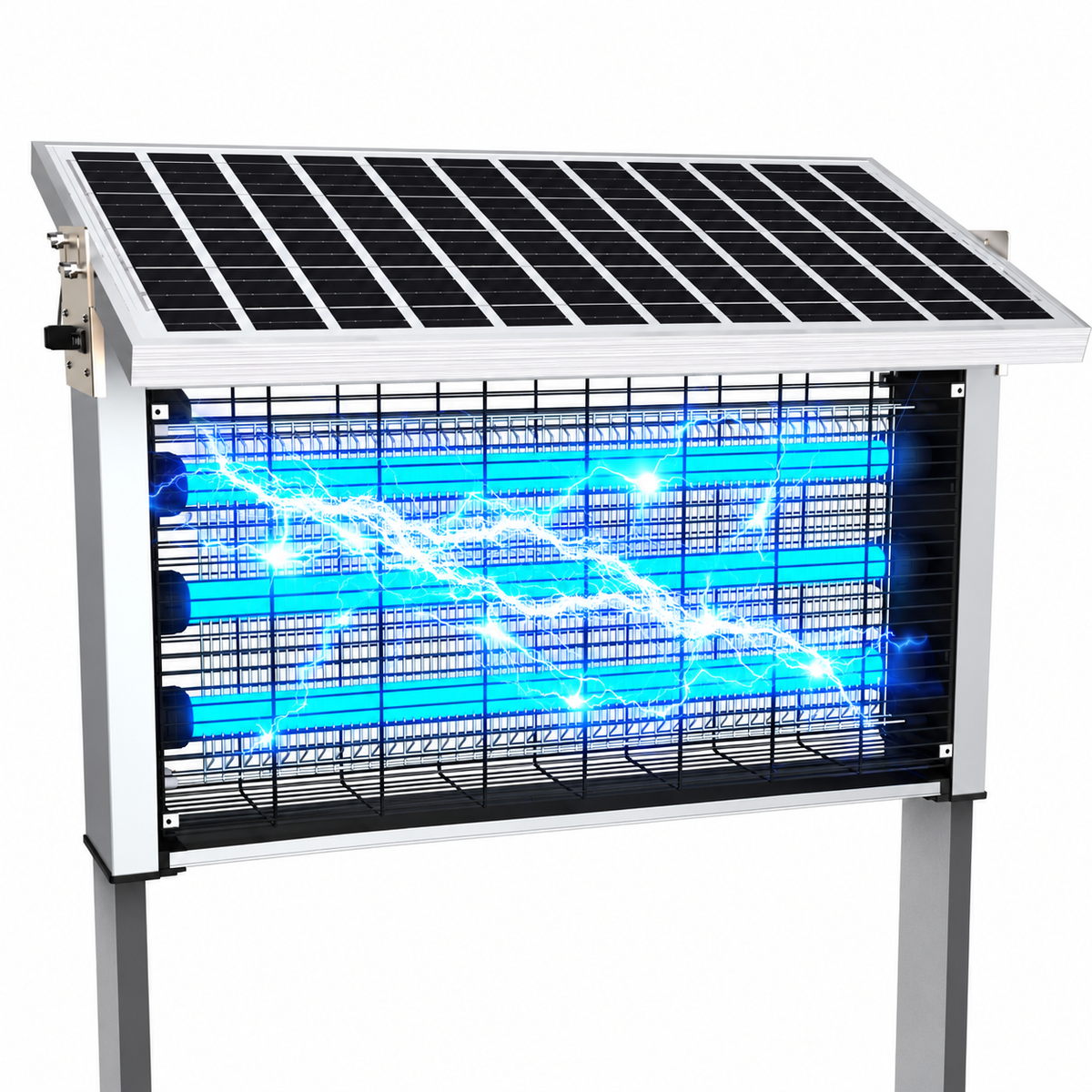
Many users replace these lamps only when they burn out, but UV attraction effectiveness gradually decreases over time. Periodic UV intensity checks help maintain trapping performance.
Understanding the demands of your specific application helps establish a more accurate maintenance schedule.
Creating a Preventive Maintenance Plan
Instead of relying on guesswork, create a structured inspection and maintenance routine.
Monthly Tasks
-
Check for visible damage.
-
Clean lamp surfaces.
-
Inspect electrical connections.
-
Verify cooling and ventilation.
Quarterly Tasks
-
Measure UV output with a UV meter.
-
Inspect quartz sleeves.
-
Review operating hour logs.
Annual Tasks
-
Evaluate long-term performance trends.
-
Replace lamps that have fallen below acceptable UV output thresholds.
-
Inspect and service associated control equipment.
Keeping detailed maintenance records helps identify patterns and predict replacement needs more accurately.
How Proper Handling Extends UV Lamp Life
Many UV lamps fail prematurely due to improper handling rather than natural wear.
Follow these best practices:
-
Avoid touching the quartz surface with bare hands.
-
Store replacement lamps in a clean, dry environment.
-
Protect lamps from vibration and impact during transport.
-
Minimize unnecessary power cycling.
-
Ensure adequate cooling and airflow around operating equipment.
Small changes in handling procedures can significantly increase service life and reduce replacement costs.
When Should You Actually Replace a UV Lamp?
A UV lamp should generally be replaced when one or more of the following conditions are met:
-
UV intensity has dropped below the minimum level required for the application.
-
The lamp experiences repeated ignition failures.
-
Severe electrode blackening is accompanied by declining output.
-
Physical damage, cracks, or deformation are present.
-
Cleaning and electrical inspections fail to restore acceptable performance.
-
The lamp has exceeded both its recommended service life and confirmed performance thresholds.
The decision should always be based on measurable data rather than assumptions.
The Financial Benefits of Accurate UV Lamp Testing
Businesses that implement proper UV lamp inspection programs often experience several advantages:
-
Lower maintenance costs.
-
Reduced unnecessary lamp purchases.
-
Improved equipment reliability.
-
Better production consistency.
-
Less unplanned downtime.
-
Enhanced energy efficiency.
-
More predictable maintenance scheduling.
Over the lifetime of a UV-based system, these savings can be substantial, especially in facilities operating multiple units around the clock.
Final Thoughts: Replace Based on Evidence, Not Guesswork
UV lamps are essential components in a wide range of industrial and commercial applications, but replacing them blindly is rarely the smartest strategy. A lamp that still delivers adequate ultraviolet output should continue serving its purpose, while one that has quietly lost its effectiveness should be identified before it impacts product quality or system performance.
The best approach combines routine cleaning, operating-hour tracking, UV intensity measurement, quartz sleeve inspection, and electrical system checks. By building a data-driven maintenance process, you can avoid unnecessary expenses while ensuring your equipment performs at its best.
In the world of UV technology, smart maintenance is not about replacing parts more often—it's about replacing them at exactly the right time. The difference between the two can save money, reduce downtime, and help your entire operation run more efficiently.