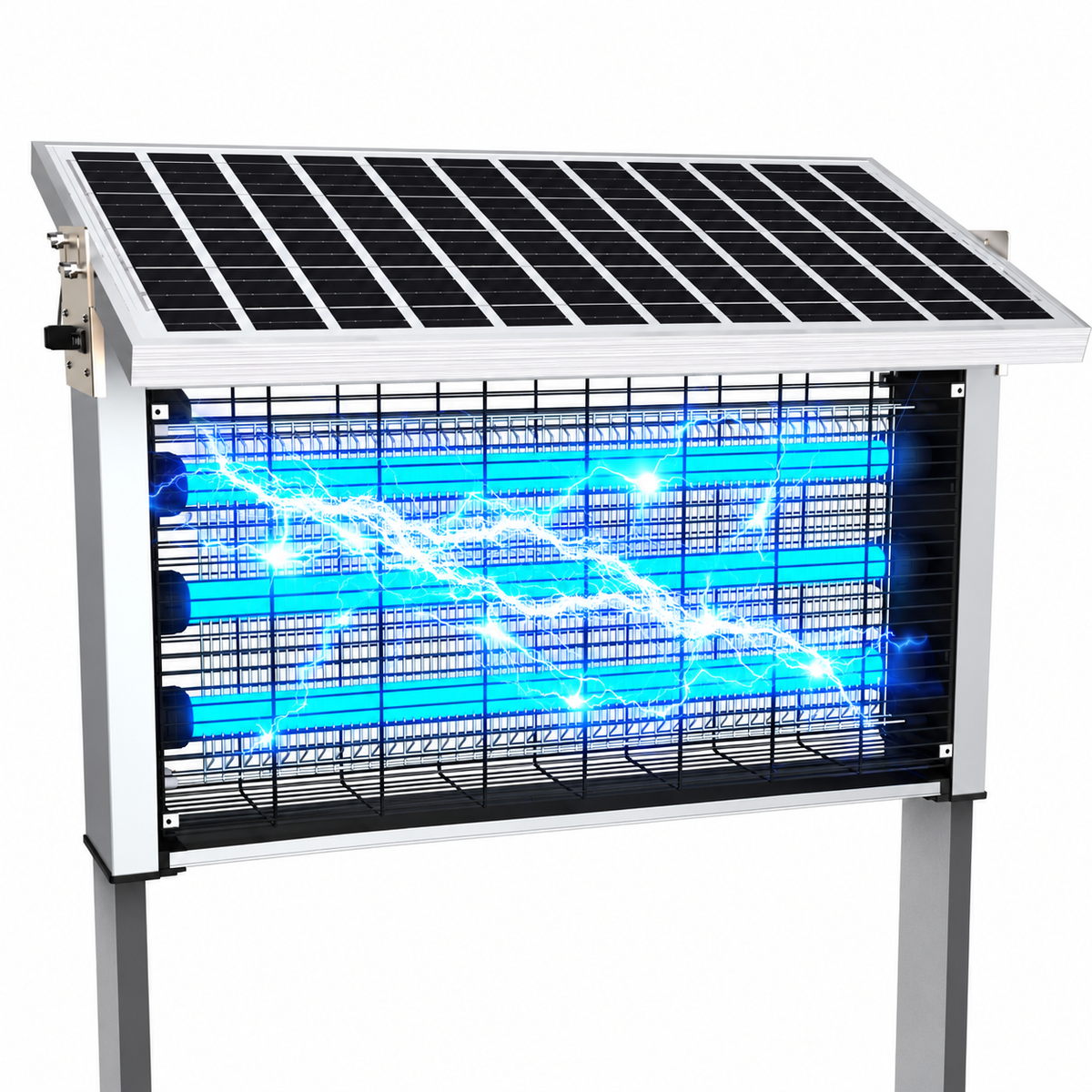

Introduction: When Your Mosquito Lamp Stops Working, It Might Not Be Broken
You switch on your mosquito lamp expecting the familiar glow — but nothing happens. No purple light. No attraction effect. Just a silent device that seems useless.
For many people, this moment leads directly to the trash can.
But here’s something most users don’t realize: mosquito lamps rarely fail completely. In many cases, the only component that needs replacement is the bulb or light tube.
Just like any lighting system, mosquito lamp bulbs have a lifespan. Once the light weakens or burns out, the device loses its ability to attract insects, even though every other component may still function perfectly.
Replacing the bulb is often simple, affordable, and surprisingly satisfying. This guide walks you through the entire process — from identifying the right replacement to safely installing it — so your mosquito lamp can return to protecting your space instead of becoming unnecessary waste.
How Mosquito Lamp Bulbs Actually Work
To understand why replacement matters, it helps to know what the bulb does.
Mosquito lamps don’t simply produce light for visibility. They emit specific wavelengths designed to attract insects.
Most traditional mosquito lamps use:
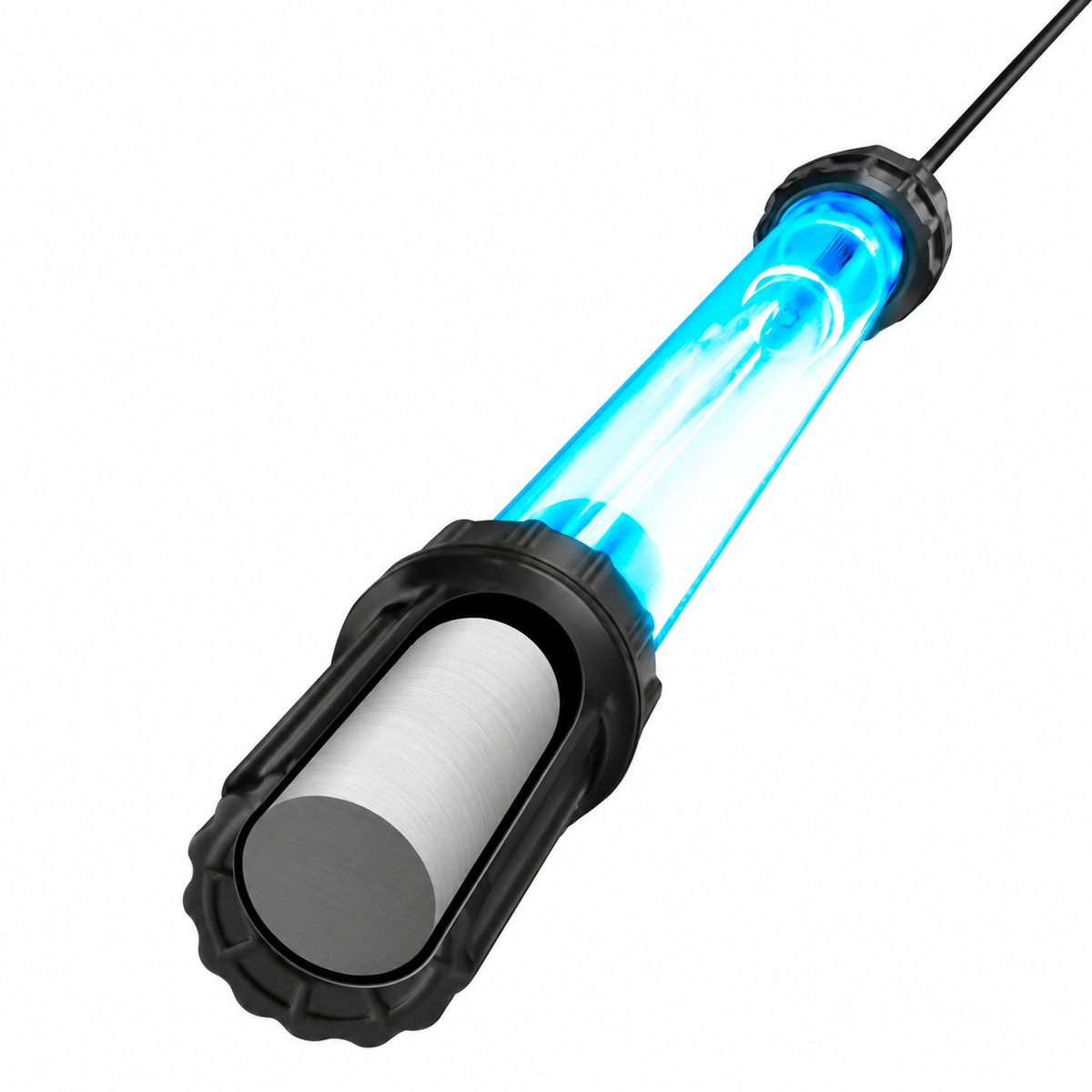
- UV fluorescent tubes
- UV-A bulbs
- Specialized LED arrays
These wavelengths mimic environmental cues mosquitoes use to locate hosts, such as twilight lighting conditions.
When the bulb weakens, attraction drops dramatically — even if the lamp still appears functional.
Signs Your Mosquito Lamp Bulb Needs Replacement
Many users wait until the light completely fails, but performance often declines long before that.
Watch for these warning signs:
Reduced Mosquito Capture
The device runs normally but catches fewer insects.
Dim or Uneven Glow
Light appears weaker or flickers intermittently.
Color Change
UV lights may shift from purple-blue to pale or white tones.
Delayed Startup
Lamp takes longer to illuminate after powering on.
Device Powers On Without Attraction
Fans or grids work, but insects ignore the lamp.
These symptoms usually indicate bulb aging rather than device failure.
Why Bulbs Wear Out Over Time
Mosquito lamp bulbs degrade due to several factors:
- Gradual phosphor coating deterioration
- Repeated heating and cooling cycles
- Voltage fluctuations
- Dust accumulation
- Long operating hours
Even high-quality bulbs typically last between 3,000 and 8,000 hours depending on design.
Running lamps nightly during mosquito season can reach this limit faster than expected.
Step 1: Identify Your Mosquito Lamp Type
Before purchasing a replacement, determine what kind of lamp you own.
Common Types
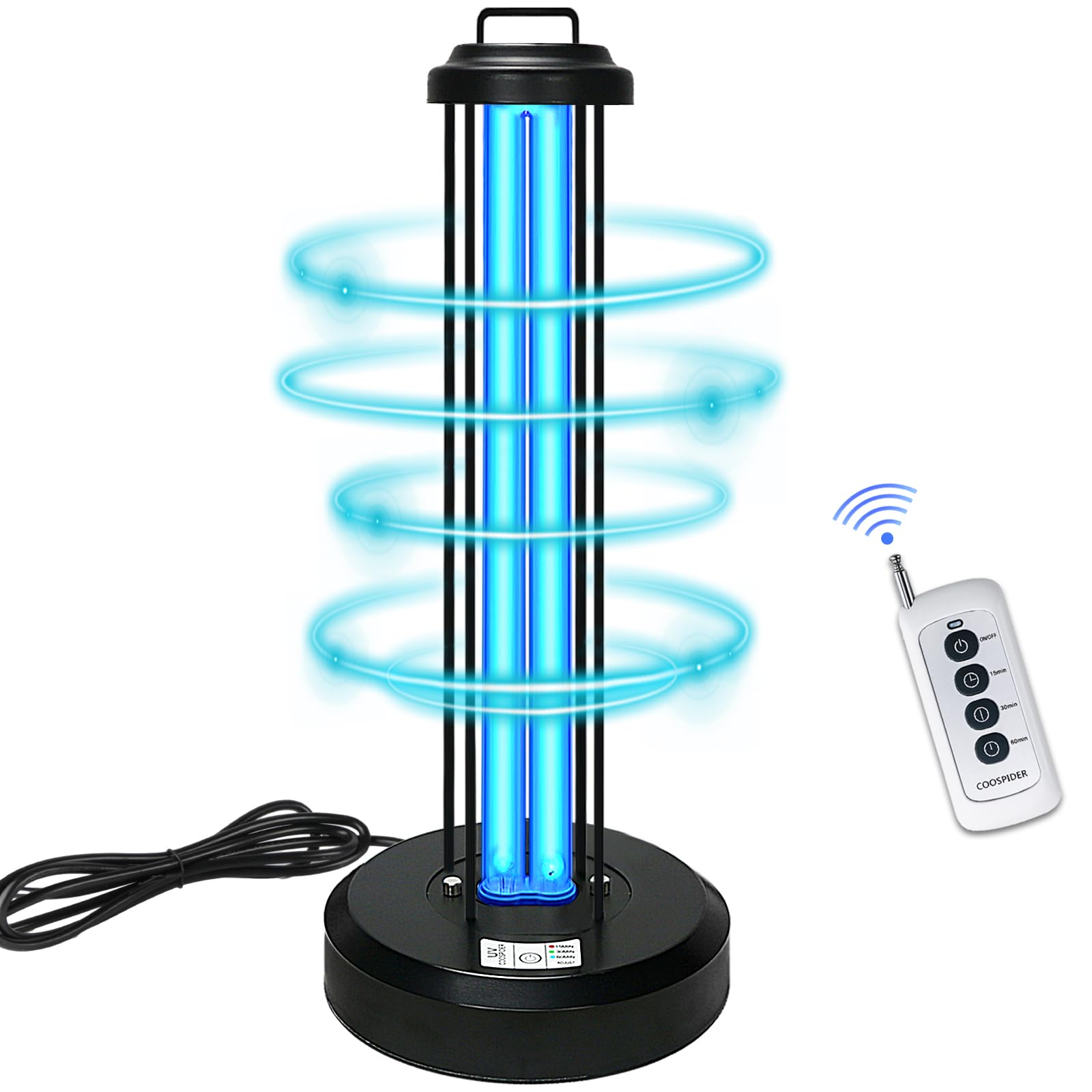
UV Fluorescent Tube Lamps
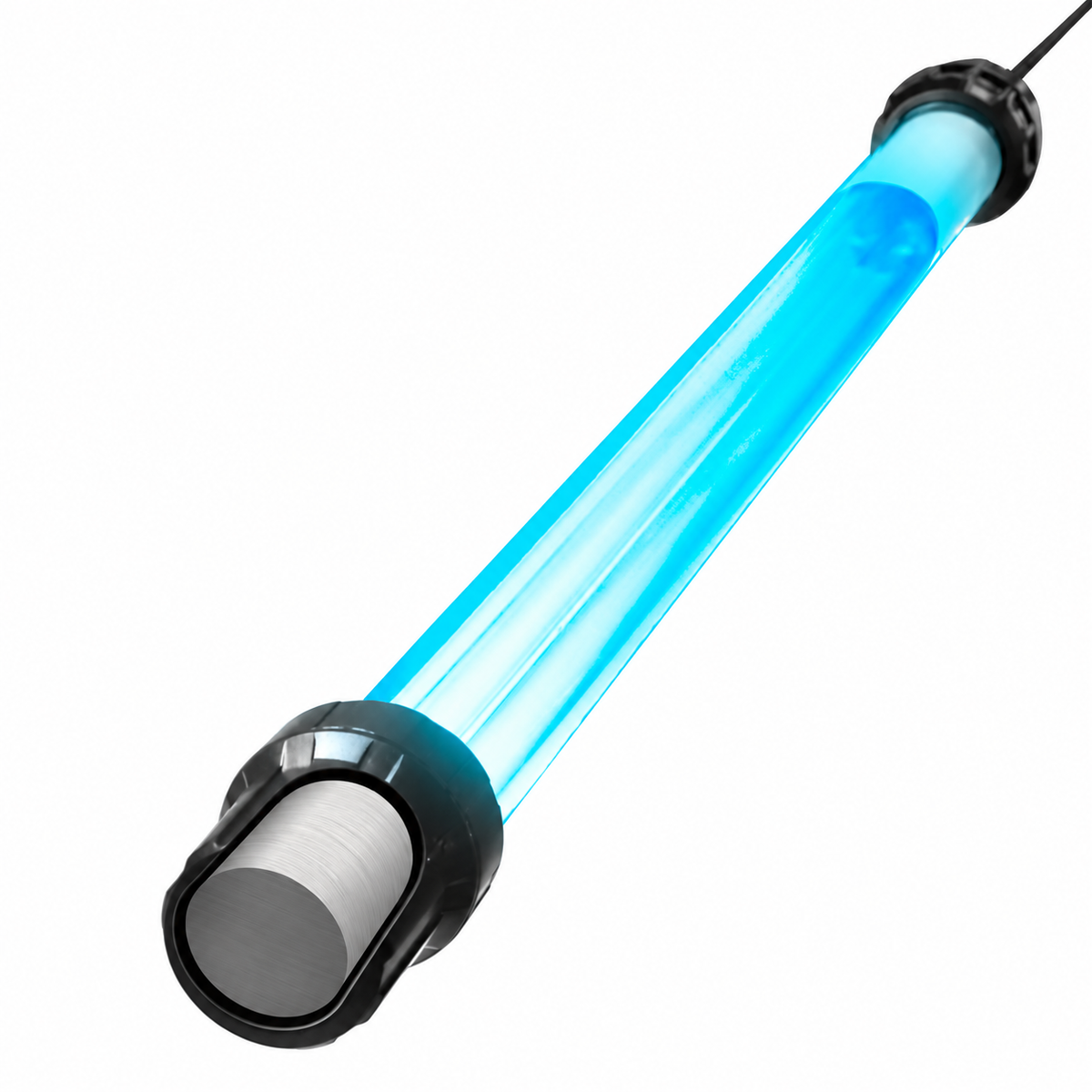
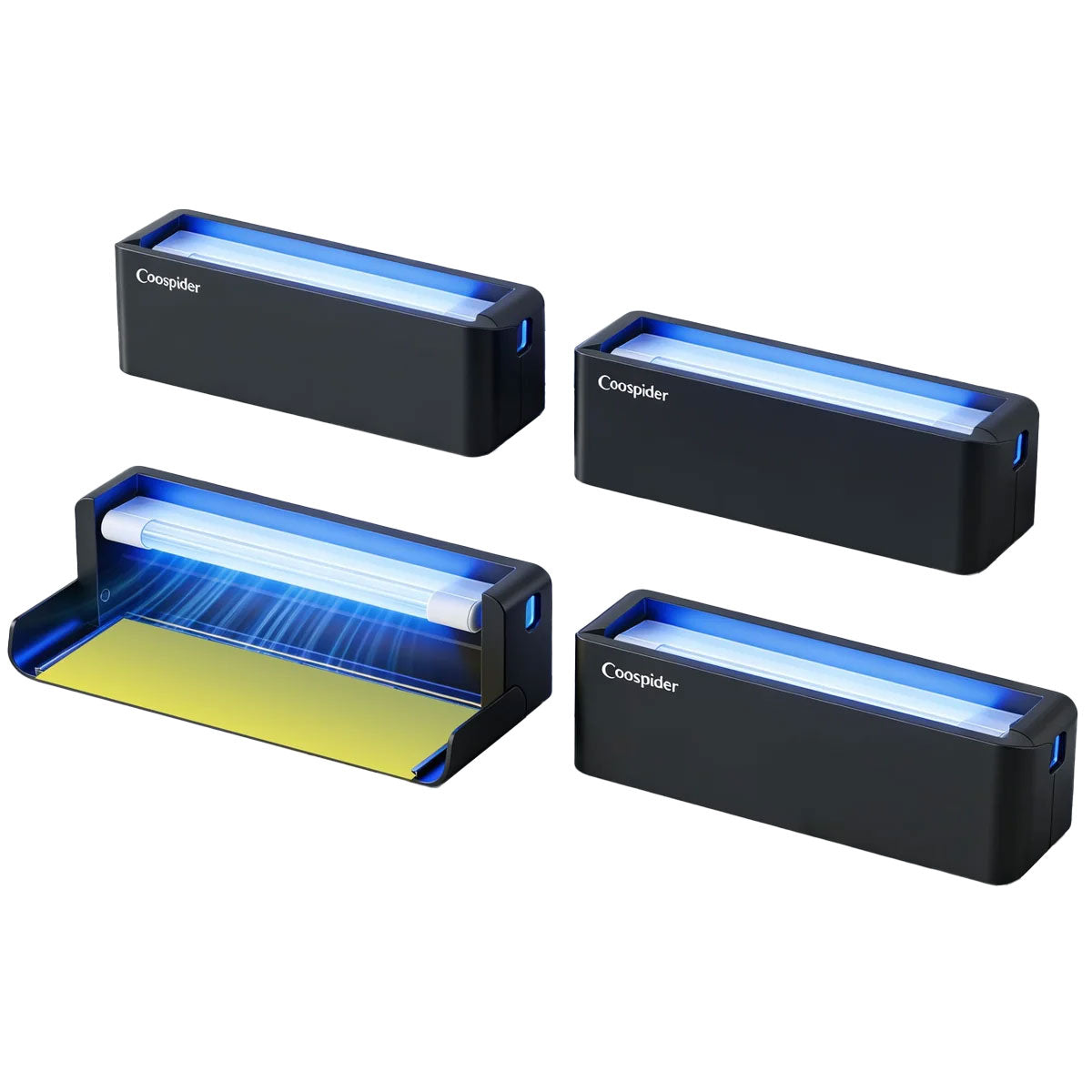
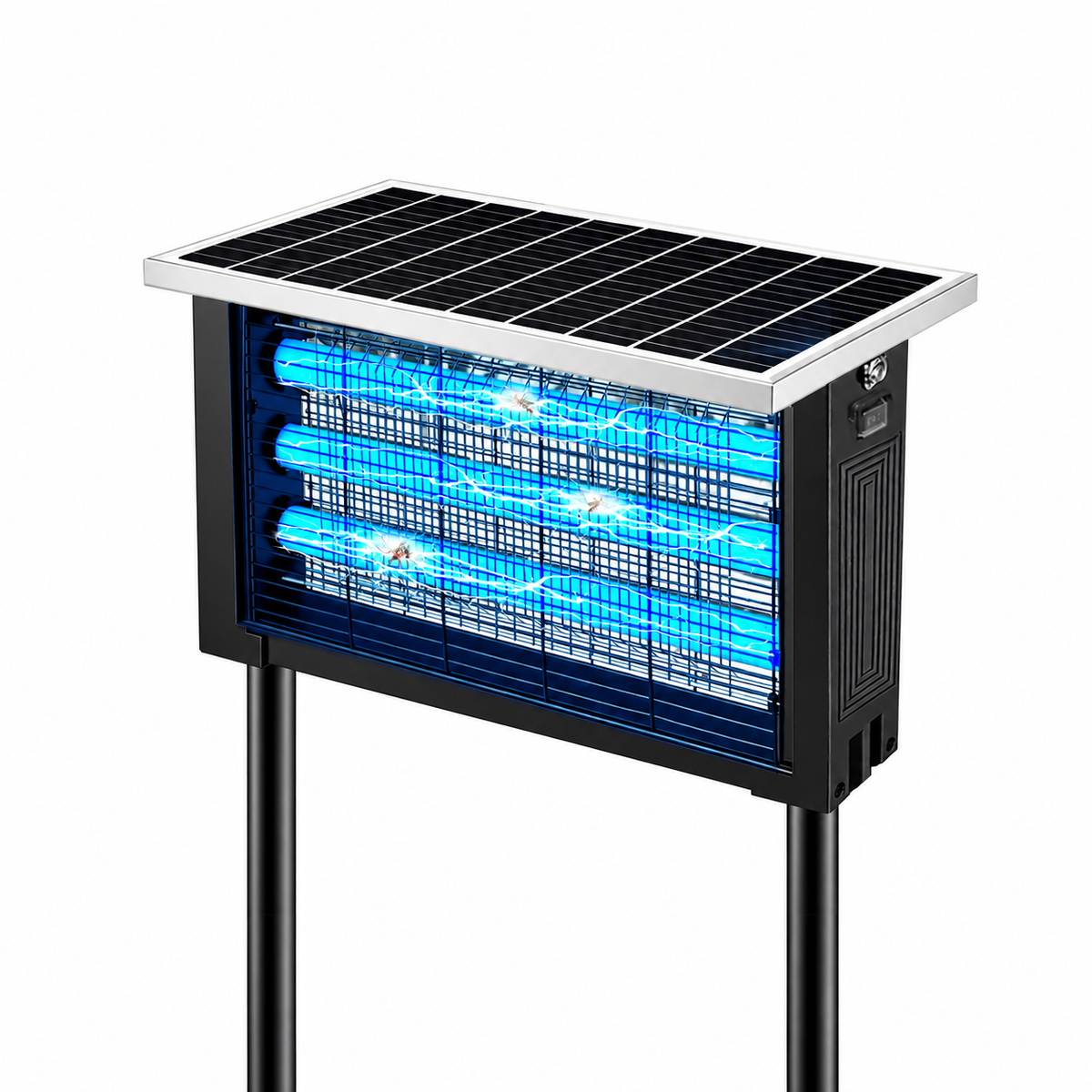
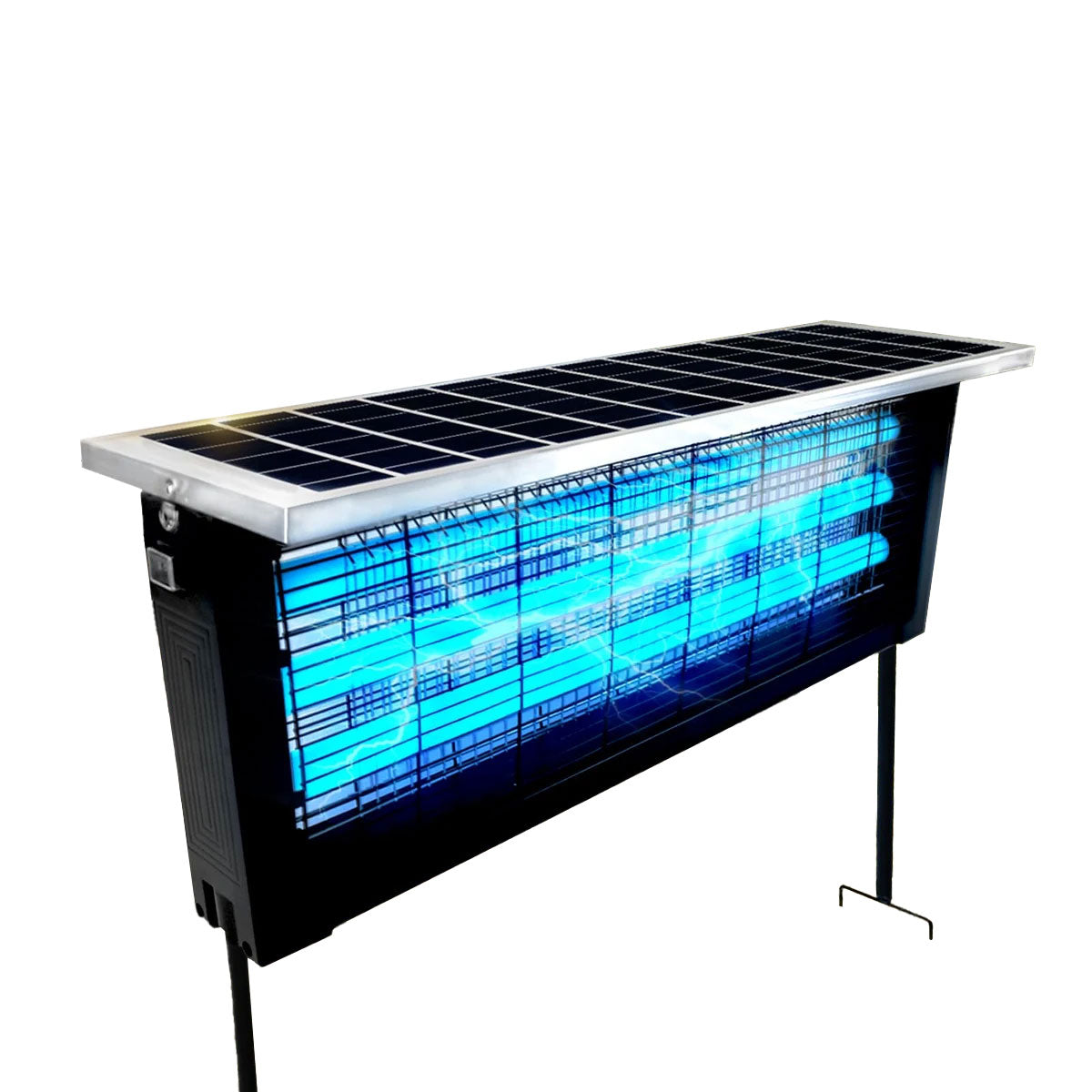
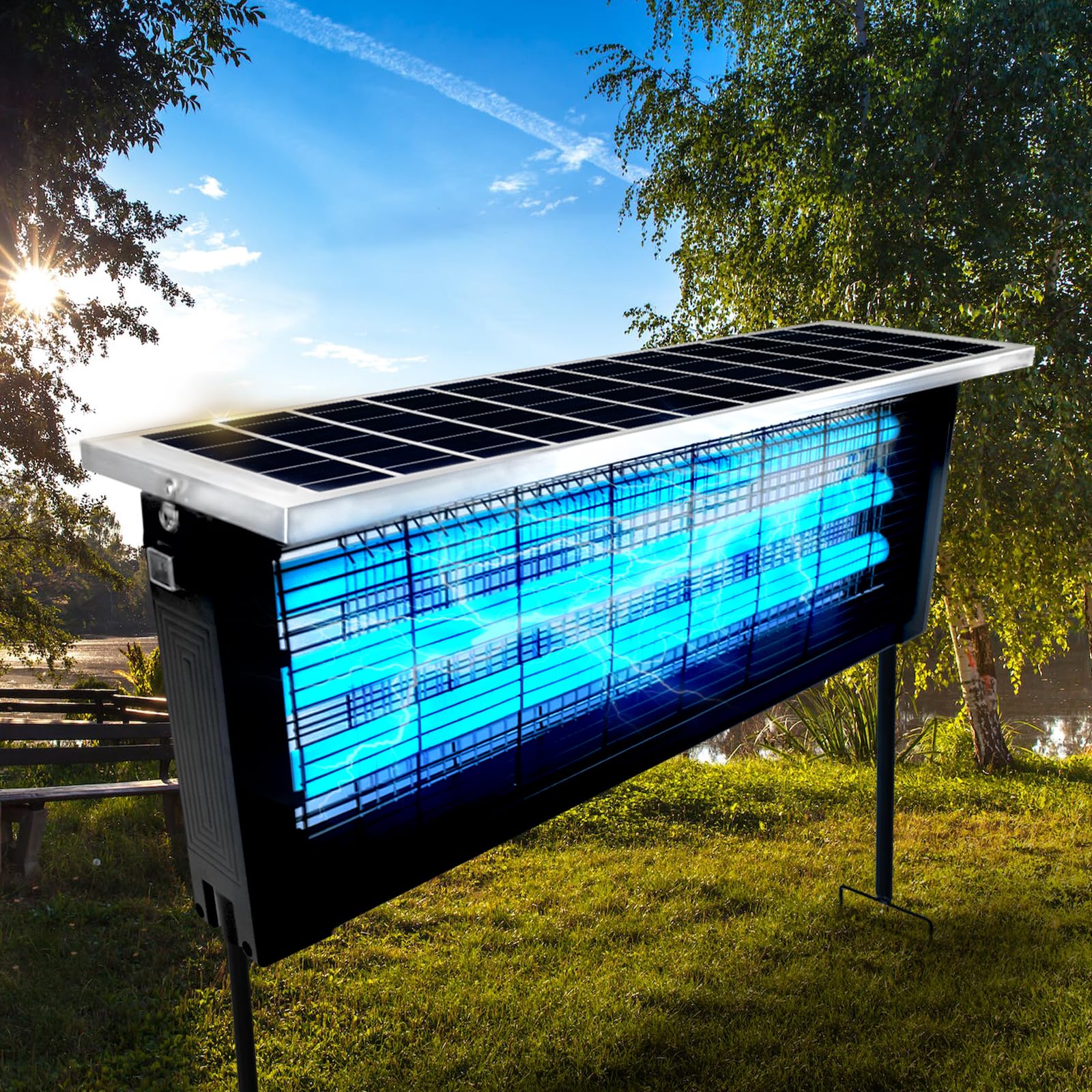
Long cylindrical tubes commonly found in electric grid models.
Compact UV Bulbs
Shorter plug-in bulbs used in smaller indoor units.
LED-Based Mosquito Lamps
Integrated light modules rather than replaceable tubes.
If your device uses LEDs, replacement may involve a module rather than a bulb — or may not be user-serviceable.
Check the product label or manual for model information.
Step 2: Find the Correct Replacement Bulb
Using the wrong bulb is one of the most common mistakes.
Important specifications include:
- Wattage (e.g., 8W, 15W, 20W)
- Length or size
- Connector type
- Voltage compatibility
- UV wavelength rating
Avoid choosing bulbs based solely on appearance.
Even small mismatches can prevent startup or reduce effectiveness.
Where to Look for Information
- Printed label near bulb socket
- User manual
- Manufacturer website
- Old bulb markings
Taking a photo before purchasing helps ensure accuracy.
Step 3: Gather Basic Tools and Prepare Your Workspace
Most mosquito lamp bulb replacements require minimal tools.
Typically needed:
- Screwdriver (if housing is secured)
- Soft gloves or clean cloth
- Dry workspace with good lighting
Preparation improves safety and prevents accidental damage.
Step 4: Disconnect Power Completely
Safety always comes first.
Before opening the device:
- Unplug from outlet.
- Remove batteries if applicable.
- Wait several minutes for internal components to cool.
Never attempt bulb replacement while the device is connected to power.
Even small mosquito lamps may contain high-voltage components.
Step 5: Open the Protective Housing
Mosquito lamps use different enclosure designs.
Common access methods include:
- Twist-lock covers
- Snap-on grills
- Screw-secured panels
Open gently and avoid forcing parts.
If resistance occurs, double-check for hidden screws or locking tabs.
Taking photos during disassembly helps with reassembly later.
Step 6: Remove the Old Bulb Safely
Bulb removal depends on design.
Fluorescent Tube Removal
- Hold both ends evenly.
- Rotate slightly (usually 90 degrees).
- Pull outward gently.
Avoid bending or twisting excessively.
Plug-In Bulbs
Pull straight out without rocking side to side.
Wear gloves or use cloth to prevent fingerprints or breakage.
Step 7: Inspect Internal Components Before Installing the New Bulb
This is the perfect moment for preventive maintenance.
Check for:
- Dust buildup
- Insect debris
- Loose wires
- Burn marks near sockets
Clean gently using a dry brush or compressed air.
Improved airflow enhances performance once the new bulb is installed.
Step 8: Install the New Bulb Correctly
Align connectors carefully.
For tube lights:
- Insert pins into socket slots.
- Rotate until locked in place.
You should feel slight resistance followed by secure positioning.
Do not force rotation beyond its stop point.
Improper installation may prevent the lamp from turning on.
Step 9: Reassemble the Device
Reverse the disassembly steps.
Ensure:
- Covers snap fully into place
- Screws are snug but not overtightened
- Protective grills align correctly
Some devices include safety switches that prevent operation unless fully assembled.
Step 10: Test the Lamp
Reconnect power and turn on the device.
Observe:
- Immediate light activation
- Stable brightness
- Normal fan or grid operation
Allow the lamp to run for several minutes to confirm consistent performance.
Common Mistakes to Avoid
Using Household UV Bulbs
General UV bulbs may lack proper wavelength targeting.
Touching Bulbs With Bare Hands
Oils can reduce lifespan in certain bulb types.
Skipping Cleaning
New bulbs perform poorly in dirty devices.
Ignoring Wattage Ratings
Incorrect wattage risks overheating.
Avoiding these mistakes ensures optimal results.
How Often Should You Replace Mosquito Lamp Bulbs?
Replacement frequency depends on usage.
Typical guidelines:
- Heavy seasonal use: once per year
- Moderate use: every 12–18 months
- Occasional use: every 2 years
Even if the bulb still lights, attraction efficiency may decline over time.
Improving Performance After Replacement
To maximize results:
- Place lamp away from competing lights.
- Position 20–40 feet from seating areas.
- Keep device slightly elevated.
- Clean regularly.
A new bulb works best when environmental conditions support attraction behavior.
Environmental Benefits of Replacing Instead of Replacing the Entire Device
Repairing instead of discarding reduces electronic waste.
Replacing a small component:
- Saves materials
- Reduces landfill impact
- Extends product lifecycle
- Lowers long-term cost
Simple maintenance contributes to more sustainable household habits.
Troubleshooting If the New Bulb Doesn’t Work
If installation fails to restore operation, check:
- Power source functionality
- Socket alignment
- Starter component (in older models)
- Internal fuse condition
Sometimes the bulb was not the only worn component.
Systematic checking identifies remaining issues.
When Replacement Isn’t Worth It
Consider replacing the device if:
- Multiple electrical components fail
- Housing is cracked or unsafe
- Repair cost exceeds new unit value
However, bulb replacement solves the majority of performance problems.
The Psychology Behind Repair Confidence
Many people hesitate to repair appliances because they assume technical complexity.
In reality, mosquito lamp maintenance is closer to changing a lightbulb than repairing electronics.
Learning basic maintenance builds confidence and reduces dependence on constant replacement purchases.
Building a Maintenance Habit
After replacing the bulb, adopt simple upkeep routines:
Weekly
- Empty insect tray
Monthly
- Clean vents and housing
Seasonally
- Inspect bulb brightness
Routine care extends the life of both bulb and device.
The Future of Replaceable Mosquito Lamps
Manufacturers are increasingly designing devices with:
- Tool-free bulb access
- Modular components
- Longer-lasting UV sources
- Maintenance reminders
User-friendly repairability is becoming a key feature in modern designs.
Final Thoughts: A Small Fix That Makes a Big Difference
A mosquito lamp that stops attracting insects doesn’t always signal the end of its life. More often, it’s simply asking for a new bulb.
With a few tools, careful handling, and clear steps, you can restore full performance in less than half an hour.
Instead of replacing the entire device, replacing the bulb gives your equipment a second life — saving money, reducing waste, and keeping your home protected from mosquitoes.
Sometimes the smartest upgrade isn’t buying something new.
It’s learning how to maintain what already works.
And once you’ve replaced your mosquito lamp bulb yourself, you’ll realize just how easy it is to keep your device ready for another season of quiet, effective protection.