Introduction: Why Outdoor Mosquito Lamps Fail Too Soon
Outdoor mosquito lamps are designed to be durable. They sit on patios, guard backyards, protect camping spaces, and quietly reduce insect populations night after night. Yet many users notice something frustrating: performance drops dramatically after just one season.
The lamp still turns on. The light still glows. But mosquitoes seem unaffected.
Most people assume the device has reached the end of its lifespan. In reality, outdoor mosquito lamps rarely fail because of age alone. The real culprit is almost always maintenance — or the lack of it.
Outdoor environments expose equipment to dust, humidity, pollen, insects, temperature swings, and rain. Without proper care, even high-quality devices lose efficiency long before their components wear out.
This comprehensive guide explains how outdoor mosquito lamps work, why performance declines, and how a structured maintenance routine can extend usability for multiple summers.
Understanding How Outdoor Mosquito Lamps Actually Work
Before discussing maintenance, it’s important to understand the systems operating inside your device.
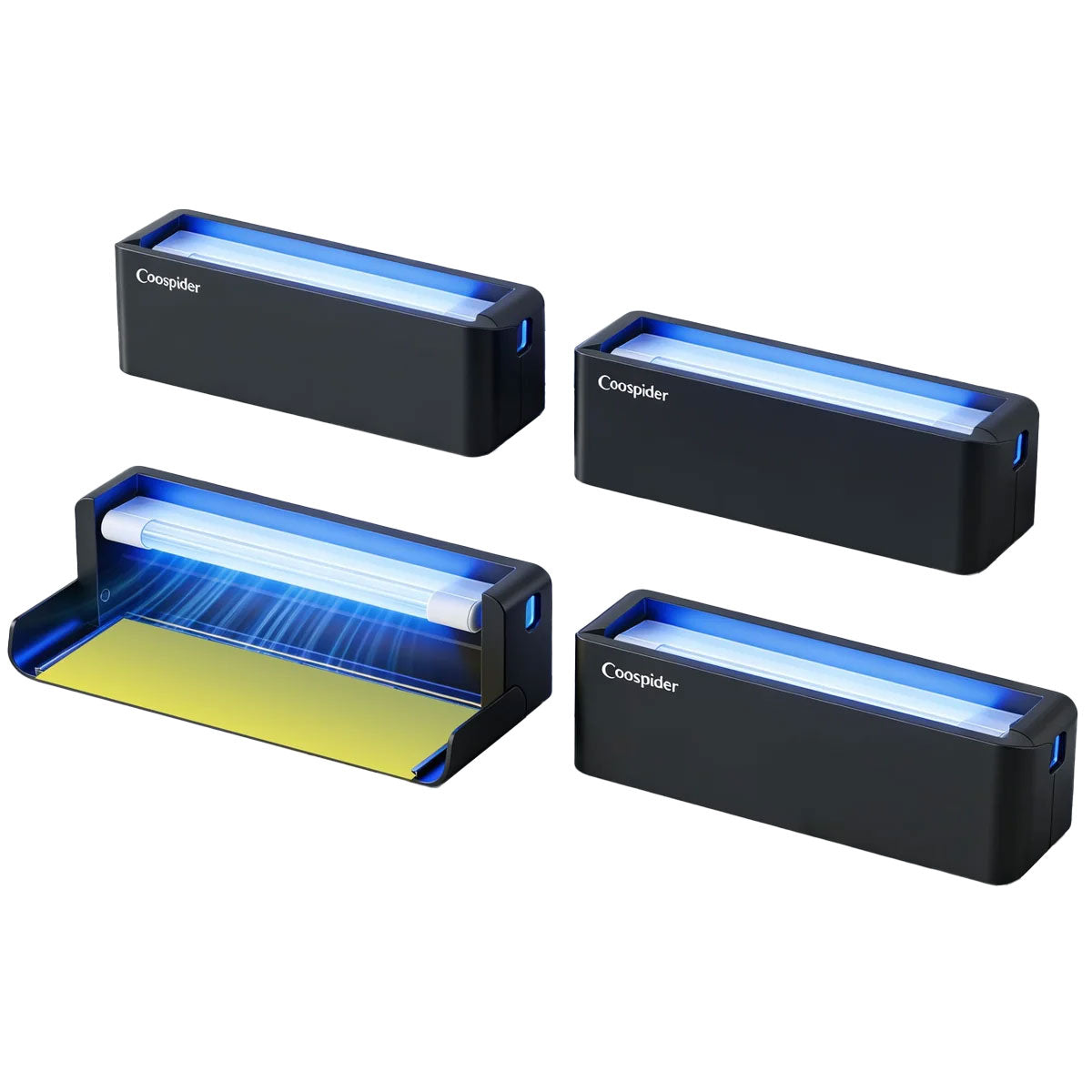
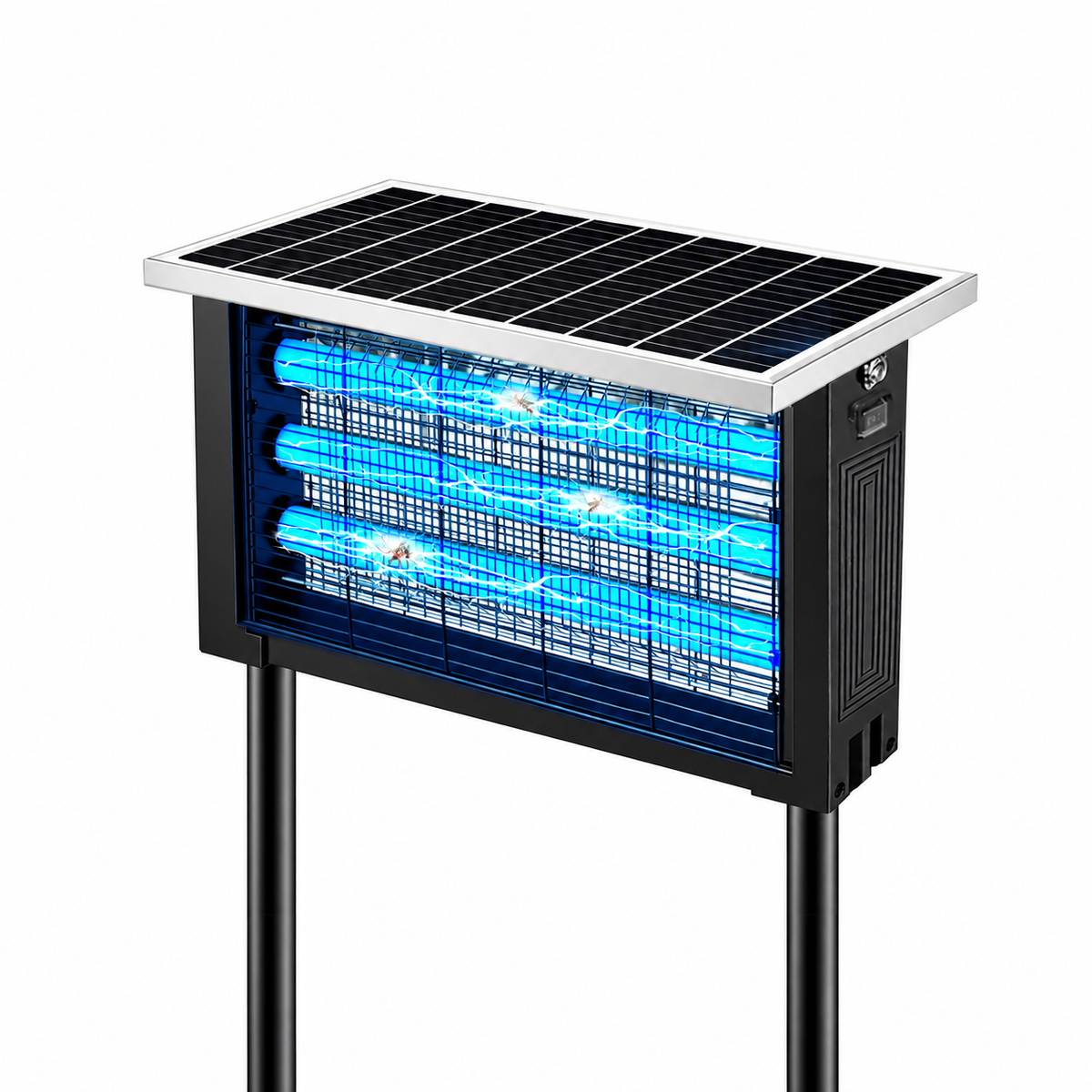
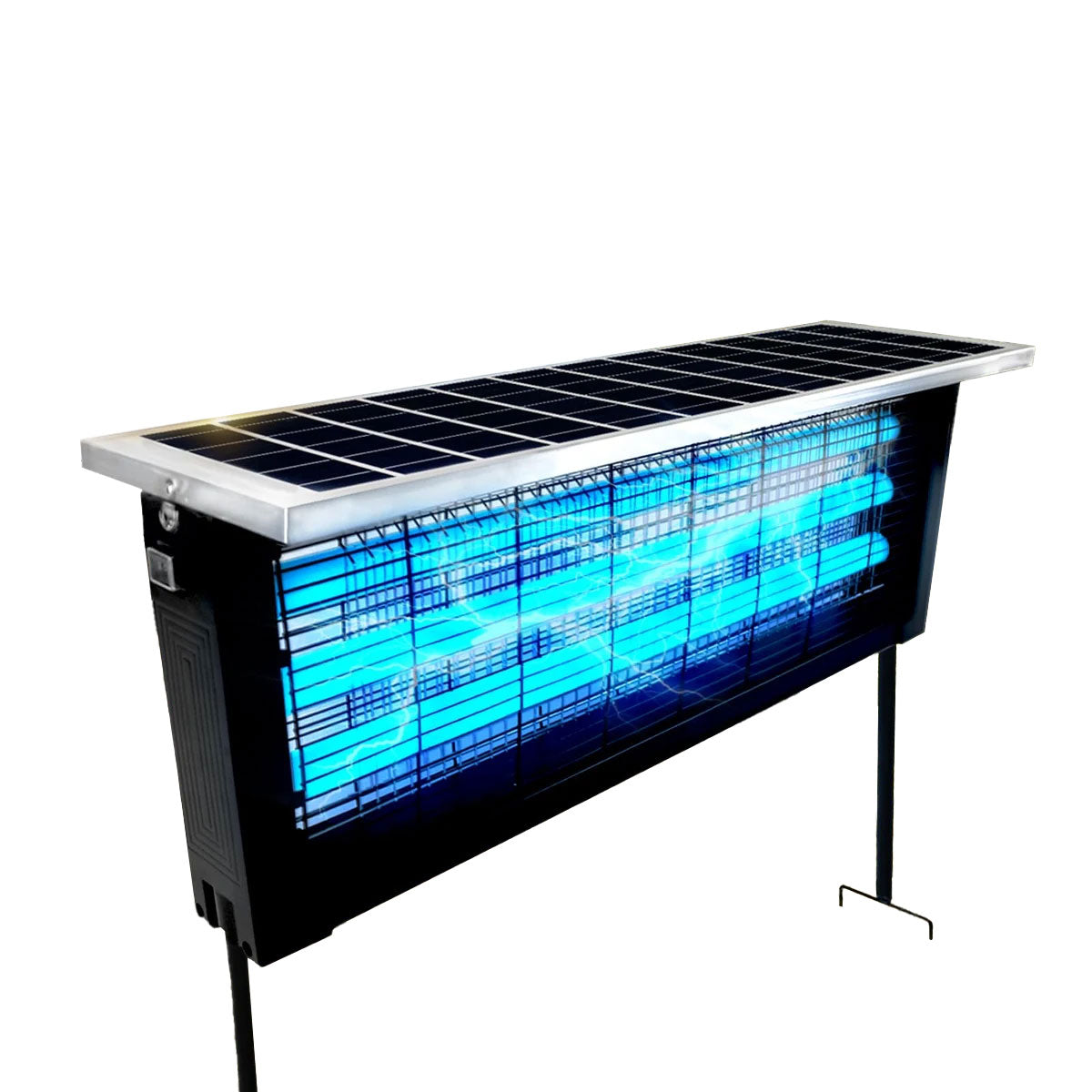
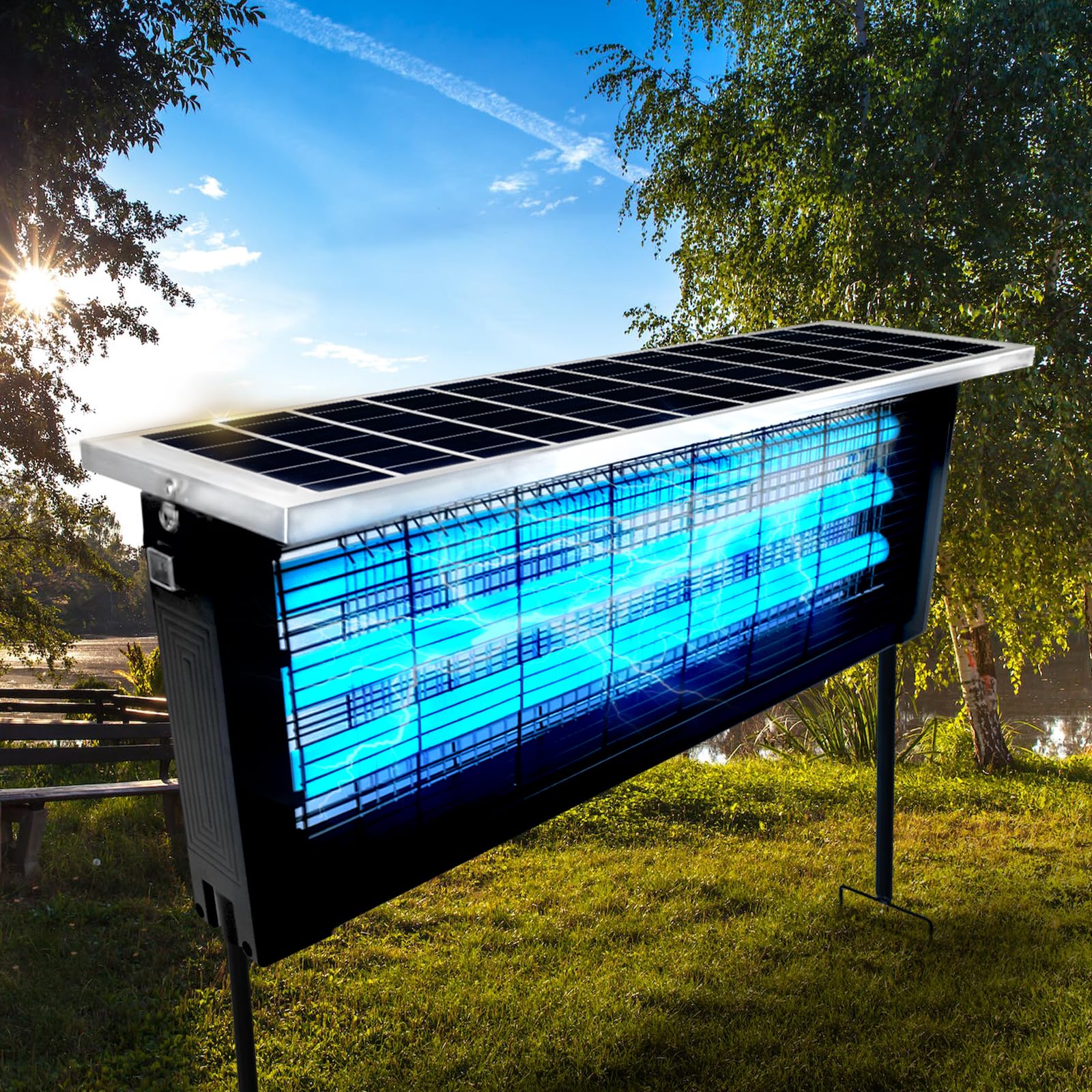
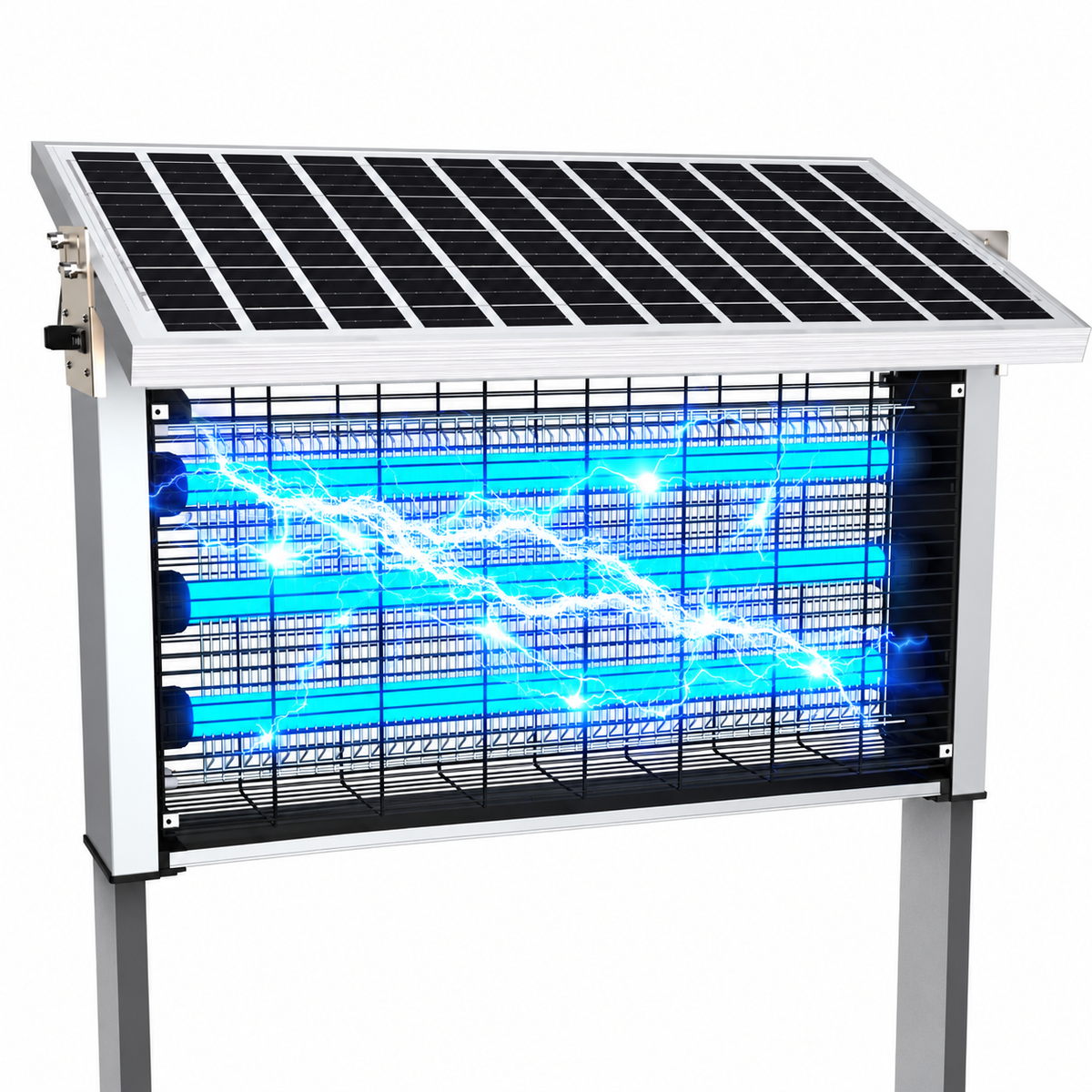
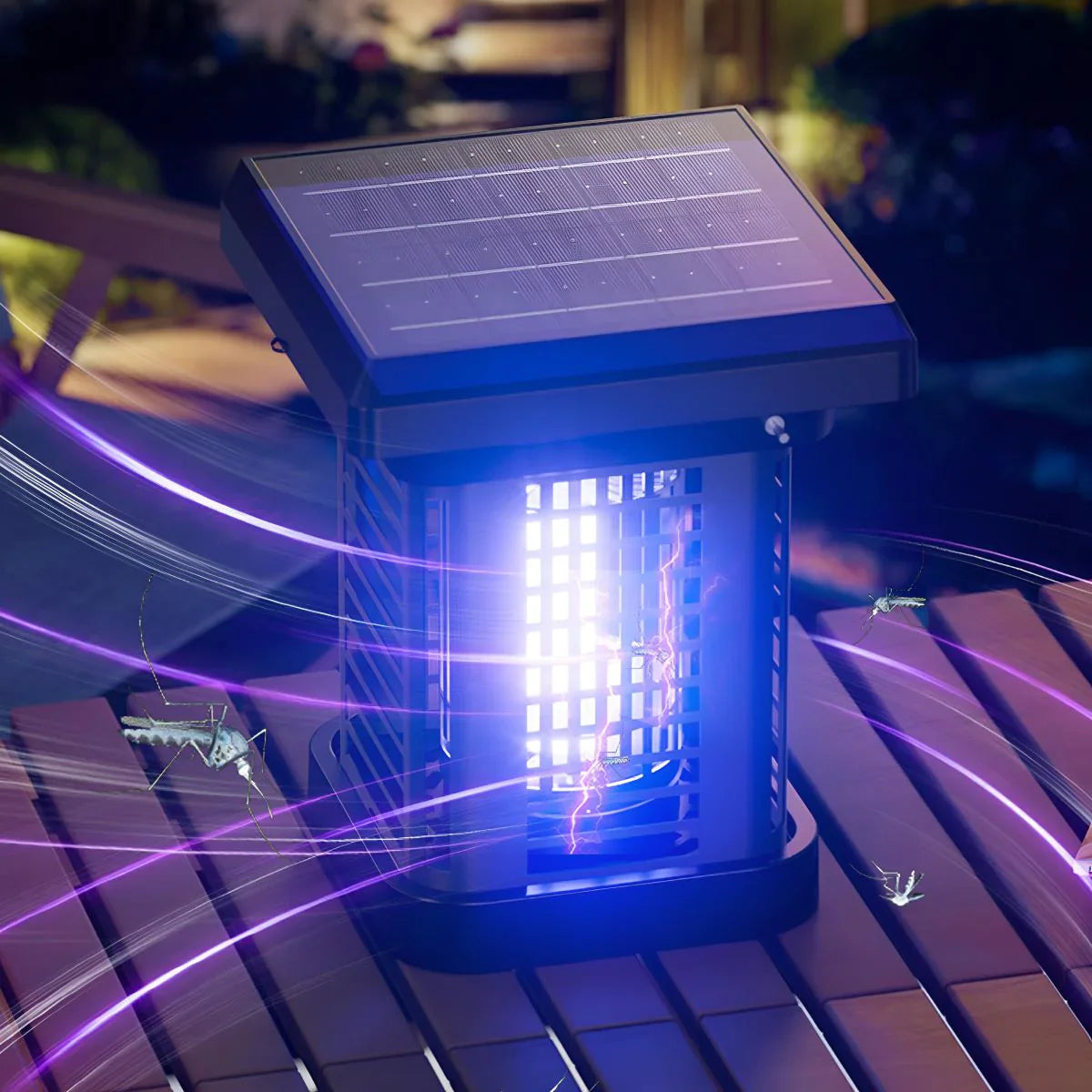
Most outdoor mosquito lamps combine several technologies:
- UV or wavelength-specific attraction lighting
- Airflow suction systems or electric grids
- Collection chambers
- Protective housings
- Power regulation electronics
Each component depends on the others. When one area becomes dirty or obstructed, overall performance drops significantly.
Maintenance is less about repair and more about preserving balance between these systems.
Why Outdoor Devices Require More Care Than Indoor Units
Indoor mosquito lamps operate in controlled environments. Outdoor models face constant environmental stress.
Environmental Challenges Include:
- Windborne dust and sand
- Rain and humidity
- Pollen accumulation
- Insect debris buildup
- Temperature expansion and contraction
- UV exposure from sunlight
These factors gradually reduce airflow efficiency, light output, and electrical stability.
Regular maintenance restores performance by reversing environmental wear.
The Seasonal Maintenance Mindset
Think of outdoor mosquito lamps like lawn equipment rather than kitchen appliances.
They require:
- Pre-season preparation
- Routine upkeep during use
- End-of-season storage care
Following a seasonal rhythm prevents sudden failures during peak mosquito months.
Pre-Season Inspection: Preparing for Summer
Before mosquito season begins, perform a full inspection.
Step 1: Exterior Housing Check
Look for:
- Cracks or weather damage
- Loose screws or mounts
- UV degradation of plastic surfaces
Small structural issues allow moisture intrusion, which can damage internal electronics.
Step 2: Power System Inspection
Examine:
- Power cords
- Outdoor adapters
- Waterproof seals
- Extension connections
Outdoor cables endure temperature changes that may weaken insulation over time.
Step 3: Functional Test
Run the lamp indoors briefly to confirm:
- Light activation
- Fan rotation or grid operation
- Stable power performance
Testing early allows time for repairs before mosquito activity peaks.
Cleaning the Attraction Light: The Most Overlooked Task
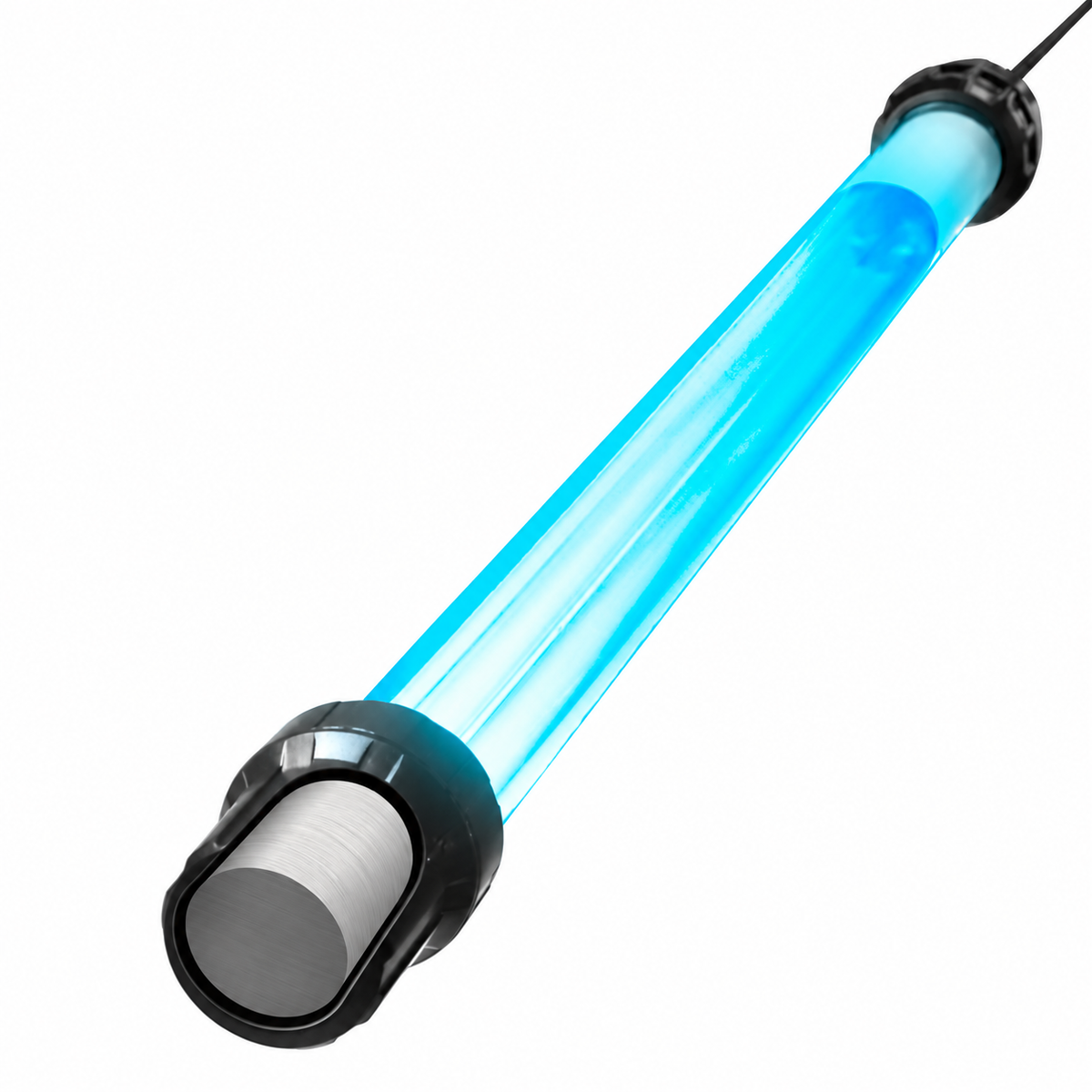
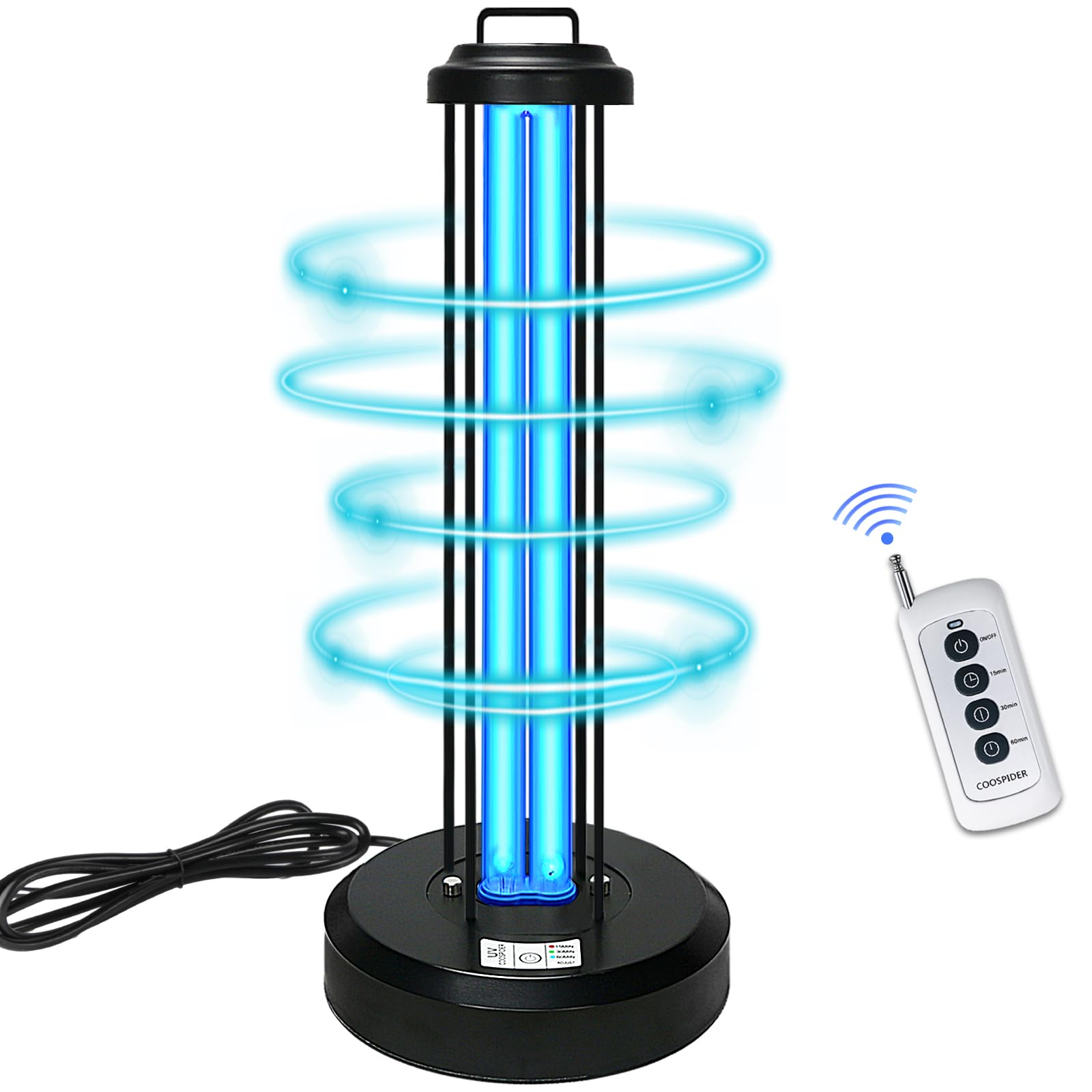
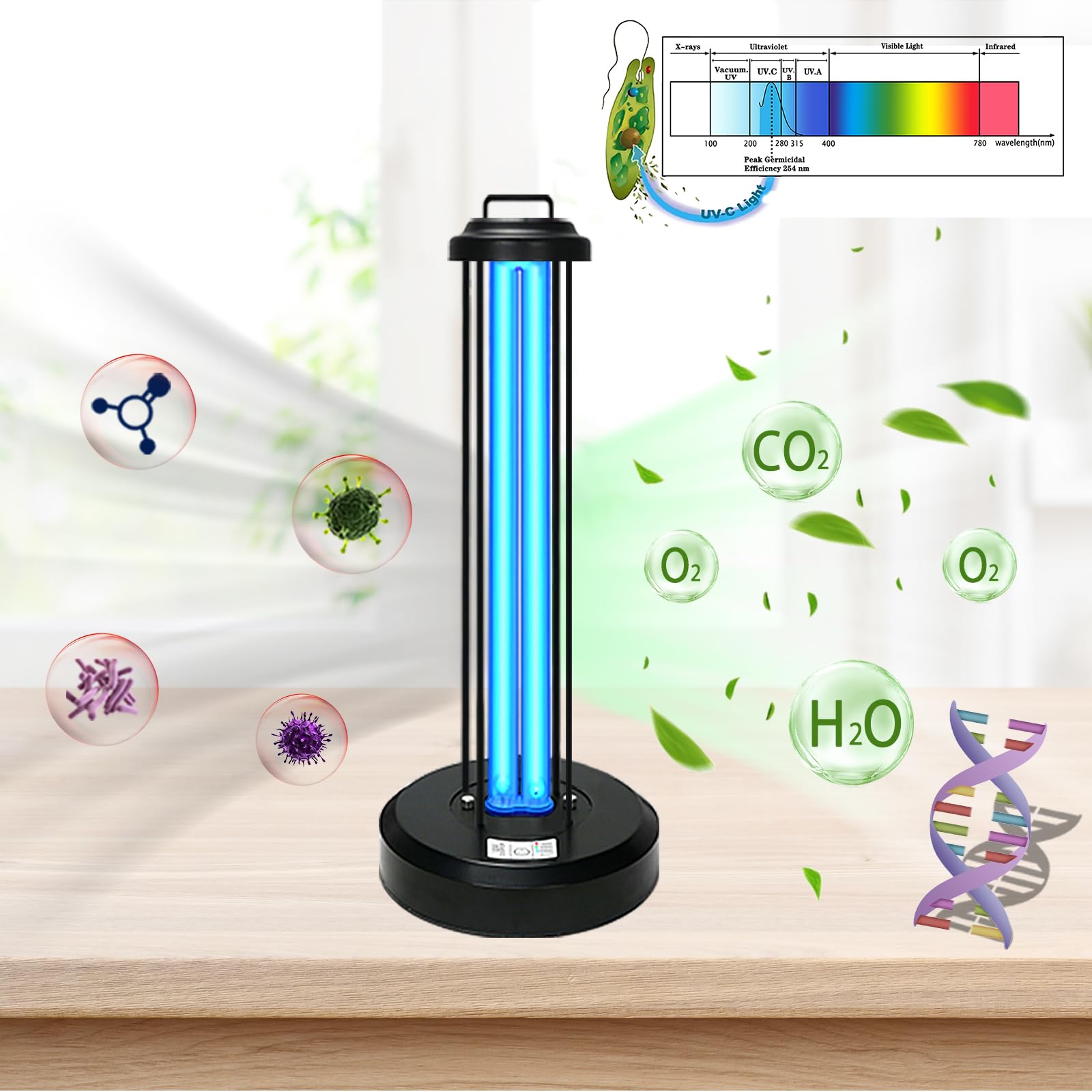
The UV light source is the primary mosquito attractor.
Over time, dust and insect residue form a thin film over the light surface, reducing brightness without being obvious to the eye.
Even minor buildup can reduce attraction efficiency dramatically.
Cleaning Method
- Disconnect power completely.
- Allow lamp to cool.
- Use a microfiber cloth or soft brush.
- Avoid harsh chemicals that may damage coatings.
Clean light surfaces monthly during heavy use seasons.
Airflow System Maintenance
Many outdoor mosquito lamps rely on fans to pull insects into collection chambers.
Airflow efficiency directly determines capture success.
Signs of Reduced Airflow
- Fewer captured insects
- Quiet or irregular fan noise
- Warm air buildup near vents
Cleaning Procedure
- Remove collection tray.
- Clear debris from intake vents.
- Use compressed air or a soft brush.
- Avoid forcing fan blades manually.
Blocked airflow forces motors to work harder, shortening lifespan.
Managing the Collection Chamber
The collection chamber accumulates insects, dust, and organic material.
If neglected, it becomes a source of odor and microbial growth.
Best Practices
- Empty every 3–7 days during peak season.
- Wash removable containers with mild soap.
- Dry completely before reinstalling.
Moist environments inside the chamber can attract additional insects unintentionally.
Protecting Against Moisture Damage
Outdoor humidity is one of the biggest threats to electronics.
Even weather-resistant designs benefit from additional precautions.
Smart Placement Tips
- Install under eaves or covered patios.
- Avoid direct sprinkler exposure.
- Elevate slightly above ground level.
Water exposure doesn’t always cause immediate failure — corrosion often appears weeks later.
Optimizing Placement for Longevity
Proper placement improves both effectiveness and durability.
Ideal Positioning
- 20–40 feet away from seating areas
- Slightly shaded locations
- Stable, vibration-free surfaces
- Away from competing light sources
Reduced environmental stress equals longer component life.
Electrical Connection Care
Outdoor electrical connections degrade faster than indoor ones.
Preventive Measures
- Use weather-rated outlets.
- Inspect connectors monthly.
- Keep plugs elevated off wet ground.
- Replace worn adapters promptly.
Stable power delivery protects sensitive circuits.
Mid-Season Performance Check
Halfway through summer, conduct a quick evaluation.
Ask:
- Has capture rate declined?
- Is brightness reduced?
- Are unusual noises present?
Mid-season maintenance restores peak performance during the most mosquito-active period.
Dealing with Odors
Unpleasant smells usually indicate organic buildup.
Causes include:
- Decomposing insects
- Moisture retention
- Biofilm formation
Solution
- Deep clean collection areas.
- Allow full air drying.
- Run lamp briefly without collection tray (if safe per manufacturer instructions).
Odor removal often improves attraction effectiveness as well.
Protecting Against Sun Exposure
Ironically, sunlight itself can degrade outdoor mosquito lamps.
Continuous UV exposure weakens plastics and seals.
Prevention
- Choose shaded placement.
- Rotate device position occasionally.
- Store indoors during extended non-use periods.
Reducing sun stress prolongs structural integrity.
Insect Scale Management
In areas with heavy mosquito populations, devices may capture hundreds of insects weekly.
High capture volume increases maintenance frequency.
Adjust Cleaning Schedule Based On:
- Climate humidity
- Nearby water sources
- Seasonal insect density
Heavy-use environments require more frequent cleaning cycles.
Troubleshooting Performance Drops
If performance decreases despite maintenance, check:
- Light output consistency
- Fan speed strength
- Electrical stability
- Environmental changes nearby
New outdoor lighting or landscaping can unintentionally affect attraction patterns.
End-of-Season Shutdown Procedure
Proper storage determines next year’s performance.
Step-by-Step Storage Prep
- Perform deep cleaning.
- Remove all insect residue.
- Dry components completely.
- Coil cables loosely.
- Store in a cool, dry location.
Never store devices while damp.
Winter Storage Mistakes to Avoid
Common errors include:
- Leaving units outdoors uncovered
- Storing in humid garages
- Wrapping tightly in plastic without airflow
Moisture trapped during storage causes corrosion and mold.
Extending Device Lifespan Beyond Expectations
Well-maintained outdoor mosquito lamps often last significantly longer than expected.
Longevity depends more on maintenance consistency than brand or price.
Key habits include:
- Regular cleaning
- Dry storage
- Stable power use
- Smart placement
Small efforts compound into years of reliable operation.
Environmental Benefits of Proper Maintenance
Maintaining equipment reduces unnecessary electronic waste.
Instead of replacing devices yearly, extending lifespan:
- Conserves materials
- Reduces landfill impact
- Saves manufacturing energy
Sustainable use begins with proper care.
Building a Simple Maintenance Routine
A practical schedule might look like:
Weekly
- Empty collection tray
Monthly
- Clean light and vents
Mid-Season
- Deep airflow cleaning
End of Season
- Full inspection and storage prep
Consistency matters more than complexity.
The Psychology of Preventive Care
Maintenance often feels optional because devices continue functioning — until they suddenly don’t.
Preventive care shifts maintenance from emergency reaction to routine habit.
Users who adopt scheduled upkeep experience fewer failures and better performance overall.
The Future of Outdoor Mosquito Control
Next-generation mosquito lamps are introducing:
- Self-cleaning airflow systems
- Smart maintenance reminders
- Weather-adaptive sensors
- Energy-efficient lighting systems
Even as technology advances, basic maintenance principles will remain essential.
Final Thoughts: One Summer Isn’t the Limit
Outdoor mosquito lamps are built for endurance, but environmental exposure demands attention.
Performance loss is rarely sudden failure — it’s gradual neglect.
With proper inspection, cleaning, placement, and storage, your device can maintain strong mosquito control season after season.
A few minutes of care each week can mean the difference between replacing equipment every year and enjoying reliable protection summer after summer.
Because the secret to long-lasting outdoor technology isn’t buying new devices — it’s helping the ones you already own keep doing their job.
And when maintained correctly, your mosquito lamp won’t just survive the season.
It’ll be ready to fight again next summer.