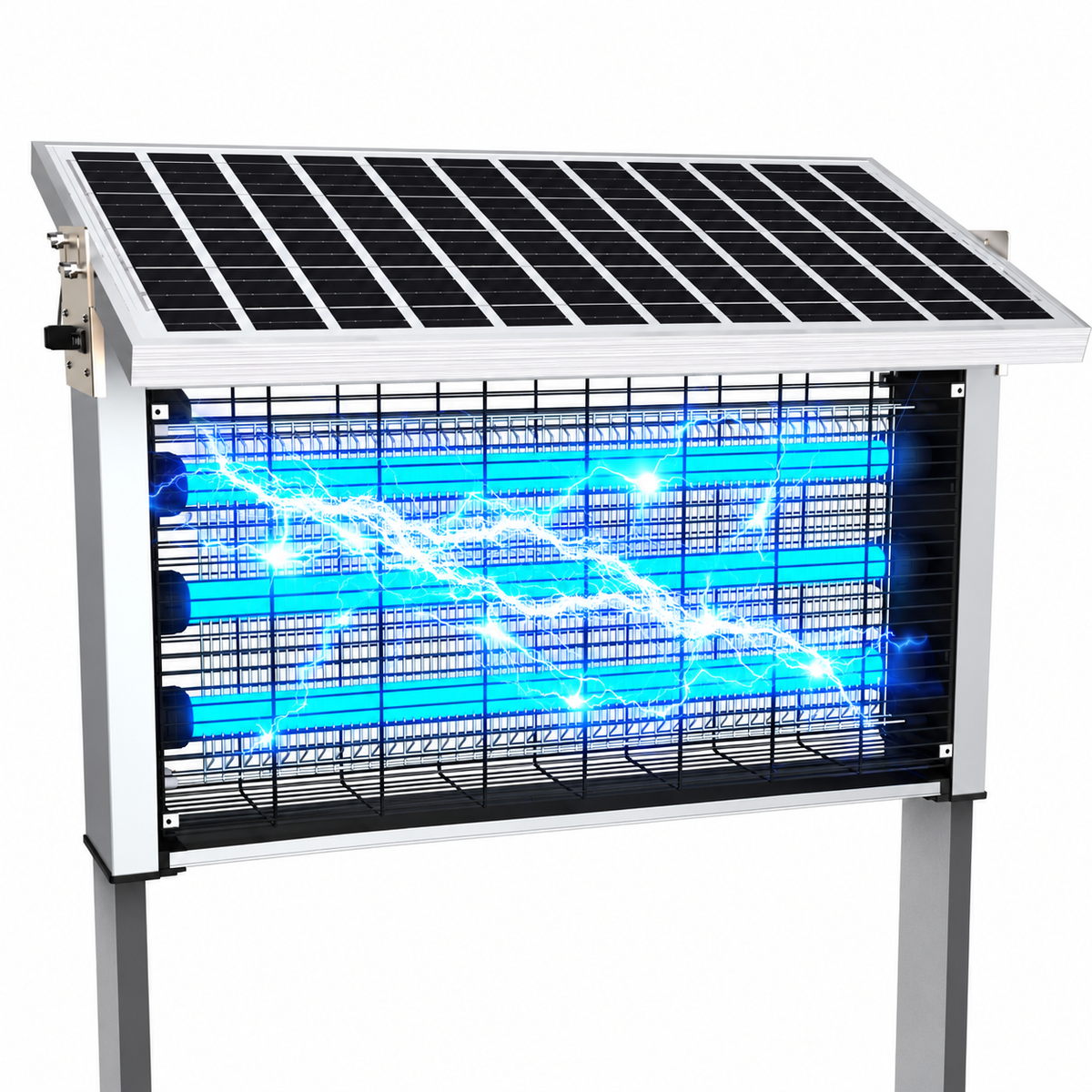

Mosquito season can quickly turn a relaxing backyard into an uncomfortable battleground. Many homeowners rely on outdoor mosquito lamps to keep patios, decks, and gardens bite-free. But what happens when your trusted mosquito lamp suddenly stops working?
Most people immediately assume the device is broken beyond repair and rush to buy a replacement. The truth is, many mosquito lamps fail due to small, fixable issues — and restoring performance is often easier, cheaper, and more effective than replacing the entire unit.
In this guide, you’ll learn practical, proven solutions to revive your backyard mosquito lamp, improve its effectiveness, and prevent future failures. These methods don’t require technical expertise, expensive tools, or professional repair services — just a little understanding and the right approach.
Why Mosquito Lamps Stop Working in the First Place
Before fixing anything, it’s important to understand how mosquito lamps actually work. Most outdoor mosquito lamps use one or more of these attraction methods:
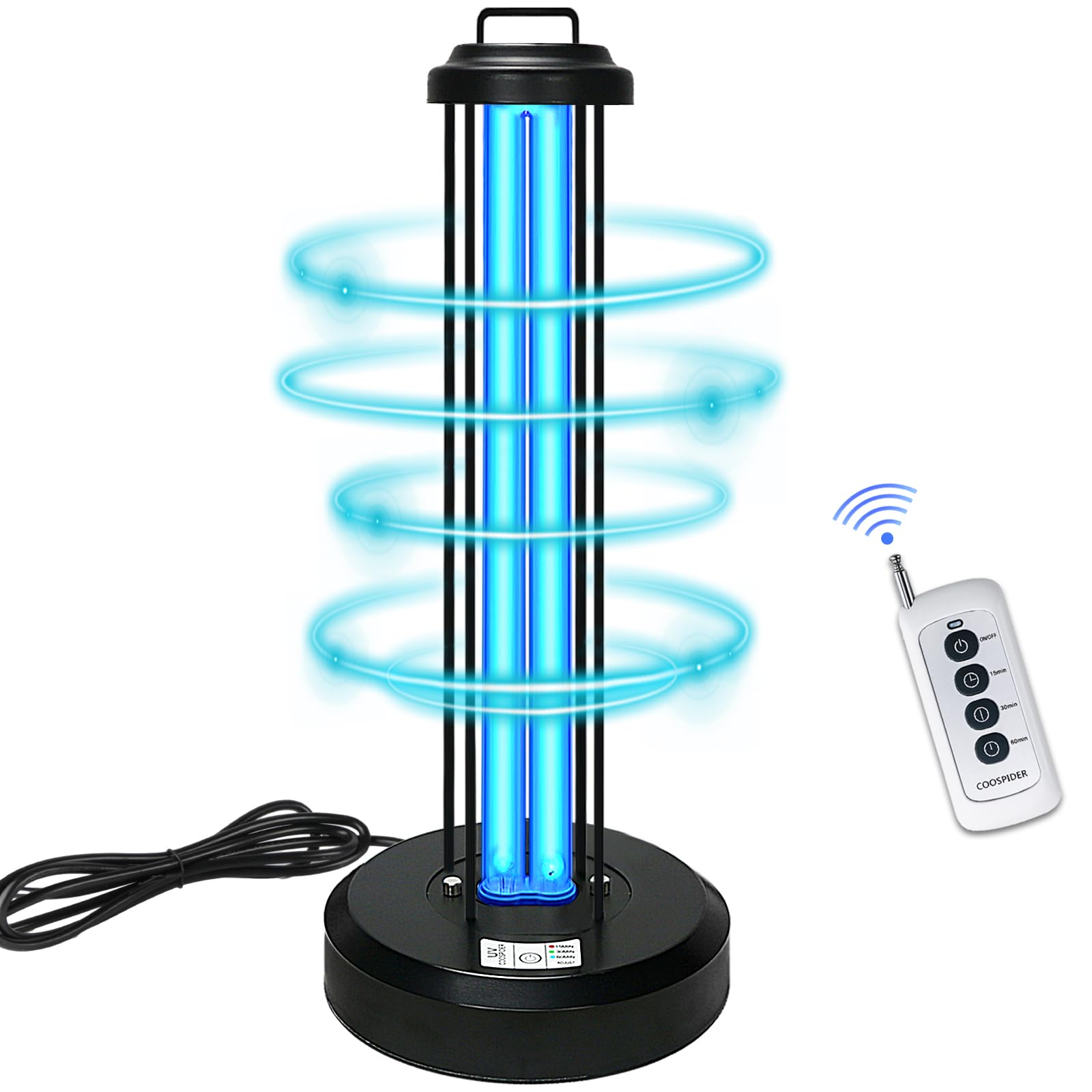
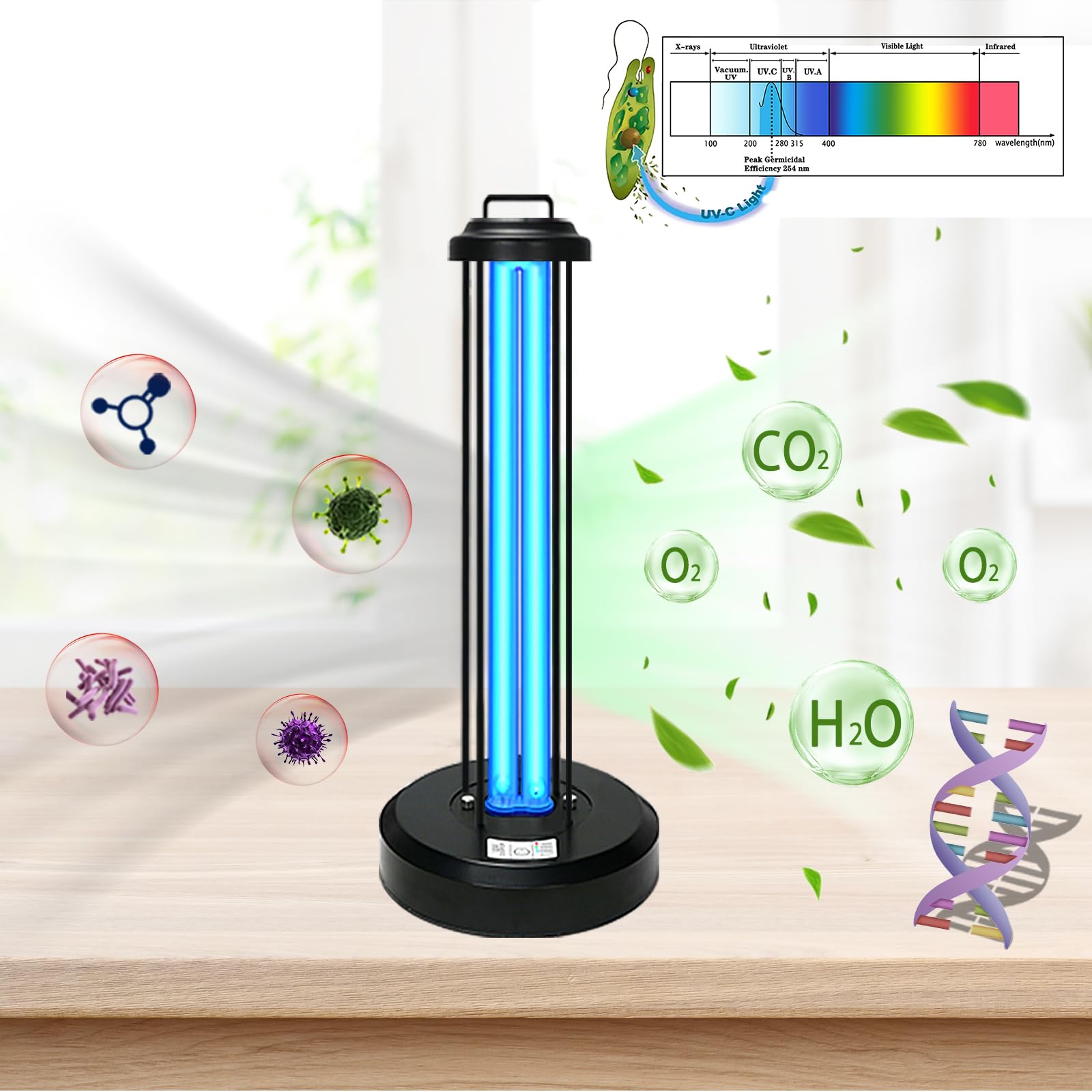
- UV light to mimic natural light sources
- Heat simulation
- CO₂ imitation or airflow suction
- Photocatalytic reactions that release attractant compounds
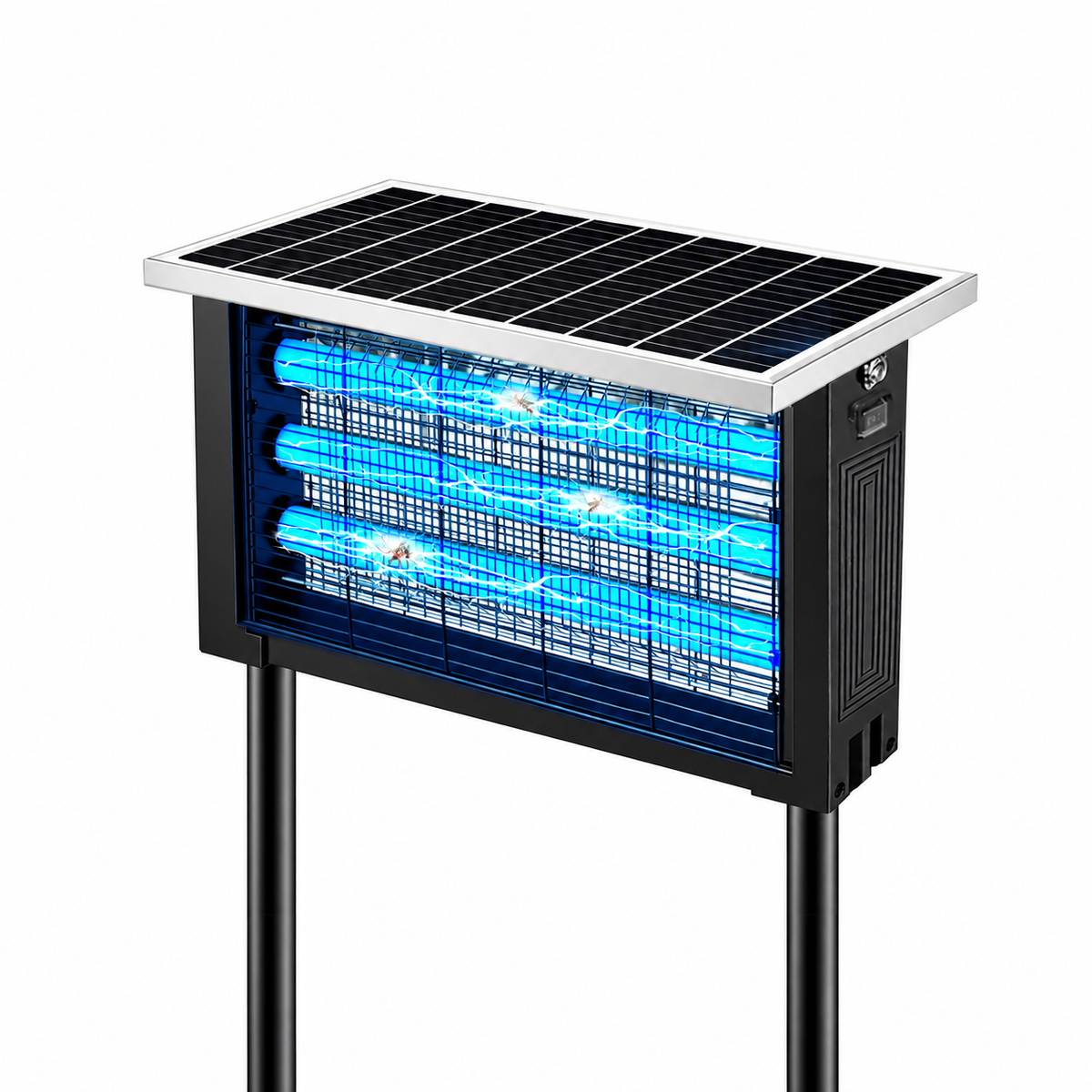
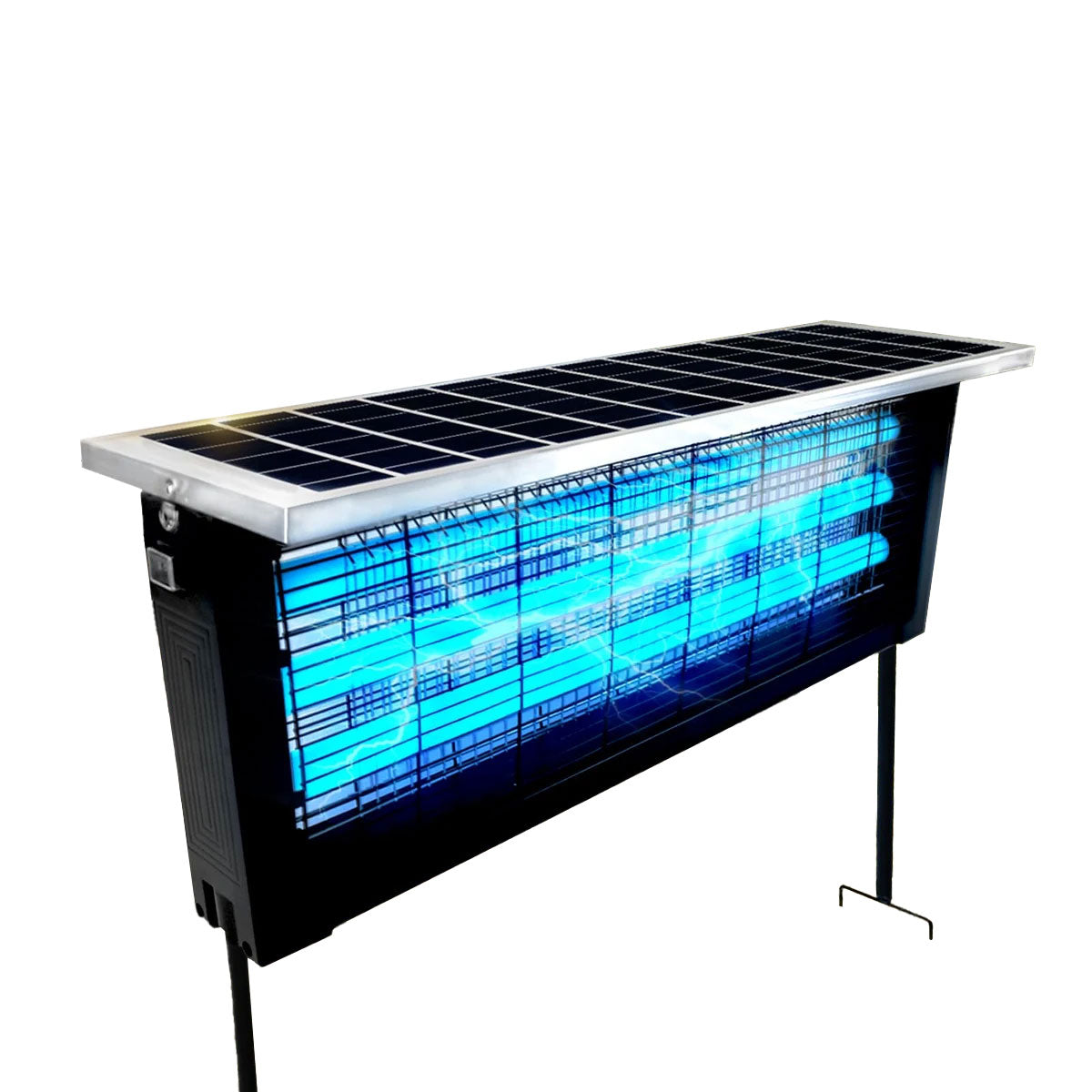
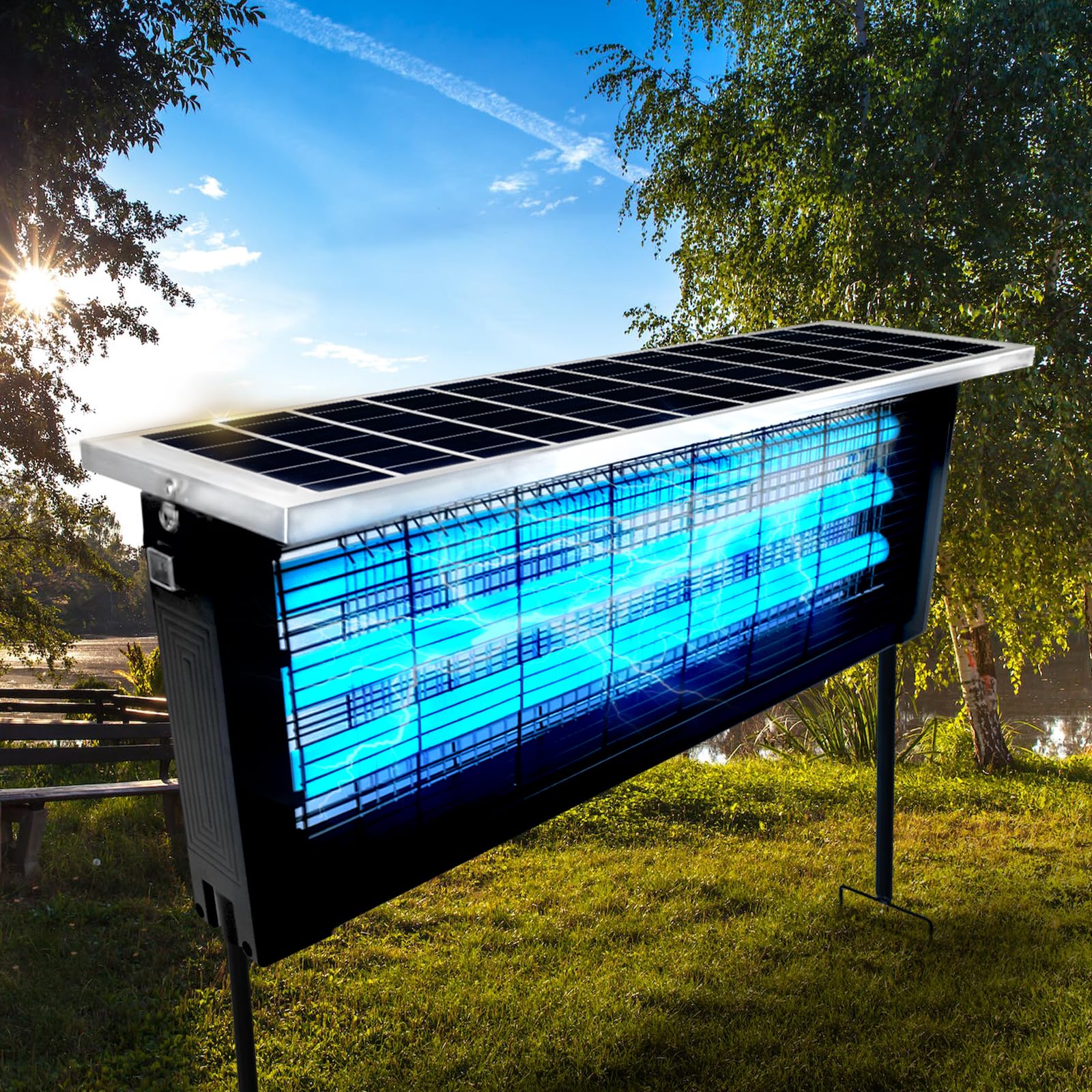
- Electric grids or fan traps to eliminate insects
Because they operate outdoors, these devices face constant exposure to dust, humidity, insects, and temperature changes. Over time, small issues accumulate and reduce performance.
Common causes of failure include:
- Dirt buildup blocking airflow
- Burned-out UV bulbs
- Power supply problems
- Internal fan obstruction
- Moisture damage
- Incorrect placement rather than mechanical failure
In fact, many mosquito lamps labeled as “broken” are still fully functional — they just need maintenance or adjustment.
Step 1: Check the Power Source (The Most Overlooked Fix)
It sounds obvious, but power issues account for a surprising percentage of mosquito lamp failures.
Start with these checks:
Inspect the Outlet
Outdoor outlets often trip due to moisture or overload. Reset the GFCI outlet if applicable. Try plugging another device into the same outlet to confirm power flow.
Examine the Power Adapter
Adapters weaken over time, especially after prolonged outdoor exposure. Look for:
- Frayed cables
- Loose connectors
- Overheating marks
- Flickering indicator lights
Sometimes replacing only the adapter restores full functionality.
Extension Cord Problems
Long or low-quality extension cords reduce voltage delivery. Mosquito lamps with fans or electric grids may fail to start under insufficient power.
Quick test: plug the lamp directly into a wall outlet.
Step 2: Clean the Lamp Thoroughly (Performance Killer #1)
A dirty mosquito lamp doesn’t just work poorly — it may stop working entirely.
Mosquito remains, dust, pollen, and spider webs accumulate inside the device. This blocks airflow and reduces attraction efficiency.
How to Clean It Properly
- Unplug the lamp completely.
- Open the outer housing according to manufacturer instructions.
- Remove the insect collection tray.
- Use a soft brush to remove debris.
- Vacuum internal vents gently.
- Wipe surfaces with a dry microfiber cloth.
Avoid spraying water directly inside unless the unit is fully waterproof.
Many users are shocked to discover their “dead” lamp works immediately after cleaning.
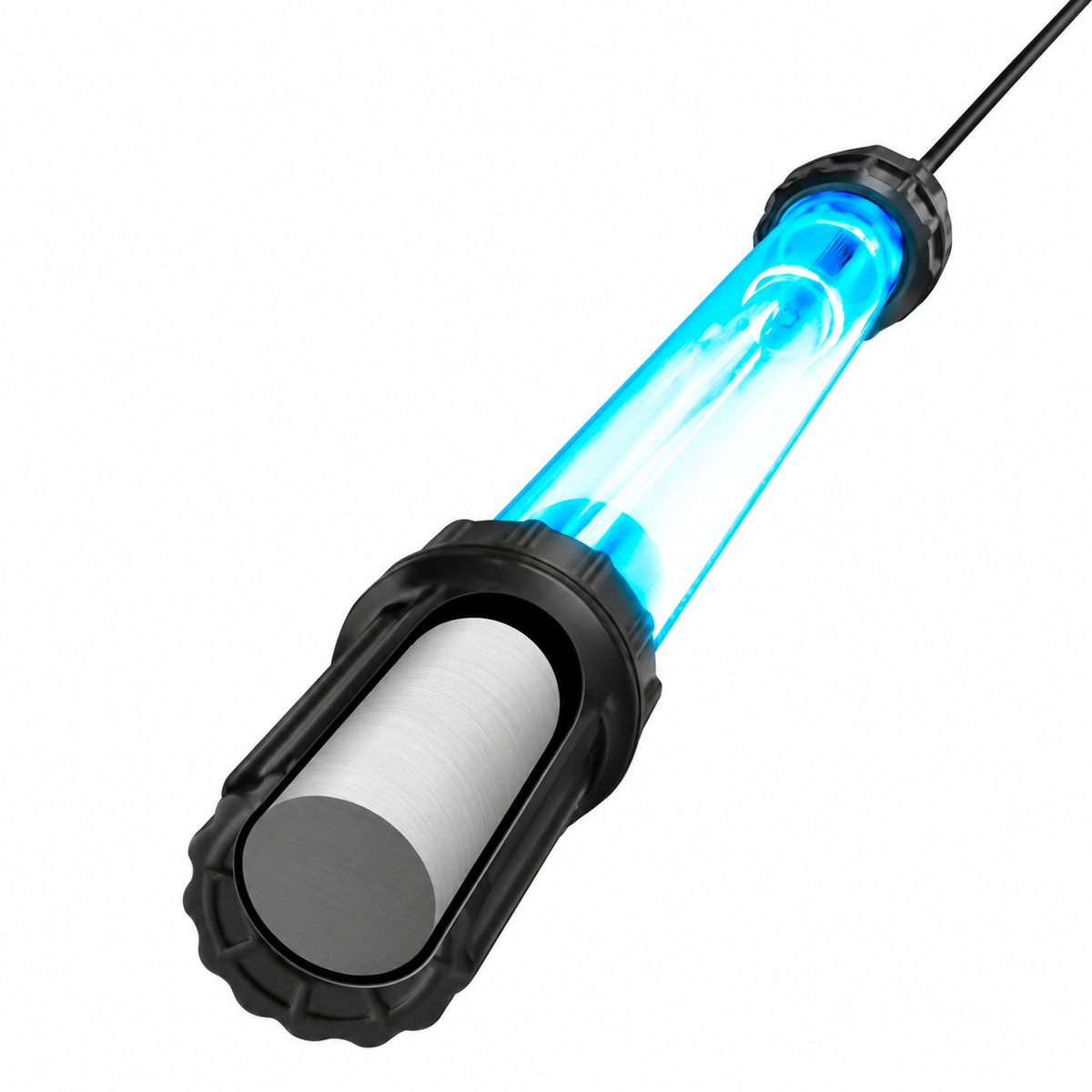
Step 3: Replace the UV Bulb — Even If It Still Lights Up
Here’s something most people don’t know: UV bulbs weaken long before they burn out.
A bulb can still glow but emit significantly less ultraviolet energy, making it ineffective at attracting mosquitoes.
Signs Your UV Bulb Needs Replacement
- Lamp turns on but catches fewer insects
- Light appears dimmer or slightly purple instead of bright blue
- Device runs normally but mosquito activity increases
Most UV bulbs lose efficiency after 3,000–5,000 hours of use.
Replacing the bulb often restores performance better than buying a new lamp because the housing and fan system are usually still in excellent condition.
Step 4: Inspect and Restore Airflow
Fan-based mosquito lamps rely heavily on airflow. If air circulation weakens, mosquitoes won’t be pulled into the trap chamber.
Check for These Issues
- Dust blocking intake vents
- Dead insects stuck in fan blades
- Bent or jammed fan components
- Leaves or outdoor debris inside housing
Use compressed air or a small brush to clear obstructions.
If the fan spins slowly, the issue may simply be friction caused by dirt — cleaning often fixes it instantly.
Step 5: Fix Placement Instead of the Device
Many mosquito lamps appear ineffective because of poor placement rather than malfunction.
Mosquitoes follow carbon dioxide and scent trails, not just light. Incorrect positioning dramatically reduces capture rates.
Best Placement Rules
- Place the lamp 20–30 feet away from seating areas
- Keep it in shaded locations
- Avoid strong competing light sources
- Position between breeding zones and people
- Elevate slightly above ground level
If the lamp sits directly beside bright patio lights, mosquitoes may ignore it entirely.
Relocating the device can double or triple effectiveness overnight.
Step 6: Eliminate Environmental Competition
Your backyard environment affects mosquito lamp performance more than the device itself.
Mosquitoes breed in standing water and hide in humid vegetation.
Check for:
- Plant saucers filled with water
- Clogged gutters
- Bird baths
- Outdoor pet bowls
- Decorative fountains without circulation
Reducing breeding sources makes your lamp dramatically more effective without upgrading equipment.
Step 7: Repair the Electric Grid (For Zapper Models)
If your mosquito lamp uses an electric grid, failure may come from residue buildup.
Dead insects leave behind carbon deposits that reduce conductivity.
Cleaning the Grid Safely
- Unplug completely.
- Wait at least 10 minutes.
- Use a dry brush or old toothbrush.
- Remove debris carefully between wires.
Never use water or metal tools while plugged in.
A clean grid restores strong zapping power immediately.
Step 8: Protect Against Moisture Damage
Outdoor humidity is a silent enemy of electronic insect traps.
Even weather-resistant lamps can accumulate condensation internally.
Prevention Tips
- Bring the unit indoors during heavy rain.
- Use a covered patio location.
- Store during winter months.
- Add silica gel packets inside non-electrical compartments.
Moisture-related failures often reverse after fully drying the device for 24–48 hours indoors.
Step 9: Upgrade Components Instead of Replacing the Lamp
Instead of buying a new device, consider upgrading specific parts:
- Higher-output compatible UV bulbs
- Improved adapters
- Replacement fans
- New collection trays
Component upgrades can make an older mosquito lamp outperform many newer models.
This approach saves money and reduces waste while extending product lifespan.
Step 10: Reset the Operating Cycle
Some modern mosquito lamps include light sensors or timers.
Power fluctuations may confuse internal controllers.
Simple Reset Method
- Unplug the lamp.
- Leave disconnected for 10 minutes.
- Plug back into a stable outlet.
This resets internal electronics and solves unexpected shutdowns.
Step 11: Seasonal Maintenance Routine
Preventing future problems is easier than fixing them.
Create a simple maintenance schedule:
Weekly
- Empty collection tray
- Check airflow openings
Monthly
- Clean interior components
- Inspect wiring and plug
Every Season
- Replace UV bulb
- Deep clean housing
Regular maintenance keeps performance consistent throughout mosquito season.
Step 12: When Repair Truly Isn’t Worth It
Sometimes replacement is the better option.
Consider buying a new lamp only if:
- Internal wiring is burned
- Plastic housing melted or cracked
- Motor completely failed
- Water caused severe corrosion
If repair costs exceed half the price of a new unit, replacement becomes reasonable.
Otherwise, restoration is usually the smarter choice.
Why Fixing Often Works Better Than Buying New
New mosquito lamps don’t automatically perform better. In many cases:
- Older models use stronger components
- Replacement bulbs restore original efficiency
- Proper placement improves results more than new technology
The biggest improvement usually comes from understanding mosquito behavior rather than upgrading hardware.
Bonus Tips for Maximum Mosquito Control
Combine your restored mosquito lamp with these strategies:
- Use warm-colored outdoor lighting
- Install fans on patios (mosquitoes dislike airflow)
- Trim dense vegetation
- Water lawns early morning instead of evening
- Wear light-colored clothing outdoors
Layered prevention creates a noticeable difference.
Common Mistakes People Make
Avoid these frequent errors:
- Placing lamps next to seating areas
- Leaving units dirty for months
- Assuming brighter light equals better attraction
- Ignoring airflow blockages
- Replacing devices too quickly
Most mosquito lamp problems are maintenance issues, not product failures.
Final Thoughts
A backyard mosquito lamp that stops working doesn’t necessarily belong in the trash. In fact, the majority of issues come from minor maintenance problems, aging bulbs, airflow restrictions, or environmental factors.
By checking power sources, cleaning internal components, optimizing placement, and maintaining airflow, you can often restore — and even improve — your lamp’s effectiveness without spending money on a replacement.
The next time your mosquito lamp seems broken, try these fixes first. You may discover that a few simple adjustments work far better than buying a new device.
A well-maintained mosquito lamp isn’t just a gadget — it becomes a reliable part of creating a comfortable, bite-free outdoor space where evenings can be enjoyed the way they were meant to be: relaxed, peaceful, and mosquito-free.