As UV disinfection technology becomes more widely adopted across healthcare, commercial, and public environments, organizations face a critical decision:
Should disinfection be dynamic or static?
In practical terms, this translates into choosing between:
-
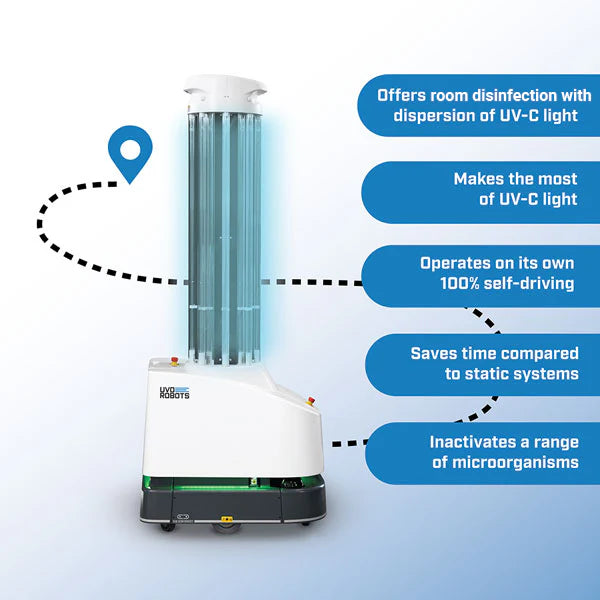
Mobile UV disinfection carts that move from room to room
-
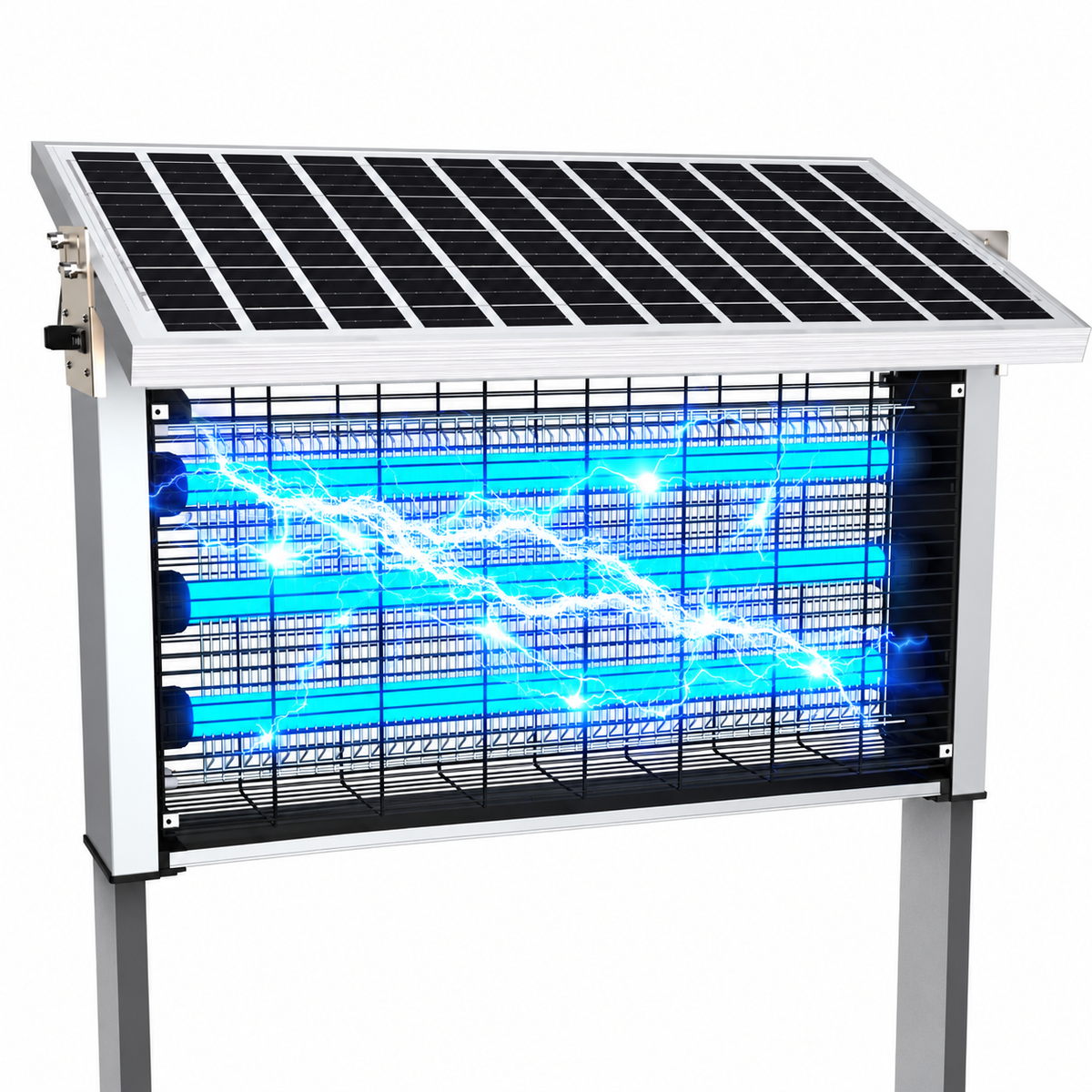
Fixed UV lamps installed permanently in specific locations
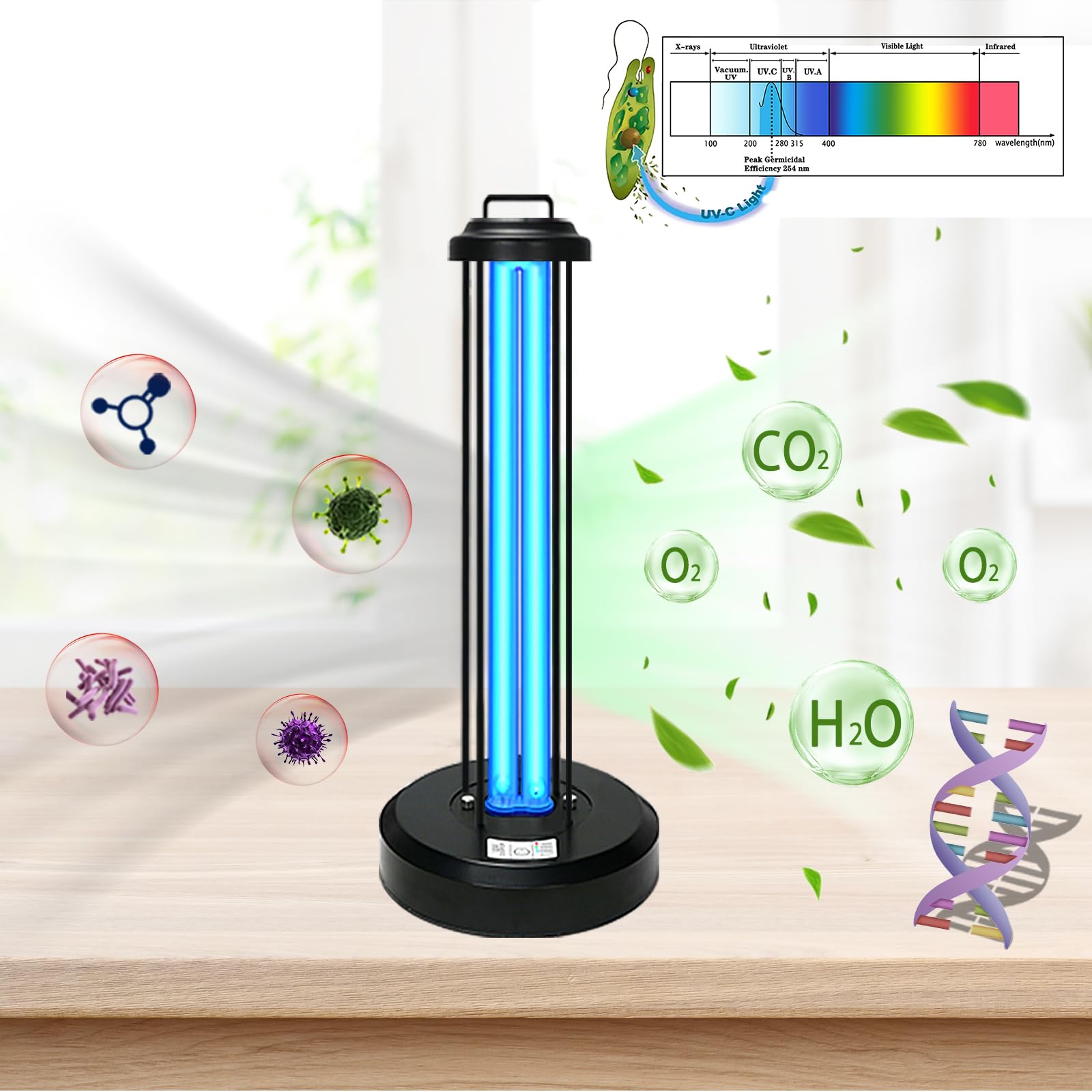
Both solutions use the same core principle—ultraviolet radiation to inactivate microorganisms—but their performance, flexibility, and cost-effectiveness differ dramatically depending on the application.
This article provides an in-depth, unbiased comparison to help decision-makers understand:
-
How each system works
-
Where each excels—and where it falls short
-
Which solution fits specific operational scenarios
The goal is not to declare a “winner,” but to help you choose the right tool for the right environment.
1. Understanding the Two Approaches to UV Disinfection
Before comparing performance, it’s important to define what we mean by “mobile” and “fixed” UV systems.
What Is a Mobile UV Disinfection Cart?
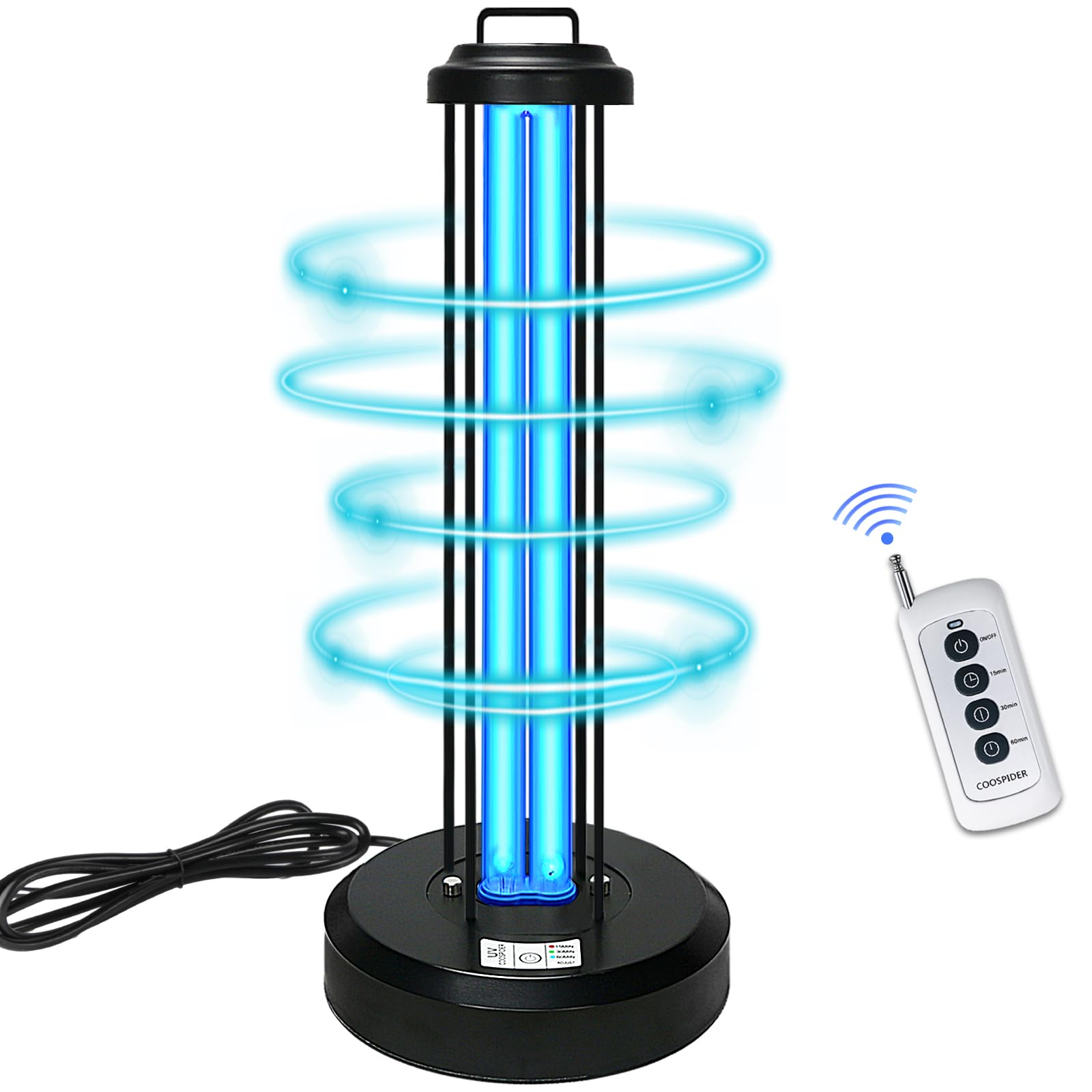
A mobile UV disinfection cart is a self-contained, wheeled unit equipped with one or more high-intensity UV-C lamps. It is designed to be moved manually or autonomously into a space, operate for a defined cycle, and then be relocated.
Common features include:
-
High-output UV-C lamps
-
Reflective housings for increased coverage
-
Timers, motion sensors, and safety interlocks
-
Manual or programmed operation
These systems are widely used in:
-
Hospitals and clinics
-
Hotels and hospitality
-
Schools and public buildings
What Is a Fixed UV Lamp System?
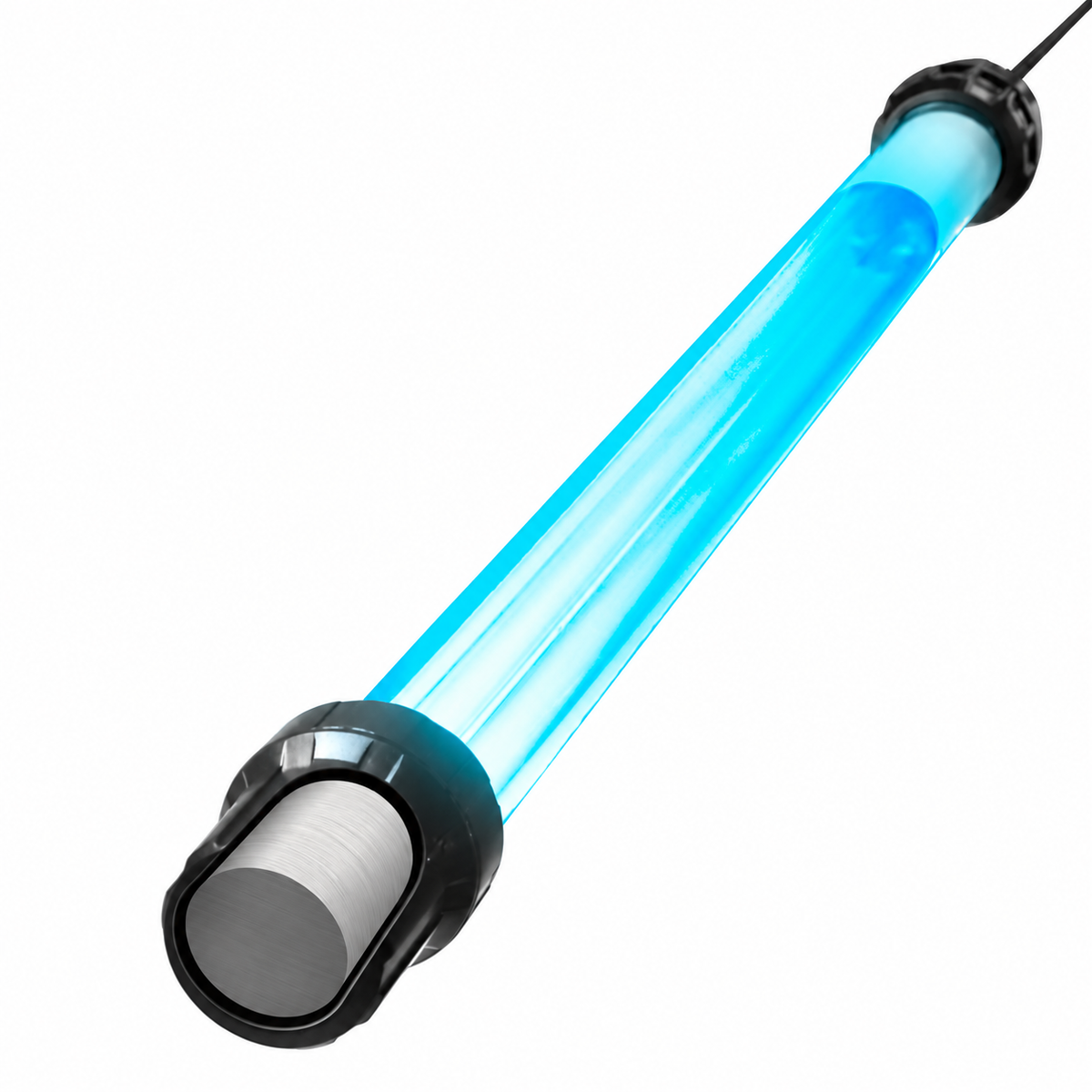
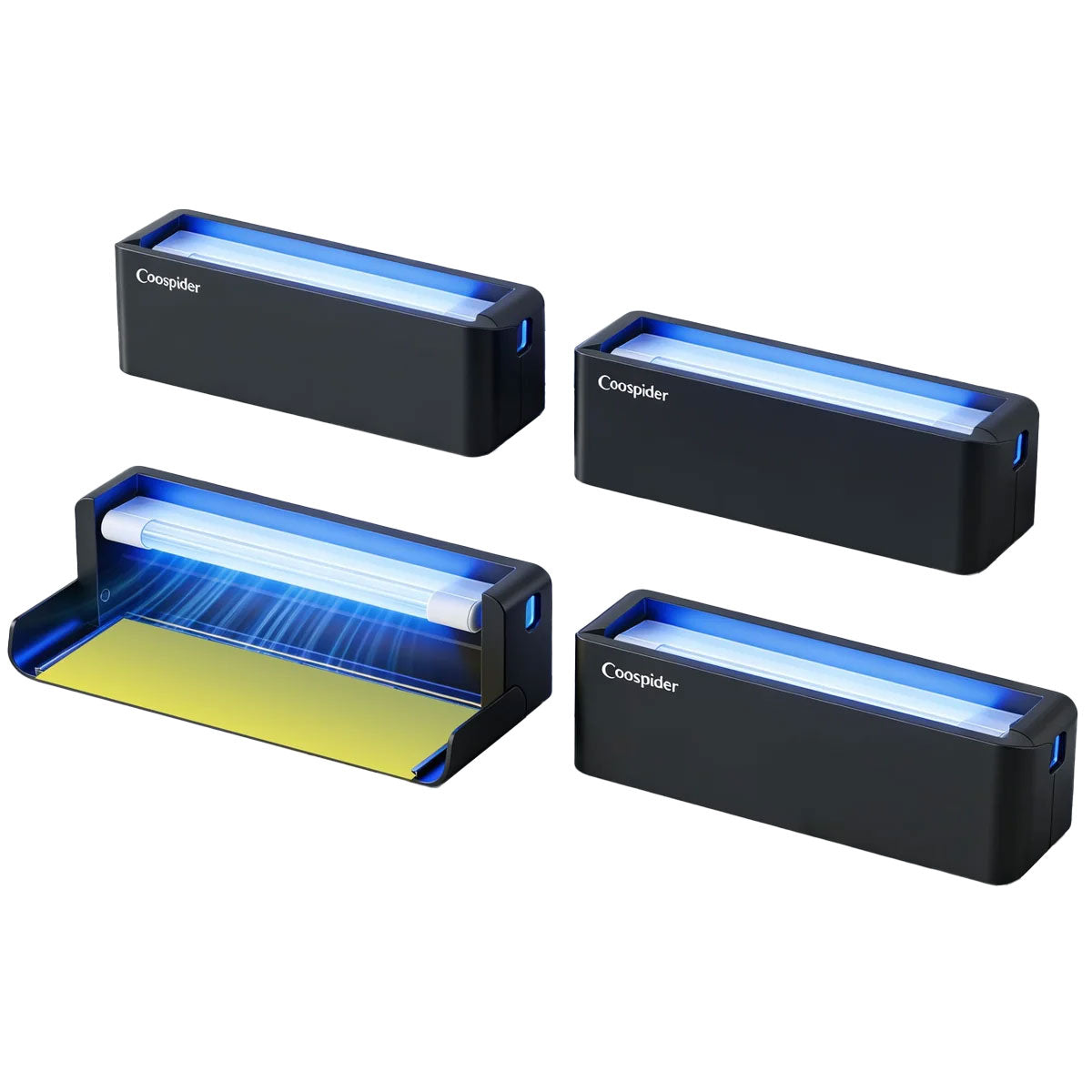
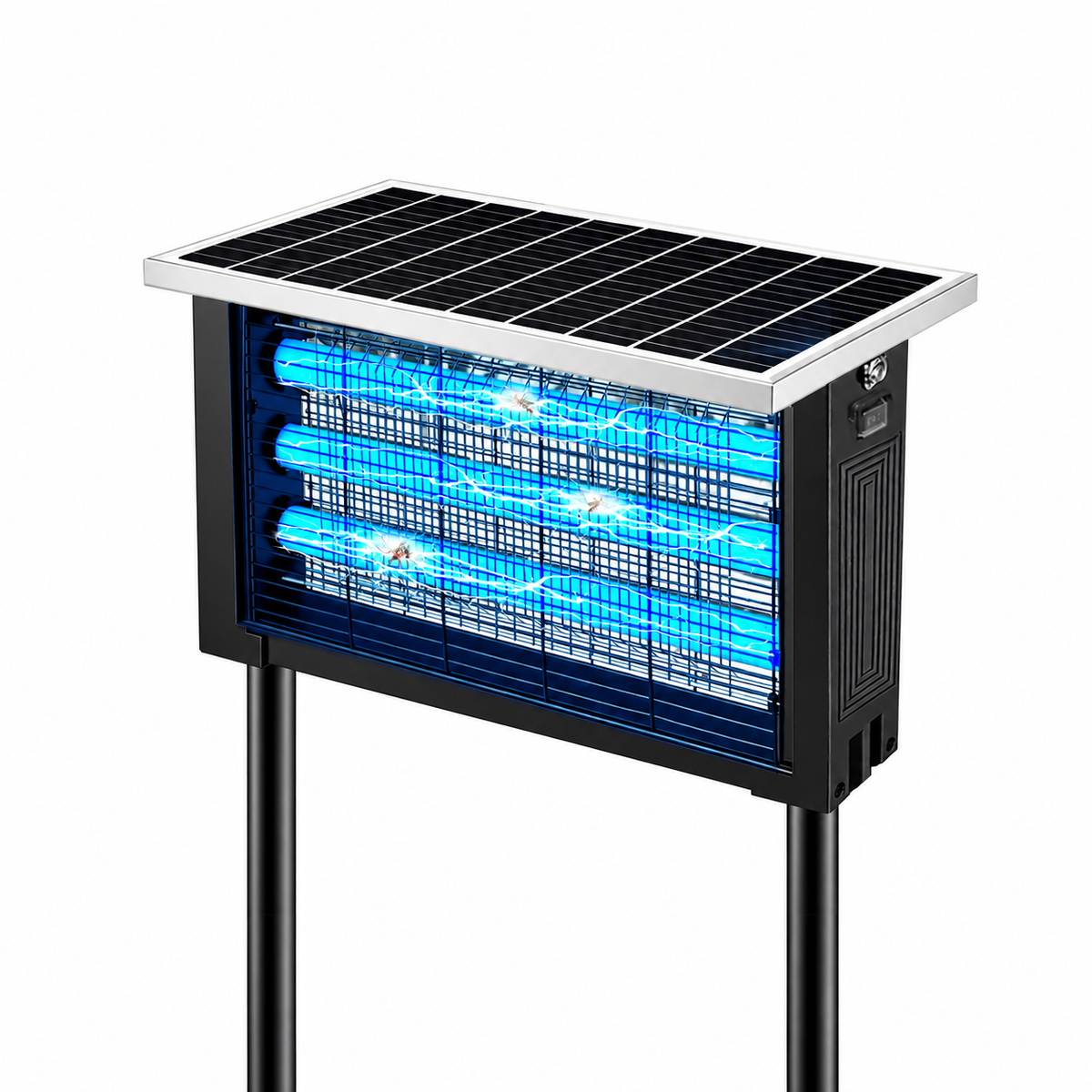
A fixed UV system consists of permanently installed UV lamps mounted in specific locations such as:
-
HVAC ducts
-
Upper-room air disinfection zones
-
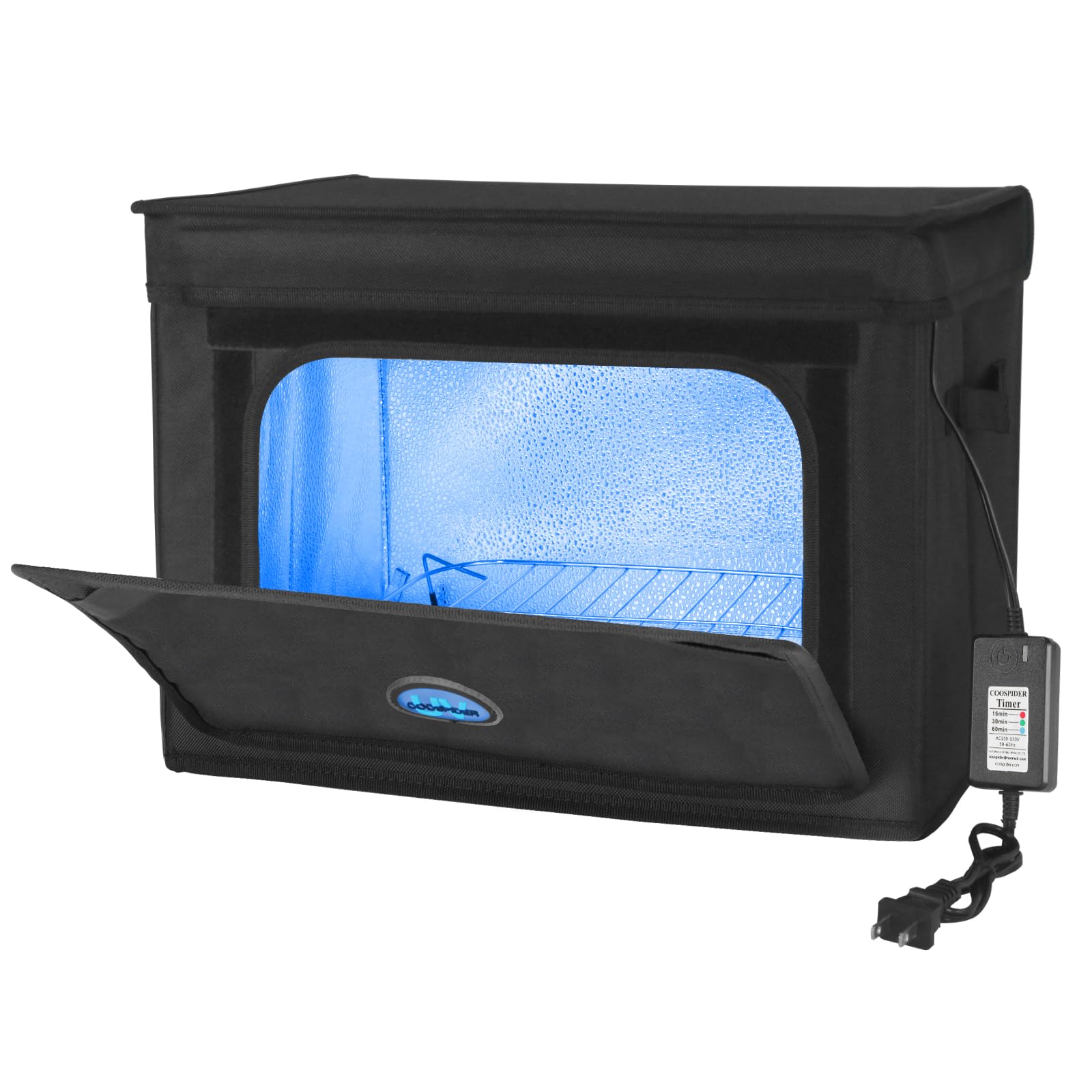
Cabinets, chambers, or enclosed spaces
-
Production or processing lines
Fixed systems operate continuously or on a scheduled basis and are integrated into the building or equipment infrastructure.
2. Core Difference: Coverage Philosophy
The fundamental difference between mobile and fixed UV systems lies in how coverage is achieved.
Mobile Systems: Time-Based, Area-Focused Coverage
Mobile UV carts disinfect one space at a time. Effectiveness depends on:
-
Lamp output
-
Placement within the room
-
Exposure duration
-
Line-of-sight access
They deliver a high UV dose over a short period, targeting entire rooms or zones sequentially.
Fixed Systems: Continuous, Location-Specific Coverage
Fixed UV lamps provide:
-
Ongoing disinfection
-
Targeted treatment of specific airflows or surfaces
Instead of treating an entire room periodically, they continuously suppress microbial growth in defined areas.
3. Effectiveness: One-Time Deep Disinfection vs. Continuous Control
Mobile UV Disinfection Carts
Strengths:
-
High peak UV intensity
-
Effective for terminal cleaning
-
Ideal for outbreak response or deep disinfection
Limitations:
-
No protection once the cycle ends
-
Effectiveness depends on correct placement and operation
Mobile systems are excellent for episodic, high-level disinfection, but not for continuous protection.
Fixed UV Lamps
Strengths:
-
Continuous microbial suppression
-
Consistent performance once installed
-
Less dependent on human operation
Limitations:
-
Limited to installed zones
-
Not suitable for full-room surface disinfection
Fixed systems excel at preventive control, rather than one-time deep cleaning.
4. Flexibility and Scalability
Mobility as a Strategic Advantage
Mobile UV carts offer unmatched flexibility:
-
One unit can serve multiple rooms
-
Easily redeployed as needs change
-
No permanent installation required
This makes them attractive for facilities with:
-
Variable room usage
-
Temporary or emergency disinfection needs
Fixed Systems and Long-Term Stability
Fixed UV lamps lack mobility but offer:
-
Predictable, always-on protection
-
No scheduling conflicts
-
Seamless integration into daily operations
They scale best in environments where risk locations are known and stable.
5. Operational Complexity and Human Factors
Mobile Systems: Operator-Dependent Performance
Mobile UV carts require:
-
Trained staff
-
Proper room preparation
-
Correct cycle selection
Human error—such as insufficient exposure time or poor positioning—can reduce effectiveness.
Fixed Systems: Set-and-Forget Simplicity
Once installed and commissioned, fixed UV systems:
-
Operate automatically
-
Require minimal user interaction
-
Reduce dependence on staff behavior
This consistency is a major advantage in high-traffic or understaffed environments.
6. Safety Considerations
Safety Challenges with Mobile UV Carts
Because mobile units emit high-intensity UV-C:
-
Rooms must be unoccupied
-
Strict safety protocols are required
-
Motion sensors and interlocks are essential
Improper use poses risks to eyes and skin.
Safety Profile of Fixed UV Systems
Fixed systems are often:
-
Enclosed (HVAC, cabinets)
-
Installed in upper-room configurations
-
Shielded from direct human exposure
This allows safer continuous operation in occupied spaces.
7. Installation and Infrastructure Requirements
Mobile Systems
-
Minimal infrastructure changes
-
Plug-and-play deployment
-
No structural modification
This reduces upfront complexity and approval time.
Fixed Systems
-
Require installation planning
-
May involve electrical and mechanical integration
-
Often need professional commissioning
However, once installed, they become part of the building’s hygiene infrastructure.
8. Cost Structure: Upfront vs. Long-Term Investment
Mobile UV Disinfection Carts
Cost profile:
-
Higher upfront unit cost
-
Lower installation cost
-
Ongoing labor cost for operation
Best for facilities needing flexibility over permanence.
Fixed UV Lamps
Cost profile:
-
Lower unit cost per lamp
-
Higher installation cost
-
Minimal operational labor
More cost-effective over the long term in stable environments.
9. Maintenance and Lamp Replacement
Both systems rely on UV lamps with finite lifespans.
Mobile Units
-
Fewer lamps, higher output
-
Replacement often based on usage hours
Fixed Systems
-
More lamps, lower individual output
-
Replacement based on time or continuous operation
Maintenance planning is critical for both.
10. Application-Specific Comparison
Healthcare Facilities
-
Mobile carts: terminal room disinfection
-
Fixed lamps: HVAC and air disinfection
Best solution: combined approach
Hotels and Hospitality
-
Mobile carts: guest room turnover
-
Fixed lamps: laundry rooms, air systems
Schools and Daycare Centers
-
Fixed systems: continuous air treatment
-
Mobile carts: periodic deep cleaning
Industrial and Food Processing
-
Fixed systems: production lines and storage
-
Mobile systems: emergency sanitation
11. Reliability and Consistency
Fixed systems provide:
-
Predictable, repeatable results
Mobile systems provide:
-
High effectiveness—but only when used correctly
Reliability depends on operational discipline.
12. Regulatory and Compliance Considerations
Some industries:
-
Require documented, repeatable disinfection processes
Fixed systems are easier to audit, while mobile systems require usage logs and protocols.
13. Environmental and Energy Considerations
Mobile systems:
-
High power for short periods
Fixed systems:
-
Lower power, continuous use
Energy efficiency depends on usage patterns.
14. Hybrid Strategies: When One Is Not Enough
Many advanced facilities adopt:
-
Fixed UV systems for baseline control
-
Mobile UV carts for supplemental disinfection
This layered approach maximizes protection.
15. Common Misconceptions
Myth: Mobile systems replace fixed UV
Reality: They serve different purposes
Myth: Fixed UV systems are less effective
Reality: They are effective in different ways
Conclusion: Choosing Between Motion and Permanence
Mobile UV disinfection carts and fixed UV lamps are not competitors—they are complementary tools designed for different disinfection philosophies.
-
Mobile systems excel at flexibility, rapid deployment, and deep, episodic disinfection
-
Fixed systems provide continuous, reliable microbial control with minimal human intervention
The best choice depends on:
-
Your environment
-
Your operational workflow
-
Your risk tolerance
-
Your long-term hygiene strategy
In many cases, the smartest solution is not choosing one over the other—but understanding how dynamic and static UV disinfection can work together.
Because in modern hygiene management, movement and stability both have their place.