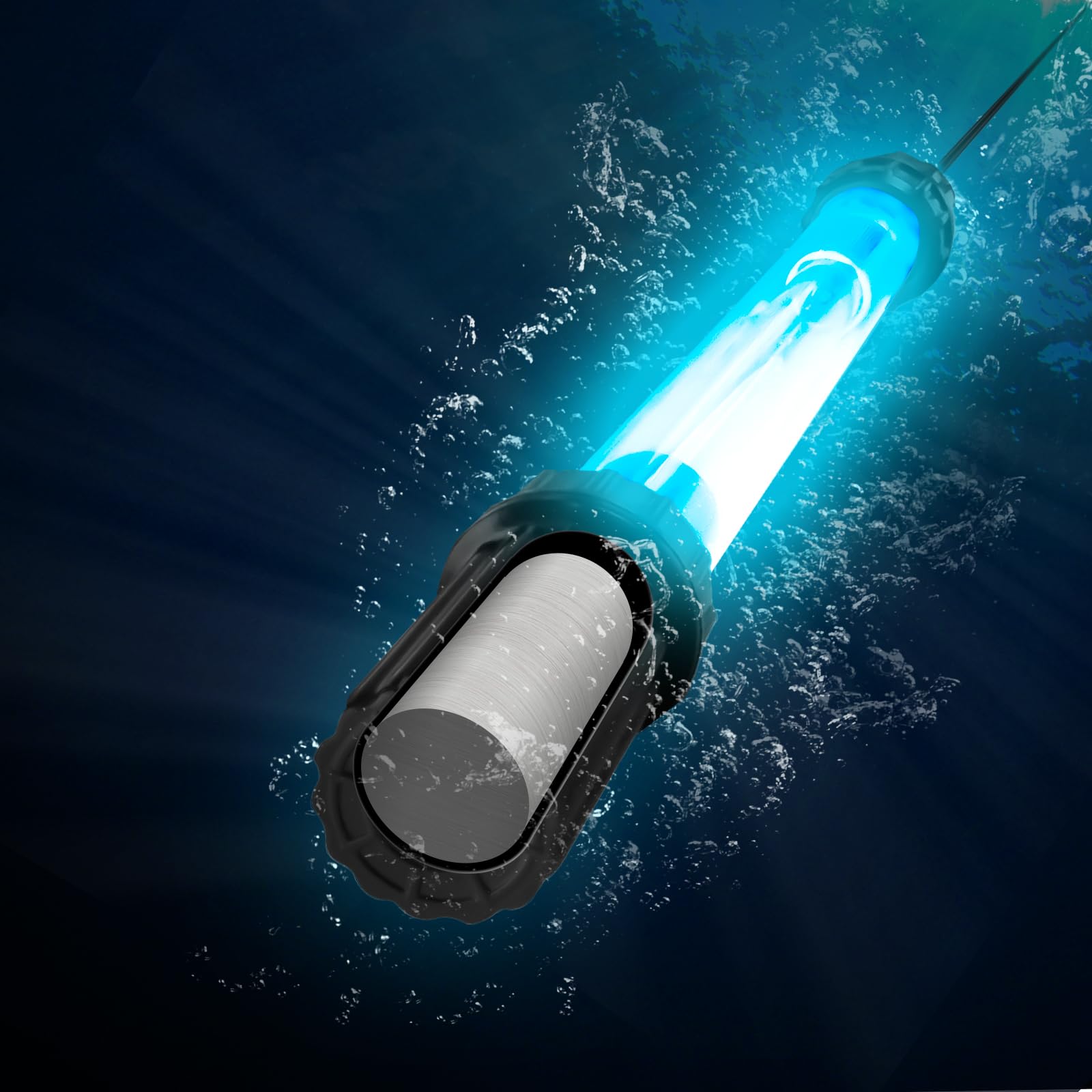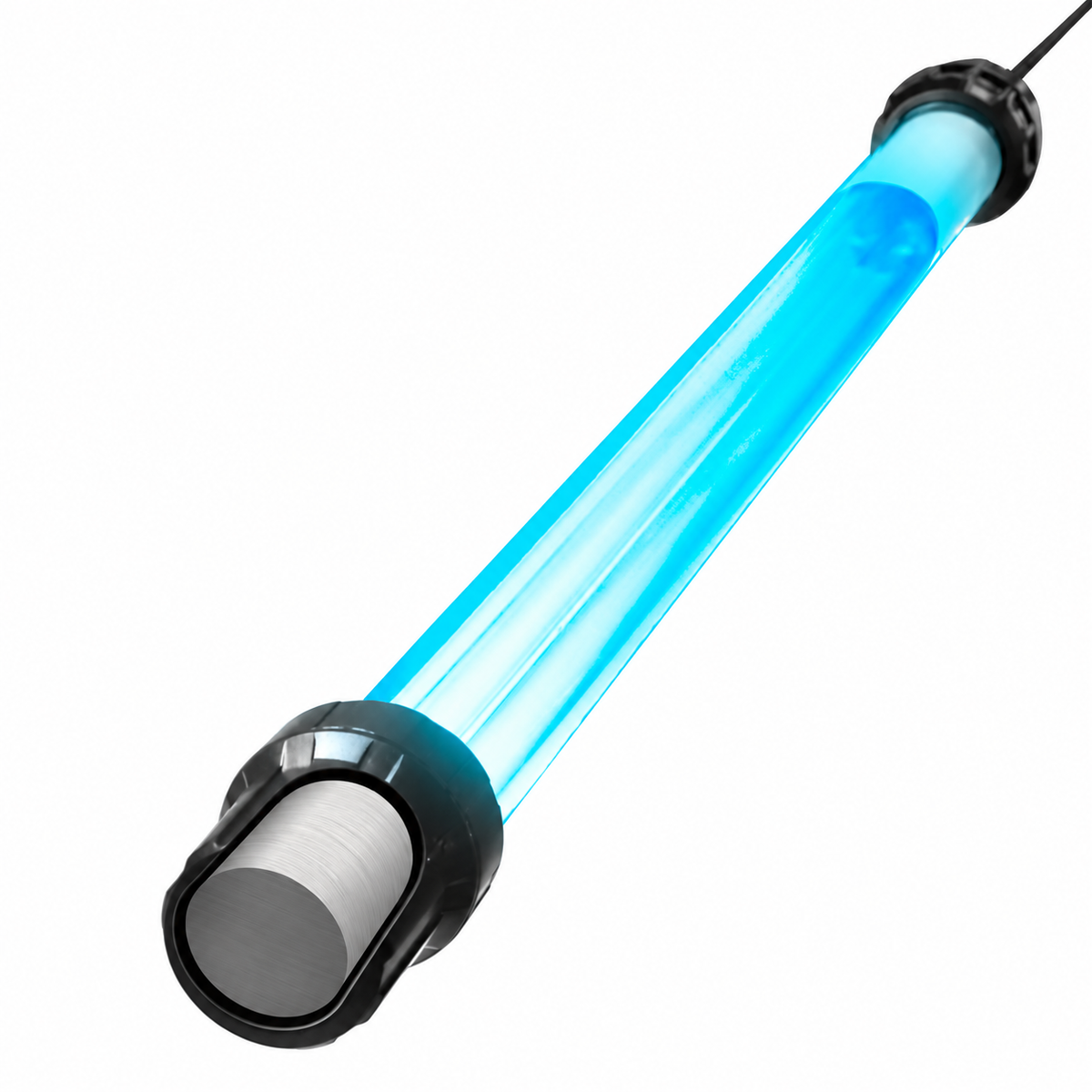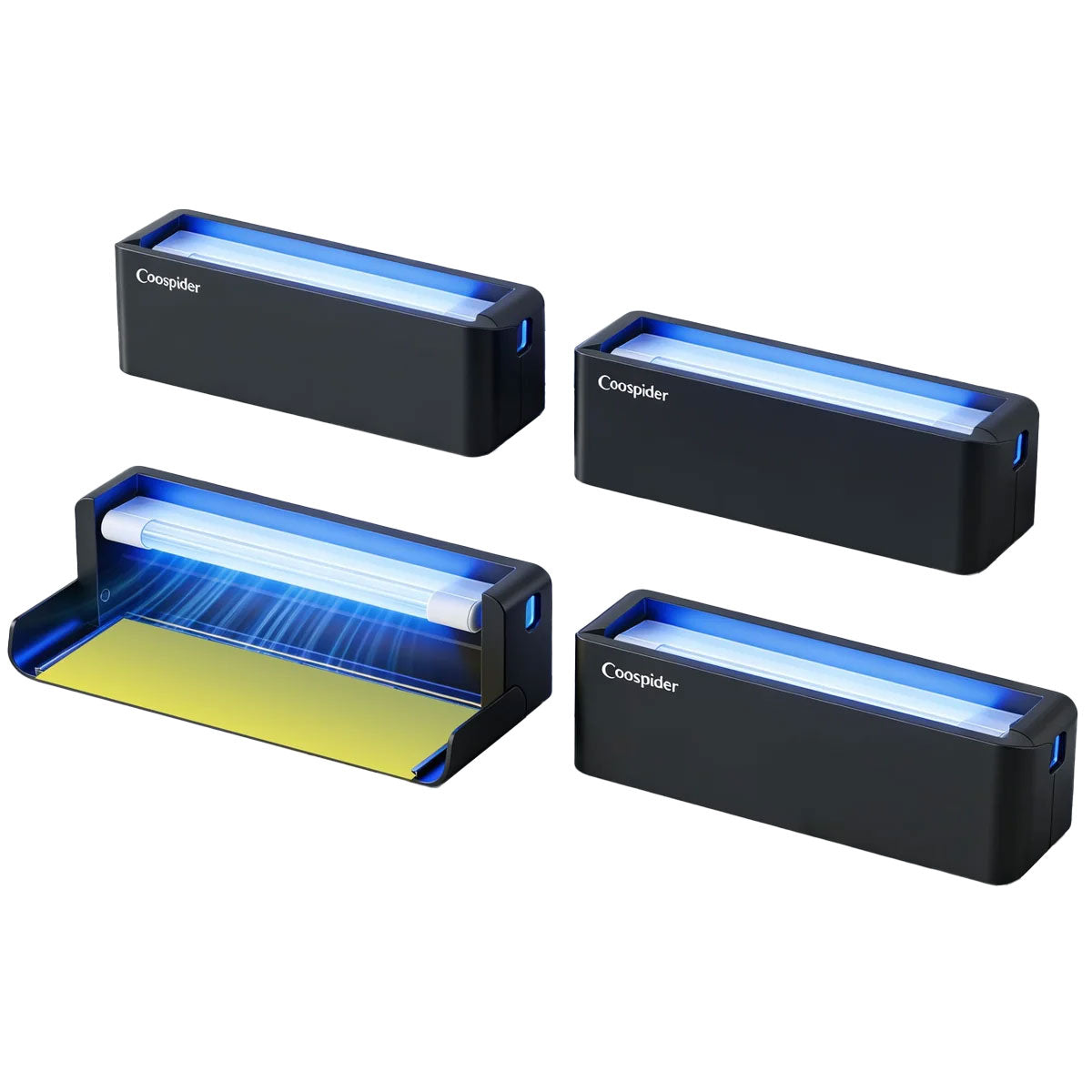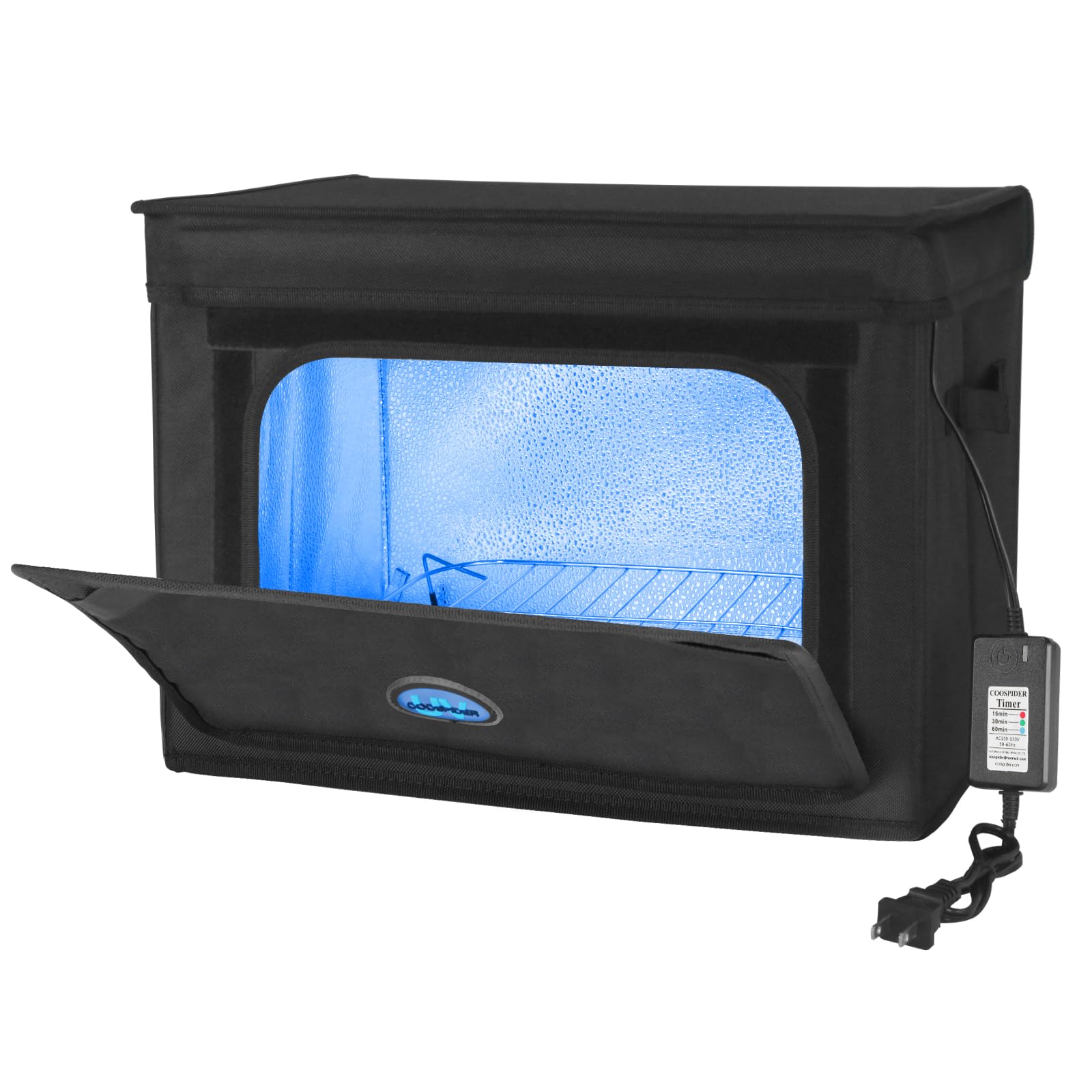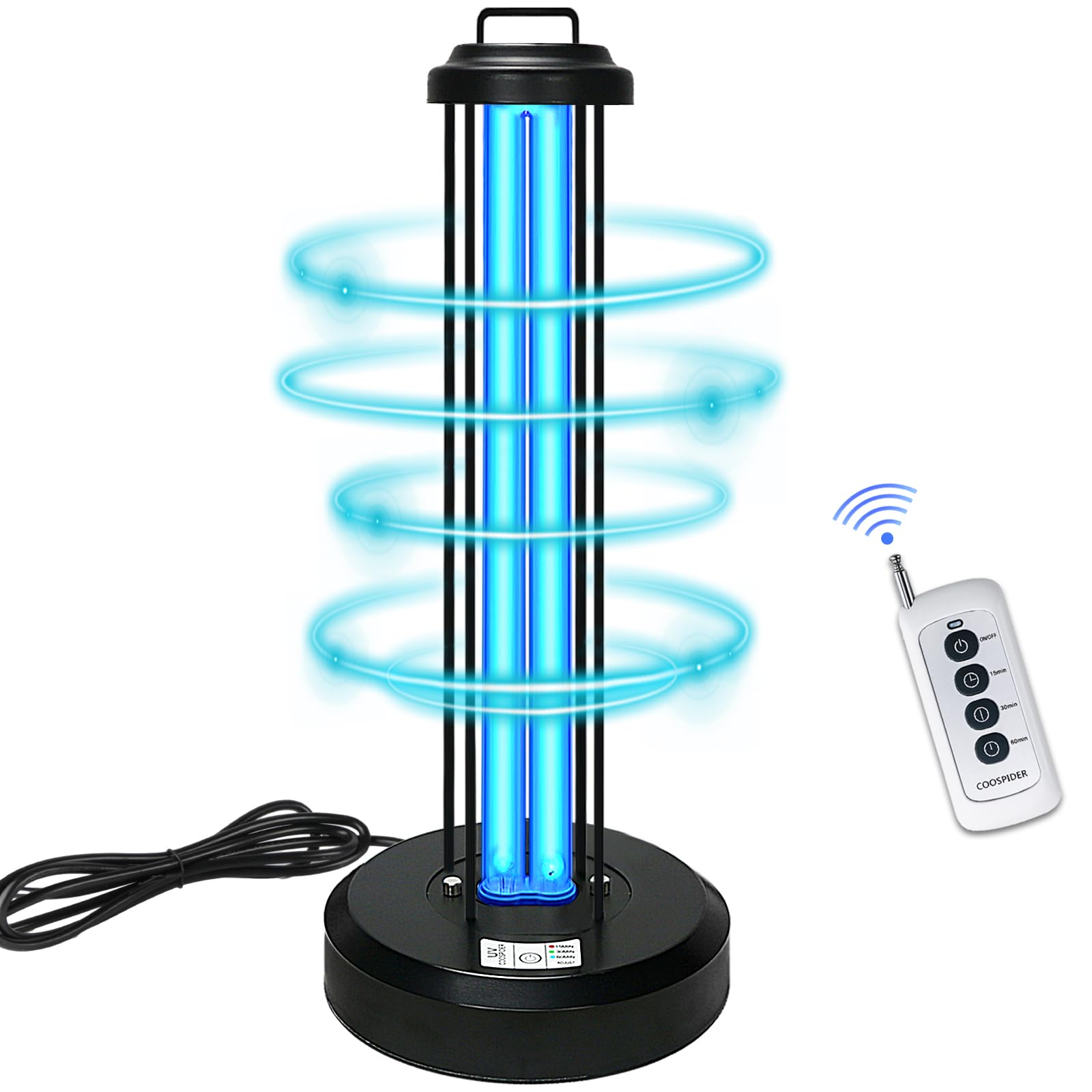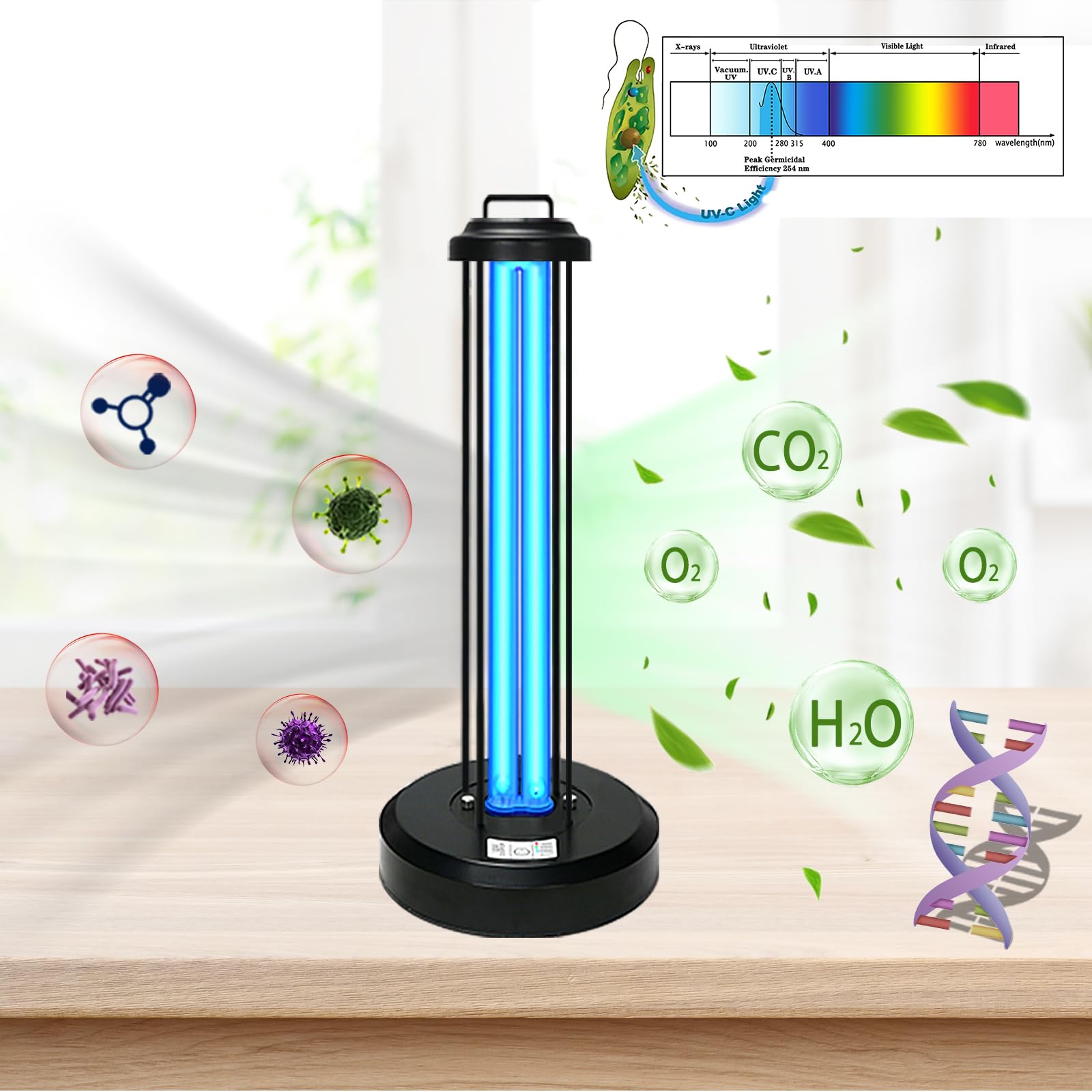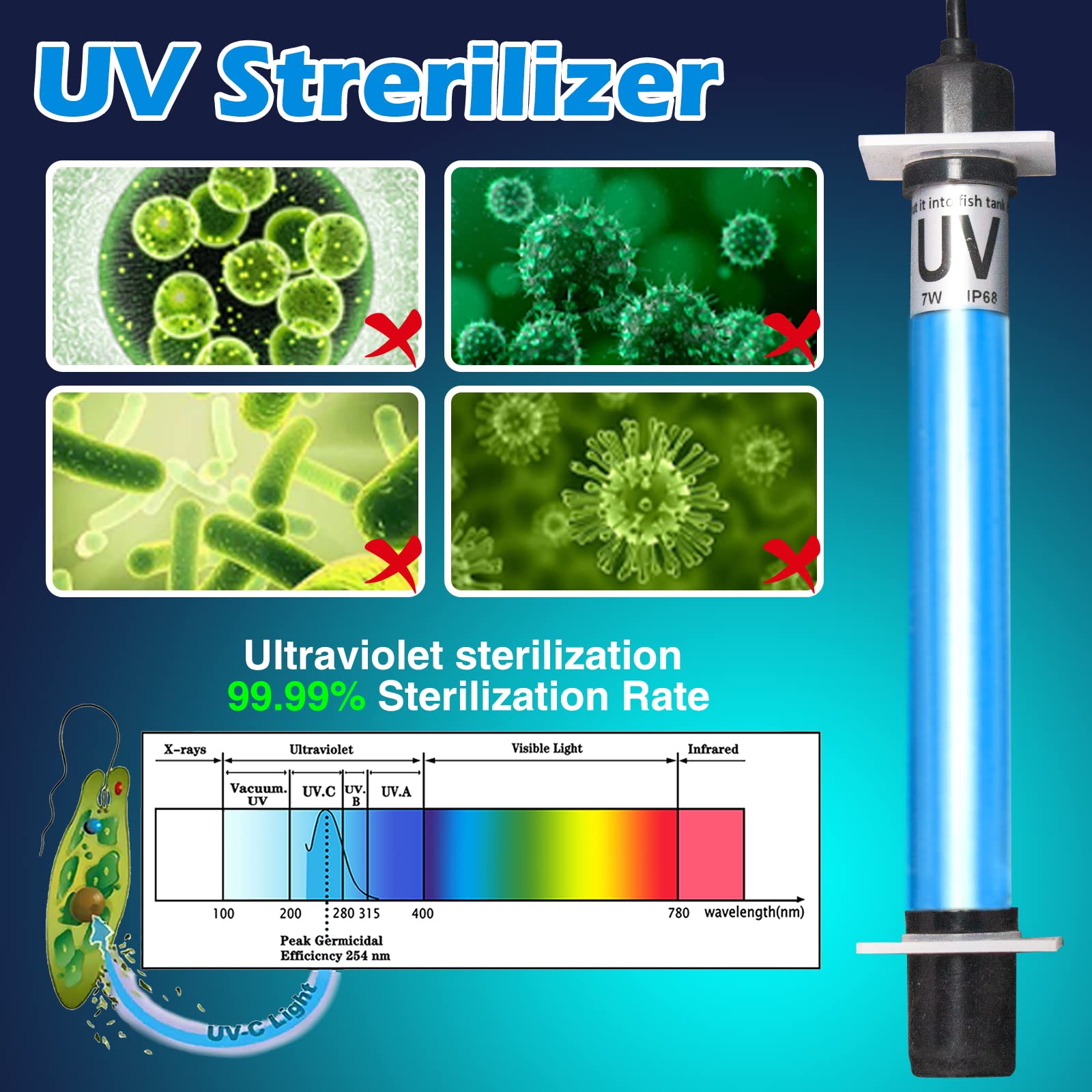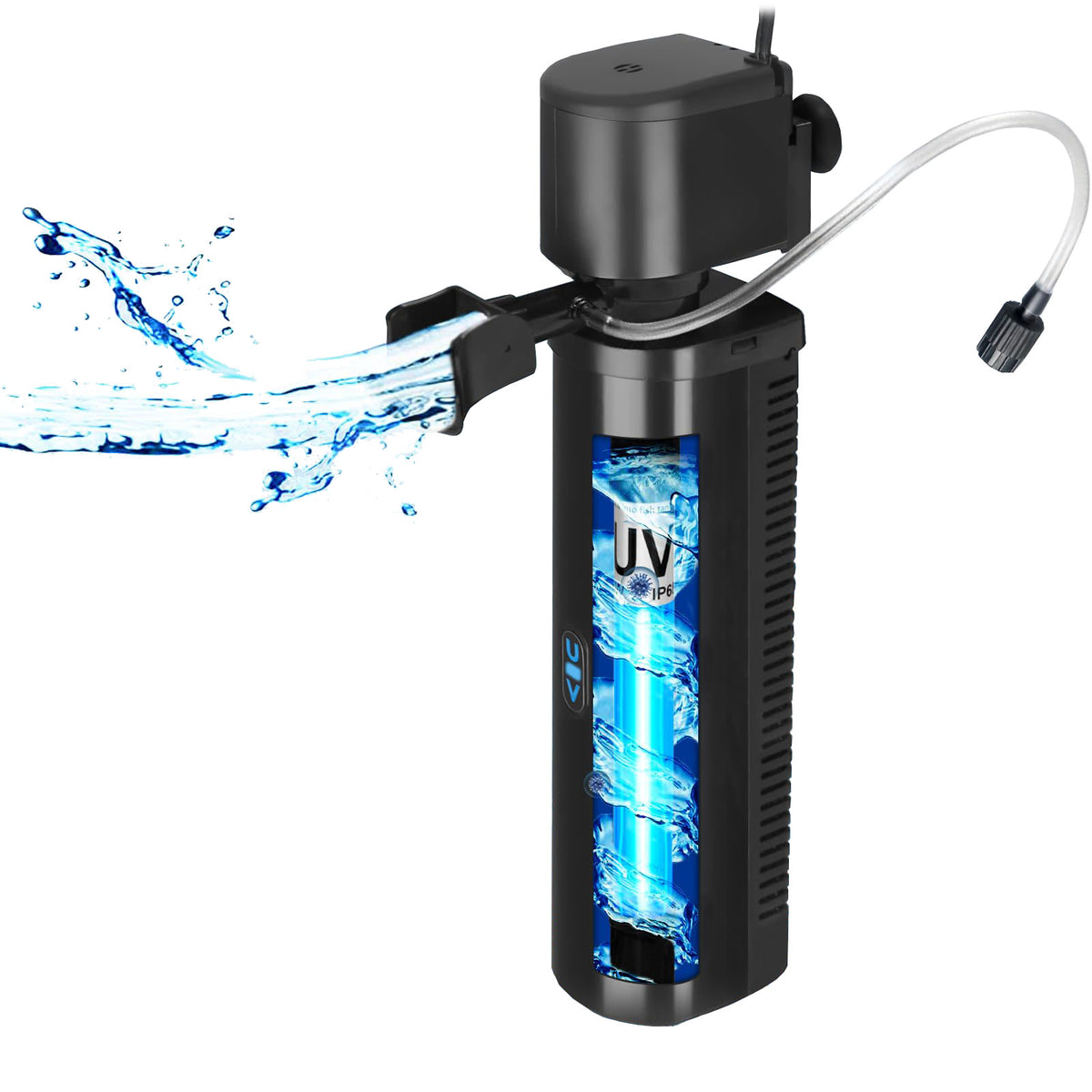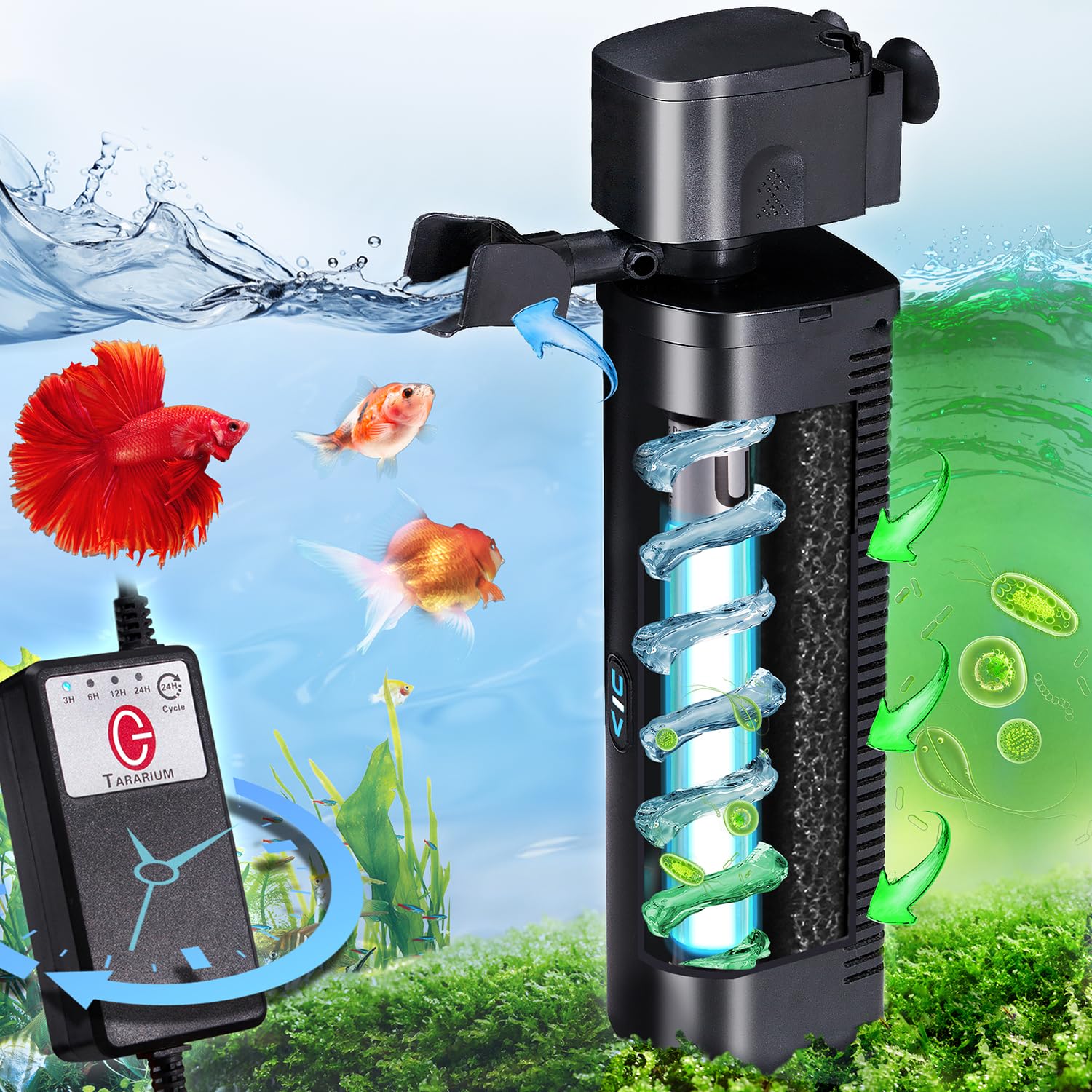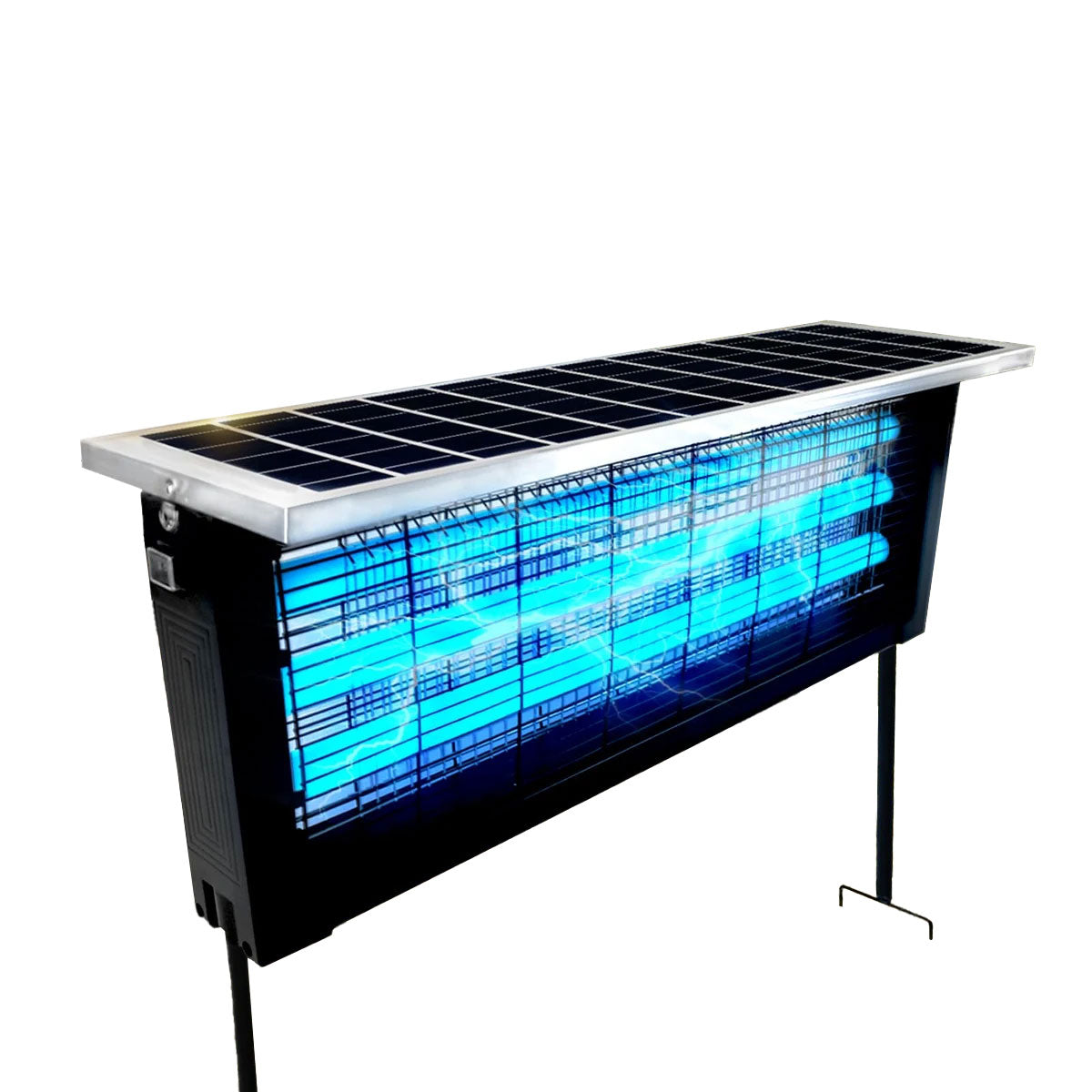
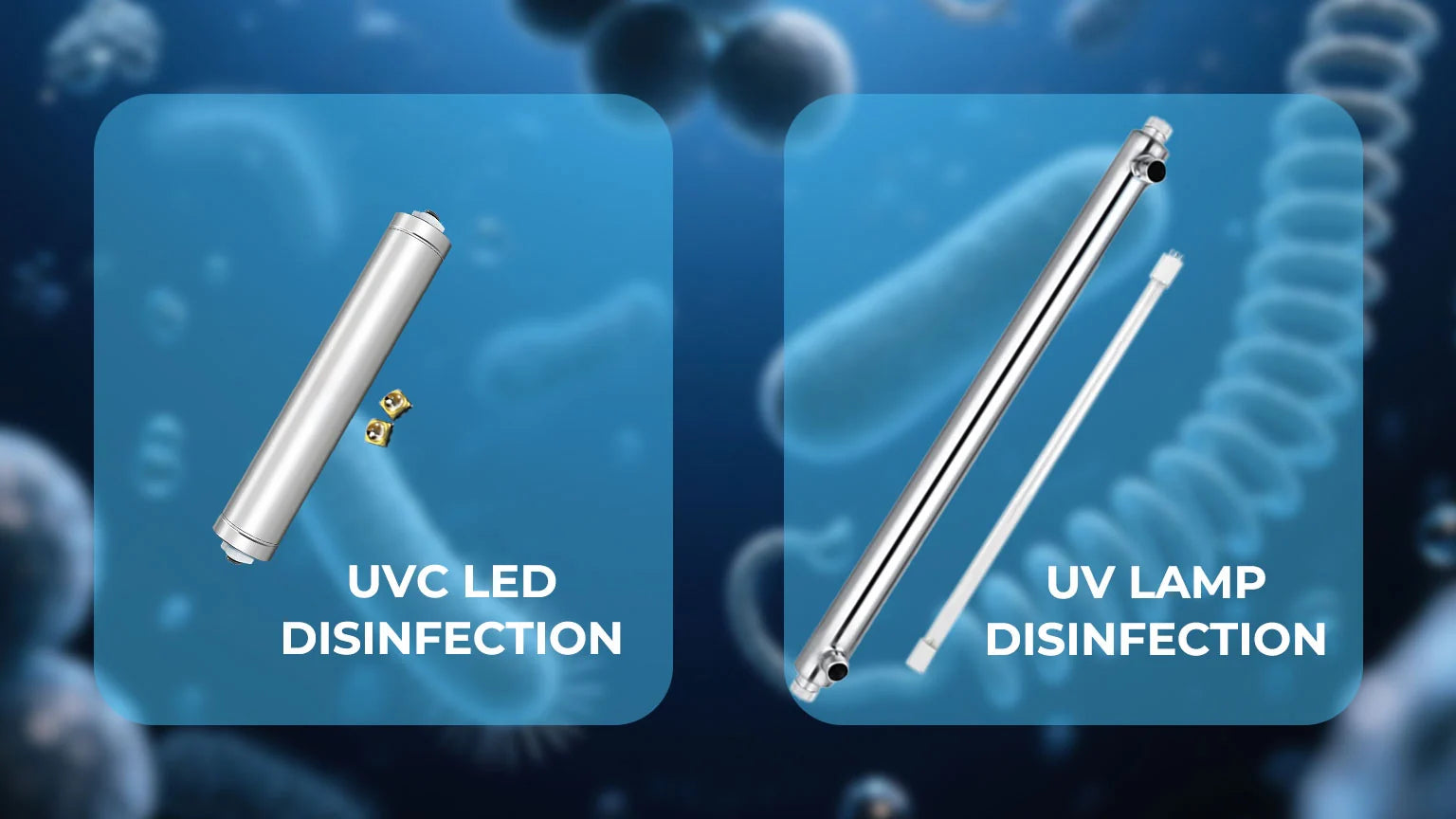
For decades, ultraviolet disinfection has relied on a technology that, while effective, carries an inherent contradiction: mercury-based UV lamps.
These lamps have powered water treatment plants, hospital air systems, laboratories, and industrial sterilization processes worldwide. Yet mercury—an essential component for generating UV-C radiation in traditional lamps—is also toxic, environmentally hazardous, and increasingly regulated.
As global sustainability goals tighten and industries seek safer alternatives, mercury-free UV technologies—especially LED UV disinfection—have emerged as the most promising successor.
But is LED UV ready to fully replace traditional UV lamps?
This article explores:
-
Why the industry is moving away from mercury
-
How LED UV disinfection works
-
Where LED UV excels today
-
The technical, economic, and practical challenges it still faces
-
What the future of mercury-free UV technology realistically looks like
1. Why the World Is Moving Beyond Mercury-Based UV Lamps
Mercury-based UV lamps have long been the industry standard because they:
-
Produce strong UV-C output at 254 nm
-
Are relatively cost-effective
-
Are proven across decades of use
However, their disadvantages are becoming harder to ignore.
Environmental and Regulatory Pressure
Mercury is classified as a hazardous substance. Regulations such as:
-
The Minamata Convention on Mercury
-
Regional environmental and waste directives
are pushing industries toward alternatives that reduce environmental risk and disposal complexity.
Operational Limitations
Traditional UV lamps also face challenges:
-
Fragility (glass tubes)
-
Warm-up time
-
Output degradation over time
-
Disposal and recycling constraints
These limitations opened the door for innovation.
2. What Is LED UV Disinfection Technology?
LED UV disinfection uses semiconductor-based light-emitting diodes to generate ultraviolet radiation, typically in the UV-C range between 260–280 nm, which is effective for microbial inactivation.
Unlike mercury lamps, LED UV:
-
Contains no hazardous materials
-
Emits UV instantly (no warm-up)
-
Can be digitally controlled
This fundamental shift from gas discharge to solid-state technology mirrors transitions seen in visible lighting.
3. How LED UV Kills Microorganisms
LED UV works on the same biological principle as traditional UV-C:
-
UV photons damage microbial DNA and RNA
-
This prevents replication and renders pathogens inactive
However, LED UV systems rely on:
-
Multiple LEDs arranged in arrays
-
Precise wavelength targeting
-
Optimized optical design
Effectiveness depends heavily on system engineering, not just the LED itself.
4. Key Advantages of Mercury-Free LED UV Technology
1. Environmental Safety
The most obvious advantage:
-
No mercury
-
No hazardous disposal
-
Lower environmental impact
This makes LED UV attractive for organizations with sustainability goals.
2. Instant On/Off and Precise Control
LED UV systems:
-
Turn on instantly
-
Support pulsed operation
-
Enable intelligent dosing
This reduces energy waste and allows advanced automation.
3. Compact and Flexible Design
LED UV enables:
-
Smaller form factors
-
Modular systems
-
Integration into compact devices
This is particularly valuable in:
-
Point-of-use water systems
-
Portable disinfection devices
-
Medical and consumer electronics
4. Mechanical Durability
LEDs are:
-
Shock-resistant
-
Vibration-tolerant
This improves reliability in mobile and industrial applications.
5. Current Limitations of LED UV Disinfection
Despite its promise, LED UV is not without challenges.
1. Lower Output Power
Compared to traditional mercury lamps:
-
Individual UV LEDs produce significantly lower radiant power
-
Large arrays are required to match output
This increases system complexity and cost.
2. Higher Cost per UV Watt
LED UV currently:
-
Costs more per effective UV watt
-
Requires more sophisticated thermal management
This limits adoption in large-scale systems like municipal water treatment.
3. Thermal Management Challenges
UV LEDs generate heat:
-
Excess heat reduces efficiency
-
Poor cooling shortens lifespan
Thermal design is a critical bottleneck.
4. Limited Proven Lifespan Data
While LEDs are often rated for long life:
-
Real-world UV output degradation varies
-
Long-term field data is still emerging
This makes conservative buyers cautious.
6. LED UV vs. Mercury UV: A Practical Comparison
| Factor | Mercury UV Lamps | LED UV Disinfection |
|---|---|---|
| Mercury content | Yes | No |
| Warm-up time | Required | Instant |
| Size flexibility | Limited | High |
| Output power | High | Moderate |
| Cost per watt | Lower | Higher |
| Control precision | Limited | Excellent |
This comparison highlights why LED UV is complementary rather than a full replacement—at least for now.
7. Where LED UV Is Already Winning
LED UV has found strong adoption in:
-
Point-of-use water purifiers
-
Medical devices
-
Consumer sanitizing products
-
Specialty industrial processes
In these applications, control, safety, and compact size outweigh raw output.
8. Applications Where Mercury UV Still Dominates
Traditional lamps remain dominant in:
-
Large-scale water treatment plants
-
High-volume air disinfection systems
-
Industrial-scale surface sterilization
These environments demand output levels that LED UV currently struggles to deliver economically.
9. Engineering Challenges That Must Be Solved
For LED UV to scale further, the industry must address:
-
Higher radiant efficiency
-
Better heat dissipation materials
-
Lower manufacturing cost
-
Improved optical coupling
These are engineering—not conceptual—challenges.
10. The Role of Wavelength Optimization
LED UV can emit at multiple wavelengths:
-
265 nm (peak DNA absorption)
-
275–280 nm (better LED efficiency)
Finding the best balance between biological effectiveness and technical efficiency is ongoing.
11. Reliability, Degradation, and Maintenance
LED UV systems degrade differently:
-
Gradual output loss
-
Sensitive to temperature and current
Monitoring and control systems are essential to maintain effectiveness.
12. Regulatory and Certification Landscape
Standards for LED UV are still evolving:
-
Performance measurement methods
-
Lifetime validation
-
Safety certification
Clear standards will accelerate adoption.
13. Sustainability Beyond Mercury Elimination
While mercury-free, LED UV systems still:
-
Consume rare materials
-
Require responsible manufacturing
True sustainability includes lifecycle analysis—not just lamp chemistry.
14. Cost Trajectories and Market Outlook
As LED manufacturing scales:
-
Costs are expected to fall
-
Output efficiency will improve
History suggests LED UV will follow a similar curve to visible LEDs—just on a longer timeline.
15. Hybrid Systems: The Transitional Solution
Many modern systems combine:
-
Mercury UV for base output
-
LED UV for control and redundancy
Hybrid designs may dominate during the transition phase.
16. The Role of AI and Smart Controls
LED UV pairs naturally with:
-
Sensors
-
Automation
-
Adaptive dosing
This enables smarter, safer disinfection systems.
17. Myths About LED UV Disinfection
Myth: LED UV is already superior
Reality: It excels in specific niches
Myth: Mercury UV is obsolete
Reality: It remains essential in many applications
18. What Buyers Should Ask Before Choosing LED UV
Key questions include:
-
What UV dose is required?
-
What is the total system cost?
-
How is heat managed?
-
Is performance independently verified?
Informed buyers avoid disappointment.
Conclusion: A Promising Future with Real Challenges
Mercury-free UV technology represents the future of disinfection—but that future is arriving in phases, not overnight.
LED UV disinfection offers:
-
Environmental safety
-
Precision control
-
Design flexibility
Yet it also faces:
-
Output limitations
-
Cost challenges
-
Engineering complexity
For now, LED UV is not a universal replacement—it is a strategic upgrade where its strengths align with application needs.
As technology advances, regulations tighten, and sustainability becomes non-negotiable, LED UV will continue to move from niche innovation to industry standard.
The transition away from mercury has begun.
The challenge now is ensuring that progress is guided by performance, not just promise.