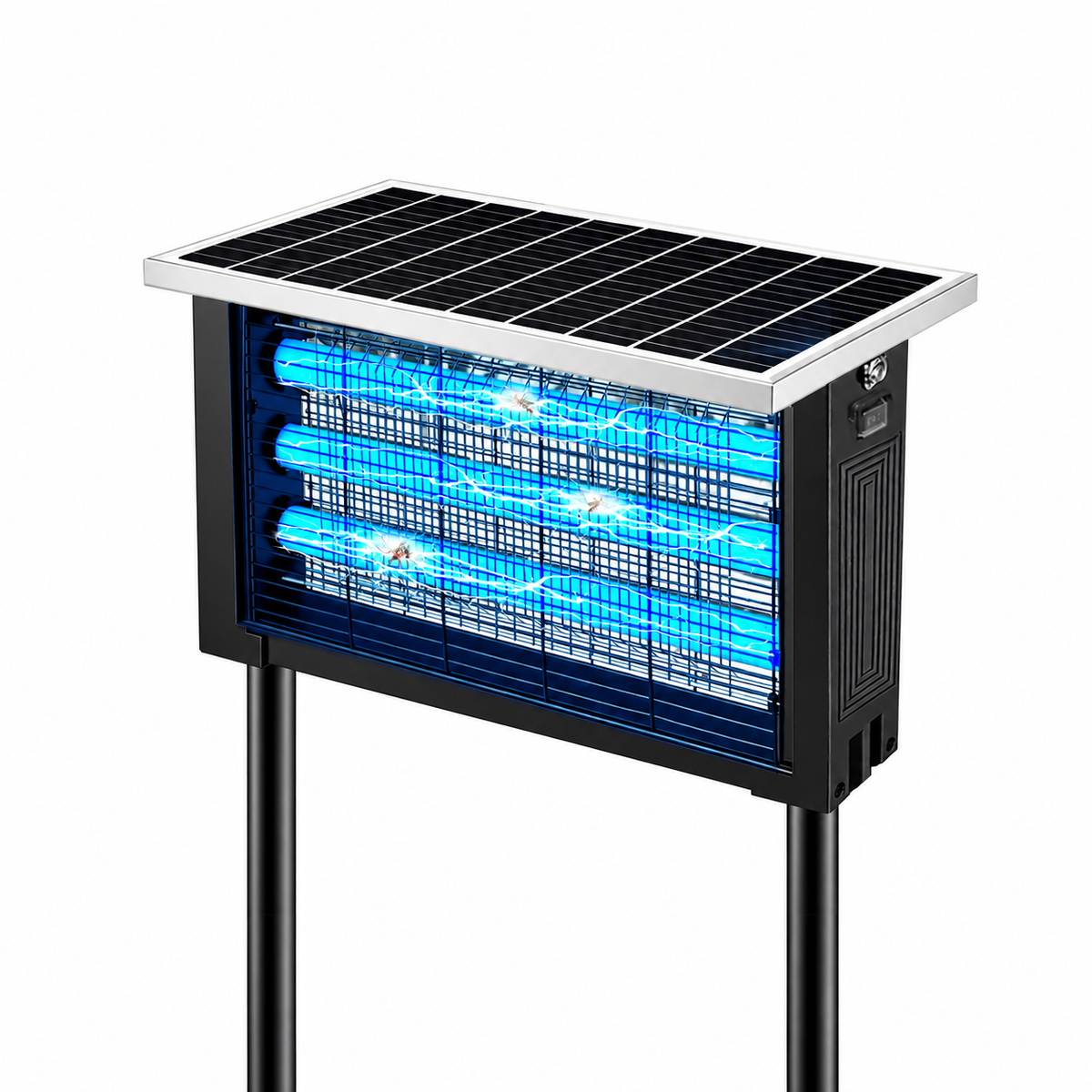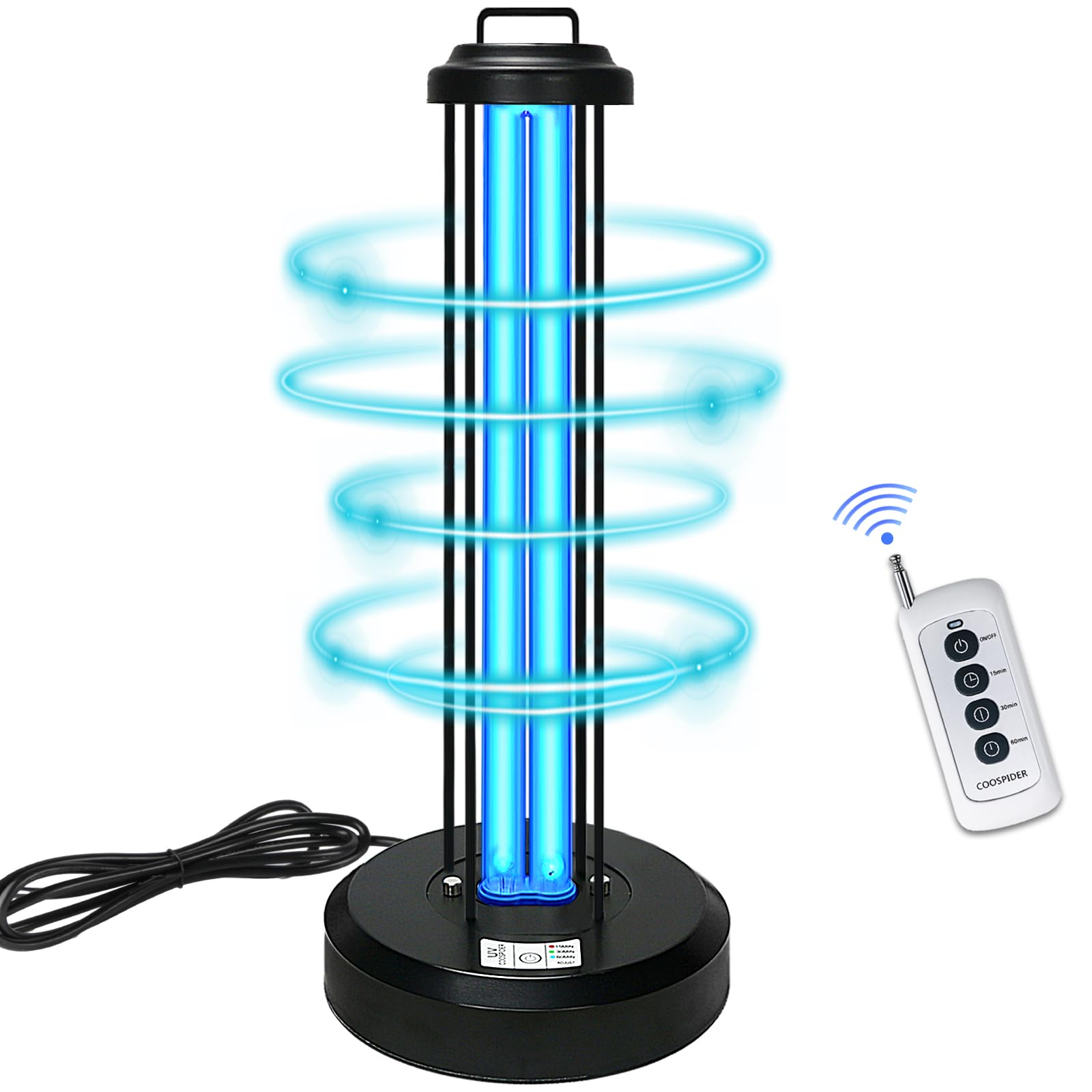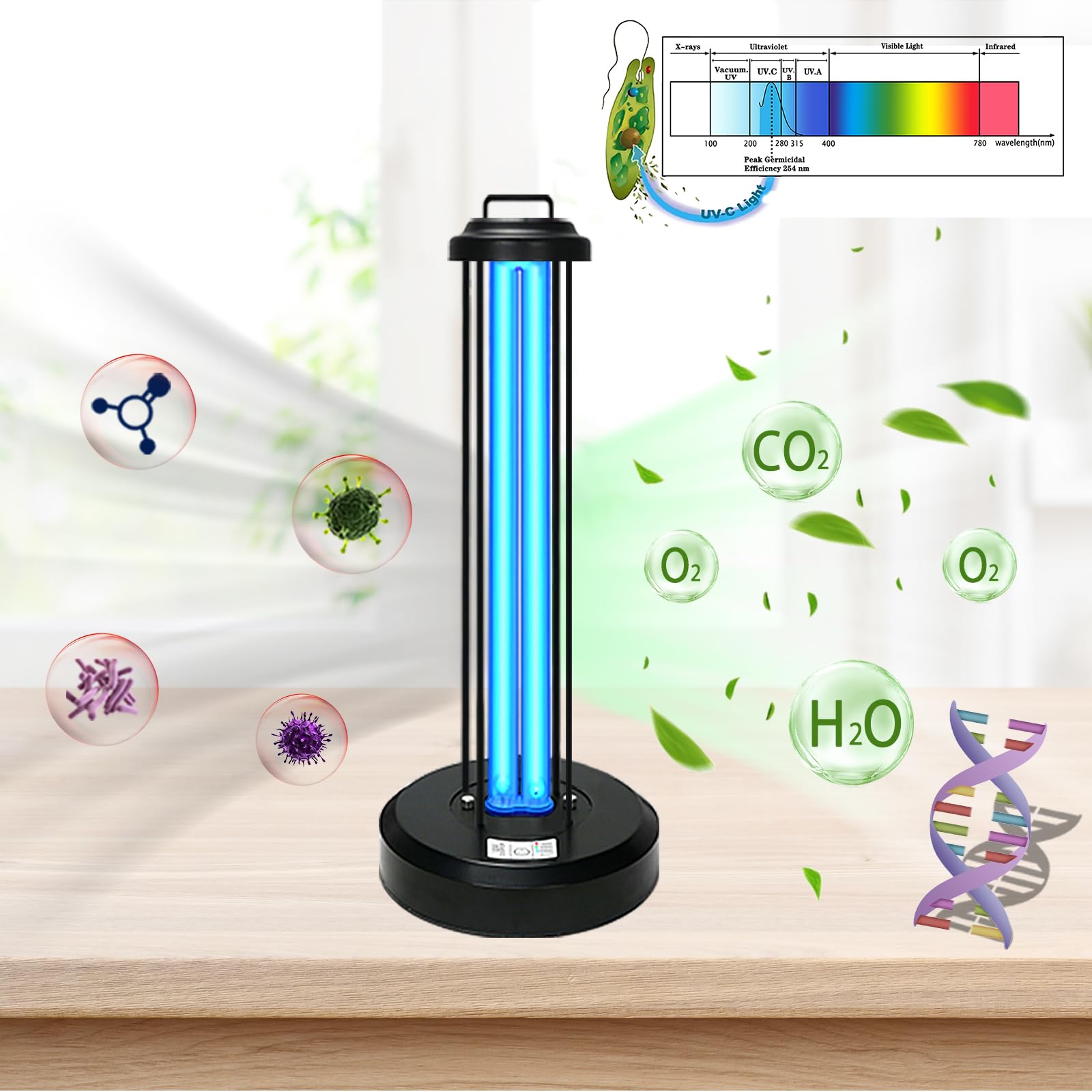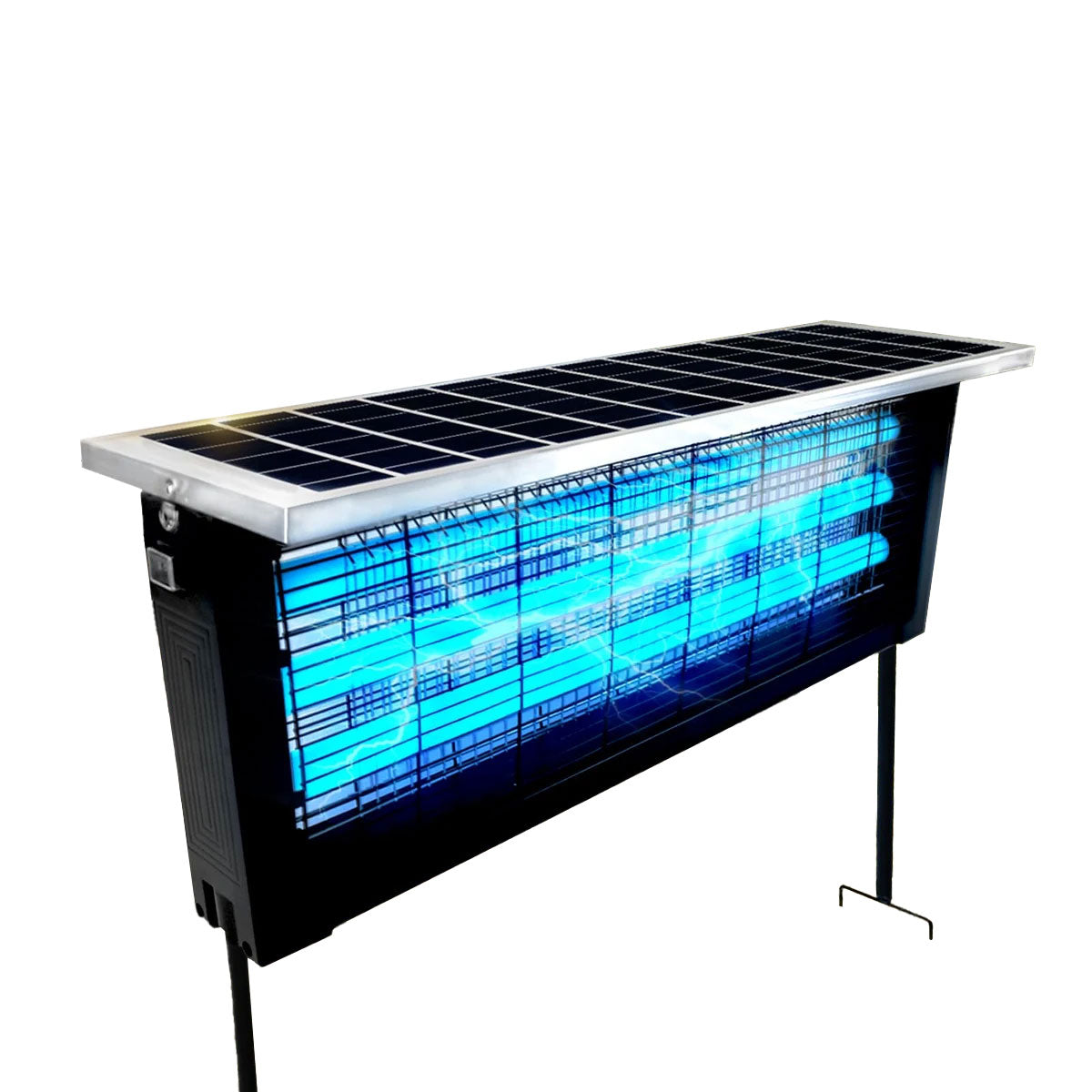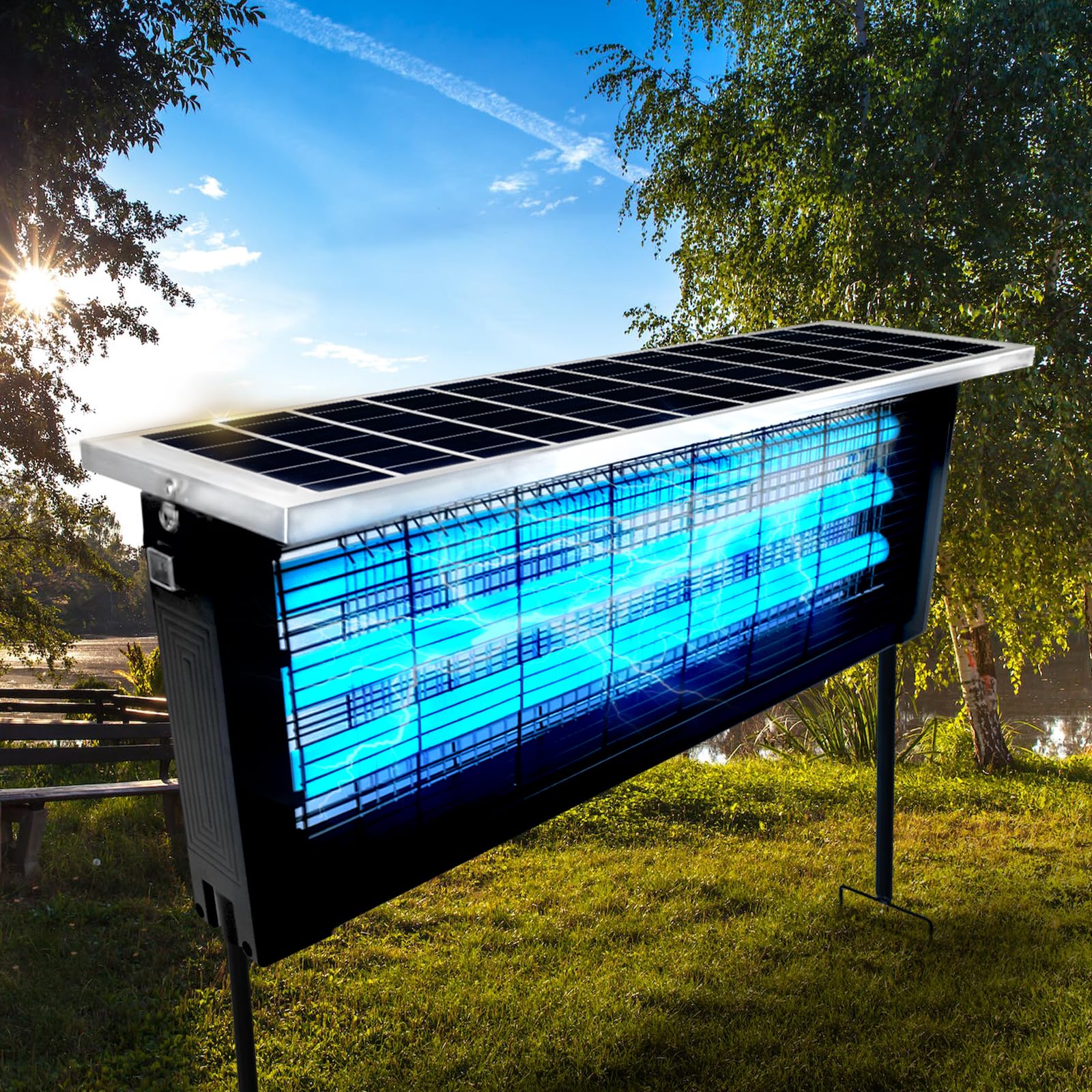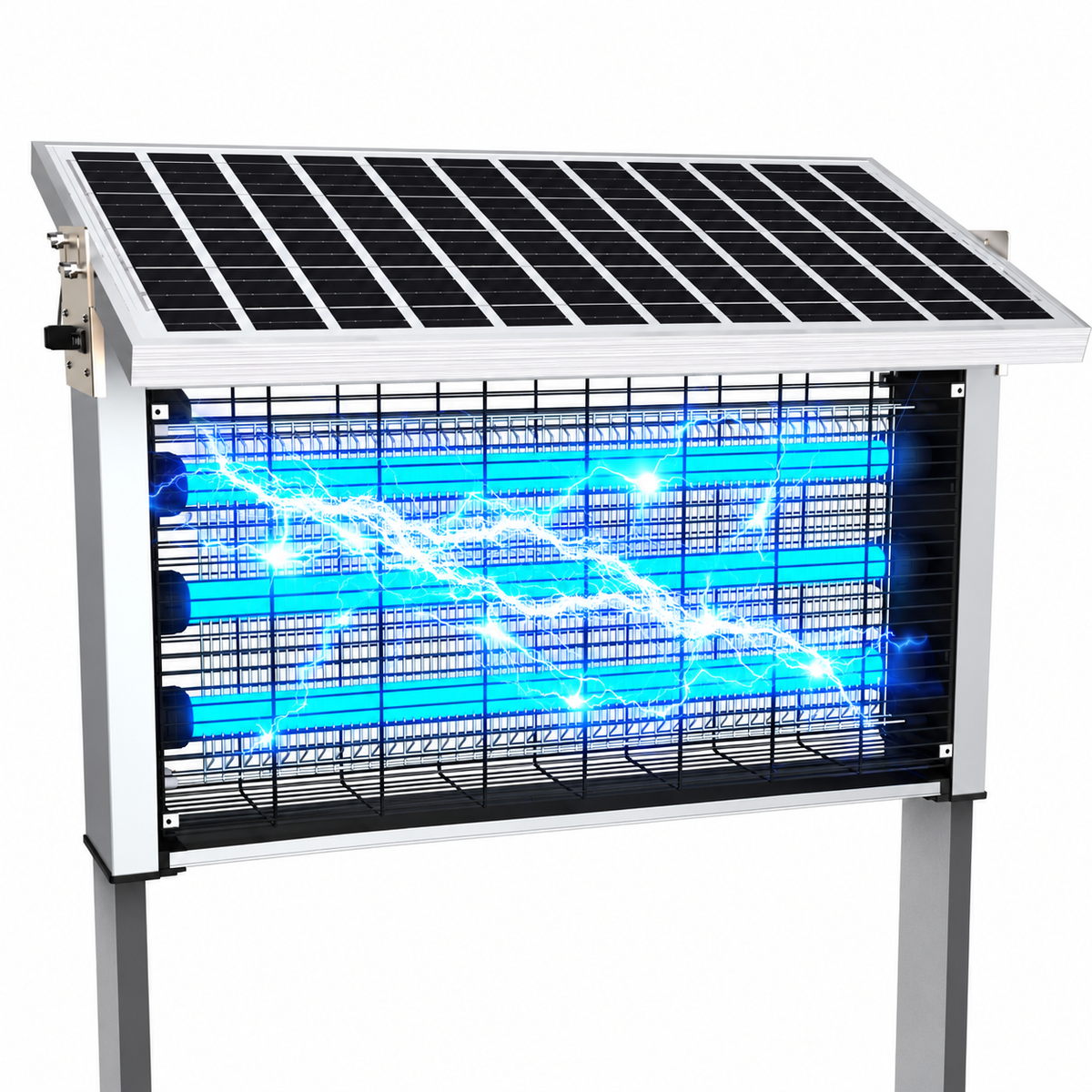

As warmer months roll in, mosquito activity surges, bringing with it not only annoyance but also potential health risks. To combat these pests, many households rely on high-voltage mosquito killer lamps—commonly known as electric bug zappers. These devices are highly effective, using ultraviolet light to attract insects and an electrified grid to eliminate them instantly.
However, while these lamps are powerful and convenient, they also require proper maintenance to function safely and efficiently. Cleaning a high-voltage mosquito killer lamp is not as simple as wiping down a surface. Without the right tools and precautions, you could expose yourself to electric shock, burns, or even damage the device.
This comprehensive guide walks you through everything you need to know about safely cleaning your mosquito killer lamp—from understanding how it works to choosing the right tools and following essential safety practices.
Understanding How High-Voltage Mosquito Killer Lamps Work
Before cleaning your device, it’s important to understand its structure and operation.
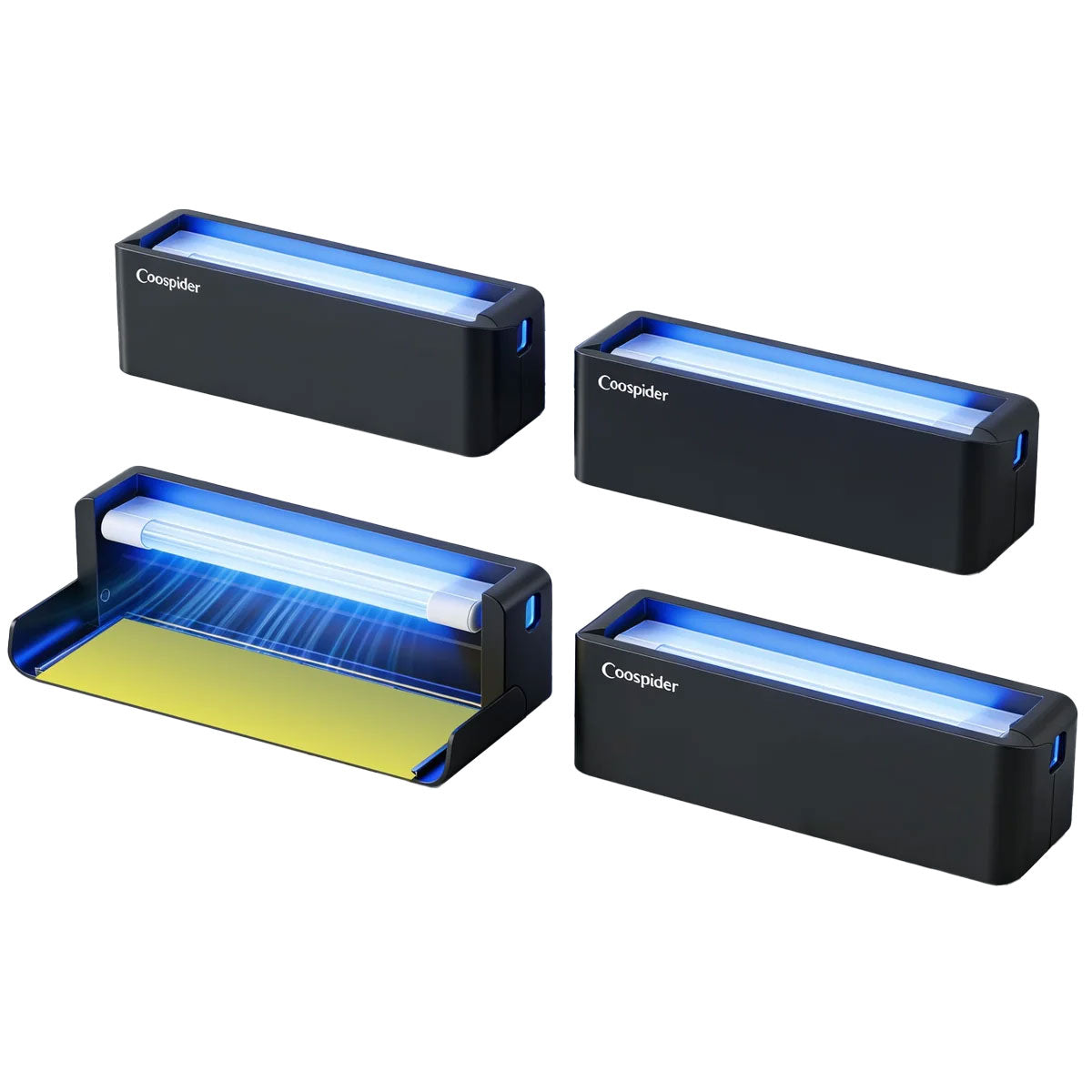
A typical mosquito killer lamp consists of:
-
UV Light Source: Attracts mosquitoes and flying insects
-
High-Voltage Electric Grid: Delivers a lethal shock upon contact
-
Protective Outer Cage: Prevents accidental contact with the grid
-
Collection Tray (optional): Collects dead insects for easy disposal
The electric grid is the most critical and dangerous component. Even after the device is turned off, residual electrical charge may remain for a short period, making safe handling essential.
Why Regular Cleaning Is Necessary
Many users underestimate how quickly mosquito killer lamps can become clogged with insect debris.
Reduced Efficiency
Accumulated insect remains can block the electric grid, reducing the device’s ability to kill pests effectively.
Increased Fire Risk
Dead insects can build up around electrical components, potentially increasing the risk of overheating.
Unpleasant Odors
Decomposing insects can produce a strong, unpleasant smell over time.
Hygiene Concerns
A dirty lamp can harbor bacteria and mold, especially in humid environments.
Regular cleaning ensures optimal performance and extends the lifespan of your device.
How Often Should You Clean Your Mosquito Killer Lamp?
Cleaning frequency depends on usage and environment:
-
High mosquito activity areas: Every 1–2 weeks
-
Moderate use: Every 3–4 weeks
-
Indoor units with low usage: Once a month
During peak summer, more frequent cleaning is usually necessary.
Essential Tools for Safe Cleaning
Using the right tools is crucial for both safety and effectiveness.
1. Insulated Gloves
Always wear rubber or insulated gloves to protect against accidental electric discharge.
2. Soft Brush or Cleaning Brush
A small, soft-bristled brush helps remove debris from the electric grid without damaging it.
3. Compressed Air Can
Ideal for blowing out dust and insect remains from hard-to-reach areas.
4. Screwdriver (if needed)
Some models require partial disassembly for thorough cleaning.
5. Dry Cloth or Microfiber Cloth
Used for wiping down the exterior and non-electrical components.
6. Small Vacuum Cleaner (Optional)
A handheld vacuum can safely remove loose debris if used carefully.
Safety Precautions You Must Follow
Cleaning a high-voltage device requires strict adherence to safety guidelines.
1. Unplug the Device Completely
Never rely on simply turning off the switch. Always disconnect the power source.
2. Wait for Discharge
Allow at least 10–15 minutes for any residual electrical charge to dissipate before handling the device.
3. Avoid Water Contact
Do not use water directly on the electric grid or internal components. Moisture can cause short circuits or corrosion.
4. Work in a Dry Environment
Ensure your hands and the surrounding area are completely dry.
5. Keep Away from Children and Pets
Perform cleaning in a safe, controlled space where interruptions are unlikely.
Step-by-Step Guide to Cleaning Your Mosquito Killer Lamp
Following a structured process minimizes risk and ensures thorough cleaning.
Step 1: Power Off and Unplug
Disconnect the device and move it to a well-lit, dry workspace.
Step 2: Discharge Residual Electricity
Wait for at least 10–15 minutes before proceeding.
Step 3: Remove the Collection Tray
If your model includes a tray:
-
Carefully detach it
-
Dispose of insect remains
-
Clean the tray with a dry or slightly damp cloth (ensure it is fully dry before reassembly)
Step 4: Brush the Electric Grid
Using a soft brush:
-
Gently remove debris from the grid
-
Avoid applying excessive pressure
-
Do not insert metal objects
Step 5: Use Compressed Air
Blow out fine particles and dust from tight spaces.
Step 6: Wipe the Exterior
Use a dry microfiber cloth to clean the outer casing.
Step 7: Reassemble and Inspect
-
Ensure all parts are completely dry
-
Reassemble securely
-
Check for visible damage
Step 8: Test the Device
Plug the lamp back in and confirm normal operation.
Common Mistakes to Avoid
Even with good intentions, certain mistakes can be dangerous.
Using Water or Liquid Cleaners
Liquids can damage electrical components and create shock hazards.
Cleaning While Plugged In
This is extremely dangerous and should never be done.
Using Metal Tools
Metal objects can conduct electricity and damage the grid.
Skipping Regular Maintenance
Waiting too long between cleanings can lead to buildup that is harder to remove.
Additional Safety Tips
Install in the Right Location
-
Keep the lamp away from flammable materials
-
Avoid placing it near water sources
Check for Damage Regularly
Inspect for:
-
Frayed wires
-
Cracked casing
-
Loose components
If you notice any issues, stop using the device immediately.
Use Manufacturer Guidelines
Always follow the specific instructions provided with your model.
Extending the Lifespan of Your Mosquito Killer Lamp
Proper care goes beyond cleaning.
Replace UV Bulbs Periodically
UV light intensity decreases over time, reducing effectiveness.
Store Properly During Off-Season
-
Clean thoroughly before storage
-
Keep in a dry, dust-free environment
Avoid Overuse
Running the lamp continuously in low-activity periods can wear out components faster.
Indoor vs. Outdoor Cleaning Considerations
Indoor Units
-
Typically require less frequent cleaning
-
Focus on dust removal and light debris
Outdoor Units
-
Exposed to more insects and environmental elements
-
Require more frequent and thorough cleaning
Environmental and Health Considerations
While mosquito killer lamps are effective, responsible use is important.
-
Avoid placing them near food preparation areas
-
Dispose of insect remains hygienically
-
Be mindful of non-target insects
Troubleshooting After Cleaning
If your lamp doesn’t work properly after cleaning:
-
Check power connections
-
Ensure all parts are dry
-
Verify proper reassembly
If problems persist, consult a professional or replace the unit.
Final Thoughts
High-voltage mosquito killer lamps are powerful tools in the fight against insects, but they come with responsibilities. Cleaning these devices is not just about maintaining performance—it’s about ensuring safety for you and your household.
By using the right tools, following proper procedures, and respecting the risks associated with high-voltage components, you can keep your mosquito killer lamp operating efficiently and safely throughout the season.
A little caution goes a long way. With regular maintenance and smart handling, your mosquito killer lamp will remain a reliable and safe solution for keeping your home mosquito-free all summer long.