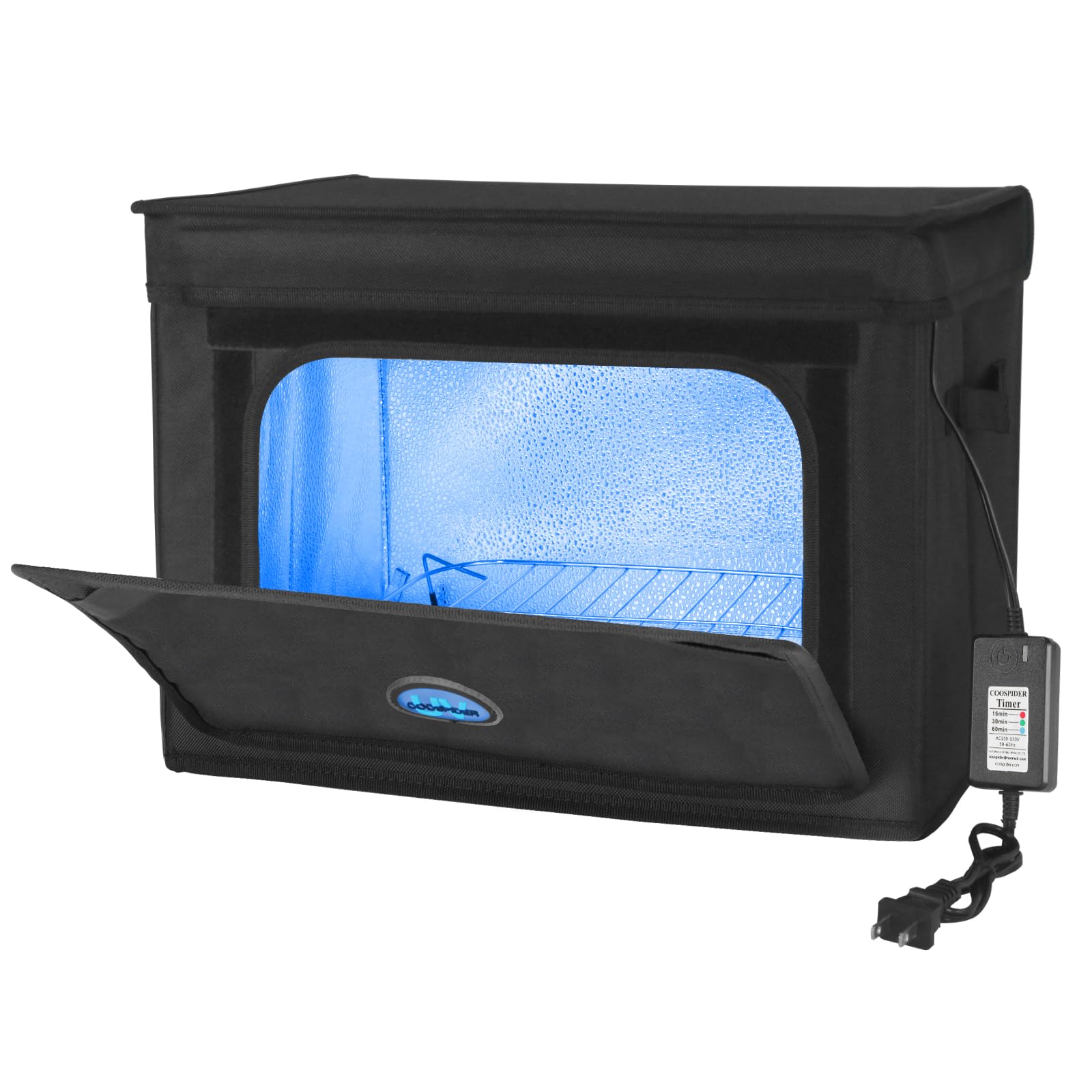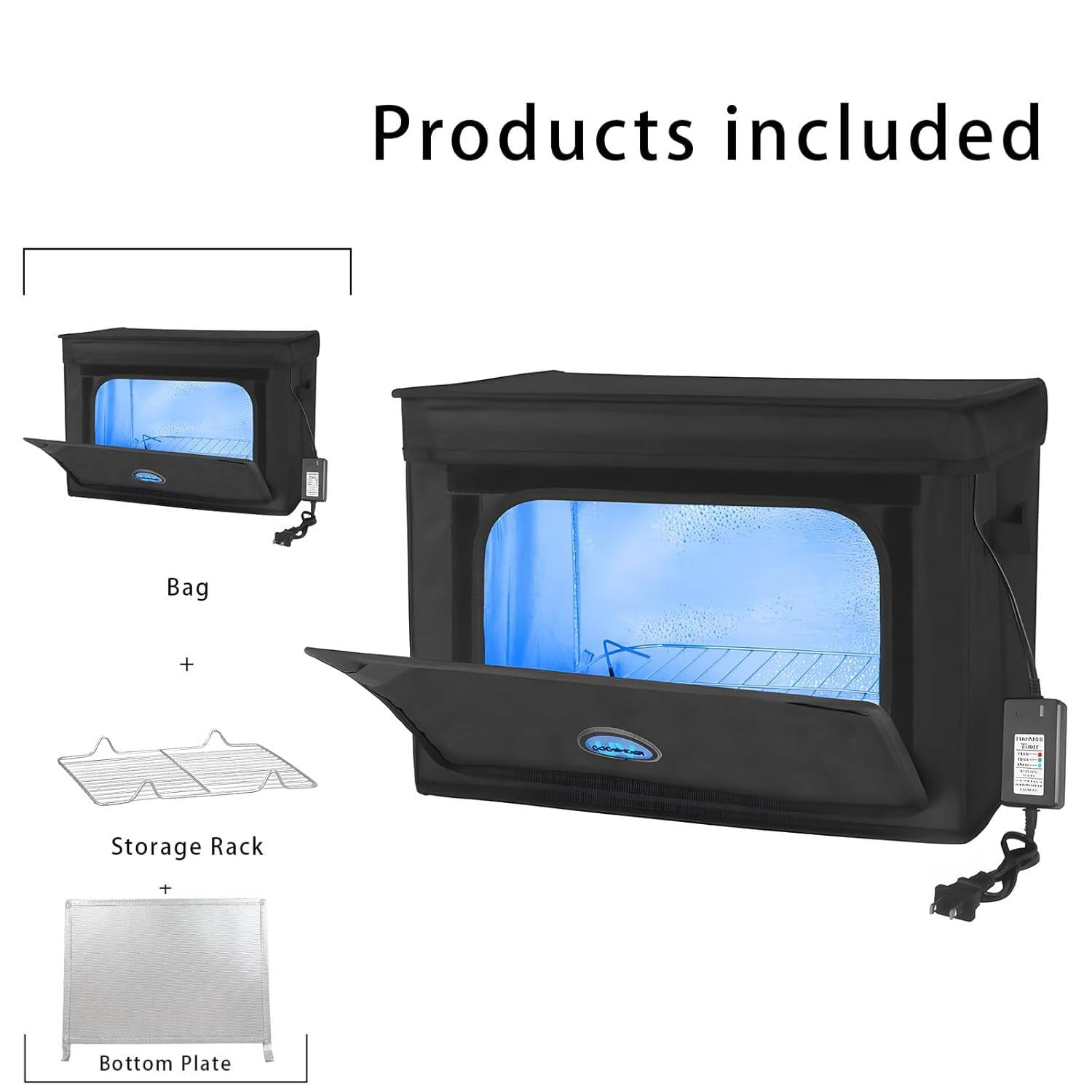
The moment you step through your front door, you bring the outside world with you. Shoes that walked through sidewalks, elevators, restrooms, and public transportation. Packages that passed through warehouses, delivery trucks, and countless hands. While most people focus on cleaning living rooms, kitchens, and bedrooms, one critical area is often overlooked—the entryway.
In recent years, homeowners have begun transforming their entryways into disinfection stations, using UV light technology to reduce bacteria, viruses, and other harmful microorganisms before they spread throughout the home. Among all available sanitation methods, UV sterilization stands out as fast, chemical-free, and highly effective.
This comprehensive guide will show you how to build a practical, safe, and efficient UV-powered entryway disinfection station, specifically designed for shoes and package surfaces.
1. Why the Entryway Is the Most Overlooked Hygiene Zone
The entryway is the first contact point between the outside environment and your home. It is also one of the dirtiest.
1.1 Shoes Carry More Than Dirt
Studies have shown that the soles of shoes can carry:
-
Bacteria such as E. coli and Staphylococcus
-
Mold spores
-
Pesticide residues
-
Animal waste particles
Once inside, these contaminants can spread onto floors, carpets, and furniture.
1.2 Packages Travel Through High-Risk Environments
Before reaching your doorstep, packages may pass through:
-
Sorting facilities
-
Distribution centers
-
Delivery vehicles
-
Multiple human handlers
Cardboard and plastic surfaces can harbor microorganisms for hours or even days.
1.3 Traditional Cleaning Isn’t Always Practical
Spraying disinfectants on every package or wiping every pair of shoes:
-
Takes time
-
Creates chemical residue
-
Can damage materials
-
Is easy to forget
This is where UV light provides a cleaner, faster solution.
2. Understanding UV Light: How It Kills Germs
2.1 What Is UV Light?
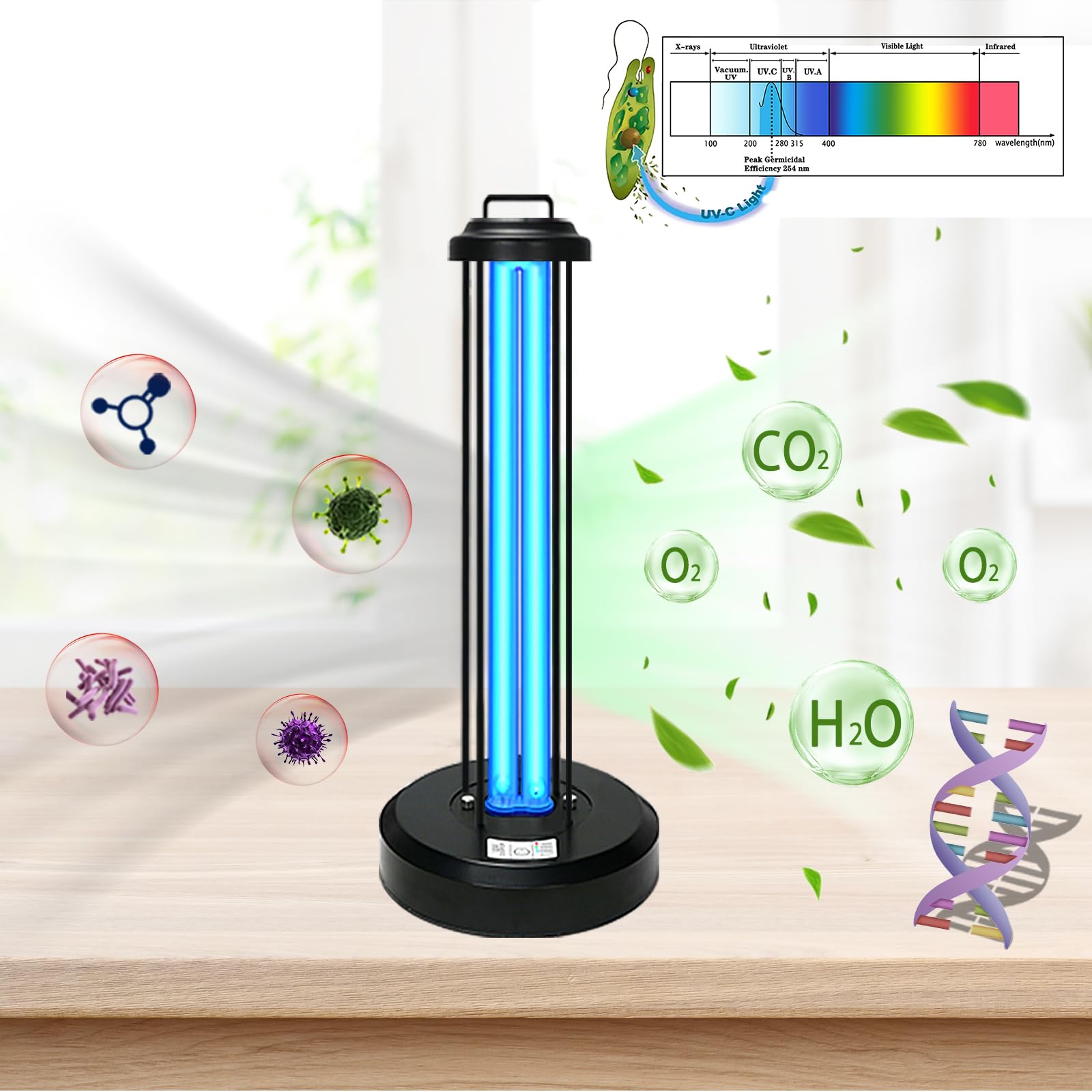
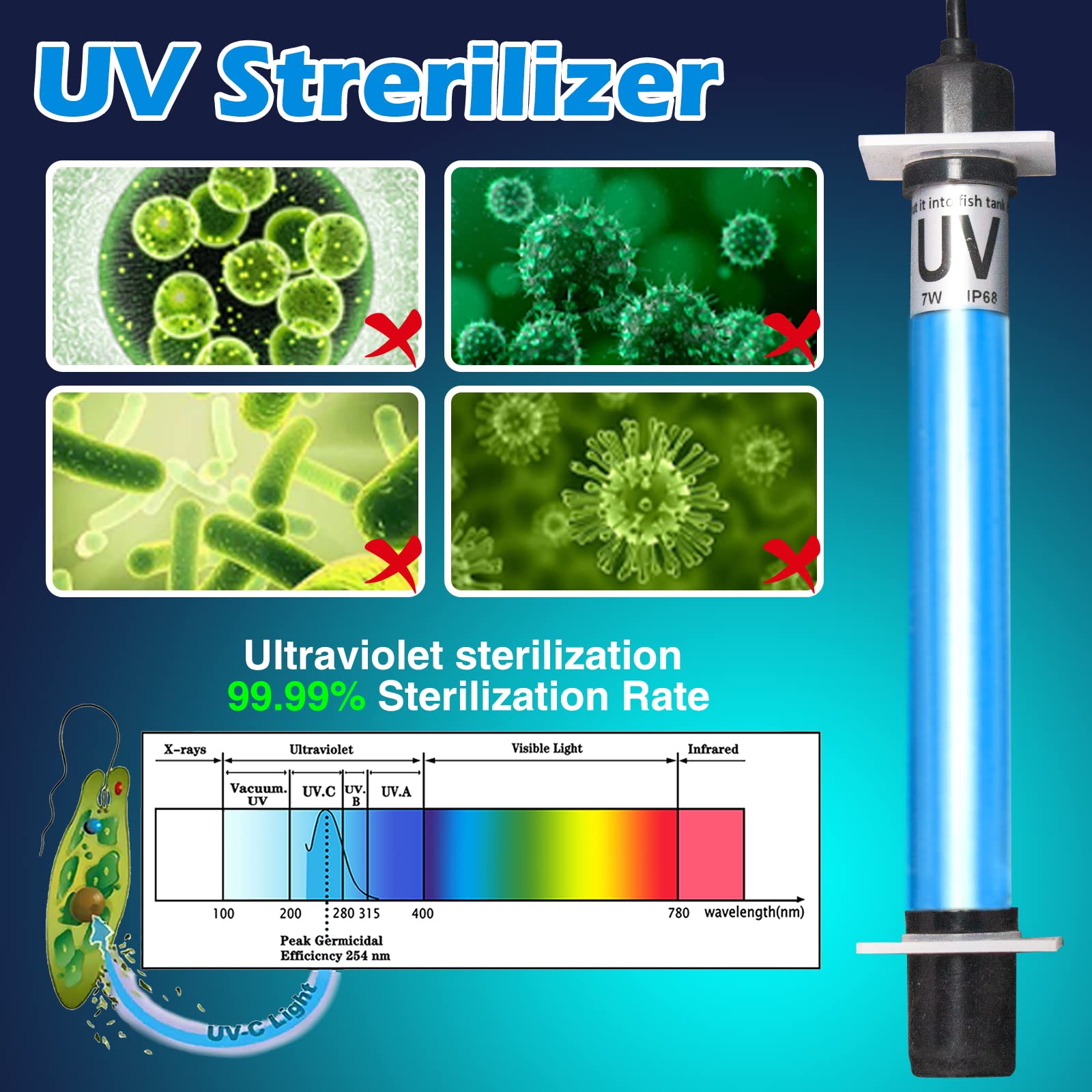
Ultraviolet (UV) light is a form of electromagnetic radiation with wavelengths shorter than visible light. It is divided into:
-
UVA (315–400 nm) – Aging and tanning
-
UVB (280–315 nm) – Sunburn
-
UVC (200–280 nm) – Germicidal range
2.2 Why UVC Is Used for Disinfection
UVC light works by:
-
Destroying the DNA or RNA of microorganisms
-
Preventing replication
-
Rendering bacteria and viruses inactive
This process is:
-
Chemical-free
-
Residue-free
-
Effective against bacteria, viruses, and mold
2.3 Is UV Safe for Home Use?
When used correctly:
-
UV devices are safe
-
No chemicals are released
-
No moisture is involved
However, direct exposure to skin or eyes must be avoided, which is why proper enclosure and design are essential.
3. What Is an Entryway UV Disinfection Station?
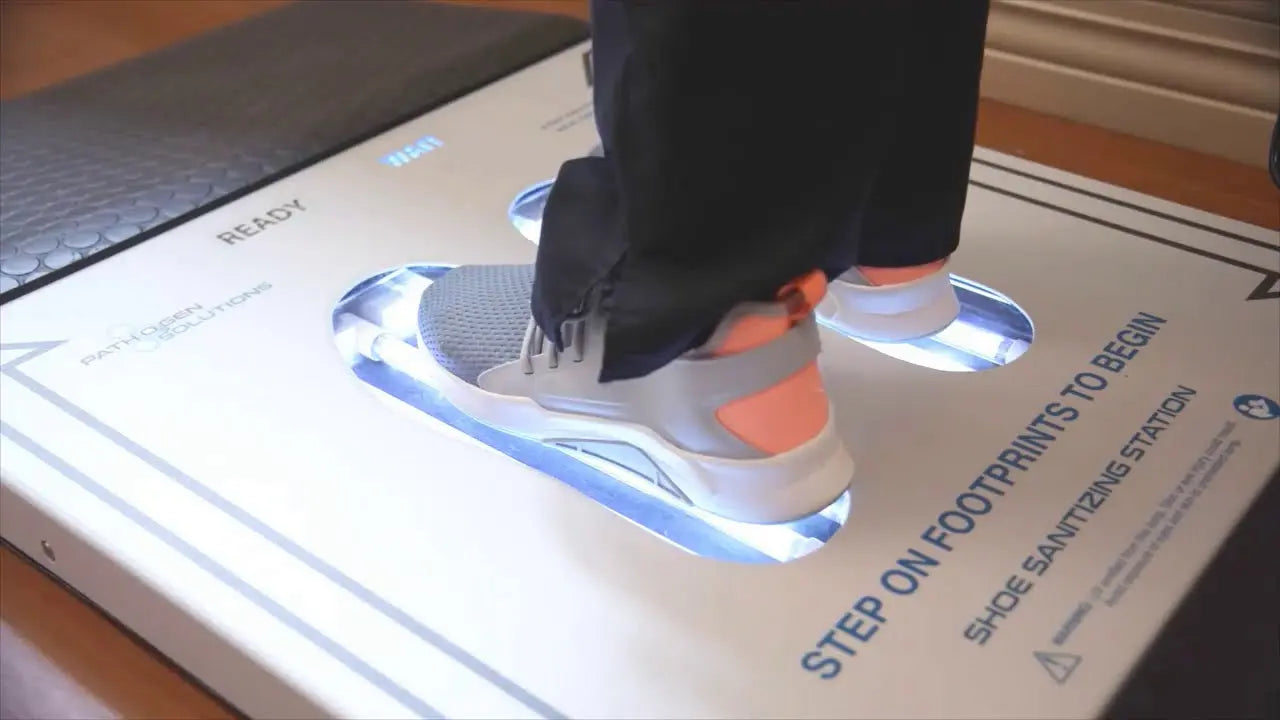
A UV disinfection station is a designated area near your entrance equipped with UV light devices to sanitize:
-
Shoes
-
Packages
-
Bags
-
Keys
-
Wallets
-
Small personal items
Think of it as a hygiene checkpoint before contaminants enter your living space.
4. Benefits of Using UV Light in the Entryway
4.1 Fast Sanitization
Most UV devices disinfect surfaces in:
-
30 seconds to 5 minutes
Perfect for daily use.
4.2 No Chemicals
Ideal for:
-
Families with children
-
Pets
-
Allergy-sensitive individuals
4.3 Material-Friendly
UV does not:
-
Wet surfaces
-
Leave residue
-
Cause corrosion
This makes it suitable for leather shoes, cardboard boxes, and fabric bags.
4.4 Encourages Healthy Habits
A visible disinfection station:
-
Reminds family members to sanitize
-
Builds consistent hygiene routines
-
Reduces indoor contamination
5. Designing Your UV Entryway Disinfection Station
5.1 Choosing the Right Location
The best placement is:
-
Immediately inside the front door
-
Well-ventilated
-
Away from direct human exposure
Common setups include:
-
Shoe cabinets
-
Storage benches
-
Dedicated shelving units
5.2 Essential Components
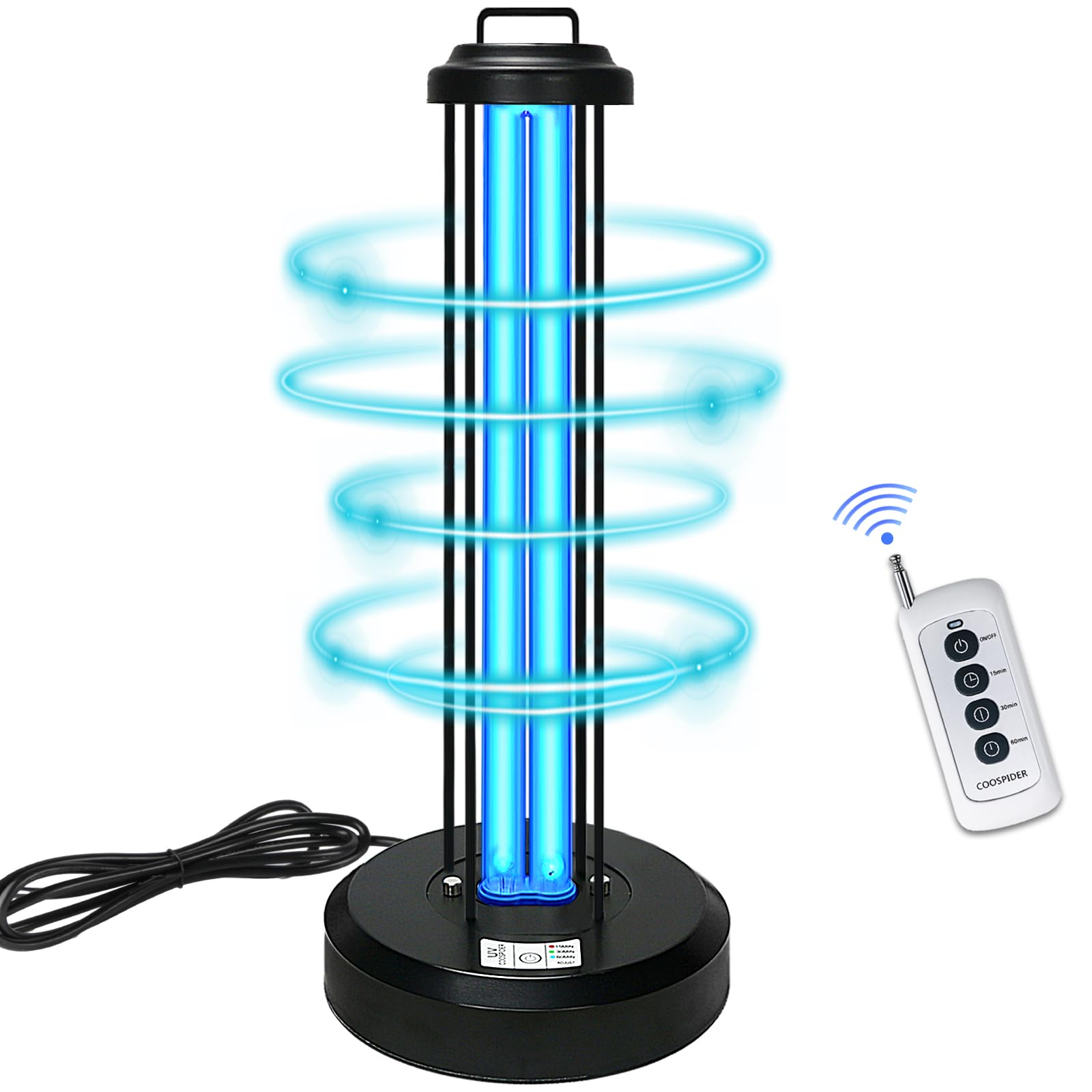
UV Light Device
Options include:
-
UV disinfection boxes
-
UV cabinets
-
Enclosed UV lamps
-
UV conveyor-style drawers
Look for:
-
UVC wavelength (254 nm or 222 nm)
-
Safety interlock switches
-
Timer controls
Enclosure or Cabinet
An enclosed design:
-
Prevents UV leakage
-
Ensures even exposure
-
Improves safety
Materials can be:
-
Plastic
-
Metal
-
Wood with reflective lining
Reflective Interior
Aluminum or mirrored surfaces improve:
-
Light distribution
-
Sterilization efficiency
6. How to Use UV Light to Sanitize Shoes
6.1 Why Shoes Need Special Attention
Shoes come into contact with:
-
Public floors
-
Restrooms
-
Outdoor debris
Disinfecting shoes reduces:
-
Floor contamination
-
Odors
-
Mold growth
6.2 Step-by-Step Shoe Disinfection Process
-
Remove visible dirt
Shake or brush off mud and debris. -
Place shoes in the UV cabinet
Ensure soles and interiors face the light source. -
Set the timer
Typically 3–5 minutes depending on device strength. -
Close the enclosure
Never operate UV light in open air. -
Allow full cycle to complete
Do not interrupt the process. -
Remove shoes and store normally
6.3 Tips for Best Results
-
Remove insoles for deeper exposure
-
Rotate shoes weekly for uniform treatment
-
Avoid stacking shoes during disinfection
7. How to Sanitize Package Surfaces with UV Light
7.1 Why Packages Are a Hidden Risk
Cardboard and plastic surfaces:
-
Absorb moisture
-
Trap bacteria
-
Are frequently touched
7.2 UV Package Sanitization Process
-
Place the package in the UV station
-
Ensure all sides are exposed
-
Run a 2–3 minute cycle
-
Rotate if needed
-
Remove and open safely
7.3 What Items Can Be UV-Sanitized?
Safe items include:
-
Cardboard boxes
-
Plastic mailers
-
Fabric bags
-
Keys and wallets
-
Mobile phones
Avoid:
-
Living plants
-
Food
-
Photos sensitive to UV
8. Safety Rules You Must Follow
8.1 Never Look Directly at UV Light
Direct exposure can:
-
Damage eyes
-
Irritate skin
8.2 Use Enclosed Systems Only
Never use:
-
Open UV bulbs
-
Handheld UV wands without shielding
8.3 Keep Out of Reach of Children
Install:
-
Lockable cabinets
-
Child-proof switches
8.4 Follow Manufacturer Guidelines
Each device has:
-
Recommended exposure time
-
Wattage limits
-
Safety warnings
9. UV vs Traditional Disinfection Methods
| Method | Speed | Residue | Material Damage | Ease |
|---|---|---|---|---|
| UV Light | Very fast | None | None | High |
| Alcohol Spray | Medium | Yes | Possible | Medium |
| Bleach | Slow | Yes | High | Low |
| Soap & Water | Slow | No | Low | Low |
UV light stands out for daily, routine sanitation.
10. Who Should Use an Entryway UV Disinfection Station?
Ideal for:
-
Families with children
-
Pet owners
-
Apartment dwellers
-
Online shoppers
-
Healthcare workers
-
Elderly households
-
Allergy-sensitive individuals
11. Building Healthy Habits with Smart Design
To encourage consistent use:
-
Place the station at eye level
-
Add clear labeling
-
Use automatic timers
-
Combine with shoe storage
Good design promotes long-term behavior change.
12. Final Thoughts: Invisible Protection Starts at the Door
Your home should be a safe haven, not a place where outside contaminants quietly spread. By creating an entryway UV disinfection station, you establish a powerful first line of defense—one that works silently, efficiently, and without chemicals.
UV light technology transforms everyday habits into smarter hygiene practices, protecting your family before risks enter deeper into your living space. Clean floors, safer packages, and peace of mind—all start at your front door.