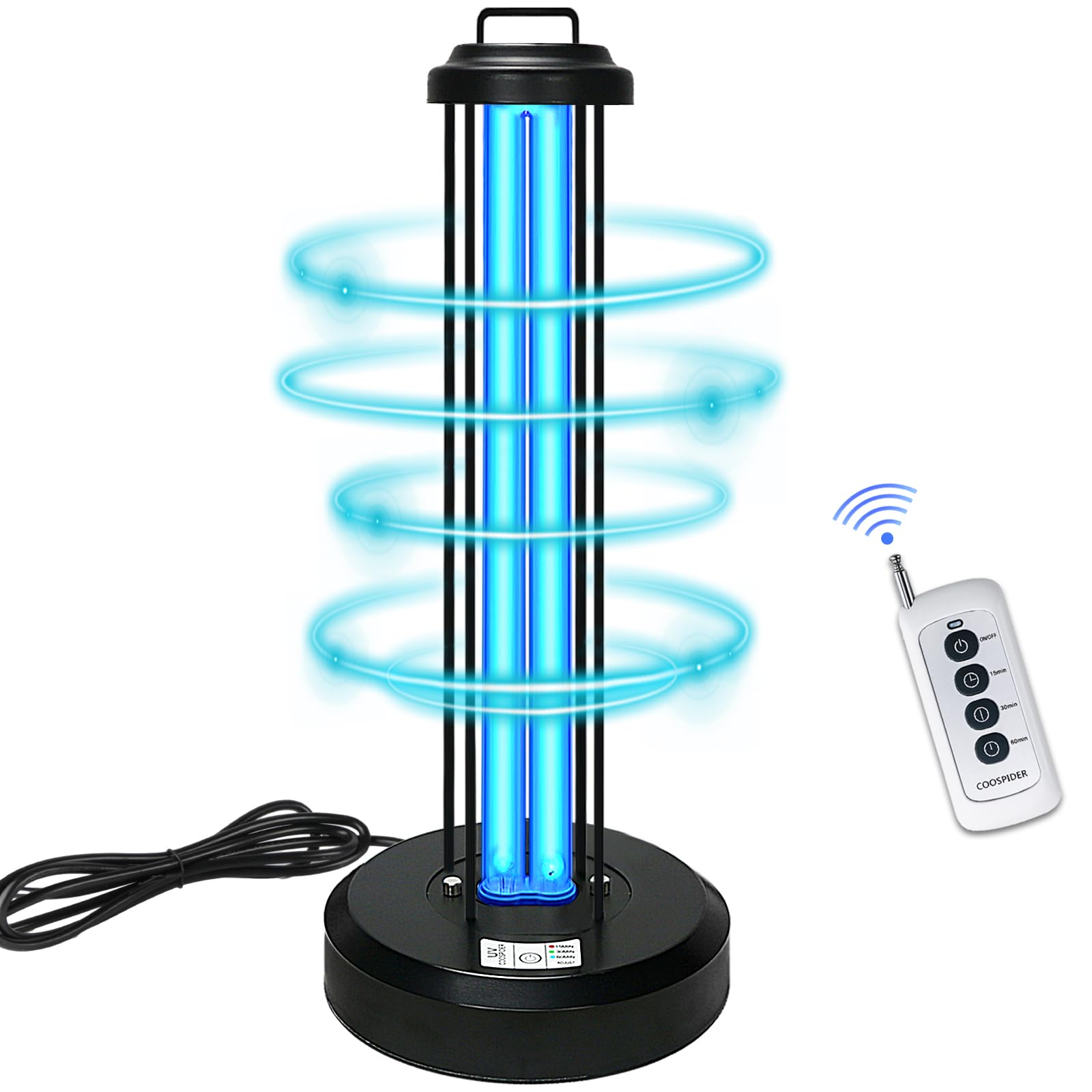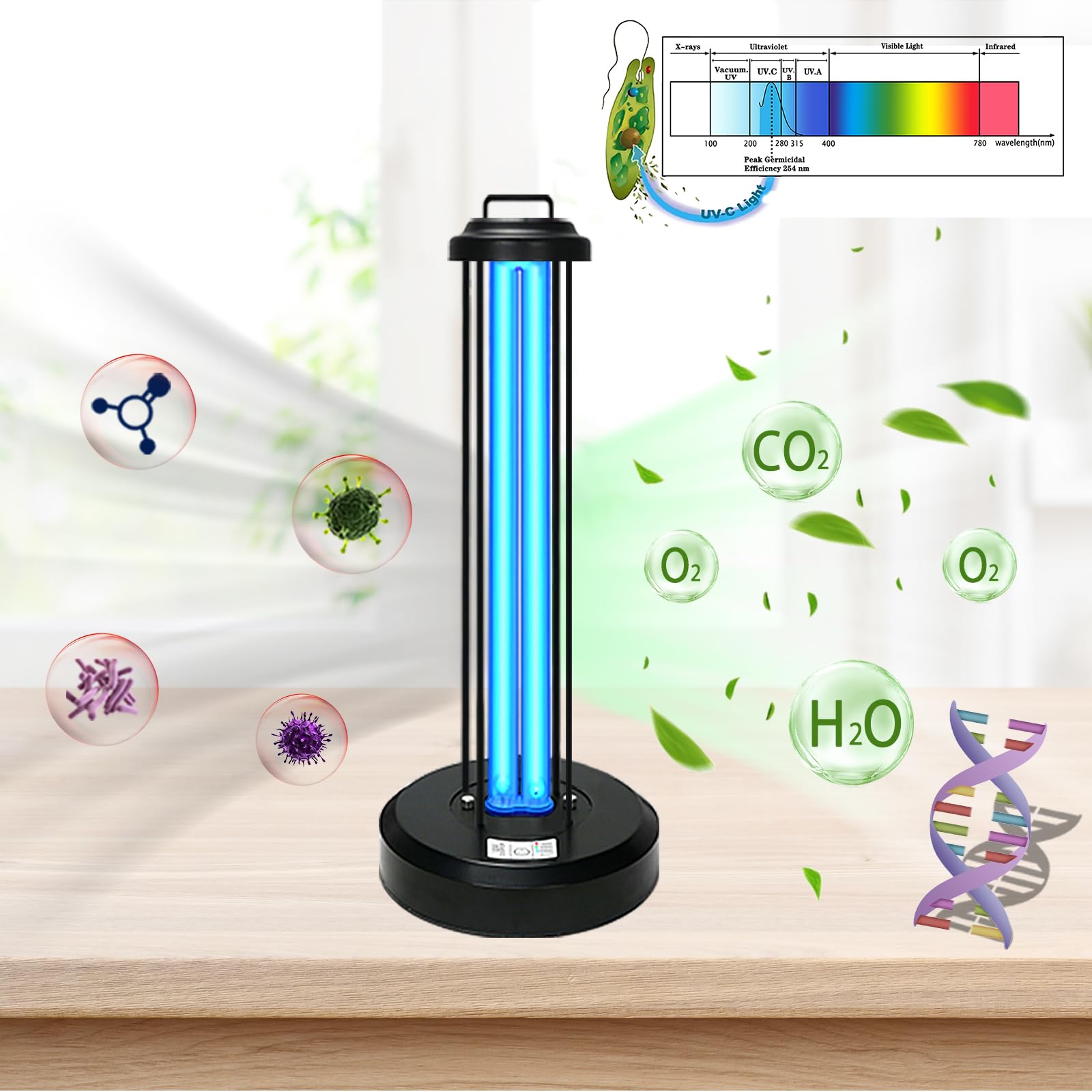
UV lamps play a critical role in countless industrial and commercial applications. From water purification systems and air sterilization units to printing presses, curing equipment, laboratory instruments, and manufacturing processes, ultraviolet lamps provide reliable performance when properly maintained.
However, many facility managers and maintenance technicians focus primarily on lamp operating hours while overlooking the environmental conditions surrounding the equipment. In reality, humidity and dust are among the most common external factors responsible for premature UV lamp failures, reduced efficiency, increased maintenance costs, and unexpected downtime.
A UV lamp installed in a clean, climate-controlled environment can often achieve or even exceed its expected service life. The same lamp operating in a humid, dusty environment may experience significant performance degradation long before reaching its rated lifespan.
Understanding how environmental contaminants affect UV systems is essential for maximizing equipment reliability. This article explores the mechanisms behind humidity-related and dust-related failures, identifies warning signs of environmental damage, and provides practical preventive maintenance recommendations that can significantly extend UV lamp life.
Understanding UV Lamp Components
Before discussing environmental impacts, it is important to understand the components that make up a typical UV lamp system.
A standard UV lamp assembly generally includes:
-
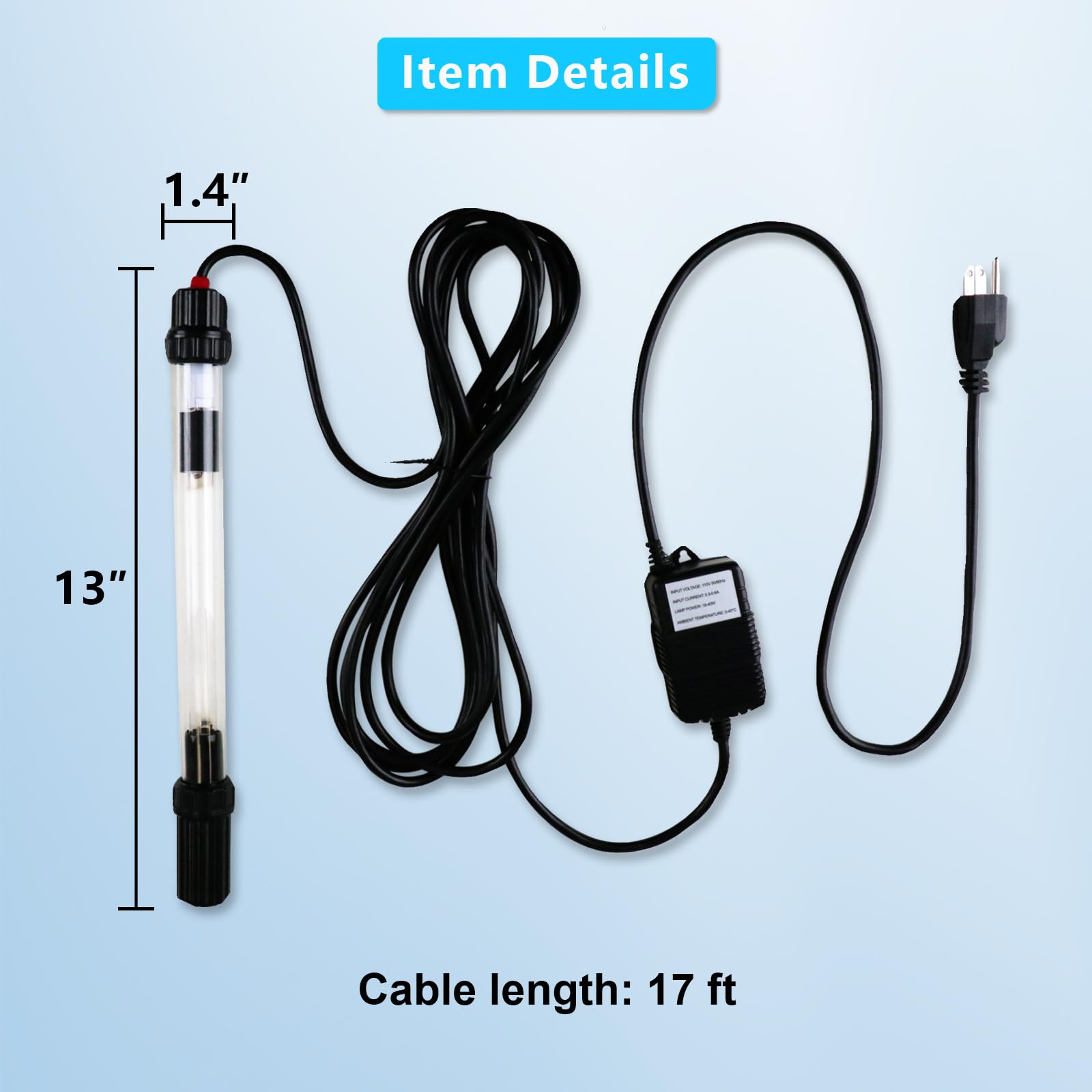
Quartz sleeve or quartz tube
-
UV lamp bulb
-
Electrodes
-
Electrical connectors
-
Lamp holders
-
Ballast or power supply
-
Cooling system
-
Reflectors
-
Protective housing
Each of these components can be affected by moisture, airborne particles, and contaminants.
While UV lamps are designed to operate in demanding environments, they are not immune to prolonged exposure to adverse conditions. Environmental stress gradually accumulates and eventually manifests as reduced output, electrical failures, overheating, or complete lamp failure.
How Humidity Affects UV Lamp Performance
Humidity is often underestimated as a threat to UV systems.
Even when water is not directly contacting the lamp, excessive moisture in the surrounding air can create multiple problems.
Corrosion of Electrical Connections
One of the most common consequences of high humidity is corrosion.
Moisture in the air can condense on electrical terminals, connectors, and lamp sockets. Over time, oxidation develops on metal surfaces.
Common signs include:
-
Green corrosion on copper contacts
-
White oxidation on aluminum components
-
Rust formation on steel hardware
-
Increased electrical resistance
As corrosion progresses, electrical current flow becomes less efficient.
This can result in:
-
Lamp flickering
-
Delayed startup
-
Inconsistent UV output
-
Increased power consumption
-
Premature ballast failure
In severe cases, the lamp may fail to ignite entirely.
Condensation Damage
Temperature fluctuations frequently lead to condensation.
For example, a UV system installed in:
-
Water treatment facilities
-
Food processing plants
-
Greenhouses
-
Outdoor enclosures
-
Manufacturing plants
may experience warm daytime temperatures followed by cooler nighttime conditions.
As the air cools, moisture condenses onto internal components.
Condensation can cause:
-
Electrical short circuits
-
Ground faults
-
Connector degradation
-
Ballast damage
-
Sensor malfunctions
Repeated condensation cycles significantly shorten system lifespan.
Reduced UV Transmission
Many UV systems use quartz sleeves to isolate the lamp from water, air streams, or external contaminants.
Humidity encourages mineral deposition and moisture-related contamination on quartz surfaces.
Common deposits include:
-
Calcium buildup
-
Silica residue
-
Water spots
-
Condensation films
Even a thin layer of contamination can reduce UV transmission efficiency.
A lamp may still consume the same amount of power while delivering substantially lower UV intensity.
This reduction often goes unnoticed until treatment effectiveness declines.
Accelerated Aging of Insulation Materials
Electrical insulation materials are vulnerable to prolonged exposure to moisture.
Humidity can gradually degrade:
-
Wire insulation
-
Rubber seals
-
Gaskets
-
Protective coatings
As insulation deteriorates, risks increase for:
-
Electrical leakage
-
Arc formation
-
Safety hazards
-
System shutdowns
This issue is especially common in older UV installations operating in humid environments.
How Dust Impacts UV Lamp Systems
Dust may appear harmless, but it is one of the most destructive environmental contaminants affecting UV equipment.
Dust accumulates slowly, making its effects difficult to detect until significant performance loss occurs.
Dust Blocks UV Radiation
UV light must travel through clean surfaces to reach its target.
When dust accumulates on:
-
Quartz sleeves
-
Reflectors
-
Lamp covers
-
Protective windows
UV transmission decreases.
A thin dust layer can significantly reduce irradiation levels.
As contamination thickens, system efficiency declines even further.
The result may include:
-
Poor curing quality
-
Reduced disinfection effectiveness
-
Lower production output
-
Product quality issues
Many operators mistakenly replace lamps when the actual problem is contamination.
Overheating Caused by Dust Buildup
Dust acts as an insulating layer.
When accumulated on cooling surfaces, airflow passages, or ventilation systems, heat dissipation becomes less effective.
Excessive heat can cause:
-
Electrode damage
-
Quartz stress
-
Ballast overheating
-
Premature lamp aging
Temperature is one of the most important factors affecting UV lamp lifespan.
A lamp operating just a few degrees above its optimal temperature range may experience accelerated degradation.
Dust-Induced Electrical Failures
Industrial dust often contains conductive particles.
Examples include:
-
Metal dust
-
Carbon particles
-
Graphite residue
-
Industrial pollutants
When conductive contaminants accumulate around electrical components, they may create unintended current paths.
Potential consequences include:
-
Electrical arcing
-
Circuit board damage
-
Short circuits
-
Connector failures
Facilities involved in machining, welding, grinding, or manufacturing are particularly susceptible.
Mechanical Wear and Abrasion
Dust particles can act like microscopic abrasives.
When airflow systems circulate contaminated air, particles repeatedly contact sensitive surfaces.
Over time, abrasion can damage:
-
Reflective coatings
-
Protective covers
-
Sensor lenses
-
Cooling fans
The cumulative effect reduces system efficiency and increases maintenance requirements.
The Combined Effect of Humidity and Dust
Humidity and dust become even more problematic when they occur together.
Moisture causes airborne particles to adhere more strongly to surfaces.
This creates stubborn contamination layers that are difficult to remove.
The combination often leads to:
-
Corrosion beneath dust deposits
-
Reduced heat dissipation
-
Accelerated material degradation
-
Increased microbial growth
-
Greater maintenance frequency
Facilities near coastal regions frequently experience this issue due to the combination of airborne salt and humidity.
Similarly, agricultural and industrial facilities often face challenges from moisture mixed with organic dust.
Warning Signs of Environmental Damage
Identifying environmental problems early can prevent major failures.
Watch for these warning indicators:
UV Output Reduction
If UV intensity measurements decline faster than expected, contamination may be restricting light transmission.
Regular monitoring can reveal issues before complete failure occurs.
Frequent Lamp Replacements
Repeated lamp failures often indicate an underlying environmental problem rather than poor lamp quality.
Investigate humidity levels and contamination sources before replacing additional components.
Corroded Connectors
Inspect electrical contacts regularly.
Signs of corrosion include:
-
Discoloration
-
Pitting
-
Rust
-
Oxidation
These symptoms suggest moisture intrusion.
Excessive Dust Accumulation
Visible dust around vents, cooling fans, and lamp housings should never be ignored.
Surface contamination often indicates more significant internal buildup.
Overheating Alarms
Unexpected temperature increases may indicate blocked airflow caused by dust accumulation.
Thermal imaging inspections can help identify hot spots.
Preventive Maintenance Strategies
The best approach to environmental damage is prevention.
A proactive maintenance program can dramatically improve reliability.
Control Humidity Levels
Maintaining proper humidity is one of the most effective preventive measures.
Recommended strategies include:
-
Installing dehumidifiers
-
Improving ventilation
-
Sealing equipment enclosures
-
Using climate-controlled rooms
-
Monitoring relative humidity continuously
Most UV equipment performs best in moderate humidity environments.
Avoid prolonged exposure to high relative humidity whenever possible.
Use Proper Enclosures
Protective enclosures provide a barrier against environmental contaminants.
Features to consider include:
-
Dust-resistant designs
-
Moisture-resistant seals
-
Corrosion-resistant materials
-
Positive-pressure ventilation systems
Proper enclosure selection can significantly extend equipment life.
Establish Routine Cleaning Procedures
Cleaning should be part of every maintenance schedule.
Recommended cleaning tasks include:
Weekly
-
Remove visible dust
-
Inspect ventilation openings
-
Check cooling fans
Monthly
-
Clean quartz sleeves
-
Inspect reflectors
-
Examine electrical connections
Quarterly
-
Perform detailed internal cleaning
-
Inspect ballast compartments
-
Verify airflow performance
Consistent cleaning prevents contamination from reaching damaging levels.
Monitor UV Output Regularly
UV intensity monitoring provides valuable insight into system performance.
Benefits include:
-
Early fault detection
-
Improved maintenance planning
-
Reduced downtime
-
Better treatment consistency
A declining UV output trend often reveals contamination before visible symptoms appear.
Inspect Electrical Components
Routine electrical inspections help identify moisture-related issues.
Inspect:
-
Lamp sockets
-
Connectors
-
Wiring
-
Grounding systems
-
Ballast terminals
Replace damaged components immediately to prevent cascading failures.
Improve Air Filtration
Facilities with significant airborne contamination should invest in filtration systems.
Effective options include:
-
HEPA filtration
-
Industrial dust collectors
-
Air purification systems
-
Positive-pressure control rooms
Reducing airborne particles directly lowers contamination rates.
Protect Outdoor UV Installations
Outdoor installations require additional protection.
Recommended measures include:
-
Weatherproof enclosures
-
Rain shields
-
UV-resistant housing materials
-
Environmental monitoring systems
Outdoor equipment should be inspected more frequently than indoor installations.
Employee Training Matters
Maintenance personnel play a crucial role in preventing environmental damage.
Training should cover:
-
Proper cleaning techniques
-
Inspection procedures
-
Environmental monitoring
-
Corrosion identification
-
Safety practices
Well-trained technicians often identify problems before equipment failure occurs.
Cost Benefits of Preventive Maintenance
Some organizations delay maintenance to reduce short-term expenses.
However, environmental neglect usually increases total operating costs.
Benefits of preventive maintenance include:
-
Longer lamp life
-
Reduced replacement frequency
-
Lower energy consumption
-
Fewer emergency repairs
-
Improved production reliability
-
Better treatment performance
The financial savings often far exceed maintenance costs.
Creating an Environmental Risk Assessment Program
Every facility using UV systems should evaluate environmental risks.
Assessment factors include:
Humidity Sources
-
Process water
-
Steam systems
-
Cooling towers
-
Outdoor exposure
Dust Sources
-
Manufacturing operations
-
Construction activities
-
Agricultural processes
-
Vehicle traffic
Equipment Vulnerability
-
Age of system
-
Enclosure quality
-
Ventilation design
-
Maintenance history
Regular risk assessments help prioritize preventive actions.
Future Technologies for Environmental Protection
Modern UV systems increasingly incorporate environmental protection features.
Emerging technologies include:
-
Smart humidity sensors
-
Automated cleaning systems
-
Predictive maintenance software
-
Self-monitoring UV sensors
-
Advanced filtration technologies
These innovations help reduce environmental damage and improve long-term reliability.
As UV technology continues to evolve, environmental resilience is becoming a key design consideration.
Conclusion
Humidity and dust are two of the most significant yet frequently overlooked causes of UV lamp failures. Moisture promotes corrosion, condensation, and insulation degradation, while dust reduces UV transmission, restricts cooling, and increases the risk of electrical faults. Together, these environmental factors can dramatically shorten equipment lifespan and compromise system performance.
Fortunately, most environmental damage is preventable. By controlling humidity, reducing airborne contaminants, implementing routine inspections, cleaning critical components, improving filtration, and adopting proactive maintenance practices, organizations can extend UV lamp service life, reduce downtime, and maintain consistent operating efficiency.
Rather than treating UV lamp failures as unavoidable, facility managers should view environmental control as an essential part of reliability management. A well-maintained UV system operating in a clean, controlled environment will deliver superior performance, lower operating costs, and a significantly longer service life.