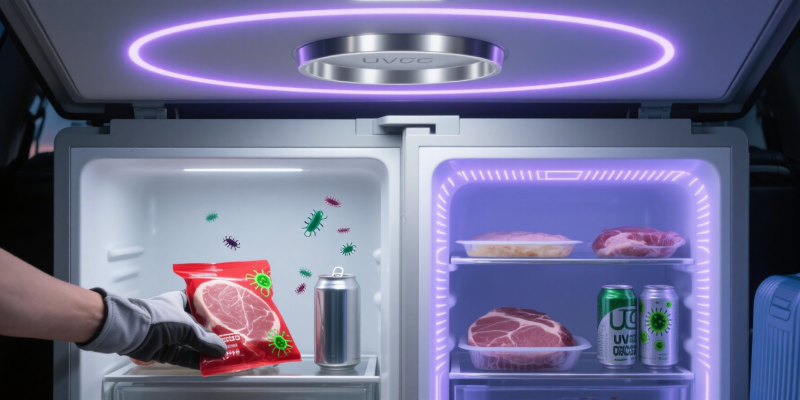
Refrigerators have evolved far beyond simple cooling boxes. Today’s advanced models integrate intelligent airflow systems, humidity control drawers, antibacterial coatings, and increasingly, UV sterilization technology designed to extend food freshness and improve hygiene inside the appliance itself.
Many consumers notice new refrigerator features labeled “UV fresh,” “UV sterilization,” or “UV deodorization,” yet few fully understand how these systems work or why manufacturers are incorporating ultraviolet light into food storage environments.
This comprehensive guide explains the scientific logic behind UV lamps inside modern refrigerators, how they help extend food preservation, what types of microorganisms they target, and how this technology reshapes the future of household food safety.
Why Food Spoils Even Inside a Refrigerator
Refrigeration slows biological activity but does not stop it entirely.
Most refrigerators operate between 34°F and 40°F (1°C–4°C) — temperatures that slow bacterial growth but still allow certain microorganisms to survive and multiply gradually.
Food spoilage occurs due to three primary mechanisms:
- Microbial growth — bacteria, mold, and yeast multiply over time.
- Enzymatic reactions — natural enzymes continue breaking down food tissue.
- Cross-contamination — microbes transfer between foods through air and surfaces.
Cooling delays these processes but cannot eliminate them.
This limitation led engineers to explore additional preservation methods beyond temperature control.
The Role of Microorganisms in Food Freshness Loss
Common refrigerator microbes include:
- Pseudomonas bacteria (cause slime and odor)
- Mold spores
- Yeasts
- Lactic acid bacteria
- Airborne contaminants from opened containers
These organisms thrive in moist environments — exactly the conditions found inside refrigerators.
Even freshly cleaned refrigerators quickly accumulate microbial populations through daily use.
Introducing UV Sterilization Technology
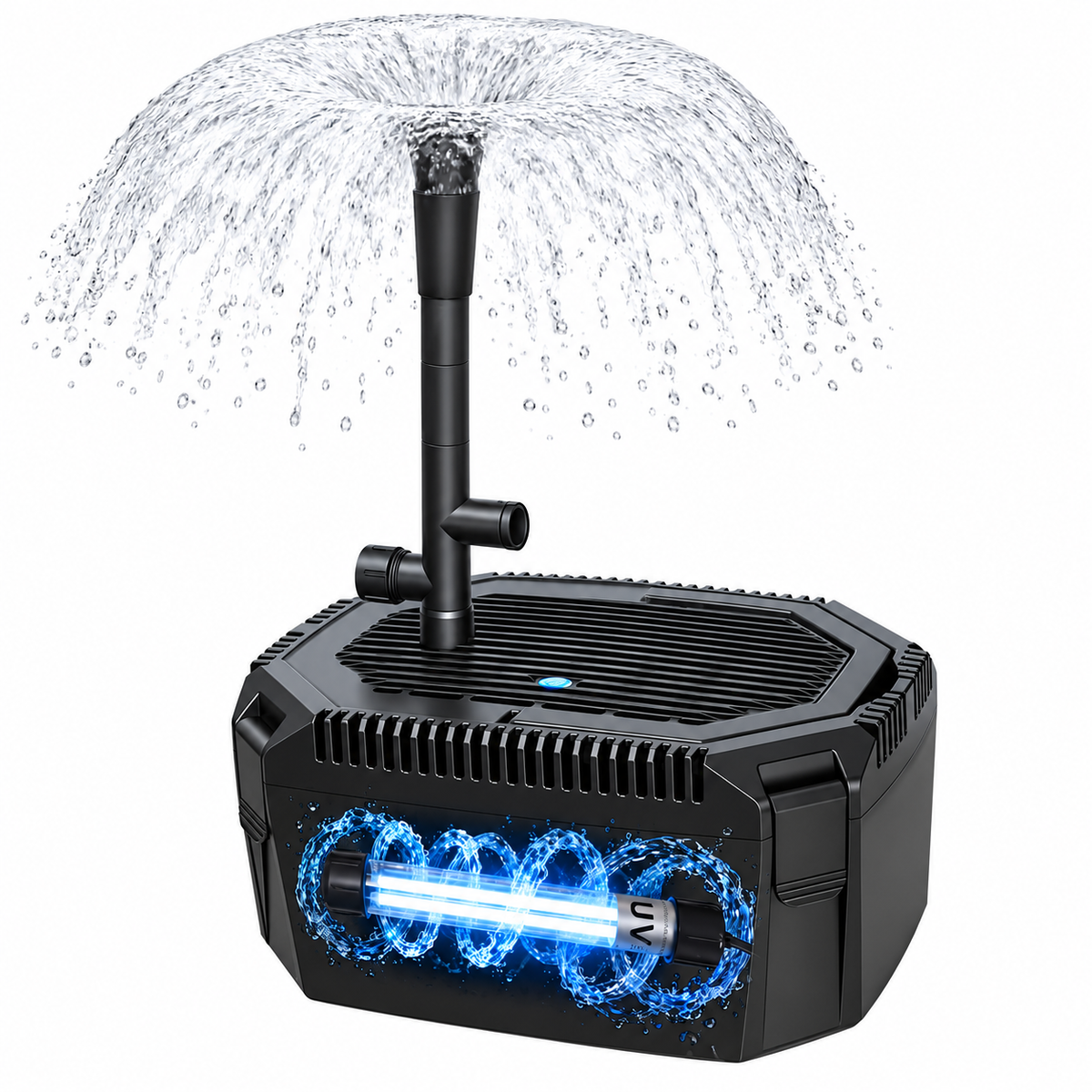
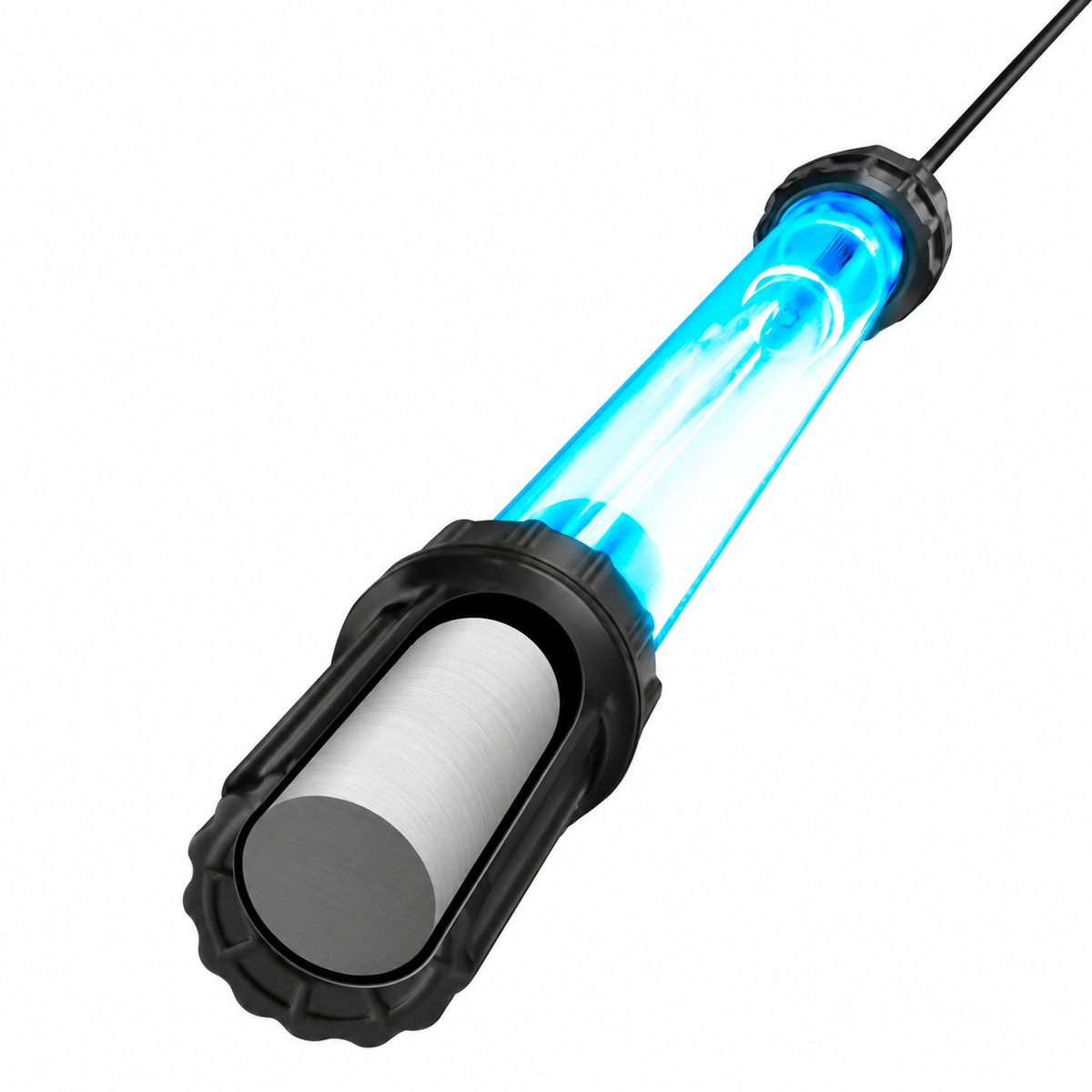
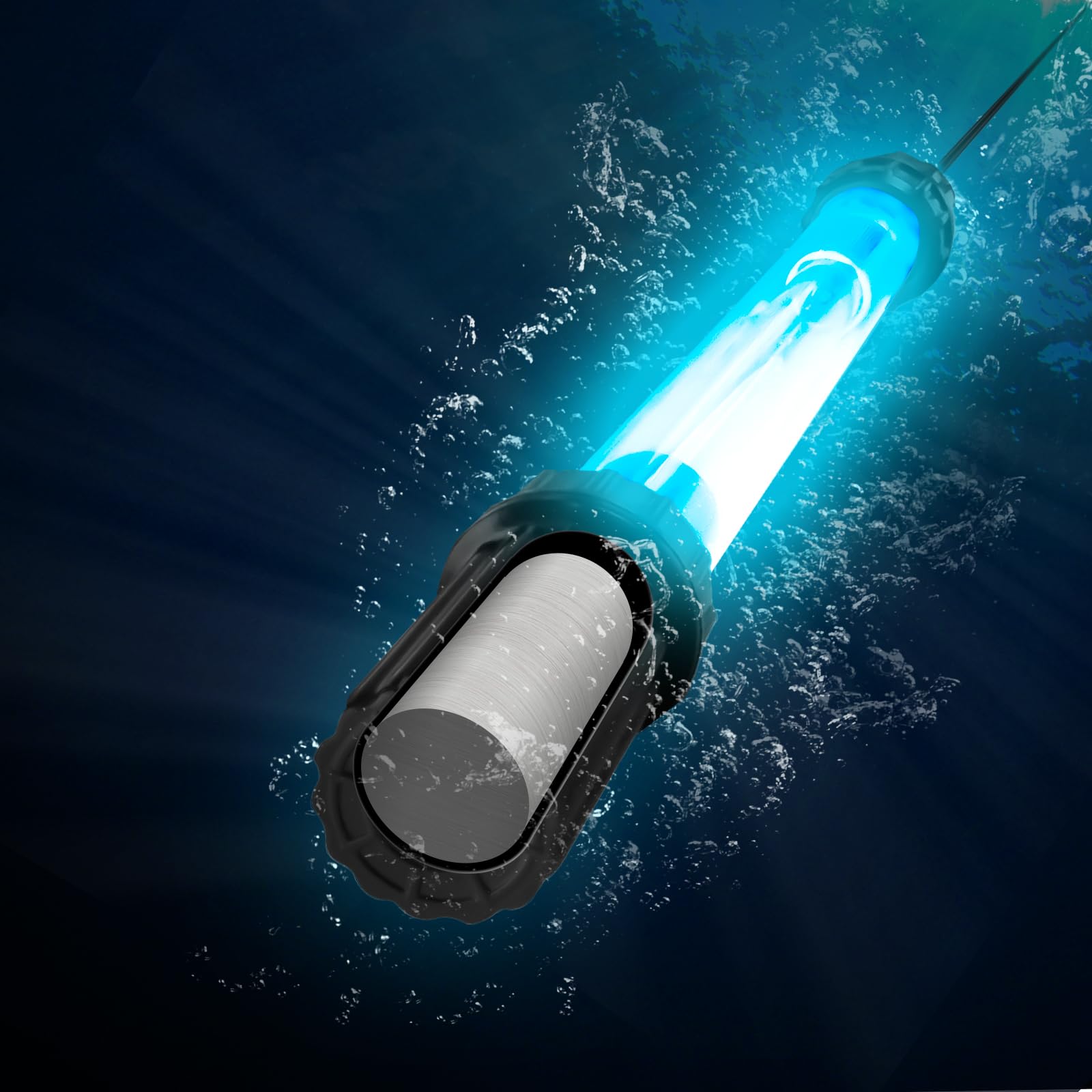
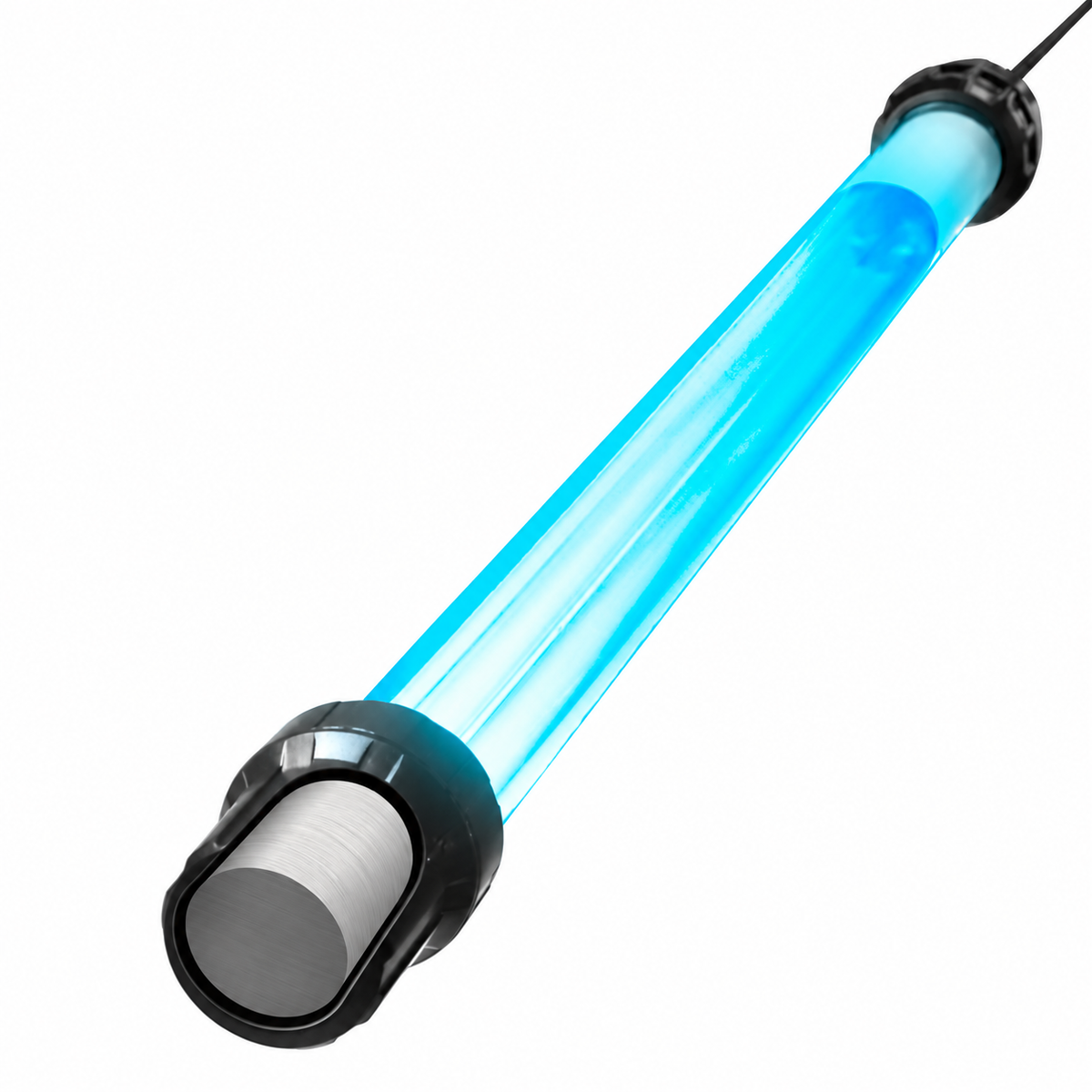
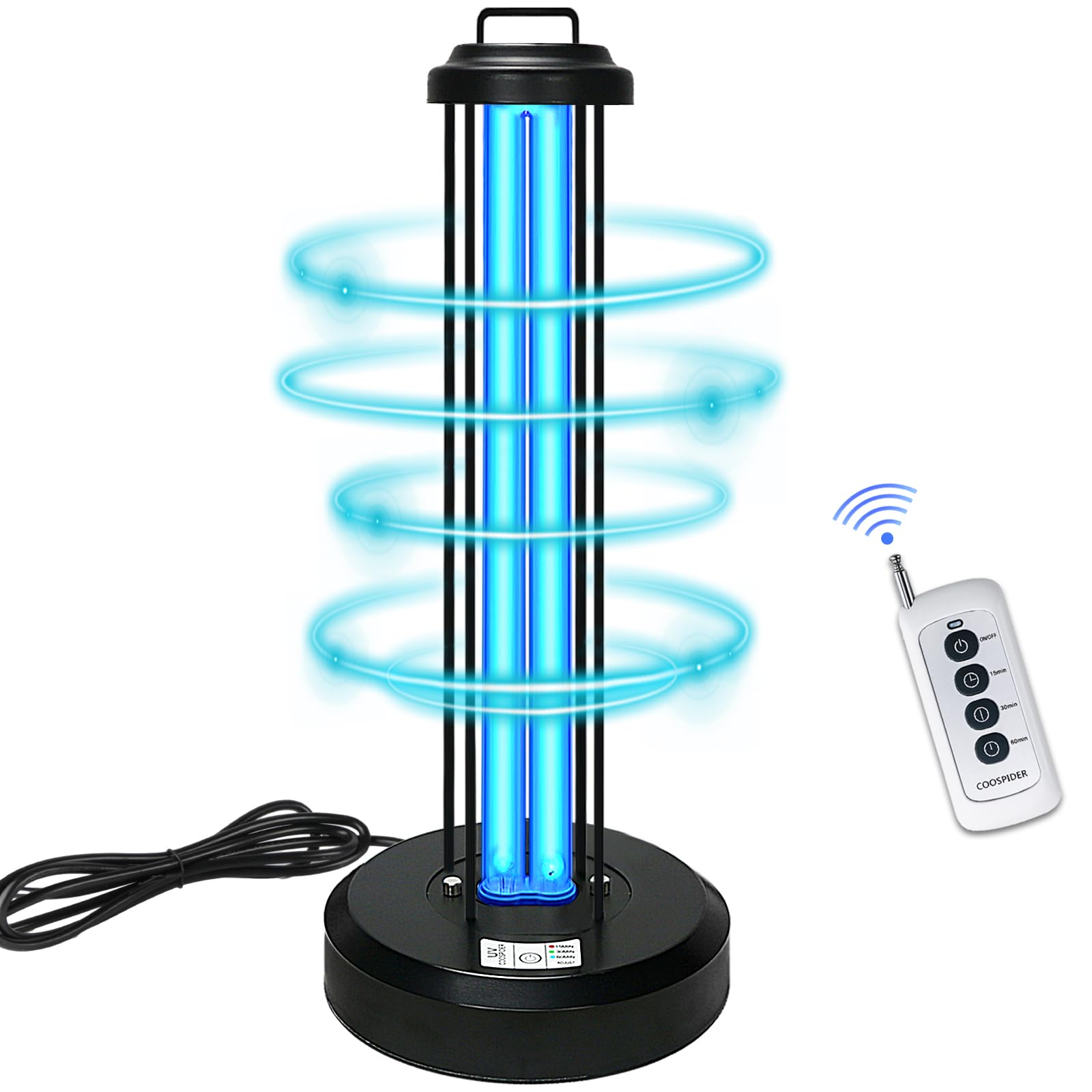
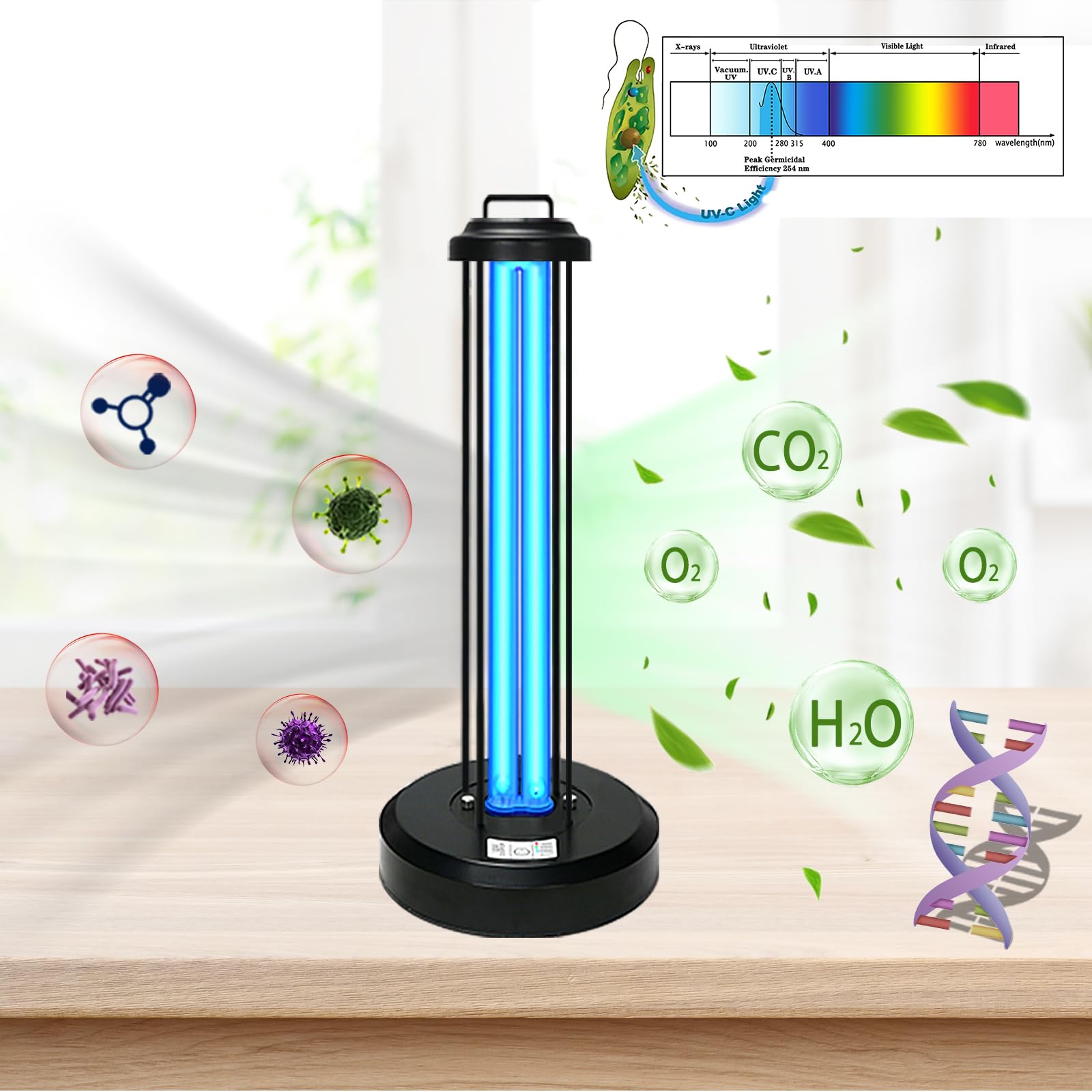
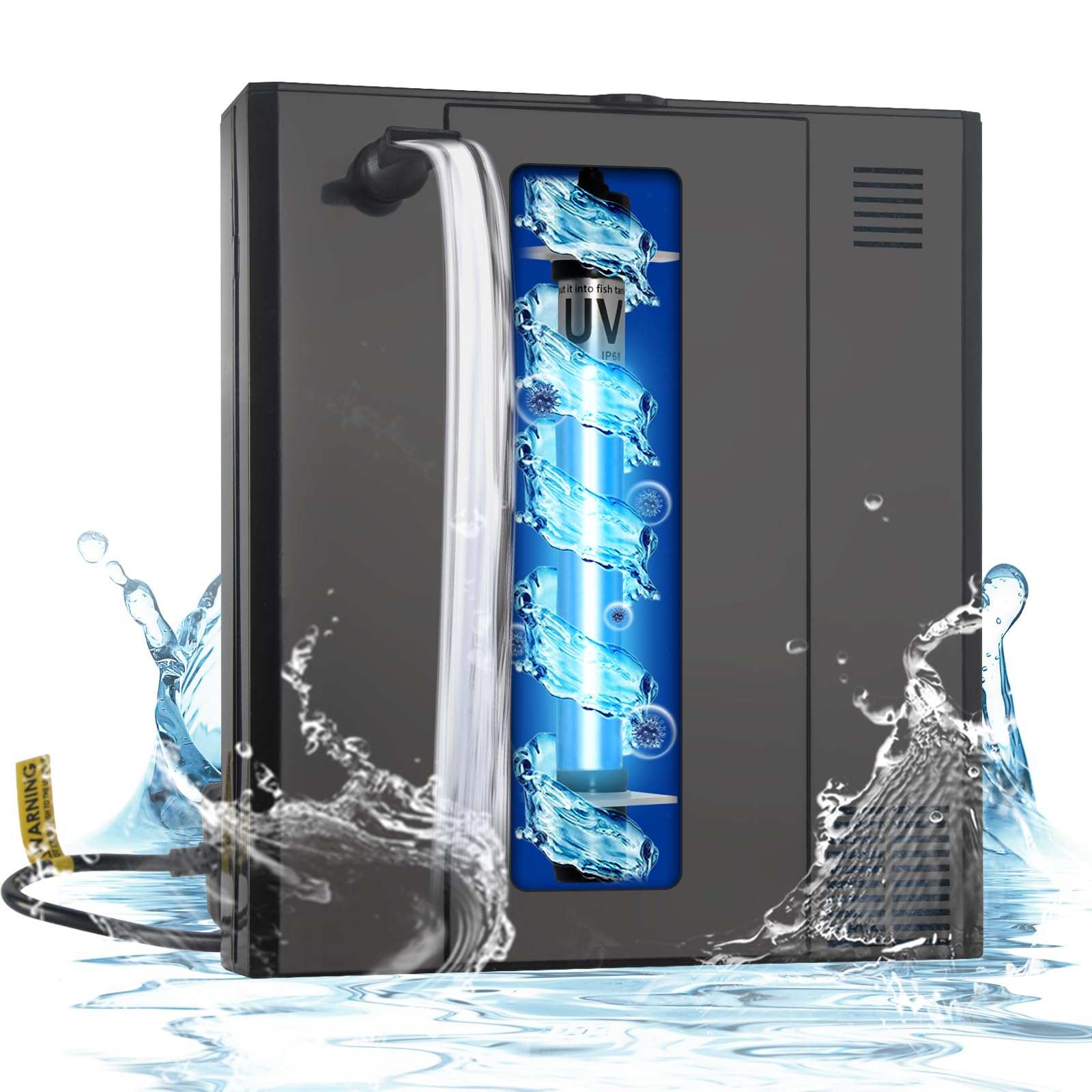
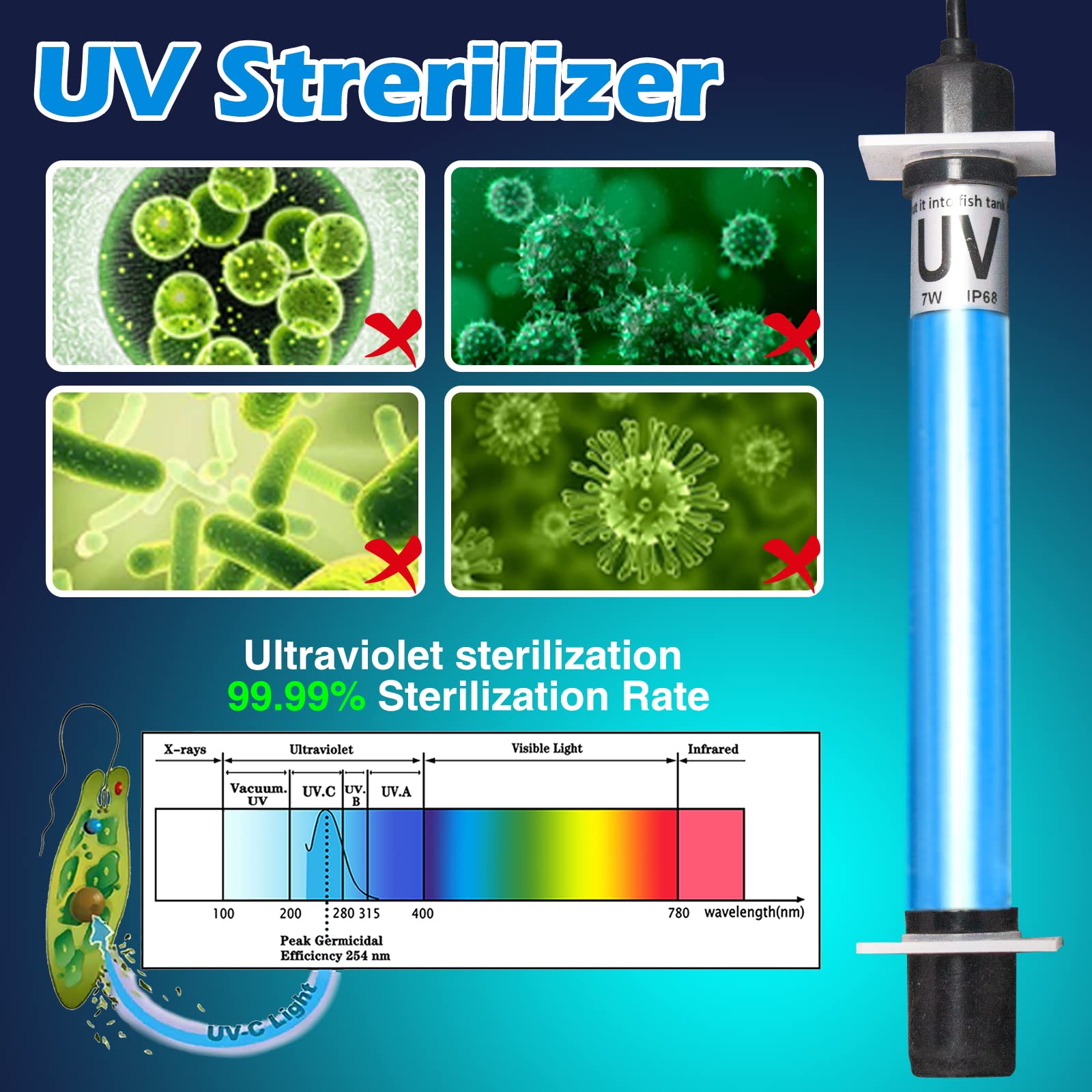
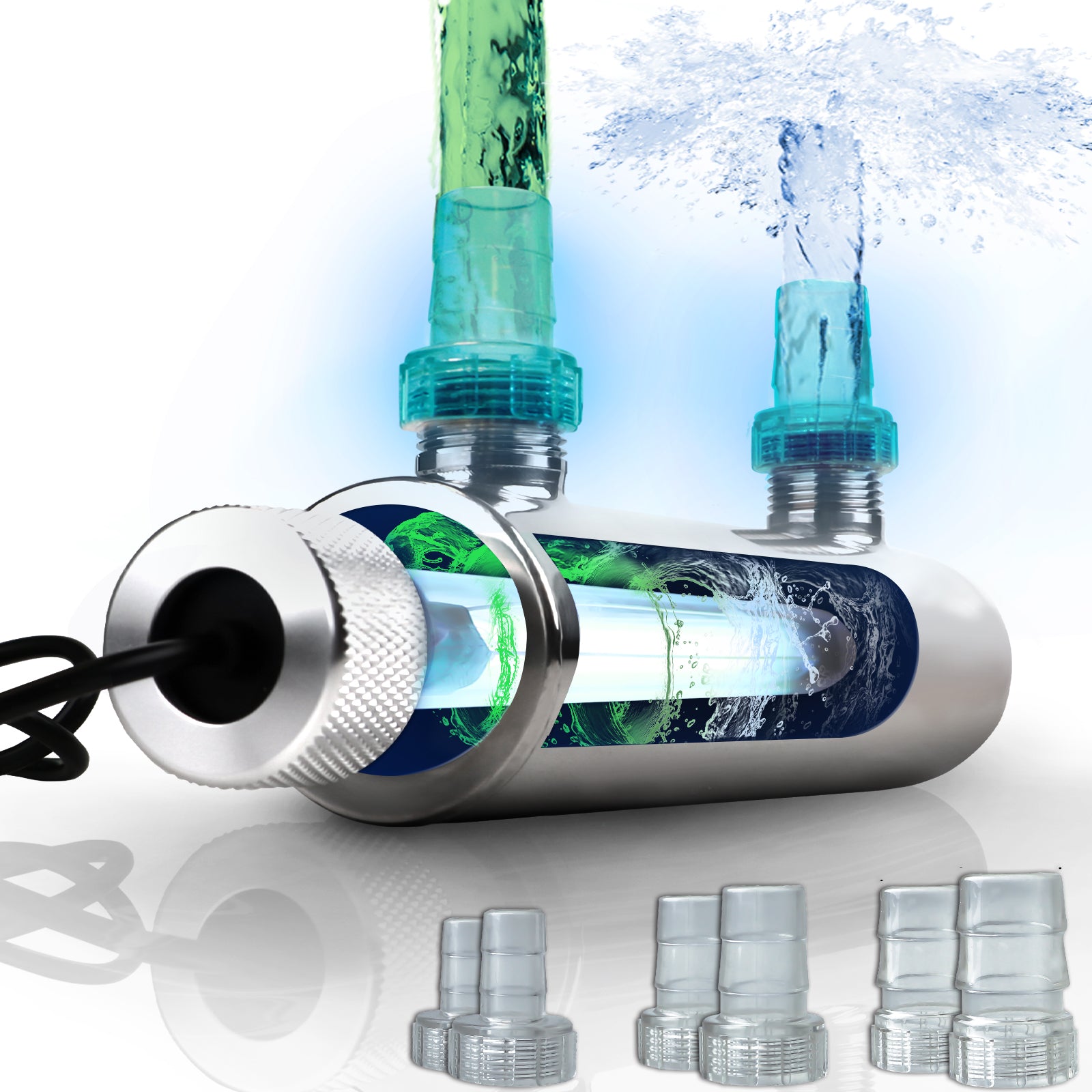
Ultraviolet sterilization uses short-wavelength light to deactivate microorganisms.
Most refrigerator systems employ UVC light, typically around 254 nanometers.
At this wavelength, UV energy penetrates microbial cells and damages DNA or RNA structures, preventing replication.
Microorganisms exposed to sufficient UVC energy lose the ability to reproduce, effectively stopping colony growth.
Unlike chemical disinfectants, UV sterilization leaves no residue.
Why UV Technology Works Well Inside Refrigerators
Refrigerators provide an ideal environment for controlled UV application.
Key advantages include:
- Enclosed space
- Predictable airflow
- Limited human exposure
- Stable temperature conditions
- Repeatable sterilization cycles
Because UV effectiveness depends on exposure time and proximity, the structured interior of a fridge allows engineers to optimize placement precisely.
The Sterilization Logic: How UV Systems Are Integrated
Modern refrigerators do not simply shine UV light randomly.
Instead, they apply carefully engineered sterilization logic.
1. Air Circulation Sterilization
Some systems position UV lamps near airflow channels.
As air circulates:
- Microorganisms pass through UV exposure zones.
- Bacteria levels in circulating air decrease.
- Cross-contamination risk reduces.
This method treats airborne microbes rather than food directly.
2. Surface Sterilization Cycles
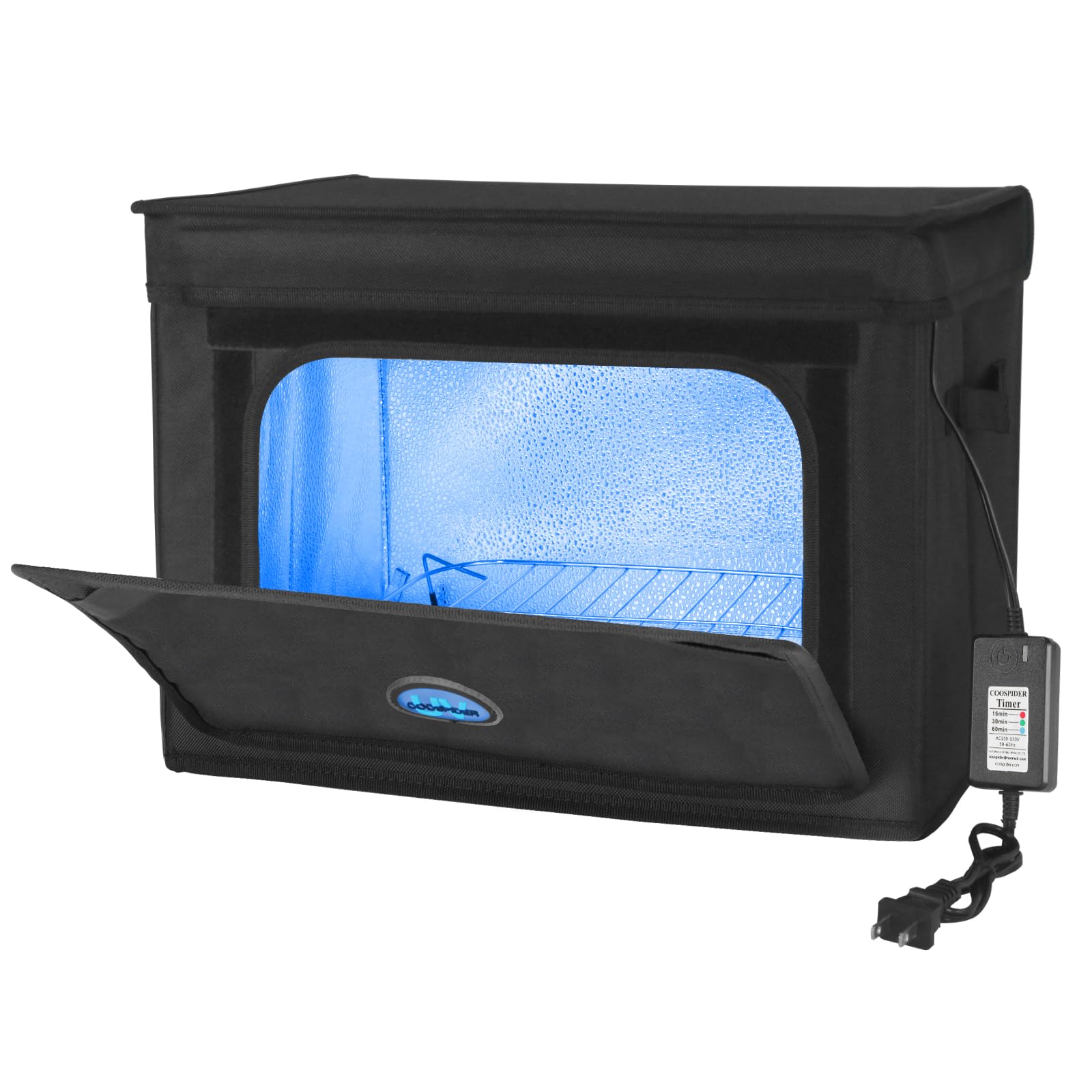
Certain models activate UV light periodically when doors are closed.
During inactive periods:
- UV irradiates interior walls.
- Shelf surfaces receive disinfection.
- Microbial accumulation slows over time.
Safety sensors ensure lights deactivate immediately when doors open.
3. Crisper Drawer UV Modules
Higher-end refrigerators install small UV emitters near produce drawers.
These systems target areas with:
- High humidity
- Organic residue
- Frequent bacterial growth
By suppressing microbes locally, fruits and vegetables maintain freshness longer.
Why UV Does Not “Cook” or Damage Food
Consumers often worry about UV exposure affecting food quality.
In refrigerator systems:
- UV intensity is carefully controlled.
- Exposure duration is short.
- Light rarely shines directly on food continuously.
UVC primarily affects microorganisms on surfaces rather than altering internal food chemistry.
Because the energy level is low and intermittent, food temperature and nutritional integrity remain unchanged.
UV vs Traditional Antibacterial Methods
Traditional preservation methods include:
- Low temperature
- Activated carbon filters
- Silver-ion coatings
- Air filtration systems
Each has limitations.
UV technology differs because it actively neutralizes microorganisms, rather than merely trapping or slowing them.
This proactive approach reduces microbial buildup instead of managing symptoms.
Odor Reduction: An Unexpected Benefit
Food odors often result from bacterial metabolism.
As microbes break down proteins and sugars, they release volatile compounds responsible for unpleasant smells.
By suppressing microbial populations, UV systems indirectly reduce odor formation.
This leads to:
- Fresher-smelling interiors
- Less flavor transfer between foods
- Reduced need for deodorizing products
Extending Shelf Life: What Actually Improves?
UV sterilization primarily slows spoilage caused by surface contamination.
Foods that benefit most include:
- Leafy greens
- Berries
- Cooked leftovers
- Fresh meats (sealed)
- Dairy products
Users may notice:
- Slower slime formation
- Reduced mold appearance
- Longer visual freshness
However, UV does not replace proper food storage practices.
Safety Engineering Inside UV Refrigerators
Because UVC light can harm skin and eyes, manufacturers design strict safeguards.
Common safety features:
- Door-triggered shutoff sensors
- Shielded lamp housings
- Timed operation cycles
- Low-power emitters
- Reflective containment chambers
These measures ensure UV operates only when the refrigerator is closed and safe.
Energy Consumption Considerations
UV modules consume minimal electricity compared to compressor systems.
Typical UV cycles last only minutes per hour or per day.
Energy impact is negligible relative to overall refrigerator operation.
This allows continuous hygiene improvement without significant energy cost increases.
Why UV Technology Became Popular Recently
Several technological advances enabled widespread adoption:
- Compact mercury-free UV LEDs
- Improved thermal resistance
- Smart sensors
- Lower manufacturing costs
- Increased consumer focus on hygiene
Pandemic-era awareness also accelerated demand for antimicrobial home technologies.
UV LED vs Traditional UV Tubes
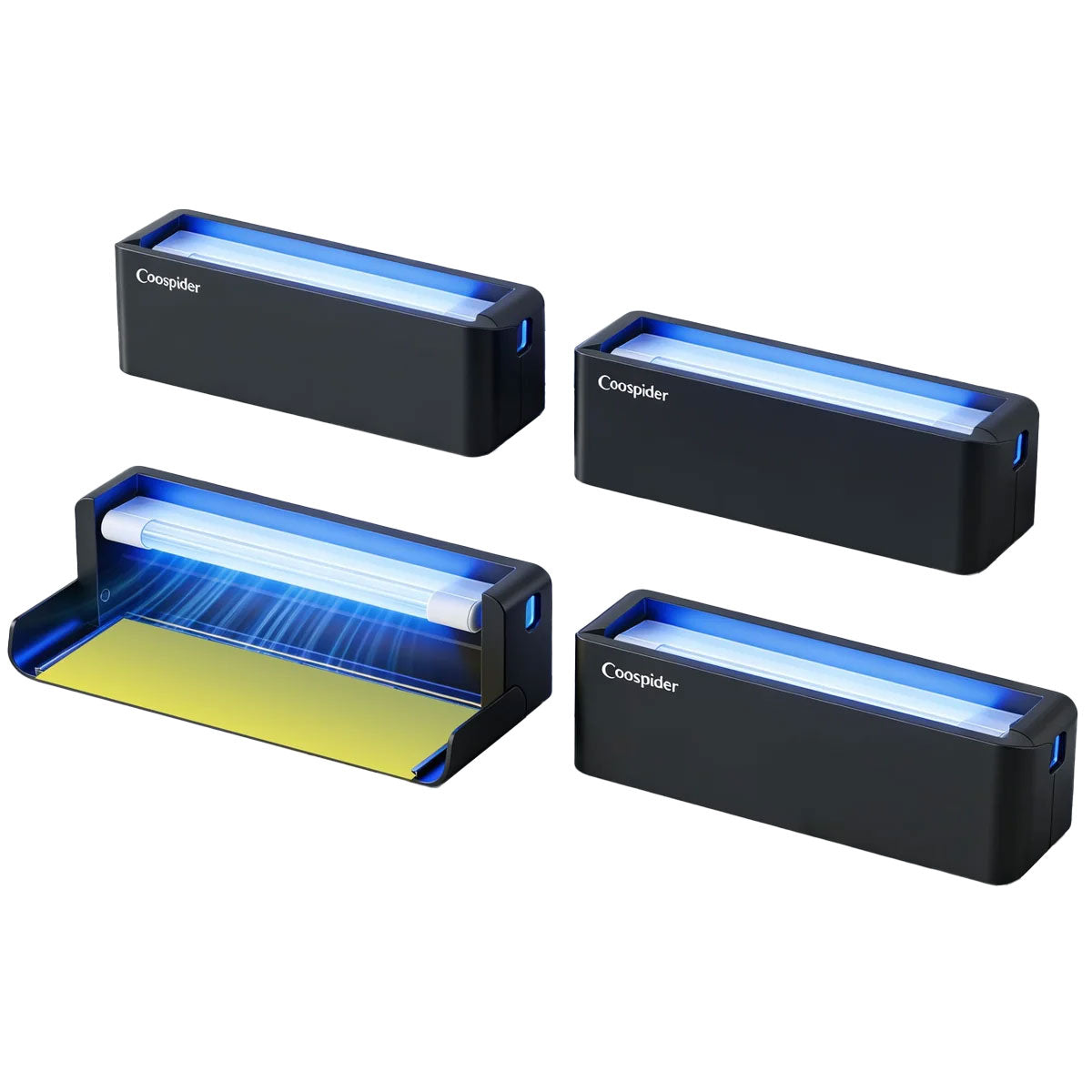
Modern refrigerators increasingly use UV LEDs instead of fluorescent UV tubes.
Advantages of UV LEDs
- Smaller size
- Instant activation
- Longer lifespan
- Lower heat output
- Mercury-free design
LED systems allow precise targeting within compact refrigerator compartments.
Realistic Expectations: What UV Cannot Do
Despite marketing claims, UV technology has limitations.
It cannot:
- Restore spoiled food
- Penetrate opaque packaging
- Replace cleaning
- Eliminate all microorganisms instantly
UV works best as a preventative maintenance system, not a miracle solution.
Maintenance Requirements
UV modules require minimal upkeep.
Recommended practices:
- Clean interior surfaces regularly.
- Avoid blocking airflow vents.
- Replace UV components if specified by manufacturer lifespan guidelines.
A dirty interior reduces UV effectiveness because organic residue shields microbes.
Food Storage Still Matters
To maximize benefits:
- Seal foods properly.
- Separate raw and cooked items.
- Maintain correct temperature settings.
- Avoid overcrowding shelves.
UV enhances good habits rather than replacing them.
Health and Hygiene Advantages for Households
Families may experience:
- Reduced cross-contamination risk
- Less frequent food waste
- Improved refrigerator cleanliness
- Better confidence storing leftovers
For busy households, this translates into practical convenience.
Environmental Impact: Less Food Waste
Food waste contributes significantly to environmental impact.
By extending freshness even slightly, UV refrigerators help reduce discarded food.
Longer preservation means:
- Fewer grocery trips
- Lower waste output
- Improved household sustainability
Small improvements scale meaningfully over time.
Future Innovations in Refrigerator Sterilization
The next generation of smart refrigerators may include:
- AI-controlled sterilization timing
- Sensor-based microbial monitoring
- Adaptive UV intensity
- Hybrid UV and plasma purification
- Integrated freshness analytics
Appliances are gradually becoming active food preservation systems rather than passive storage devices.
Should You Choose a Refrigerator With UV Technology?
UV sterilization is especially valuable for:
- Families storing fresh produce frequently
- Meal prep households
- Homes minimizing food waste
- Consumers focused on hygiene innovation
While not essential for everyone, it provides measurable advantages in freshness management.
Final Thoughts: The Evolution of Food Preservation at Home
Refrigerators once relied solely on cold air to slow spoilage. Today, they are evolving into intelligent ecosystems that actively manage microbial environments.
UV sterilization represents a logical next step — combining physics, microbiology, and appliance engineering to address one of the oldest household challenges: keeping food fresh longer.
By targeting the invisible microbial processes responsible for spoilage, UV technology helps bridge the gap between refrigeration and true preservation.
The result is not just colder storage, but smarter storage — where cleanliness, freshness, and convenience work together inside the modern kitchen.