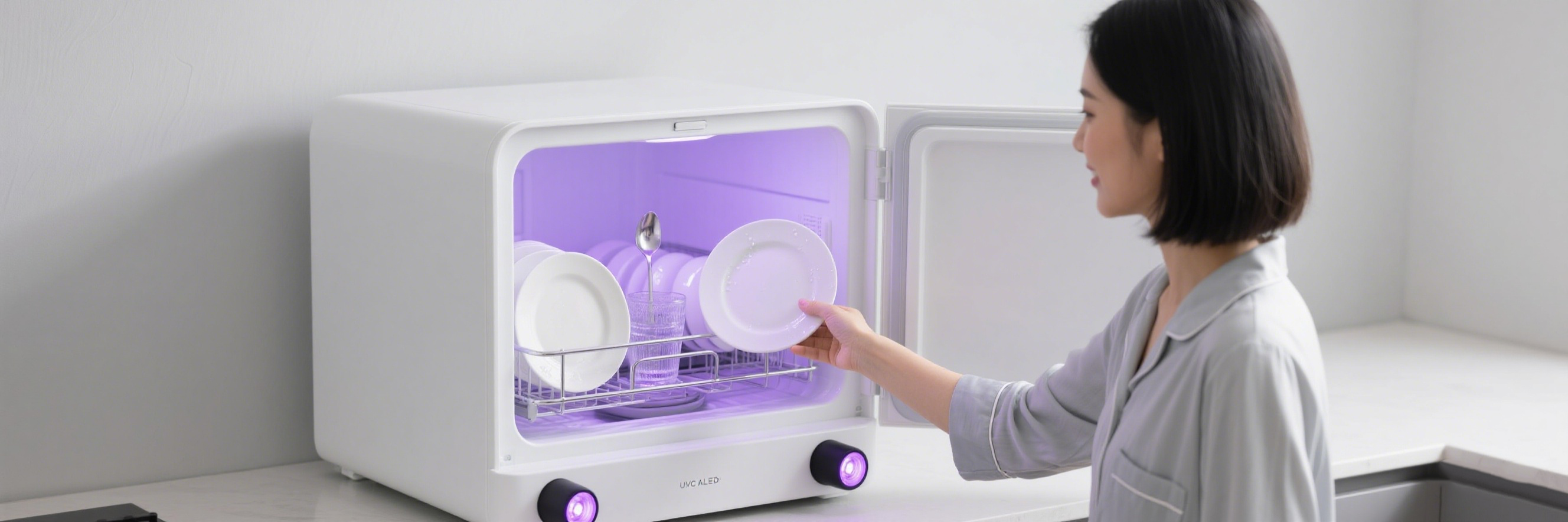
Introduction: Clean Isn’t Always Hygienic
Most people assume that once dishes come out of the dishwasher, they are perfectly clean and safe to use. After all, high-temperature washing, detergent chemistry, and powerful spray arms should eliminate everything — right?
Not necessarily.
Modern hygiene research has revealed an overlooked problem in kitchen sanitation: secondary contamination. Even after dishes are washed, microorganisms can reappear during the drying and storage phases inside the dishwasher itself.
This realization has driven appliance manufacturers to introduce a new generation of technology often described as “hidden innovation” — UV drying cycles.
Unlike traditional drying methods that rely only on heat or airflow, UV-assisted drying targets microorganisms at a biological level, helping prevent bacteria from returning to supposedly clean tableware.
So what exactly happens inside a dishwasher after the wash cycle ends? And how does UV technology change the equation?
Let’s take a deep dive into the science, engineering, and real-world benefits behind UV drying systems and why they’re becoming one of the most important advancements in kitchen hygiene.
The Overlooked Stage: Why Drying Matters More Than Washing
Dishwashers typically operate in three main stages:
- Washing
- Rinsing
- Drying
Most consumers focus entirely on washing performance. However, microbiologists point out that drying is actually the most critical stage for hygiene maintenance.
Here’s why.
Moisture Is the Perfect Environment for Microbes
After washing, dishes remain warm and damp — an ideal condition for microbial growth. Inside a closed dishwasher:
- Residual humidity remains high
- Temperatures gradually drop into bacterial growth ranges
- Air circulation is limited
- Food residue traces may remain invisible
Even tiny moisture droplets can support microbial survival.
If drying is incomplete or slow, microorganisms from the surrounding air or dishwasher interior surfaces can settle onto dishes again.
This is secondary contamination — and it happens more often than people realize.
Understanding Secondary Contamination
Secondary contamination occurs when cleaned objects become re-exposed to microbes before use.
In dishwashers, sources include:
- Interior walls and seals
- Filters and drainage systems
- Standing water residues
- Airborne bacteria entering during cooling
- Biofilm buildup over time
Traditional drying methods reduce moisture but do not actively neutralize microorganisms.
That’s where UV technology enters the picture.
What Is UV Drying Technology?
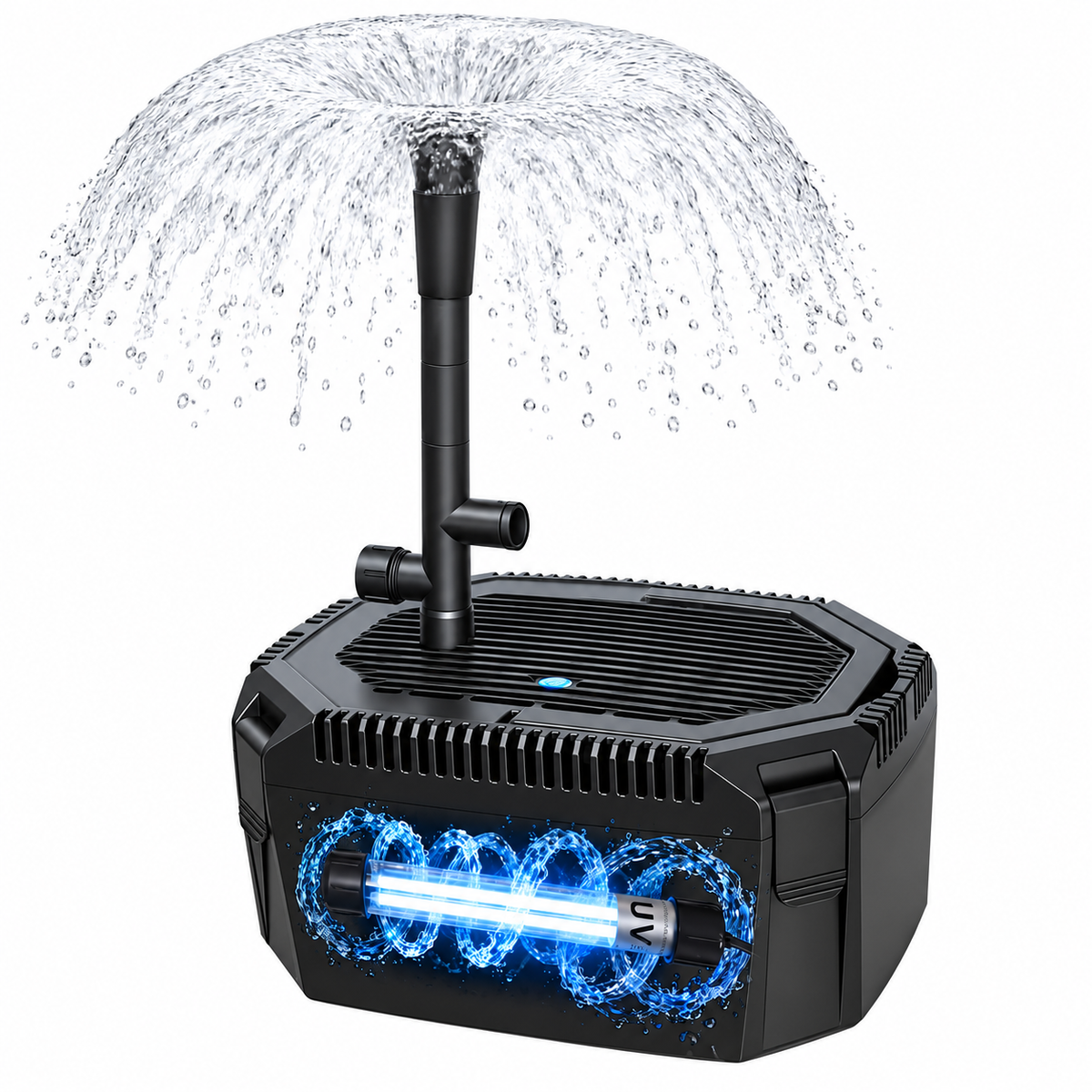
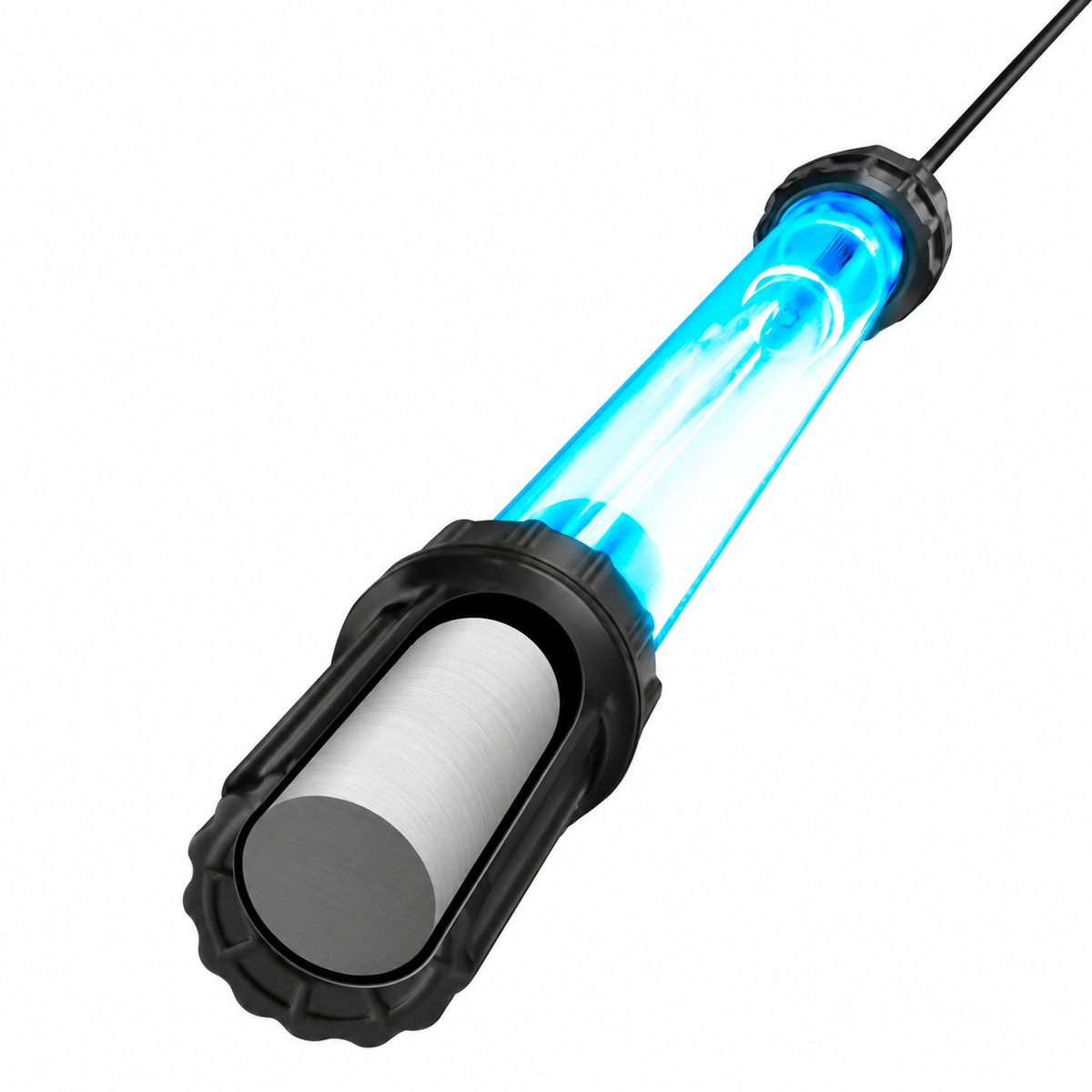
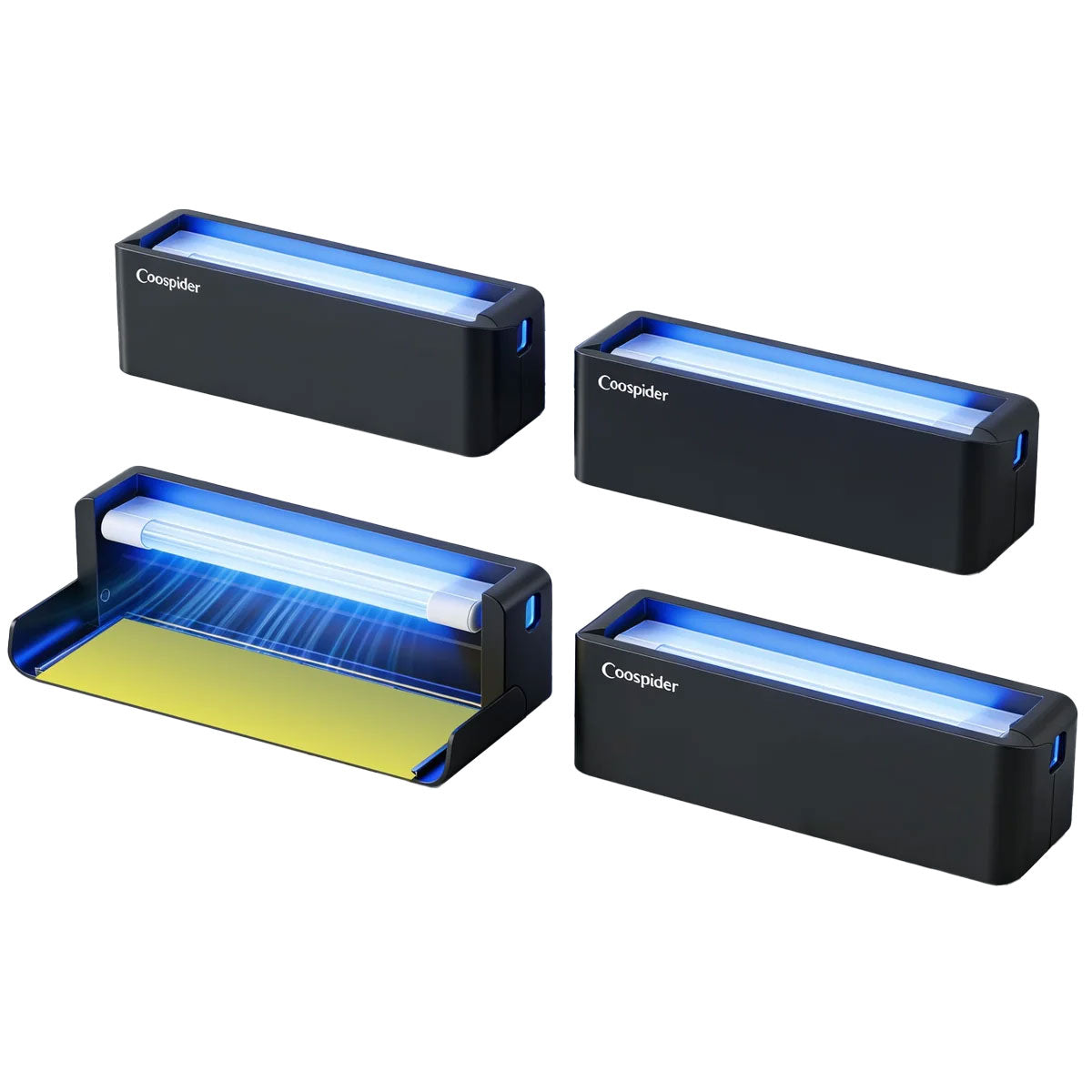
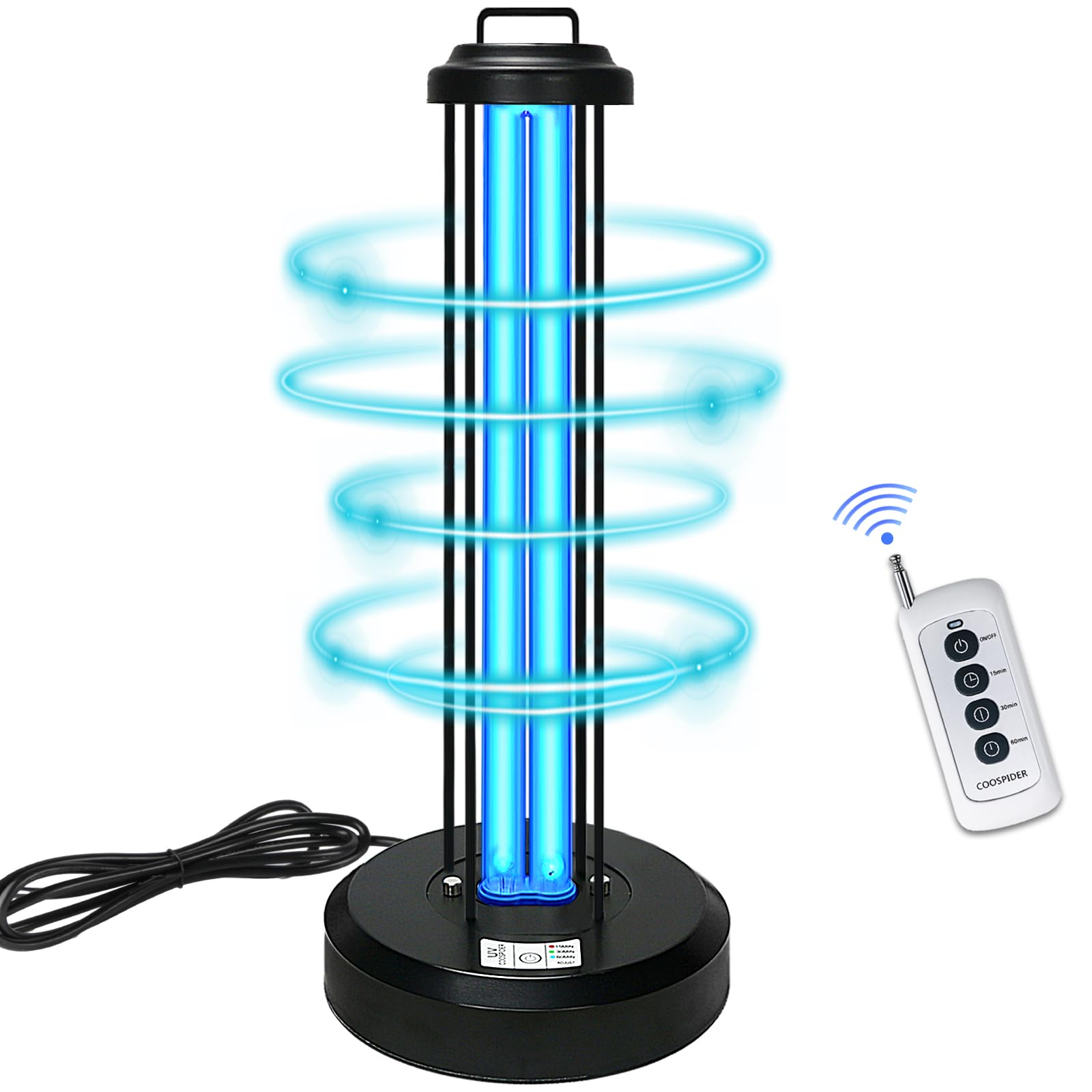
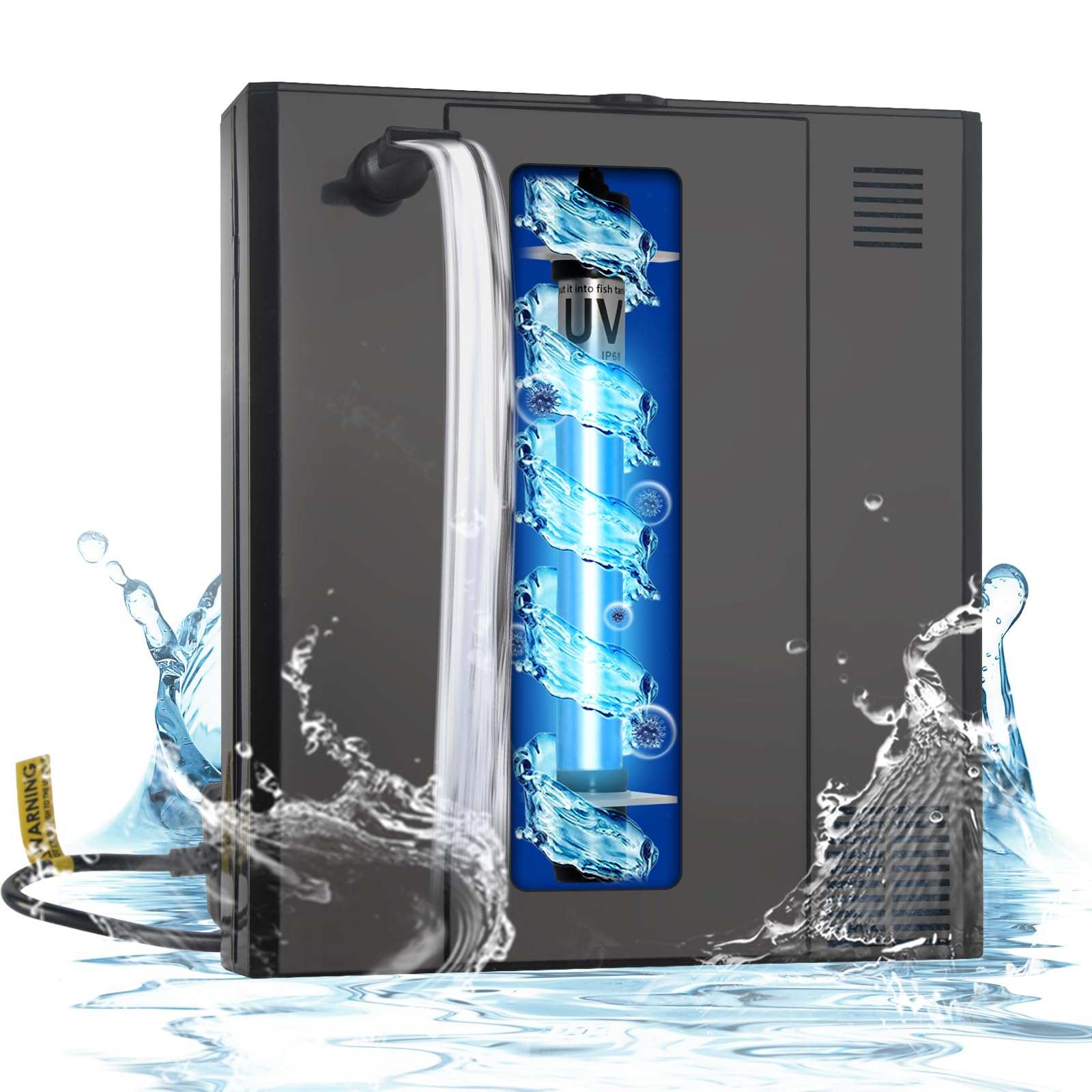
UV drying cycles integrate ultraviolet light sterilization into the final stage of dishwashing.
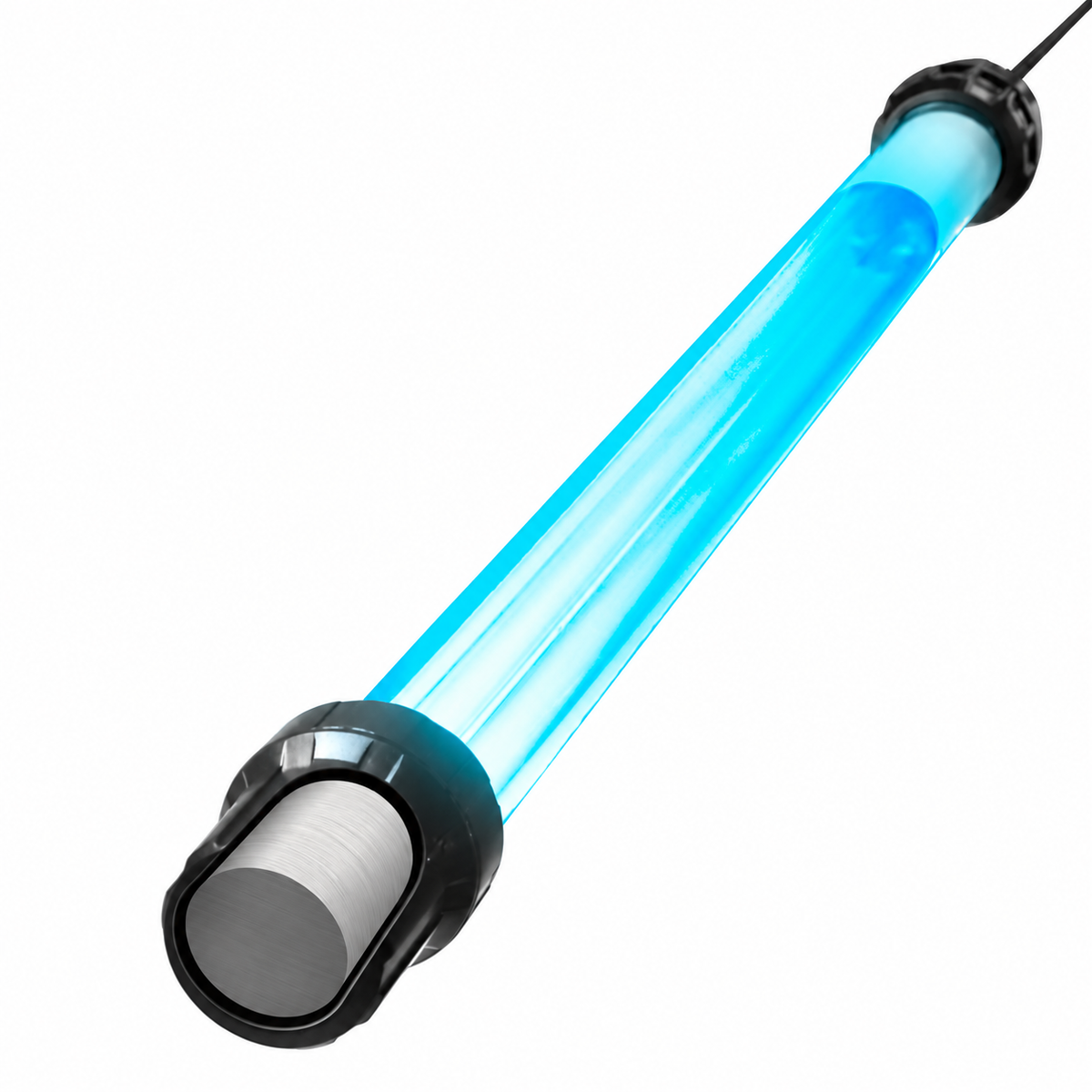
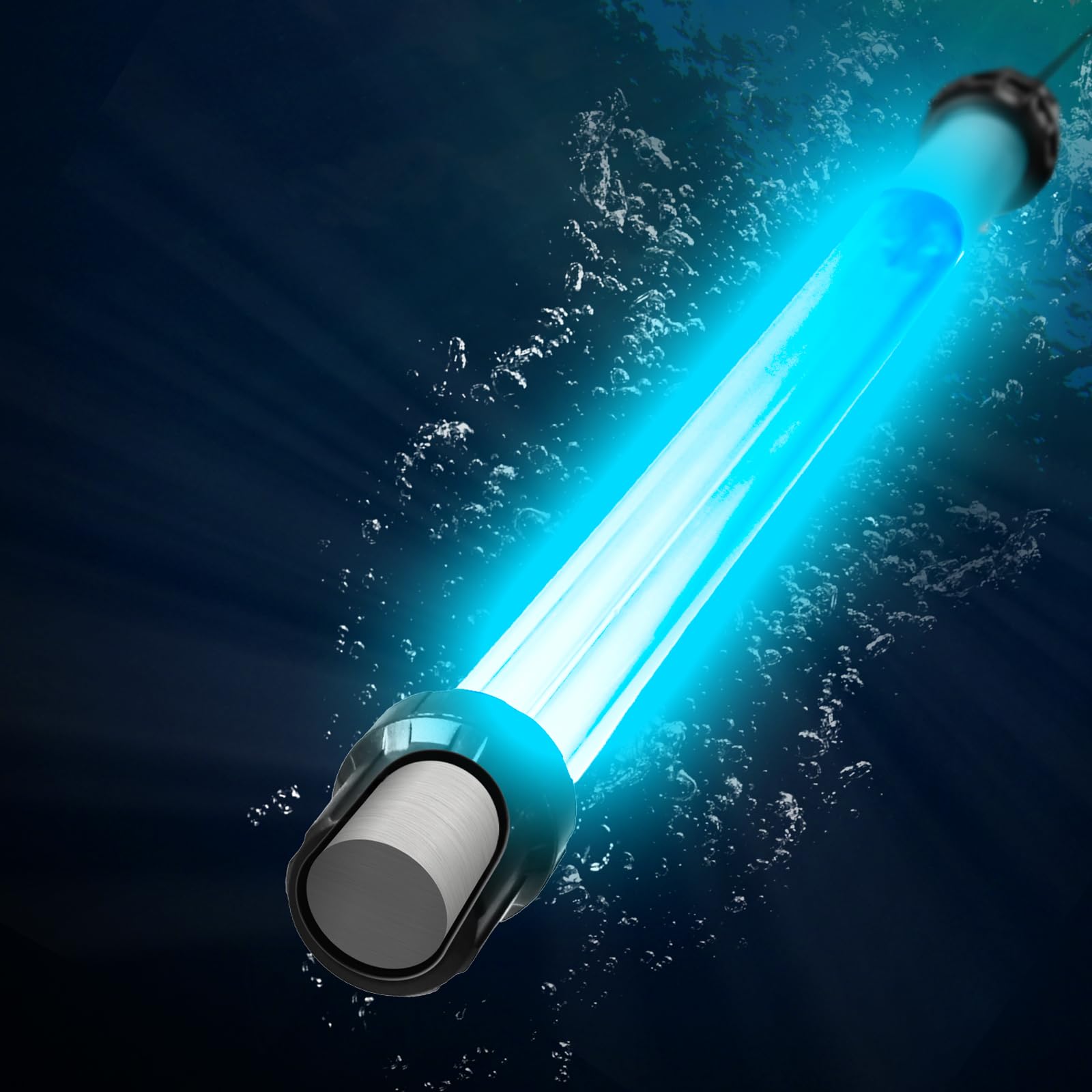
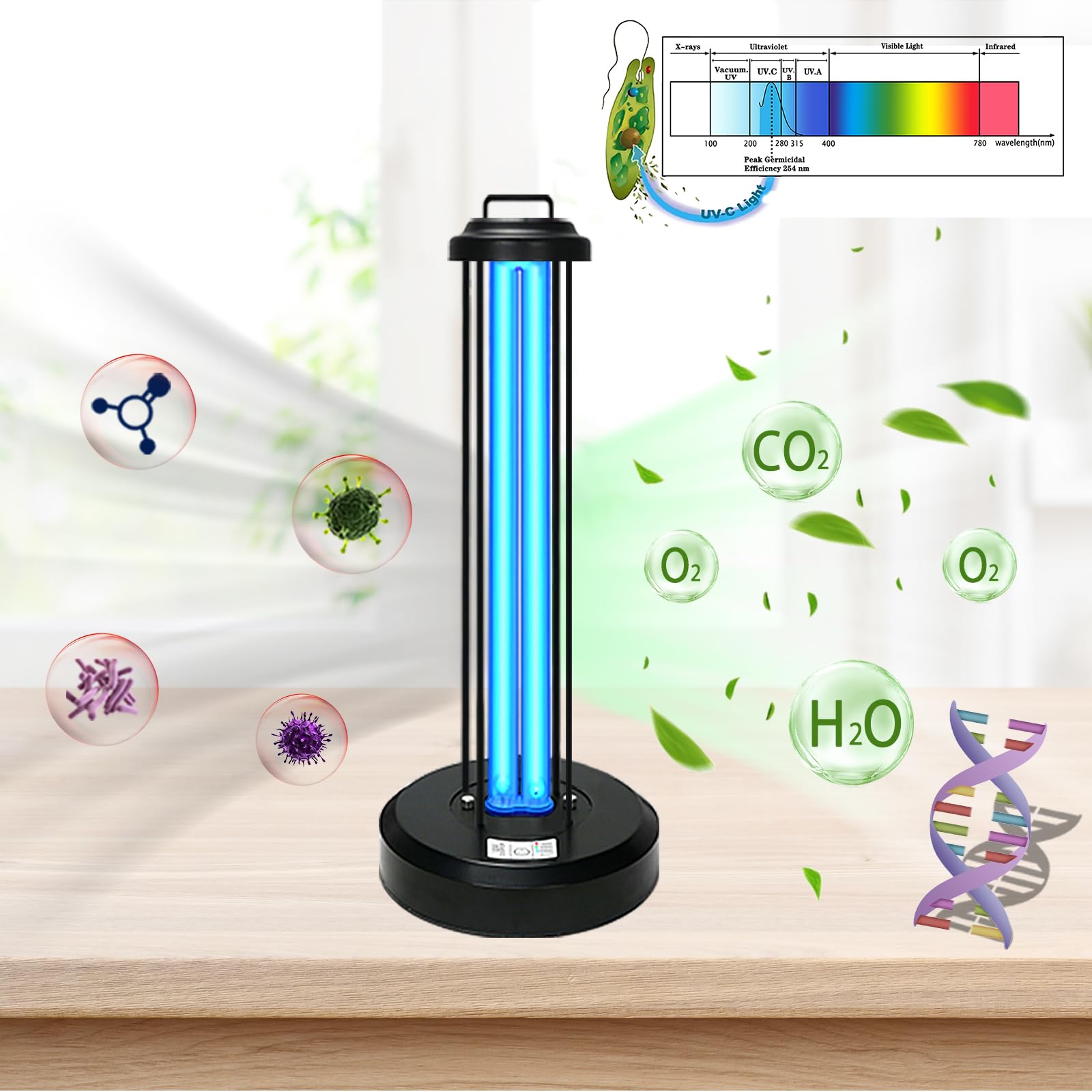
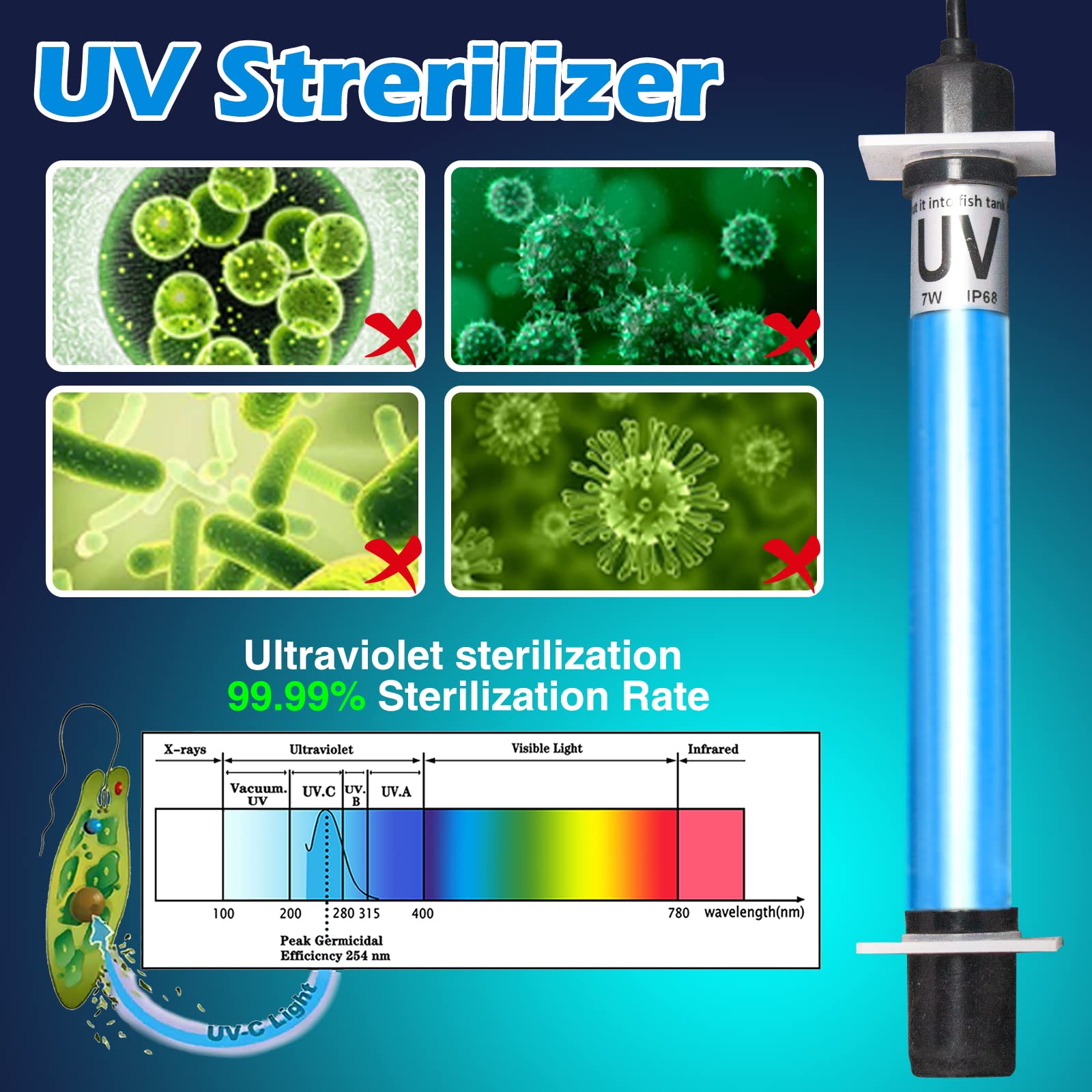
Ultraviolet light, particularly UV-C wavelengths (around 200–280 nanometers), has long been used in hospitals, laboratories, and water purification systems because of its ability to deactivate microorganisms.
Instead of cleaning chemically, UV works biologically.
How UV Light Works
UV-C radiation penetrates microbial cells and damages their DNA or RNA structure. Once this genetic material is disrupted, microorganisms lose the ability to reproduce.
Without reproduction, bacteria and viruses cannot colonize surfaces.
In practical terms:
- Microbes may still exist briefly
- But they cannot multiply or cause contamination
This process is called inactivation, not chemical killing.
Why Heat Drying Alone Isn’t Enough
Traditional dishwashers rely on one of several drying methods:
Residual Heat Drying
Uses heat retained from hot rinse water.
Limitations:
- Slow evaporation
- Moist air trapped inside
- Inconsistent results depending on loading
Heated Element Drying
Electric heating elements warm air to accelerate evaporation.
Limitations:
- High energy consumption
- Plastic items may remain wet
- No antimicrobial protection
Fan-Assisted Drying
Circulates air to remove humidity.
Limitations:
- Moves air but doesn’t sanitize it
- May introduce airborne microbes
All these methods address moisture — but not microorganisms.
UV drying adds a sanitation layer independent of temperature or airflow.
The Engineering Behind UV Dishwasher Cycles
Integrating UV technology into dishwashers required significant innovation.
Engineers faced several challenges:
- Preventing UV exposure to users
- Ensuring uniform light coverage
- Protecting internal materials from degradation
- Synchronizing UV operation with drying phases
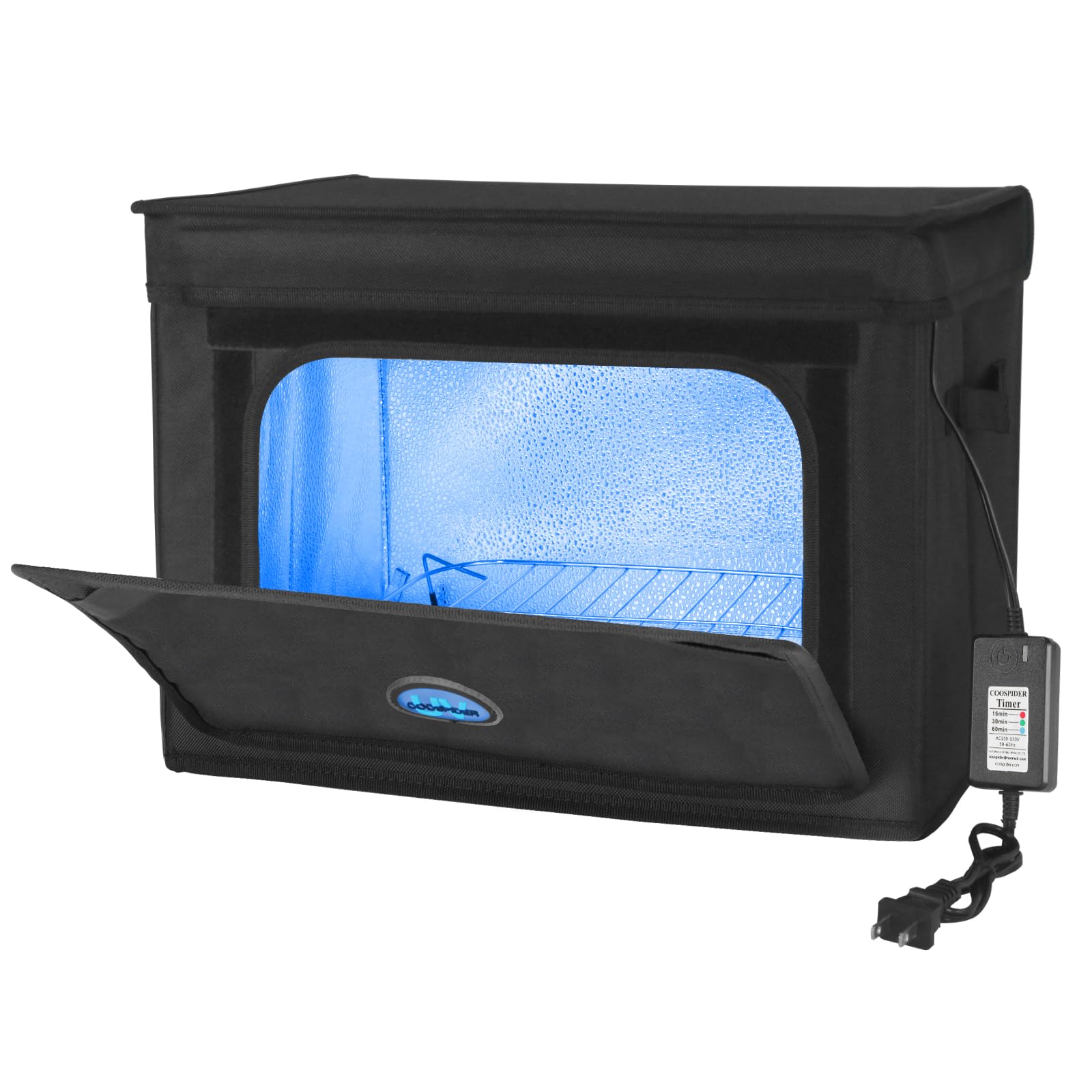
Modern systems solve these issues through carefully enclosed UV chambers and automated safety controls.
Typical UV Drying Process
- Final rinse completes.
- Moisture reduction begins via heat or airflow.
- Dishwasher seals internally.
- UV lamps activate intermittently.
- Light sterilizes exposed surfaces.
- Cycle ends with reduced microbial presence.
The process happens entirely inside the appliance without user interaction.
Why UV Works Especially Well in Dishwashers
Dishwashers provide an ideal environment for UV sterilization because:
- Surfaces are already clean (low debris blocking light)
- Enclosed space prevents light leakage
- Controlled positioning ensures exposure
- Reflective interiors enhance light distribution
Unlike open-room UV devices, dishwasher UV systems operate in optimized conditions.
Preventing Biofilm Formation
One of the biggest long-term hygiene problems in appliances is biofilm.
Biofilm is a thin microbial layer that forms on moist surfaces, often invisible to the eye.
Inside dishwashers, biofilm can develop on:
- Rubber seals
- Spray arms
- Filters
- Interior corners
Once established, biofilms protect bacteria from detergents and heat.
UV cycles help disrupt biofilm growth by preventing microorganisms from reproducing between washes.
This keeps both dishes and the appliance itself cleaner over time.
The Role of UV in Odor Reduction
Many dishwasher odors originate from microbial activity rather than leftover food particles.
When bacteria metabolize organic material, they release compounds responsible for unpleasant smells.
By reducing microbial populations, UV drying cycles indirectly:
- Minimize odors
- Reduce interior slime buildup
- Maintain fresher appliance conditions
Users often notice cleaner smells even weeks after installation.
Hygiene Benefits for Modern Households
UV drying technology becomes especially valuable in certain environments:
Families with Children
Immature immune systems benefit from improved sanitation.
Pet Owners
Pet-related bacteria can transfer through shared dishes and utensils.
Urban Living
Smaller kitchens may have higher humidity and microbial exposure.
Busy Households
Dishes may remain inside the dishwasher for hours before unloading.
UV protection continues working during this waiting period.
Energy Efficiency Considerations
At first glance, adding UV technology sounds energy-intensive. Surprisingly, UV systems often consume minimal power compared to heating elements.
UV lamps operate:
- For short intervals
- At relatively low wattage
- Without heating large air volumes
Because UV enhances sanitation without increasing drying temperatures, some systems actually reduce total energy consumption.
Safety Design: Addressing Common Concerns
UV-C light can be harmful with direct exposure, so dishwasher systems include strict safeguards:
- Automatic shutoff when doors open
- Fully enclosed chambers
- Opaque interiors preventing leakage
- Timed activation sequences
Users are never directly exposed to UV radiation.
Safety engineering is a central part of appliance certification standards.
Comparing UV Drying to Other Hygiene Technologies
Modern dishwashers may include multiple sanitation features.
Steam Sanitization
Uses high heat to reduce microbes.
Pros: Effective during washing
Cons: No protection after cycle ends
Antibacterial Filters
Reduce contamination in water circulation.
Pros: Improves wash cleanliness
Cons: Limited surface protection
UV Drying
Targets post-wash contamination.
Pros: Continuous hygiene during drying and storage
Cons: Requires proper placement design
The most advanced systems combine all three approaches.
Real-World Scenario: Overnight Dish Storage
Many households run dishwashers overnight.
Without UV protection:
- Moisture lingers for hours
- Temperature drops into microbial growth range
- Airborne bacteria settle on surfaces
With UV drying:
- Microbial reproduction is suppressed
- Surfaces remain hygienically stable longer
- Morning unloading feels safer and fresher
This addresses one of the most common real-life usage patterns.
Materials Compatibility and Longevity
Engineers carefully calibrate UV exposure levels to avoid damaging common materials such as:
- Glass
- Stainless steel
- Ceramic
- Dishwasher-safe plastics
Controlled exposure ensures sanitation benefits without accelerating material aging.
The Psychological Side of Cleanliness
Modern consumers increasingly distinguish between:
- Visually clean
- Hygienically clean
UV technology bridges this gap.
Knowing dishes undergo an additional sanitation step provides reassurance, particularly after global health awareness increased household hygiene expectations.
Confidence in cleanliness becomes part of user experience design.
Maintenance Advantages
UV drying cycles may indirectly reduce maintenance needs by:
- Slowing microbial buildup
- Preventing odor-causing residue
- Keeping internal components cleaner longer
While regular cleaning remains necessary, intervals between deep maintenance often extend.
The Evolution of Smart Kitchen Appliances
Dishwashers are evolving from mechanical cleaners into intelligent hygiene systems.
Emerging innovations include:
- Sensor-driven drying adjustments
- Humidity monitoring
- AI cycle optimization
- Hybrid sterilization methods
UV drying represents a foundational step toward appliances that actively manage microbial environments rather than simply washing surfaces.
Who Should Consider UV Drying Technology?
While beneficial for most users, UV drying is particularly valuable for:
- Health-conscious households
- Open-concept kitchens
- Homes with limited ventilation
- Families storing dishes inside machines temporarily
- Users seeking low-maintenance sanitation solutions
It transforms the dishwasher into both a cleaner and a storage-safe environment.
Common Misconceptions About UV Dishwashers
Myth 1: UV Replaces Washing
UV complements cleaning but does not remove grease or food residue.
Myth 2: UV Runs Constantly
Cycles are brief and controlled.
Myth 3: UV Is Only Marketing
The technology is widely validated in medical and water-treatment industries.
Myth 4: All UV Systems Are Equal
Effectiveness depends on placement, timing, and engineering design.
The Future of Kitchen Hygiene
As homes become smarter and lifestyles busier, appliances must work more independently.
Future developments may include:
- Continuous antimicrobial interiors
- Multi-spectrum sterilization
- Self-cleaning dishwasher chambers
- Integrated air purification
UV drying cycles are likely to become a standard feature rather than a premium upgrade.
Final Thoughts: Clean Dishes Deserve a Clean Ending
For decades, dishwasher innovation focused on washing power — stronger jets, hotter water, better detergents.
But true hygiene doesn’t end when washing stops.
The drying phase determines whether dishes remain safe or become vulnerable to secondary contamination.
UV drying cycles address this overlooked gap by combining physics, biology, and appliance engineering into a seamless final step.
The result isn’t just cleaner dishes — it’s a smarter approach to everyday hygiene.
Invisible technology quietly works after the cycle finishes, ensuring that when you open the dishwasher, your tableware is not only spotless but protected from the hidden risks that once went unnoticed.
In modern kitchens, cleanliness is no longer just about removing dirt.
It’s about preventing its return.