Ultraviolet (UV) lamps have moved from laboratories and hospitals into everyday homes across the United States. As more families prioritize indoor hygiene, air quality, and germ reduction, UV sterilization devices are increasingly used in bedrooms — spaces where cleanliness, safety, and comfort must coexist.
However, one major question continues to confuse consumers:
Should you choose an ozone-producing UV lamp or an ozone-free UV lamp for bedroom use?
The difference is not merely technical. It directly affects respiratory safety, material durability, long-term health exposure, and how practical the device is for daily home environments.
This comprehensive guide explains the science, safety considerations, real-world applications, and engineering differences between ozone and ozone-free UV lamps — helping American households make informed decisions for bedroom use.
Understanding UV Light: The Foundation of Germicidal Technology
Ultraviolet light is a form of electromagnetic radiation positioned between visible light and X-rays on the spectrum.
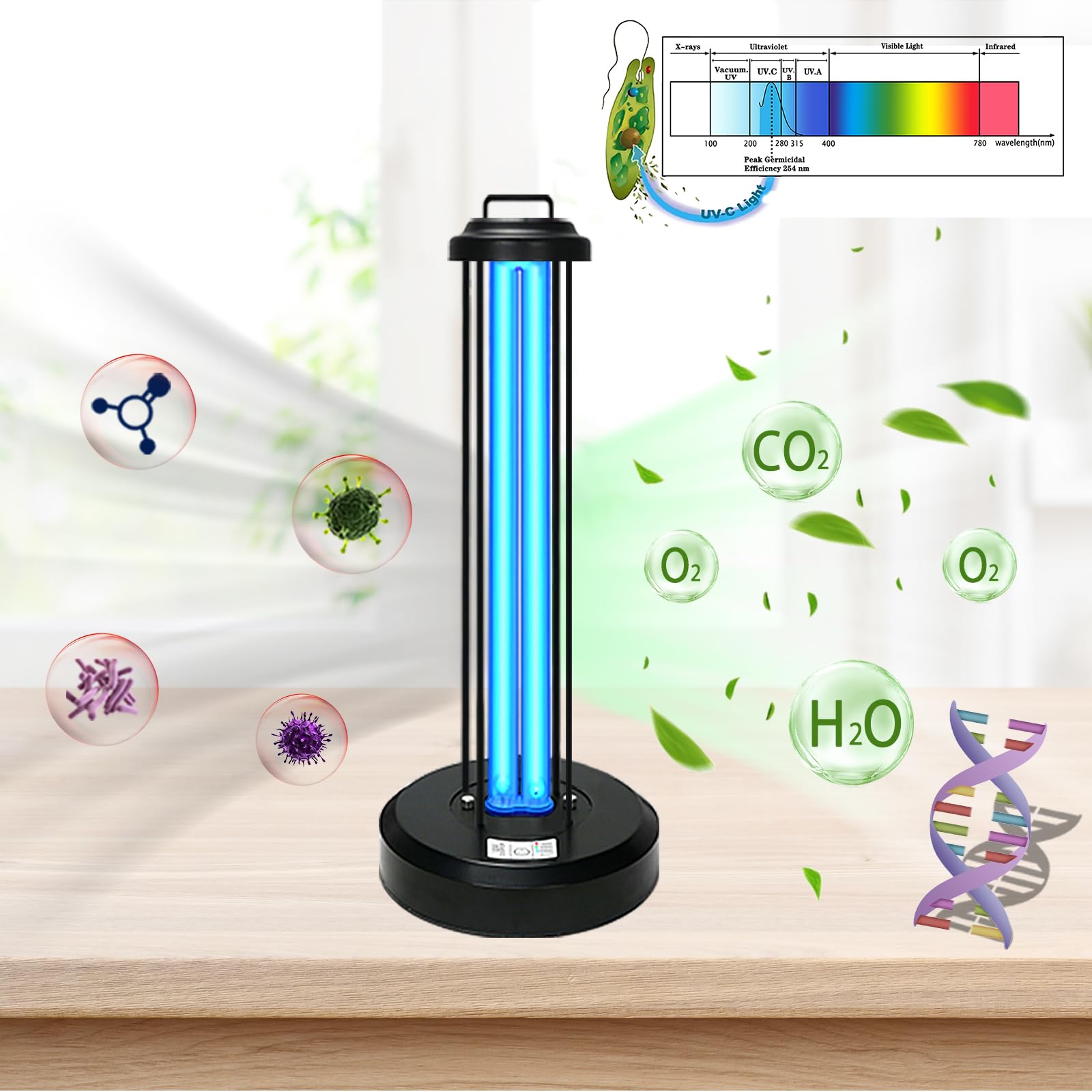
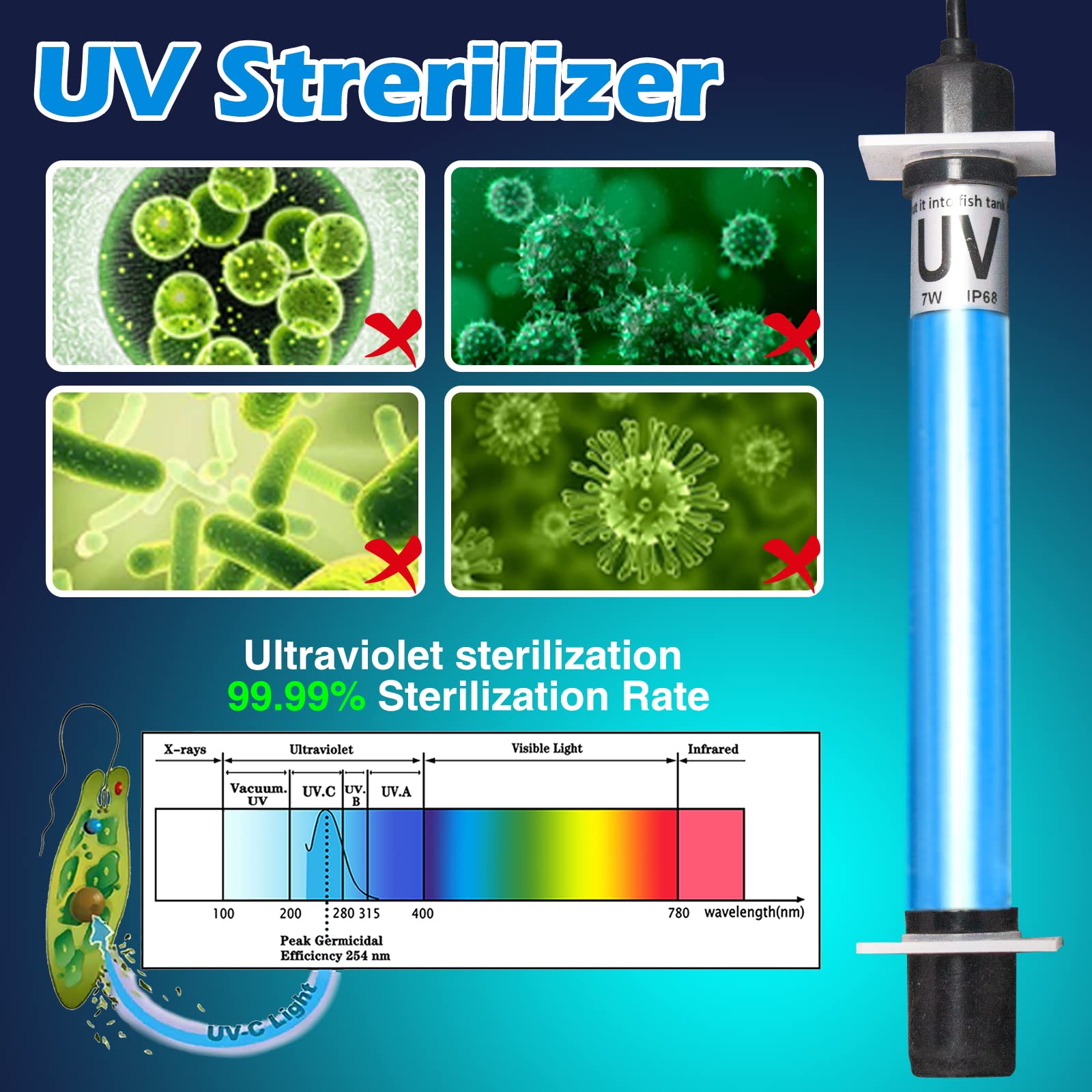
UV radiation is categorized into three main bands:
- UVA (315–400 nm) – tanning and aging effects
- UVB (280–315 nm) – skin damage and sunburn
- UVC (200–280 nm) – germicidal wavelengths
UVC light is the primary technology used in sterilization lamps because it disrupts DNA and RNA structures of microorganisms, preventing replication.
When bacteria and viruses absorb UVC energy, molecular bonds break, rendering pathogens inactive.
This property makes UV lamps attractive for household sanitation — especially in enclosed environments like bedrooms.
What Is Ozone and Why Does It Matter?
Ozone (O₃) is a gas composed of three oxygen atoms. In the upper atmosphere, ozone protects Earth from harmful solar radiation. At ground level, however, ozone behaves differently.
Indoors, ozone is classified as an air irritant.
Even low concentrations may cause:
- Throat irritation
- Coughing
- Chest discomfort
- Headaches
- Worsening asthma symptoms
Because bedrooms are enclosed spaces where people spend long continuous hours, ozone exposure becomes a critical safety factor.
How UV Lamps Produce Ozone
Not all UV lamps generate ozone. The difference lies in wavelength output.
Ozone-Producing UV Lamps
These lamps emit wavelengths below approximately 240 nanometers.
At this energy level:
- Oxygen molecules (O₂) split into individual oxygen atoms.
- Free oxygen atoms recombine with O₂.
- Ozone (O₃) forms.
This chemical reaction intentionally produces ozone as a secondary disinfectant.
Ozone-Free UV Lamps
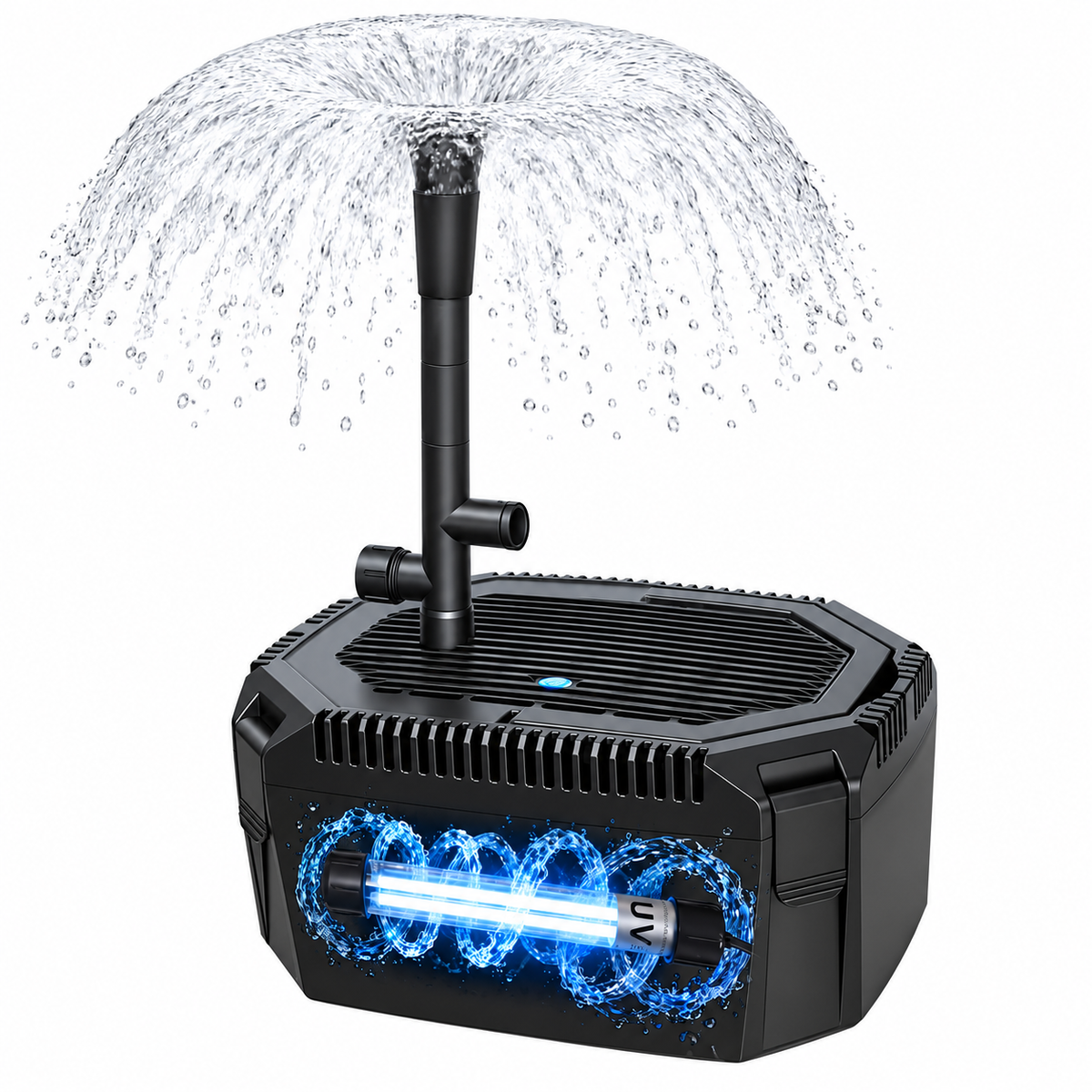
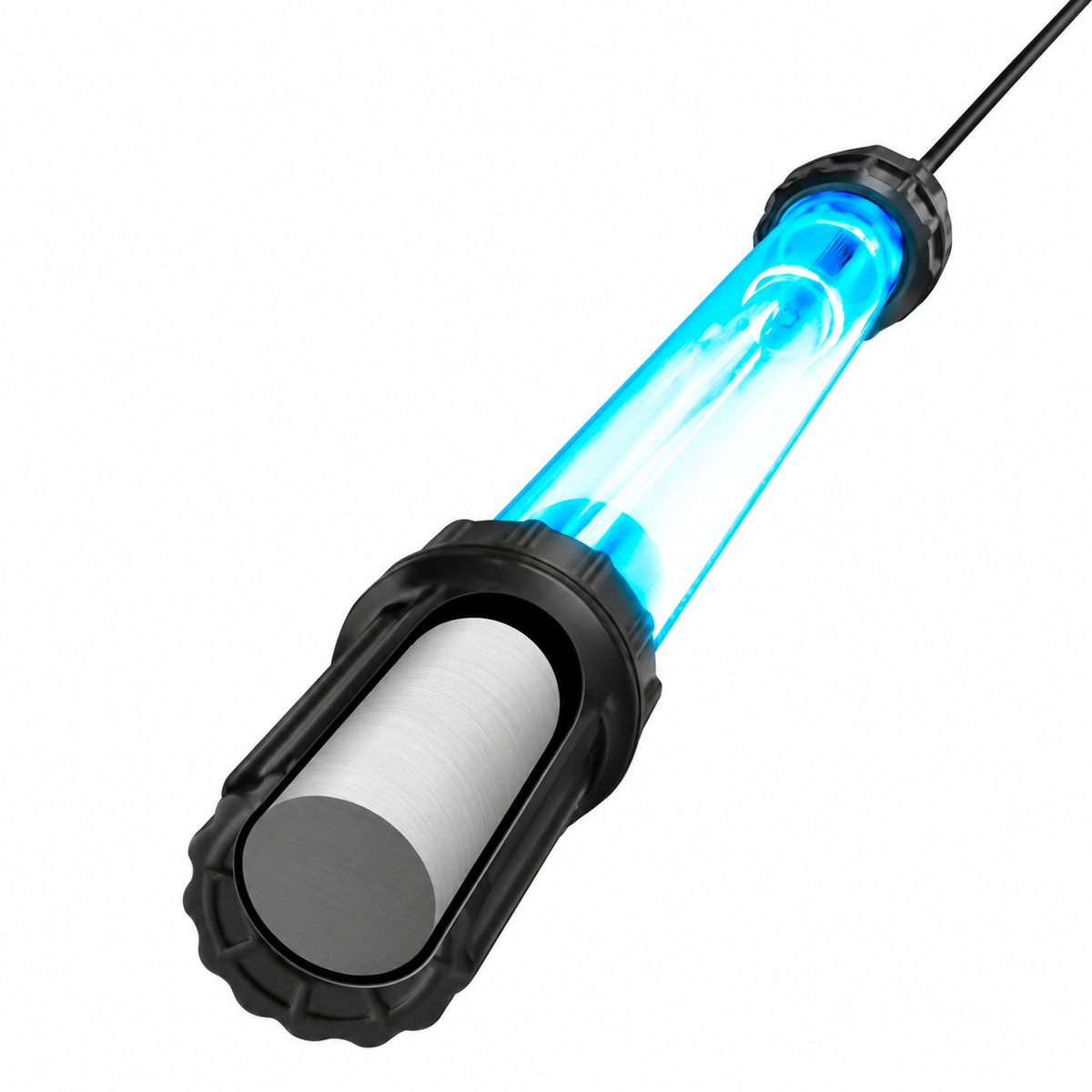
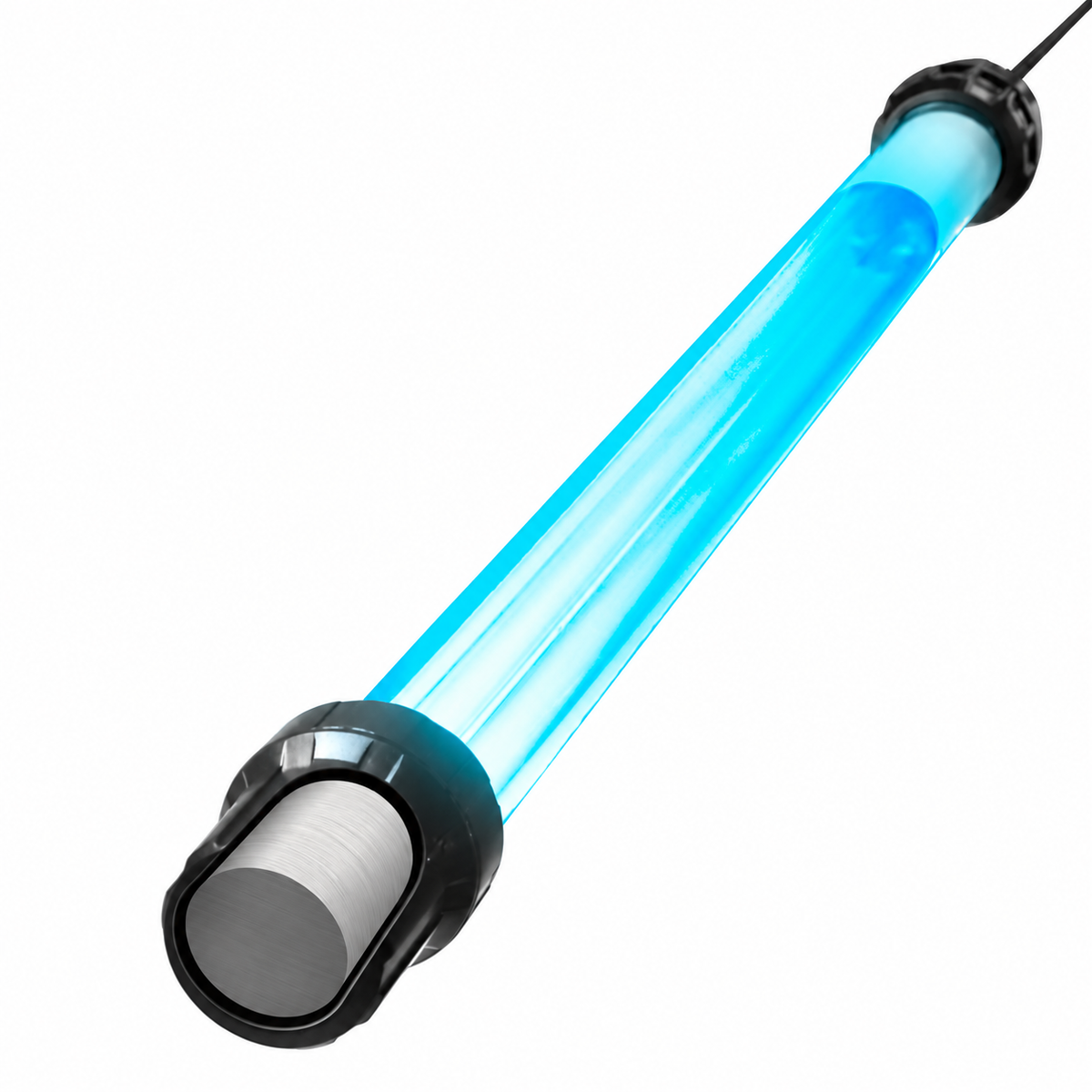
Ozone-free lamps use special quartz glass that filters shorter wavelengths.
They typically emit at 254 nm, a germicidal peak that inactivates microorganisms without generating ozone.
The engineering difference may appear small, but the environmental impact is significant.
Why Ozone Was Originally Considered Beneficial
Historically, ozone gained popularity because it can penetrate areas UV light cannot directly reach.
Unlike light, ozone gas spreads through air and enters:
- Fabric fibers
- Mattress surfaces
- Carpet layers
- Tight corners
- HVAC pathways
This made ozone systems attractive for industrial sanitation.
However, residential environments require a different risk balance.
Bedroom Environments Require a Different Safety Standard
Bedrooms differ from garages, warehouses, or commercial disinfection spaces in several ways:
- Prolonged human exposure
- Limited ventilation during sleep
- Presence of soft materials
- Continuous nightly occupancy
- Sensitive populations (children, pets, elderly)
Because of these factors, safety thresholds must be significantly stricter.
Health Considerations: Ozone Exposure Indoors
The U.S. Environmental Protection Agency (EPA) warns that ozone generators marketed as air cleaners may pose health risks when used improperly.
Short-term exposure can lead to respiratory irritation, while repeated exposure may increase lung sensitivity.
Bedrooms amplify these risks because occupants remain in close proximity for 6–10 hours nightly.
Even residual ozone lingering after operation can affect sleep quality and breathing comfort.
Ozone-Free UV Lamps: Why They Are Increasingly Preferred
Ozone-free UV lamps focus on direct germicidal irradiation rather than chemical oxidation.
Advantages
- No ozone accumulation
- Faster room reentry after use
- Lower respiratory risk
- Suitable for routine household schedules
- Reduced odor generation
For typical American bedroom setups, these benefits align better with daily living patterns.
Disinfection Effectiveness: Does Ozone Clean Better?
This is one of the most common misconceptions.
Ozone does provide broader diffusion, but effectiveness depends on concentration and exposure time.
In real homes:
- Safe ozone levels are often too low for meaningful sterilization.
- High ozone levels needed for deep sanitation are unsafe for occupants.
Meanwhile, properly positioned ozone-free UVC lamps can achieve strong microbial reduction on exposed surfaces without chemical residue.
Effectiveness therefore depends more on usage design than ozone presence.
Material Compatibility Inside Bedrooms
Bedrooms contain sensitive materials rarely considered in marketing claims.
Ozone Interaction with Materials
Ozone accelerates oxidation, which may damage:
- Rubber seals
- Mattress foam
- Latex pillows
- Electronics wiring insulation
- Synthetic fabrics
Over time, this can cause cracking, fading, or premature aging.
Ozone-Free Advantage
Without oxidative gas production, ozone-free lamps reduce long-term material degradation risks.
Odor Control: A Surprising Difference
Some users notice a sharp, metallic smell after ozone lamp use.
This odor is ozone itself.
While some associate the smell with cleanliness, it actually indicates airborne oxidizing gas presence.
Ozone-free lamps typically leave no lingering scent, making them better suited for sleeping environments.
Energy Efficiency and Operational Practicality
Ozone-producing systems often require longer waiting periods after operation.
Typical workflow:
- Activate lamp.
- Leave room.
- Wait for disinfection cycle.
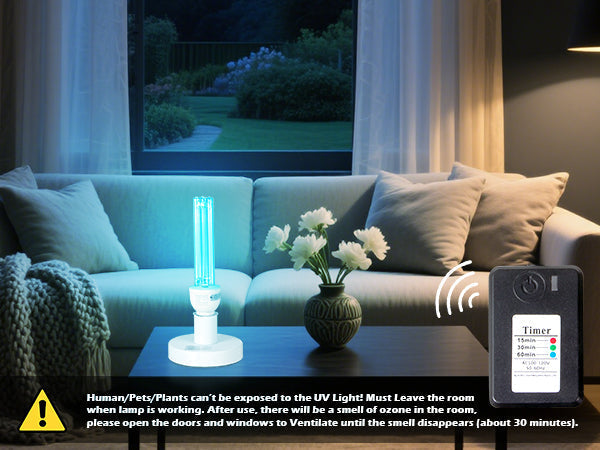
- Allow ozone decay (30–120 minutes).
- Ventilate space.
Ozone-free lamps simplify routines because reentry times are shorter once the lamp shuts off.
For busy households, practicality becomes a decisive factor.
Safety Features to Look for in Bedroom UV Lamps
Regardless of lamp type, safety engineering matters.
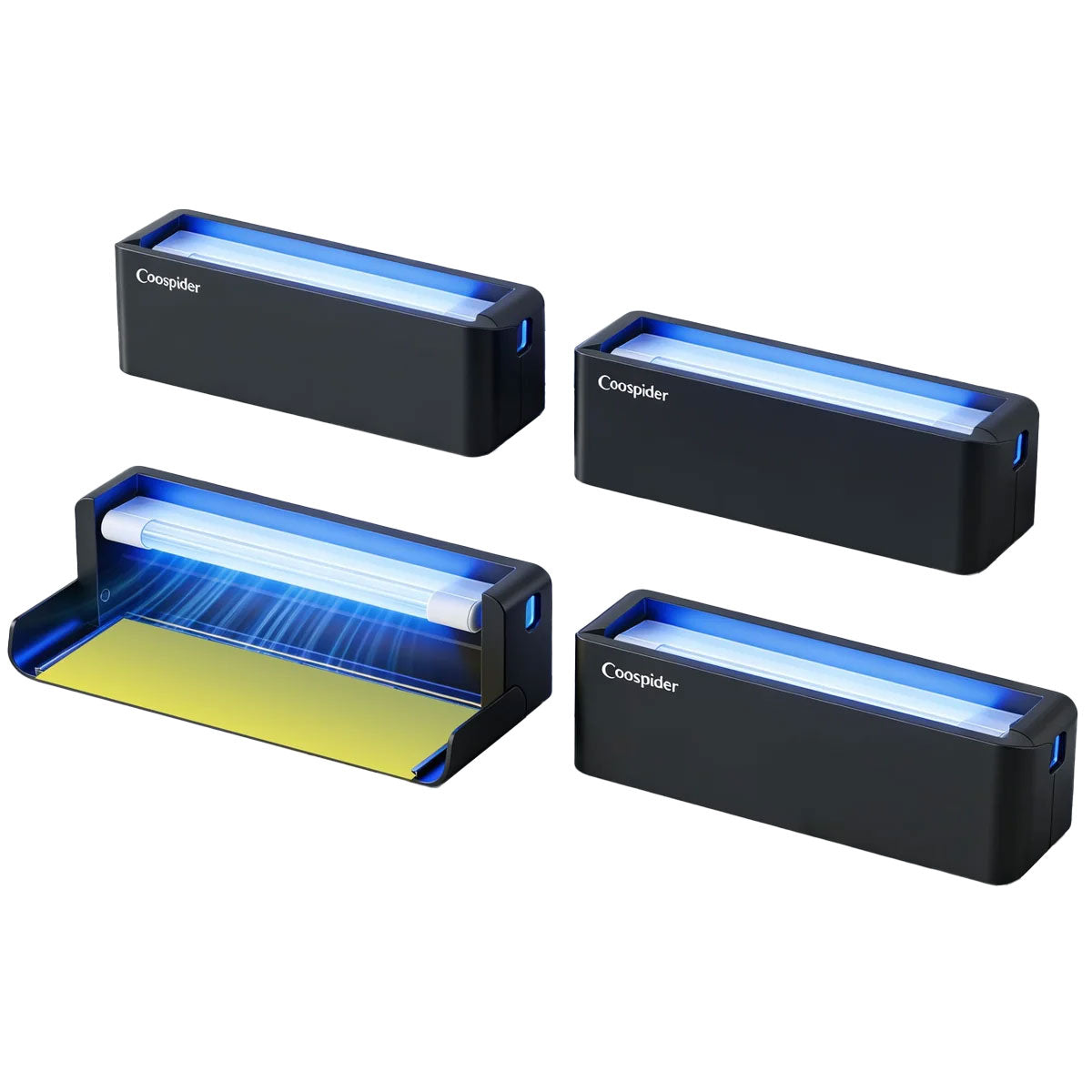
Key features include:
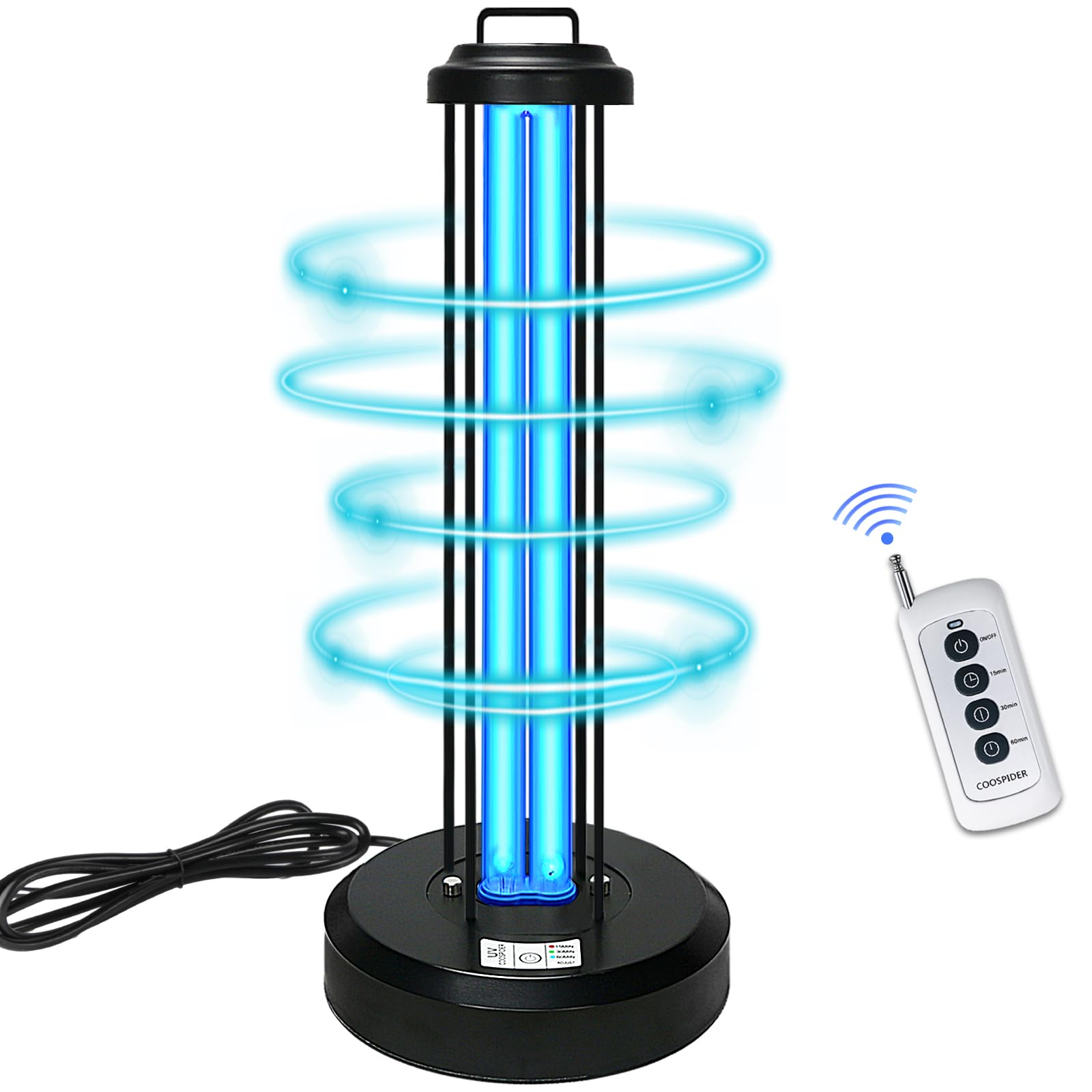
- Motion sensors
- Remote control operation
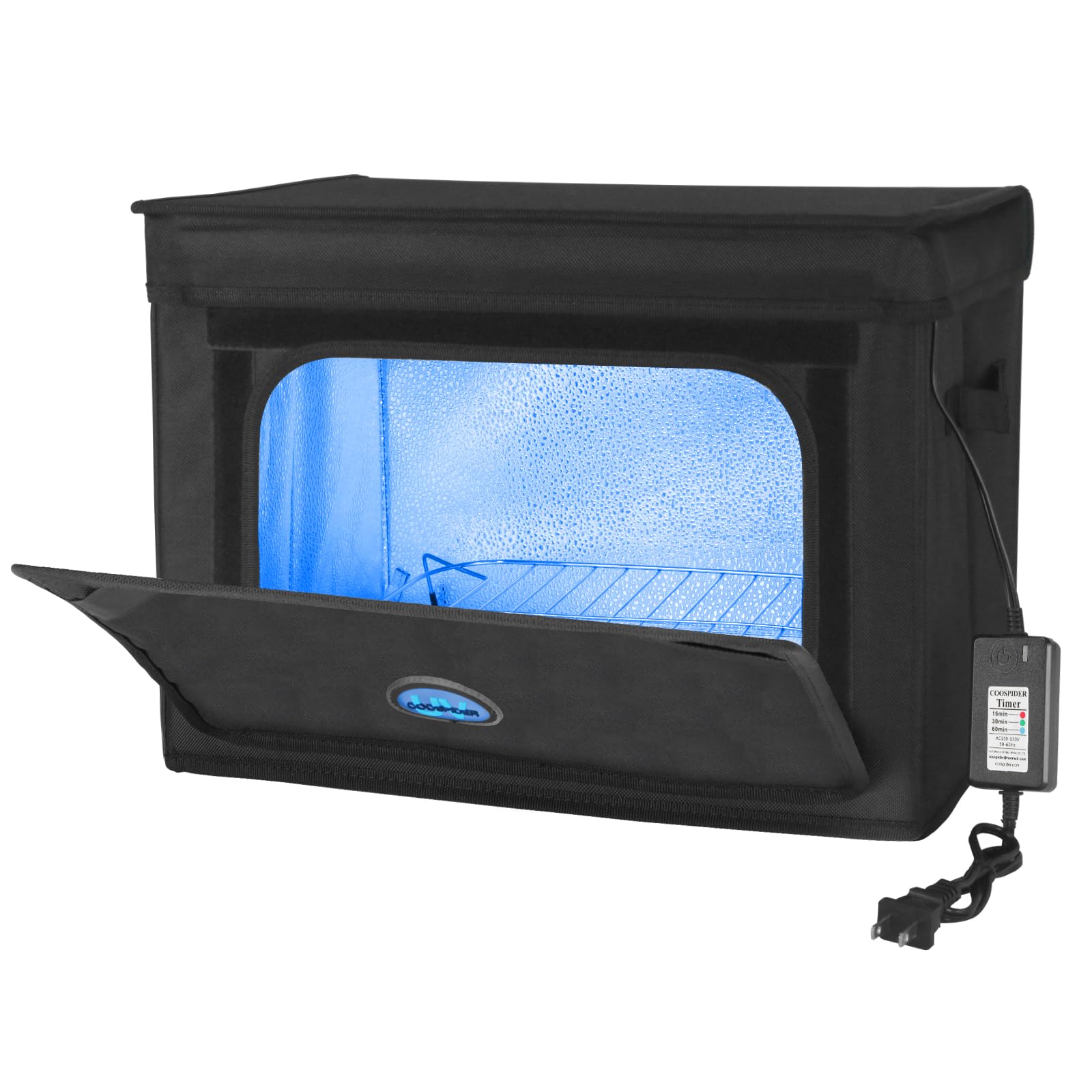
- Timer shutdown
- Child lock systems
- Protective housing
- Certified electrical components
These features reduce accidental exposure to UVC radiation.
Common Misunderstandings About UV Bedroom Sterilization
Myth 1: More Ozone Means Better Cleaning
Higher ozone levels increase health risks faster than sanitation benefits.
Myth 2: UV Lamps Replace Cleaning
UV complements cleaning but does not remove dust or debris.
Myth 3: All UV Lamps Are the Same
Wavelength control, ballast quality, and quartz composition vary significantly between products.
Who Might Still Use Ozone-Producing Lamps?
Although less suitable for bedrooms, ozone lamps may be appropriate in:
- Unoccupied storage rooms
- Post-renovation odor treatment
- Smoke remediation
- Mold treatment in empty spaces
These applications require strict absence of occupants during operation.
Ideal Bedroom Use Cases for Ozone-Free UV Lamps
Ozone-free systems work best for:
- Nightly surface sanitation routines
- Bedding area disinfection
- Dorm rooms
- Apartments with limited ventilation
- Family homes with children or pets
Their predictable safety profile fits residential living patterns.
Placement Strategies for Maximum Effectiveness
Proper positioning improves performance dramatically.
Recommended placement:
- Elevated surface (desk or shelf)
- Central room location
- Away from reflective mirrors
- Clear line of sight to major surfaces
UV light works best when unobstructed.
Maintenance and Lamp Lifespan
UV output decreases over time even if the lamp still lights up.
Typical lifespan:
- 8,000–9,000 operating hours for quality UVC tubes
Maintenance tips:
- Replace annually with regular use.
- Clean quartz surface gently.
- Avoid touching glass with bare hands.
- Store safely when not in use.
Consistent maintenance ensures reliable germicidal performance.
Environmental Considerations
Ozone-free lamps generally produce fewer secondary chemical reactions indoors.
Lower chemical byproducts contribute to:
- Better indoor air quality
- Reduced VOC interaction
- More predictable environmental conditions
For environmentally conscious households, this is an important advantage.
Cost Comparison: Short-Term vs Long-Term Value
Ozone-producing lamps may initially appear versatile, but long-term costs can include:
- Ventilation requirements
- Material wear
- Limited usability frequency
Ozone-free lamps often deliver greater practical value through frequent safe use.
The Future of Residential UV Technology
Modern UV engineering is moving toward safer human-centered solutions.
Emerging innovations include:
- Narrow-band wavelength control
- Smart occupancy detection
- Hybrid air circulation systems
- Lower-energy germicidal LEDs
The trend clearly favors minimizing chemical byproducts while maintaining effectiveness.
Final Verdict: Which UV Lamp Is Best for American Bedrooms?
For most U.S. households, ozone-free UV lamps are the better choice for bedroom environments.
They provide strong germicidal performance while aligning with essential residential priorities:
- Respiratory safety
- Everyday usability
- Material protection
- Simplified operation
- Family-friendly risk levels
Ozone-producing lamps remain specialized tools suited primarily for unoccupied or industrial settings rather than daily living spaces.
Closing Thoughts
Choosing between ozone and ozone-free UV lamps is ultimately about understanding how technology interacts with real human environments.
Bedrooms are places of rest, recovery, and long exposure duration. Devices used in these spaces must prioritize safety as much as effectiveness.
By understanding wavelength engineering, ozone chemistry, and indoor health considerations, homeowners can confidently select UV solutions that support cleaner living without compromising comfort.
The goal is not simply stronger disinfection — but smarter, safer sanitation designed for how people truly live.