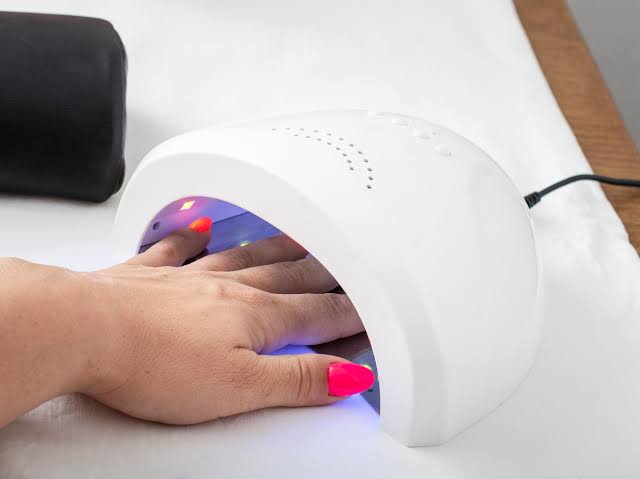
Walk into any modern nail salon and you’ll likely see a familiar routine: a technician applies gel polish, then places your hands under a glowing UV or LED lamp to “cure” the nails. In seconds, the polish hardens into a glossy, durable finish that can last for weeks. It feels almost futuristic—beauty powered by light.
But behind that convenience, a growing question has emerged: Are UV nail lamps safe for your skin, or are we trading beauty for long-term damage?
This article takes a deep, science-based look at how UV nail lamps work, what kind of radiation they emit, what current research says about skin risks, and how you can enjoy gel manicures more safely without unnecessary fear or misinformation.
1. The Rise of Gel Manicures and UV Curing Technology
Gel manicures became popular in the early 2000s and quickly revolutionized the nail industry. Unlike traditional nail polish, gel polish does not air-dry. Instead, it contains light-sensitive chemicals called photoinitiators that require ultraviolet or LED light to harden.
This curing process is what gives gel polish its advantages:
-
Long-lasting wear (2–3 weeks or more)
-
High-gloss finish that doesn’t dull easily
-
Resistance to chipping and smudging
-
Faster drying compared to air-dry polish
The key technology enabling all of this is the nail lamp—usually labeled as “UV lamp” or “LED lamp,” though both typically emit ultraviolet A (UVA) light in varying intensities.
But as beauty technology advanced, concerns about UV exposure naturally followed.
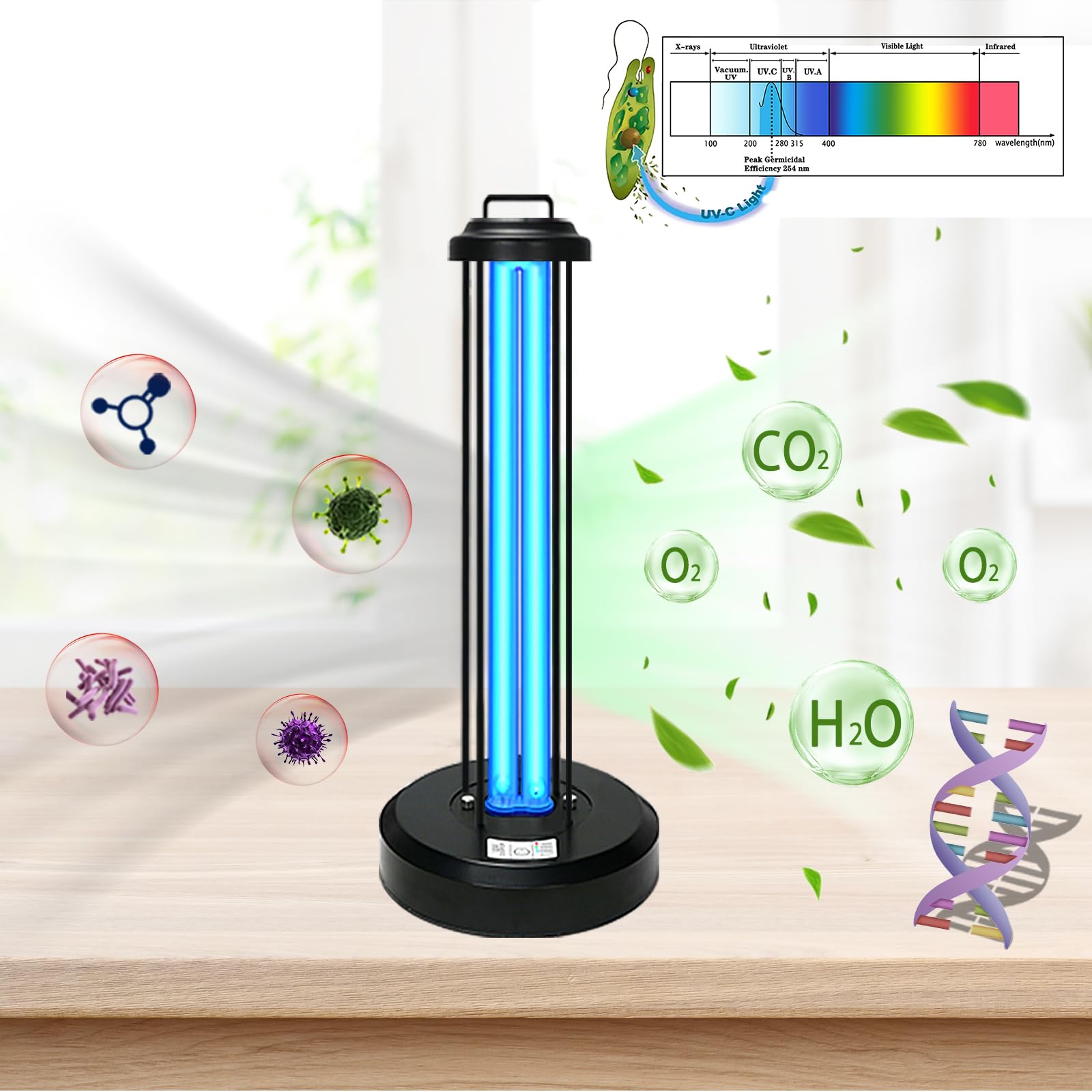
2. Understanding UV Light: UVA, UVB, and UVC
To understand potential risks, it’s important to know what kind of ultraviolet light is involved.
UVA (320–400 nm)
-
Long-wave UV radiation
-
Penetrates deeper into the skin
-
Associated with premature aging and DNA damage over time
-
Main type emitted by nail lamps
UVB (280–320 nm)
-
Medium-wave UV radiation
-
Causes sunburn
-
Strongly linked to skin cancer
-
Mostly filtered out in nail lamps
UVC (100–280 nm)
-
Short-wave, highly dangerous
-
Absorbed by the ozone layer and not present in nail devices
Nail lamps primarily emit UVA light, similar to what you experience in sunlight or tanning beds, though typically at much lower total doses.
3. How UV Nail Lamps Actually Work
When gel polish is exposed to UVA light, photoinitiators in the polish absorb energy and trigger a chemical reaction called polymerization. This process transforms liquid gel into a solid, durable coating.
Most modern nail lamps fall into two categories:
UV Lamps
-
Use fluorescent UV bulbs
-
Broader UVA emission range
-
Typically longer curing times (2–3 minutes)
LED Lamps
-
Use light-emitting diodes
-
Narrower UVA wavelength range
-
Faster curing times (30–60 seconds)
-
More energy-efficient and longer-lasting bulbs
Despite the marketing difference, both types generally emit UVA radiation.
4. How Much UV Exposure Do You Actually Get?
One of the most important questions is dosage: Is the exposure from nail lamps significant compared to daily sunlight?
Research suggests:
-
A single gel manicure session typically exposes hands to UVA levels comparable to a few minutes of midday sun
-
However, exposure is concentrated on the hands rather than spread across the body
-
Regular users (e.g., biweekly manicures) accumulate repeated exposure over time
To put it into perspective:
-
Occasional users: very low cumulative risk
-
Frequent users (weekly or biweekly for years): higher cumulative exposure, but still generally considered low compared to outdoor sun exposure for most people
The key factor is repetition over time, not a single session.
5. What Does Scientific Research Say?
Scientific studies on UV nail lamps are ongoing, and results are mixed but increasingly informative.
DNA Damage Potential
Some laboratory studies show that UVA exposure from nail lamps can:
-
Cause DNA damage in skin cells under controlled conditions
-
Trigger oxidative stress markers associated with aging
However:
-
These studies often use isolated cells, not real-life exposure conditions
-
The intensity and duration in experiments may exceed typical salon use
Skin Cancer Risk
A few case reports have suggested a possible link between long-term gel manicure use and skin cancers on the hands. However:
-
These cases are rare
-
A direct causal relationship has not been firmly established
-
Dermatology organizations generally consider the risk to be low but not zero
Dermatologist Consensus
Most dermatologists currently agree on three points:
-
UV nail lamps do emit UVA radiation
-
UVA exposure is biologically active and can contribute to skin aging
-
The overall risk from occasional gel manicures is likely low for most people
The uncertainty lies in long-term, high-frequency exposure over decades.
6. Skin Aging: The More Likely Concern
Even if the cancer risk is still being studied, one area where experts are more confident is photoaging.
UVA radiation can:
-
Break down collagen
-
Reduce skin elasticity
-
Contribute to wrinkles and age spots
-
Accelerate visible aging on the hands
Because hands are exposed directly and frequently in nail lamp use, they may show aging signs earlier in heavy users compared to non-users.
This is why some dermatologists compare UV nail lamps less to tanning beds (high risk) and more to repeated small UVA exposures (cumulative effect).
7. Who Should Be More Cautious?
Not everyone has the same level of risk tolerance. Extra caution is recommended for:
-
People with a history of skin cancer
-
Individuals with very fair or sun-sensitive skin
-
Those with autoimmune conditions affecting skin sensitivity
-
People taking photosensitizing medications (e.g., certain antibiotics or acne treatments)
-
Frequent gel manicure users (weekly or more often)
For most healthy individuals, occasional use is unlikely to pose significant harm, but awareness is still important.
8. LED vs UV Lamps: Is One Safer?
There is a common belief that LED lamps are “safe” while UV lamps are “dangerous.” The reality is more nuanced.
-
LED lamps still emit UVA radiation
-
They often emit a narrower wavelength range
-
They cure polish faster, reducing exposure time
-
UV lamps may have broader UVA output and longer exposure duration
So while LED lamps may reduce exposure somewhat, they do not eliminate UV radiation entirely.
The difference is degree, not presence, of exposure.
9. Practical Ways to Reduce Risk Without Giving Up Gel Manicures
If you enjoy gel nails but want to minimize UV exposure, there are several simple strategies:
1. Use UV-protective gloves
Special manicure gloves expose only the nails while covering most skin on the hands.
2. Apply sunscreen to hands
Broad-spectrum SPF 30+ can reduce UVA penetration, especially on the back of hands.
3. Limit frequency
Reducing manicures from weekly to every few weeks significantly lowers cumulative exposure.
4. Choose LED lamps when possible
They generally reduce curing time and may slightly reduce exposure.
5. Avoid unnecessary over-curing
Proper curing time is enough; extra exposure does not improve results.
6. Give nails breaks occasionally
Switching to regular polish or natural nails can reduce long-term exposure cycles.
10. Comparing Nail Lamps to Everyday UV Exposure
A helpful way to think about risk is context.
You receive UVA exposure from:
-
Sunlight during walking, driving, or outdoor activities
-
Reflected UV from surfaces like water or concrete
-
Tanning beds (much higher exposure than nail lamps)
Compared to these, nail lamps contribute a small but concentrated dose.
The difference is that nail lamp exposure is:
-
Targeted (hands only)
-
Controlled (short sessions)
-
Repeated over time
This combination is why researchers continue to study it, even though absolute risk appears low.
11. Why Confusion About Safety Persists
There are three main reasons public understanding is mixed:
1. “UV” sounds alarming
The term UV is often associated with tanning beds and skin cancer risk, which creates understandable concern.
2. Inconsistent research results
Some studies suggest potential DNA damage, while others show minimal real-world risk.
3. Marketing claims
Some nail products emphasize “safe LED curing” without explaining that UVA is still involved.
This leads to confusion rather than clarity.
12. The Balanced Scientific View
A reasonable, evidence-based summary looks like this:
-
UV nail lamps emit UVA radiation
-
UVA can contribute to skin aging and, in high cumulative doses, skin cancer risk
-
Typical salon exposure is relatively low per session
-
Long-term frequent use may increase cumulative risk
-
The absolute risk for most occasional users appears low, but not zero
In other words: it’s not harmless in a literal sense, but it is also not equivalent to high-risk UV exposure like tanning beds.
13. Should You Be Worried?
A better question than “Is it dangerous?” might be:
“Is the risk level meaningful compared to my overall lifestyle and sun exposure?”
For most people:
-
Occasional gel manicures are unlikely to be a major health concern
-
Daily sun exposure without sunscreen is often a far greater UV source
-
Simple protective habits can further reduce any theoretical risk
Concern becomes more relevant only with frequent, long-term exposure combined with other risk factors.
14. The Future of Nail Technology
The beauty industry is already exploring safer alternatives, including:
-
Lower-intensity curing systems
-
Faster-curing formulas that reduce exposure time
-
Non-UV curing technologies still in development
-
Improved photoinitiators requiring less energy
As materials science advances, it is likely that UV exposure in nail treatments will continue to decrease over time.
Conclusion: Beauty, Science, and Smart Choices
UV nail lamps are a perfect example of modern beauty technology—efficient, convenient, and widely used, yet not entirely free from scientific scrutiny.
The current evidence suggests that while these devices do emit UVA radiation capable of affecting skin cells, the risk from typical use is relatively low for most people. The greater concern lies in long-term, frequent exposure combined with natural sunlight and other environmental factors.
Ultimately, the decision comes down to balance. With simple precautions like sunscreen, gloves, and moderate use, you can continue enjoying gel manicures while minimizing unnecessary exposure.
Beauty and health don’t have to be in conflict—they just require informed choices.