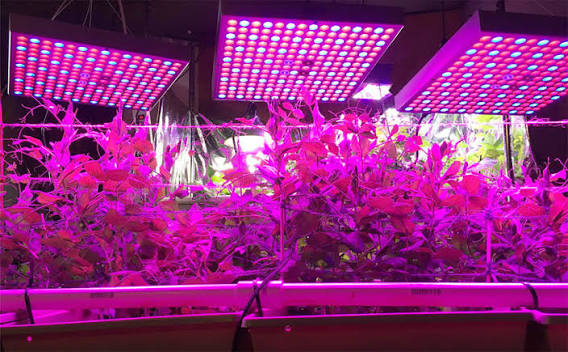
Indoor gardening has quietly transformed from a niche hobby into a global lifestyle movement. Whether it’s a small apartment herb garden, a collection of tropical plants in a city loft, or a full-scale indoor jungle, people are increasingly bringing nature inside their homes. But there’s one fundamental challenge every indoor plant owner eventually runs into: sunlight.
Natural sunlight is not always available in sufficient quantity or quality indoors. North-facing windows, tall buildings blocking light, seasonal changes, and limited space all contribute to inconsistent growing conditions. This is where modern horticultural lighting—especially UV and full-spectrum grow lights—has entered the scene as something of a “sunlight charging station” for plants.
But how scientific is this technology? Do UV lights actually help plants grow better, or are they just a marketing buzzword wrapped in futuristic appeal?
This article explores the biology of plant light absorption, the role of ultraviolet radiation in plant development, how grow lights simulate sunlight, and how indoor gardeners can use this technology effectively without misunderstanding its limits.
1. Why Indoor Plants Struggle Without Natural Sunlight
Plants are essentially biological solar panels. Through photosynthesis, they convert light energy into chemical energy that fuels growth. Without sufficient light, even the healthiest plant will slowly decline.
Common signs of inadequate light include:
-
Leggy, elongated stems
-
Pale or yellowing leaves
-
Slow or stalled growth
-
Reduced flowering or fruiting
-
Drooping despite proper watering
The problem is not just brightness—it’s light quality. Sunlight is a full-spectrum source, meaning it includes a wide range of wavelengths from ultraviolet (UV) to visible light to infrared.
Indoor environments, however, distort this natural balance. Even near a window, plants often receive only a fraction of the intensity and spectrum they would outdoors.
2. Understanding Light in Plant Biology: More Than Just Brightness
To understand why UV grow lights matter, it’s important to understand how plants “see” light.
Plants rely on photoreceptors rather than eyes. These include:
-
Phytochromes (detect red and far-red light)
-
Cryptochromes (respond to blue light)
-
Phototropins (control movement toward light)
-
UVR8 receptors (specifically detect ultraviolet light)
Each type of light influences different aspects of plant behavior:
-
Blue light promotes compact, leafy growth
-
Red light supports flowering and fruiting
-
Far-red light affects stretching and shade response
-
UV light triggers protective and adaptive responses
So while visible light drives most photosynthesis, UV light plays a more subtle but important regulatory role.
3. What Exactly Are UV Grow Lights?
UV grow lights are artificial light sources designed to emit ultraviolet wavelengths, typically alongside visible light, to simulate sunlight conditions more closely.
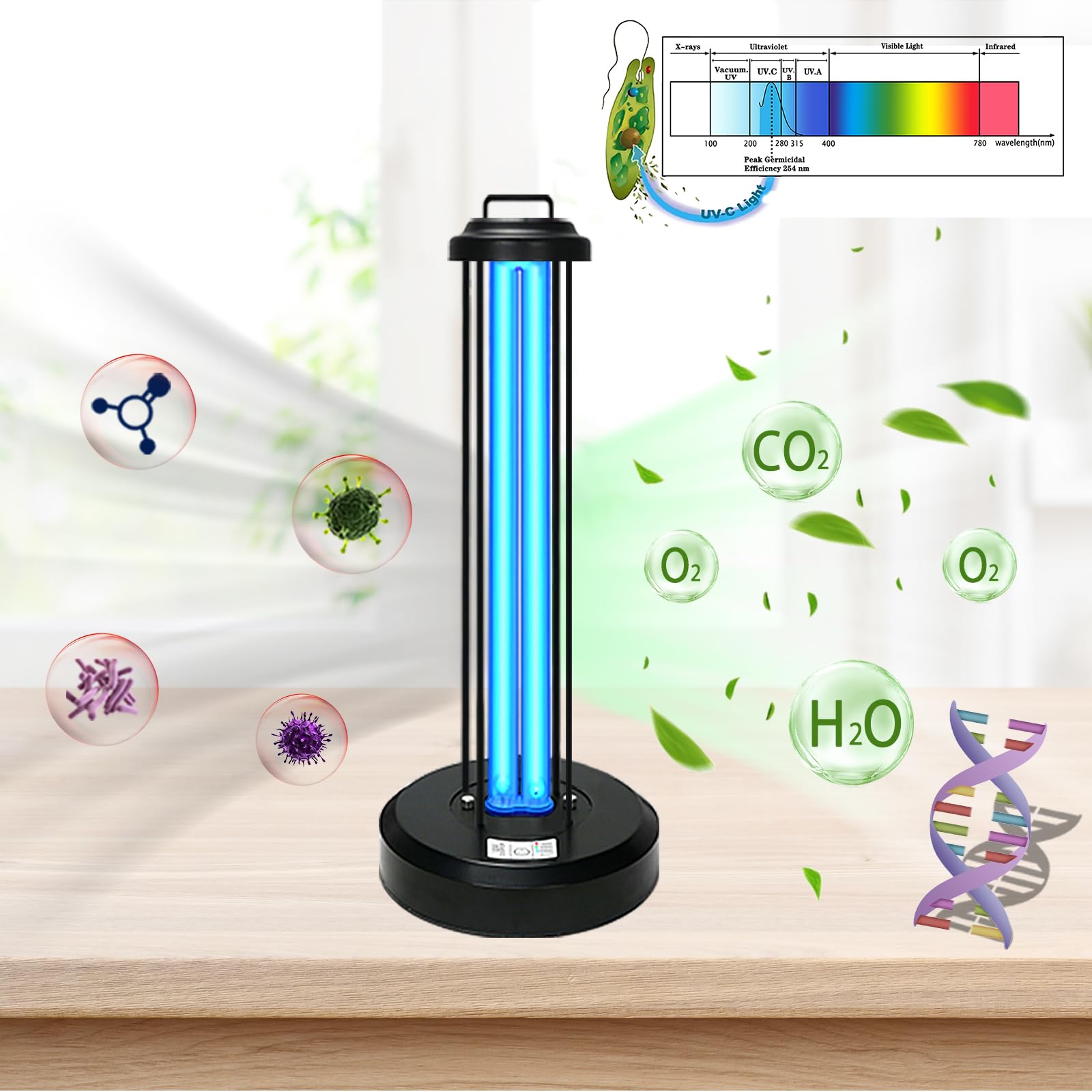
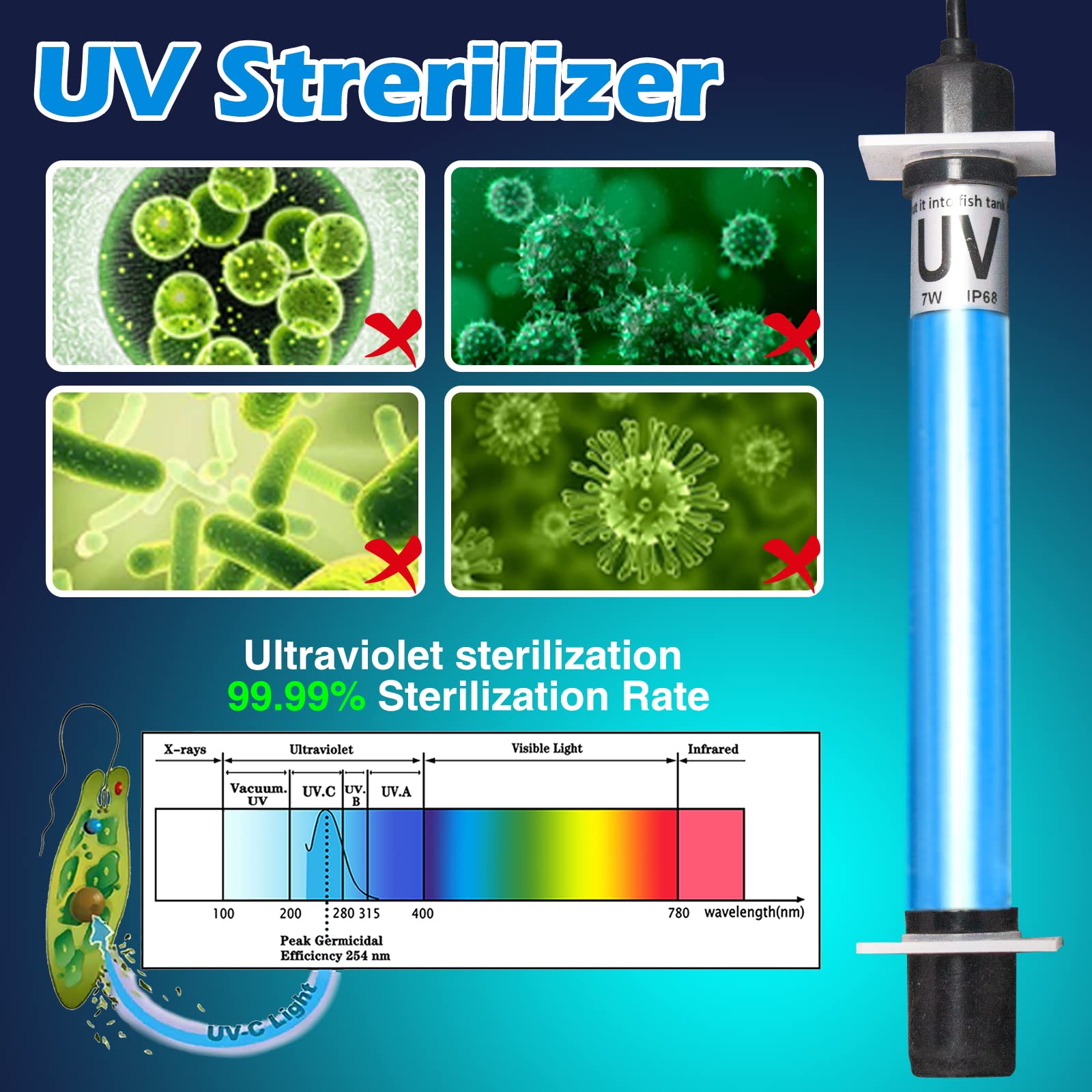
There are three categories of ultraviolet light:
UVA (315–400 nm)
-
Long-wave UV
-
Most commonly used in horticulture lighting
-
Less damaging, more biologically active for signaling
UVB (280–315 nm)
-
Medium-wave UV
-
Stronger biological effects
-
Used carefully due to potential stress on plants
UVC (100–280 nm)
-
High-energy UV
-
Generally harmful and not used for plant growth
Most horticultural UV systems focus on UVA and controlled UVB exposure, rather than full-spectrum UV.
4. Why Would Plants Need UV Light at All?
At first glance, UV radiation seems harmful. After all, excessive UV can damage DNA in living organisms. But plants have evolved under sunlight for millions of years, and UV exposure is part of their natural environment.
Rather than simply being harmful, UV light acts as a stress signal that triggers protective adaptations.
These include:
-
Thicker, more resilient leaves
-
Increased production of flavonoids and antioxidants
-
Enhanced coloration (especially in ornamental plants)
-
Improved resistance to pests and pathogens
-
Compact growth patterns
In simple terms, UV light doesn’t just help plants grow—it helps plants become stronger.
5. The Science of Photosynthesis and Light Spectrums
Photosynthesis primarily occurs in chloroplasts, where chlorophyll absorbs light energy.
The most important wavelengths for photosynthesis are:
-
Blue light (400–500 nm)
-
Red light (600–700 nm)
This is why many grow lights focus heavily on red and blue LEDs.
However, sunlight is not just red and blue. It contains a continuous spectrum, and research shows that plants exposed to full-spectrum light—including UV—often develop more natural and robust structures.
UV light does not directly drive photosynthesis efficiently, but it influences secondary metabolic processes that shape plant quality.
6. How UV Light Affects Plant Chemistry
One of the most fascinating effects of UV exposure is its influence on plant biochemistry.
When plants detect UV radiation, they activate defense mechanisms that lead to the production of:
Flavonoids
These compounds:
-
Act as natural sunscreen for plants
-
Protect tissues from UV damage
-
Contribute to pigmentation in leaves and flowers
Anthocyanins
These are responsible for:
-
Red, purple, and blue coloration in plants
-
Stress-induced coloration in leaves and stems
-
Enhanced ornamental value in houseplants
Terpenes and Aromatic Compounds
In herbs and aromatic plants:
-
UV exposure can increase scent intensity
-
May enhance flavor profiles in culinary herbs
This is why some growers intentionally use UV light during late growth stages to enhance plant quality rather than just quantity.
7. UVA vs UVB in Indoor Gardening
Not all UV light is used equally in horticulture.
UVA in Gardening
UVA is widely used because:
-
It is less stressful to plants
-
It enhances growth regulation
-
It supports pigment development
-
It can be used for longer daily exposure
Plants exposed to UVA often show:
-
More compact structure
-
Improved leaf thickness
-
Enhanced color intensity
UVB in Gardening
UVB is more powerful and must be used carefully:
-
Stimulates stronger defensive responses
-
Can increase resin, oils, and pigments
-
Helps mimic high-altitude or direct-sun environments
-
Excess exposure can damage plant tissues
Most indoor systems use brief UVB exposure windows rather than continuous output.
8. Do Plants Really Grow Better Under UV Lights?
The answer depends on what “better” means.
If the goal is rapid growth:
-
UV light is not the primary driver
-
Red and blue light remain more important
If the goal is plant quality:
-
UV exposure can significantly improve structure, color, and resilience
If the goal is mimicry of natural sunlight:
-
UV light helps recreate a more realistic solar spectrum
So UV lighting is not a replacement for photosynthetically active light—it is a refinement tool that enhances plant development.
9. Types of Indoor Grow Light Systems
Modern indoor gardening typically uses several lighting technologies:
LED Grow Lights
-
Most common today
-
Energy-efficient
-
Customizable spectrum
-
Often include UVA supplementation
Fluorescent Lights
-
Older but still used in small setups
-
Lower intensity
-
Limited UV capability
High-Intensity Discharge (HID) Lamps
-
Powerful light output
-
Used in large-scale growing environments
-
Generate heat and require ventilation
Full-Spectrum Systems with UV Modules
-
Designed to simulate sunlight more closely
-
Combine red, blue, white, and UV wavelengths
-
Popular among serious indoor gardeners
LED systems dominate because they allow precise control over wavelength output, including optional UV channels.
10. How Plants Respond Over Time to UV Exposure
Plant response to UV is not immediate—it develops over time.
Short-Term Exposure (days)
-
Activation of stress response pathways
-
Slight changes in leaf orientation
Medium-Term Exposure (weeks)
-
Increased pigment production
-
Thicker leaf cuticles
-
Improved structural strength
Long-Term Exposure (months)
-
Stable morphological changes
-
Enhanced resilience to environmental stress
-
Improved flowering or fruiting quality in some species
However, balance is essential. Too much UV can overwhelm plant defenses and cause:
-
Leaf burn
-
Stunted growth
-
Chlorosis (yellowing leaves)
11. Common Misconceptions About UV Grow Lights
“UV light is required for all plant growth”
Not true. Plants can grow under standard visible light alone.
“More UV always means better plants”
Incorrect. Excess UV can harm plant tissues.
“UV lights replace sunlight”
They do not. They are supplements, not replacements.
“All grow lights include UV”
Many LED systems do not emit significant UV unless specifically designed to.
12. How to Use UV Lighting Safely in Indoor Gardening
To use UV effectively, indoor gardeners should follow practical guidelines:
Start low and increase gradually
Plants need time to adapt to UV exposure.
Limit exposure duration
UV light is most effective in controlled doses, often a few hours per day or less.
Combine with full-spectrum lighting
UV alone is not sufficient for photosynthesis.
Observe plant reactions
Signs of too much UV include curling leaves, discoloration, or dry patches.
Match UV levels to plant type
-
Succulents and Mediterranean herbs tolerate higher UV
-
Tropical plants may require gentler exposure
13. Best Plant Types for UV-Enhanced Growth
Some plants respond particularly well to UV-enriched environments:
Herbs
-
Basil
-
Thyme
-
Rosemary
-
Mint
UV can enhance aromatic oils and flavor intensity.
Ornamental Plants
-
Coleus
-
Croton
-
Begonia
These often show richer coloration under UV exposure.
Succulents
-
Echeveria
-
Aloe
-
Sedum
UV helps maintain compact growth and vibrant color.
14. The Future of Indoor Plant Lighting
Indoor gardening technology is rapidly evolving. Future systems are likely to include:
-
AI-controlled light spectrum adjustment
-
Real-time plant stress monitoring
-
Dynamic UV dosing based on growth stage
-
Energy-efficient solar-simulated environments indoors
Instead of static lighting, future systems may function like “artificial sun cycles,” adjusting UV, red, and blue light throughout the day just as natural sunlight changes.
Conclusion: UV Light as a Precision Tool, Not a Miracle Solution
UV lighting in indoor gardening is best understood not as a necessity, but as a refinement of plant care. While photosynthesis depends primarily on visible light, ultraviolet radiation adds another layer of biological signaling that helps plants develop resilience, color, and structural integrity.
When used correctly, UV grow lights act like a controlled version of natural sunlight—fine-tuning plant growth rather than replacing the sun itself.
The key is balance: enough UV to stimulate beneficial responses, but not so much that it overwhelms the plant’s natural defenses.
Indoor gardening is no longer just about keeping plants alive. With the help of modern lighting science, it’s about recreating a miniature version of nature’s complexity—right in your living room.