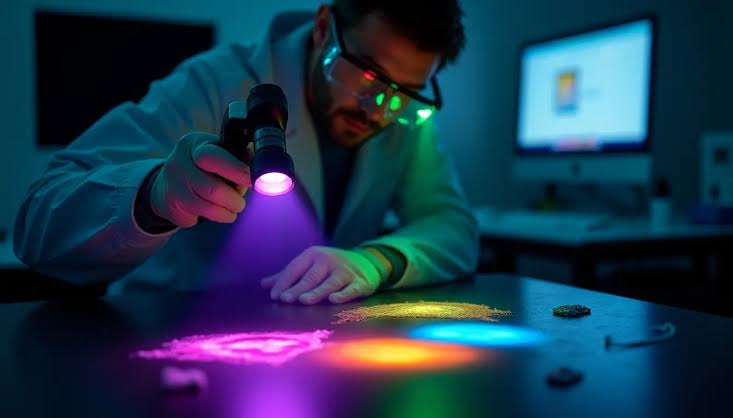
In the world of criminal investigations, some of the most powerful tools are not the most visible. While fingerprint dusting kits, DNA sequencing, and digital forensics often dominate public attention, another technology quietly plays a crucial role behind the scenes: ultraviolet (UV) light for forensic detection.
Often described as an “invisible guardian,” UV light has become an indispensable tool in modern crime scene investigation. It helps forensic experts uncover evidence that is otherwise invisible to the naked eye, revealing critical clues that can reconstruct events, identify suspects, and support legal proceedings.
This article explores how UV light is used in criminal investigations, why it is so effective, and how it has evolved into one of the most reliable non-invasive forensic technologies in the field.
1. Why UV Light Matters in Forensic Science
At a crime scene, not all evidence is visible. In fact, some of the most important traces are microscopic, chemically altered, or intentionally concealed.
UV light helps investigators detect evidence by causing certain substances to:
-
Fluoresce (emit visible light when exposed to UV)
-
Absorb UV radiation differently than surrounding materials
-
Reveal hidden patterns or residues
Unlike chemical sprays or destructive testing methods, UV light is:
-
Non-contact
-
Non-destructive
-
Rapid
-
Repeatable
This makes it ideal for early-stage evidence screening.
2. The Science Behind UV-Based Detection
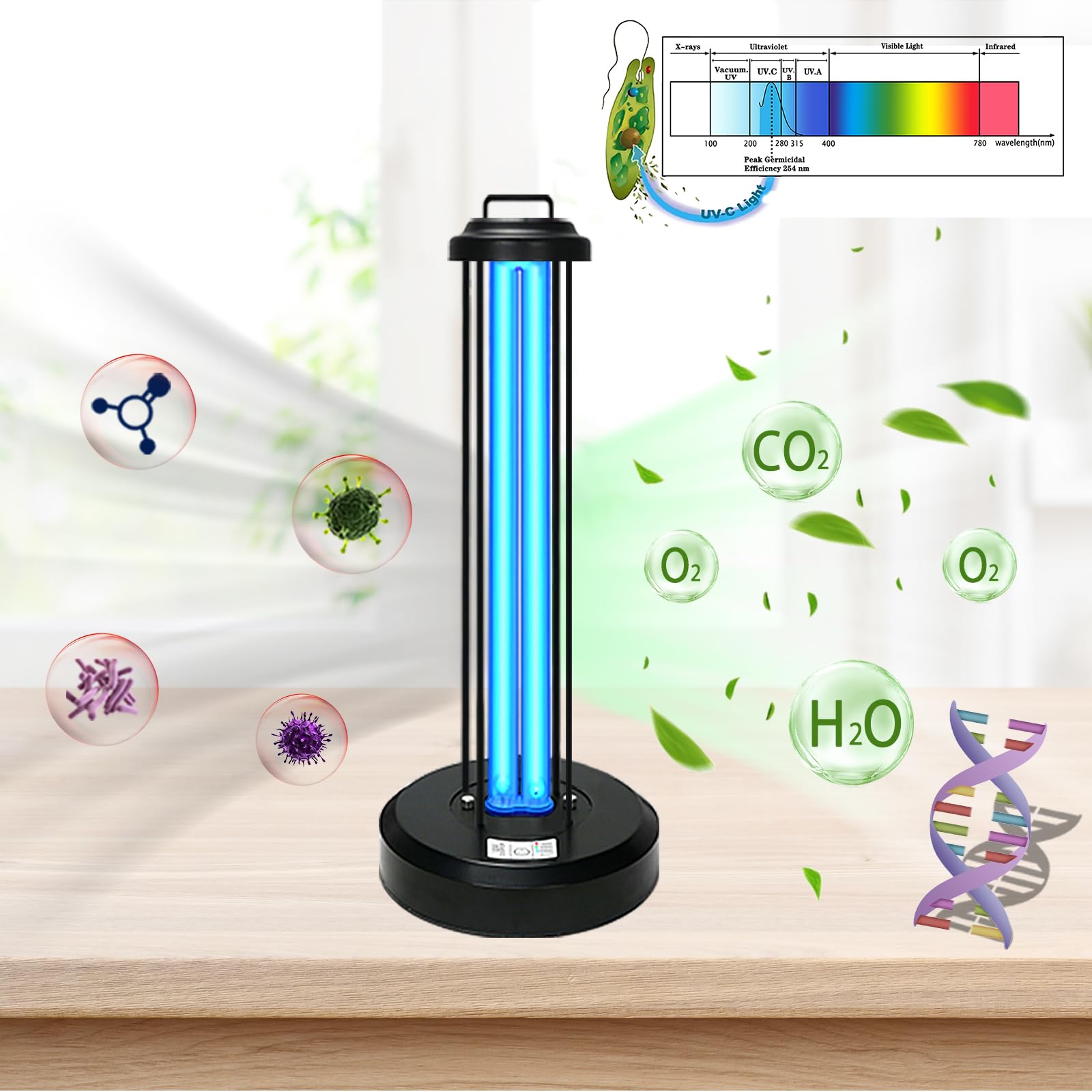
Ultraviolet light sits just beyond the visible spectrum, typically divided into:
-
UVA (315–400 nm)
-
UVB (280–315 nm)
-
UVC (100–280 nm)
In forensic applications, UVA is most commonly used due to its safety and fluorescence properties.
When UV light interacts with materials at a crime scene, several things can happen:
1. Fluorescence
Certain substances absorb UV energy and re-emit it as visible light, often in bright blue, green, or yellow hues.
2. Absorption contrast
Some materials absorb UV light more strongly than others, creating visible contrast differences.
3. Reflective differentiation
Different surfaces reflect UV light differently, revealing patterns invisible under normal lighting.
These optical interactions allow investigators to detect hidden traces of biological fluids, fibers, and chemical residues.
3. Blood Detection and Biological Evidence
One of the most important forensic applications of UV light is the detection of biological fluids.
Even when cleaned or diluted, traces of biological material can remain detectable under UV illumination.
3.1 Blood traces
Although blood does not always fluoresce strongly under UV light, it can:
-
Appear as darker absorption patterns
-
Reveal cleaning attempts
-
Highlight diluted or washed residues
To enhance detection, UV tools are often combined with chemical reagents such as luminol, but UV scanning is typically used first as a rapid screening method.
3.2 Semen and saliva detection
Biological fluids like semen and saliva often contain proteins that fluoresce under UV exposure.
This allows investigators to:
-
Identify sexual assault evidence
-
Map fluid distribution patterns
-
Locate cleaned or partially removed traces
UV detection is especially valuable in early-stage evidence collection before chemical confirmation tests are conducted.
3.3 Urine and sweat residues
Urine and sweat may also fluoresce or leave detectable residue patterns under UV light, particularly on fabrics or porous surfaces.
These patterns can provide insight into:
-
Victim or suspect movement
-
Environmental interactions
-
Timeline reconstruction
4. Trace Evidence: Fibers, Hair, and Micro-Particles
Crime scenes often contain trace evidence that is too small to detect under normal lighting conditions.
UV light helps reveal:
-
Textile fibers
-
Hair strands
-
Dust particle clusters
-
Paint fragments
Different materials fluoresce in distinct ways, allowing forensic experts to distinguish between:
-
Natural vs synthetic fibers
-
Different fabric sources
-
Environmental contamination vs relevant evidence
This is particularly useful in cases involving:
-
Assault
-
Burglary
-
Vehicular collisions
-
Cross-location transfers
5. Fingerprints and Latent Impression Detection
Latent fingerprints—those not visible without enhancement—are a major focus of forensic investigation.
UV light can assist in fingerprint detection by:
-
Highlighting residue differences
-
Enhancing contrast on reflective surfaces
-
Revealing sweat-based patterns
While UV light is not always sufficient alone for full fingerprint recovery, it is extremely useful for:
-
Locating fingerprint areas before chemical treatment
-
Preserving fragile impressions
-
Guiding further forensic processing
It acts as a pre-screening tool that reduces evidence loss.
6. Document Examination and Forgery Detection
UV light is widely used in questioned document analysis, including:
-
Detecting altered texts
-
Identifying erased writing
-
Revealing different ink compositions
-
Exposing hidden markings
Under UV light, inks behave differently depending on their chemical composition.
This allows forensic examiners to:
-
Detect document tampering
-
Identify forged signatures
-
Compare ink batches
-
Reveal overwritten text
Even small differences in ink formulation can produce distinct fluorescence patterns under UV exposure.
7. Currency and Security Document Verification
Many modern currencies and official documents include UV-reactive security features such as:
-
Hidden security threads
-
Fluorescent fibers
-
Invisible stamps or seals
-
UV-reactive ink patterns
UV inspection helps investigators and security personnel:
-
Verify authenticity
-
Detect counterfeit documents
-
Identify altered identification materials
This application extends beyond criminal investigation into banking, border security, and customs enforcement.
8. Crime Scene Reconstruction Using UV Mapping
One of the most powerful uses of UV light is in reconstructing crime scenes.
By scanning environments under UV illumination, investigators can:
-
Map movement patterns
-
Identify contact points
-
Trace cleanup attempts
-
Detect hidden or overlooked evidence
For example:
-
Drag marks may fluoresce differently than surrounding surfaces
-
Cleaning chemicals may leave UV-reactive residues
-
Footwear impressions may become visible under certain wavelengths
This allows investigators to reconstruct sequences of events with higher precision.
9. The Role of UV Photography in Evidence Preservation
Once UV-reactive evidence is identified, it must be documented.
UV photography allows forensic teams to:
-
Capture fluorescence patterns permanently
-
Preserve spatial relationships
-
Provide court-admissible visual evidence
-
Document transient or fragile traces
Specialized cameras and filters are used to isolate UV-induced fluorescence while blocking ambient light interference.
This ensures that evidence remains valid even after the physical scene changes.
10. Portable UV Tools in Field Investigations
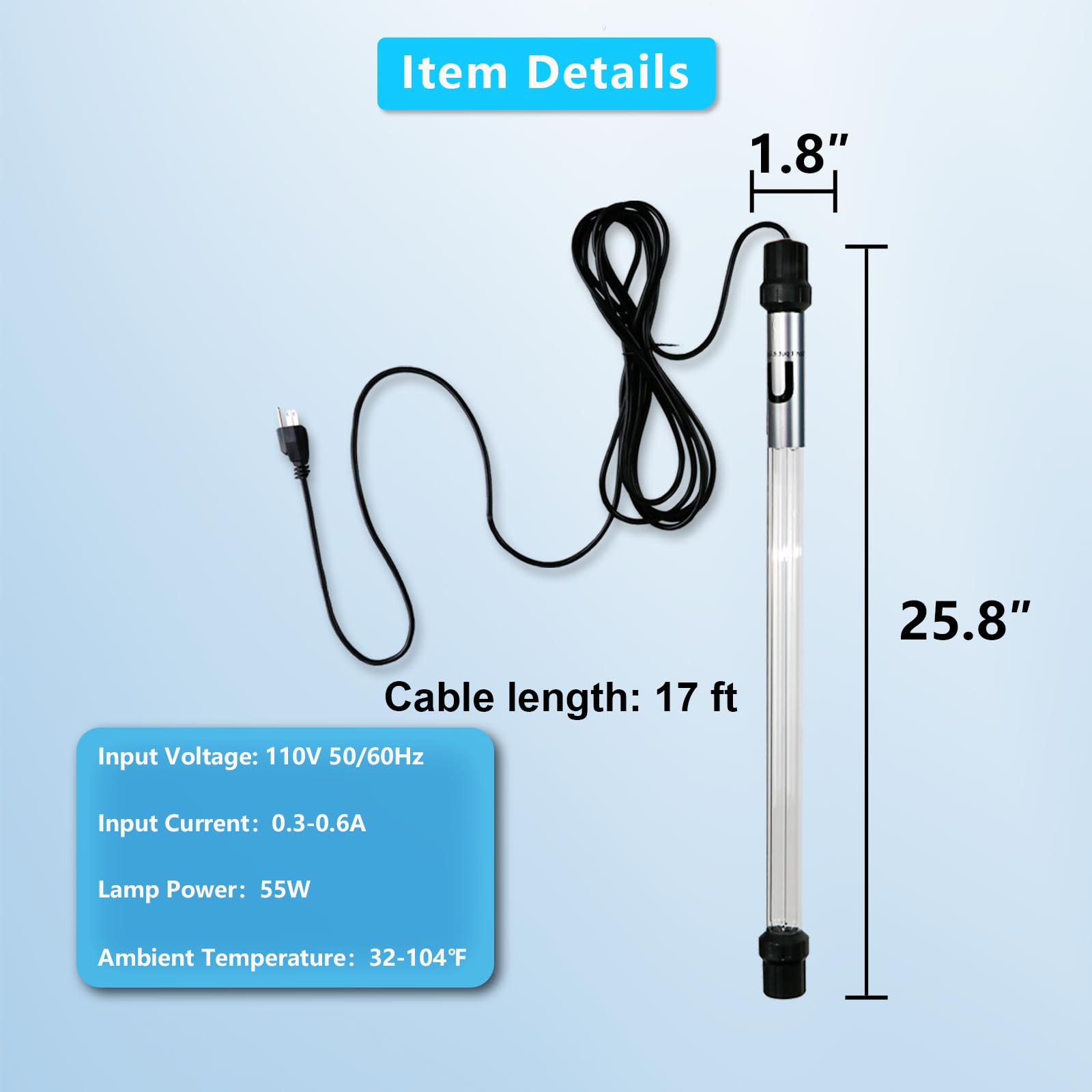
Modern forensic teams often use portable UV devices, including:
-
Handheld UV flashlights
-
Wearable UV inspection lamps
-
Adjustable wavelength forensic torches
These tools allow investigators to:
-
Conduct rapid on-site scanning
-
Operate in low-light environments
-
Quickly identify areas requiring deeper analysis
Portability is critical because crime scenes are often time-sensitive and dynamic.
11. Limitations of UV-Based Forensics
While powerful, UV light is not a standalone solution.
Limitations include:
1. False positives
Some non-evidence materials also fluoresce.
2. Environmental interference
Dust, cleaning agents, and lighting conditions can affect visibility.
3. Incomplete detection
Not all biological materials fluoresce consistently.
4. Need for confirmation testing
UV findings must be validated using chemical or laboratory methods.
Therefore, UV light is best viewed as a screening and guiding tool rather than a definitive test.
12. Safety Considerations in UV Forensic Work
UV light, particularly UVC, can be harmful to:
-
Eyes
-
Skin
-
Biological tissues
Forensic protocols require:
-
Protective eyewear
-
Controlled exposure durations
-
Proper equipment shielding
-
Training in safe handling procedures
Modern forensic UV tools are designed to minimize risk while maximizing detection capability.
13. Integration With Modern Forensic Technologies
UV light is increasingly integrated with:
-
Digital imaging systems
-
AI-assisted pattern recognition
-
3D crime scene reconstruction tools
-
Multispectral analysis platforms
This integration enhances accuracy by combining optical detection with computational analysis.
For example, AI systems can analyze UV fluorescence patterns to identify:
-
Likely biological material types
-
Movement trajectories
-
Probability-based evidence classification
14. Why UV Light Remains Indispensable in Modern Investigations
Despite advances in DNA sequencing and digital forensics, UV light remains essential because it provides:
-
Immediate results at the scene
-
Non-destructive evidence detection
-
Low-cost operational efficiency
-
Broad-spectrum applicability
It bridges the gap between visual inspection and laboratory analysis.
In many cases, UV light is the first step that determines what evidence is collected for deeper investigation.
15. The Future of UV Forensic Technology
The next generation of UV forensic tools is expected to include:
-
Tunable wavelength UV systems for selective detection
-
AI-enhanced fluorescence interpretation
-
Wearable forensic scanning devices
-
Drone-mounted UV surveillance for large scenes
-
Real-time spectral analysis integration
These advancements will make UV-based investigation faster, more precise, and more automated.
Final Thoughts: Seeing the Invisible
Criminal investigations often depend on what cannot be seen at first glance. UV light gives investigators the ability to reveal hidden traces, reconstruct events, and uncover truths that would otherwise remain buried in darkness.
It does not replace traditional forensic science—it enhances it.
As forensic technology continues to evolve, UV light will remain one of its most reliable and versatile tools, quietly illuminating the invisible details that help deliver justice.