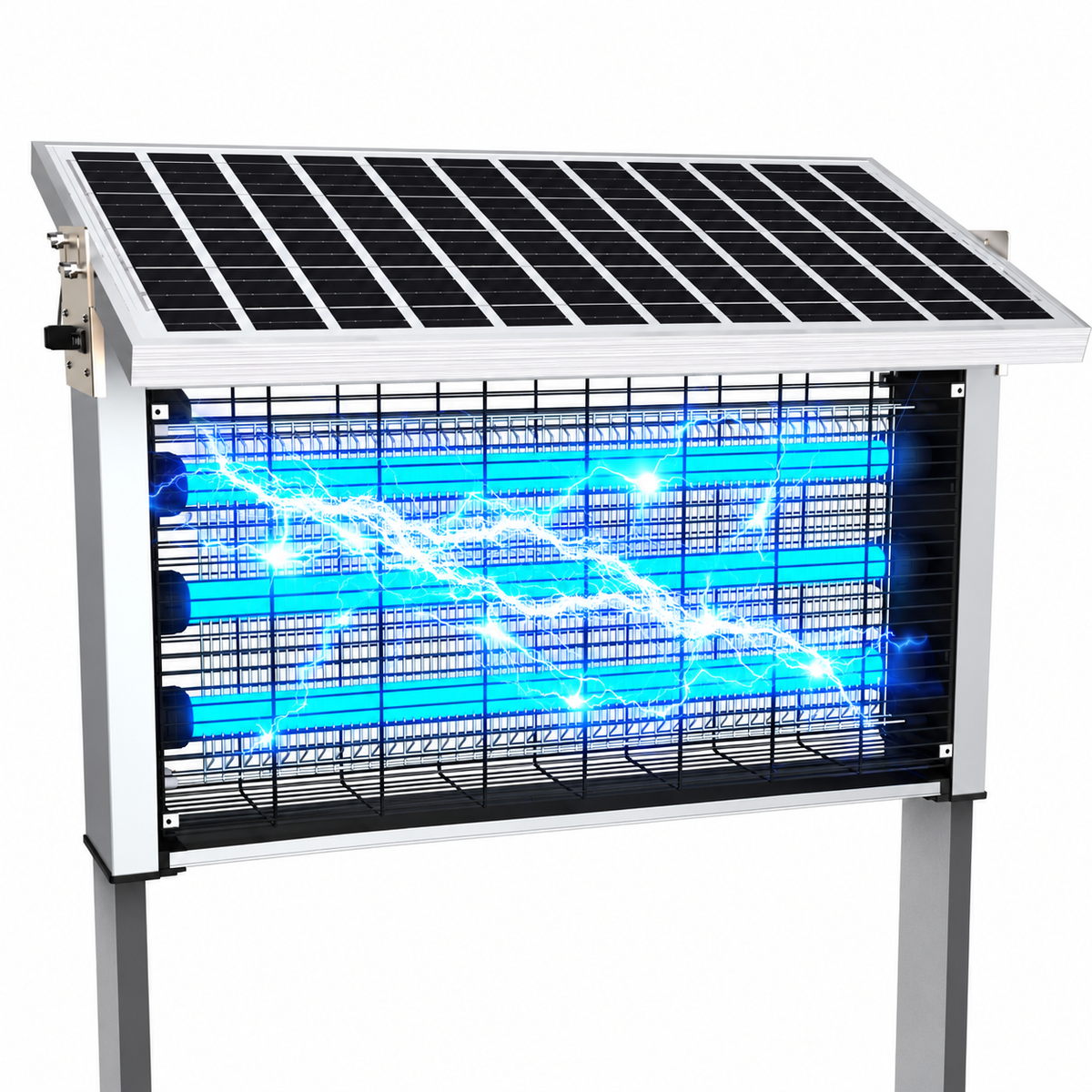

The Meaning Behind the “Zap” Sound
Before discussing failure, it’s important to understand what the zapping sound actually represents.
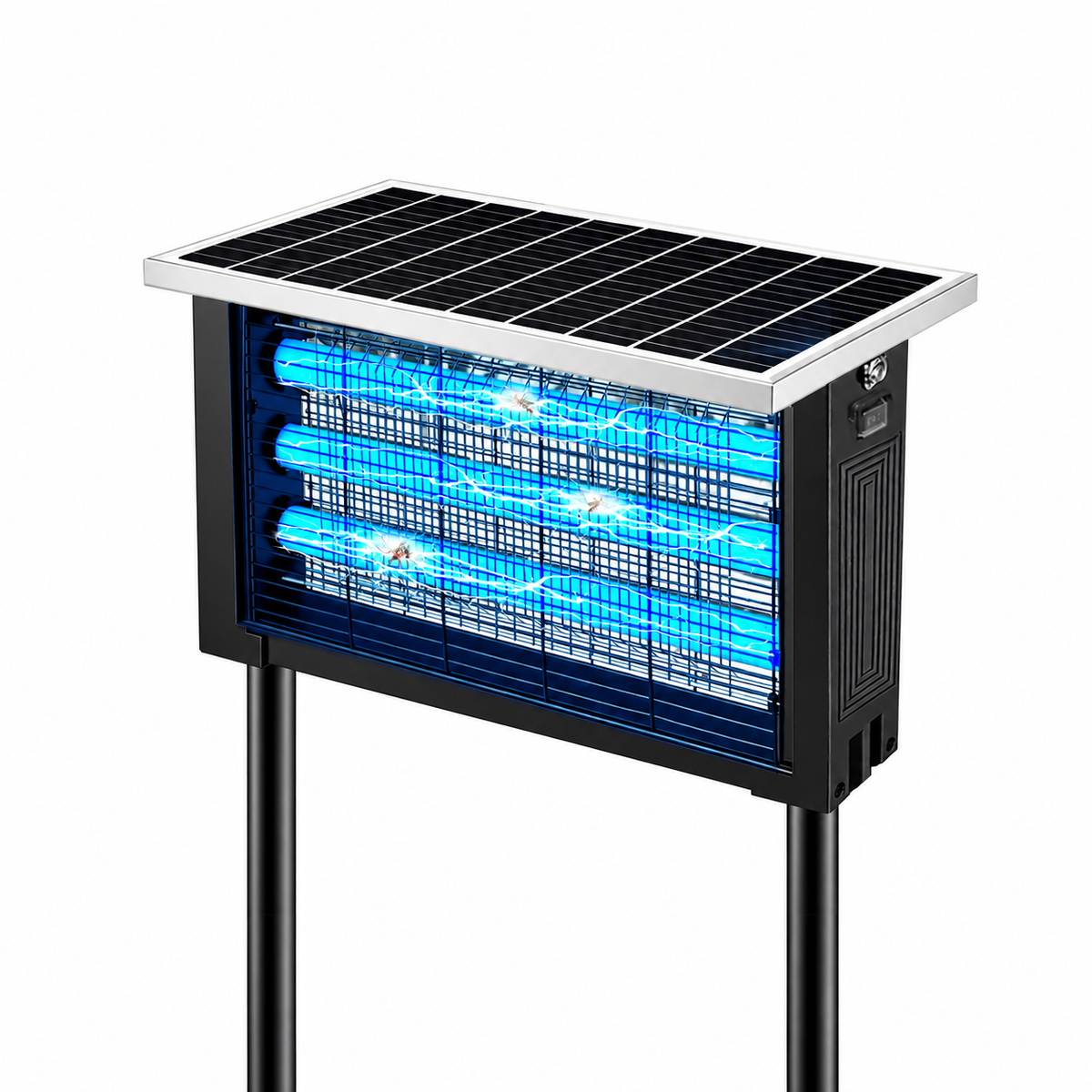
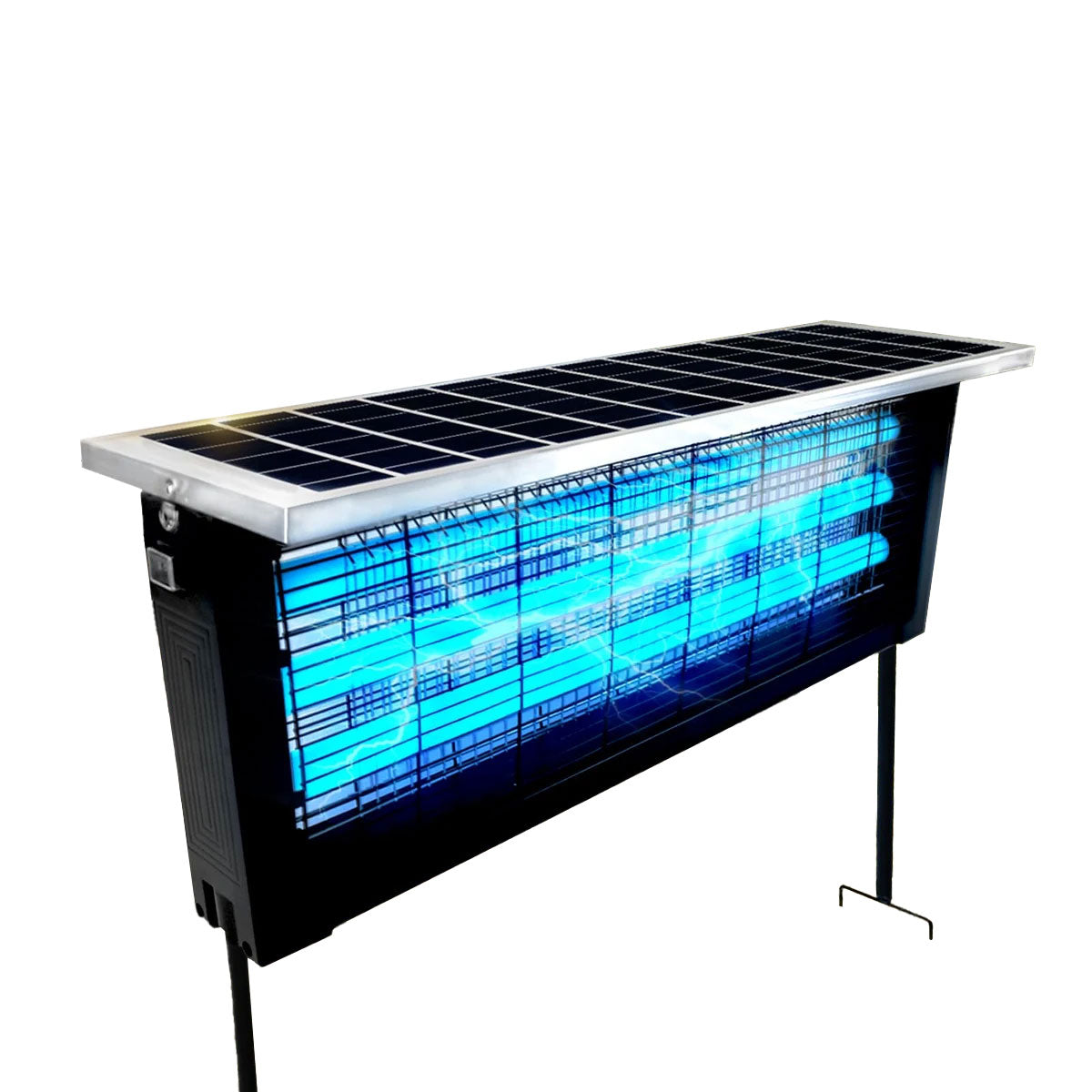
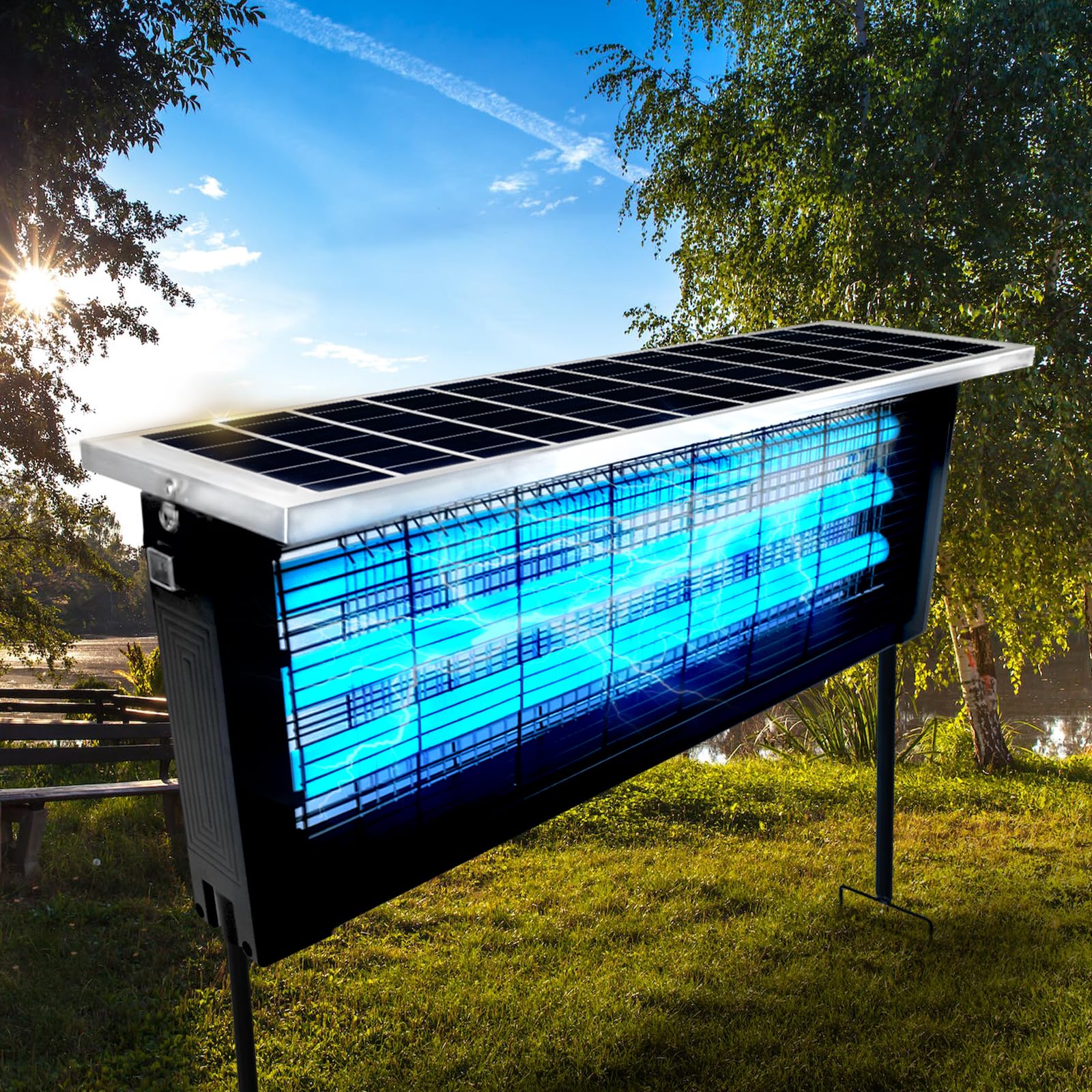
An electric mosquito killer operates by generating a high-voltage discharge across a metal grid. When an insect bridges two conductive wires, electricity rapidly flows through its body, instantly vaporizing internal moisture and interrupting its nervous system.
The sound you hear is produced by three simultaneous events:
- Rapid electrical discharge
- Instant heating and expansion of air
- Micro-arc plasma formation
A strong zap indicates:
- Sufficient voltage
- Fast energy release
- Stable electrical conversion
- Proper grid conductivity
When the sound weakens, it almost always means one of these factors has declined.
And in most cases, the root cause is not the grid — but the power conversion system behind it.
The Key Component: The High-Voltage Capacitor
Inside nearly every electric insect killer sits a critical element: the high-voltage capacitor.
This component stores electrical energy and releases it instantly when an insect contacts the grid.
Think of it as a miniature energy reservoir.
What the Capacitor Does
The capacitor performs three essential functions:
- Stores energy between discharges
- Stabilizes voltage output
- Enables rapid high-energy release
Without it, the device would only supply weak continuous current instead of powerful pulses.
The characteristic “zap” depends heavily on how quickly and efficiently the capacitor releases stored energy.
Why Capacitors Age Over Time
Capacitors are consumable electronic components. Even under normal operation, they slowly degrade due to physical and chemical changes.
Several factors accelerate aging:
1. Heat Exposure
Electric mosquito killers generate internal heat from:
- Transformers
- Rectifier circuits
- Continuous operation
- Environmental temperature
Heat gradually dries internal electrolyte materials, reducing capacitance.
2. Voltage Stress
Repeated charging and discharging cycles stress internal dielectric layers.
Each zap is essentially a microscopic wear event.
Thousands of discharges per night accumulate into measurable degradation.
3. Moisture and Humidity
Outdoor or semi-outdoor usage introduces moisture.
Humidity can cause:
- Internal corrosion
- Insulation breakdown
- Leakage current increases
4. Dust and Insect Residue
Organic debris trapped inside the device raises operating temperature and creates micro-contamination that affects nearby circuitry.
What Happens When the Capacitor Degrades
As the capacitor ages, several electrical changes occur simultaneously.
Reduced Energy Storage
Lower capacitance means less stored energy.
Result:
- Smaller electrical discharge
- Weaker sound
- Less effective insect elimination
Slower Charge Rate
An aged capacitor charges more slowly.
This leads to:
- Delayed zap response
- Multiple contacts needed before discharge
- Insects escaping
Voltage Instability
Output voltage fluctuates instead of remaining consistent.
Symptoms include:
- Inconsistent zap volume
- Random performance drops
- Occasional silent hits
Why the Device Still Powers On
One reason users misdiagnose the issue is that the device appears functional.
Lights turn on.
Fans operate normally.
Power indicators work.
This happens because low-voltage systems and high-voltage systems operate independently.
The lighting circuit may require only a fraction of the energy needed for effective electric discharge.
So visually, everything looks fine — even while killing performance declines dramatically.
Common Misdiagnoses
Many users assume other parts are responsible.
Let’s examine common misconceptions.
“The Grid Is Dirty”
A dirty grid can reduce efficiency, but it rarely weakens the zap sound significantly unless heavily coated.
Cleaning helps, but often doesn’t restore original power.
“The Bulb Is Failing”
Attraction lights influence insect capture rate, not discharge strength.
A dim bulb reduces attraction, not zap intensity.
“The Power Supply Is Weak”
Unless the device fails completely, power supplies are typically stable.
Capacitors fail gradually — which better matches real-world symptoms.
Signs Your Capacitor Is Aging
You may notice subtle changes weeks before major performance loss.
Typical warning signs include:
- Softer or duller zap sounds
- Longer insect contact before discharge
- Increased insect survival rate
- Intermittent zapping
- Reduced confidence in device effectiveness
These symptoms often appear slowly, making them easy to overlook.
Inside the Electrical Process: Step-by-Step
Understanding the discharge cycle clarifies why capacitor health matters so much.
- AC power enters the device.
- Voltage is stepped up using a transformer.
- Current is rectified into DC.
- The capacitor stores high-voltage energy.
- An insect bridges the grid.
- Stored energy releases instantly.
- Arc discharge produces the zap.
If step 4 weakens, step 6 becomes ineffective.
The entire experience changes.
How Manufacturers Balance Cost and Performance
Not all capacitors are equal.
Manufacturers choose components based on:
- Cost targets
- Expected lifespan
- Operating environment
- Product positioning
Higher-quality models typically include:
- Higher temperature ratings
- Better dielectric materials
- Greater voltage tolerance
- Longer cycle life
Budget devices may use components closer to minimum specifications, leading to faster aging.
Environmental Factors That Accelerate Aging
Even premium devices degrade faster under certain conditions.
Outdoor Exposure
Rain humidity and temperature swings stress insulation materials.
Continuous Operation
Running 24/7 increases charge cycles dramatically.
Poor Ventilation
Blocked airflow traps heat, accelerating chemical breakdown.
Power Fluctuations
Voltage spikes stress internal components repeatedly.
Can the Capacitor Be Replaced?
Technically, yes — but practicality depends on the device design.
Replacement requires:
- Electrical knowledge
- Proper safety precautions
- Correct voltage-rated components
- Safe discharge handling
High-voltage capacitors can retain dangerous charge even after unplugging.
For most consumers, replacement is not recommended unless performed by a qualified technician.
Maintenance Practices That Extend Lifespan
While aging cannot be stopped, it can be slowed.
Regular Cleaning
Remove insect debris weekly.
Benefits:
- Lower internal temperature
- Reduced electrical leakage
Proper Placement
Avoid areas with:
- Direct rain exposure
- High humidity
- Poor airflow
Scheduled Rest Periods
Turning the device off periodically reduces thermal stress.
Stable Power Sources
Using surge protection helps prevent electrical strain.
Why Sound Is a Reliable Performance Indicator
The human ear is surprisingly effective at detecting electrical performance changes.
The zap sound reflects:
- Voltage amplitude
- Energy density
- Discharge speed
A sharp crack indicates strong instantaneous energy release.
A weak tick suggests insufficient stored charge.
In many cases, sound changes appear before measurable failure.
Comparing New vs. Aged Performance
When new, devices typically show:
- Loud, sharp discharge
- Instant insect elimination
- Minimal repeated contact
After capacitor aging:
- Softer sound
- Delayed discharge
- Multiple zaps required
- Reduced effectiveness
Users often interpret this as declining insect populations rather than declining device performance.
Design Improvements in Modern Models
Recent engineering improvements aim to address capacitor aging.
Innovations include:
- Higher endurance film capacitors
- Improved heat dissipation structures
- Intelligent discharge control circuits
- Temperature-resistant materials
These changes extend usable lifespan significantly compared to earlier designs.
When Replacement Makes More Sense Than Repair
Consider replacing the device when:
- Zap sound remains weak after cleaning
- Performance drops noticeably
- Unit is several seasons old
- Repair cost approaches replacement cost
Electronic aging is cumulative; replacing a single component may not restore full efficiency if others have also degraded.
Safety Considerations
Never open an electric insect killer while plugged in.
Even unplugged units may contain stored high voltage.
Important precautions:
- Disconnect power completely
- Wait extended time before handling
- Avoid touching internal circuitry
- Use insulated tools only
Safety should always outweigh repair curiosity.
How to Choose Longer-Lasting Devices
When purchasing a new unit, look for indicators of stronger internal durability:
- Metal housing for heat dissipation
- Adequate ventilation design
- Stable power ratings
- Reputable manufacturing standards
- Clearly stated operating lifespan
These factors often correlate with higher-quality internal components.
The Psychology of the Zap Sound
Interestingly, the zap sound also influences user perception.
A strong sound provides:
- Immediate feedback
- Sense of effectiveness
- Psychological assurance
When the sound weakens, users feel the device is failing — often correctly — even before objective testing confirms it.
Your ears are detecting real electrical change.
Frequently Asked Questions
Does a weaker zap mean higher energy efficiency?
No. Reduced sound usually means reduced discharge energy, not improved efficiency.
Can cleaning restore the original sound?
Only if debris was causing electrical resistance. Aging components cannot be reversed through cleaning.
Is the problem dangerous?
Generally not, but degraded components may generate excess heat over time.
How long do capacitors typically last?
Depending on quality and usage:
- 1–3 years for heavy use
- 3–5 years for moderate indoor operation
The Hidden Lifecycle of Everyday Electronics
Electric insect killers illustrate a broader truth about electronics: performance decline is often gradual and invisible.
Unlike mechanical failure, electronic aging happens quietly.
Devices rarely stop suddenly — they slowly lose effectiveness.
Recognizing early signs allows smarter maintenance decisions and avoids unnecessary frustration.
Final Thoughts: Listening to Your Device
When the familiar electric zap begins to fade, it isn’t just a change in sound. It’s a signal from inside the circuitry — a reminder that one small but essential component has been working tirelessly through thousands of charge cycles.
The aging capacitor doesn’t fail dramatically. Instead, it gently reduces performance until the difference becomes noticeable.
Understanding this process transforms how we interpret device behavior.
Rather than guessing or replacing products prematurely, you can evaluate symptoms logically:
- Is the grid clean?
- Is attraction still working?
- Has the zap sound softened over time?
If the answer is yes, the most likely explanation lies deep inside the power system, where stored energy is no longer what it once was.
And sometimes, the quietest change — a softer zap — tells the most important story.
By recognizing the role of internal components and practicing proper maintenance, users can extend device life, maintain effectiveness, and make more informed purchasing decisions in the future.
The next time you hear that sound change, you’ll know exactly what your device is trying to tell you.