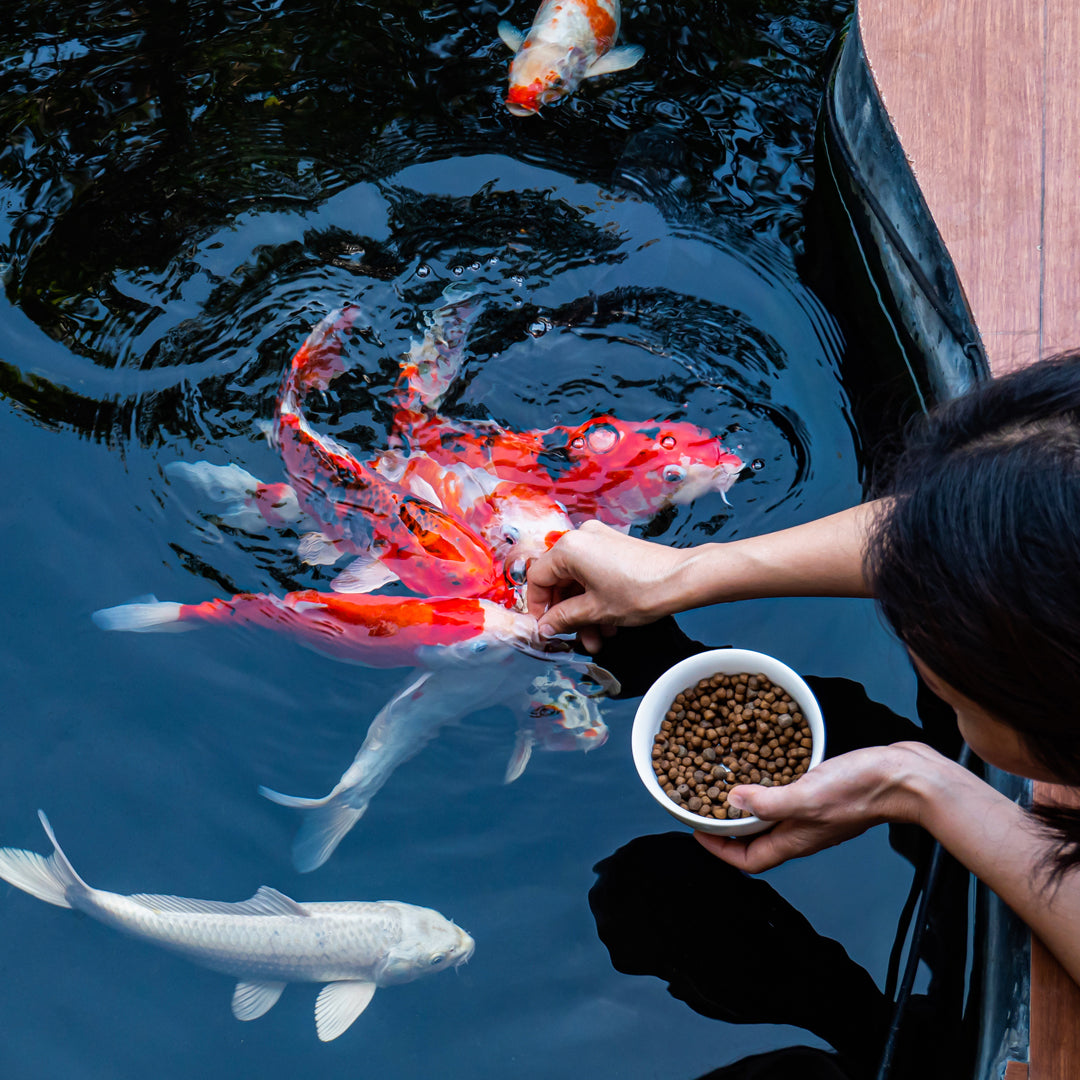
Keeping koi healthy and vibrant requires more than clean water and good filtration. Nutrition is just as crucial, but one of the most common mistakes koi owners make is feeding the same way year-round. Just like in nature, koi metabolism and behavior change with the seasons, and feeding strategies must change accordingly.
Spring and fall are particularly critical periods in a koi’s life. While both seasons may feature moderate water temperatures and increased activity compared to winter, their biological requirements are almost opposite. Understanding why feeding logic differs between these two transitional periods can help koi grow healthier, avoid digestive problems, and thrive in your pond.
This guide will explore the seasonal biology of koi, provide detailed feeding strategies for spring and fall, and explain common mistakes to avoid. By the end, you’ll understand exactly why a one-size-fits-all approach doesn’t work for koi nutrition.
Understanding Koi Seasonal Metabolism
Koi are cold-blooded creatures, which means their metabolism is directly influenced by water temperature. Unlike mammals, they cannot internally regulate their body temperature. This factor alone makes seasonal feeding essential.
Key points to consider:
- Water temperature directly affects digestion: Koi’s digestive system slows down when water is cold and speeds up when water warms.
- Activity levels fluctuate: They are more active in spring and summer, and less active in winter and late fall.
- Energy demands differ: Spring is a period of growth and energy recovery; fall is about energy conservation and preparation for winter.
- Immune system support: Seasonal transitions can stress koi, making nutrition a critical factor in preventing disease.
Because koi metabolism is temperature-dependent, feeding strategies must reflect these biological realities.
Spring Feeding: Supporting Growth and Rejuvenation
Spring marks the end of winter dormancy. After months of reduced activity and minimal feeding, koi need to gradually rebuild energy reserves, repair tissues, and prepare for the growth season.
Water Temperature and Digestive Activation
Koi typically begin feeding actively once water temperatures reach around 50–55°F (10–13°C). At this point:
- Their metabolism starts ramping up.
- Enzymatic activity in the gut increases, enabling efficient digestion.
- Overfeeding too early can lead to undigested food accumulating in the pond, causing ammonia spikes and poor water quality.
Gradual feeding is essential to avoid digestive shock.
Spring Feeding Objectives
Spring feeding should prioritize:
-
High-Quality Protein:
Koi use protein for tissue repair, muscle development, and scale regrowth after winter. Look for feed with 30–40% protein, derived from fish meal, shrimp meal, or other high-quality sources. -
Digestibility:
As their digestive system is still warming up, choose easily digestible feed with lower fat content. Hard-to-digest food can lead to constipation or swim bladder issues. -
Energy Balance:
Feed moderate amounts several times per day. Too many calories too soon can result in fat deposits rather than healthy growth. -
Gradual Reintroduction:
Start with small amounts of feed once or twice a day, then gradually increase frequency as water temperature rises above 60°F (15–16°C).
Signs of Effective Spring Feeding
- Active swimming and increased foraging behavior.
- Gradual body and scale coloration improvement.
- Regular stool formation without signs of constipation.
- Strong, visible interest in feed without aggressive overeating.
Fall Feeding: Preparing for Winter Survival
While spring is about growth, fall is about preparation. Koi naturally enter a phase of energy conservation as water temperatures drop. Feeding during fall requires an entirely different strategy to avoid digestive stress and ensure survival through winter.
Water Temperature and Metabolic Decline
Koi metabolism slows significantly as water temperatures fall below 65°F (18°C), and slows even further around 50°F (10°C):
- Their ability to digest high-protein or high-fat feed decreases.
- Feeding the same diet as in spring can cause undigested food to rot in the gut, leading to bacterial infections or ammonia spikes.
- Overfeeding in fall is one of the most common causes of koi health problems before winter.
Fall Feeding Objectives
-
Transition to Wheat Germ Feed:
Many koi owners switch to wheat germ or low-protein, easily digestible feed as temperatures drop. Wheat germ is slower to digest and gentle on the koi’s digestive system. -
Energy Storage Without Overfeeding:
Feed to maintain body condition, not to encourage growth. Healthy koi should have some fat reserves for winter, but excessive fat can compromise immune function. -
Reduced Frequency:
Feed smaller amounts less often—usually once per day or even every other day as water temperatures fall below 50°F (10°C). -
Monitoring Pond Conditions:
Cooler temperatures slow bacterial activity, meaning uneaten food decays more slowly. Remove excess feed promptly to prevent water quality issues.
Signs of Effective Fall Feeding
- Koi remain healthy and active but are less aggressive in feeding.
- Gradual buildup of fat reserves without excessive weight gain.
- Minimal leftover feed in the pond.
- Strong coloration and overall vitality, indicating nutritional needs are met.
Comparing Spring and Fall Feeding Logic
| Factor | Spring Feeding | Fall Feeding |
|---|---|---|
| Water temperature | 50–68°F (10–20°C) | 65–50°F (18–10°C) |
| Metabolism | Increasing | Decreasing |
| Primary goal | Growth, tissue repair, reproduction preparation | Energy conservation, winter survival |
| Feed type | High-protein, easily digestible | Low-protein, wheat germ or digestible feed |
| Feeding frequency | 2–4 times per day | Once per day or every other day |
| Portion size | Moderate | Small |
| Risk | Digestive overload if overfed | Winter starvation if underfed |
This table clearly illustrates that what works in spring can be detrimental in fall, and vice versa.
Common Mistakes in Seasonal Koi Feeding
Overfeeding in Spring
Many owners assume koi are starving after winter. In reality, overfeeding before metabolism fully ramps up can lead to:
- Digestive blockages
- Poor water quality
- Increased disease risk
Using the Wrong Feed in Fall
Continuing high-protein, growth-oriented feed as temperatures decline can overwhelm koi digestion, leading to:
- Constipation
- Bacterial infections
- Increased ammonia in the pond
Ignoring Water Temperature
Water temperature is the most critical factor in feeding decisions. Many problems stem from feeding without considering the pond’s current temperature.
Best Practices for Seasonal Koi Feeding
-
Monitor Water Temperature Daily:
Use a reliable thermometer to guide feed type and frequency. -
Observe Fish Behavior:
Active foraging indicates metabolism is rising; reduced interest may signal slowed digestion. -
Adjust Gradually:
Both spring and fall transitions should be gradual. Sudden dietary changes stress koi. -
Maintain Clean Water:
Seasonal changes affect bacterial activity and decomposition rates. Remove uneaten feed promptly. -
Use High-Quality, Species-Specific Feed:
Avoid generic fish feed that doesn’t meet koi-specific nutritional requirements. -
Consider Supplements When Necessary:
For spring growth or fall immune support, consider adding vitamins or probiotics recommended for koi.
Conclusion
Feeding koi is not a static routine—it’s a seasonal science. Spring is a time for careful reintroduction, tissue repair, and growth, while fall is a time for conservation, energy storage, and preparation for winter dormancy.
Understanding water temperature, metabolism, and seasonal biology is essential. High-protein feeds suit spring, while digestible wheat germ feeds support fall. Gradual transitions, monitoring fish behavior, and keeping the pond clean are critical for success.
By respecting seasonal differences, koi owners can maintain vibrant, healthy fish that thrive year-round. Following these guidelines ensures koi not only survive but flourish, revealing their brightest colors and healthiest forms in every season.