Few outdoor annoyances are as universally hated as mosquitoes. Whether you are hiking through humid forests, relaxing beside a lake, sleeping in a campsite, or simply sitting in your backyard at night, mosquitoes somehow seem capable of locating you with terrifying accuracy. Many people joke that mosquitoes “love” certain individuals more than others, but the reality is far more scientific and far more fascinating.
Mosquitoes are not randomly flying around until they accidentally bump into humans. They are highly specialized biological tracking machines equipped with advanced sensory systems that allow them to detect heat, carbon dioxide, body odor, moisture, movement, and even visual contrast. Over millions of years of evolution, mosquitoes have developed one of the most effective host-detection systems in the insect world.
Understanding how mosquitoes find humans is not only interesting from a scientific perspective. It also helps explain why some environments are mosquito hotspots, why some people get bitten more often than others, and why certain repellents and protective strategies work better than others.
This article explores the hardcore science behind mosquito host detection, with a deep focus on how mosquitoes use heat signatures and carbon dioxide to track humans over surprisingly long distances.
Why Mosquitoes Need to Find Humans
Before discussing the sensory biology of mosquitoes, it is important to understand why they bite humans in the first place.
Only Female Mosquitoes Bite
One of the most misunderstood facts about mosquitoes is that only female mosquitoes bite humans and animals.
Male mosquitoes survive primarily on:
-
Nectar
-
Plant sugars
-
Fruit juices
Female mosquitoes also consume plant sugars, but they require protein-rich blood meals to develop eggs.
Human blood provides:
-
Amino acids
-
Lipids
-
Iron
-
Protein
-
Nutrients necessary for egg production
Without blood, many mosquito species cannot reproduce successfully.
Mosquitoes Are Highly Specialized Hunters
Although mosquitoes appear fragile and simple, their biological systems are highly refined.
Mosquitoes evolved to efficiently:
-
Detect hosts
-
Navigate toward targets
-
Avoid threats
-
Feed rapidly
-
Escape before being killed
Their sensory systems are so effective that some species can detect human presence from more than 100 feet away under ideal conditions.
The Evolution of Mosquito Tracking Systems
Mosquitoes belong to one of the oldest insect groups on Earth.
Scientists estimate mosquitoes evolved more than 100 million years ago. During this time, natural selection favored individuals that could locate hosts more effectively.
Why Human Detection Became So Advanced
Finding blood hosts is difficult in nature.
Mosquitoes face multiple challenges:
-
Hosts move unpredictably
-
Wind disperses scent trails
-
Darkness limits vision
-
Hosts defend themselves
-
Environmental conditions constantly change
As a result, mosquitoes evolved a multi-sensory tracking system rather than relying on a single detection method.
This system combines:
-
Carbon dioxide detection
-
Heat sensing
-
Humidity sensing
-
Odor detection
-
Visual navigation
-
Airflow interpretation
These sensory inputs work together like a layered guidance system.
How Mosquitoes Detect Carbon Dioxide
Carbon dioxide is one of the most important long-range mosquito detection signals.
Why Carbon Dioxide Matters
Every time humans and animals breathe, they release carbon dioxide into the air.
Humans exhale approximately:
-
4% to 5% carbon dioxide per breath
-
Thousands of breaths per day
To mosquitoes, carbon dioxide acts like a biological beacon.
It tells them:
-
A living host is nearby
-
The host is breathing
-
Blood may be available
Mosquito Carbon Dioxide Sensors
Mosquitoes detect carbon dioxide using specialized sensory organs located on their antennae and maxillary palps.
These sensory structures contain neurons specifically tuned to detect tiny changes in carbon dioxide concentration.
The sensitivity is extraordinary.
Some mosquito species can detect carbon dioxide increases as small as:
-
0.01%
This allows mosquitoes to notice human breath even when mixed with surrounding air.
Long-Distance Tracking Using CO2
Carbon dioxide serves primarily as a long-range detection mechanism.
When mosquitoes detect elevated carbon dioxide levels, they become activated and begin searching more aggressively.
Research suggests mosquitoes can detect carbon dioxide from:
-
30 to over 100 feet away depending on wind conditions
Wind plays a major role because moving air carries carbon dioxide plumes through the environment.
Mosquitoes essentially follow these invisible chemical trails toward the source.
The Science of Carbon Dioxide Plumes
Human breath does not spread evenly through the air.
Instead, exhaled carbon dioxide forms complex moving plumes.
How Air Currents Shape Mosquito Tracking
Environmental airflow creates constantly shifting carbon dioxide patterns.
Mosquitoes respond by:
-
Flying upwind
-
Adjusting flight direction rapidly
-
Continuously sampling air chemistry
This behavior is known as plume tracking.
It is similar to how sharks follow scent trails underwater.
Turbulence and Mosquito Navigation
Carbon dioxide plumes are highly turbulent.
Mosquitoes do not experience a smooth signal.
Instead, they encounter:
-
Bursts of CO2
-
Signal gaps
-
Rapid concentration changes
-
Variable airflow patterns
Their nervous systems constantly process these fluctuations to estimate the direction of the host.
Why Windy Conditions Reduce Mosquito Bites
Strong wind disrupts mosquito navigation.
Wind affects mosquitoes by:
-
Breaking apart carbon dioxide plumes
-
Making flight physically difficult
-
Reducing scent stability
This explains why breezy beaches often have fewer mosquitoes than stagnant wetlands.
Heat Detection: The Mosquito Thermal Radar System
Once mosquitoes approach a potential host using carbon dioxide tracking, heat becomes critically important.
Why Heat Matters to Mosquitoes
Warm-blooded animals generate body heat.
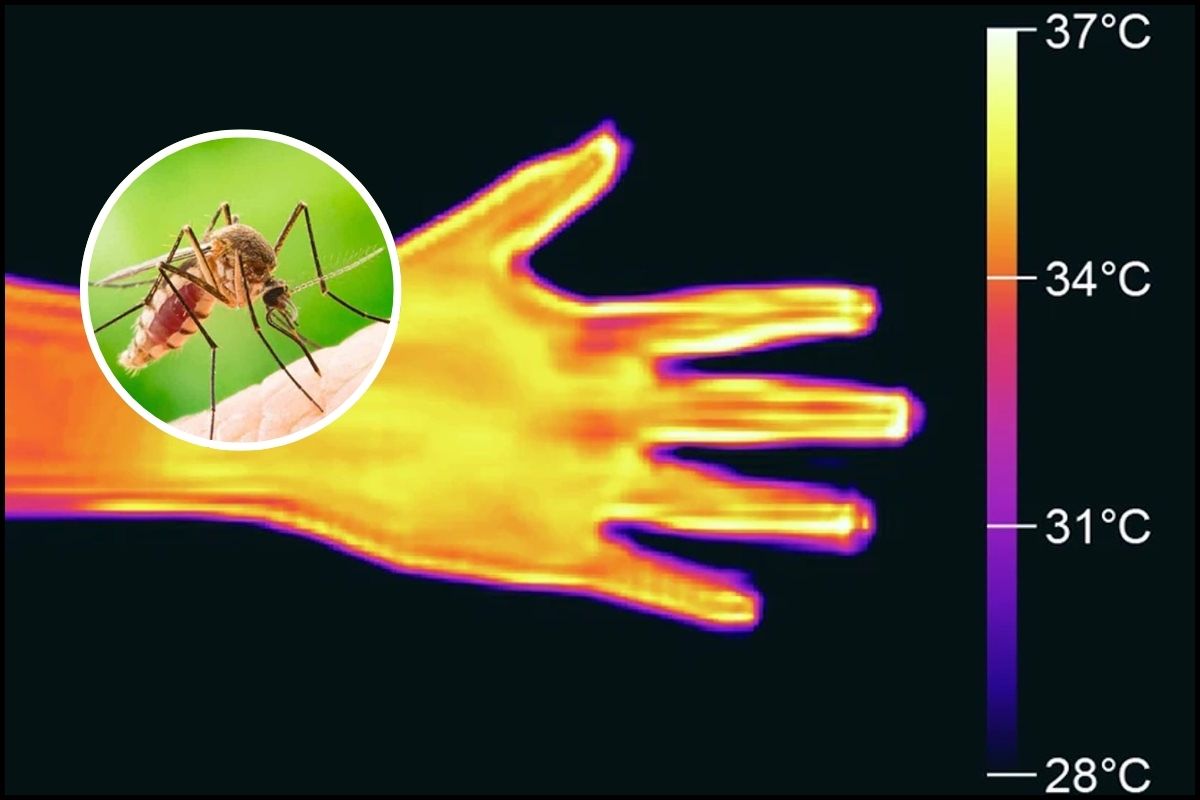
Humans maintain an average body temperature of approximately:
-
98.6°F (37°C)
Mosquitoes use thermal cues to:
-
Confirm host presence
-
Locate exposed skin
-
Identify ideal biting locations
-
Navigate in darkness
Mosquito Heat Sensors
Mosquitoes possess specialized thermoreceptors capable of detecting subtle temperature differences.
These receptors are located primarily on:
-
Antennae
-
Proboscis structures
-
Sensory appendages near the head
Mosquitoes can detect surprisingly small thermal contrasts.
Research shows some species respond to temperature differences of only a few degrees.
Heat Detection Range
Heat detection functions mainly at close range.
Carbon dioxide helps mosquitoes locate the general area, while heat guides final targeting.
Typical thermal tracking occurs within:
-
Several feet or less
At this stage, mosquitoes transition from broad searching behavior to precise landing behavior.
How Mosquitoes Combine Heat and CO2
Mosquito tracking works through sensory integration.
Mosquitoes do not rely on heat or carbon dioxide alone.
Instead, they combine multiple signals simultaneously.
The Multi-Step Host Detection Process
A mosquito searching for blood generally follows this sequence:
-
Detect elevated carbon dioxide
-
Become activated and fly upwind
-
Detect additional odors and humidity
-
Sense body heat at closer range
-
Use visual contrast to approach the target
-
Land on exposed skin
-
Probe for blood vessels
Each stage narrows the search area.
Why This System Is So Effective
Using multiple sensory inputs helps mosquitoes avoid mistakes.
For example:
-
Heat alone could come from rocks or pavement
-
Carbon dioxide alone could disperse unpredictably
-
Odors alone may be weak in windy conditions
Combining signals dramatically improves accuracy.
The Role of Human Skin Temperature
Not all parts of the human body emit equal heat.
Mosquitoes often target warmer skin regions.
Common Mosquito Bite Locations
Mosquitoes frequently bite:
-
Ankles
-
Feet
-
Wrists
-
Neck
-
Forehead
-
Elbows
These areas often produce:
-
Higher skin temperature
-
Stronger odor release
-
More exposed blood vessels
Why Feet Attract Mosquitoes
Feet are especially attractive because they:
-
Produce heat
-
Generate sweat
-
Release bacteria-related odors
-
Often remain uncovered
Research has shown foot odor bacteria may strongly influence mosquito attraction.
Human Body Odor and Mosquito Attraction
Carbon dioxide and heat are only part of the story.
Mosquitoes also analyze complex chemical signals emitted by human skin.
The Human Skin Microbiome
Human skin contains billions of bacteria.
These microbes break down sweat compounds and produce distinctive odors.
Mosquitoes respond to chemicals including:
-
Lactic acid
-
Ammonia
-
Carboxylic acids
-
Acetone
-
Fatty acid compounds
Each person produces a unique odor profile.
Why Some People Get Bitten More Often
Scientists believe mosquito preference may depend on:
-
Genetics
-
Skin bacteria composition
-
Body temperature
-
Carbon dioxide output
-
Sweat production
-
Pregnancy
-
Alcohol consumption
Some individuals naturally emit more mosquito-attracting compounds.
Exercise and Mosquito Attraction
Physical activity increases:
-
Carbon dioxide production
-
Body heat
-
Sweat output
-
Lactic acid release
This explains why hikers, runners, and athletes often attract mosquitoes rapidly.
Can Mosquitoes See You?
Mosquitoes also use visual information.
Mosquito Vision Basics
Mosquitoes possess compound eyes capable of detecting:
-
Motion
-
Contrast
-
Shapes
-
Light intensity
Their vision is not highly detailed, but it helps guide close-range navigation.
Why Dark Clothing Attracts Mosquitoes
Dark colors absorb more heat and create stronger visual contrast.
Mosquitoes are often more attracted to:
-
Black
-
Dark blue
-
Red
-
Deep gray
Light-colored clothing may reduce visibility and heat absorption.
Movement and Detection
Movement increases mosquito attraction because it:
-
Creates visual signals
-
Disturbs airflow
-
Enhances heat dispersion
-
Increases carbon dioxide output
Still targets are generally harder for mosquitoes to locate.
Humidity and Moisture Detection
Mosquitoes are highly sensitive to moisture.
Why Sweat Matters
Sweat contributes to mosquito attraction through:
-
Increased humidity
-
Chemical odor production
-
Skin temperature changes
Mosquitoes often prefer humid environments because they reduce dehydration risk.
Breath Moisture Signals
Human breath contains both:
-
Carbon dioxide
-
Water vapor
Together, these signals strongly indicate a living host.
Some researchers believe mosquitoes interpret warm humid breath as a powerful confirmation signal.
The Mosquito Brain: Tiny but Extremely Efficient
Mosquito brains are remarkably small, yet highly optimized.
Neural Efficiency in Mosquitoes
Despite their size, mosquito nervous systems process:
-
Air chemistry
-
Heat gradients
-
Visual information
-
Movement
-
Humidity changes
-
Wind direction
All in real time.
Specialized Neural Pathways
Research has identified neural circuits specifically dedicated to:
-
Carbon dioxide detection
-
Host-seeking behavior
-
Blood-feeding responses
When mosquitoes detect carbon dioxide, certain neural pathways become activated, switching the insect into hunting mode.
Why Mosquitoes Bite More at Night
Many mosquito species are most active during dawn and dusk.
Cooler Temperatures Improve Detection
At night:
-
Air becomes cooler
-
Wind may decrease
-
Heat signatures become more noticeable
-
Humidity often rises
These conditions improve mosquito sensory efficiency.
Reduced Sunlight Helps Survival
Mosquitoes are vulnerable to dehydration.
Nighttime conditions reduce:
-
Heat stress
-
Water loss
-
Predator exposure
This is why evening outdoor activities often produce heavy mosquito exposure.
How Mosquito Repellents Disrupt Tracking
Understanding mosquito biology helps explain how repellents work.
DEET and Sensory Confusion
DEET does not simply create a bad smell.
Research suggests DEET interferes with mosquito sensory processing.
Possible effects include:
-
Blocking odor receptors
-
Confusing chemical detection
-
Masking human scent signals
Mosquitoes may struggle to identify hosts correctly.
Picaridin and Modern Repellents
Picaridin appears to interfere with mosquito host recognition similarly.
Benefits include:
-
Lower odor
-
Reduced skin irritation
-
Strong mosquito protection
Why Repellents Must Be Reapplied
Repellent effectiveness declines because:
-
Sweat removes chemicals
-
Evaporation reduces concentration
-
Water exposure washes protection away
High humidity and intense activity accelerate repellent loss.
Why Mosquitoes Are So Difficult to Eliminate
Mosquitoes are among the most resilient insects on Earth.
Rapid Reproduction
Female mosquitoes can lay:
-
Hundreds of eggs at a time
Many species reproduce extremely quickly in warm wet environments.
Adaptability
Mosquitoes thrive in:
-
Forests
-
Cities
-
Swamps
-
Beaches
-
Urban drains
-
Small containers of water
Even bottle caps and clogged gutters can become breeding sites.
Evolutionary Pressure
Mosquitoes evolve rapidly.
Some populations have developed resistance to:
-
Insecticides
-
Environmental changes
-
Climate shifts
Their adaptability makes global control extremely difficult.
The Link Between Climate Change and Mosquito Behavior
Climate patterns strongly affect mosquito populations.
Warmer Temperatures Increase Activity
Rising temperatures may:
-
Extend mosquito seasons
-
Expand geographic range
-
Increase breeding rates
-
Accelerate virus development
Urban Heat Islands
Cities often create warmer microclimates.
Urban environments also provide:
-
Standing water
-
Human hosts
-
Shelter from wind
As a result, mosquitoes increasingly thrive in urban regions.
Scientific Research Into Mosquito Detection
Mosquito research has become a major global scientific field.
Thermal Imaging Studies
Scientists use thermal cameras to study how mosquitoes respond to heat.
Research shows mosquitoes preferentially target:
-
Warm skin patches
-
Areas with strong blood flow
-
High-emission thermal zones
Genetic Research
Researchers are studying mosquito genes related to:
-
Odor receptors
-
Heat sensing
-
Host preference
-
Disease transmission
This may eventually lead to advanced mosquito control technologies.
Artificial Intelligence and Mosquito Tracking
Modern laboratories increasingly use:
-
AI modeling
-
Motion tracking
-
Computer simulations
These tools help scientists understand mosquito flight patterns and sensory decisions.
Why Some Mosquitoes Prefer Humans
Not all mosquito species target humans equally.
Human-Specialized Mosquitoes
Certain mosquito species evolved specifically to feed on humans.
Examples include:
-
Aedes aegypti
-
Anopheles gambiae
These mosquitoes are extremely sensitive to human-related chemical cues.
Urban Adaptation
Some mosquito species now thrive almost entirely around humans.
Urban mosquitoes benefit from:
-
Reliable blood sources
-
Artificial water containers
-
Indoor shelter
-
Stable temperatures
Human civilization unintentionally created ideal mosquito habitats.
Future Technologies for Mosquito Control
Scientists continue developing advanced anti-mosquito technologies.
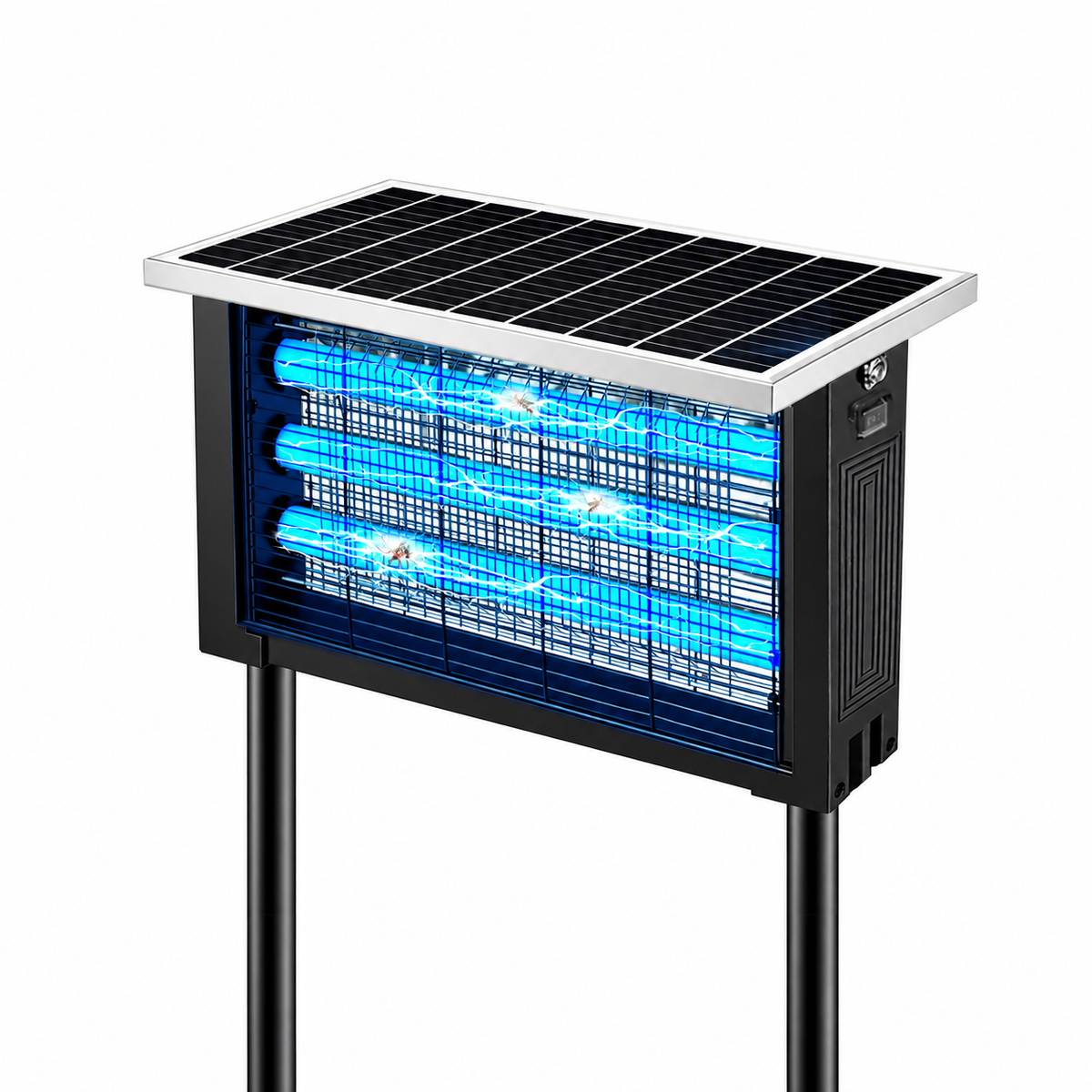
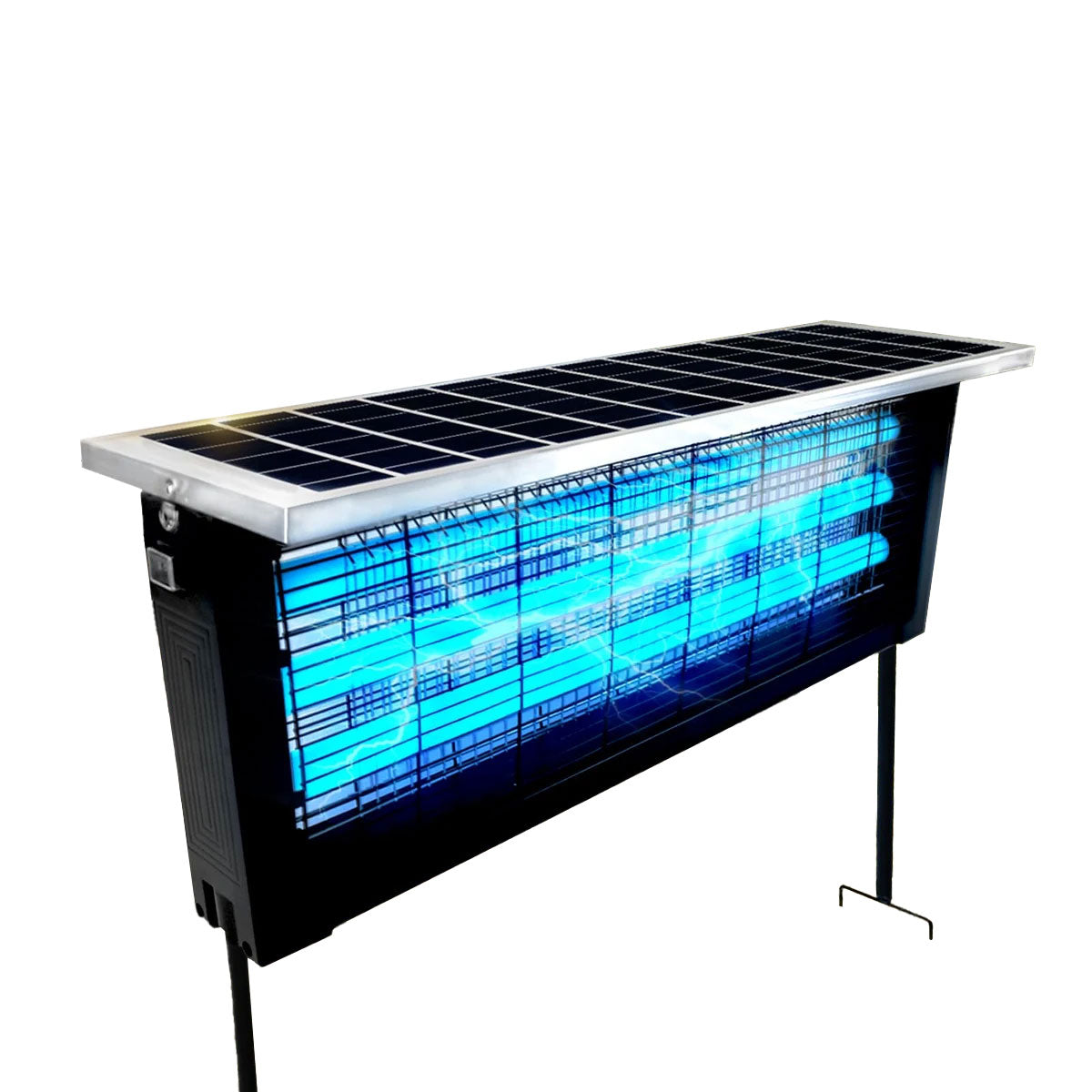
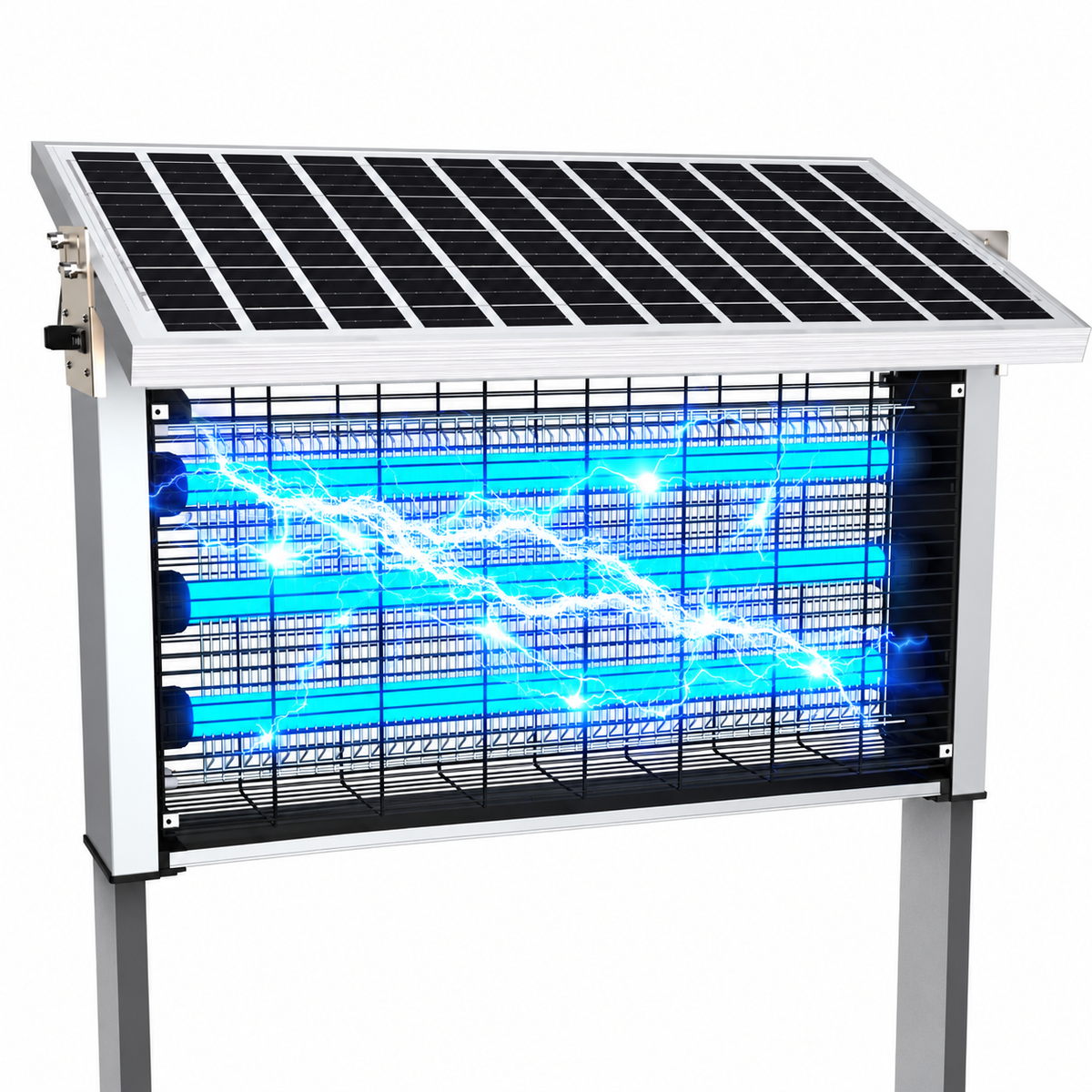
Carbon Dioxide Mosquito Traps
Many modern traps mimic human breathing by releasing:
-
Carbon dioxide
-
Heat
-
Artificial odors
These systems lure mosquitoes away from humans.
Genetic Engineering
Researchers are exploring:
-
Sterile mosquito programs
-
Gene editing
-
Population suppression
The goal is to reduce disease-carrying mosquito populations.
Smart Wearable Protection
Emerging technologies include:
-
Heat-masking fabrics
-
Ultrasonic devices
-
Controlled scent release systems
-
Sensor-based mosquito detection
Although some products remain experimental, wearable protection technology is advancing rapidly.
Practical Ways to Reduce Mosquito Attraction
Understanding mosquito tracking biology allows people to reduce risk.
Reduce Carbon Dioxide Concentration
While breathing cannot be avoided, certain actions help minimize attraction.
Strategies include:
-
Using fans outdoors
-
Avoiding overcrowded stagnant spaces
-
Increasing airflow around campsites
Moving air disperses carbon dioxide plumes.
Lower Heat Exposure
Reducing exposed warm skin can help.
Useful methods include:
-
Wearing lightweight long sleeves
-
Choosing breathable fabrics
-
Staying cool during peak mosquito hours
Minimize Sweat and Odors
Unscented hygiene products may reduce chemical attraction.
Showering after exercise can also reduce:
-
Sweat compounds
-
Bacterial odors
-
Lactic acid buildup
Eliminate Standing Water
Mosquito population control starts with breeding prevention.
Remove:
-
Buckets of water
-
Clogged gutters
-
Birdbath stagnation
-
Unused containers
Even small water sources can support mosquito larvae.
Final Thoughts
Mosquitoes are far more advanced than most people realize. Their ability to track humans through heat signatures, carbon dioxide detection, odor analysis, humidity sensing, and visual cues represents one of the most sophisticated biological hunting systems in the insect world.
Carbon dioxide acts as a long-range activation signal, helping mosquitoes identify nearby living hosts. Heat detection then guides close-range targeting, allowing mosquitoes to locate exposed skin with remarkable precision. Combined with odor sensing and visual navigation, these insects become highly efficient blood hunters.
Understanding the science behind mosquito behavior not only satisfies curiosity but also helps explain why certain environments, clothing choices, and human activities attract mosquitoes more strongly.
As scientific research advances, future mosquito control technologies may become far more precise and environmentally friendly. Until then, effective protection still relies on understanding how mosquitoes think, sense, and hunt.
The next time a mosquito finds you within seconds outdoors, remember: it was not luck. It was biology operating with extraordinary efficiency.