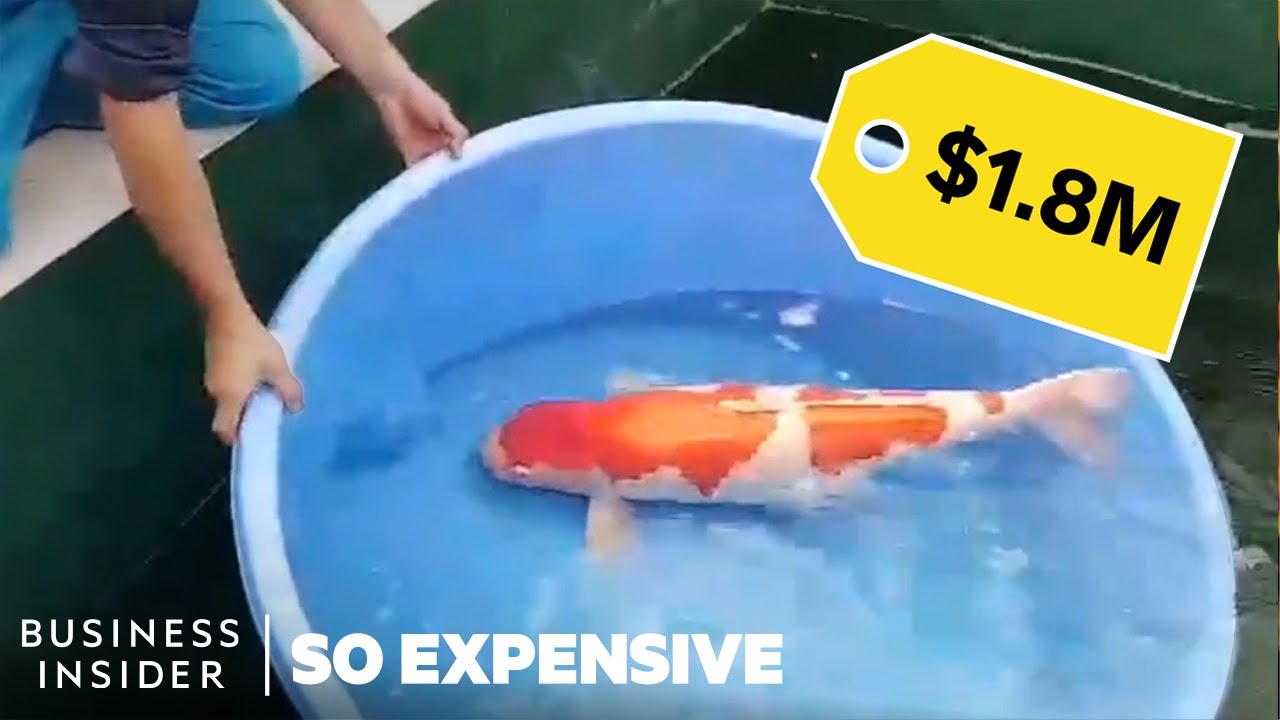
The world of koi may seem, at first glance, like a hobbyist’s playground. Colorful fish gliding gracefully through a backyard pond or koi pond display evoke serenity and beauty. For many, koi are simply pets—creatures to care for, admire, and enjoy. Yet, for an increasingly sophisticated segment of enthusiasts, koi have evolved into a luxury collectible market. Rare, high-quality koi command impressive prices, are traded in specialized auctions, and sometimes generate significant investment returns.
This transformation from pet to collectible is not accidental. Understanding the auction mechanics and investment logic behind high-end koi requires both an appreciation for the biology and aesthetics of these fish and a comprehension of market dynamics, provenance, and global trends. Whether you are an aspiring koi collector, a seasoned hobbyist, or simply intrigued by the intersection of luxury collectibles and animal investment, this guide delves deeply into the world of high-end koi auctions and their value potential.
The Rise of Koi as Collectibles
Historically, koi have been bred in Japan for centuries. Nishikigoi, the ornamental varieties most commonly associated with high-end koi, originated in the early 19th century in Niigata Prefecture. Initially, they were bred for beauty, color pattern, and lineage. Over time, the appeal of rare patterns and large specimens elevated certain koi beyond their status as mere pets.
In the 21st century, koi have emerged as collectible assets. Factors driving this trend include:
-
Globalization of luxury hobbies: Wealthy enthusiasts in Europe, North America, and Asia seek unique and prestigious collectibles, including high-end koi.
-
Increased visibility through media: Specialty koi publications, online forums, and social media showcase rare specimens and auction results.
-
Auction culture: Koi auctions, both in Japan and internationally, have professionalized the trade, creating transparent mechanisms for buying and selling.
-
Investment potential: Exceptional koi, particularly those with proven lineage, size, and perfect coloration, can appreciate over time, much like fine art or rare collectibles.
Understanding Koi Grading and Quality Factors
Before delving into auction mechanisms, it is essential to understand what drives a koi’s value. Professional breeders and collectors assess koi according to multiple criteria:
1. Pattern (Hi)
A koi’s pattern refers to the distribution and contrast of its coloration. High-end koi often feature:
-
Symmetry and balance along the body
-
Vibrant, even colors
-
Distinct, clean lines between colors
Examples include Kohaku (white body with red patterns), Sanke (white with red and black), and Showa (black with red and white). Even subtle irregularities in pattern can significantly impact auction pricing.
2. Color Quality
Color quality is assessed based on depth, clarity, and vibrancy:
-
White should be pure and lustrous
-
Red should be rich and uniform without fading
-
Black markings should be deep and solid
Collectors and judges often grade colors on a scale of intensity and consistency. Fading or dull colors lower market value.
3. Body Shape
A koi’s body shape is as important as its color. High-value koi exhibit:
-
Strong, elongated bodies
-
Balanced proportions
-
Smooth, muscular contours
A perfect body shape enhances both aesthetic appeal and longevity.
4. Size
Size is critical, especially in investment-grade koi. Larger koi often sell for higher prices, provided they maintain pattern integrity and color quality. Buyers consider both current size and projected growth.
5. Lineage and Breeder Reputation
Proven lineage increases value dramatically:
-
Koi descended from award-winning parents or famous bloodlines can command premium prices.
-
Certain breeders are recognized globally for producing consistently high-quality koi.
-
Provenance ensures authenticity, particularly in auction contexts.
Koi Auction Mechanics
High-end koi auctions are highly specialized events, often conducted both in-person and online. Understanding the auction mechanics is crucial for buyers and investors.
Types of Auctions
1. Live Auctions
Traditional live auctions occur at breeding farms or specialized auction houses in Japan and other regions:
-
Buyers view koi directly
-
Auctioneers provide commentary on lineage, size, and features
-
Bidding often starts at a reserve price to protect breeders’ interests
Live auctions provide immediate feedback on demand and market sentiment.
2. Online Auctions
Modern technology allows international buyers to participate remotely:
-
High-resolution photos and video streams
-
Detailed grading reports
-
Transparent bidding processes
-
Integration with live auction platforms
Online auctions expand market access while maintaining competitive dynamics.
3. Private Auctions
Certain rare specimens are sold through private negotiations:
-
Limited to verified buyers
-
Often used for exceptionally high-value koi
-
Negotiations may include breeding rights or exclusive contracts
Private auctions add an element of exclusivity to the market.
Auction Dynamics: How Prices Are Determined
Pricing at koi auctions reflects both intrinsic quality and market behavior:
-
Reserve Price: Sellers set a minimum acceptable price
-
Starting Bid: Often set near the reserve to encourage active bidding
-
Bidding Competition: Prices escalate as collectors compete
-
Market Sentiment: Seasonal demand and trends affect bidding behavior
-
Scarcity and Uniqueness: Rare patterns, large specimens, or award-winning lineage can dramatically increase final prices
Notably, emotional appeal and collector rivalry often play a role, making the process resemble fine art auctions.
Investment Logic Behind High-End Koi
While koi are living creatures, investors view top-tier specimens similarly to other luxury collectibles. Key considerations include:
1. Appreciation Potential
High-quality koi often increase in value over time:
-
Young koi (1–2 years old) may be purchased at lower prices
-
As the koi matures, size, pattern refinement, and market recognition improve
-
Limited supply amplifies appreciation potential
Investors analyze growth curves and historical auction prices to project returns.
2. Rarity and Scarcity
Limited availability drives prices upward:
-
Certain bloodlines produce few offspring each year
-
Exceptional pattern variations may occur only once in a generation
-
Collectors are willing to pay premiums for unique specimens
3. Market Liquidity
Top-tier koi often have strong demand in international markets:
-
Japanese auctions attract global buyers
-
Specialty dealers maintain networks for reselling high-value specimens
-
Auction results are publicly documented, providing historical reference
Liquidity considerations influence both purchase strategy and price expectations.
4. Diversification Within Collectibles
Investors increasingly treat koi as part of a diversified collectible portfolio:
-
Koi complement art, vintage cars, and rare wines
-
Non-correlated returns may enhance portfolio stability
-
Emotional satisfaction and personal enjoyment remain secondary benefits
5. Breeding Rights and Legacy
Some investors leverage breeding potential:
-
Owning prize-winning koi allows selling offspring at premium prices
-
Bloodline propagation creates long-term income streams
-
Breeding rights add a layer of investment beyond immediate resale
Risks and Considerations
Investing in koi carries unique risks:
-
Health Risks: Diseases, water quality issues, and stress can affect survival
-
Market Volatility: Trends may shift, affecting demand and pricing
-
Care Requirements: High-end koi require skilled maintenance, appropriate ponds, and expert feeding
-
Liquidity Constraints: Extremely rare koi may take time to find buyers
-
Ethical Considerations: Animal welfare should always guide investment decisions
Successful investors mitigate these risks through expert consultation, careful auction selection, and continuous education.
Best Practices for Participating in Koi Auctions
-
Research Breeders and Bloodlines: Know the reputation of sellers and lineage of koi.
-
Understand Grading Criteria: Familiarize yourself with pattern, color, size, and body shape evaluation.
-
Set a Budget: Determine maximum bids to avoid emotional overspending.
-
Monitor Market Trends: Follow recent auction results to gauge demand.
-
Inspect Specimens: When possible, view koi in person or via high-quality video before bidding.
-
Consult Experts: Experienced collectors can provide insights on rarity, growth potential, and care.
-
Consider Long-Term Care: Prepare ponds, water systems, and nutrition for high-value koi.
-
Document Provenance: Certificates and breeder records protect investment authenticity.
Case Studies: High-End Koi Auction Highlights
Case 1: Kohaku Classic
-
Purchased at age 2: ¥1.2 million (~$9,000)
-
Sold at age 4 after size and pattern matured: ¥8 million (~$60,000)
-
Annual growth and aesthetic improvement drove over 6x return
Case 2: Rare Sanke
-
Initial bid: ¥3 million (~$22,000)
-
Unique pattern recognized at international competition
-
Sold at subsequent auction: ¥12 million (~$88,000)
-
Demonstrates impact of rarity and competition on valuation
The Role of Globalization in Koi Collecting
High-end koi auctions have become global events:
-
Buyers participate from Europe, North America, Southeast Asia, and the Middle East
-
International shipping logistics, quarantine regulations, and water quality management are critical
-
The rise of online auctions allows wider market access while maintaining exclusivity
Global trends amplify competition, driving prices higher for top specimens.
Future Outlook for Koi as Collectibles
The high-end koi market shows signs of maturation:
-
More structured grading systems
-
Greater international transparency in auctions
-
Integration of technology for health monitoring and provenance verification
-
Growing recognition of koi as both aesthetic and investment assets
While the market will never be as liquid as equities, well-informed investors can achieve both financial and personal satisfaction.
Final Thoughts
High-end koi are no longer simply pets. For collectors and investors, they represent a unique intersection of art, nature, and financial opportunity. Understanding the auction mechanics, grading criteria, and investment logic is essential for navigating this complex market.
Whether you participate in live Japanese auctions, online international bidding, or private sales, success depends on knowledge, patience, and attention to detail. Exceptional koi appreciate in value over time, particularly those with rare patterns, proven lineage, and award-winning attributes. Collectors who combine aesthetic judgment with market insight often enjoy both financial returns and the intrinsic beauty of these living masterpieces.
Investing in koi is a long-term endeavor, blending passion with strategy. Those willing to educate themselves and respect the delicate balance of care and market timing are best positioned to turn these exquisite creatures into prized collectibles with meaningful value.
This guide provides a foundational understanding of high-end koi auctions and investment dynamics, empowering collectors to make informed, confident decisions as they explore this fascinating and luxurious segment of the aquatic world.