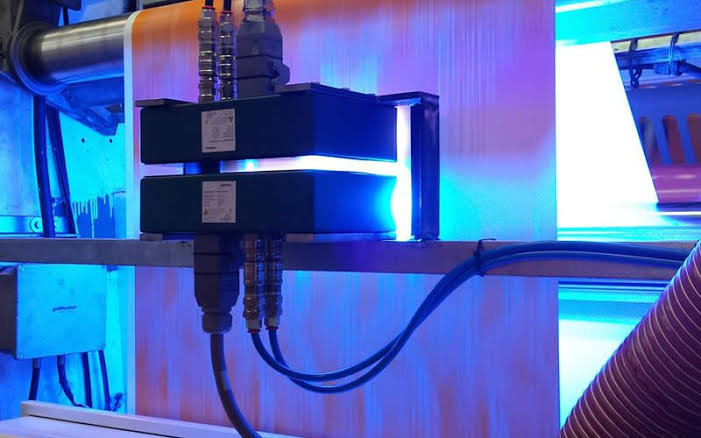
Introduction: Why Sustainable Production Has Become a New Industrial Standard
Manufacturing industries are entering a new era where productivity is no longer the only measurement of success.
For decades, factories focused primarily on:
- Production speed
- Output capacity
- Cost reduction
- Product quality
However, modern manufacturing faces a new challenge: achieving efficiency while reducing environmental impact.
Governments, customers, and supply chains are increasingly demanding cleaner production methods. Factories are now expected to control emissions, reduce energy consumption, minimize hazardous materials, and demonstrate responsible environmental practices.
For many manufacturers, obtaining environmental approvals and maintaining compliance has become an important part of long-term business development.
Traditional industrial processes often create environmental challenges, especially in areas such as:
- Coating
- Printing
- Adhesive bonding
- Surface treatment
- Electronics manufacturing
- Packaging production
Many conventional curing methods rely on high-temperature drying systems or mercury-based UV lamps, which may increase energy consumption and create additional environmental management requirements.
This is where LED-UV curing technology is changing the future of manufacturing.
By combining energy efficiency, cleaner operation, and precise curing performance, LED-UV technology provides factories with a practical pathway toward greener production.
Modern manufacturers are discovering that environmental responsibility and production efficiency do not have to compete.
With the right technology, factories can achieve:
- Lower energy usage
- Reduced emissions
- Improved workplace safety
- Easier environmental management
- Higher production efficiency
This article explores how LED-UV curing technology supports factories in meeting environmental approval expectations and becoming part of the green manufacturing movement.
Understanding LED-UV Curing Technology
Before discussing environmental advantages, it is important to understand what LED-UV curing technology actually does.
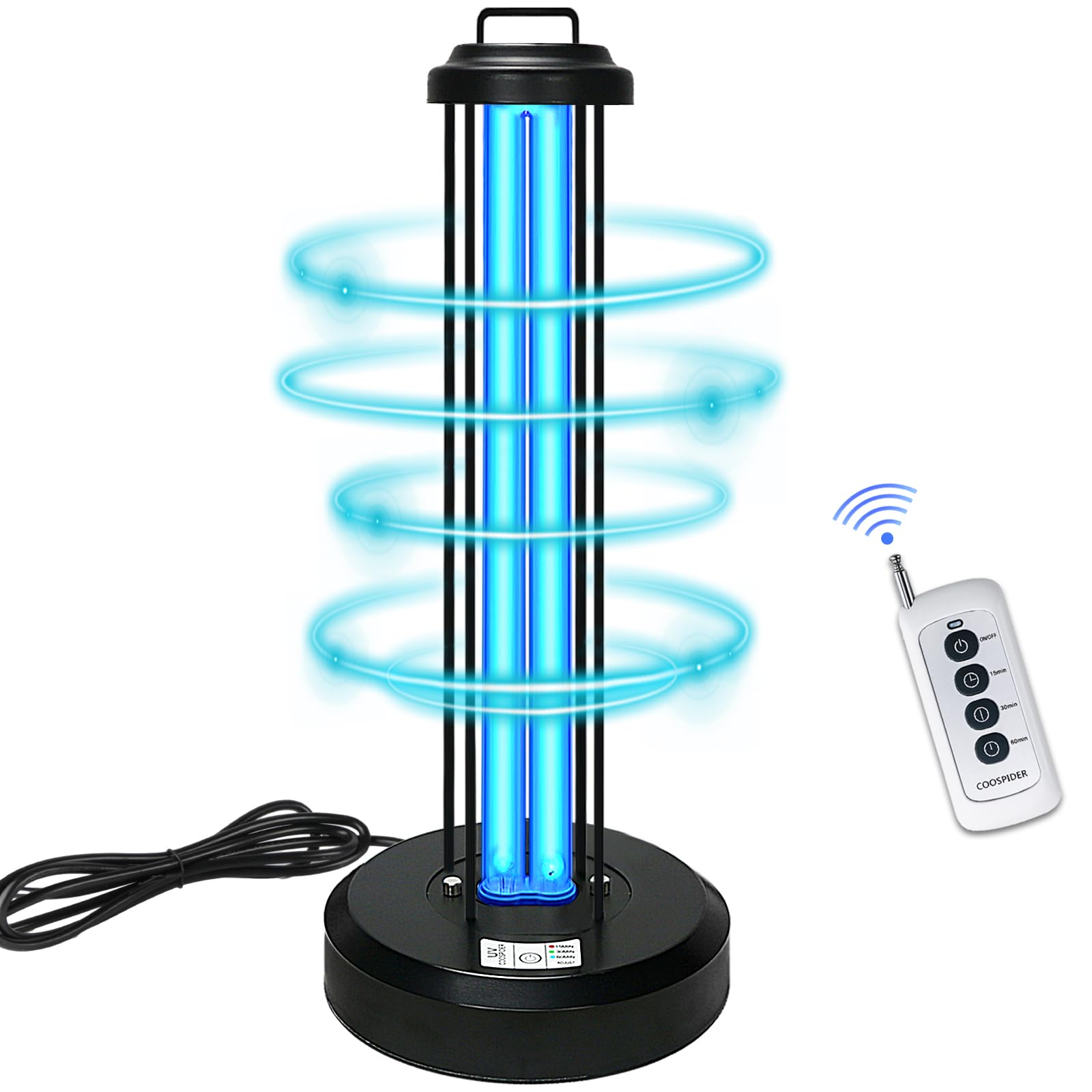
LED-UV curing is an advanced process that uses ultraviolet light emitted by LED sources to instantly cure special materials such as:
- UV coatings
- UV inks
- Adhesives
- Protective films
- Industrial finishes
During the curing process, UV-sensitive materials undergo a photochemical reaction.
Instead of relying on traditional heat evaporation, LED-UV systems use controlled UV energy to transform liquid materials into solid structures.
This process is widely used in industries including:
- Electronics
- Automotive components
- Printing
- Furniture manufacturing
- Packaging
- Medical devices
- Optical products
Industrial UV LED systems commonly operate within specific wavelength ranges, often selected according to the chemistry of the coating, ink, or adhesive being cured.
The result is faster curing, improved process control, and a cleaner manufacturing environment.
Why Environmental Approval Has Become More Challenging for Factories
Environmental approval requirements vary by region, but many modern regulations focus on similar goals:
- Reducing pollution sources
- Improving energy efficiency
- Controlling hazardous substances
- Protecting worker safety
- Reducing industrial waste
Factories using older technologies may face several challenges.
1. High Energy Consumption
Traditional drying processes often require continuous heating.
Examples include:
- Thermal ovens
- Infrared drying systems
- High-temperature chambers
These systems consume significant amounts of electricity or fuel because they must heat large spaces and maintain operating temperatures.
For factories running multiple production lines, energy usage can become a major environmental and financial concern.
LED-UV curing works differently.
Instead of heating an entire area, LED systems deliver targeted UV energy directly to the curing material.
This reduces unnecessary energy loss.
Research and industrial reports have highlighted the energy efficiency advantages of UV LED curing compared with conventional UV lamps and other drying methods.
2. Concerns About VOC Emissions
Volatile organic compounds (VOCs) are a major concern in many industrial coating and printing processes.
Traditional solvent-based systems may release VOCs during evaporation.
Factories may need additional equipment such as:
- Exhaust systems
- Air treatment units
- Emission monitoring systems
These solutions increase both investment and operating costs.
LED-UV curing technology supports the use of UV-curable materials that can reduce dependence on solvent evaporation processes.
Instead of waiting for solvents to disappear through drying, UV energy directly triggers curing reactions.
This helps manufacturers create cleaner production environments.
3. Hazardous Material Management
Environmental reviews often consider the handling and disposal of hazardous materials.
Traditional UV curing systems commonly use mercury lamps.
Mercury creates additional management concerns because:
- It is a regulated hazardous substance
- Lamp disposal requires attention
- Breakage risks require special handling
LED-UV curing systems eliminate mercury from the light source itself.
Some industrial LED curing suppliers emphasize mercury-free operation and reduced environmental impact as key sustainability advantages.
4. Workplace Safety Requirements
Environmental approvals increasingly connect with workplace safety.
Factories must consider:
- Employee exposure risks
- Equipment safety
- Air quality
- Heat management
Traditional curing systems may generate:
- High temperatures
- Excess heat
- Ozone concerns
- Additional ventilation requirements
LED-UV systems generally produce lower heat output compared with traditional UV lamp systems and can reduce some workplace management challenges.
How LED-UV Curing Helps Factories Pass Environmental Reviews
Adopting LED-UV curing technology is not simply about purchasing new equipment.
It represents a change in the entire production approach.
Factories can demonstrate improvements in several important environmental areas.
Advantage 1: Reducing Industrial Energy Consumption
Energy efficiency is one of the strongest arguments for adopting LED-UV technology.
Traditional curing methods often waste energy because they heat surrounding air and equipment.
For example:
A thermal drying oven must maintain a high temperature even when production conditions change.
An LED-UV system delivers energy only when curing is required.
Benefits include:
- Instant startup
- Instant shutdown
- Reduced standby energy loss
- Lower heat generation
This makes production lines more efficient.
Instant On/Off Capability Improves Efficiency
One major difference between LED-UV systems and traditional lamps is operational control.
Traditional systems often require warm-up time.
LED systems can activate quickly.
This provides advantages during:
- Production pauses
- Short manufacturing runs
- Equipment adjustments
Factories can avoid unnecessary energy consumption during idle periods.
Advantage 2: Supporting Cleaner Production Processes
Green manufacturing is not only about reducing emissions.
It is also about creating cleaner production methods.
LED-UV curing helps factories move toward cleaner processes by reducing dependence on:
- Solvent evaporation
- Long drying cycles
- High-temperature treatment
This creates several benefits:
- Cleaner workshops
- Easier environmental monitoring
- Improved production conditions
Advantage 3: Reducing Carbon Footprint
Energy consumption directly affects carbon emissions.
When factories reduce electricity usage, they can potentially reduce their overall environmental impact.
LED-UV technology contributes through:
- Lower power requirements
- Higher curing efficiency
- Reduced heat loss
- Longer equipment lifespan
A longer-lasting system also means fewer replacement components and less waste.
Advantage 4: Supporting Sustainable Manufacturing Certifications
Many companies today pursue sustainability goals through:
- Green factory programs
- Environmental management systems
- Customer sustainability requirements
Modern production technologies can support these efforts.
LED-UV curing can become part of a broader sustainability strategy that includes:
- Efficient equipment
- Responsible material selection
- Waste reduction
- Cleaner production processes