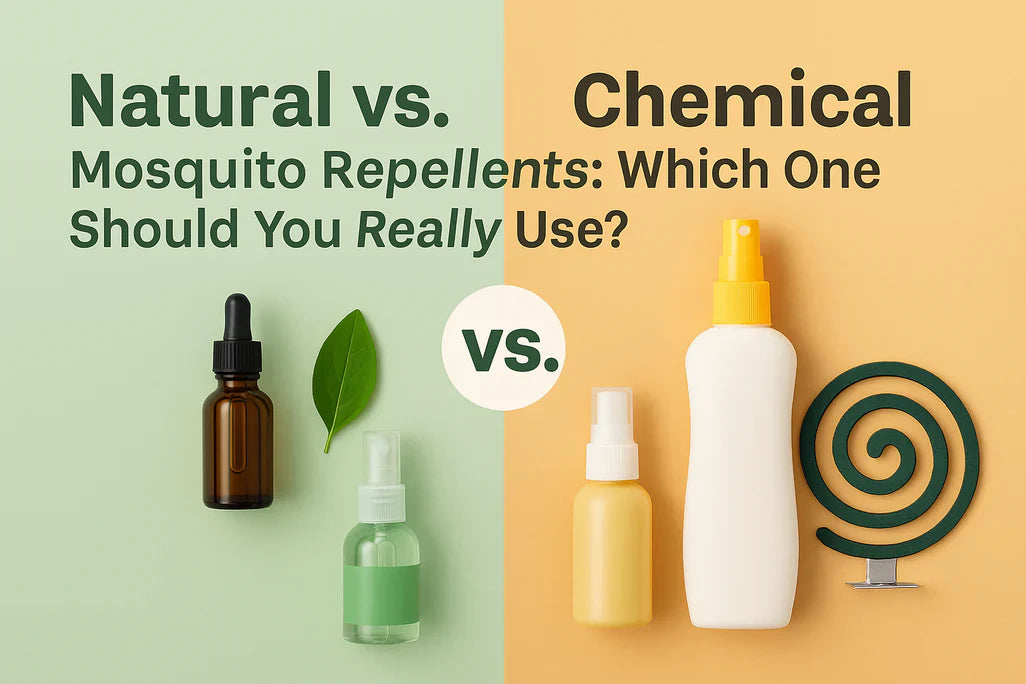
Mosquitoes are more than just annoying summer pests. Around the world, they are responsible for spreading dangerous diseases, disrupting outdoor activities, affecting sleep quality, and creating health concerns for both humans and animals. As mosquito populations continue to thrive in urban neighborhoods, suburban backyards, parks, farms, and humid climates, families are increasingly searching for effective ways to keep their homes and loved ones protected.
But one major question continues to divide homeowners:
Should you rely on physical mosquito control methods or chemical repellents?
For decades, chemical sprays, coils, repellents, and insecticides dominated the mosquito control market. However, growing awareness about indoor air quality, chemical sensitivity, environmental impact, child safety, and pet health has led many households to explore non-chemical alternatives.
Today, consumers face a wide range of options, including:
-
Mosquito traps
-
UV mosquito lamps
-
Electric zappers
-
Window screens
-
Fans
-
Essential oil repellents
-
DEET sprays
-
Permethrin-treated fabrics
-
Larvicides
-
Ultrasonic devices
-
Smart mosquito control systems
Each method offers different strengths, weaknesses, and safety considerations.
This article provides a deep, science-based comparison between physical mosquito control and chemical repellents, focusing specifically on safety for families, children, pets, and indoor living environments.
Why Mosquito Control Matters More Than Ever
Mosquitoes are not just a seasonal nuisance.
They are vectors for serious diseases, including:
-
West Nile virus
-
Dengue fever
-
Malaria
-
Zika virus
-
Chikungunya
-
Yellow fever
Even in areas where mosquito-borne illnesses are less common, mosquito bites can still cause:
-
Allergic reactions
-
Skin irritation
-
Sleep disruption
-
Secondary infections from scratching
-
Stress and anxiety
Pets are also vulnerable.
Mosquitoes can transmit:
-
Heartworm disease in dogs
-
Certain avian diseases
-
Skin irritation in animals
As a result, mosquito prevention is both a comfort issue and a health issue.
Understanding Physical Mosquito Control
Physical mosquito control focuses on reducing mosquito activity without relying heavily on chemical substances.
What Counts as Physical Mosquito Control?
Common physical control methods include:
-
Mosquito nets
-
Window screens
-
Electric mosquito zappers
-
UV mosquito traps
-
Sticky traps
-
Fans
-
Airflow systems
-
Protective clothing
-
Water management
-
Breeding site removal
The goal is to:
-
Block mosquitoes
-
Capture mosquitoes
-
Kill mosquitoes mechanically
-
Reduce breeding opportunities
These methods typically minimize chemical exposure.
Understanding Chemical Mosquito Repellents
Chemical mosquito control uses substances designed to repel, disable, or kill mosquitoes.
Common Chemical Mosquito Solutions
Popular options include:
-
DEET sprays
-
Picaridin repellents
-
Permethrin-treated clothing
-
Mosquito coils
-
Aerosol sprays
-
Fogging treatments
-
Insecticide candles
-
Chemical diffusers
-
Larvicides
These products work by:
-
Repelling mosquitoes
-
Disrupting insect nervous systems
-
Interfering with mosquito sensory receptors
-
Killing larvae or adult insects
Chemical solutions can be highly effective, but safety depends heavily on product type, concentration, exposure duration, and ventilation conditions.
The Core Safety Debate
The debate between physical and chemical mosquito control centers around one key issue:
How much risk are families willing to accept for convenience and effectiveness?
Physical solutions generally prioritize:
-
Lower toxicity
-
Reduced exposure
-
Environmental safety
-
Long-term prevention
Chemical methods often prioritize:
-
Fast action
-
High repellency
-
Broad coverage
-
Immediate mosquito reduction
Neither category is universally perfect.
The safest approach depends on:
-
Household composition
-
Presence of pets
-
Child age
-
Indoor ventilation
-
Outdoor conditions
-
Mosquito severity
-
Health sensitivities
Are Chemical Mosquito Repellents Dangerous?
The answer is more nuanced than many people assume.
Regulatory Approval vs. Real-World Exposure
Many mosquito repellents are approved by health agencies when used correctly.
However, “approved” does not necessarily mean “risk-free.”
Safety depends on:
-
Dose
-
Frequency
-
Exposure duration
-
Application method
-
Individual sensitivity
Improper use increases risks significantly.
DEET: The Most Common Chemical Repellent
DEET remains one of the most widely used mosquito repellents worldwide.
How DEET Works
DEET interferes with mosquito sensory systems, making it harder for mosquitoes to detect humans.
It is highly effective against:
-
Mosquitoes
-
Ticks
-
Biting flies
Advantages of DEET
DEET offers:
-
Long-lasting protection
-
Strong effectiveness
-
Wide availability
-
Proven mosquito deterrence
Potential Concerns
Some users report concerns about:
-
Skin irritation
-
Eye irritation
-
Strong odor
-
Respiratory discomfort
-
Material damage to plastics and fabrics
Excessive exposure may increase risks, especially for small children or sensitive individuals.
Picaridin: A Newer Alternative
Picaridin has become increasingly popular as an alternative to DEET.
Benefits of Picaridin
Compared to DEET, picaridin often provides:
-
Less odor
-
Lower skin irritation
-
Reduced greasy feeling
-
Better fabric compatibility
Safety Profile
Many experts consider picaridin relatively safe when used properly.
However, overexposure and improper use still present potential concerns.
Permethrin and Treated Fabrics
Permethrin is commonly used on:
-
Outdoor clothing
-
Camping gear
-
Mosquito nets
Important Safety Difference
Permethrin is designed for fabrics, not direct skin application.
Risks for Pets
Permethrin is highly toxic to cats before it fully dries.
This is one of the most important pet safety considerations in mosquito control.
Dog-safe products may still be dangerous for cats.
The Problem with Mosquito Coils
Mosquito coils remain popular in many regions because they are inexpensive and easy to use.
However, coils generate smoke through continuous burning.
What Mosquito Coils Release
Burning coils may produce:
-
Fine particulate matter
-
Smoke pollutants
-
Chemical insecticides
-
Respiratory irritants
Indoor Air Quality Concerns
Poorly ventilated indoor use may increase:
-
Respiratory irritation
-
Asthma symptoms
-
Eye discomfort
Small children and pets may be especially sensitive.
Aerosol Sprays and Indoor Chemical Exposure
Aerosol insecticides provide rapid mosquito knockdown.
However, they also introduce airborne chemicals into living spaces.
Potential Indoor Risks
Repeated exposure may contribute to:
-
Respiratory irritation
-
Chemical residue buildup
-
Surface contamination
-
Air quality concerns
Pets often experience greater exposure because they spend more time near floors and surfaces.
Physical Mosquito Control: Why Many Families Prefer It
Physical mosquito control methods are increasingly popular because they minimize direct chemical exposure.
Lower Toxicity Risks
Most physical systems do not rely on neurotoxic insecticides.
This reduces concerns about:
-
Indoor residue
-
Skin exposure
-
Inhalation risks
-
Pet poisoning
Better for Continuous Use
Physical systems are often safer for:
-
Bedrooms
-
Nurseries
-
Living rooms
-
Pet areas
Many can operate continuously without introducing airborne chemicals.
Window Screens: One of the Safest Solutions
Window screens remain one of the most effective long-term mosquito prevention tools.
Why Screens Work
Screens create a physical barrier that prevents mosquito entry.
Benefits include:
-
No chemicals
-
Continuous protection
-
Low maintenance
-
Long lifespan
Best Practices
Effective screen protection requires:
-
Proper installation
-
Small mesh openings
-
Regular damage inspection
Even small tears can allow mosquitoes inside.
Mosquito Nets and Bed Protection
Mosquito nets provide highly targeted protection during sleep.
Why Nets Are Effective
Most mosquito bites occur during periods of inactivity or nighttime rest.
Nets create direct physical separation between people and mosquitoes.
Advantages for Families
Nets are especially useful for:
-
Infants
-
Young children
-
Pregnant women
-
Travelers
-
Pet sleeping areas
Safety Benefits
Mosquito nets produce:
-
No fumes
-
No airborne chemicals
-
No inhalation exposure
This makes them extremely low-risk.
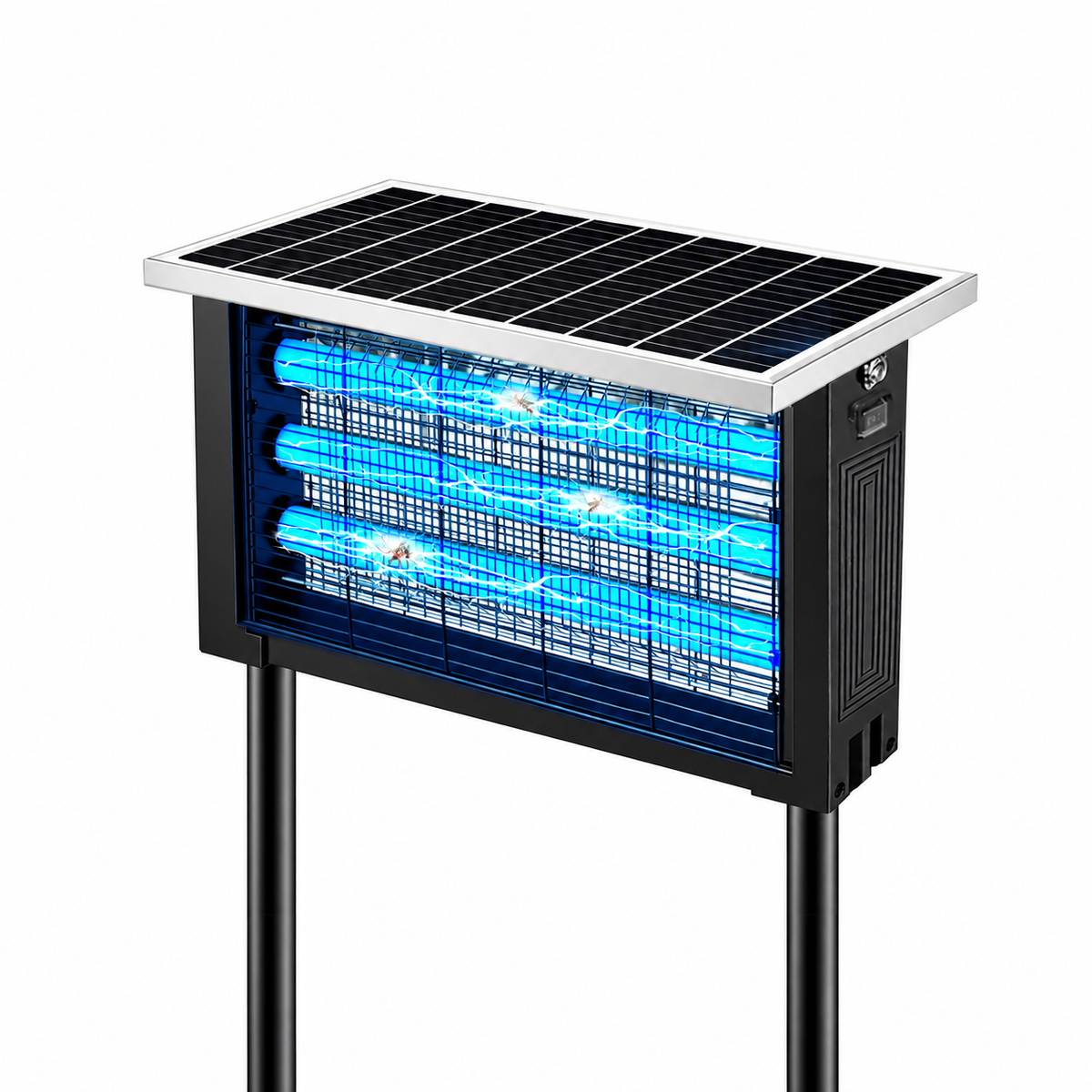
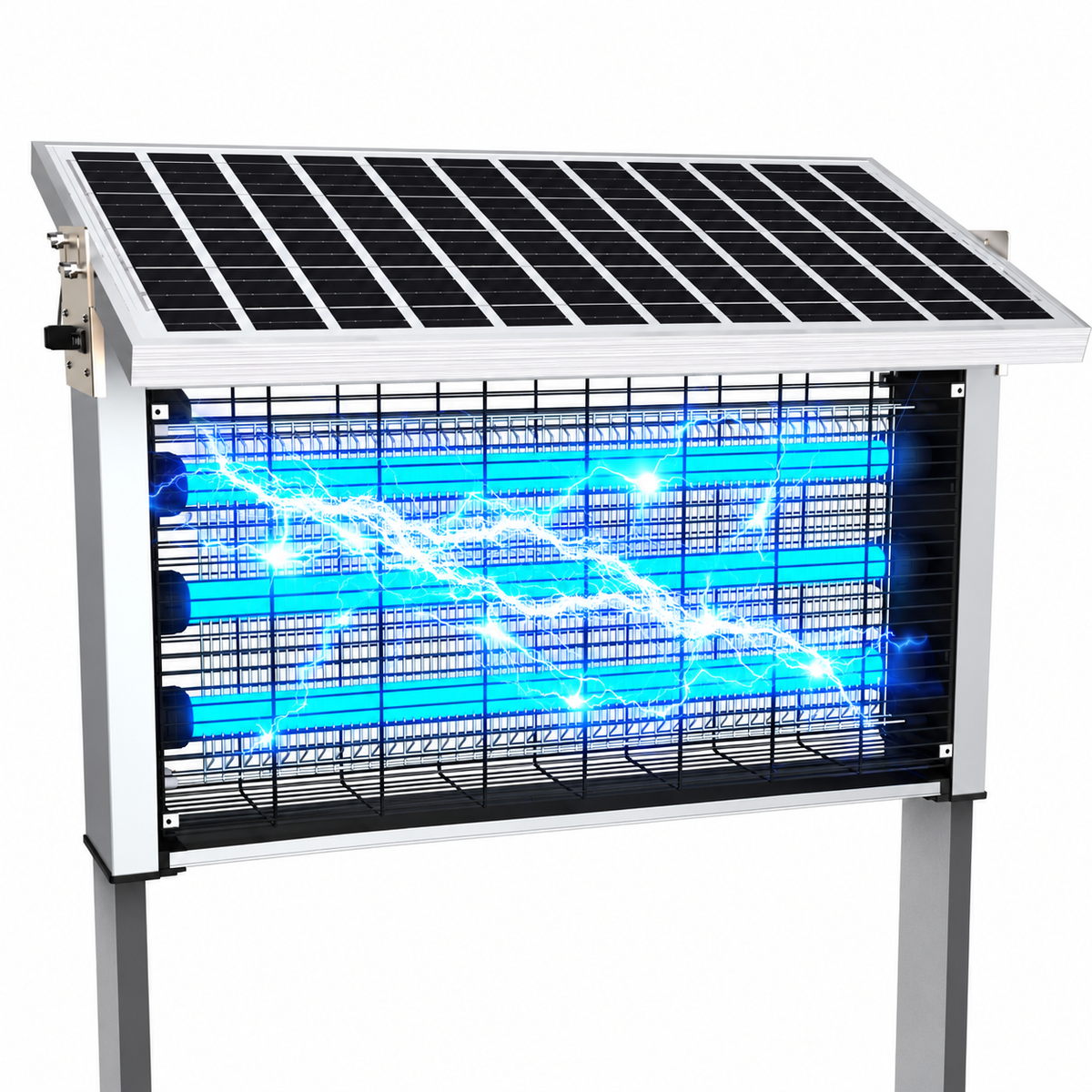
Electric Mosquito Zappers
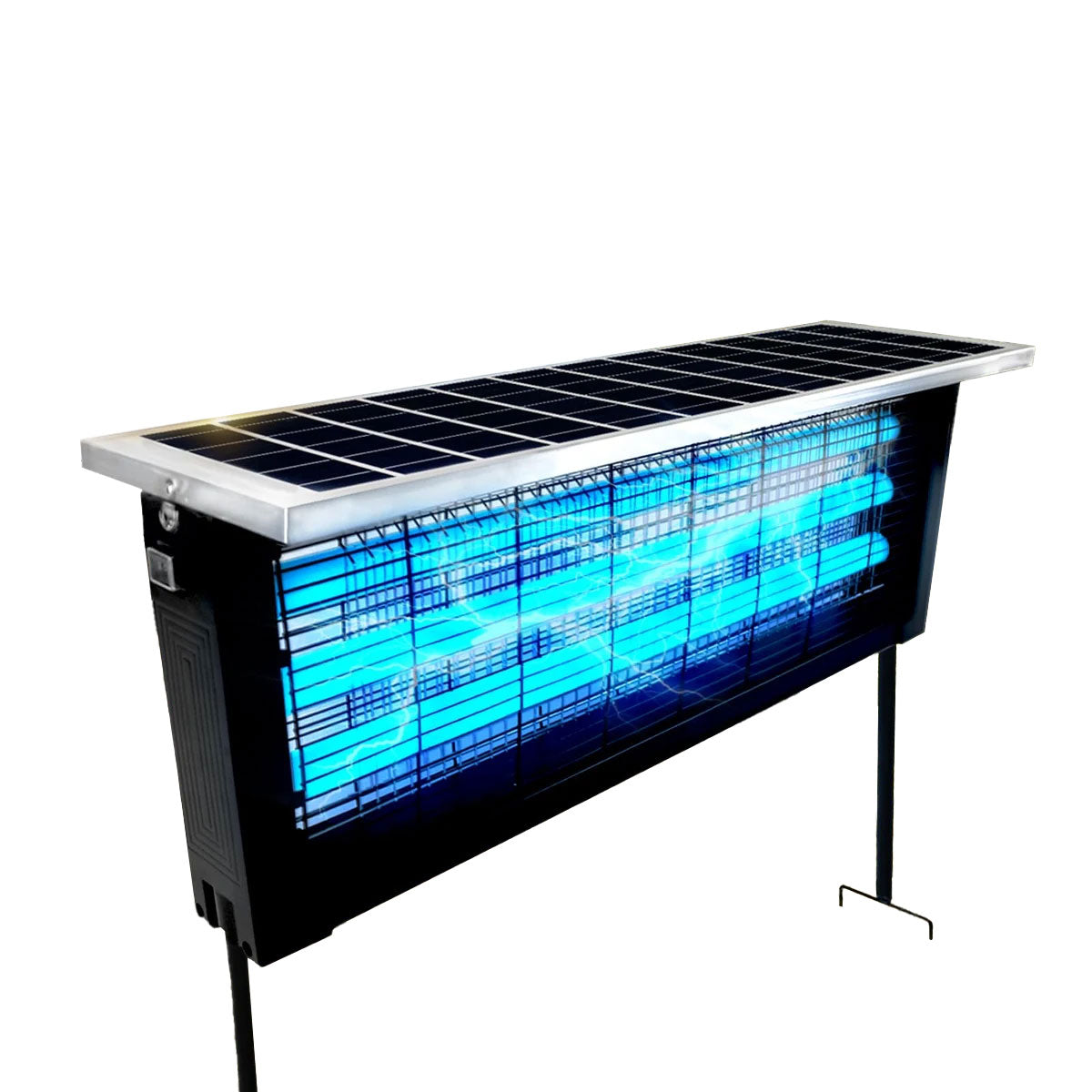
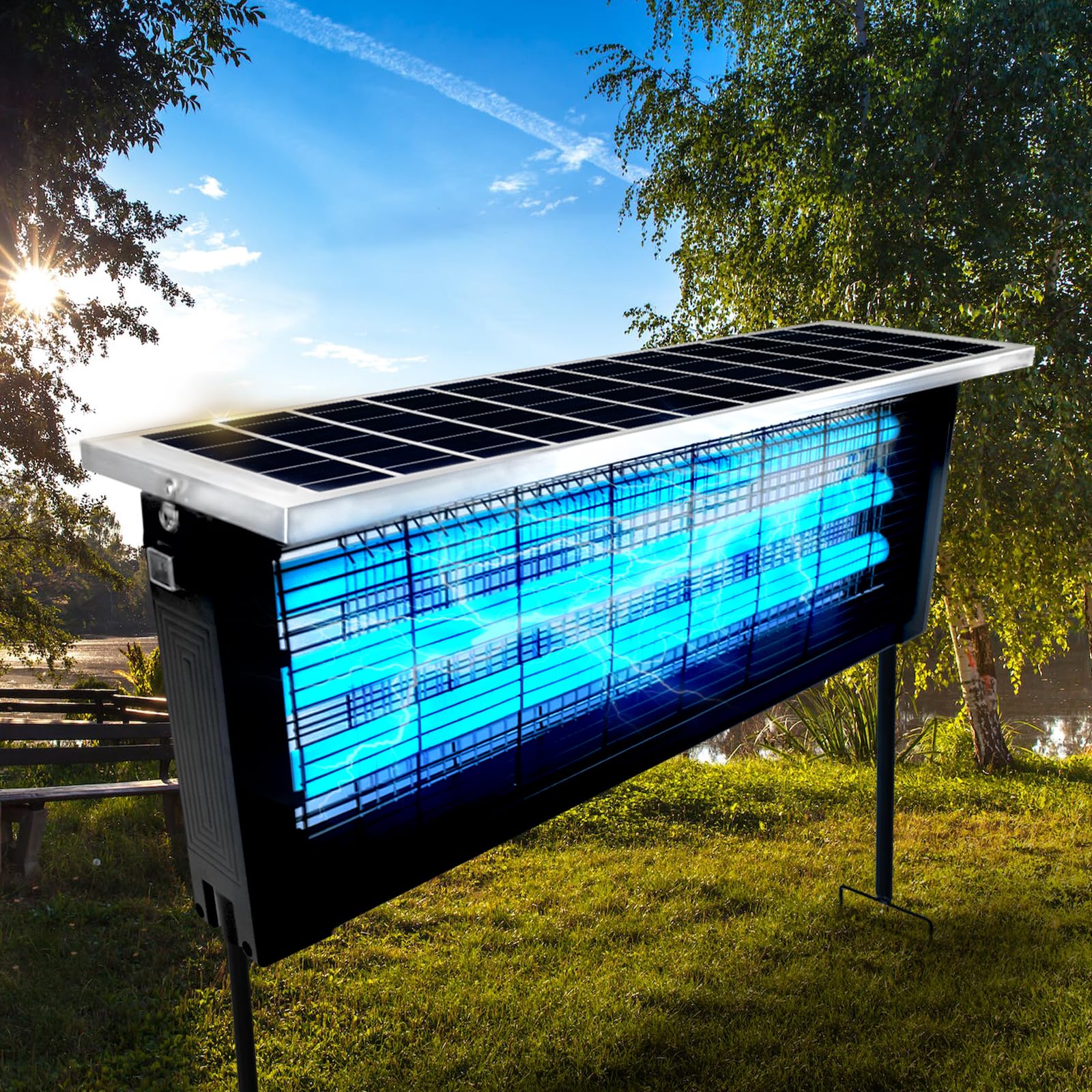
Electric mosquito zappers use light attraction and electrical grids to kill insects.
How Zappers Work
Mosquitoes are drawn toward:
-
UV light
-
Heat
-
Visual cues
When insects contact the electric grid, they are electrocuted.
Safety Advantages
Most electric zappers:
-
Avoid chemical spraying
-
Produce no chemical residue
-
Operate continuously
Potential Drawbacks
Some concerns include:
-
Noise from insect contact
-
Accidental contact risk for children
-
Non-target insect impact
Modern enclosed-grid designs improve safety significantly.
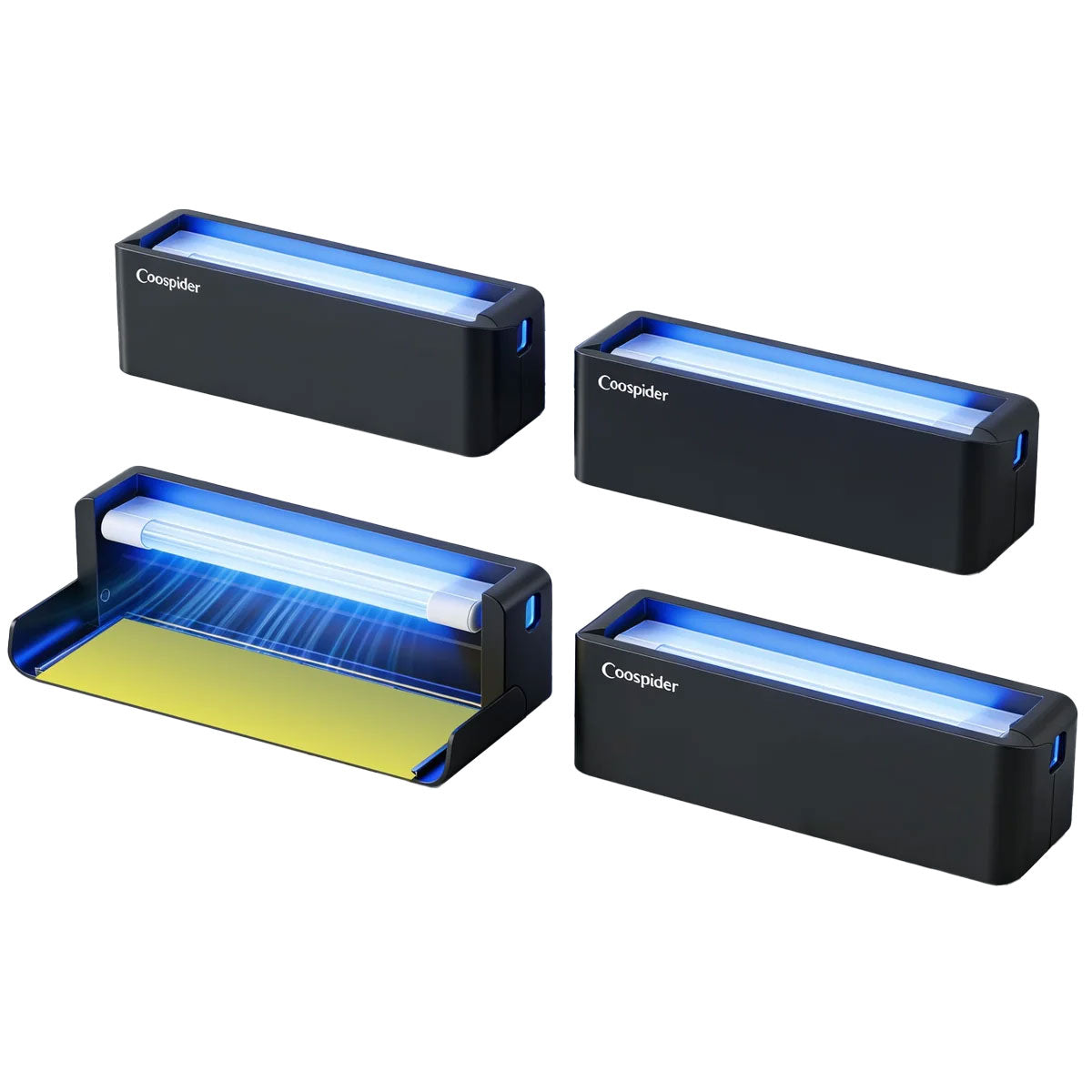
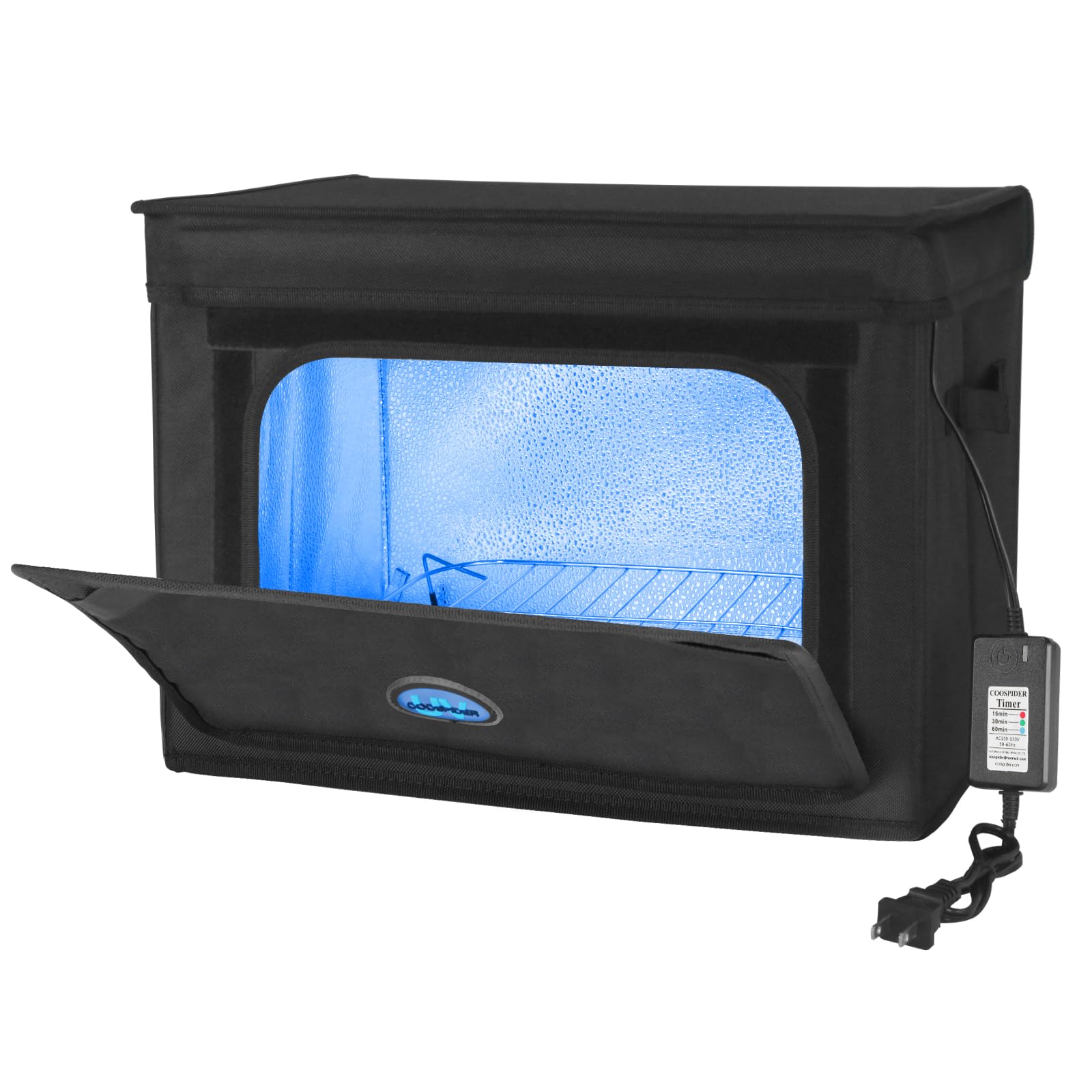
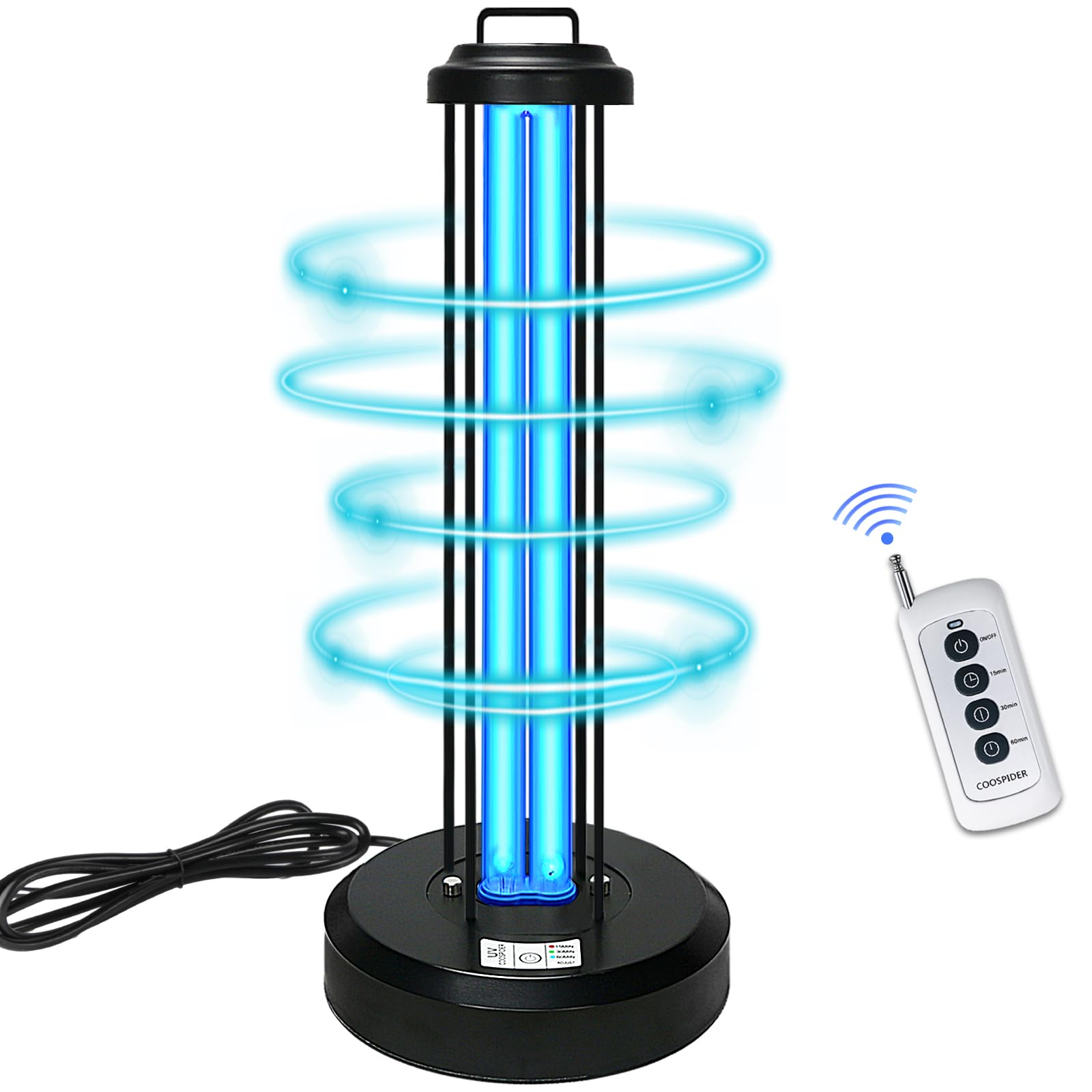
UV Mosquito Traps
UV mosquito traps are among the fastest-growing physical mosquito solutions.
How UV Traps Work
Advanced traps attract mosquitoes using combinations of:
-
UV light
-
Heat
-
Carbon dioxide simulation
-
Airflow suction
Mosquitoes are then trapped or dehydrated.
Advantages for Indoor Use
UV traps are popular because they:
-
Operate quietly
-
Avoid chemical fumes
-
Reduce indoor spraying
-
Work continuously
Pet and Child Safety
Most modern traps are relatively safe because they avoid toxic exposure.
However, placement still matters to prevent accidental touching or tipping.
Fans: The Surprisingly Effective Mosquito Defense
Mosquitoes are weak fliers.
Even moderate airflow disrupts their ability to navigate.
Why Fans Work
Fans help by:
-
Disrupting flight patterns
-
Diluting human scent trails
-
Reducing carbon dioxide concentration buildup
Safety Advantages
Fans provide mosquito reduction with:
-
No chemicals
-
No residue
-
No inhalation risks
They are extremely safe for both families and pets.
Water Management: The Most Important Prevention Strategy
Mosquitoes require standing water for breeding.
Common Breeding Sources
Typical mosquito breeding areas include:
-
Flower pots
-
Bird baths
-
Gutters
-
Pet bowls
-
Buckets
-
Tires
-
Outdoor containers
Why Prevention Matters
Eliminating breeding grounds reduces mosquito populations before they become a problem.
This is one of the safest and most environmentally friendly approaches available.
Are Natural Repellents Safer?
Many consumers assume natural products are automatically safer.
This is not always true.
Essential Oil Repellents
Common natural repellents include:
-
Citronella
-
Eucalyptus oil
-
Lavender oil
-
Peppermint oil
-
Lemongrass
Potential Risks
Essential oils may still cause:
-
Skin irritation
-
Allergic reactions
-
Respiratory sensitivity
-
Pet toxicity
Some oils are dangerous for cats and birds.
Natural does not automatically mean harmless.
Pet Safety Considerations
Pets face unique mosquito control risks.
Why Pets Are More Vulnerable
Animals may experience greater exposure because they:
-
Lick surfaces
-
Groom fur
-
Stay near floors
-
Have smaller body sizes
Cats and Chemical Sensitivity
Cats are especially sensitive to certain insecticides and essential oils.
Some chemicals safe for humans or dogs may be toxic to cats.
Birds and Respiratory Sensitivity
Birds possess highly sensitive respiratory systems.
Airborne sprays and smoke can affect them more severely.
Child Safety Considerations
Children require special protection strategies.
Why Children Are More Sensitive
Children have:
-
Smaller body mass
-
Developing immune systems
-
Higher breathing rates
-
More hand-to-mouth behavior
Best Practices
Families should:
-
Avoid excessive indoor spraying
-
Use age-appropriate repellents
-
Focus on physical prevention methods
-
Maintain proper ventilation
Comparing Long-Term Exposure Risks
One major difference between physical and chemical methods involves cumulative exposure.
Chemical Accumulation Concerns
Repeated chemical use may increase long-term exposure through:
-
Skin contact
-
Air inhalation
-
Surface residue
Physical Methods and Exposure
Physical systems generally avoid ongoing chemical accumulation.
This makes them attractive for continuous everyday use.
Environmental Impact Comparison
Mosquito control methods also affect ecosystems.
Chemical Environmental Concerns
Chemical insecticides may affect:
-
Pollinators
-
Aquatic organisms
-
Beneficial insects
-
Soil health
Physical Methods and Sustainability
Physical methods often create:
-
Lower environmental contamination
-
Reduced ecosystem disruption
-
More targeted mosquito control
Which Method Is More Effective?
Safety matters, but effectiveness also matters.
Chemical Repellents: Strong Immediate Protection
Chemical repellents often provide:
-
Fast results
-
Strong bite prevention
-
Wide-area protection
Physical Methods: Better Long-Term Prevention
Physical methods excel at:
-
Continuous protection
-
Indoor safety
-
Prevention-based control
The Best Strategy Is Usually Combination-Based
Most experts recommend layered mosquito protection.
This may include:
-
Window screens
-
Standing water removal
-
UV traps
-
Limited targeted repellent use
Balanced strategies often provide the best safety-to-effectiveness ratio.
Smart Mosquito Control for Modern Homes
New technology is changing mosquito prevention.
Smart Traps
Modern mosquito traps may include:
-
AI monitoring
-
Automatic capture systems
-
Quiet operation
-
Low-energy designs
Integrated Home Protection
Future mosquito control systems may combine:
-
Airflow management
-
Sensor-based detection
-
Smart lighting
-
Environmental monitoring
These systems aim to reduce chemical dependency.
When Chemical Repellents Make Sense
Chemical protection is still important in certain situations.
High-Risk Environments
Strong repellents may be necessary in:
-
Tropical regions
-
Disease outbreak zones
-
Heavy mosquito infestations
-
Remote outdoor environments
Outdoor Adventures
Camping, hiking, and wilderness travel may require additional protection layers.
In these cases, proper chemical repellent use can be valuable.
When Physical Methods Are the Better Choice
Physical mosquito control is often ideal for:
-
Indoor family spaces
-
Homes with pets
-
Nurseries
-
Long-term prevention
-
Daily continuous protection
These methods reduce unnecessary exposure risks.
Building the Safest Mosquito Control Strategy
The safest mosquito control plan usually combines prevention, environmental management, and limited targeted interventions.
Recommended Household Strategy
A balanced approach may include:
-
Eliminate standing water
-
Install quality window screens
-
Use fans and airflow
-
Add UV mosquito traps
-
Use chemical repellents only when necessary
-
Keep pets away from treated areas
-
Improve ventilation during any chemical use
This minimizes overall exposure while maintaining effective protection.
Final Thoughts
The debate between physical mosquito control and chemical repellents is not simply about which method kills more mosquitoes. It is about balancing effectiveness, convenience, health considerations, environmental impact, and long-term exposure risks.\n\nChemical repellents can provide strong immediate protection, especially in high-risk environments or severe mosquito conditions. However, improper use, excessive indoor spraying, poor ventilation, and pet exposure can increase health concerns.\n\nPhysical mosquito control methods—including screens, nets, UV traps, airflow systems, and breeding prevention—offer lower-toxicity alternatives that are often better suited for continuous everyday use around children and pets.\n\nFor most households, the safest and most effective solution is not choosing one method exclusively. It is combining smart prevention strategies with selective, responsible use of repellents when truly necessary.\n\nUltimately, reducing mosquito exposure while minimizing unnecessary chemical contact creates a healthier, safer, and more comfortable living environment for every member of the household—including pets.