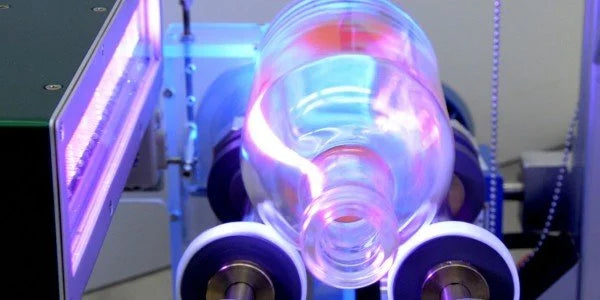
In the world of modern electronics, where devices are shrinking while performance expectations are skyrocketing, precision is everything. Smartphones, wearable devices, automotive sensors, medical electronics, and aerospace control systems all rely on components that are smaller, more delicate, and more powerful than ever before.
Behind the scenes of this technological revolution lies a critical but often invisible process: UV curing technology. More specifically, UV-curable materials—activated by ultraviolet light—have become one of the most important enabling technologies in high-precision electronics manufacturing.
From bonding microscopic components to protecting sensitive circuits, UV curing acts as a “guardian” of electronic components, ensuring reliability, durability, and performance at scale.
This article explores why UV curing is indispensable in electronics manufacturing, how it works, where it is used, and why it continues to shape the future of high-tech production.
The Rising Demands of Modern Electronics Manufacturing
Electronics manufacturing has entered a new era defined by three major trends:
-
Extreme miniaturization
-
High functional integration
-
Increased sensitivity to heat and contamination
Devices are no longer large, modular systems. Instead, they are compact, densely packed assemblies with components measured in microns.
This creates major manufacturing challenges:
-
Traditional adhesives may damage sensitive parts
-
Heat curing can deform components
-
Mechanical fastening is often impossible
-
Contamination must be strictly controlled
To solve these challenges, manufacturers have increasingly turned to UV curing systems.
Companies such as Henkel, 3M, and Dymax have developed advanced UV-curable materials specifically designed for electronics applications.
What Is UV Curing in Electronics Manufacturing?
UV curing is a photochemical process where ultraviolet light triggers a reaction in specially formulated materials such as adhesives, coatings, and encapsulants.
In electronics, UV-curable materials are used to:
-
Bond components
-
Protect circuits
-
Seal sensitive parts
-
Provide insulation
-
Stabilize mechanical structures
The curing process happens in seconds:
-
UV-curable material is applied
-
Components are aligned
-
UV light is exposed to the material
-
Photoinitiators activate
-
Material hardens into a solid protective structure
This instantaneous transformation is what makes UV curing so valuable in high-precision environments.
Why Electronics Manufacturing Needs UV Curing
UV curing is not just convenient—it solves fundamental engineering problems in electronics production.
1. Heat Sensitivity of Components
Many electronic components cannot withstand high temperatures. Microchips, sensors, and optical modules can be damaged by heat curing methods.
UV curing eliminates this risk because:
-
It operates at low temperatures
-
No thermal stress is applied
-
Sensitive materials remain stable
2. Miniaturization Requires Precision
As components shrink, tolerances become extremely tight.
UV curing allows:
-
Exact adhesive placement
-
Instant fixation without movement
-
Micron-level alignment stability
3. High-Speed Mass Production
Electronics manufacturing is highly automated. Production lines must operate continuously with minimal downtime.
UV curing enables:
-
Instant bonding
-
No drying time
-
Seamless integration into conveyor systems
4. Cleanroom Compatibility
Electronics manufacturing often takes place in cleanrooms where contamination control is critical.
UV-curable materials:
-
Do not require solvents
-
Produce minimal emissions
-
Reduce particulate contamination
UV Curing in Semiconductor Manufacturing
Semiconductors are the foundation of all modern electronics, and UV curing plays a supporting role in several key processes.
Applications include:
-
Wafer dicing protection
-
Die attachment
-
Encapsulation
-
Temporary bonding during processing
UV-curable materials help ensure that delicate silicon structures remain intact throughout complex manufacturing steps.
Even microscopic defects can affect performance, so precision is essential.
UV Curing in Smartphone and Consumer Electronics
Smartphones are one of the most UV-dependent electronic products in modern manufacturing.
Key applications:
-
Display bonding
-
Camera module assembly
-
Waterproof sealing
-
Optical component alignment
-
Internal structural reinforcement
UV curing allows manufacturers to assemble complex devices quickly while maintaining structural integrity.
For example, display modules must be aligned with extreme precision. UV adhesives hold components in place instantly, preventing micro-shifts that could affect screen performance.
UV Curing in Camera and Optical Systems
Optical systems require clarity, stability, and perfect alignment.
UV-curable materials are widely used in:
-
Camera lens assembly
-
Optical sensor bonding
-
Laser module fixation
-
Fiber optic connectors
Benefits in optical applications:
-
No yellowing over time
-
High transparency
-
Strong vibration resistance
-
Precise alignment retention
This makes UV curing essential in everything from smartphone cameras to professional imaging systems.
Automotive Electronics: A Growing Application Field
Modern vehicles are becoming electronic platforms on wheels.
Advanced driver-assistance systems (ADAS), infotainment systems, and electric vehicle control units all rely on sensitive electronics.
UV curing is used in:
-
Sensor sealing
-
ECU bonding
-
Battery management systems
-
Lighting modules
-
Camera and radar assemblies
Material suppliers such as BASF and PPG Industries support automotive-grade UV-curable solutions designed for durability under extreme conditions.
UV curing ensures electronics can withstand:
-
Vibration
-
Temperature changes
-
Moisture exposure
-
Long-term mechanical stress
UV Curing in Wearable Technology
Wearable devices such as smartwatches, fitness trackers, and health monitors rely heavily on UV curing.
Applications include:
-
Micro-component bonding
-
Waterproof sealing
-
Sensor encapsulation
-
Flexible circuit assembly
UV curing is particularly important because wearable devices must be:
-
Lightweight
-
Durable
-
Resistant to sweat and moisture
-
Comfortable for long-term use
UV Protective Coatings for Circuit Boards
Printed circuit boards (PCBs) are the backbone of electronics.
UV-curable coatings are applied to:
-
Protect against moisture
-
Prevent corrosion
-
Insulate electrical pathways
-
Improve mechanical durability
These coatings are essential in harsh environments such as automotive, aerospace, and industrial electronics.
UV Curing in Medical Electronics
Medical devices require extremely high standards of safety and reliability.
UV curing is used in:
-
Diagnostic equipment
-
Implantable devices
-
Imaging systems
-
Disposable medical electronics
Advantages include:
-
Sterile processing compatibility
-
No solvent residues
-
High precision bonding
-
Biocompatible formulations
This ensures devices operate safely and reliably in critical healthcare environments.
The Role of UV Lamps in Electronics Manufacturing
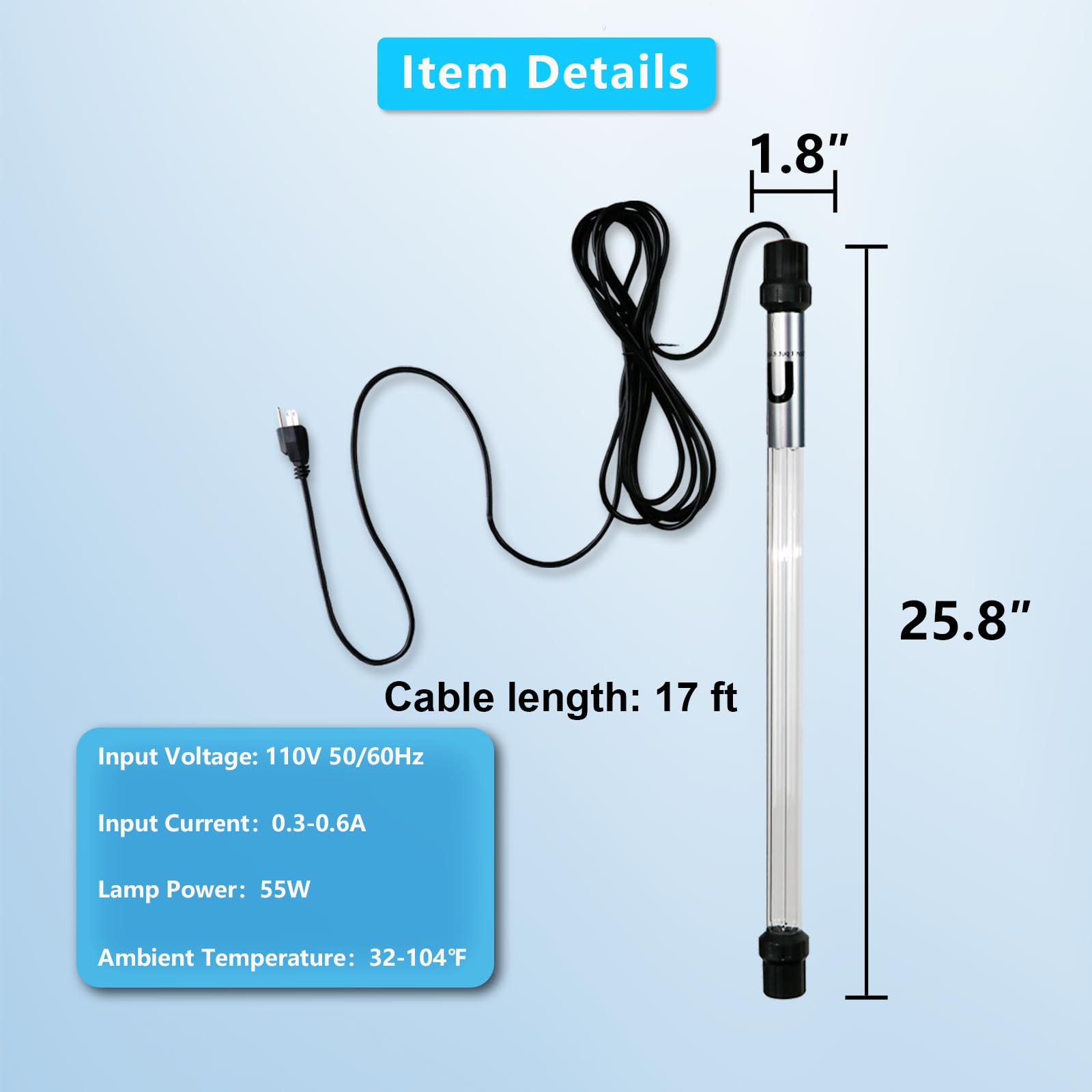
UV curing depends entirely on UV light sources, typically UV lamps or LED systems.
Mercury UV Lamps
Traditional systems used in industrial manufacturing:
-
Broad-spectrum UV output
-
High intensity
-
Effective for many materials
-
Generate significant heat
-
Require warm-up time
UV LED Systems
Modern alternative rapidly replacing mercury systems:
-
Instant on/off
-
Low heat output
-
Energy efficient
-
Long lifespan
-
Narrow wavelength control
Companies like Excelitas Technologies and Nordson are major providers of UV LED curing systems for electronics manufacturing.
Why UV Curing Improves Manufacturing Efficiency
UV curing improves production in several measurable ways:
1. Faster Cycle Times
Bonding and coating processes that once took minutes now take seconds.
2. Higher Yield Rates
Instant curing reduces component movement and misalignment.
3. Reduced Waste
Fewer defects mean fewer rejected units.
4. Automation Compatibility
UV curing integrates easily into robotic assembly lines.
Challenges of UV Curing in Electronics
Despite its advantages, UV curing is not without limitations.
1. Shadow Areas
UV light cannot cure hidden surfaces, which limits use in complex geometries.
2. Material Compatibility
Only specially formulated materials can be used.
3. Equipment Costs
UV curing systems require initial capital investment.
4. Process Optimization
Manufacturers must carefully calibrate exposure time and intensity.
Sustainability Advantages of UV Curing
Sustainability is increasingly important in electronics manufacturing.
UV curing contributes to greener production by:
-
Eliminating solvent emissions
-
Reducing energy consumption
-
Lowering waste generation
-
Extending product lifespan
UV LED systems further enhance environmental performance by eliminating mercury usage.
Future Trends in UV Curing for Electronics
The future of UV curing in electronics is rapidly evolving.
1. Miniaturized UV Systems
Smaller, more precise UV sources for microelectronics.
2. AI-Controlled Curing
Smart systems that adjust exposure in real time.
3. Advanced Photoinitiators
Materials that cure faster with lower energy input.
4. Flexible Electronics Expansion
UV curing will play a key role in foldable and wearable electronics.
5. Fully Integrated Smart Factories
UV curing will become part of fully automated, self-optimizing production systems.
Why UV Curing Is the “Guardian” of Electronic Components
UV curing protects electronics at every stage:
-
It stabilizes fragile components
-
It prevents environmental damage
-
It ensures precise assembly
-
It enhances durability and reliability
Without UV curing, modern electronics would be slower, less reliable, and far more expensive to produce.
It is not just a manufacturing tool—it is a foundational technology enabling the entire electronics industry.
Conclusion
As electronics continue to evolve toward smaller, faster, and more powerful systems, manufacturing processes must evolve alongside them. UV curing technology has become indispensable in this journey, offering speed, precision, and protection that traditional methods simply cannot match.
From semiconductor fabrication to smartphones, automotive systems, and medical devices, UV curing acts as a silent guardian—ensuring that every electronic component performs exactly as intended.
In the future of high-precision manufacturing, UV curing will remain not just relevant, but essential.